Free stuff in Zürich – 1

Zürich is the most expensive city in the most expensive country in Europe.  Even most cash machines won’t dispense anything less than CHF 100 notes – since that is about the minimum you need here for a light lunch.

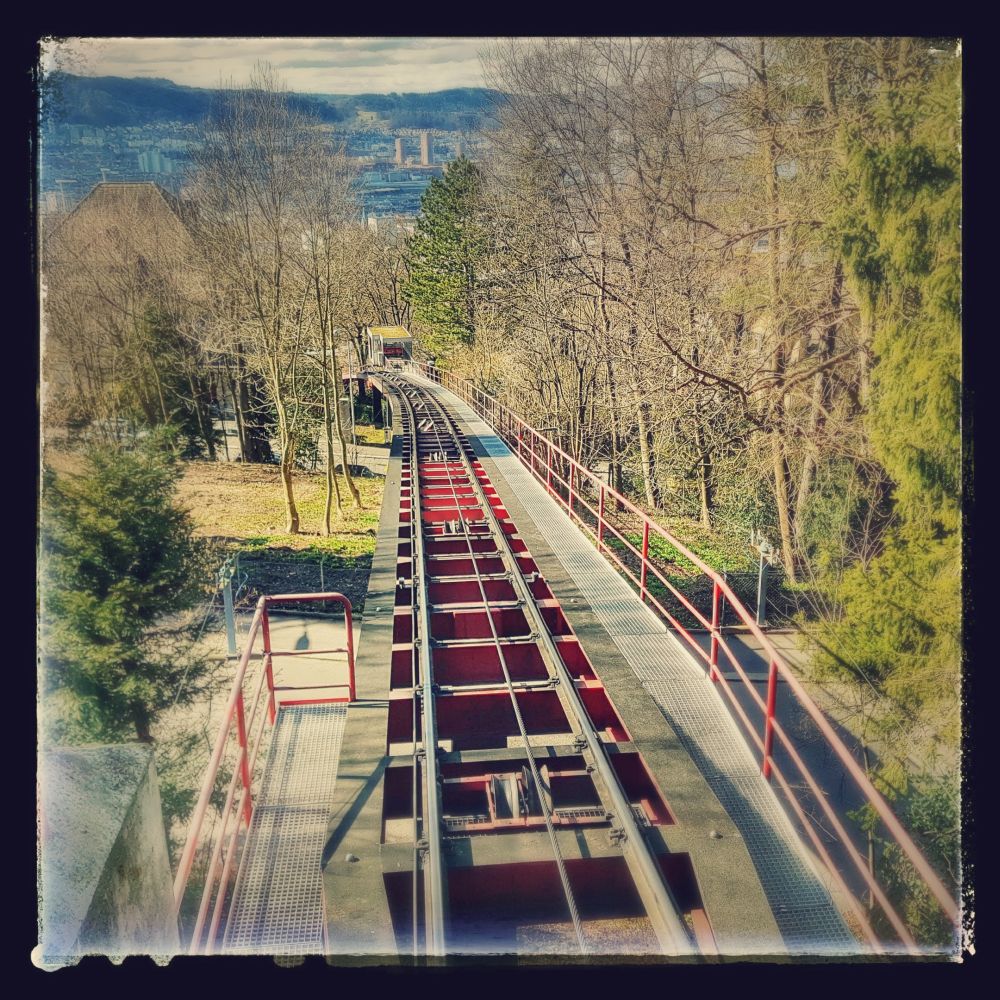
But despite this, there are still plenty of things you can do for free, such as using your valid train ticket on the Seilbahn Rigiblick.  An automated, driverless funicular shuttles you to the top of a nice mountain in about 10 minutes:

Springtime in Europe – the rapeseed in bloom

France, Germany, and Switzerland are amazing in the Spring!

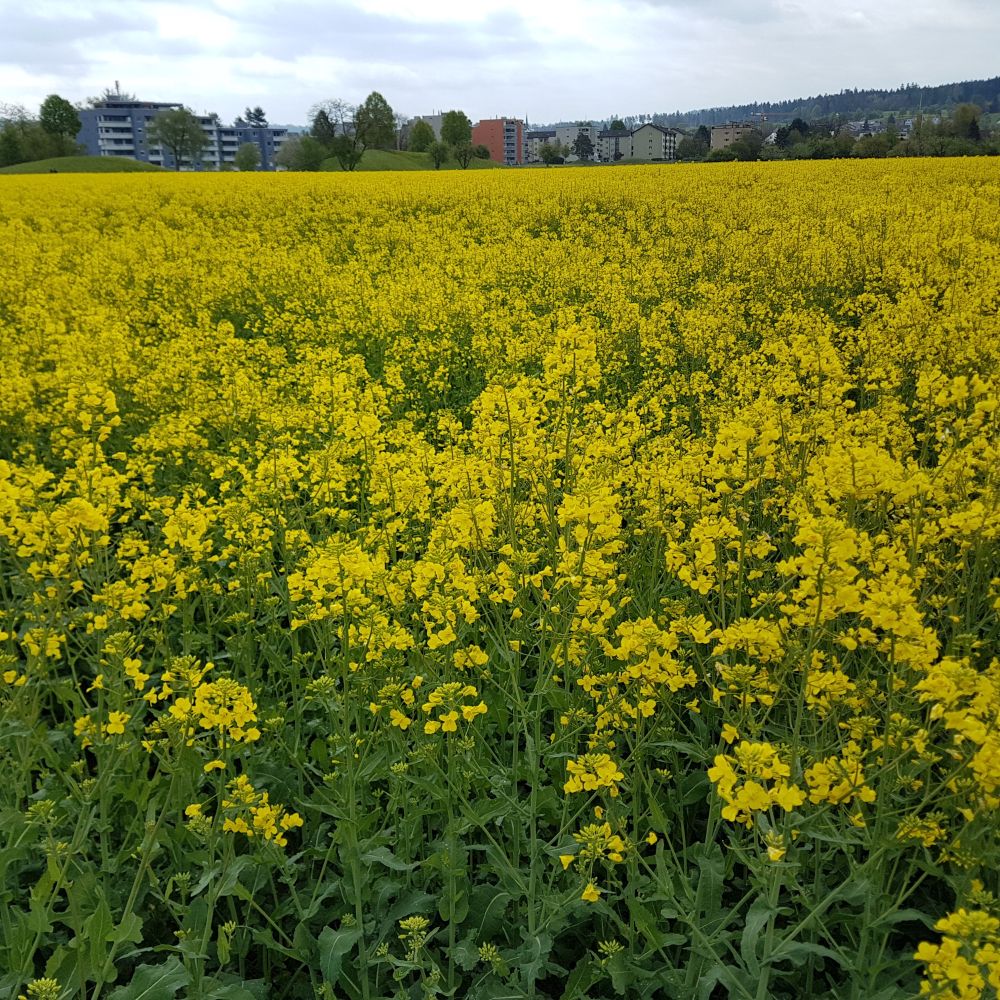
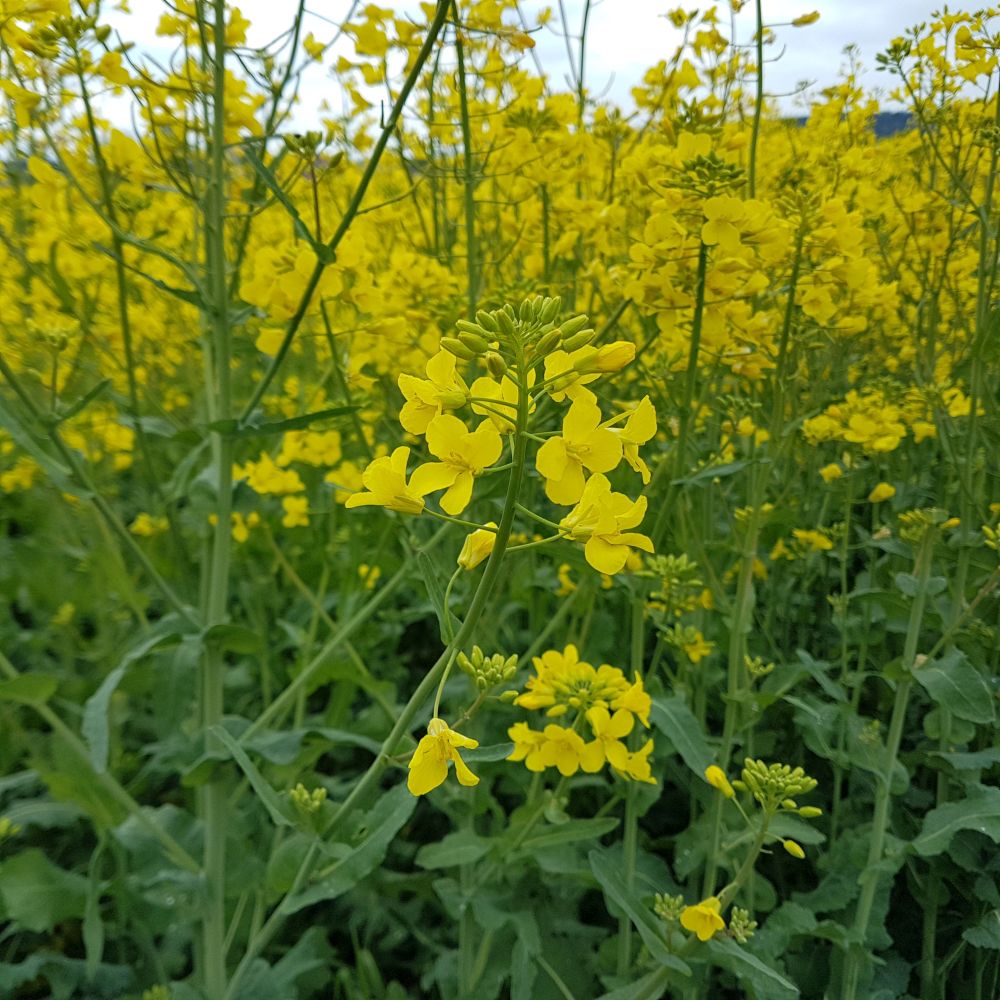
If you’ve visited France, Germany, or Switzerland in the spring time, then you know how amazing it is. The lush green countryside is filled with bright flowering patches of rapeseed, or Raps in German:

Now, I don’t know the fine subtleties between rapeseed and canola, but I do know this is one amazing sight:

It’s more than a bit frustrating when you see a field like this, because you never really know how the plant will be used.  Some of it is used for cooking oil, but at least in Europe, a huge fraction is used for biofuels.

Evolution vs. Revolution?

. . . Old versus New?

. . . Building a better mousetrap?

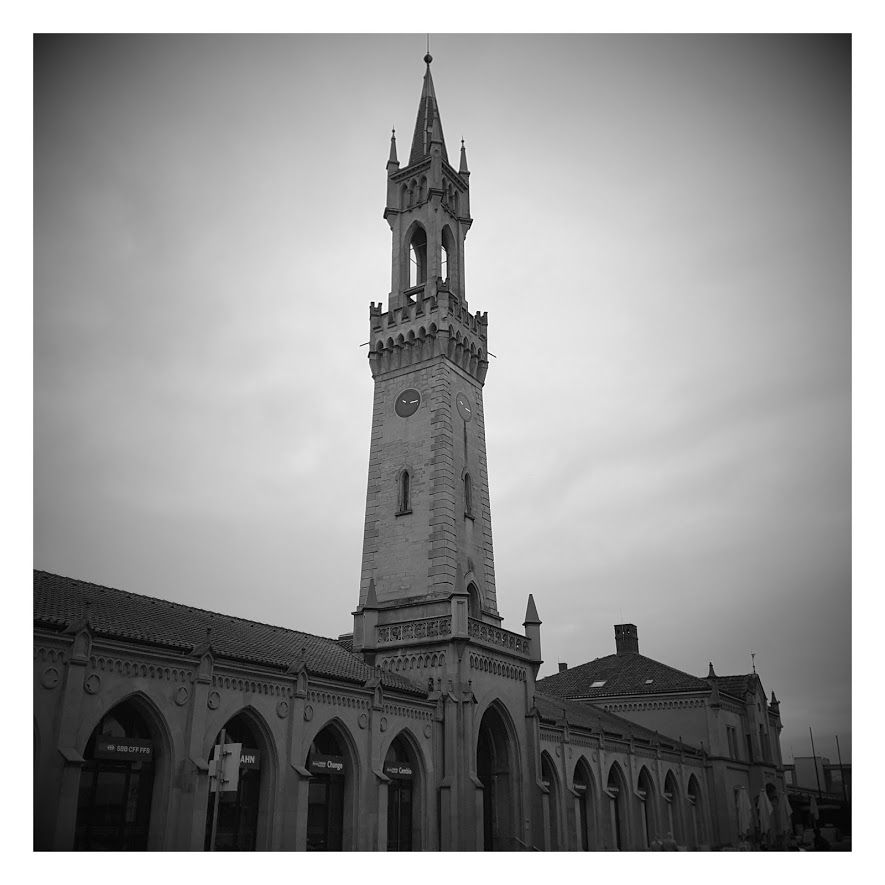
To be honest, I could not think of the perfect blog title to capture my emotions when I think about the new clock tower that adorns the main train station (Hauptbahnhof) in the south German city of Konstanz:

The bit that causes me the trouble is the clock on the tower – it’s fully electric!  Those hands you see are in fact LED lights – and if you get close enough, you can even see a little “second dot” that moves around the display.

I don’t know the story of this tower – who designed it, and whether people like it.  For me personally, I have both positive and negative emotions – and maybe that was what the architect was trying to inspire?

Trees in the Heath

Nestled very deep within Germany’s Schwarzwald, and high on a hill, stands a lonely windmill that generates electric power and sounds like whoosh whoosh whoosh as the blades turn slowly in the fog.

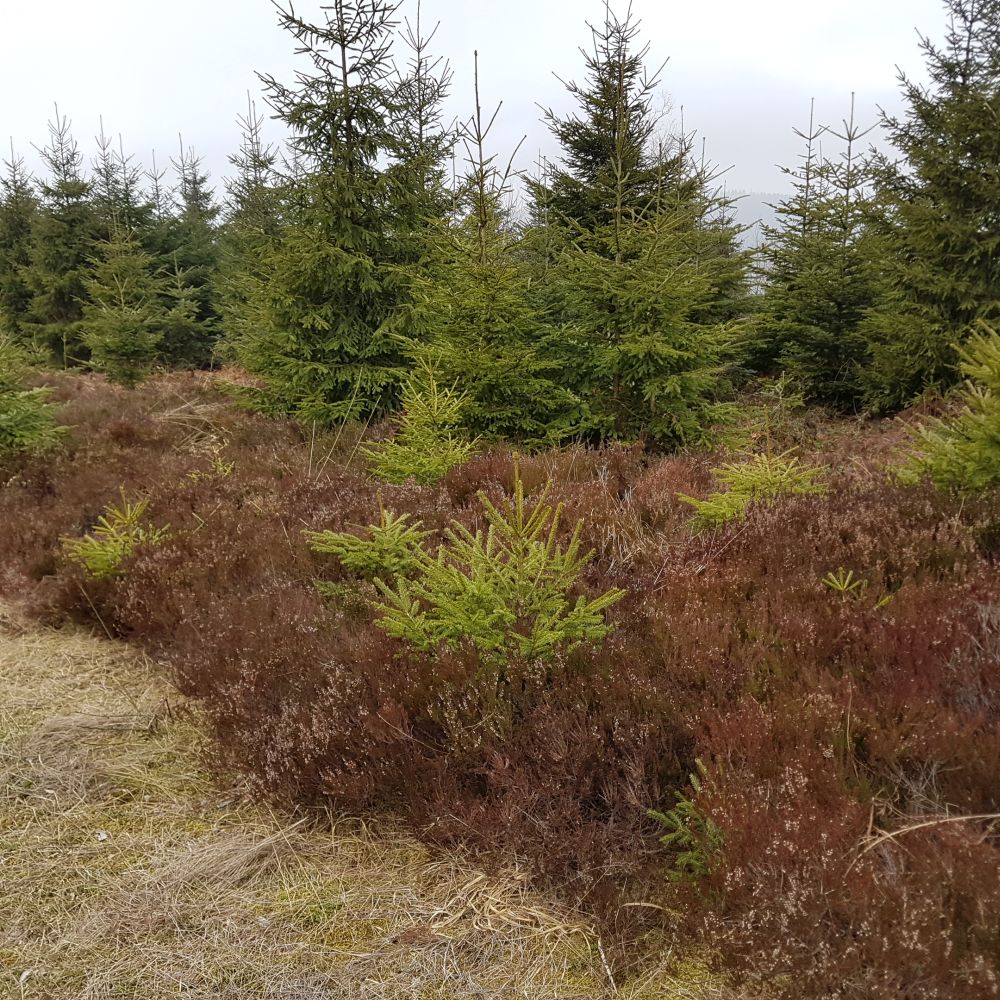
The amazing thing is not this tower at all, but what lives at its base: a field of heath from which Christmas trees seem to be growing randomly:

What’s amazing about this is that, in general, Germany’s Black Forest is now a carefully maintained forest. The original forest trees were harvested many centuries ago, and the trees you see today were all planted by conservationists.  So it is quite amazing to see a little spot like this where the trees seem to be growing on their own!

Stadtmauerente?

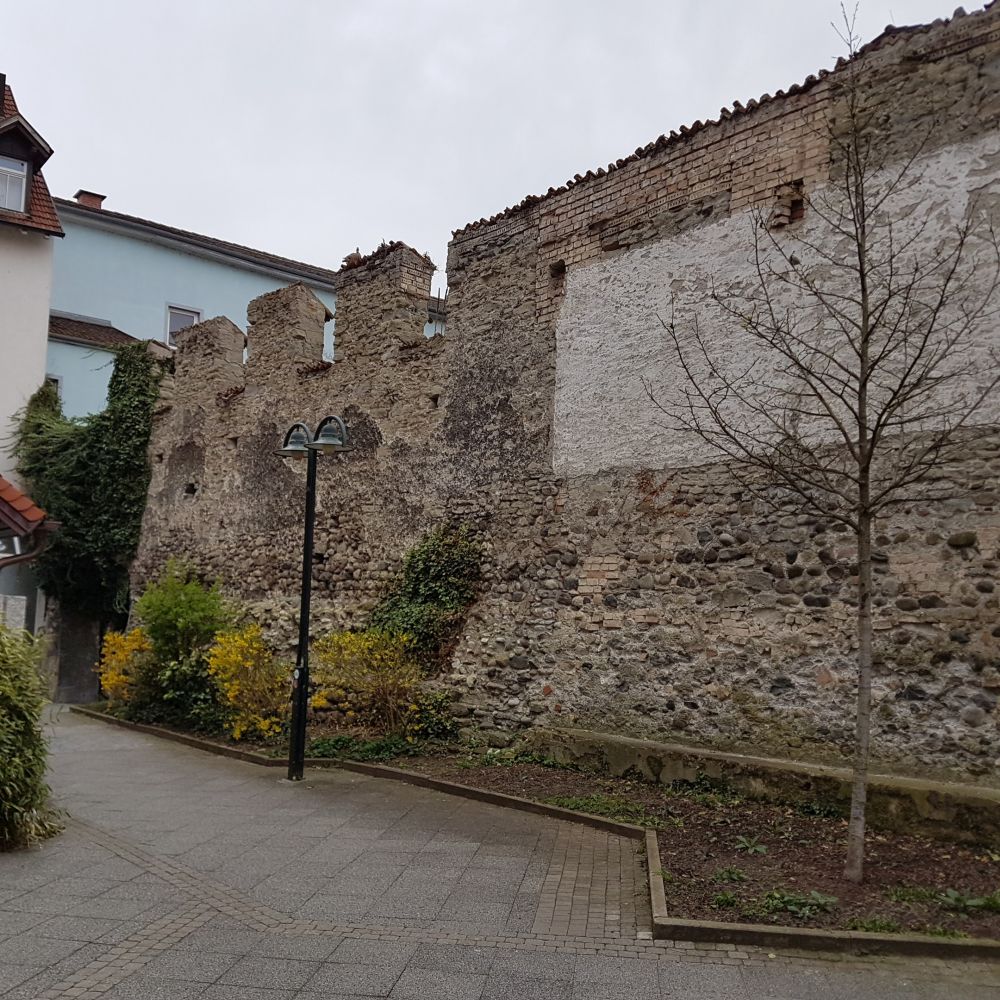
Here’s something you don’t see every day.  This is the medieval city wall of the city of Konstanz, also known as the Stadtmauer (the wall, not the city):

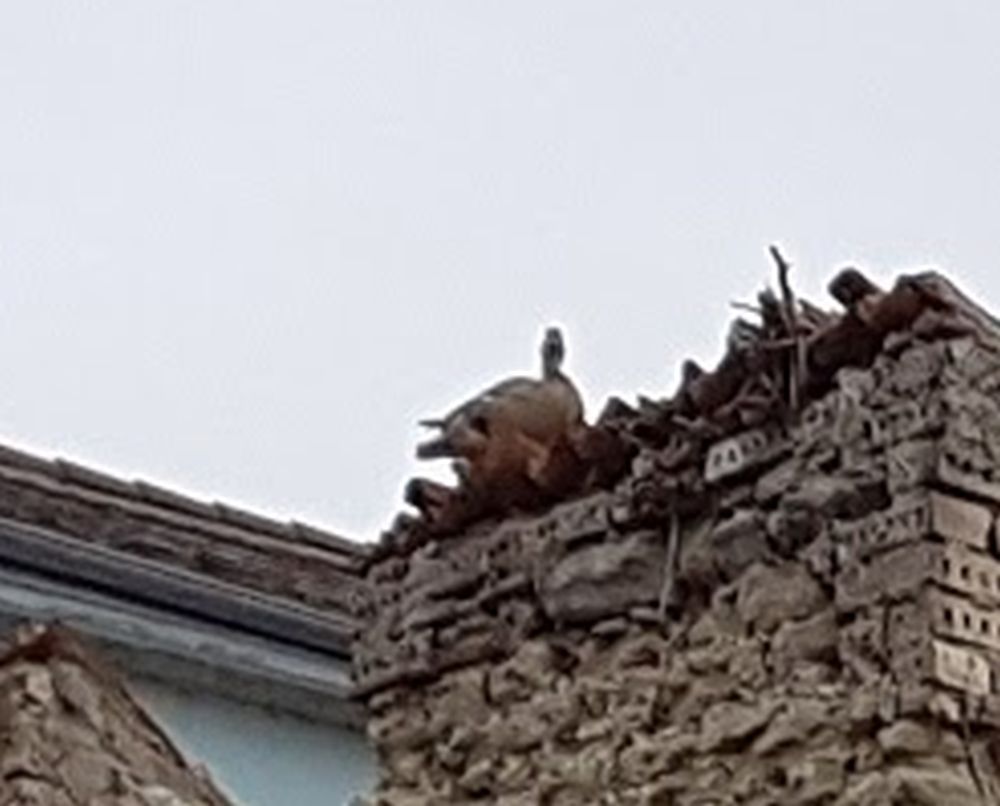
That’s not the amazing bit.  The truly amazing bit is way up on top: a female mallard duck that looks like she is roosting there:

Even if she is not roosting there, it is still an amazing site to see a duck perched high on a monument, like a stork or a pigeon!

Darth Vader Houses in Germany’s Black Forest

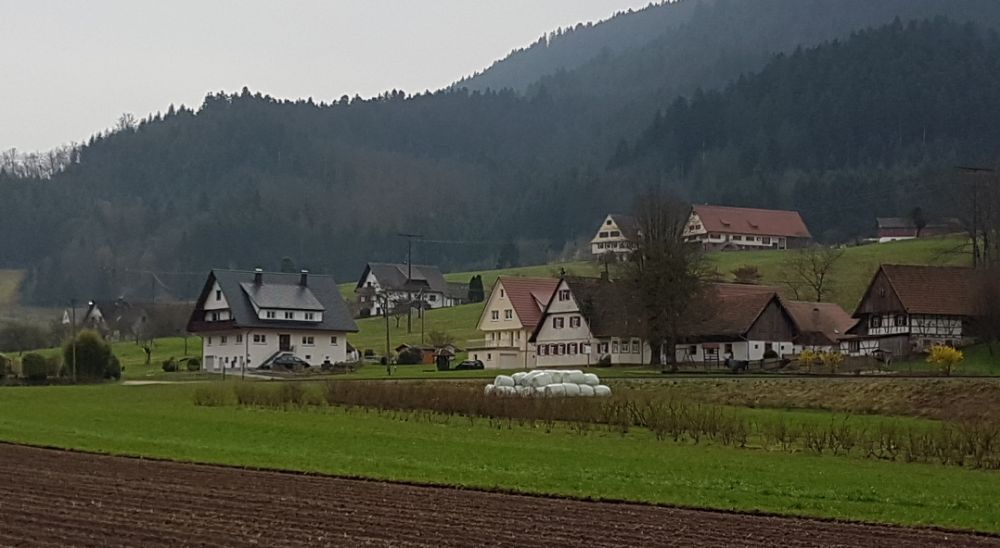
The Schwarzwald, as well as many parts of Switzerland, is filled with houses that remind me strongly of Darth Vader’s helmet. I wonder if this was just coincidence, or whether George Lukas was influenced by these when he designed his character in the 1970’s?

I don’t know specifically about these houses in Germany, but I’ve seen similar ones in Spain designed in this way for a special purpose. During the winter, the animals were housed on the lower level, and the inhabitants lived above the animals. In this way, the heat generated by the animals would rise and keep the occupants warm:

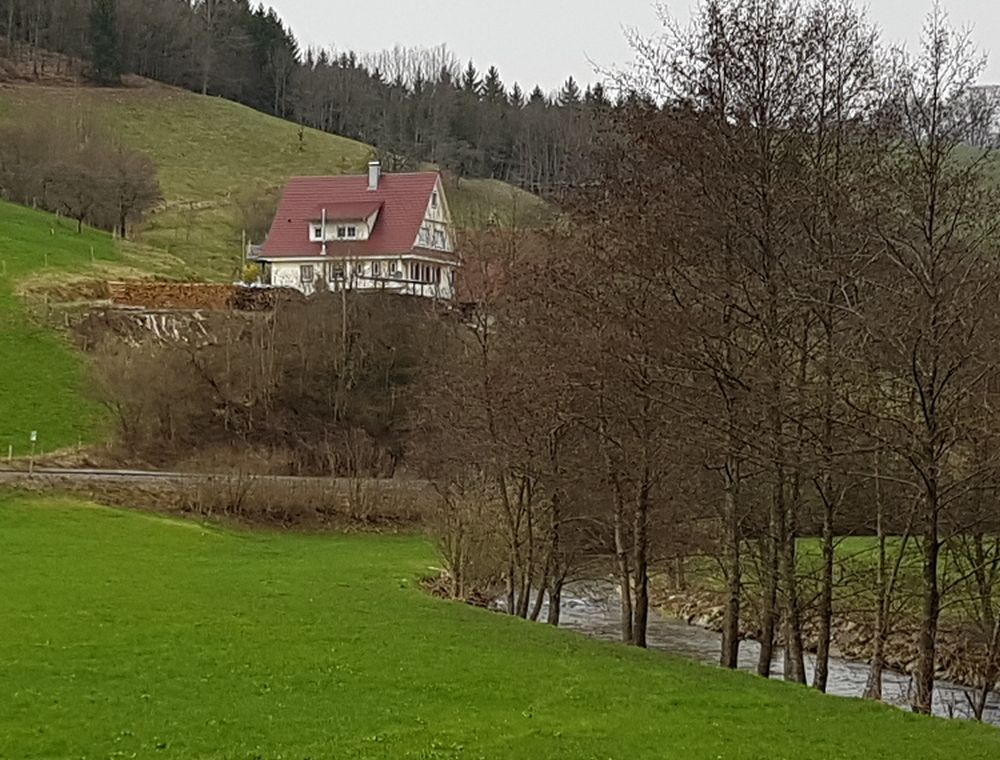
And here without the Darth Vader look is a house on a hill, deep in the Black Forest, near a creek called the Ibach.

Alpsbird

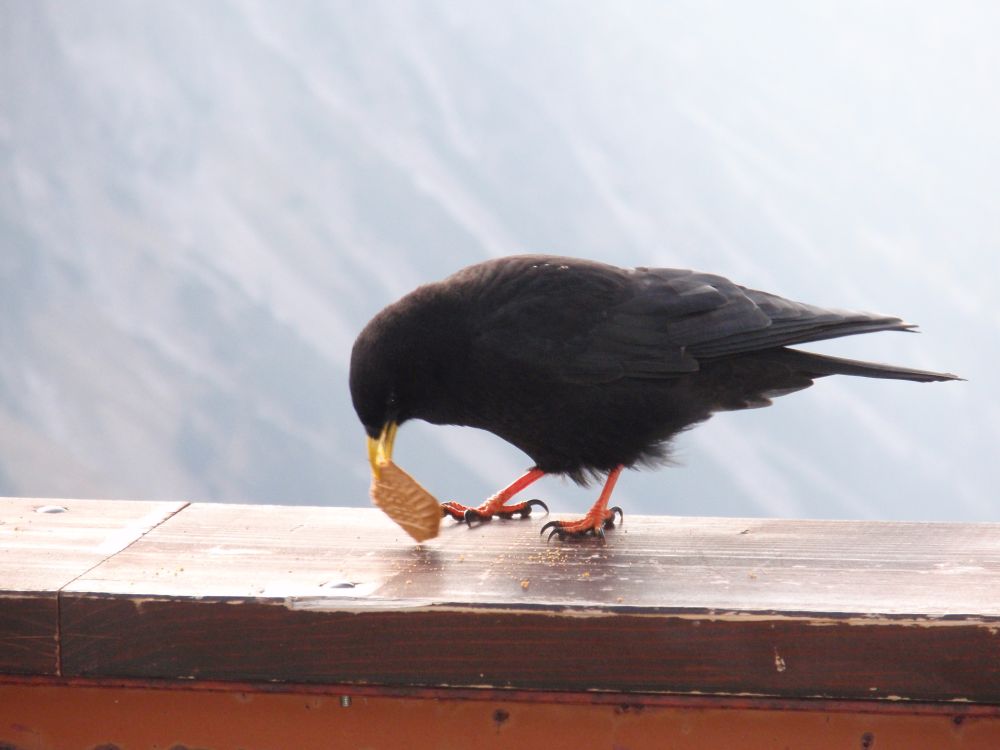
An Alpsbird is one amazing bird!

I call them Alpsbirds, mainly because I always forget their real name. I just looked it up (for about the zillionth time) and they are called Alpendohle in German, or Alpine Chole in English.

They inhabit the Swiss Alps, and they have absolutely no fear of humans. So if you are hiking the Alps and take a break for lunch, you can be sure to have a flock of these birds join you – naturally you should avoid feeding any wild animals, but if their cuteness and persistance win, they’ll eat your lunch right out of your own hand!

Germans and their Bubbles – 1 of 2

Germans are fanatic about bubbles.

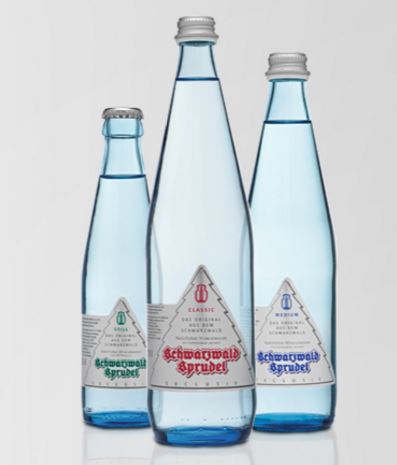
In the case of their drinking water, Germany probably has the cleanest, purest, best tapwater in the world. But despite of this, Germans insist on drinking only bottled carbonated water.  Here is what this water looks like, called Sprudel in German:

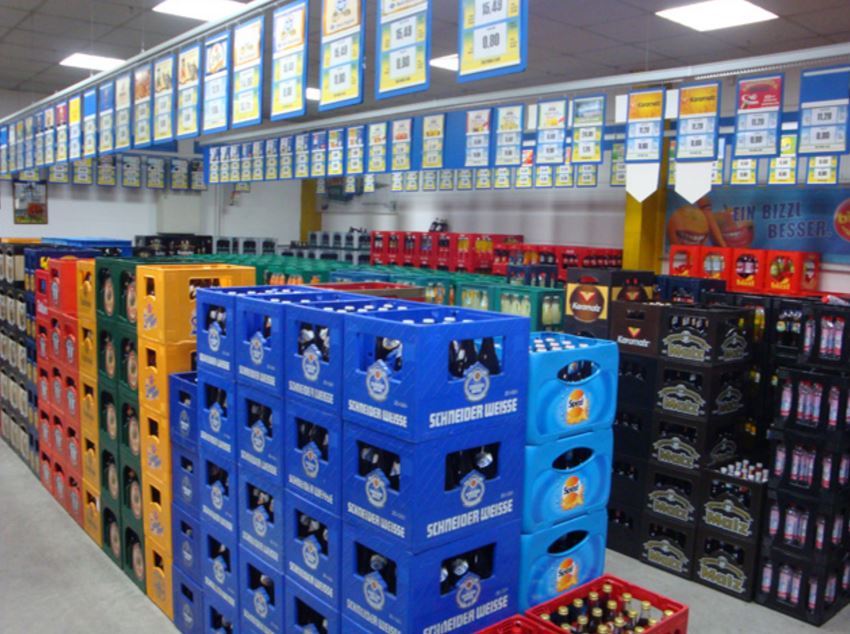
Because they are big heavy glass bottles, Germans buy this water in large quantities from special stores called Getränkemärkte, which look like this:

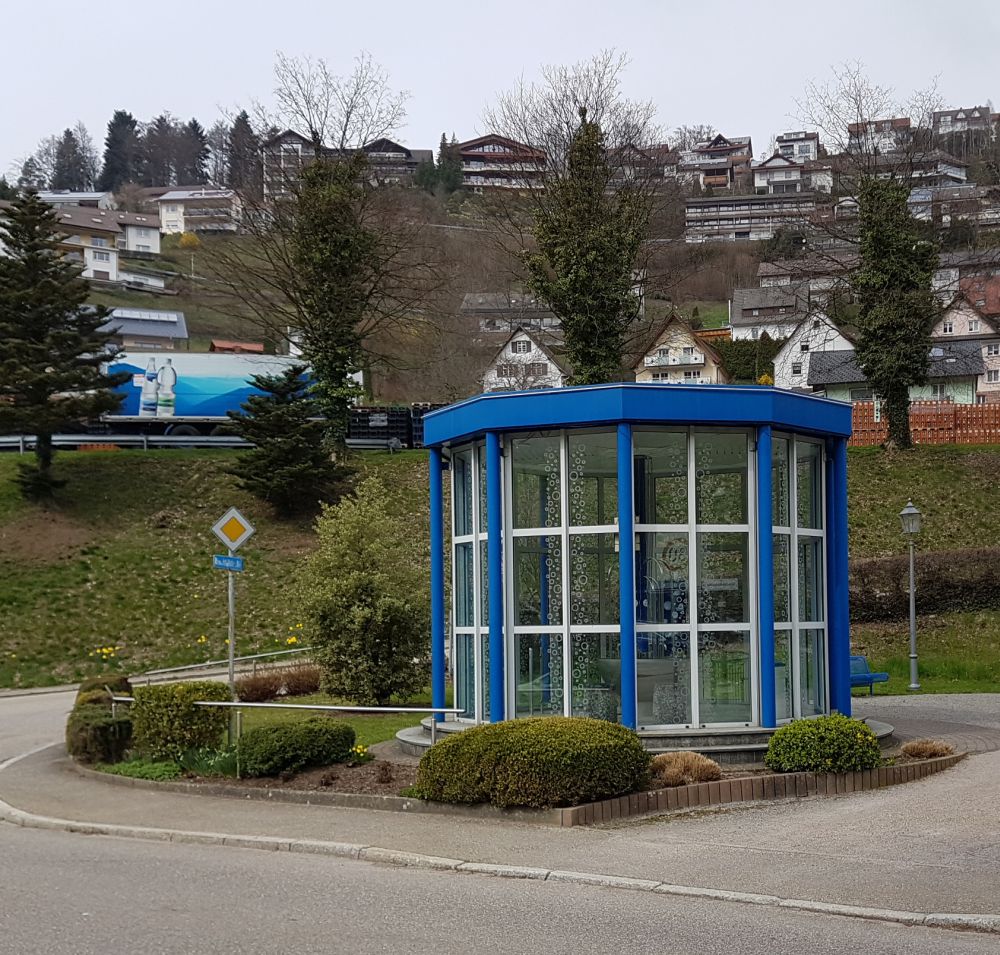
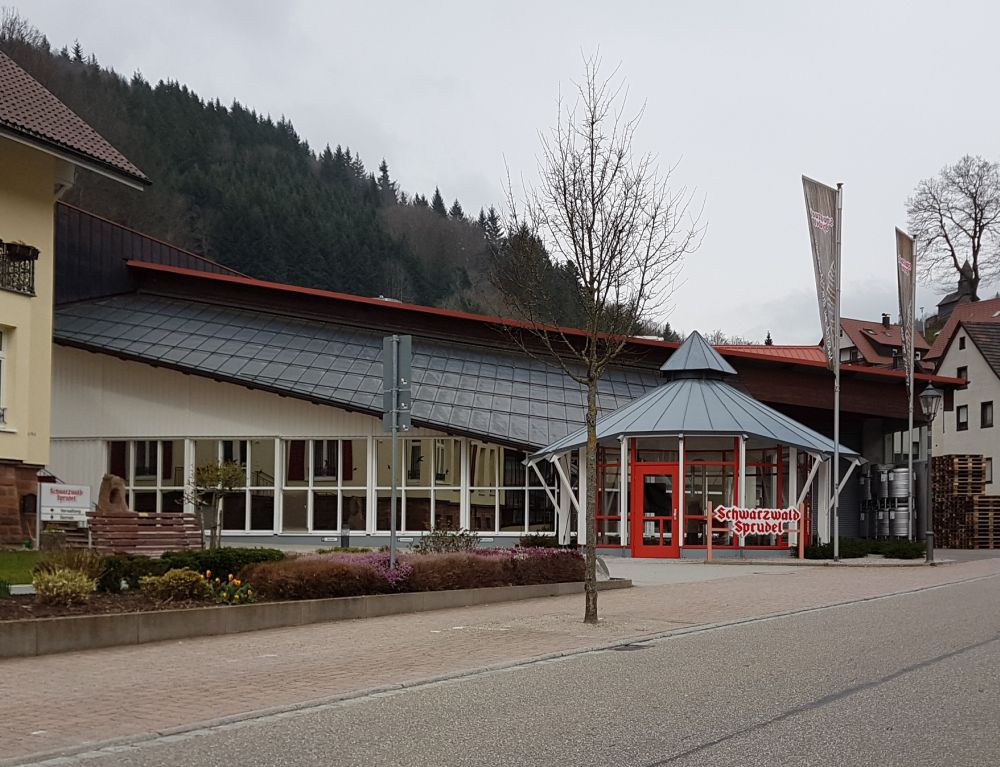
Germany’s Schwarzwald (or Black Forest) contains a surprising number of sparking water factories that bottle the mineral-rich spring water of the forest hills.  Along one particular route through the Schwarzwald, each of the water bottling companies has a free pavillion where you can get their water for free.

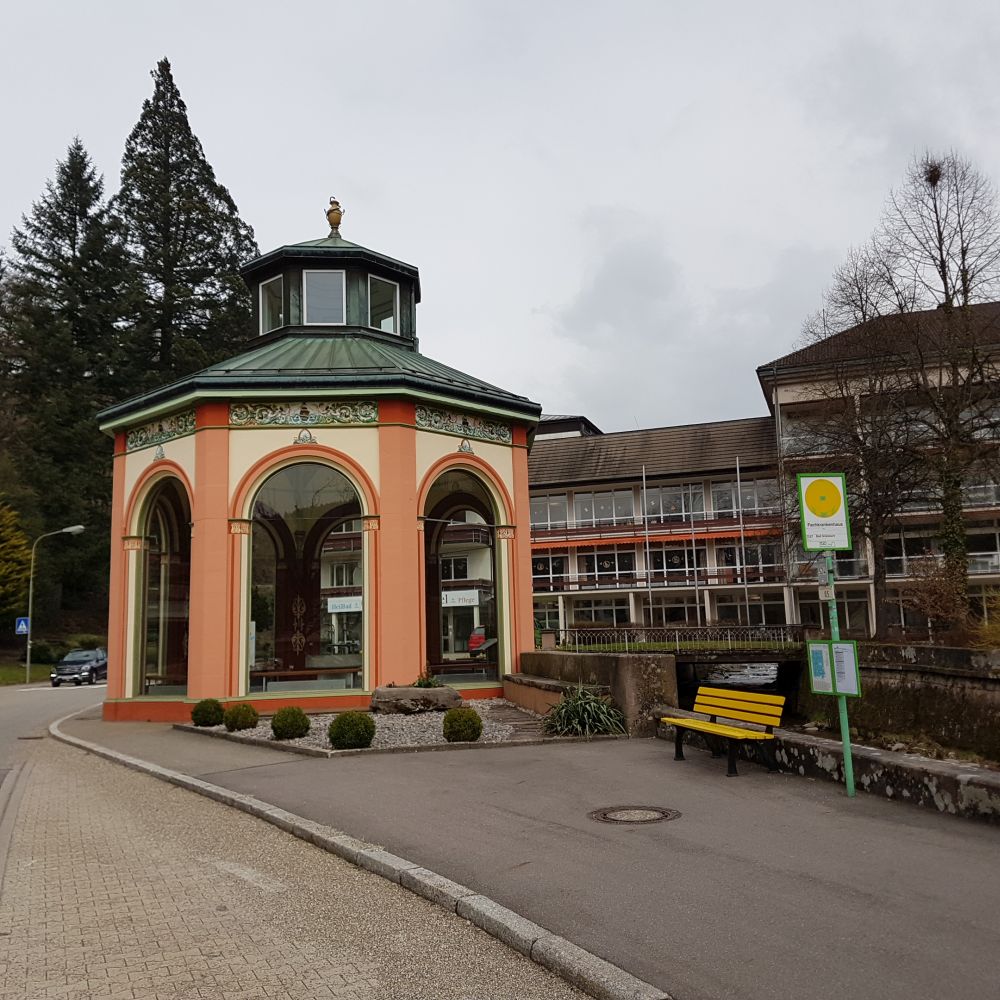
This one is blue and quite modern looking public fountain:

A few kilometers away is a more ornate looking public fountain:

And this one has the most marketing flair, with the name of the water company on the side:

Trichy Temple

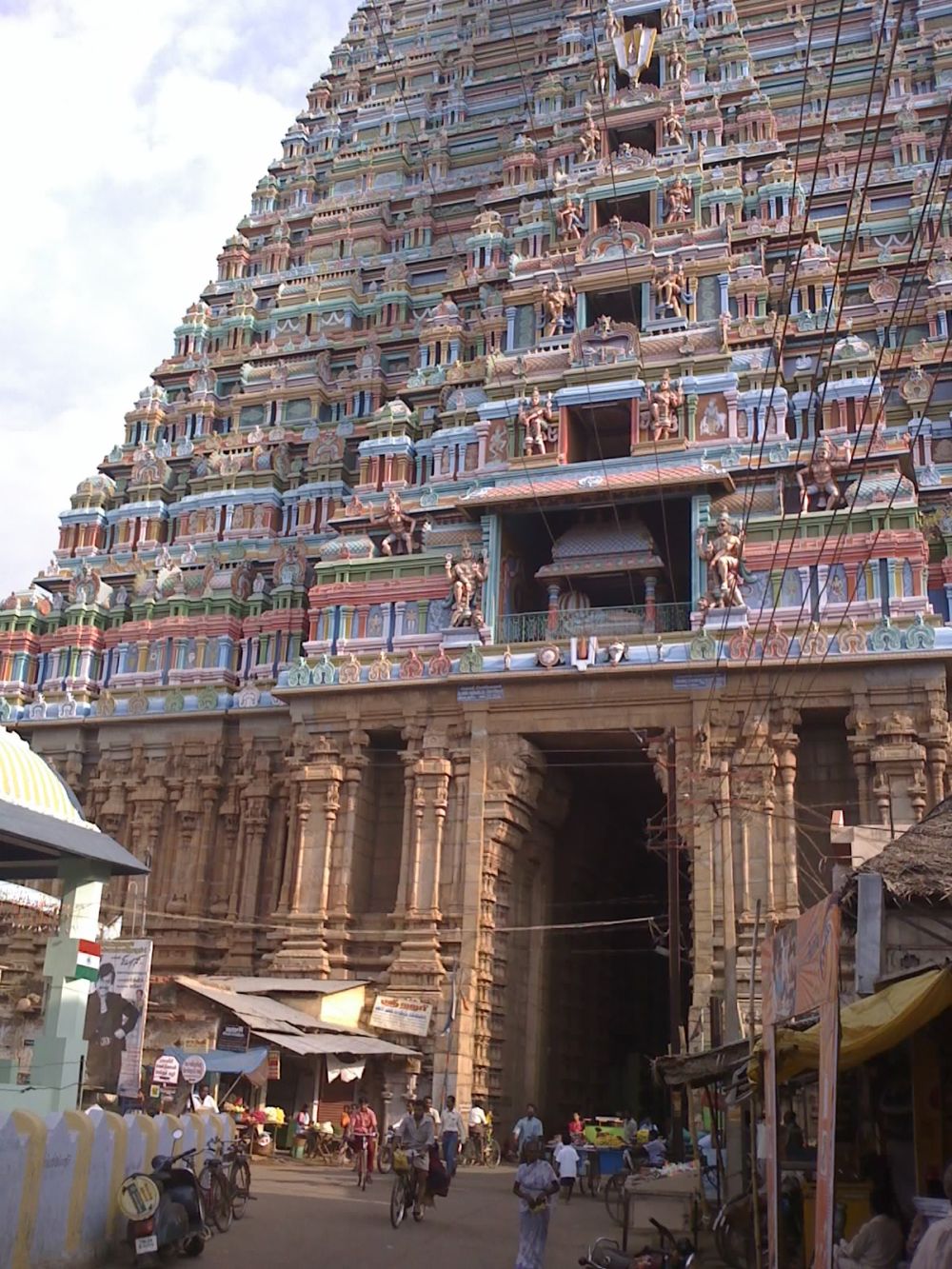
Trichy is what the locals call the city of Tiruchirappali in Tamil Nadu.  And shown here is the amazing Sri Ranganathaswamy Temple, and in an almost unbelievable coincidence, I was brought here by a good friend of mine of the same name, Ranganathan:

The building is far too large for a single photograph to do it justice. What the locals told me: there is a holy day called Vaikunta Ekadeshi in which tens of thousands of devotees travel here to walk through the portal shown above, in the belief that by doing so during this festival, their cycle of re-birth will be broken and their next incarnation will be in Heaven.

Sofia Storefront

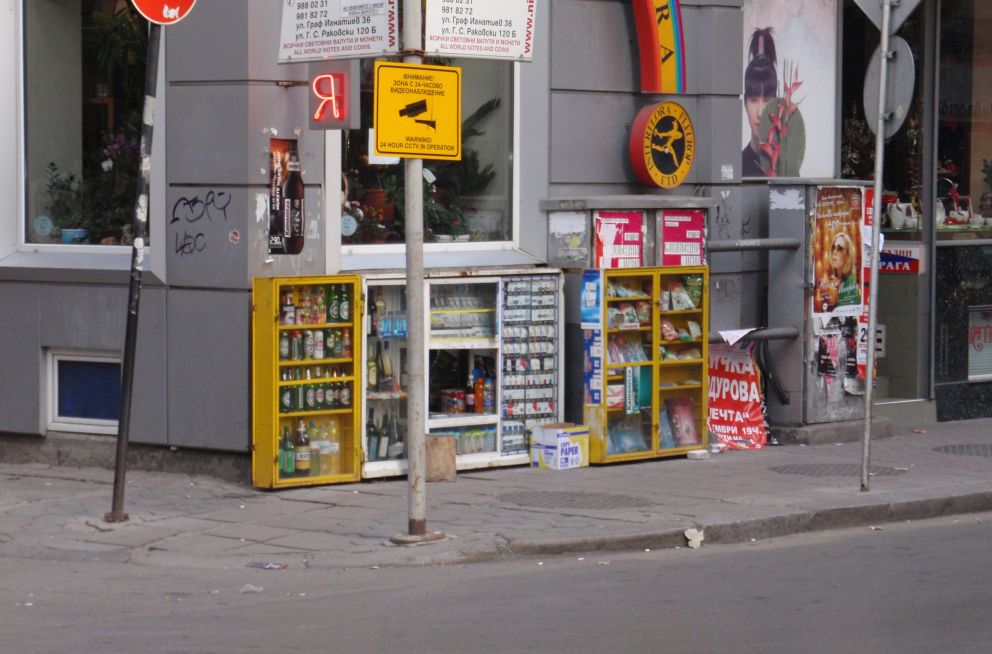
I don’t know what they are called: basement storefronts?  Half storefronts?  Lower storefronts? In Bulgarian they are known as “klek shops,” since “klek” means “to squat.”

But whatever they are called, I was quite surprised to find a number of these in Sofia, Bulgaria:

The shopkeeper is located in a basement, and he / she sells things through the basement window.

I was quite surprised to find a real life example of this, since until now the only places I’ve seen pictures of these are very old photographs of London.

The high density mosques of Dubai

If you’ve ever been to Dubai, then you know almost everything about it is amazing.

Someone told me the government of Dubai has a policy that nobody in the city should ever be more than 25m from the nearest mosque, or about 80 feet. Now, if true, I have no idea why they adopted this policy.

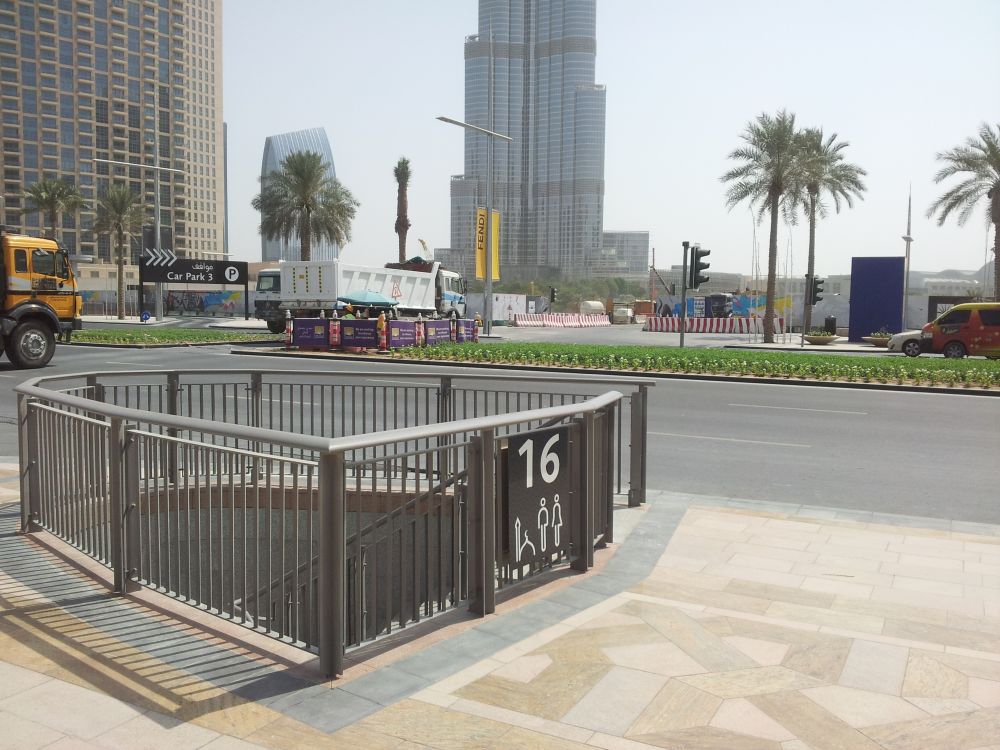
The result of thie policy is that the inner city has a vast network of mini-mosques. They are numbered (below is Mosque 16) and they are spaced about 50 meters apart from each other:

I visited Dubai in the high summer, and I took this picture around noon – when it was just over 45 C = 110 F.  Aside from me and the Indian construction workers, nobody was out and about. I am eager to go back sometime during cooler weather to see whether people really do venture outside.

Overwhelming Rome – 3 of 3

Rome is overwhelming.  Even the birds in Rome do things that other birds could only dream about.

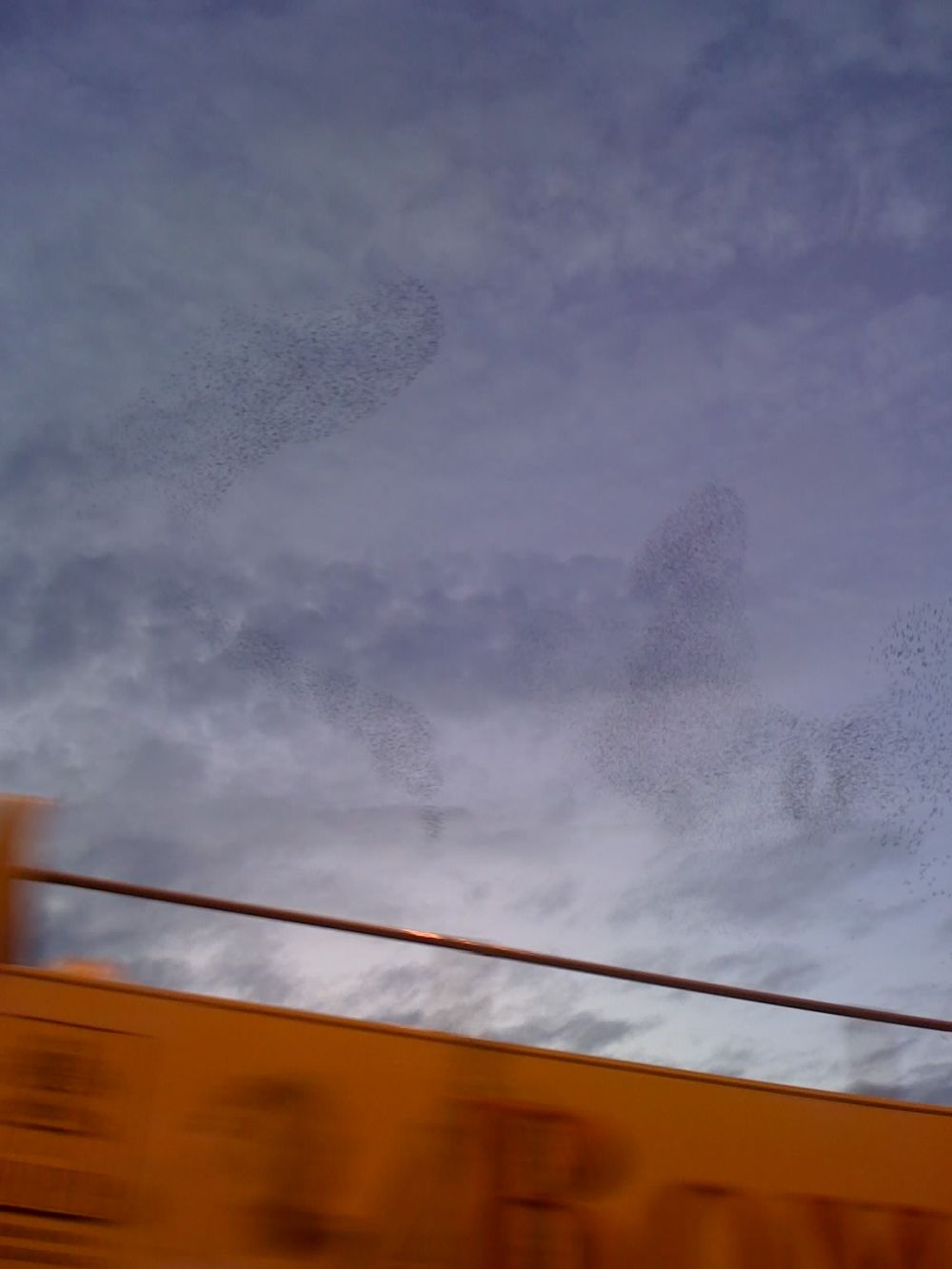
Here is the skies above Rome I tried to take pictures of tens of thousands of starlets:

The huge masses of starlets (there can be thousands of them in just one group) fly in formation, and you just can’t help but stop and admire the complicated dance they do in the sky.  According to David Attenborough, nobody knows why they do this.

Overwhelming Rome – 2 of 3

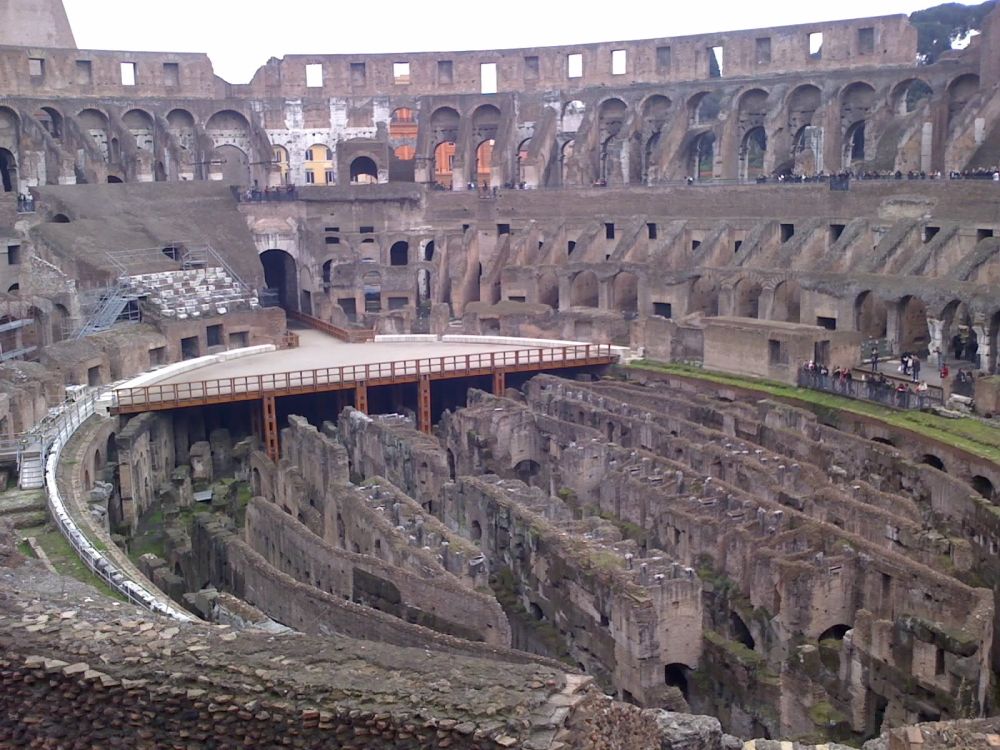
Rome is overwhelming.  Probably everybody else already knew this, but I learned that the famous Colosseum was really a highly sophisticated theatrical stage. Here you can see the very complicated infrastructure, which would have been hidden underground.  In a very short time, all sorts of things could be raised and lowered: trees and plants, people, lions and tigers, etc.

Jodpur, the bi-directional mystery

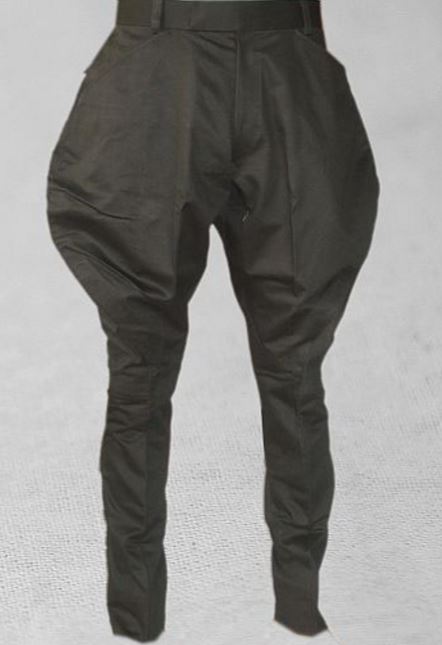
These are Jodpurs:

I don’t know if they are originally from Jodpur or not – and I also don’t know the fine subtleties between these and “Hammer-Pants” – although believe it or not, M.C. Hammer and I lived in the same town for a while. And, he once treated my brother and his friends to ice cream.

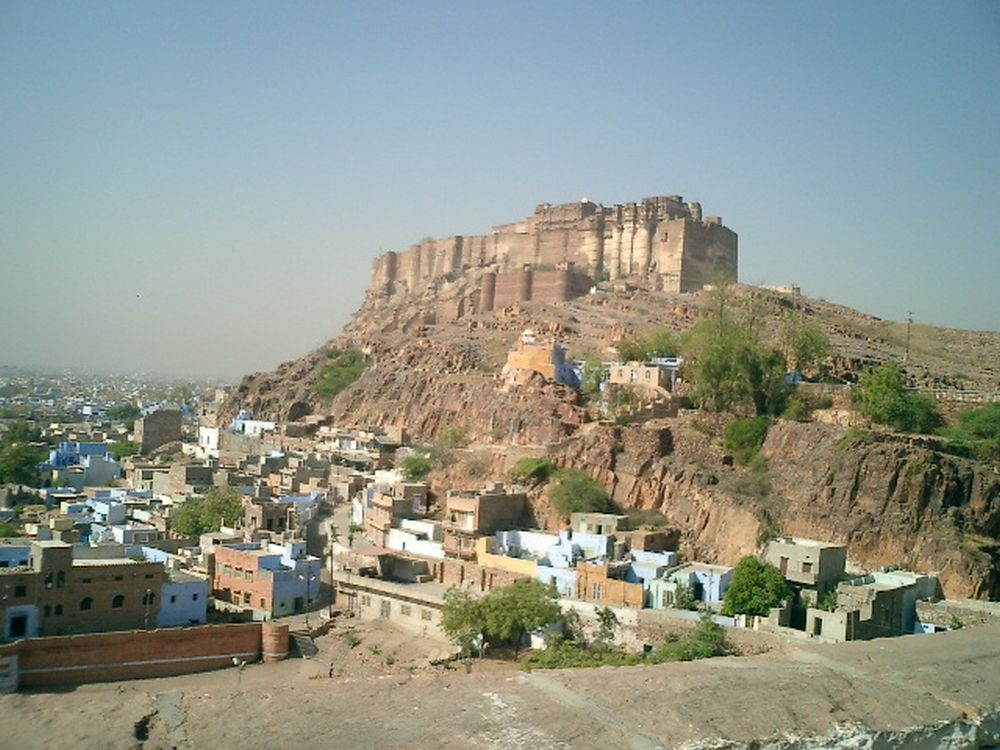
But getting back to Jodpur, which is the topic of this blog, this is looking UP at the great Mehrangarth Fort, in Jodpur:

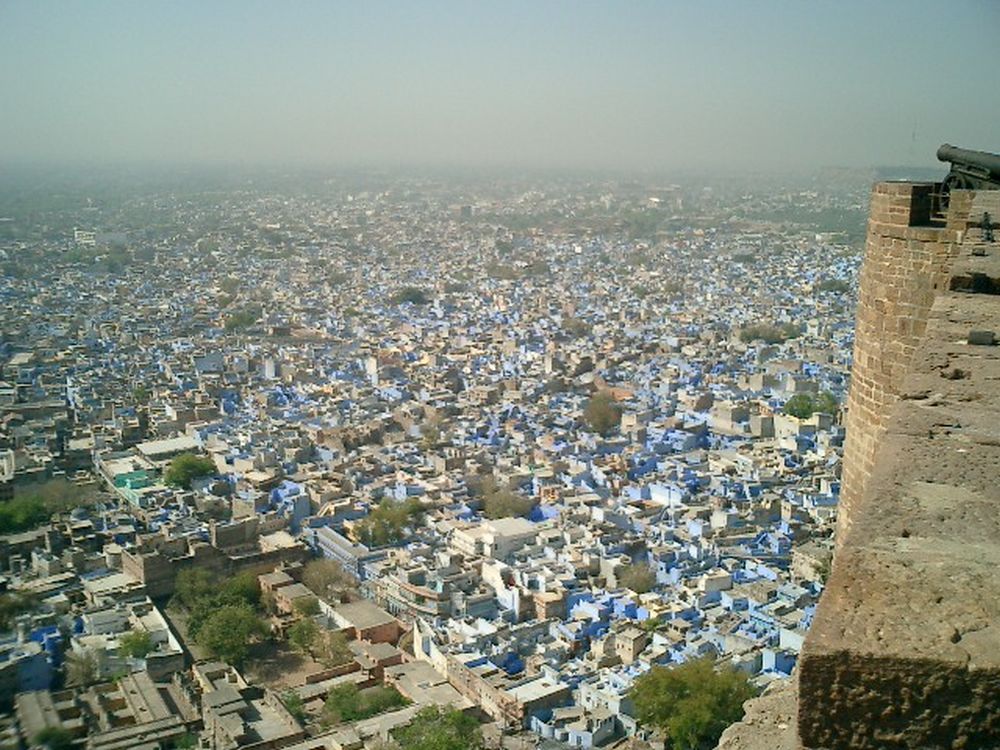
And this is the city of Jodpur, looking DOWN from the great Mehrangarth Fort:

Jodpur is called the Blue City, because the dwellings are painted blue.

Most tourists quickly come to know there is a mystery: nobody knows why the dwellings are painted blue. Some historians think this was for religious reasons associated with certain castes; other historians believe it might have had to do with protection against termites.

For me, the real mystery is a different one altogether: you’ll find the dwellings are not completely blue, but just the sides facing the fort!  I’ve never learned who supplies the paint.  I’ve never learned what happens if a resident refuses to paint their fort-facing facade blue.  I’ve never learned who inspects the dwellings to make sure they are painted. And I’ve never learned who pays for the paint.

I always love mysteries like this, because they give me a good motivation to come back and clear them up!


Kotilingeshwara – An amazing South Indian temple

In the deep south of India, not too far from the Kolar Gold Fields and just on the border between Karnataka and Andhra Pradesh, is the amazing Shiva temple called Kotilingeshwara.

It is not a temple in any conventional sense of the word.  It is more of a indoor / outdoor park, filled with thousands upon thousands of small, identical statutes called linga, which is actually a representation of the Indian god Shiva.  Here you can see a few of them, with a huge statute of the sacred cow Nandi in the distance:
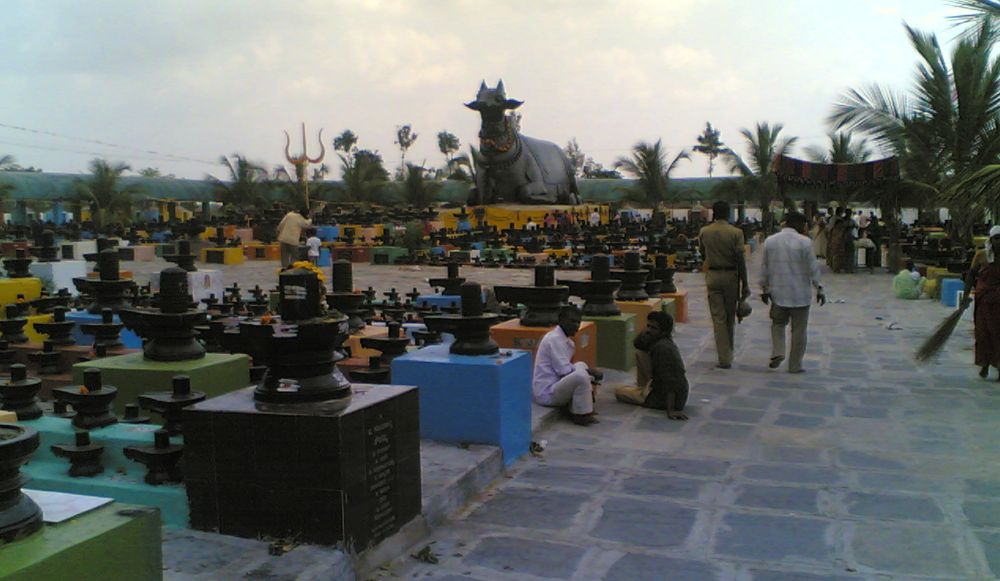
Interestingly, I arrived on the day of a festival, and thousands of visitors were expected and beginning to line up. But a cousin of a friend of mine is a police officer who is assigned to this temple, so he let us in early before the crowd.  (That’s him above in the dark khaki clothes, carrying his big long stick that police offices in India are famous for.)

Here’s another look, showing some of them as large as a building (it’s one of the largest in the world), and others as small as tea cups:
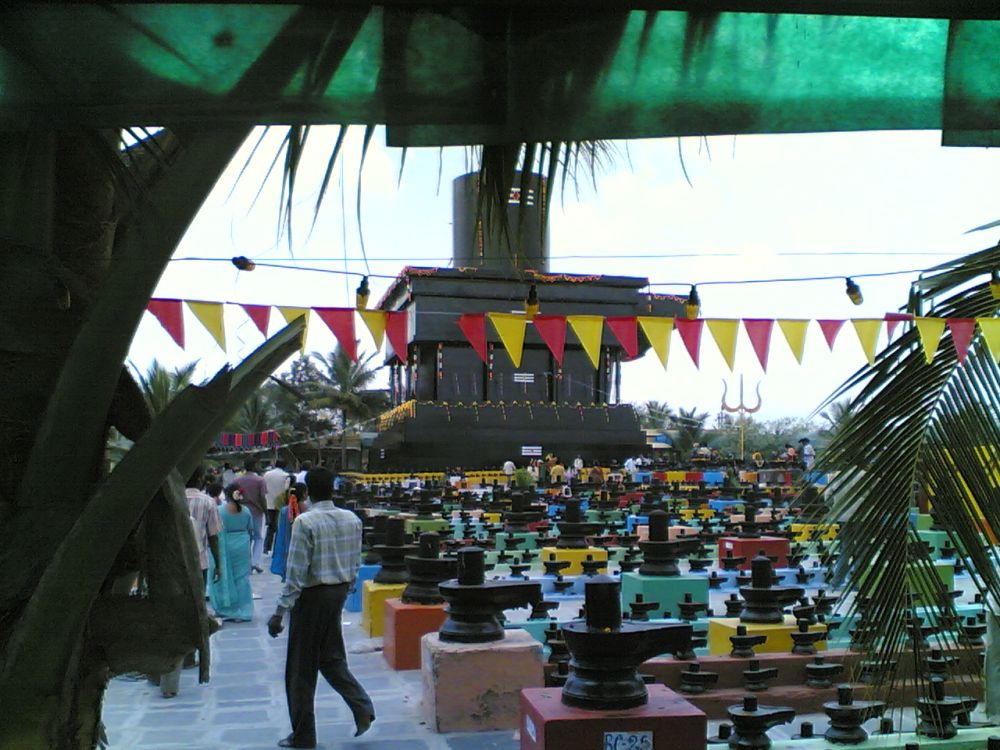
I don’t know the details, but I think for the price of a donation to the temple you can arrange to have a lingam dedicated with your name.
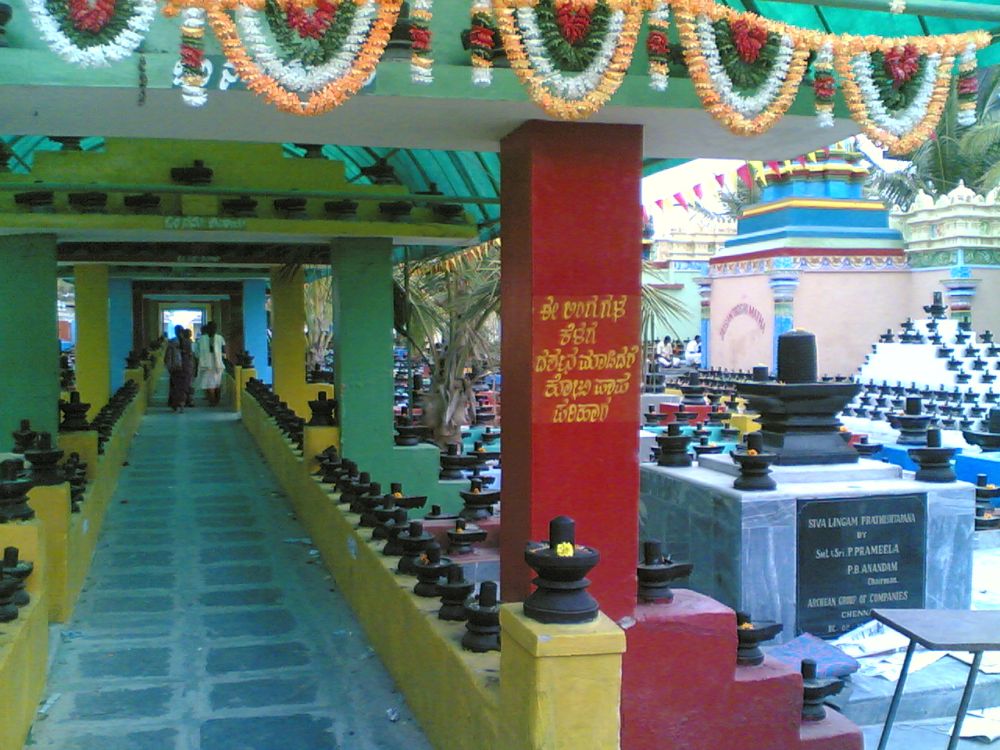
Oh, and for those who think that Indian names are quite long and difficult, this name provides a wonderful segue to an upcoming post about Indian names: koti means 10,000,000, linga we talked about above, eshwara means god – hence the name Kotilengeshwara refers to the 10 million manifestations of the god Shiva.
 

When bad things become good things

As far as modern nation-states to modernize in the 20th century go, Switzerland doesn’t exactly rank first.  The homes in many American cities, for example, began to get indoor plumbing as early as the mid-1800’s; but in Switzerland, particularly in rural Switzerland, many homes did not get indoor plumbing until after WWII.

But what does this mean?

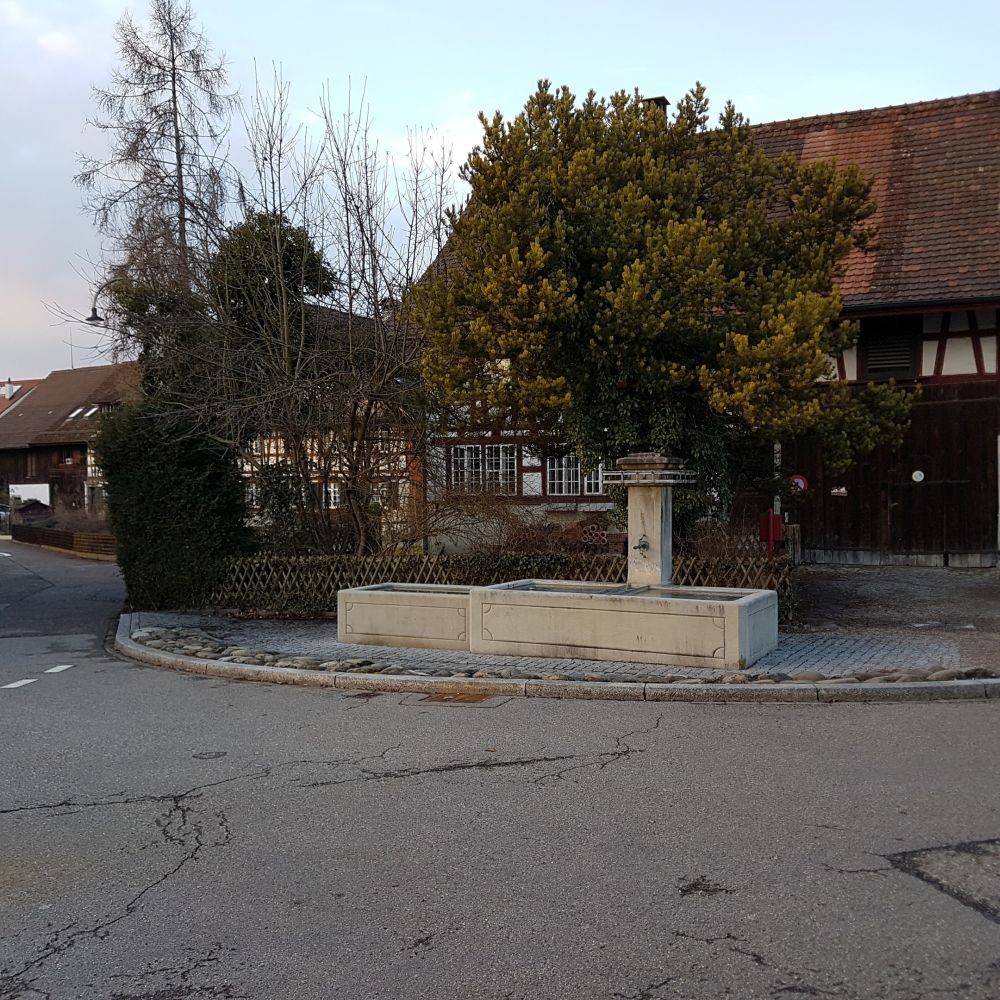
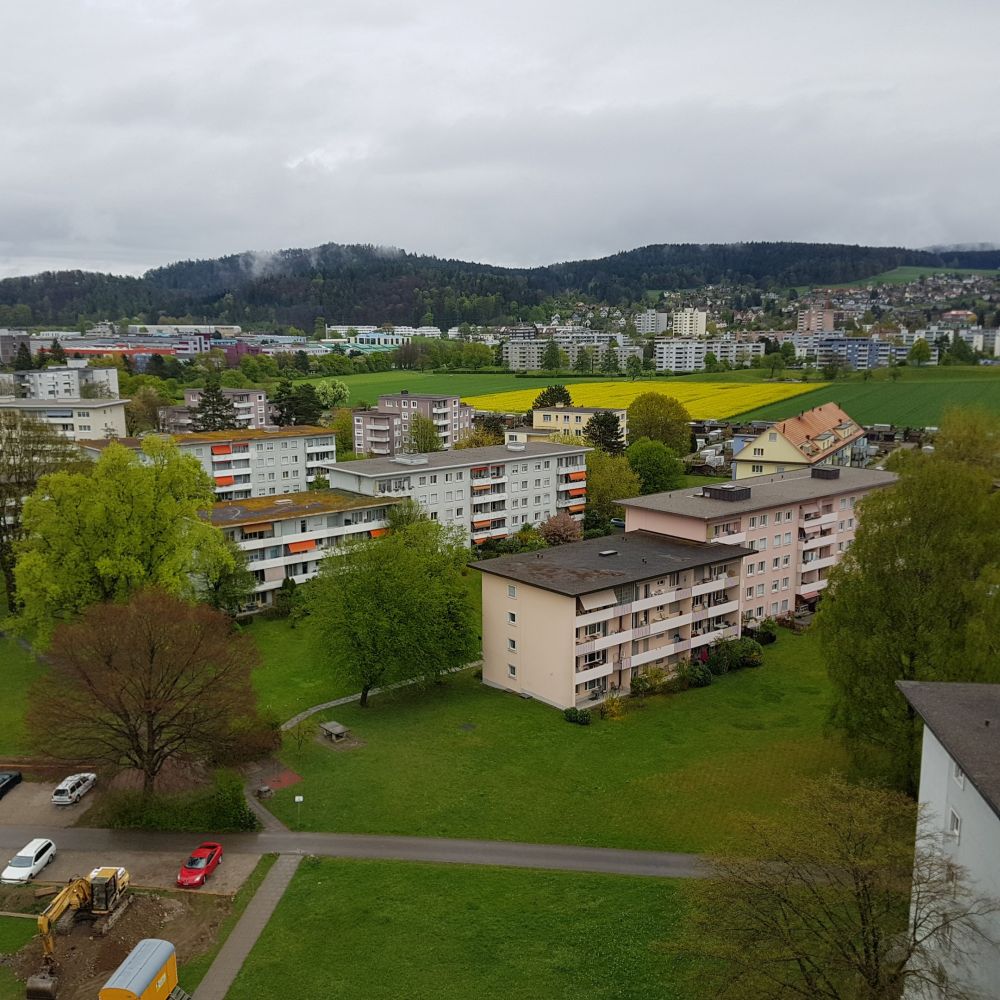
My neighborhood in Switzerland is filled with DOZENS of communal water fountains, many of them within a stone’s throw distance of one another. Here is one:

And here is another:

What could be viewed negatively (modern plumbing arriving quite late) has in fact left a very positive legacy, with Swiss neighborhoods filled with these wonderful old fountains that still deliver fresh drinking water today!

L’Albufera de València

Geologically speaking, these things are not uncommon. A river or estuary that empties into a saltwater sea will sometimes form a lagoon. Over time, the sediment causes the lagoon to become a closed lake, and the water changes from saltwater to freshwater.

That’s what happened here, just south of Valencia in Spain, not too long ago, in the 17th century, L’Albufera de València:

Today it is a wonderful, relaxing place to visit – especially in the warm Spanish evenings.


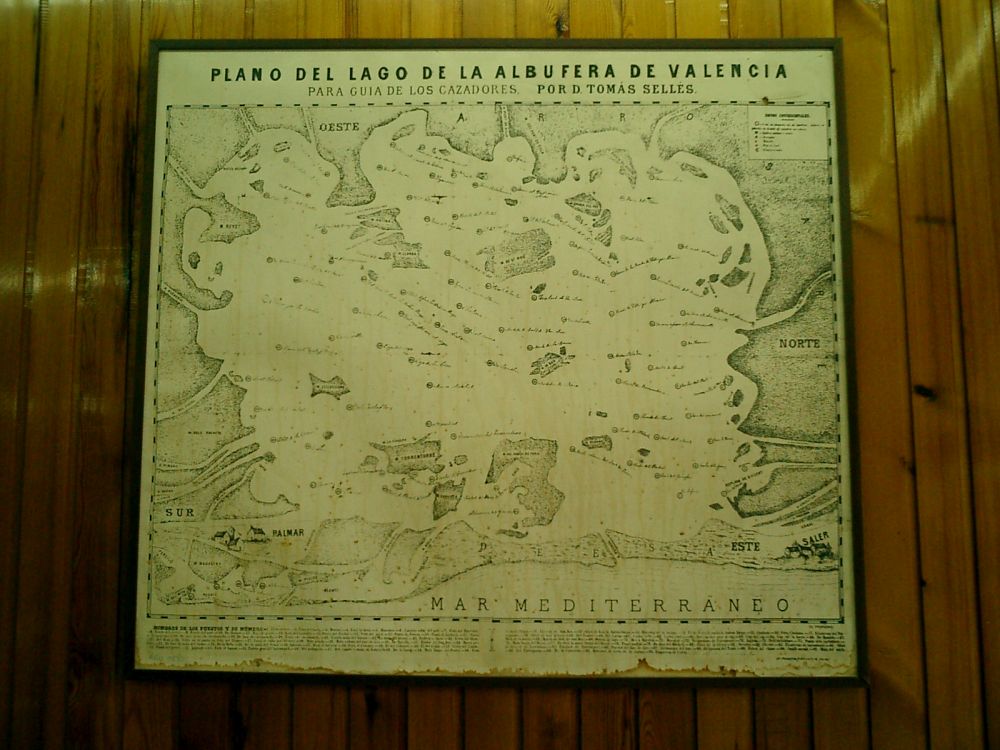
You can see a wonderful old map I discovered hanging in the local village bar.

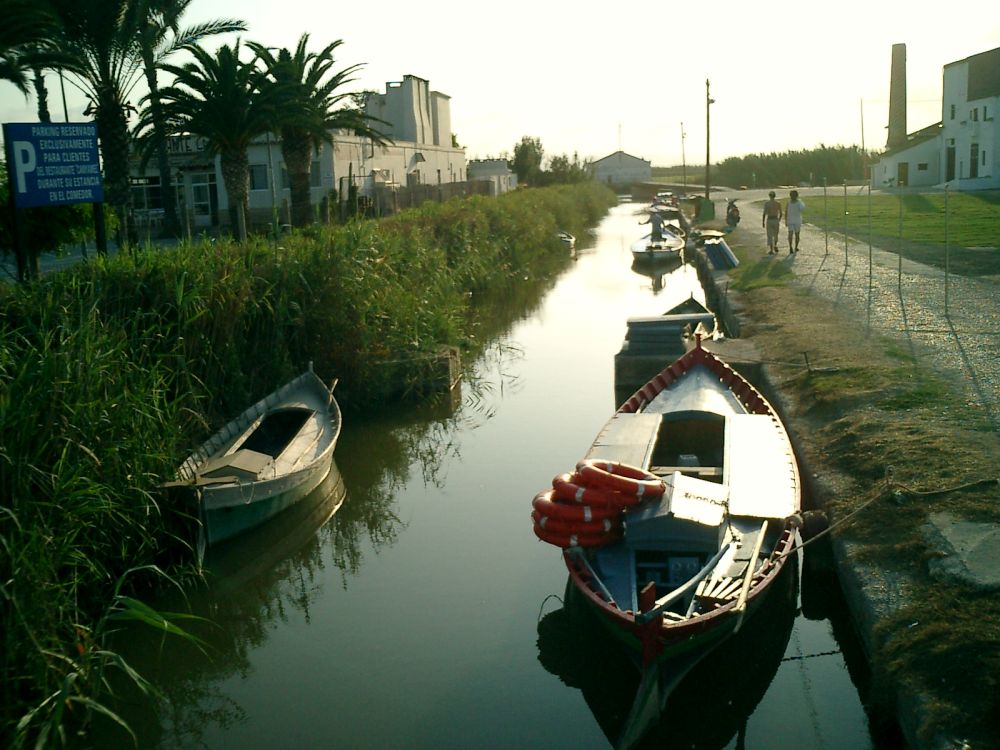
The small villages are connected to the lake by a series of narrow canals:

By the way, the astute reader will notice that I wrote L’Albufera de València, which is the Valencian language version of the Spanish La Abufera de Valencia.  My Valencian friends tell me that Catalan, although somewhat more well known, is a dialect of Valencian.
Anyone else tried this?

A friend of mine from the U.K. gave me a jar of famous “Jelly Babies.”  Americans have probably never heard of them, but they are essentially fruit flavored glycerin candy, in the shape of little babies.

What I don’t understand: the container is made of a heavy, nearly indestructable plastic. Why?  Are jelly babies so dangerous they need to be imprisoned in thick plastic? Are they so sensitive they need to be protected?

Anyway, it seemed to me the container would make an ideal piggy bank:

However, the only way for me to cut a slot into the hard plastic was using my high speed abrasive grinder!

The central question remains: why would Brits over-engineer something like this?

When backs are better than fronts – 4

Continuing the series, European cathedrals seem really to be excellent candidates for having backs that are better than fronts.

This is Saint Étienne, also known in English as Saint Stephen:

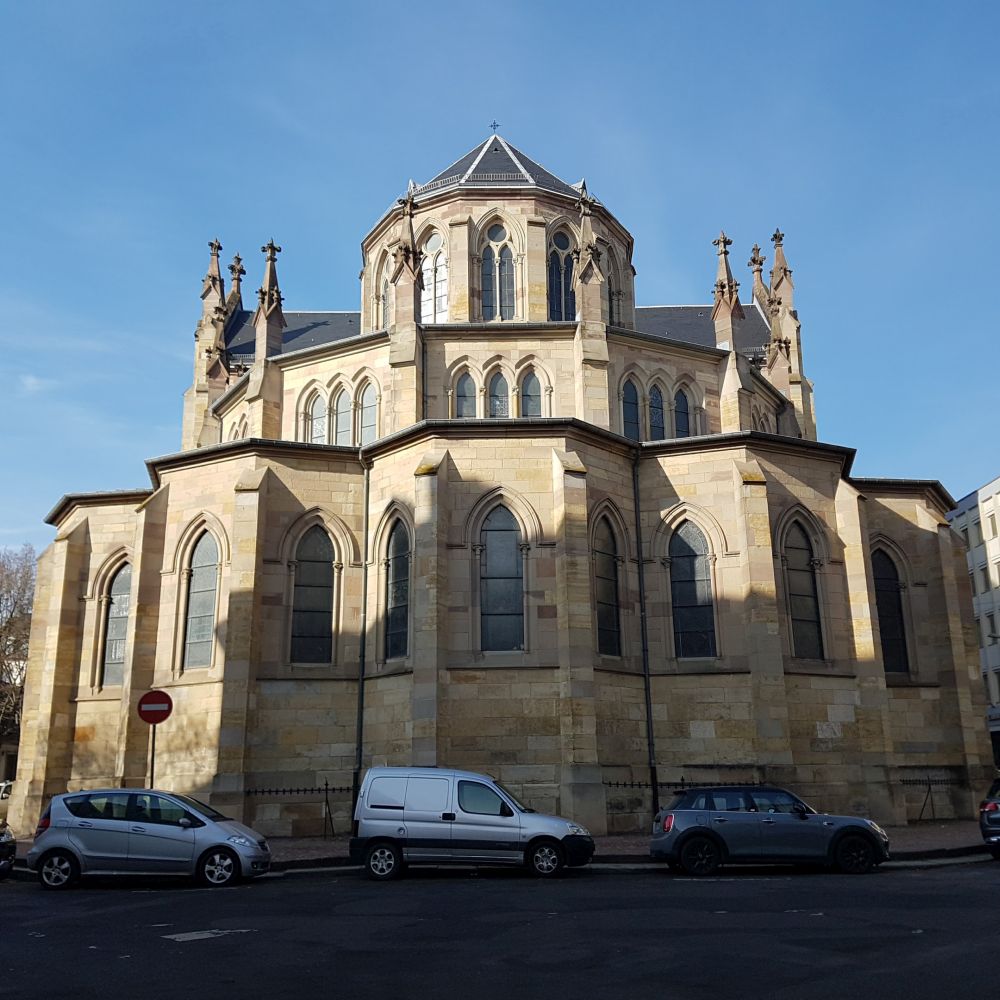
And here’s the church Église Saint-Étienne in Mulhouse, Alsace. As with many churches, the front is really nothing special to see:

But walk around to the back of the cathedral, and you’ll find a real architectural wonder:


Were medieval cities planned?

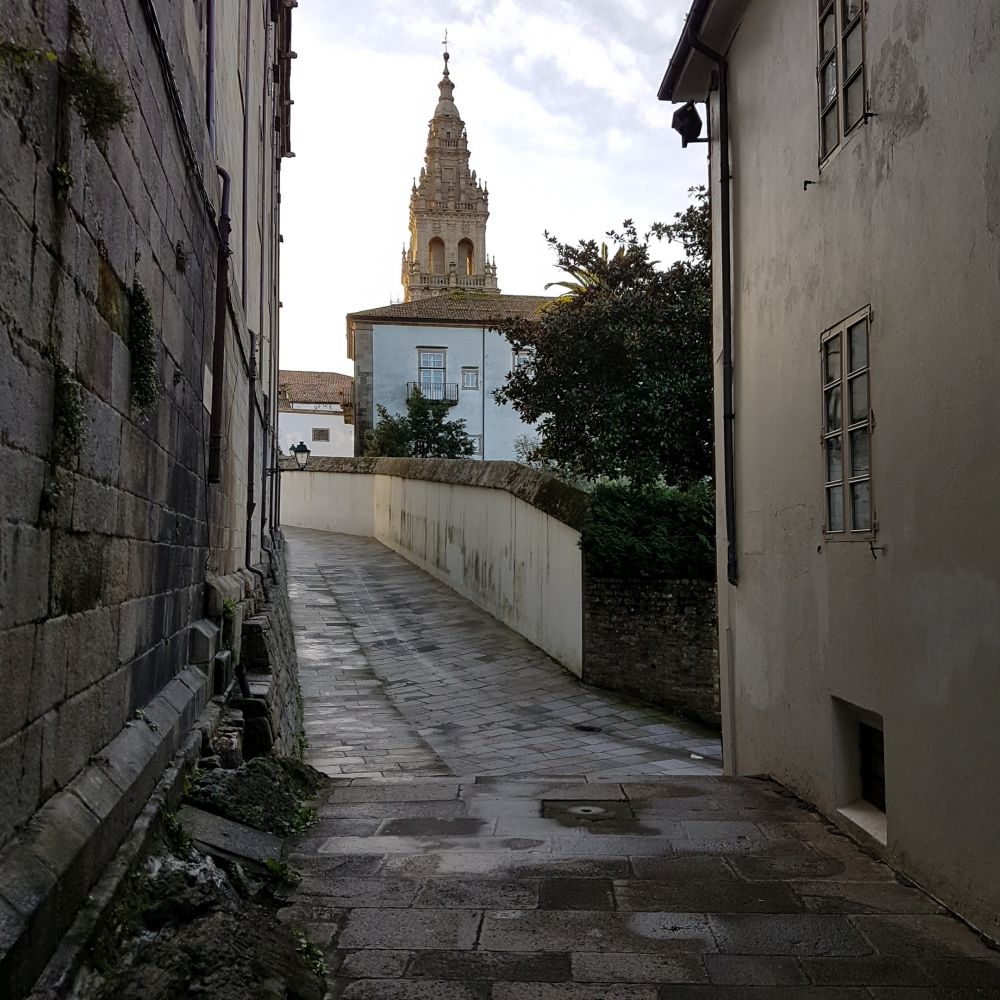
It seems unreasonable to think that the streets in medieval cities were somehow planned. But when I travel through medieval cities, I can’t help but notice the large number of small streets that are optimally laid out to frame a view of the large, central cathedral.

This one is Santiago de Compostella, in Spain (from which you can see the Cathedral of St. XXX):

This one is Mulhouse, in Alsace, France (from which you can see the Cathedral of St. Etienne):


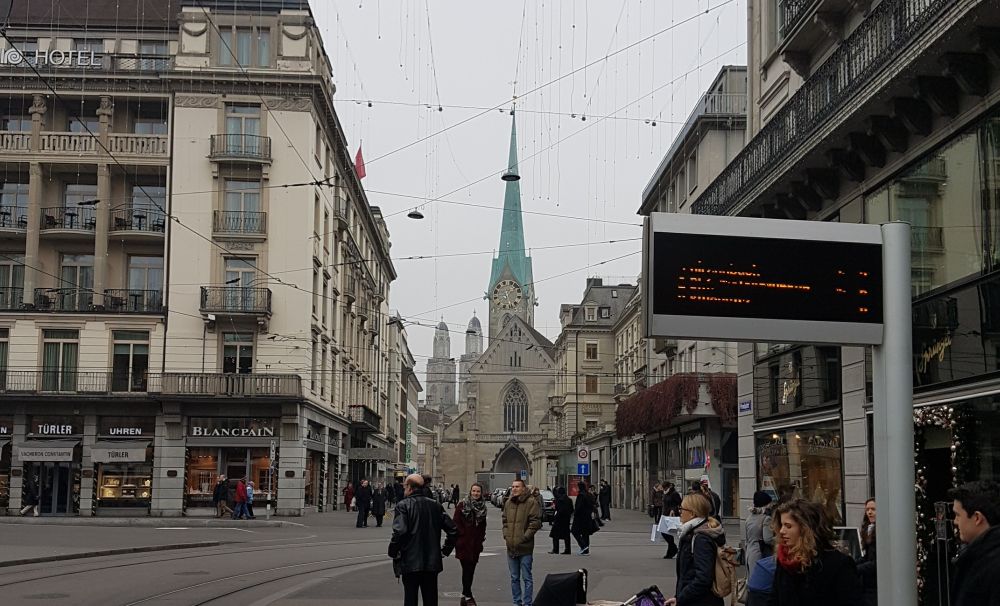
And this one is Paradeplatz, in Zurich, Switzerland (from which you can see both the Grossmünster and Frauenmünster cathedrals):

Is this just coincidence – or are these cathedrals and towers visible because they were designed to be visible?

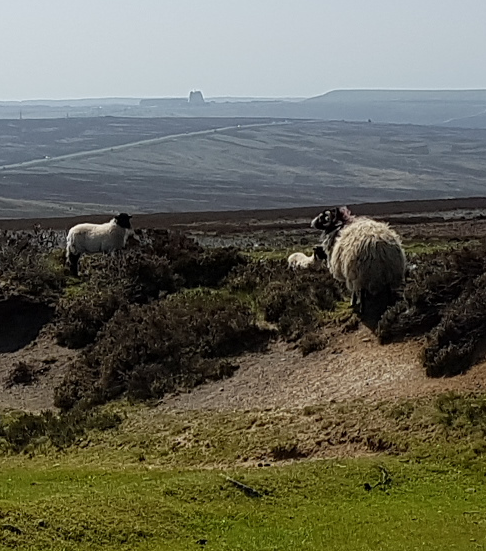
Sheep, heath, gorse, moors – and high-tech radar!

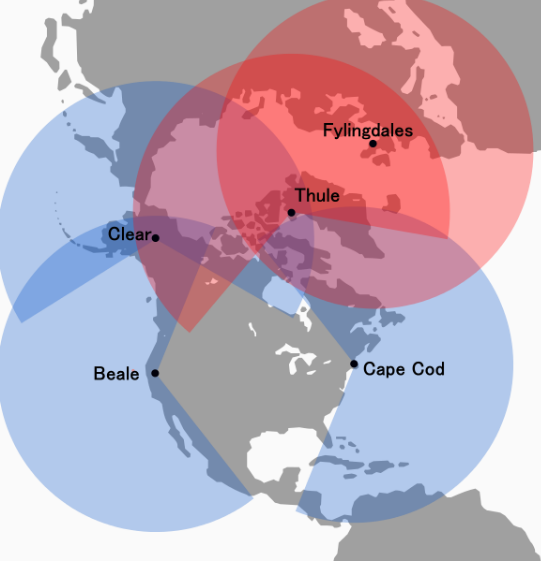
Recently a friend took me on a tour of Yorkshire, England, including the famous Yorkshire Moors.   But the most stunning part of the landscape was a huge radar installation, operated as part of a giant system deployed in the Cold War to protect the U.S. against nuclear missles:

At first, it was a bit difficult for me to understand why a radar installation in northern England would be much use to safeguard the U.S.  But when you look at how the different systems overlap, it becomes quite clear:


World’s most amazing church?

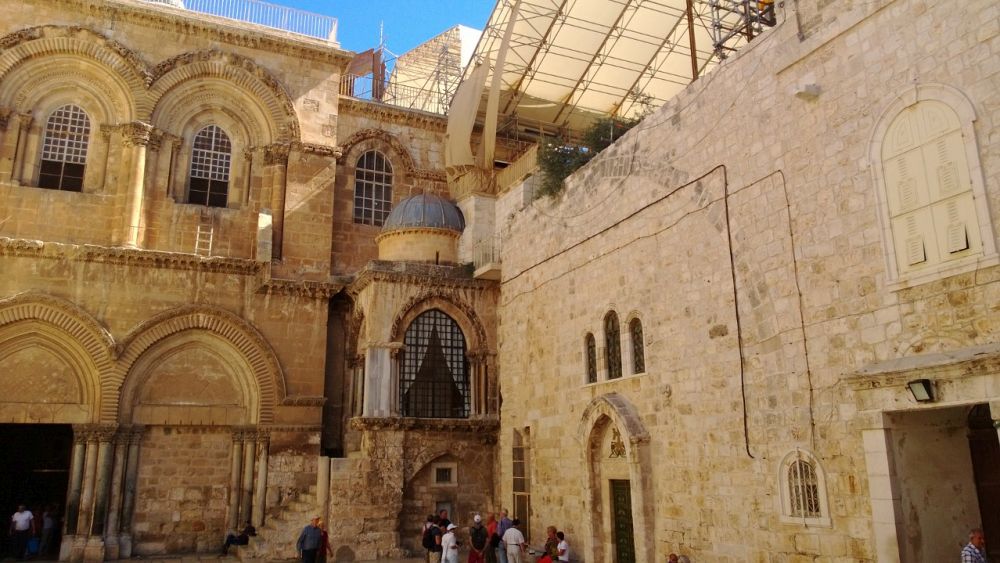
This is one of my favorite photographs that I took of a church in the Christian Quarter of Jerusalem. But this is no ordinary church. This is the Church of the Holy Sepulchre:

There are so many amazing things associated with this church – my blog is too small to hold them all!  Top of the list: Christians will immediate cite this as the location where Jesus was crucified, and where his empty tomb was discovered.

By my favorite fact is an historical one, not a religious one.  The Church is locked in the evening and opened again in the morning, and the holders of the key (the lockers / unlockers, if you will) have come from the same family (the Nusaybah family) and have been doing this job since the seventh century. Amazing!  I’ve found the best place to read more details about this amazing story is the wonderful book by Simon Montefiori, entitles Jerusalem: the Biography.