
I took this snap near the top of Chamundi Hill in Mysore. Like most places in India since I left in 2008 it’s changed – a lot.
A renaissance man for the twenty-first century!
I took this snap near the top of Chamundi Hill in Mysore. Like most places in India since I left in 2008 it’s changed – a lot.
I’ve said it before and I’ll say it again: take a picture, ensure a cow is in the picture, and it will be a good picture.
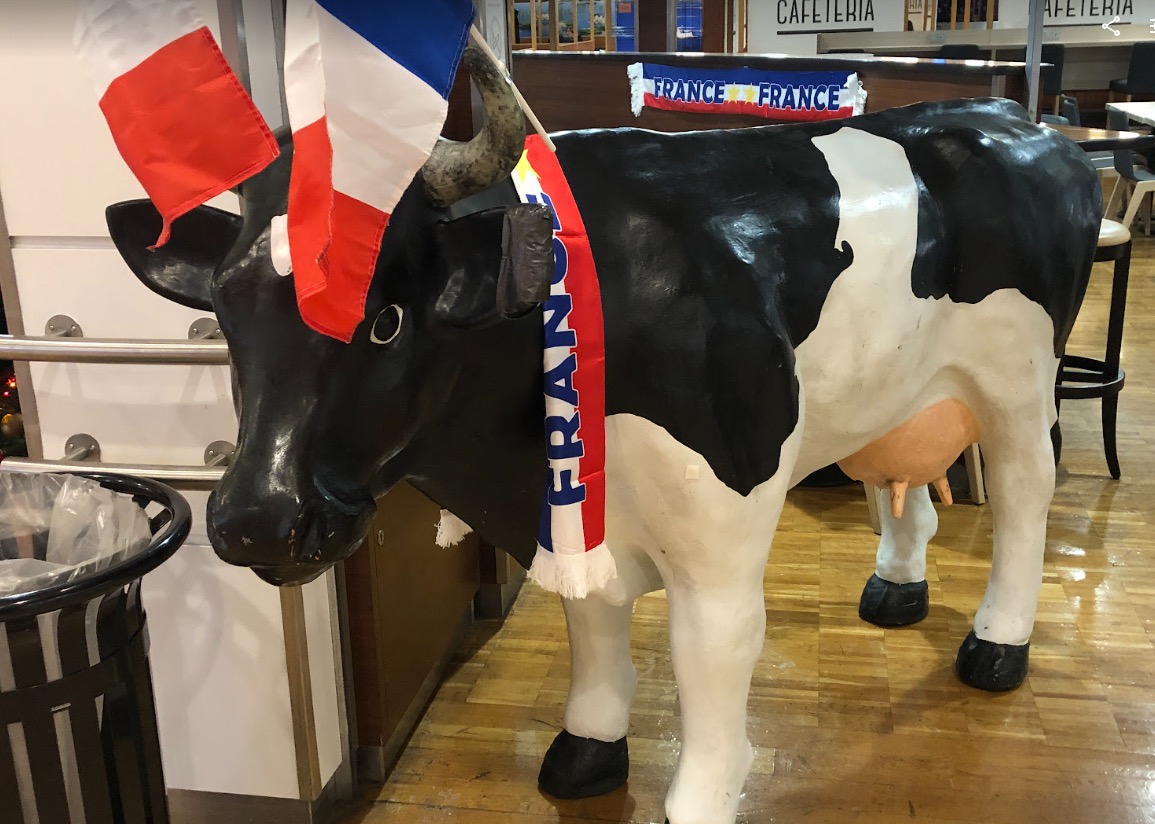
I think the same holds true for this, une Vache française en plastique.
Continuing to demonstrate the universal truth that it is impossible to take a bad snap of a good cow, I can’t tell you whether this cow self-identifies as an Eschenberg cow. But I can tell you I took this snap during my daily 15 km Nordic Walk in the forests of Winterthur, in a spot known as the Eschenberg:
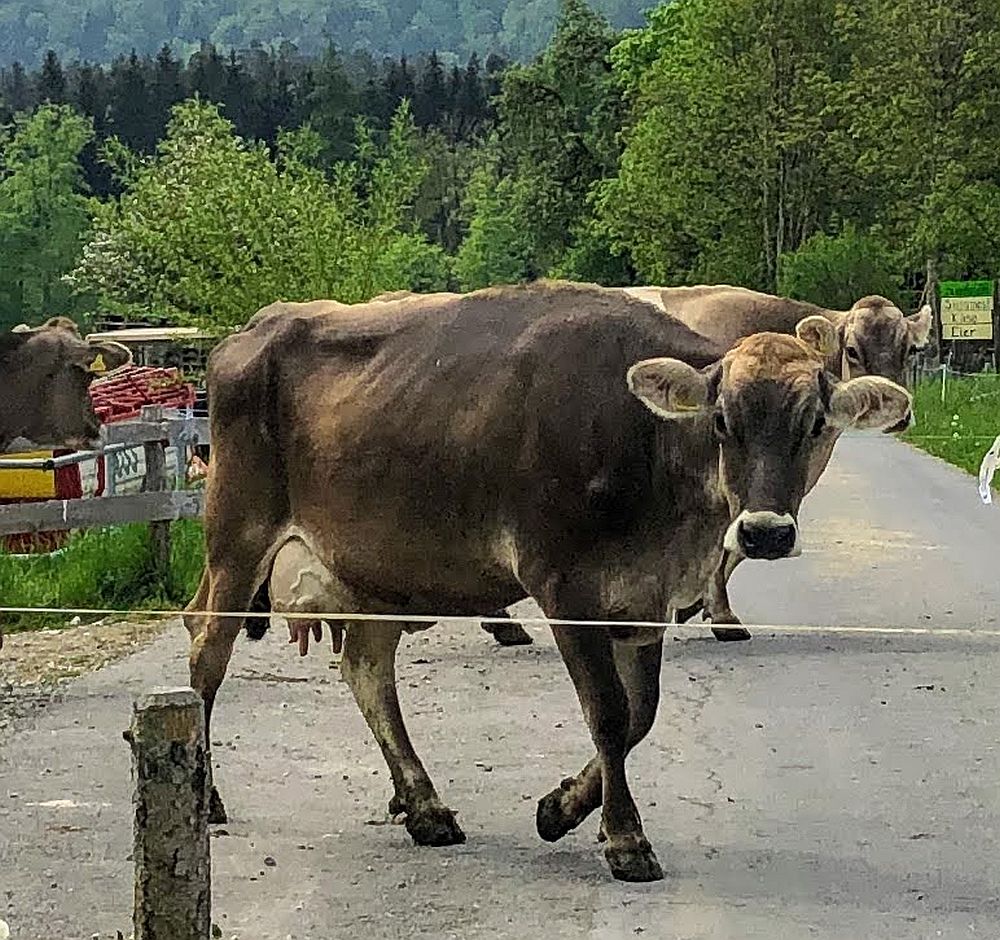
This cow was one of 49 other cows being led to a new grazing field.
Since the times of the Holy Roman Empire scholars have continued to ask whether it is possible to take a bad photograph of a good cow – and despite the best efforts of the finest religious scholars and philosophers, the answer is – always – time and time again – a resounding NO!
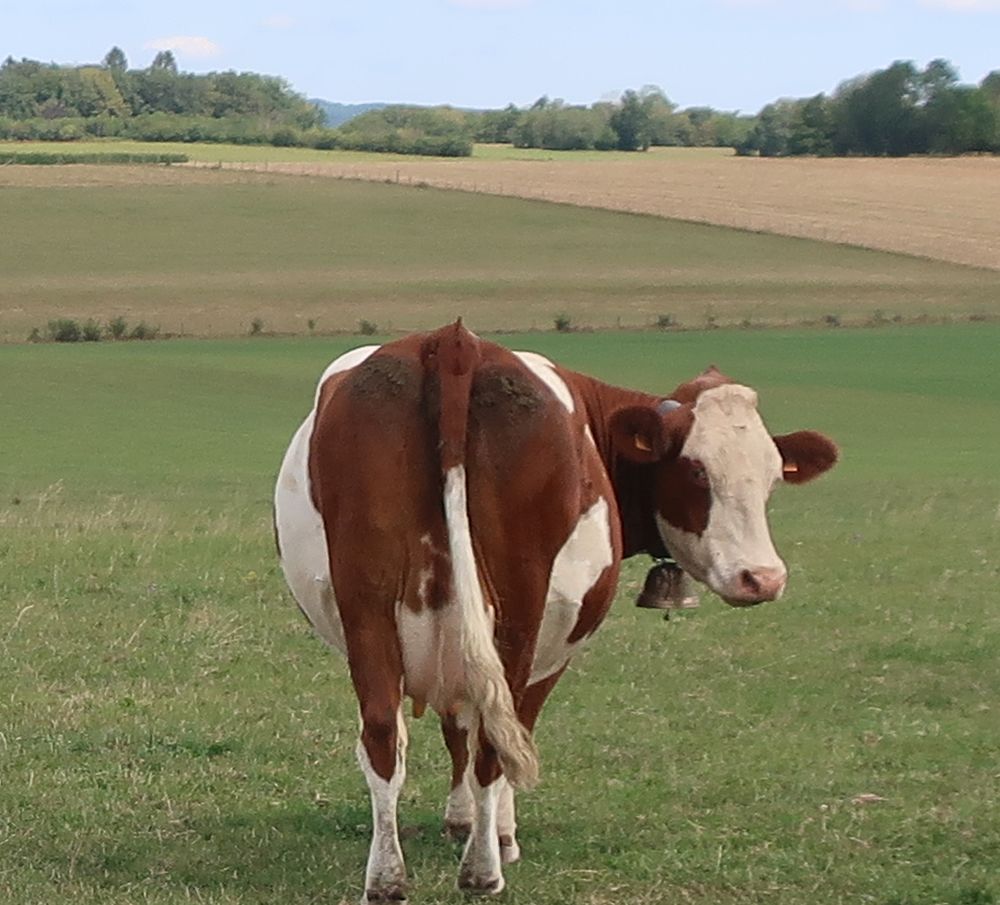
I took this snap in the south of France, Les Pays des Portes du Haut-Doubs, just a few kilometers from the border to the Jura region of Switzerland.
Is a bad snap of a good cow even thinkable? Hardly!
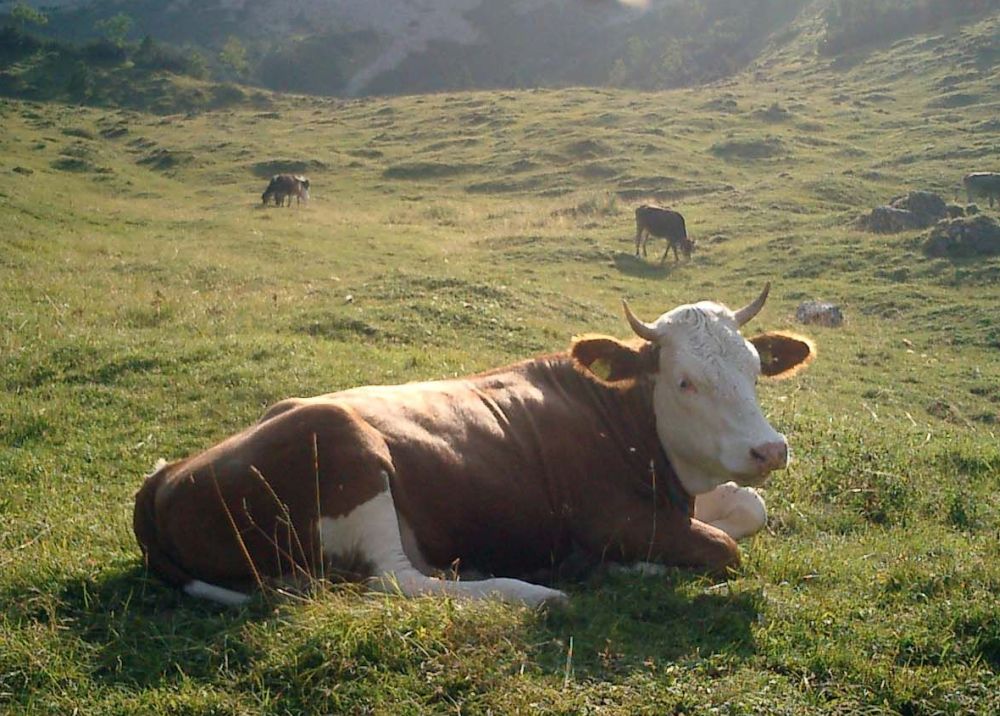
I took this snap of a cow relaxing in Liechtenstein while doing the so-called Drei Schwestern-Steig, a famous hiking trail leading to a set of three magnificent peaks (well, I was doing the hike, not the cow):
And here is a nice snap of some mountain flowers that I took near the cow:
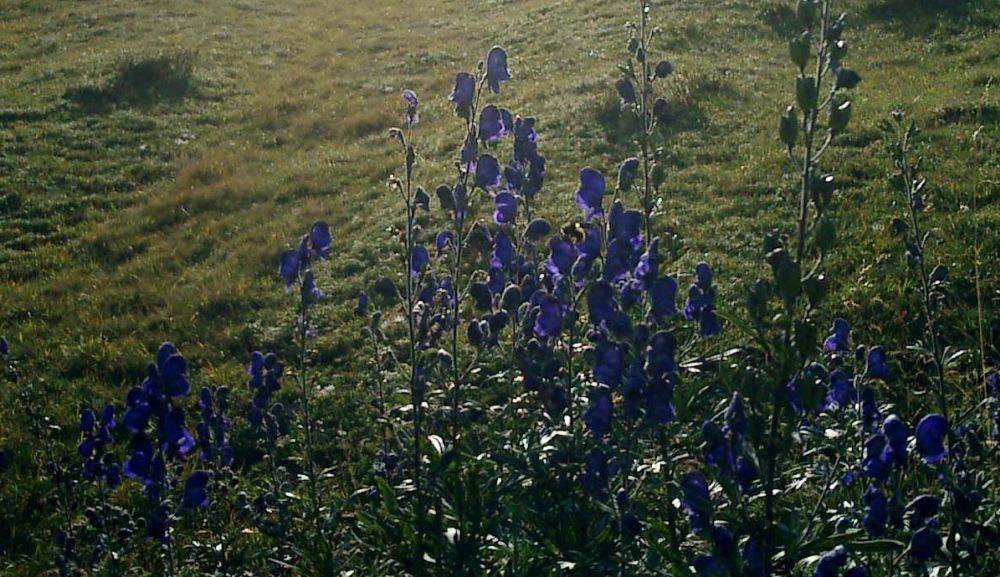
For me it would really be interesting to know if cows like to eat flowers – or if they avoid them – or even if they care one way or the other?
There’s a very famous French saying, and in fact it is so famous the the young French schoolchildren memorize this from a very early age: Vous ne pouvez pas prendre une mauvaise photo d’une bonne vache.
I caught made this snap while driving deep, deep within the Doubs countryside of France:
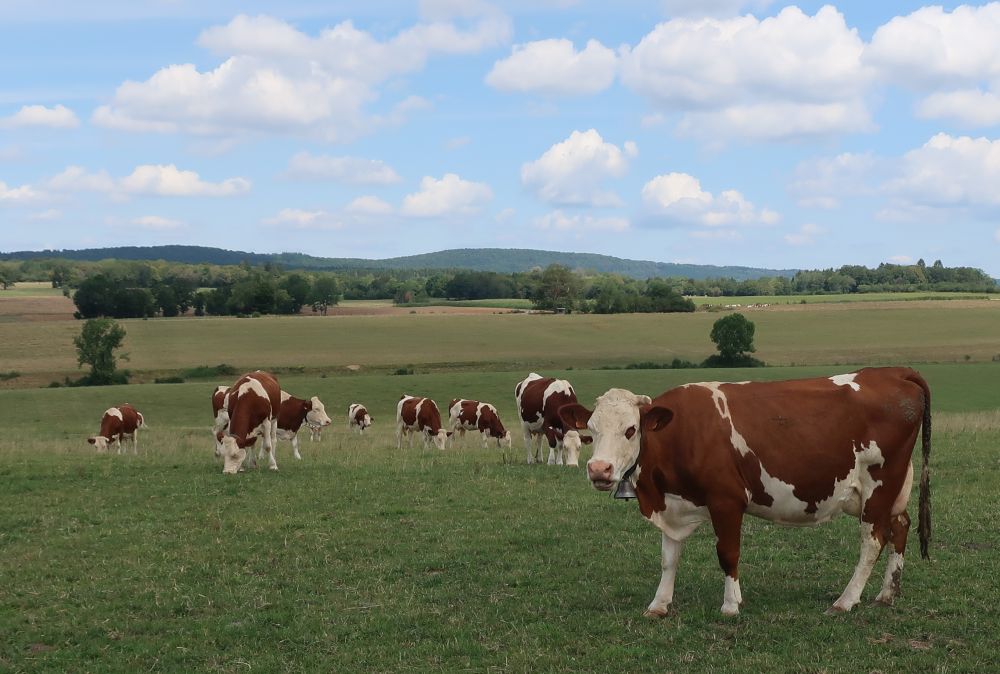
You can’t take a bad photograph of a good cow, and that even holds true for a whole line of cows!
I took this snap just outside of Winterthur:
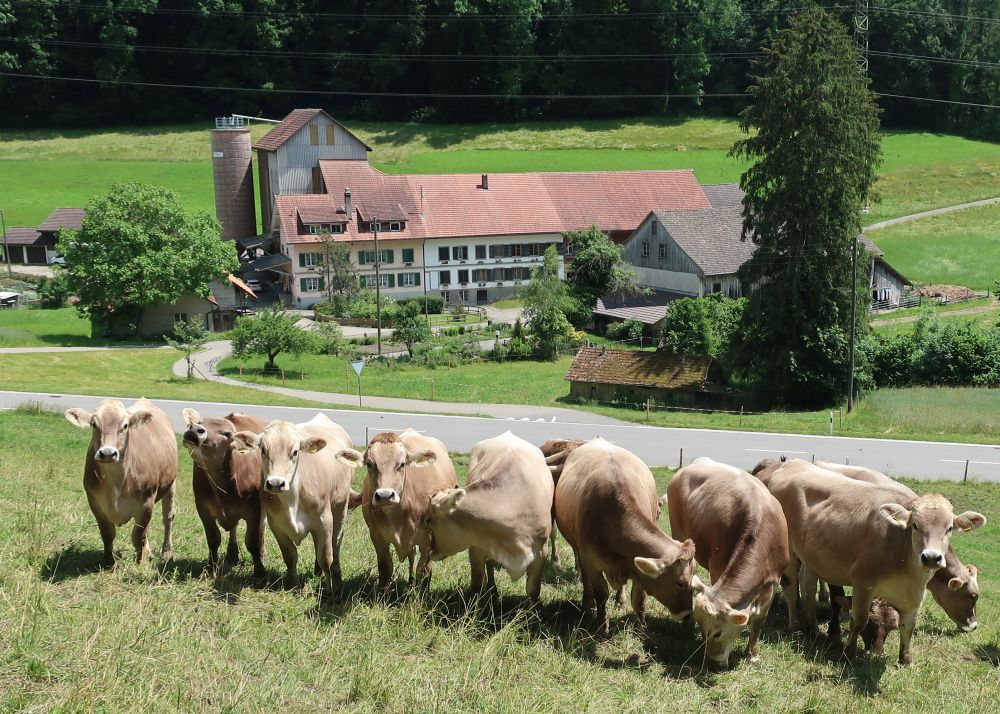
I’m not an expert on cows, but I read something interesting: although they are herd animals, indeed there are “alpha” cows, and in group situations they always arrange themselves in such a way that the alphas tend to be in the center – and therefore much harder to reach for predators.
Even if when threatening to attack you, good cows make for good photographs:
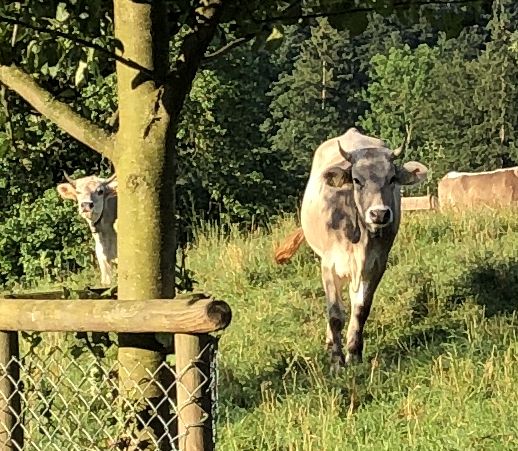
I simply stopped to take a snap during my daily 15 km Nordic walk through the Winterthur hillside, when not only this cow but all of her sisters started running towards me. Since there was only a very thin single strand of electric fence, and since this cow looked easily more than 500 kg, I didn’t hang around long enough to see what would happen.
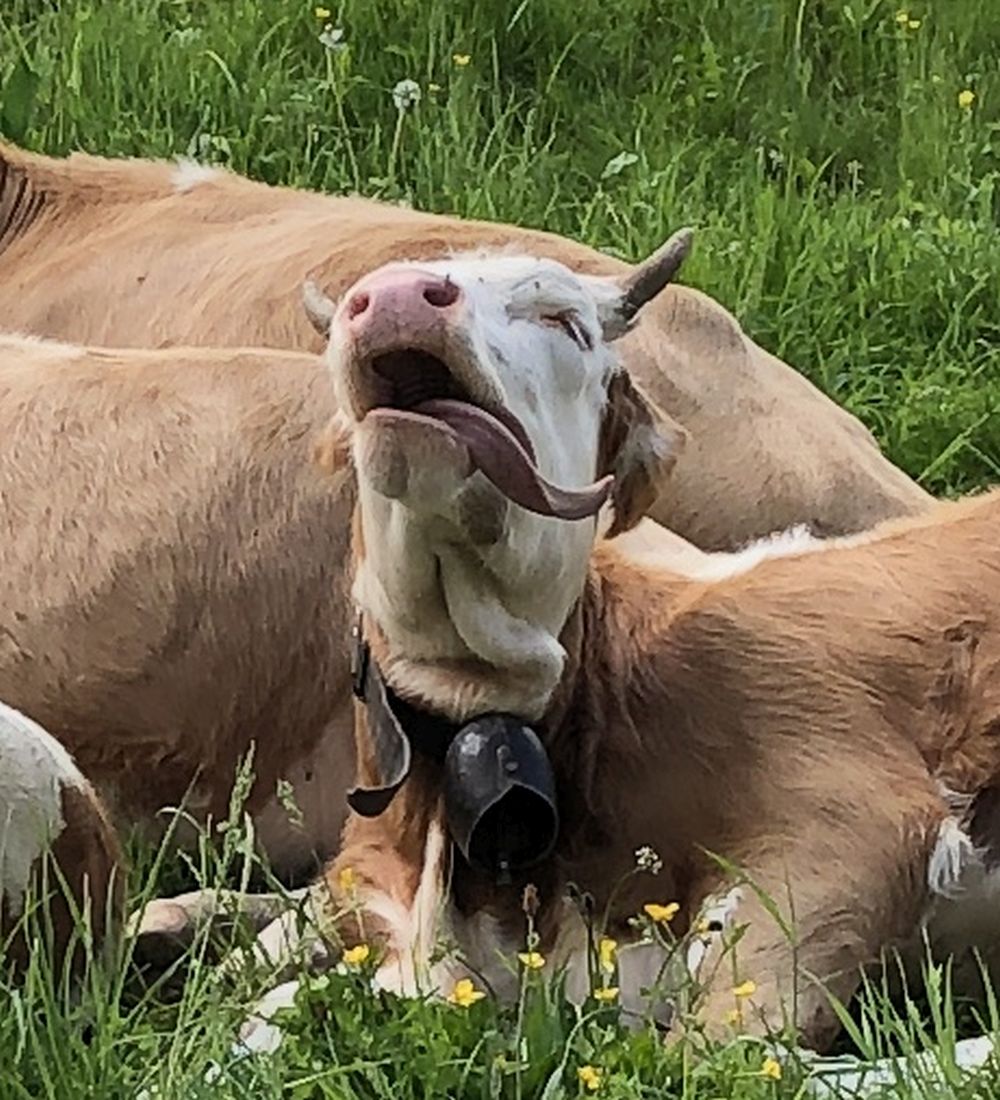
A mathematician would say it like this: If C is the set of all good cows, and B is the set of all bad photographs, then the intersection of C and B is the empty set. But it is easier to just look and see, as I tried to catch the combined emotions of satisfaction and self-indulgence in this cow, just freshening up after a busy day of chomping on fresh, Gruyères grass shows:
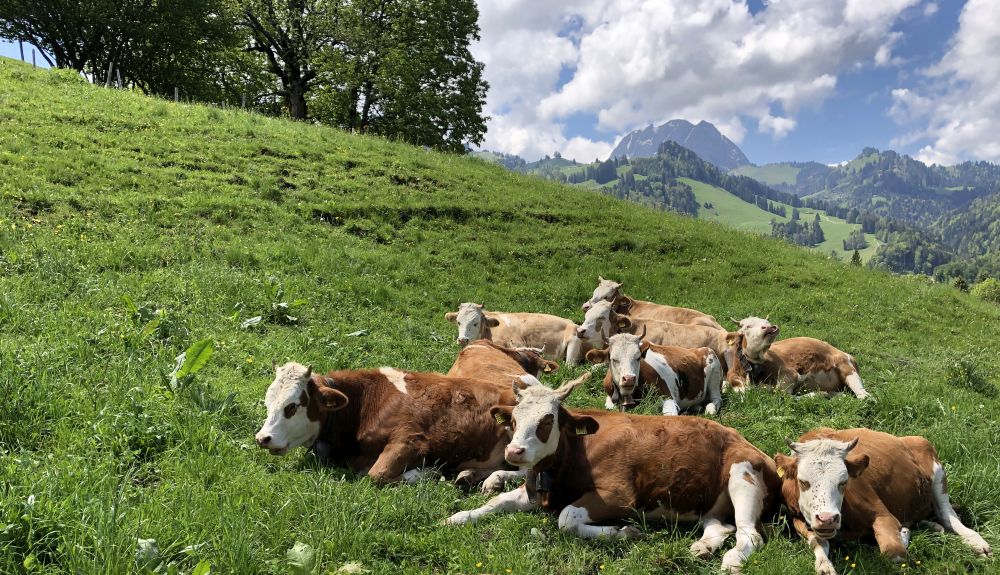
It is a physical impossibility to capture a bad photograph of a genuinely good cow, as this snap of many cows relaxing in the Swiss Gruyères countryside shows. They are very content in the knowledge that although their babies may now be Züri Geschnetzeltes, soon their milk will Switzerland’s most famous brand of cheese:
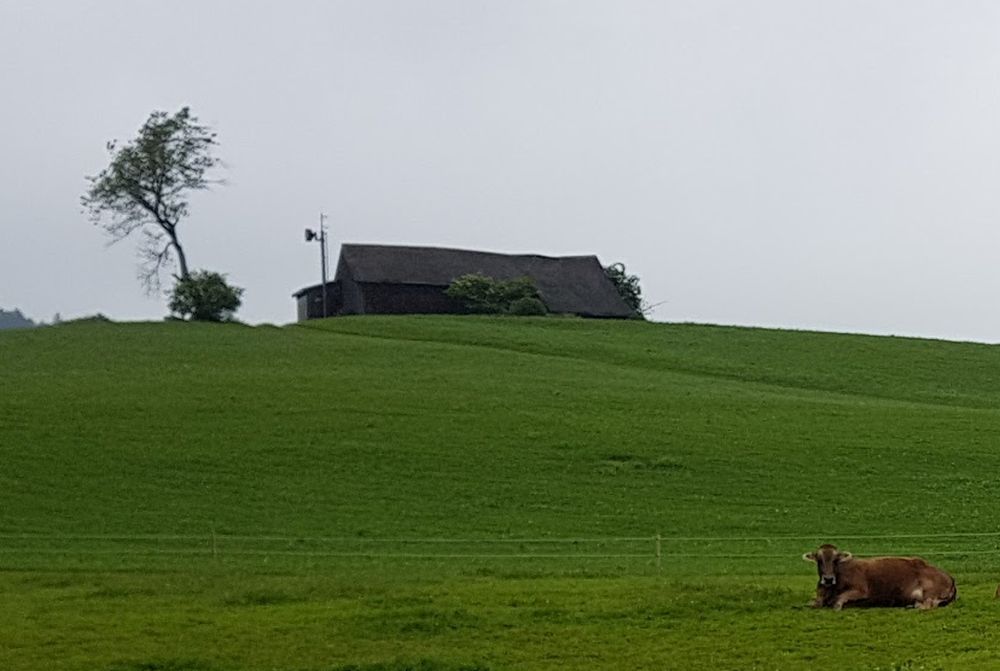
Even in the very rural Swiss country of Appenzell, try as you might, you just can’t take a bad photograph of a good cow:
Good cows, bad picture – I hardly think it’s possible. Here’s a snap of a few cows enjoying a quiet moment outside of Bangalore’s Cubbon Park.

Although it happened rarely, it did happen from time to time: cows are herd animals, so if given the chance they will spontaneously come together and form a herd. That’s OK if you are in Moneta, Wyoming, population 6. But it ain’t so OK when you are in downtown Bangalore, and the cows stop traffic for over six hours.
No mystery here. It’s difficult to take a bad photograph of a good cow.
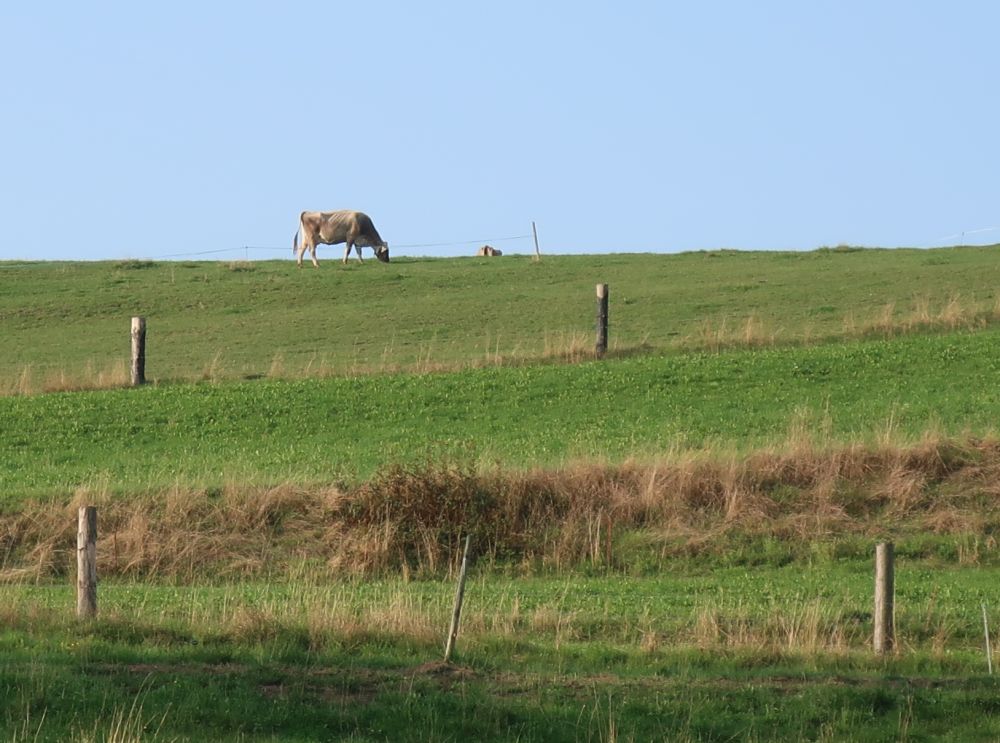
Augusta Raurica is an incredible archaeological site that’s well worth a visit to anyone in the Basel area of northern Switzerland. In a nutshell, Augusta Raurica is an ancient Roman town, together with a number of impressive roman artifacts – including even an amphitheater and coliseum – that was for the most part, amazingly, discovered after World War II.
Here are some cows grazing near a Roman temple:
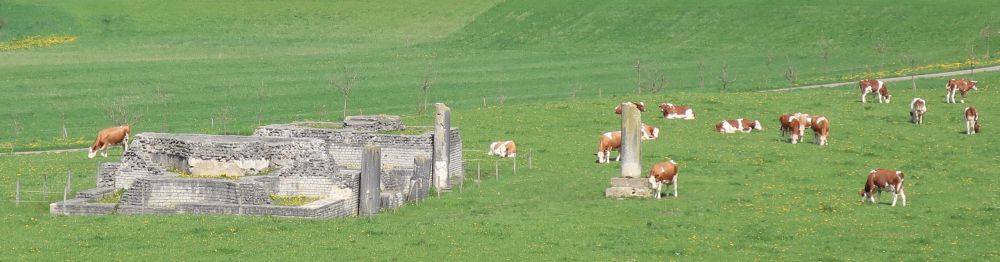
Try if you want, but you just can’t take a bad snap of a good cow!
I found this cow grazing on a tiny patch of grass just outside of the Garuda Mall in Bangalore:
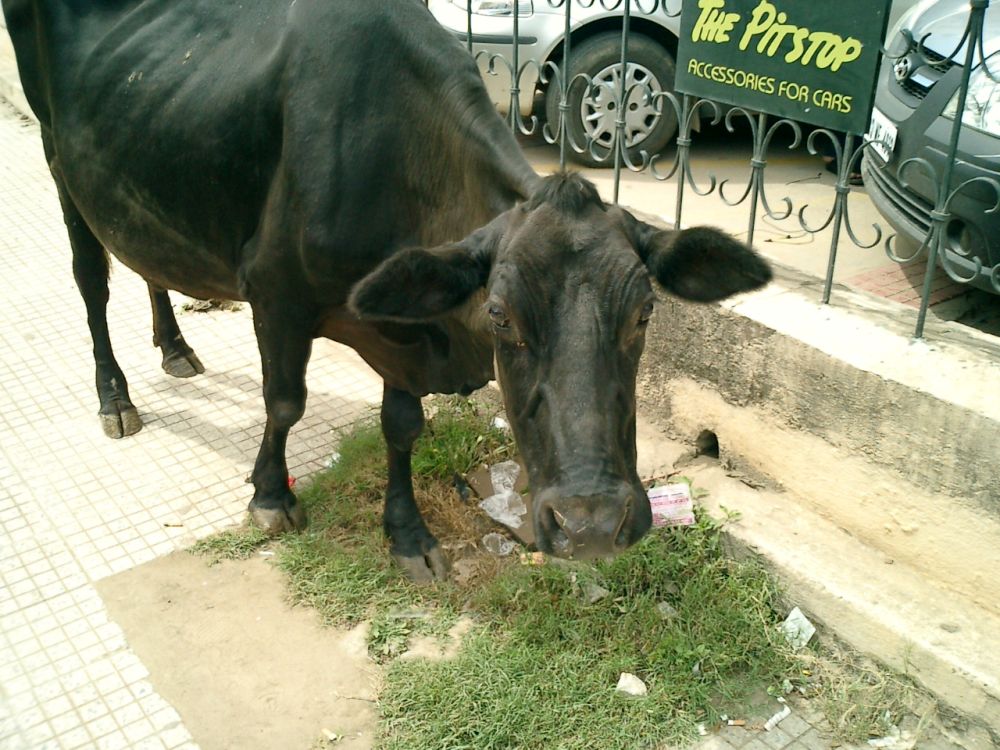
You can try if you want, but you just can’t take a bad photograph of a good cow!
This is a cow that I came across in a village just outside of Mysore, in Southern India:
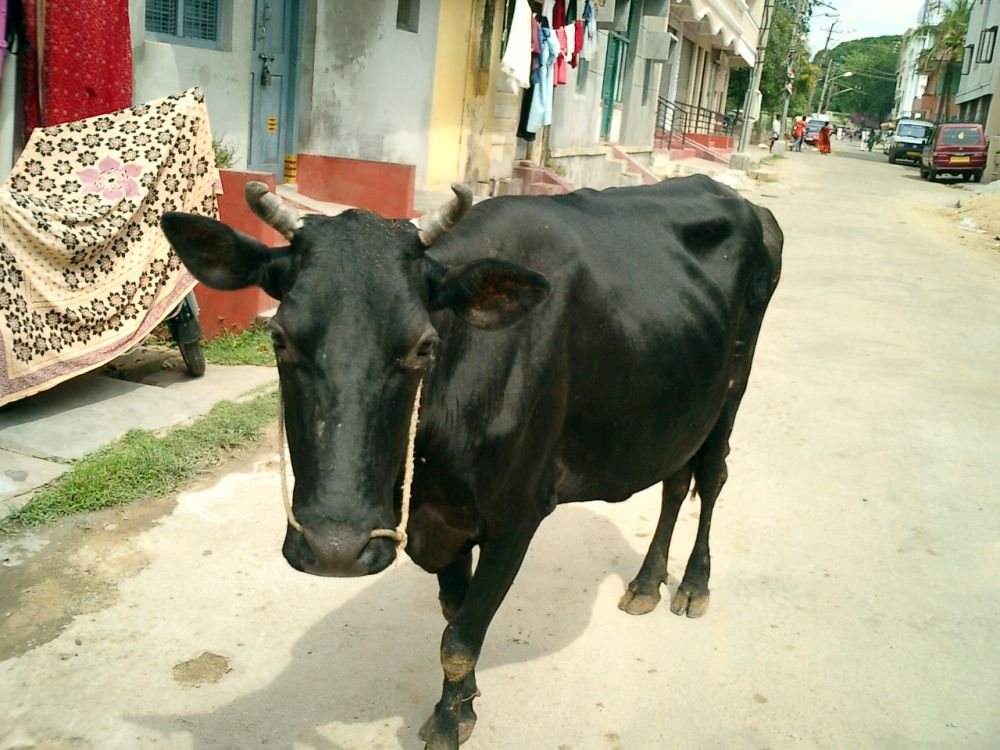
Interestingly, I never stopped to think about it until now, but I really don’t know about how the rope shown above goes laterally through the nostrils of the cow. I guess it’s a bit embarassing to admit I don’t know how this is done – but it also shows that I live a life where something is strange to me that is, in fact, quite ordinary to the overwhelming majority of people on earth.
It’s impossible to take a bad snap of a good cow.
In a recent blog post I discussed Srirangapatna. While here, I came across this cow while exploring this area of Southern India,

It’s impossible to take a bad picture of a good cow!
These cows are just outside a former Carthusian Monastery located in the North Swiss countryside near Ittingen:
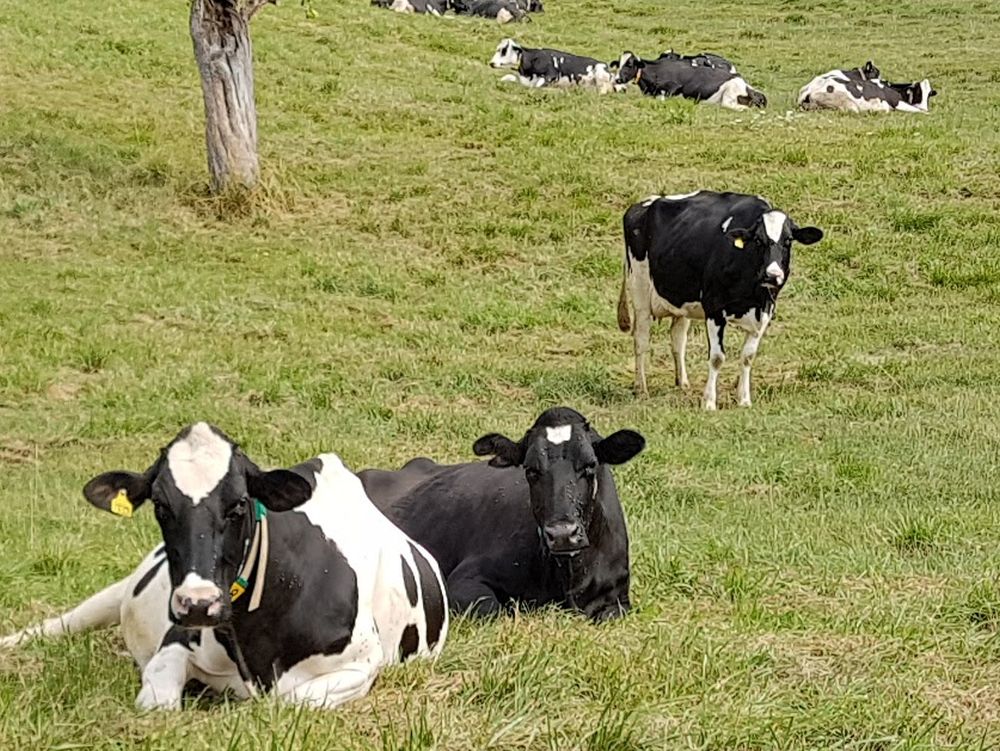
The Carthusian Order is the strictest of all the Catholic monastic orders, so it’s only fitting that these cows lead lives of quiet contemplation.
You can’t take a bad picture of a good cow!
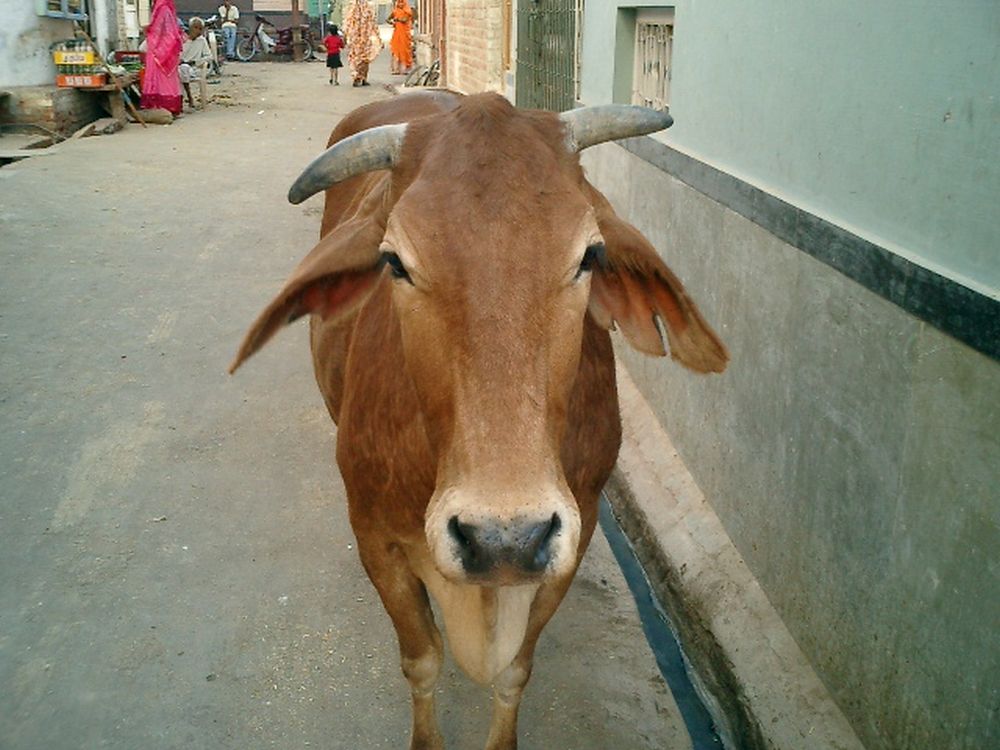
This cow looks a bit self-content, and that’s probably because she lives in Jaisalmer. As of 2017, Jaisalmer tops my list of the most incredible place I’ve ever visited. It is a very rural village deep within the Great Thar Desert of India – nothing modern about it, and in fact only about 60,000 inhabitants. But this was a key stop along the Silk Road out of China and to the sea, and you can still see this today: every single stone building in the entire village is as complicated and brilliantly designed as the Alhambra, in Granada, Spain. It’s a world heritage site – and if you ever get the chance to visit, do not pass it up!
In the deep south of India, not too far from the Kolar Gold Fields and just on the border between Karnataka and Andhra Pradesh, is the amazing Shiva temple called Kotilingeshwara.
It is not a temple in any conventional sense of the word. It is more of a indoor / outdoor park, filled with thousands upon thousands of small, identical statutes called linga, which is actually a representation of the Indian god Shiva. Here you can see a few of them, with a huge statute of the sacred cow Nandi in the distance:
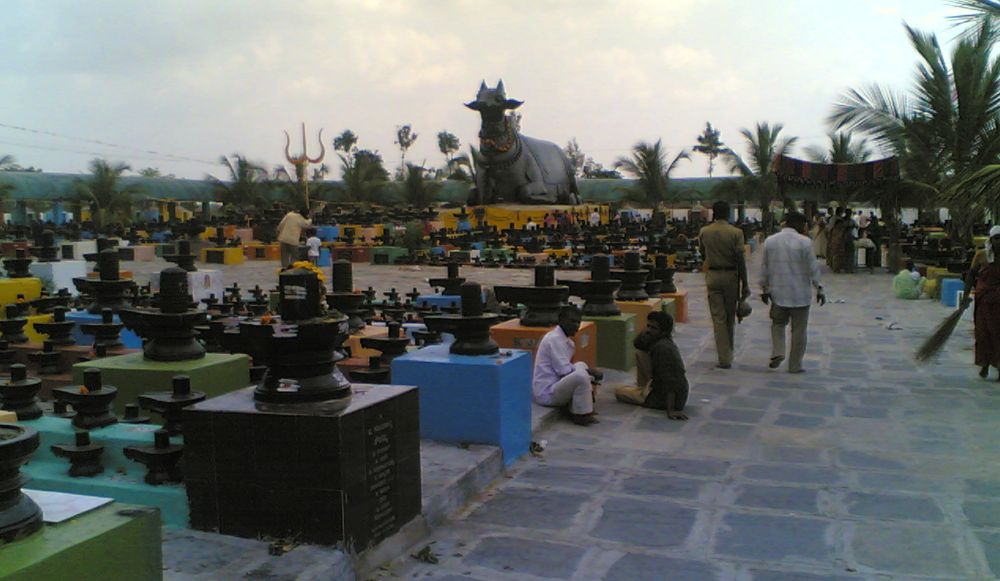
Interestingly, I arrived on the day of a festival, and thousands of visitors were expected and beginning to line up. But a cousin of a friend of mine is a police officer who is assigned to this temple, so he let us in early before the crowd. (That’s him above in the dark khaki clothes, carrying his big long stick that police offices in India are famous for.)
Here’s another look, showing some of them as large as a building (it’s one of the largest in the world), and others as small as tea cups:
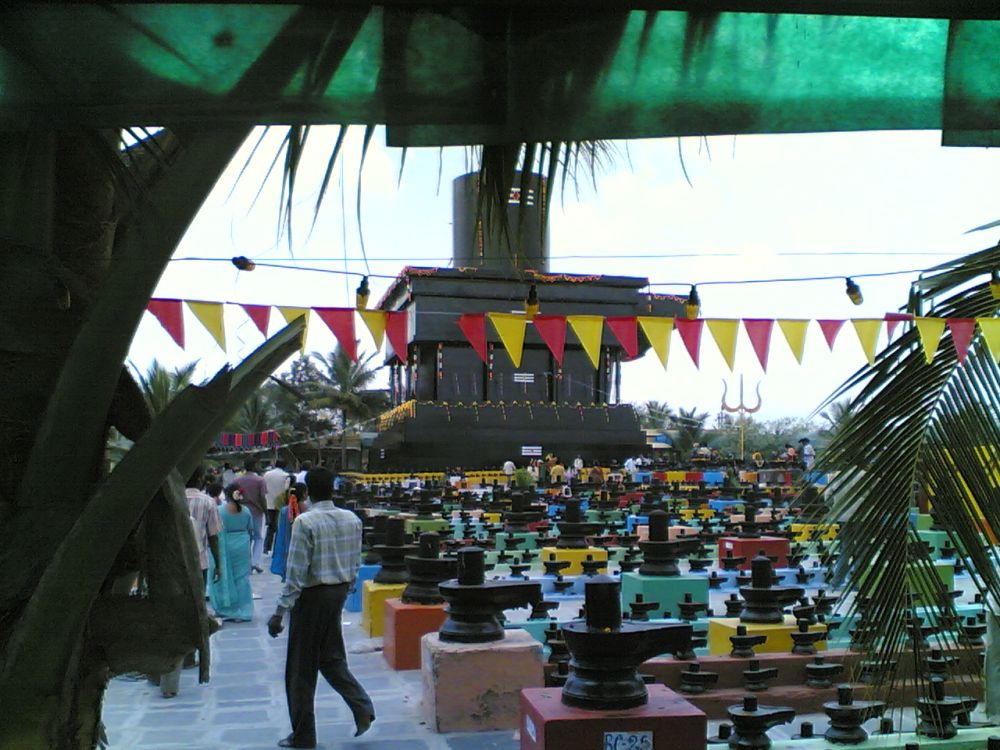
I don’t know the details, but I think for the price of a donation to the temple you can arrange to have a lingam dedicated with your name.
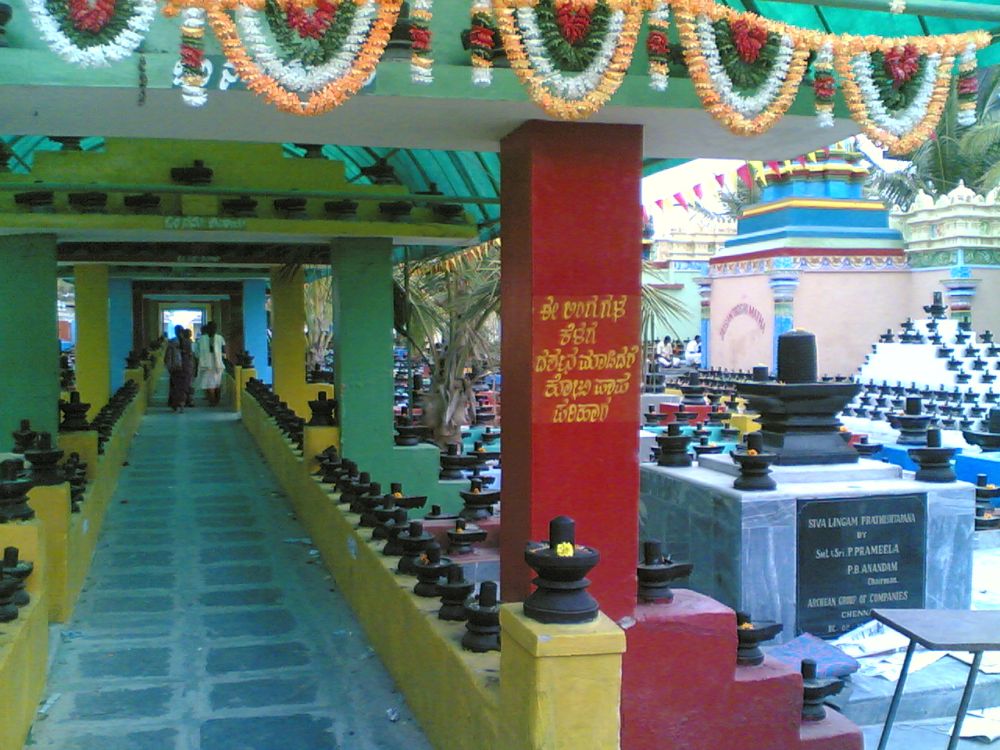
Oh, and for those who think that Indian names are quite long and difficult, this name provides a wonderful segue to an upcoming post about Indian names: koti means 10,000,000, linga we talked about above, eshwara means god – hence the name Kotilengeshwara refers to the 10 million manifestations of the god Shiva.
You just can’t take a bad picture of a good cow!
I took this photo in the foothills of the Austrian Alps:
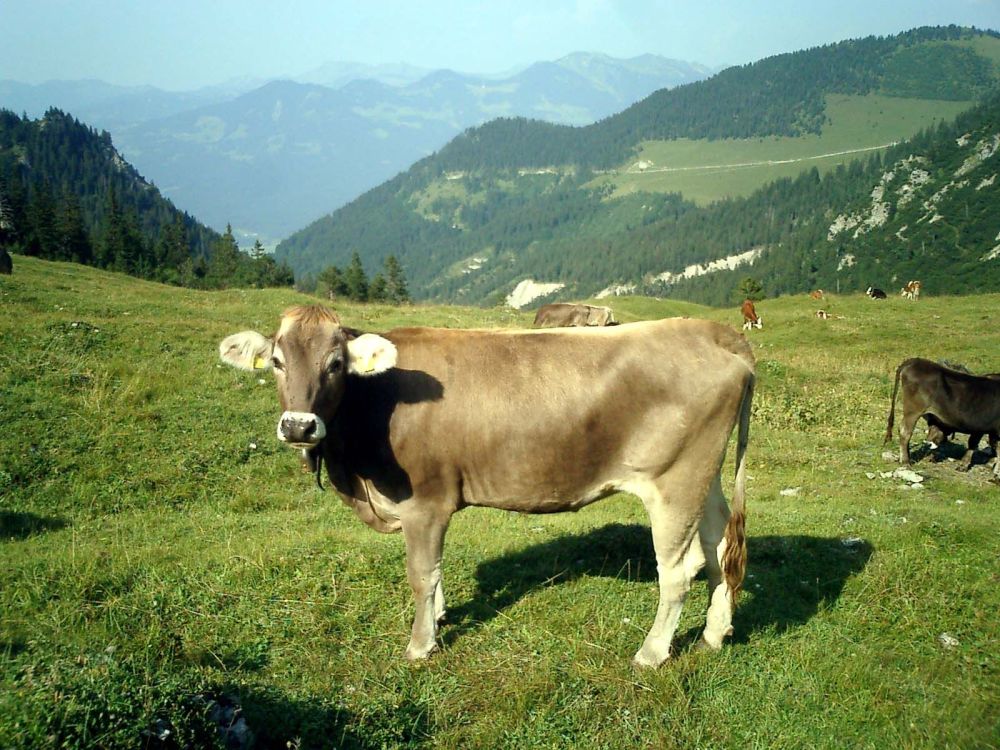
I have no idea why her ears were sticking out like that, but it was an usually hot day – perhaps extended ears help the cow to keep cool?
You just can’t take a bad photograph of a good cow!
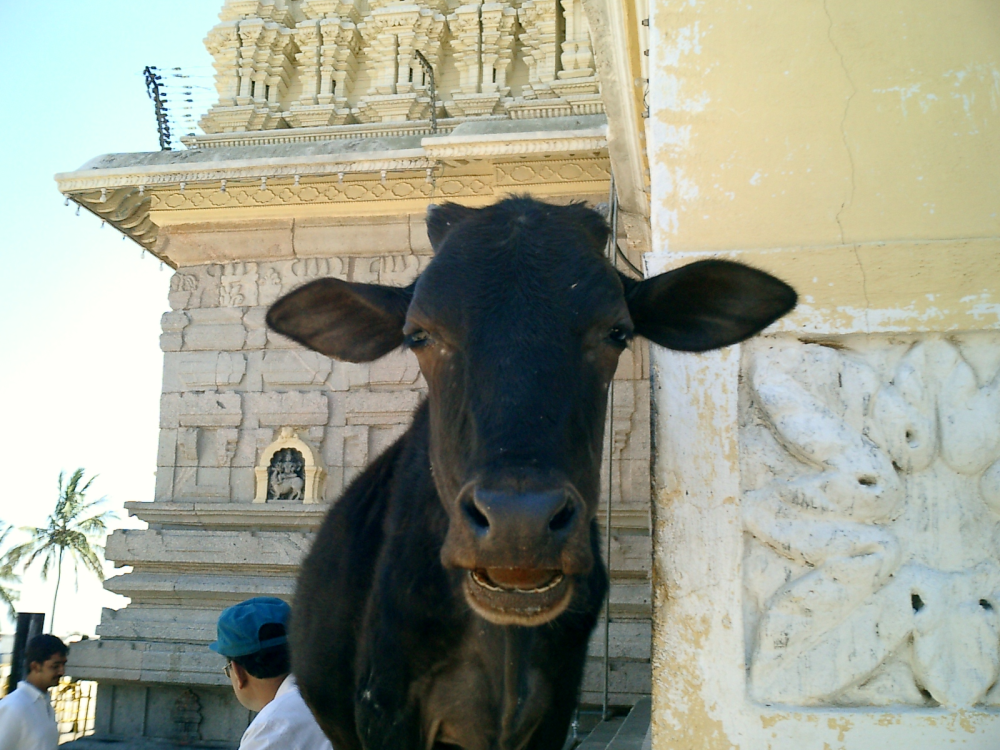
This one is very happy because she is standing on the steps of the Chamundeshwari Temple.
It’s hard to take a bad photograph of a good cow!
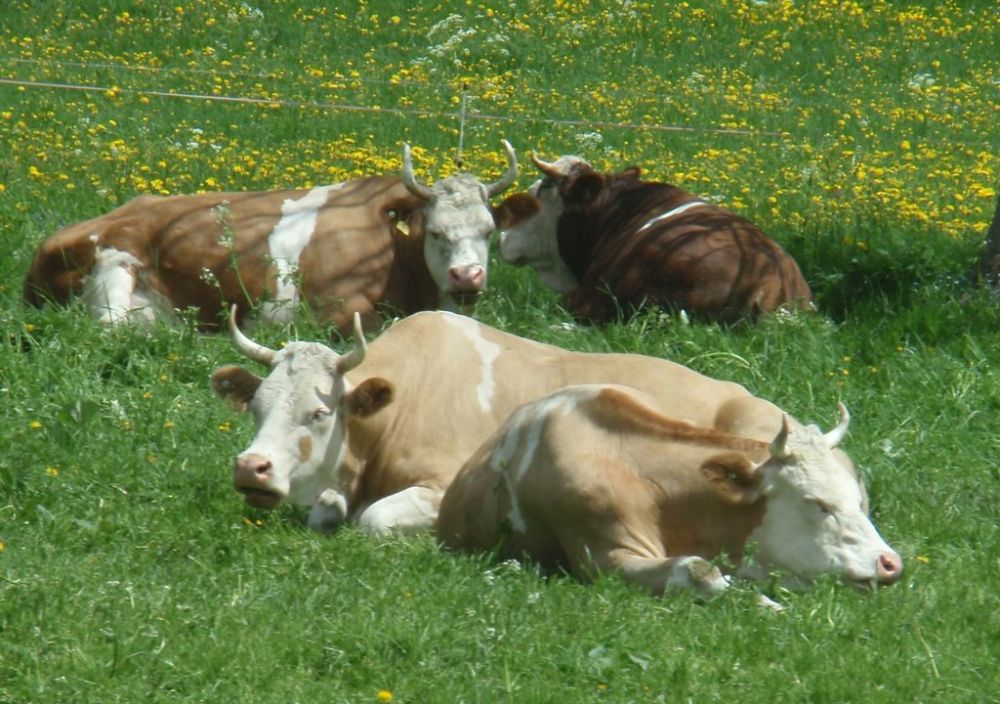
These cows are relaxing just outside the ultra affluent town of Gstaad, deep in the Bernese Oberland. Most likely the few square meters of ground they are laying on is worth more than my apartment!
The world’s most expensive boarding school is located here (Institut Le Rosse, costing well over CHF 100K per student per year); and the international school for smaller children is so select, they have no webpage.
You just can’t take a bad photograph of a good cow!
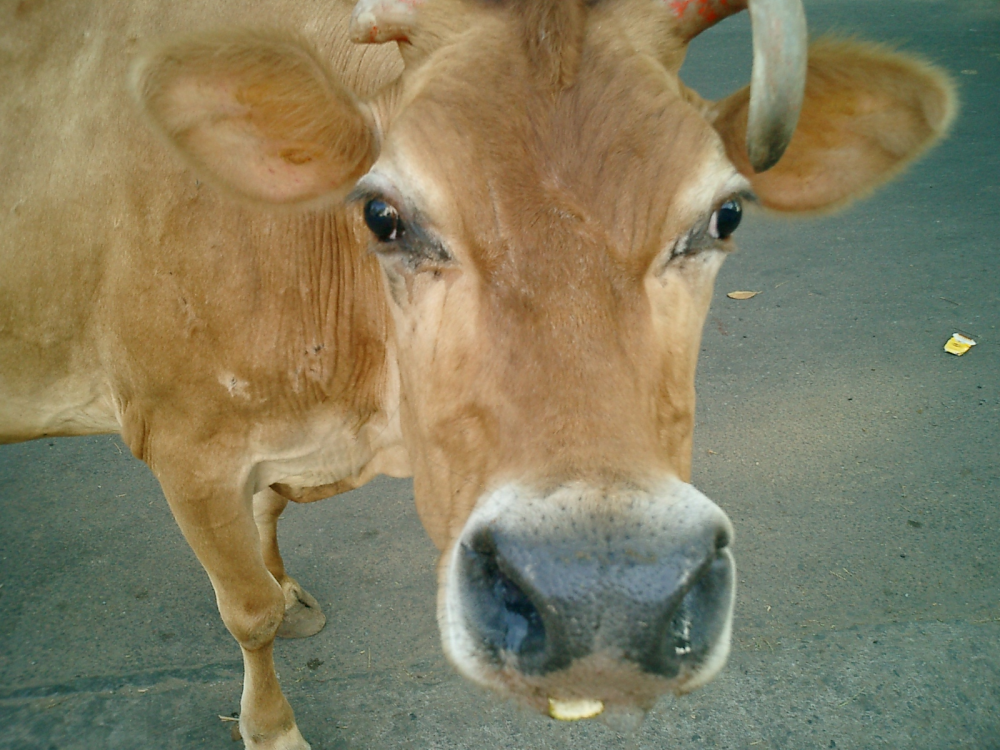
This one walked down a long narrow street in Mysore, stopped briefly to look at me, then turned and continued along his way. Unbelievable. I hope he was successful in whatever he was trying to achieve.