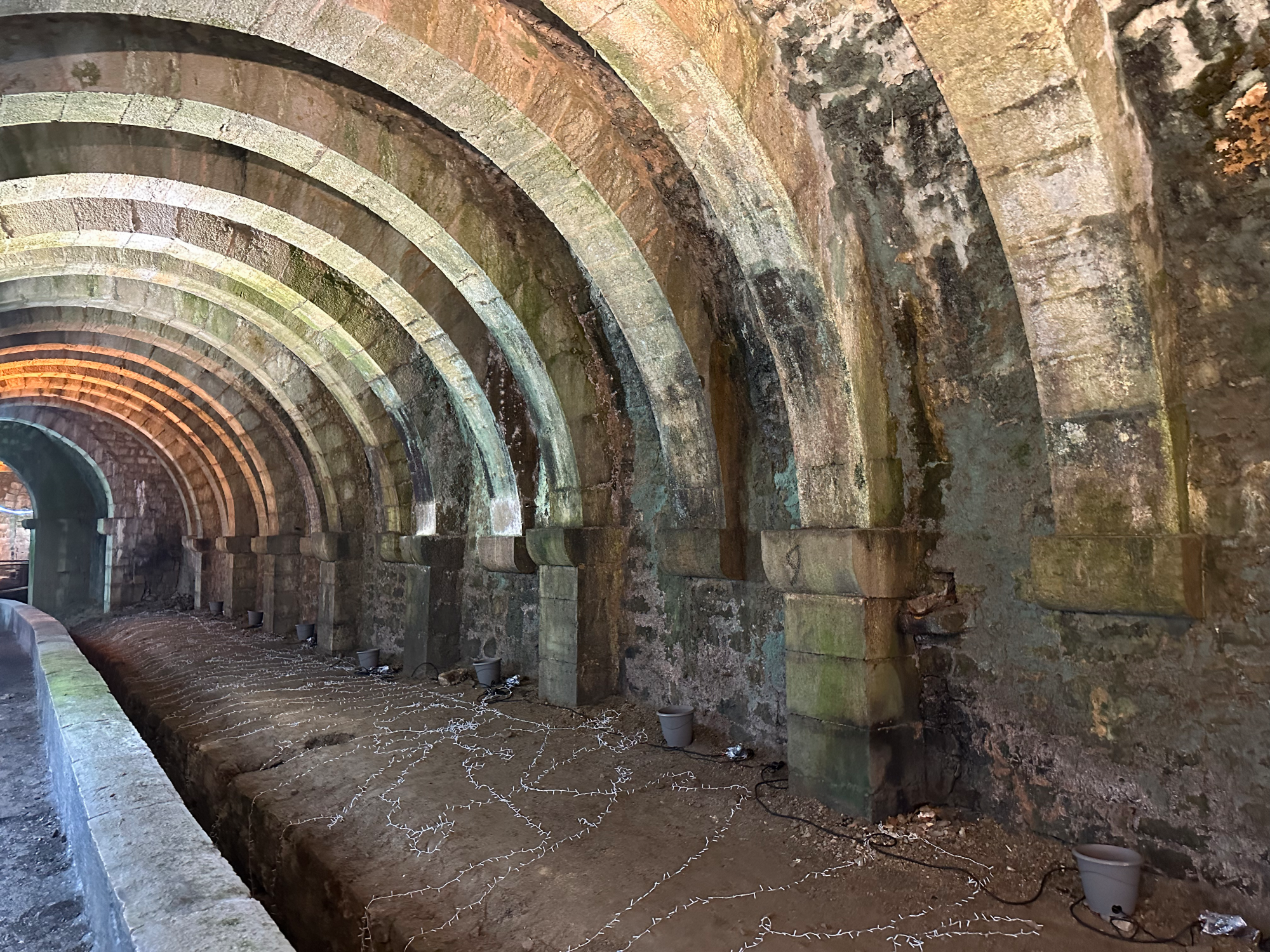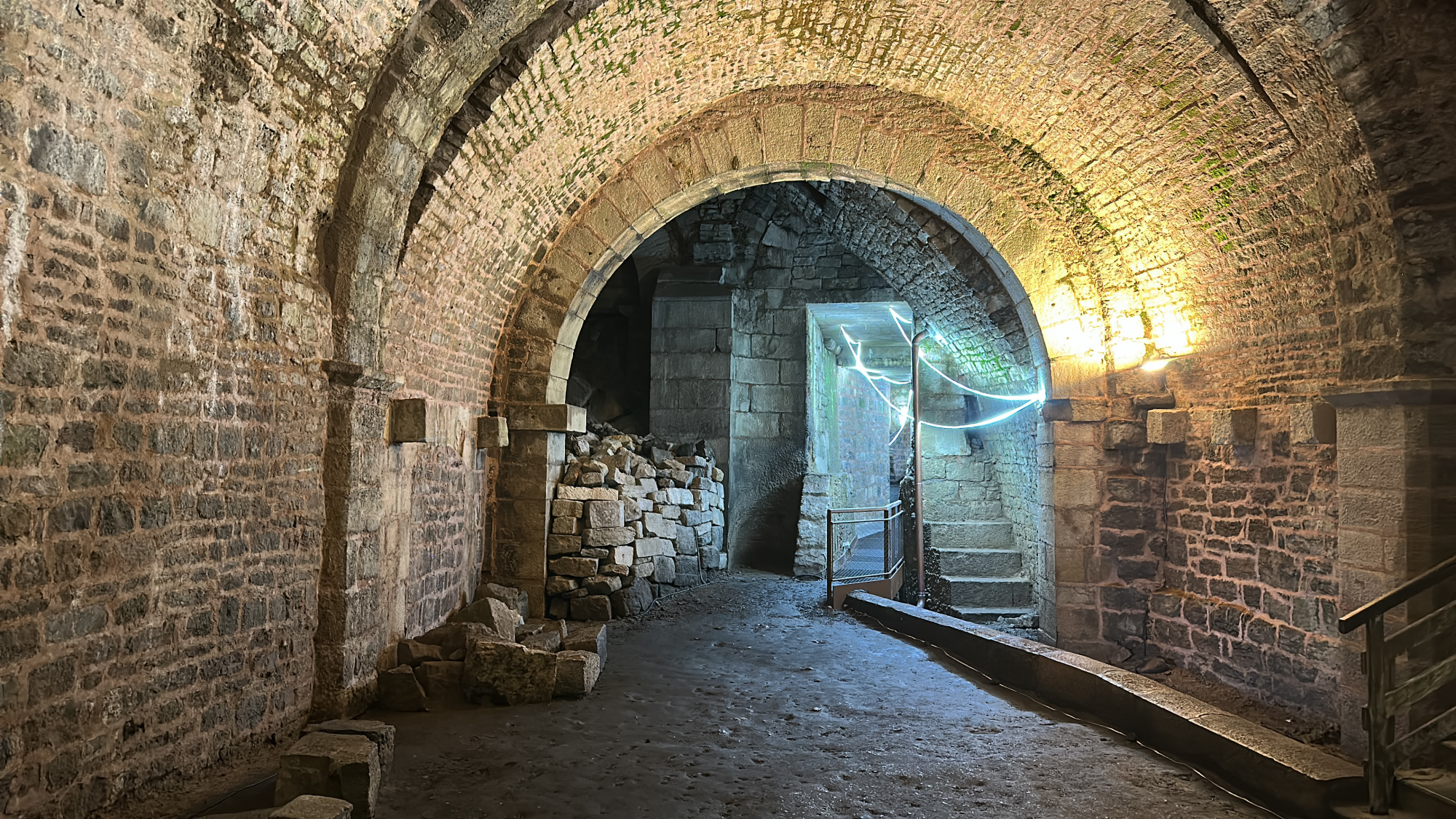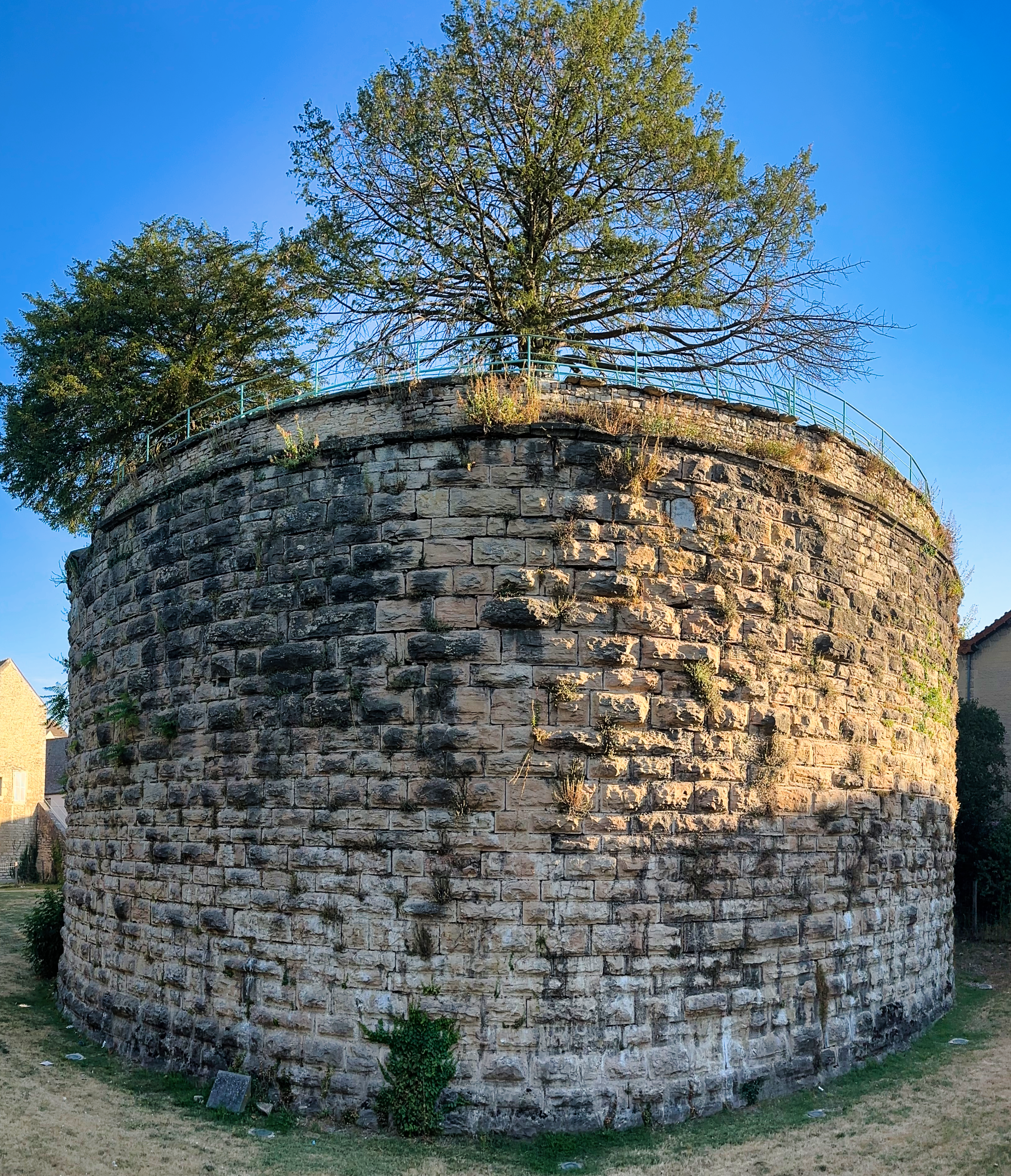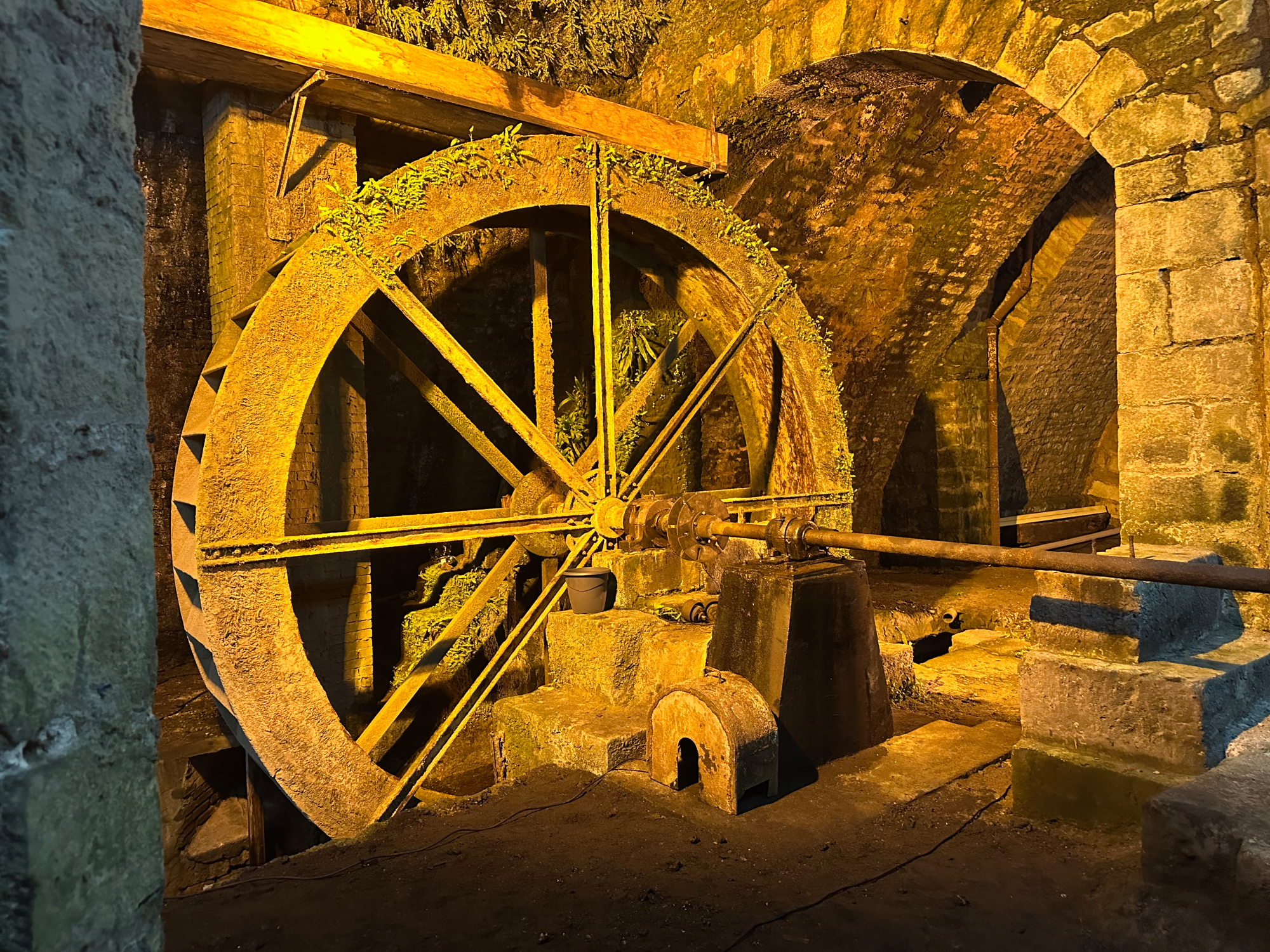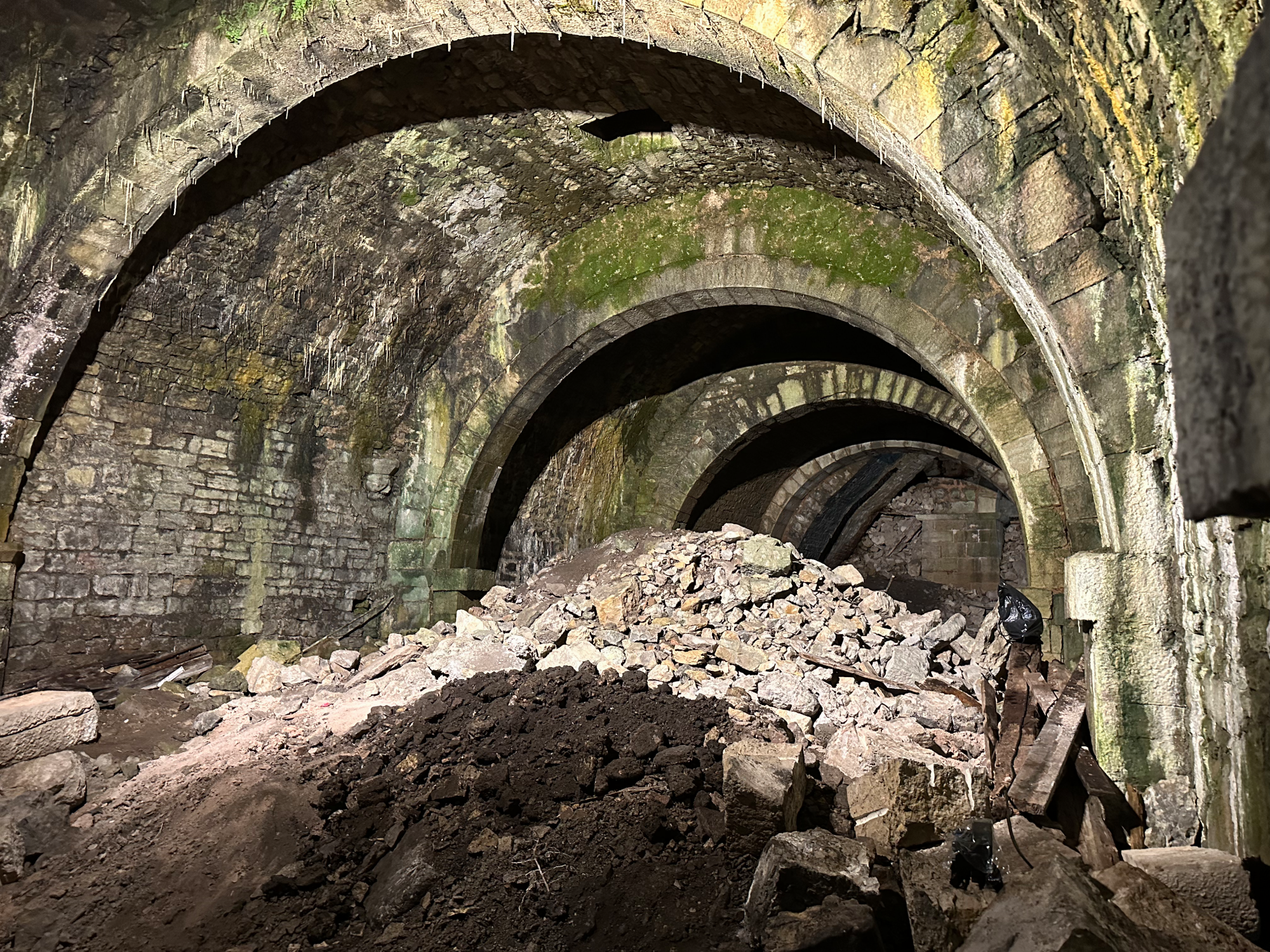
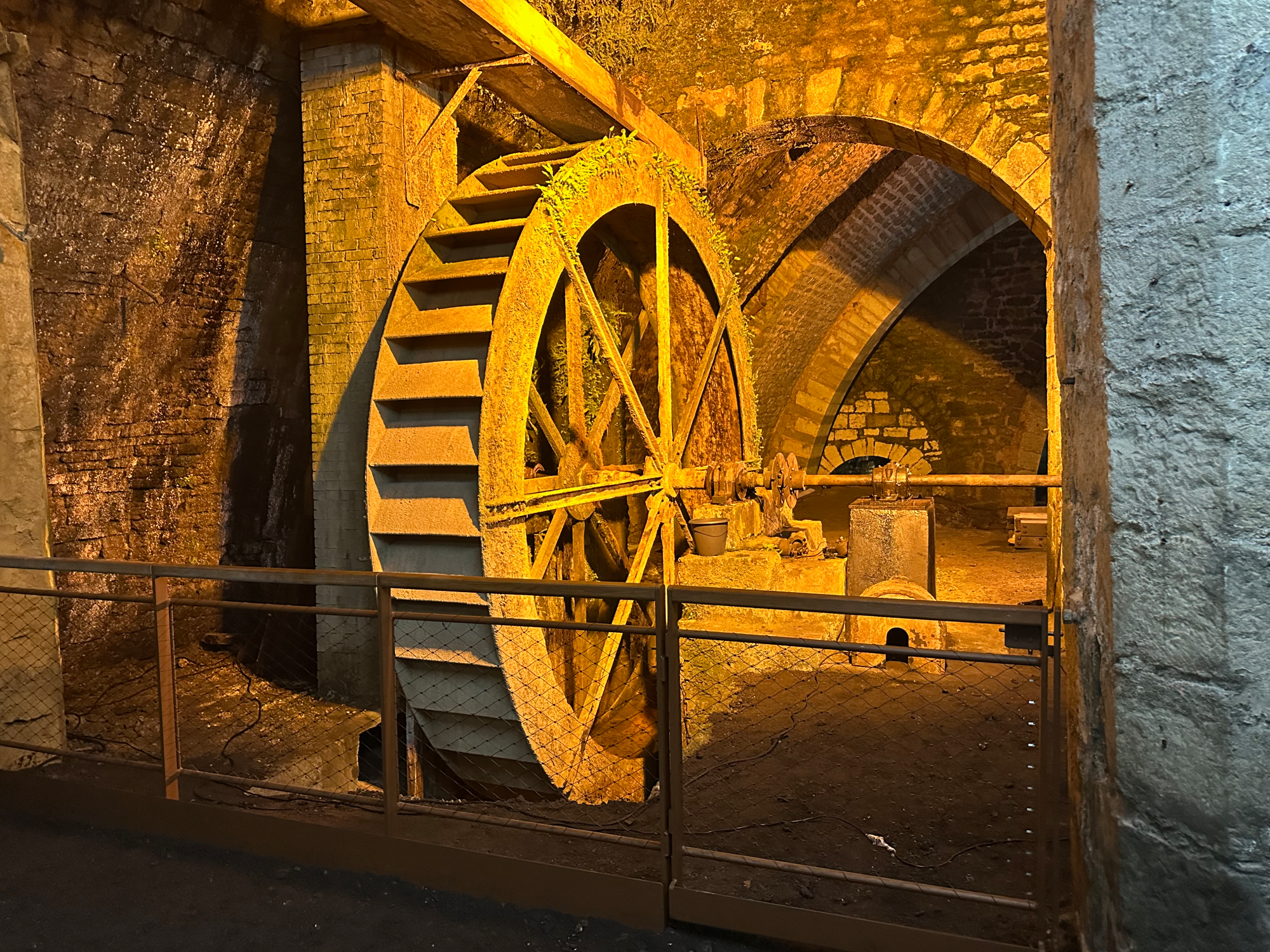
Saline-les-Bains blows your mind, because it shows you an aspect of medieval history that you probably had no idea about. Or at least, that I had no idea before I visited it. Over a thousand years ago people discovered that the water flowing up from underground springs was salty. So even as far back as 1115 they created “saltworks” to collect the water, dry it, to obtain salt. One interesting learning for me was: in the later Middle Ages, the workers here were treated phenomenally well. They obtained free salt (and remember, a family needed around 25 kg per year to preserve their food), free food, free healthcare, education for the children. They worked only around 12-14 hours per day, whereas 18+ hours was standard in the Middle Ages. They had an extremely good life, so that generation after generation of families willingly stayed and worked here.
France
Saline-les-Bains
Saline-les-Bains blows your mind, because it shows you an aspect of medieval history that you probably had no idea about. Or at least, that I had no idea before I visited it. Over a thousand years ago people discovered that the water flowing up from underground springs was salty. So even as far back as 1115 they created “saltworks” to collect the water, dry it, to obtain salt. One interesting learning for me was: this became the most important village in France. Around 1000 people were employed in the saltworks, and around 4000 people were employed as lumberjacks, cutting down trees as far away as 20km, since great quantities of wood were required to evaporate the water and obtain the salt.
Saline-les-Bains
Saline-les-Bains blows your mind, because it shows you an aspect of medieval history that you probably had no idea about. Or at least, that I had no idea before I visited it. Over a thousand years ago people discovered that the water flowing up from underground springs was salty. So even as far back as 1115 they created “saltworks” to collect the water, dry it, to obtain salt. One interesting learning for me was: there are huge underground salt deposits, but at a depth of over 250 meters, which means they were unreachable for miners at the time. Saline-les-Bains is in the middle of a valley with huge hills on both sides, so it is this Artesian well action that forces groundwater up through the salt layer.
Saline-les-Bains
Saline-les-Bains blows your mind, because it shows you an aspect of medieval history that you probably had no idea about. Or at least, that I had no idea before I visited it. Over a thousand years ago people discovered that the water flowing up from underground springs was salty. So even as far back as 1115 they created “saltworks” to collect the water, dry it, to obtain salt. One interesting learning for me was: salt was not required for human health or flavoring, but rather this was the only known method of storing fresh foods (such as meat and fish) over the winter. A family living in Middle Age Europe required around 25 kg of salt per year!
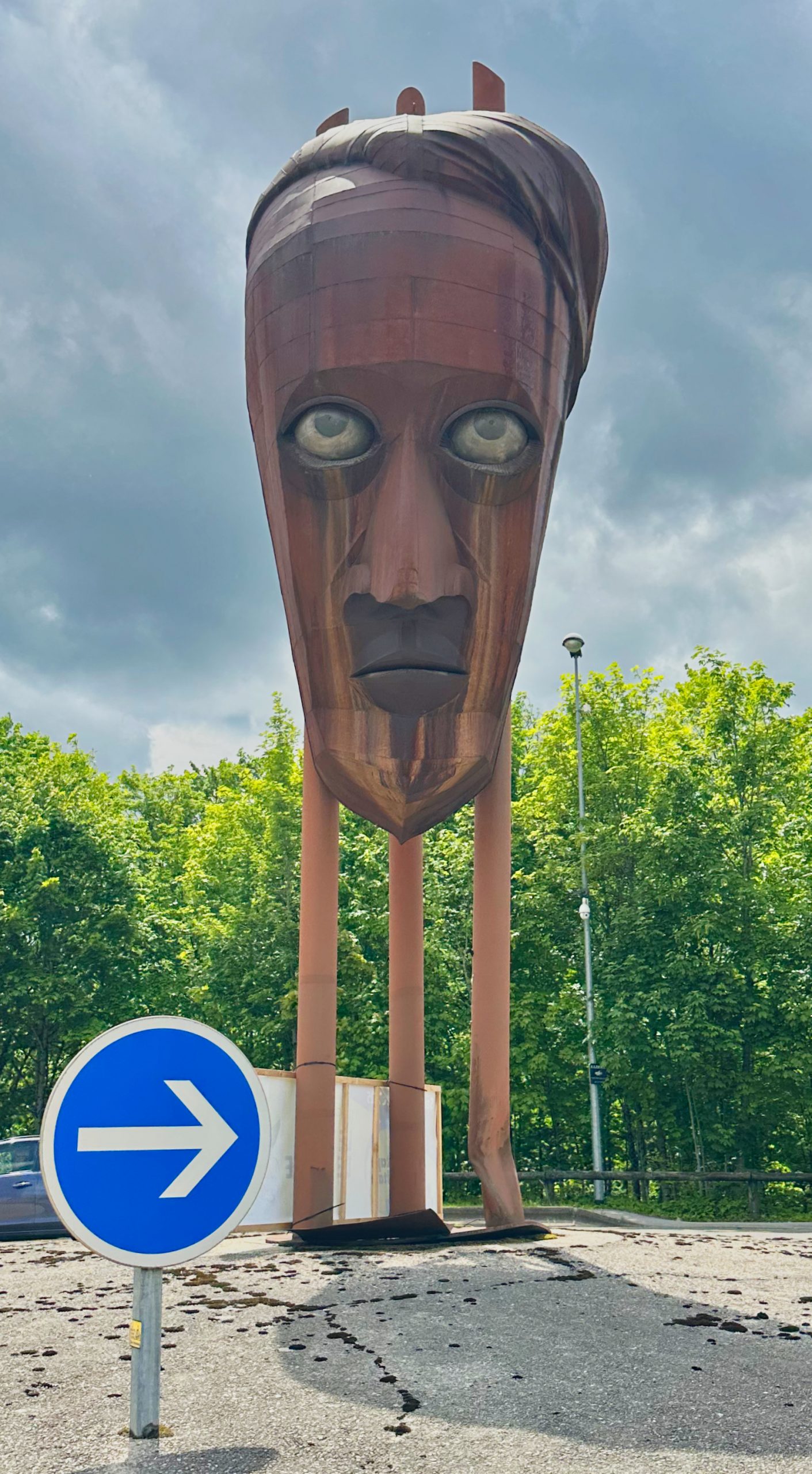
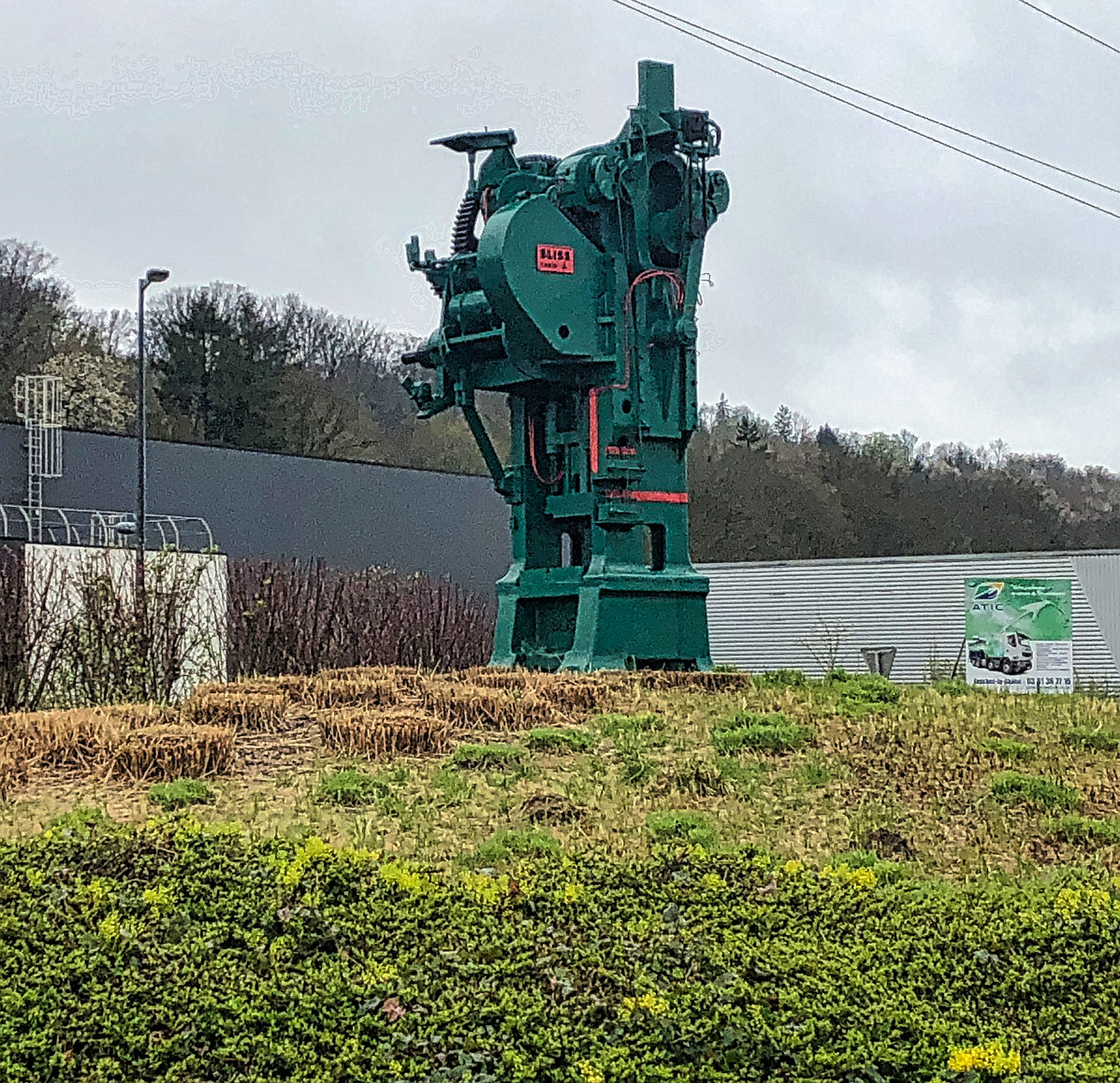
Le grand homme à grosse tête sur le rond-point à Pontarlier
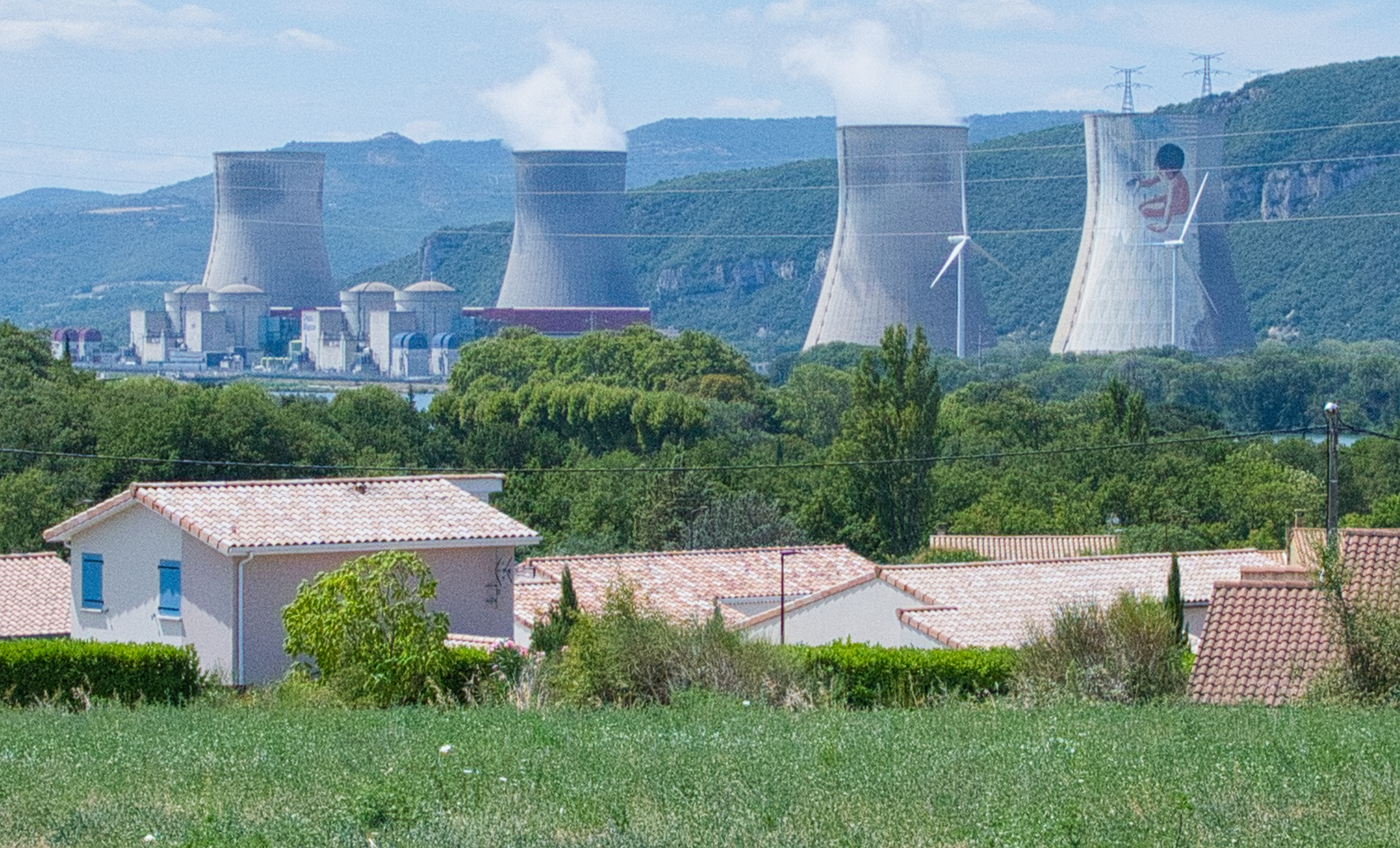
Reactors on the Rhone
These are nuclear reactors that comprise the Cruas Nuclear Power Plant in the Savoie region of France – but what you can’t see is that they are sitting on the Rhone river, near Montélimar. According to WikiPedia they produce 3’600 MW of electricity and account for 5% of France’s electricity demand.
Let’s assume two large wind generators could crank out around 36 MW – this means we’d need 2×100 = 200 wind generators to equal the output of these 4 reactors!
By the way, so as not to be confused, the big “hyperbolic cooling towers” you see are just for cooling the water. The reactors themselves are the tiny cylindrical objects you see on the far left, with the small domed roofs.
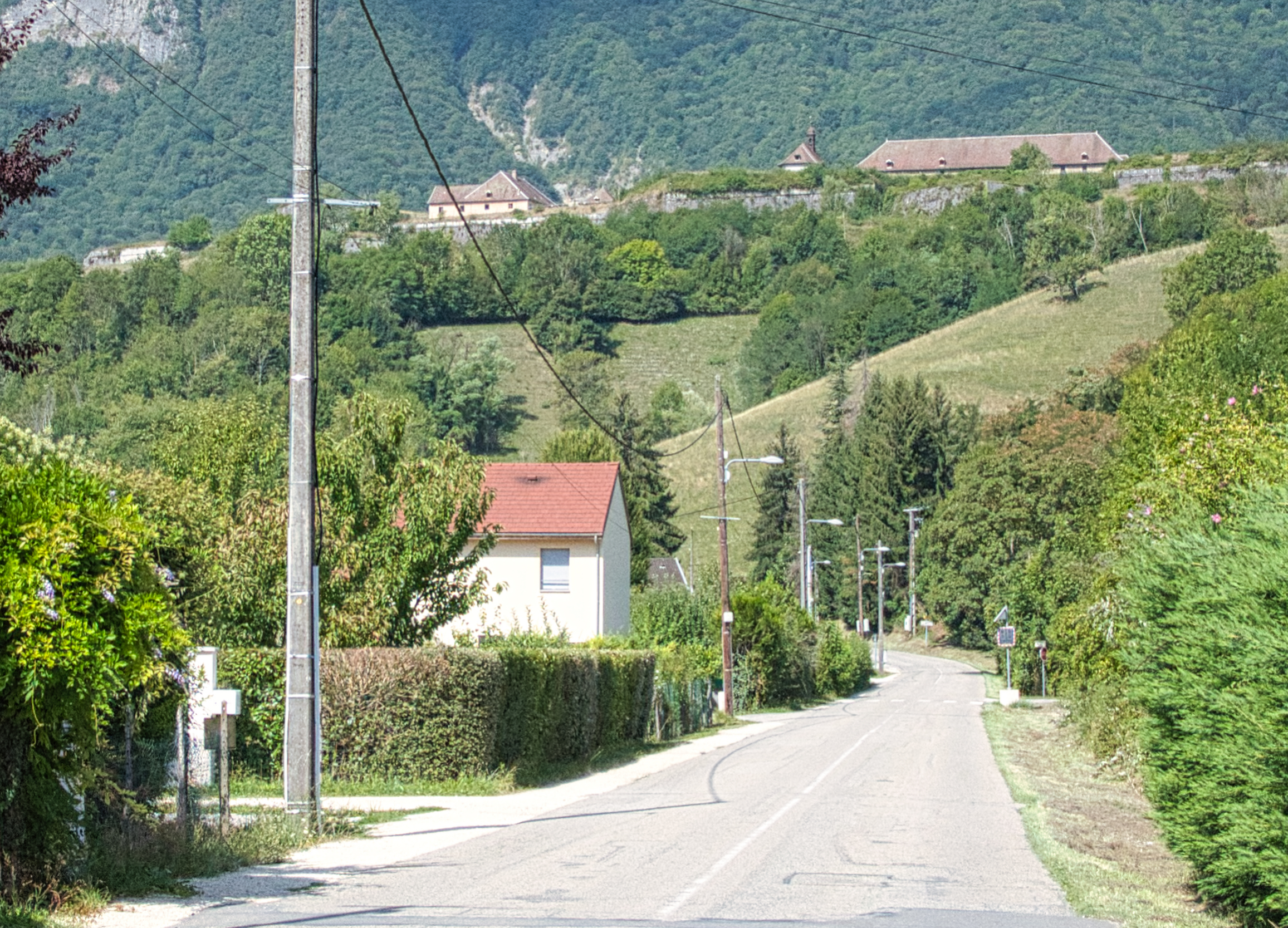
Another road to the fort at the base of the Col du Granier
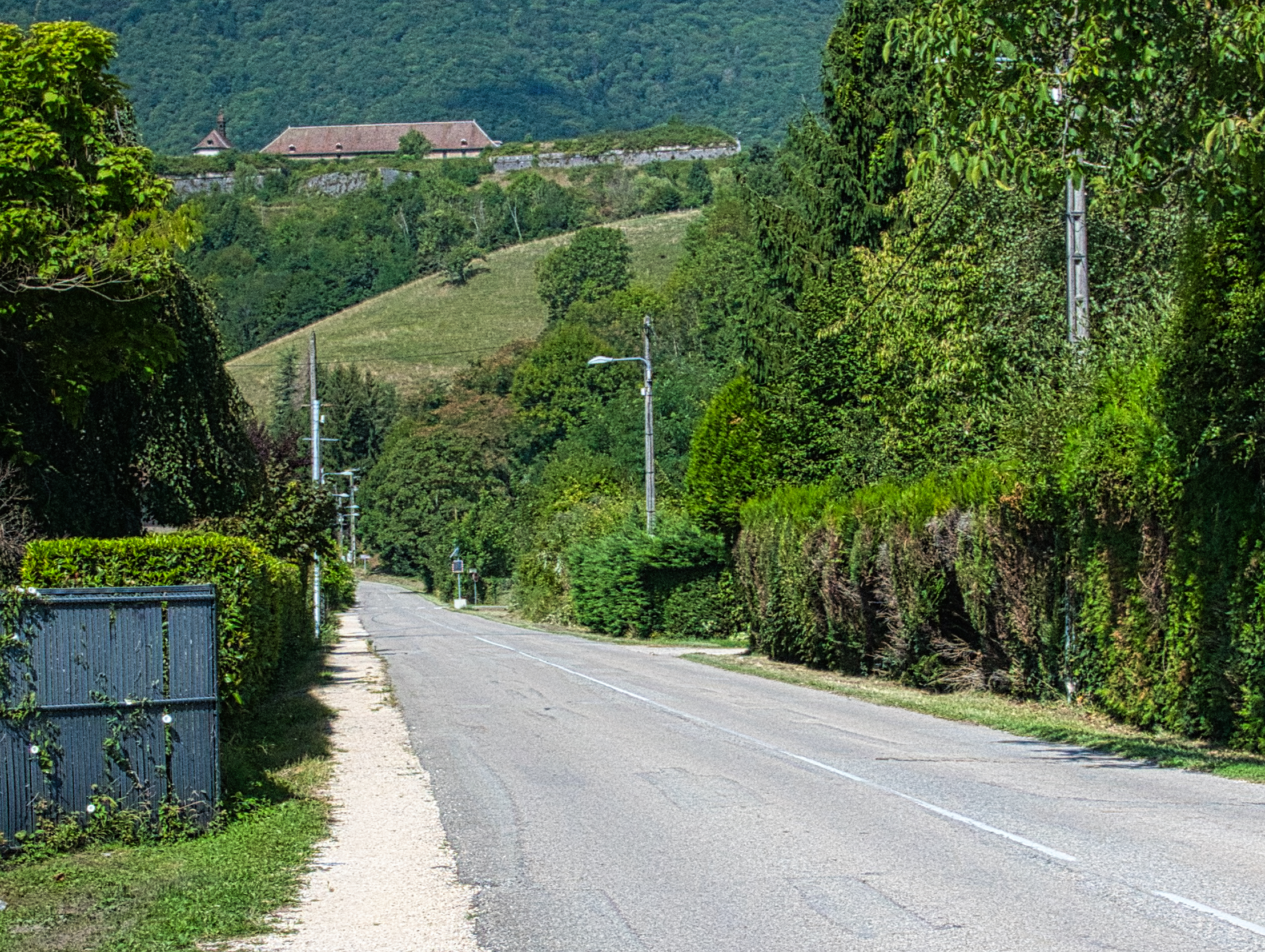
Road to the fort at the base of the Col du Granier
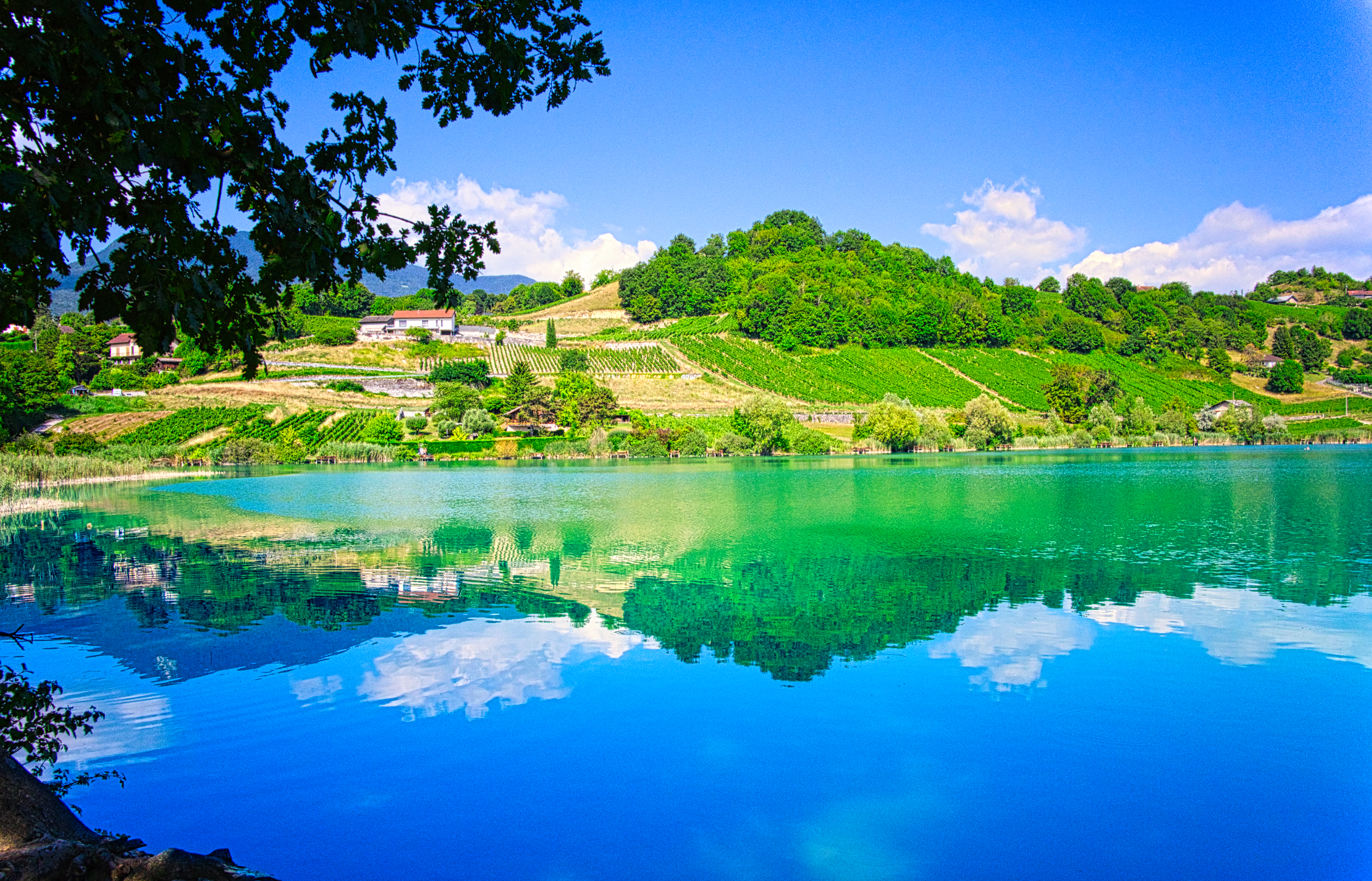
Lake at the base of the Col du Granier
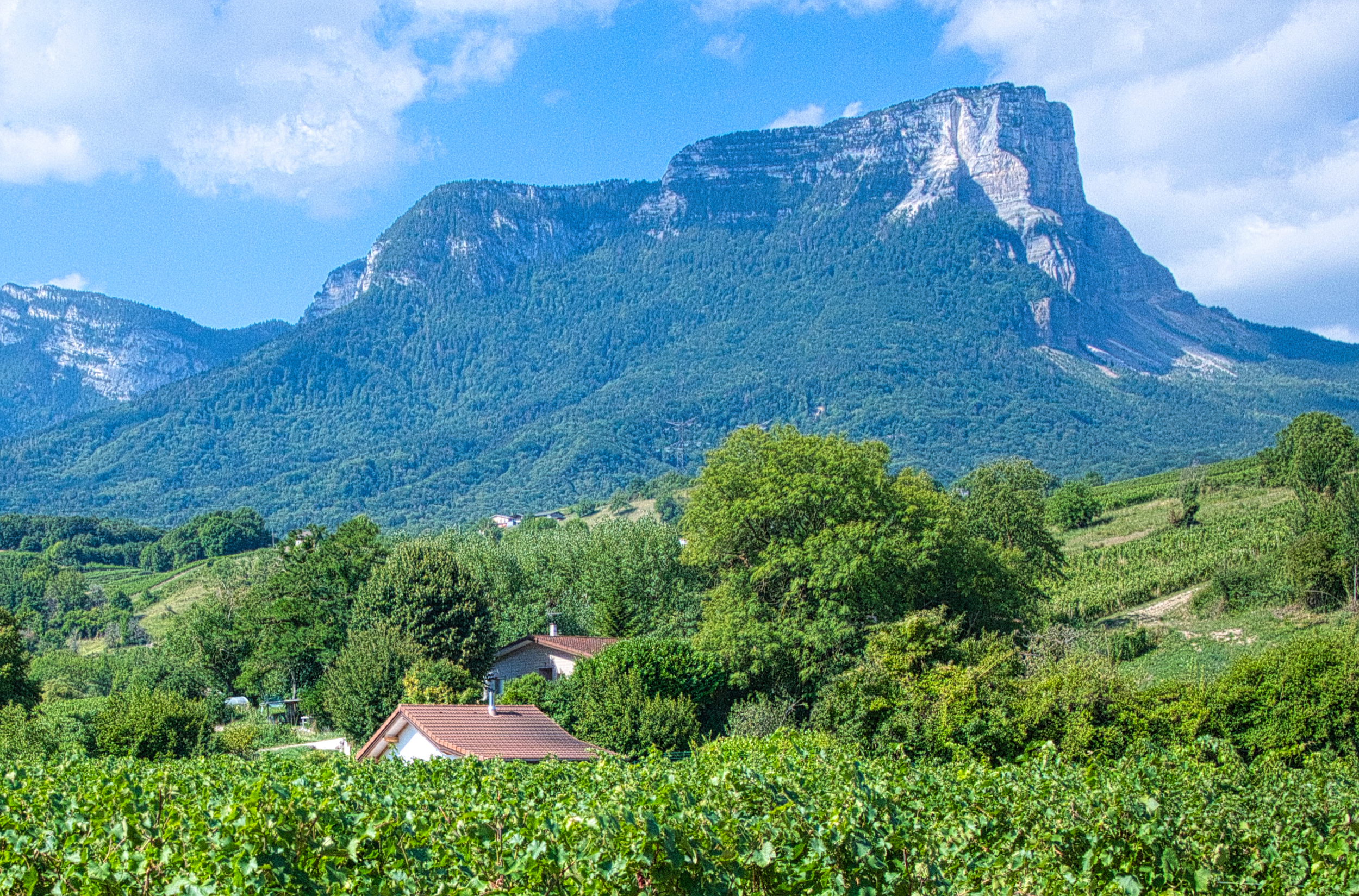
Col du Granier
Petite aspiratrice de voirie – 2
A slightly different snap of this one
Besancon Portal to the Doubs
Doubs through Besancon
Besancon building with crows
Besancon Man
Besancon
Doubs Reflection
Petite aspiratrice de voirie
TARDIS Blue
Magnifique château d’eau
Plastic cow
I’ve said it before and I’ll say it again: take a picture, ensure a cow is in the picture, and it will be a good picture.
I think the same holds true for this, une Vache française en plastique.