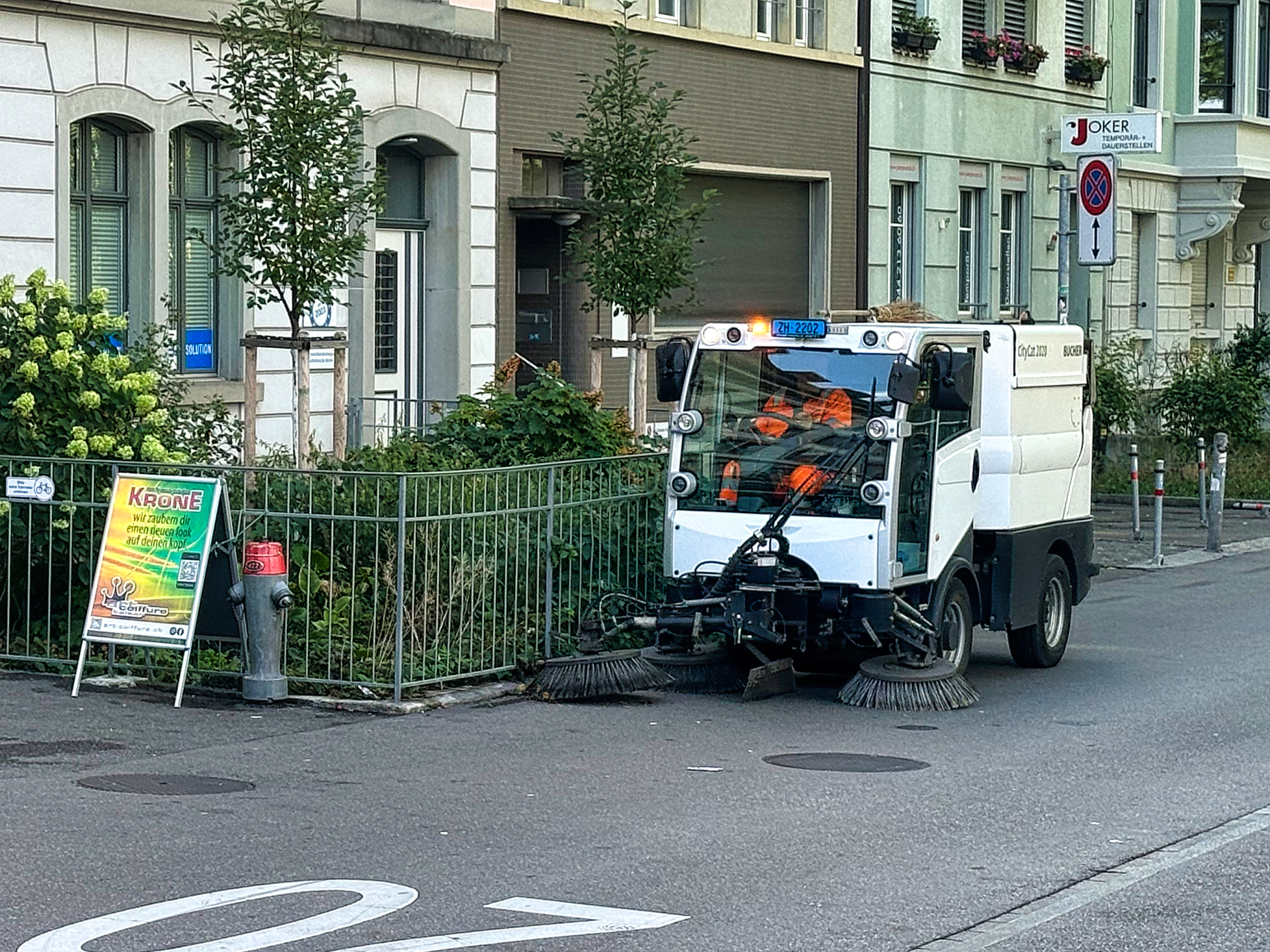
Garbage
Petite aspiratrice de voirie – 3
Continuing the series, this snap is from Colmar
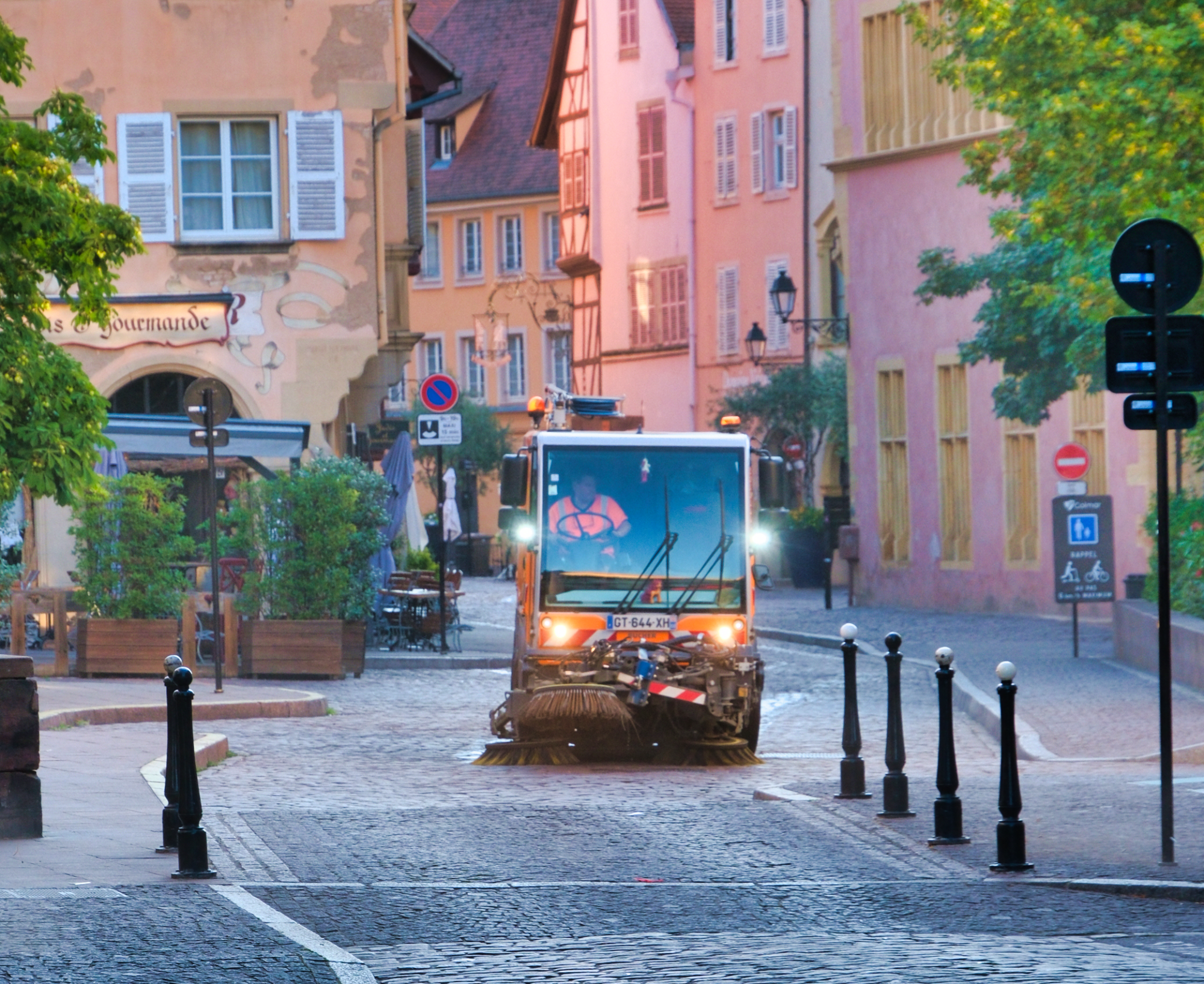
Garbage in Bern
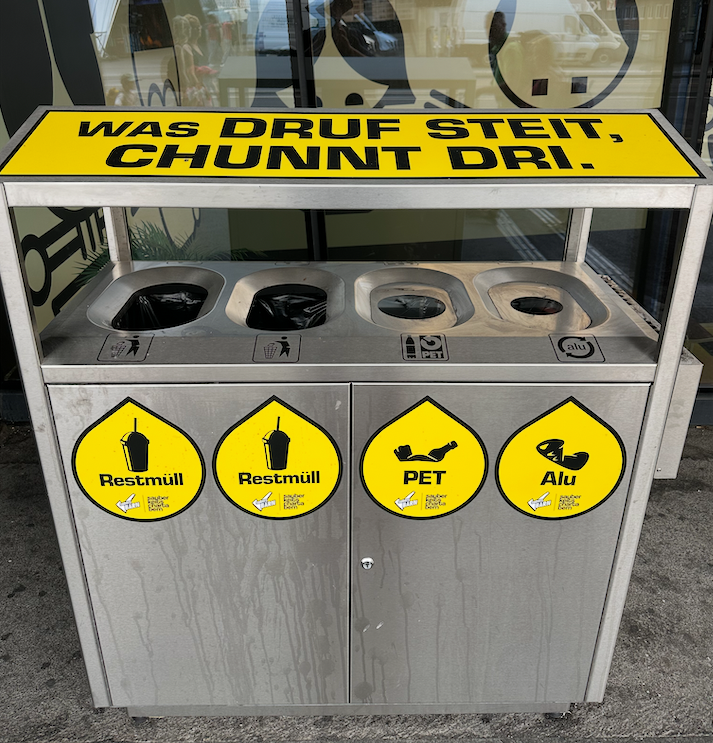
I find this kind of interesting. The word “steit” is written here starting with “st…” but it is pronounced “scht…” – so it is quite interesting why some words in Bärndütsch are written like they sound (e.g. chunnt dri) but other words (e.g. “steit”) are not written that way.
This may be one of those mysteries that nobody probably knows the answer to!
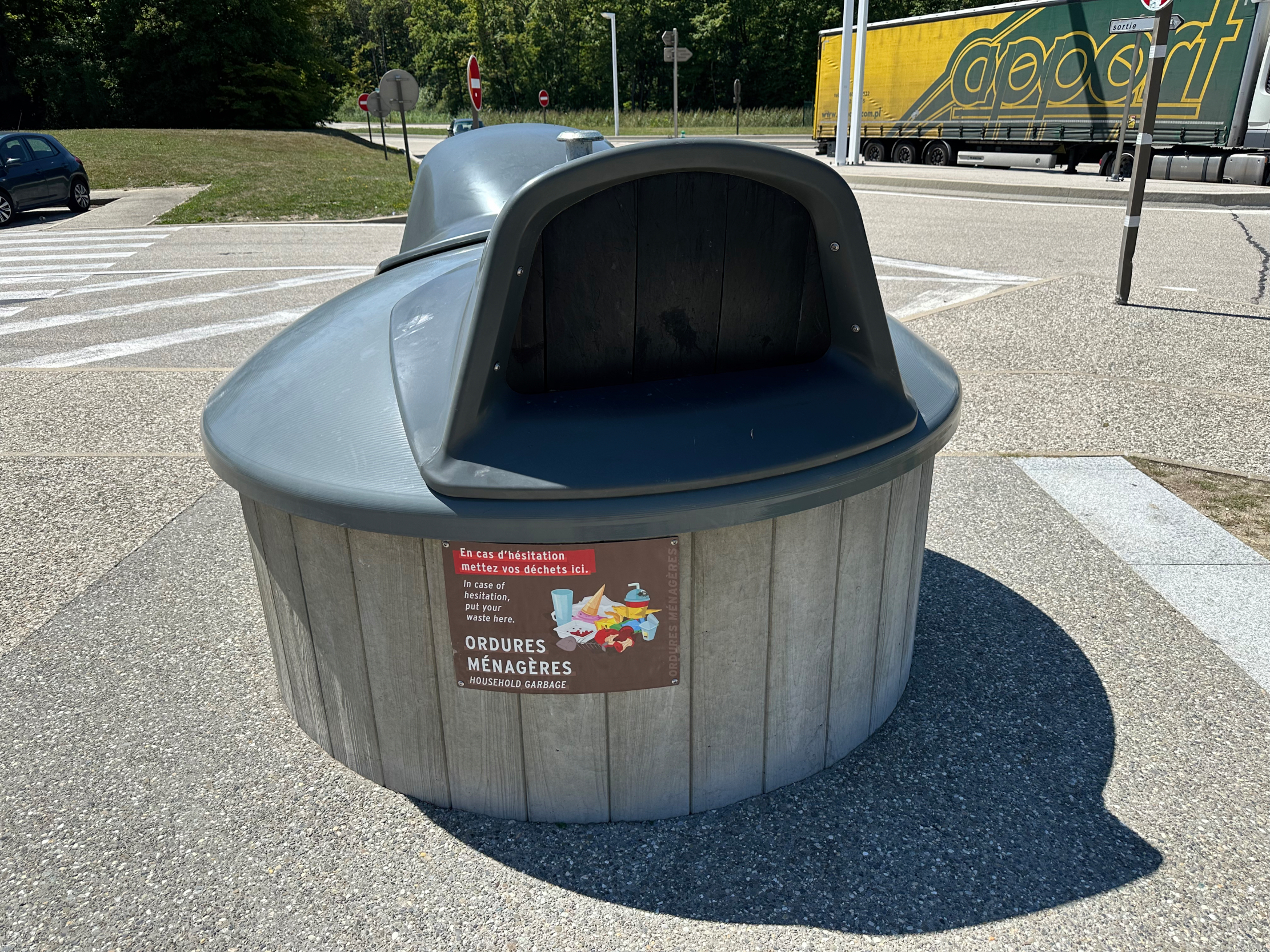
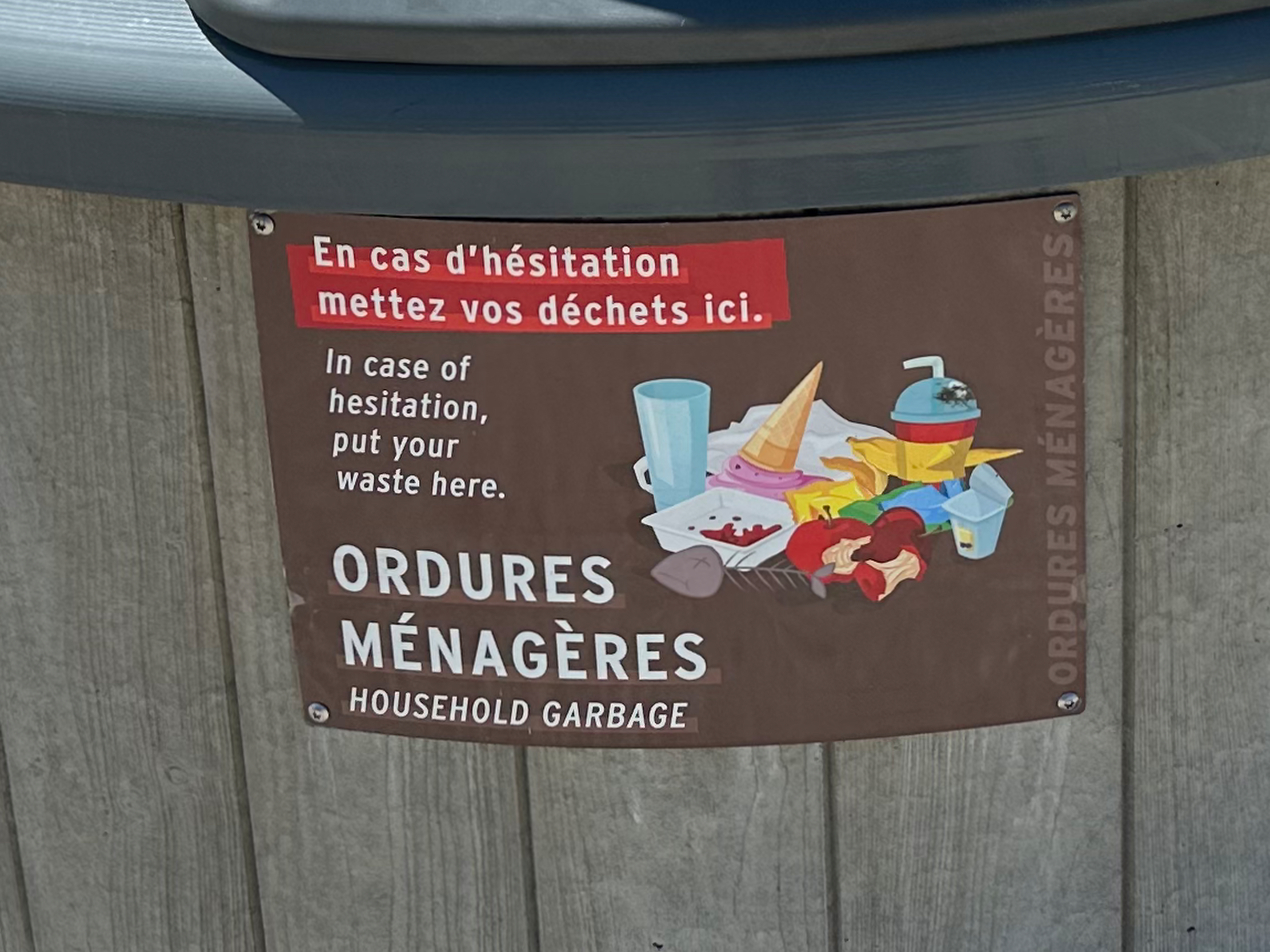
In case of hesitation, put your waste here
No, this is not China – I took this snap at a rest area in France, just outside of Geneva:
Petite aspiratrice de voirie – 2
A slightly different snap of this one

Petite aspiratrice de voirie
I took this snap in Besancon. If you have been to France then you know how it is: they like to spray water all over their streets early each morning!

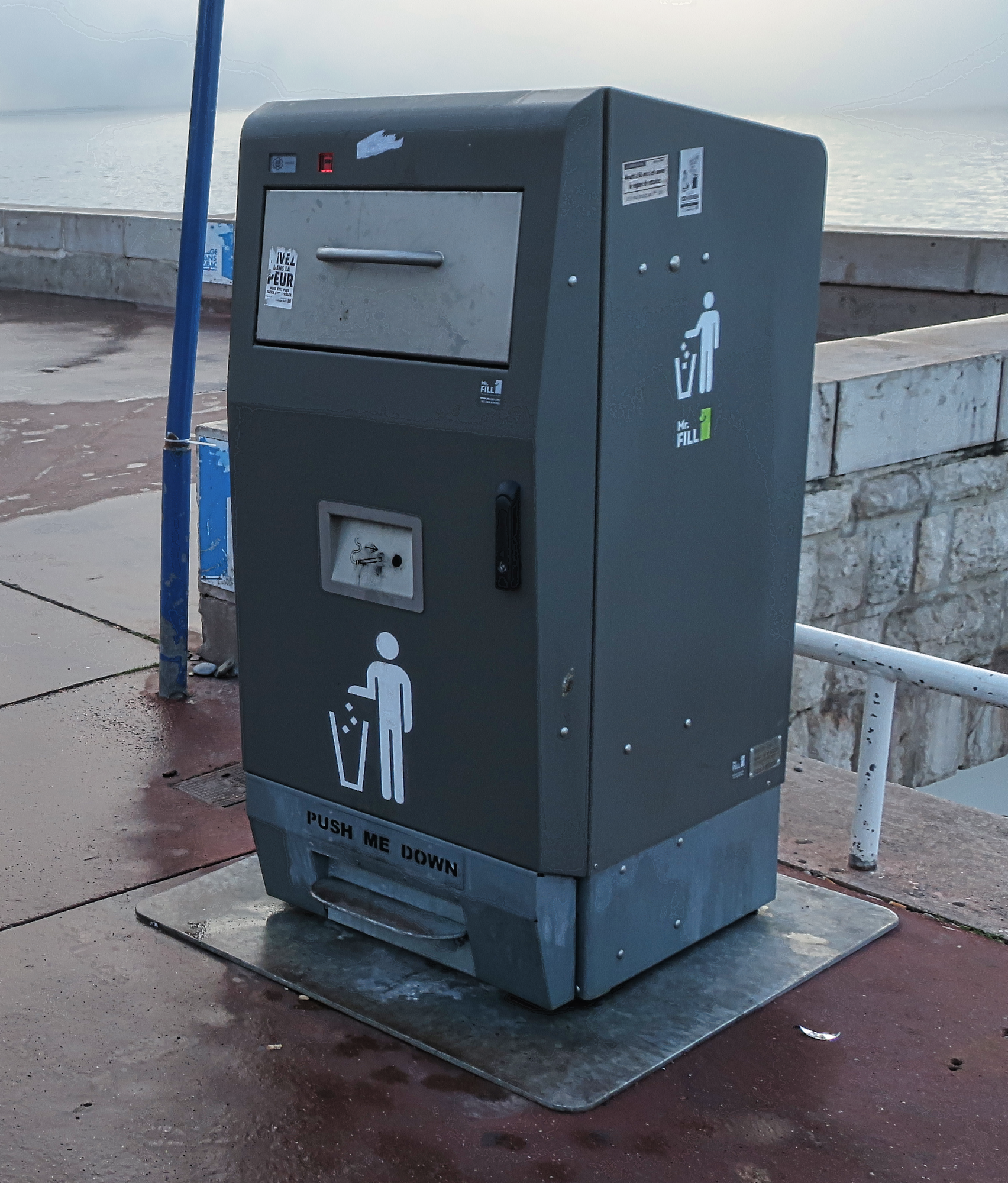
Garbage in Nice
Continuing the series, this garbage receptacle located on the Promenade des Anglais is really a mixture of low-tech (opened by a foot pedal) and high-tech (a light shows whether or not the container is full):
Garbage in Cavaillon – 2
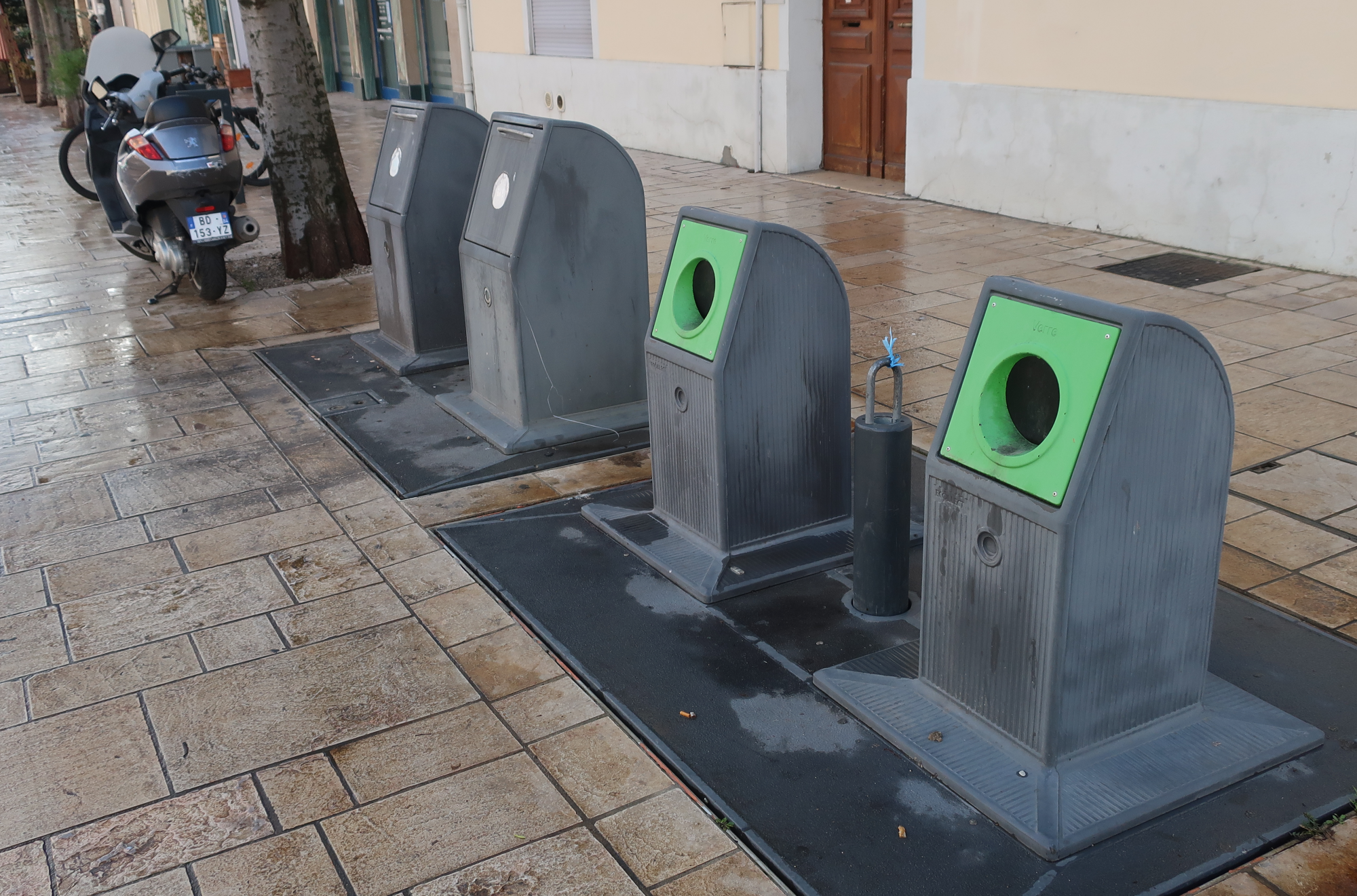
Continuing the series, here are more garbage receptacles in the French Provence village of Cavaillon,
Garbage in Cavaillon
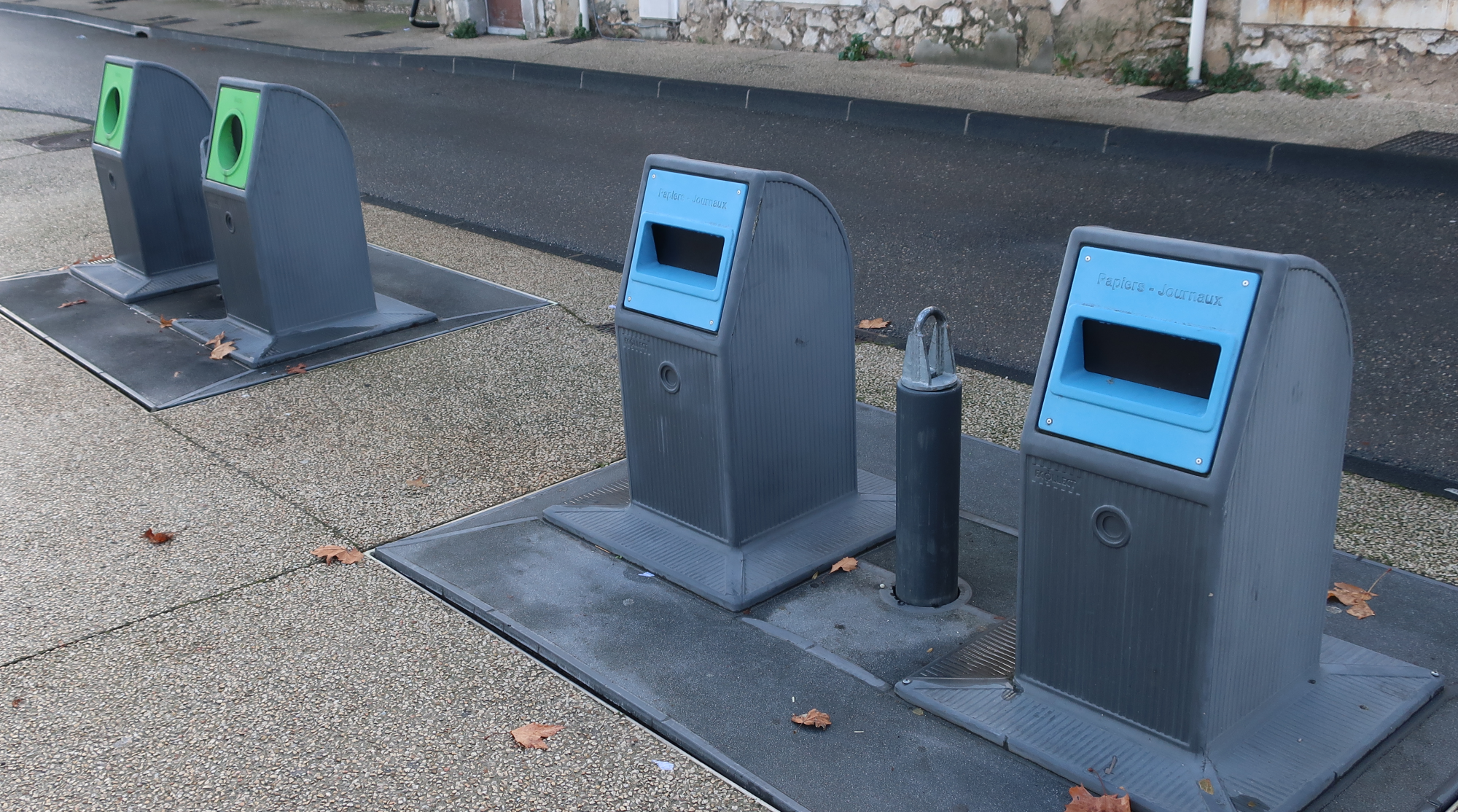
Continuing the series, here are some receptacles in the French Provence town of Cavaillon,
Garbage in Beaucaire
Continuing the series, here are some underground garbage receptacles, just in front of the ramparts of a medieval fort, in the southern French village of Beaucaire, France

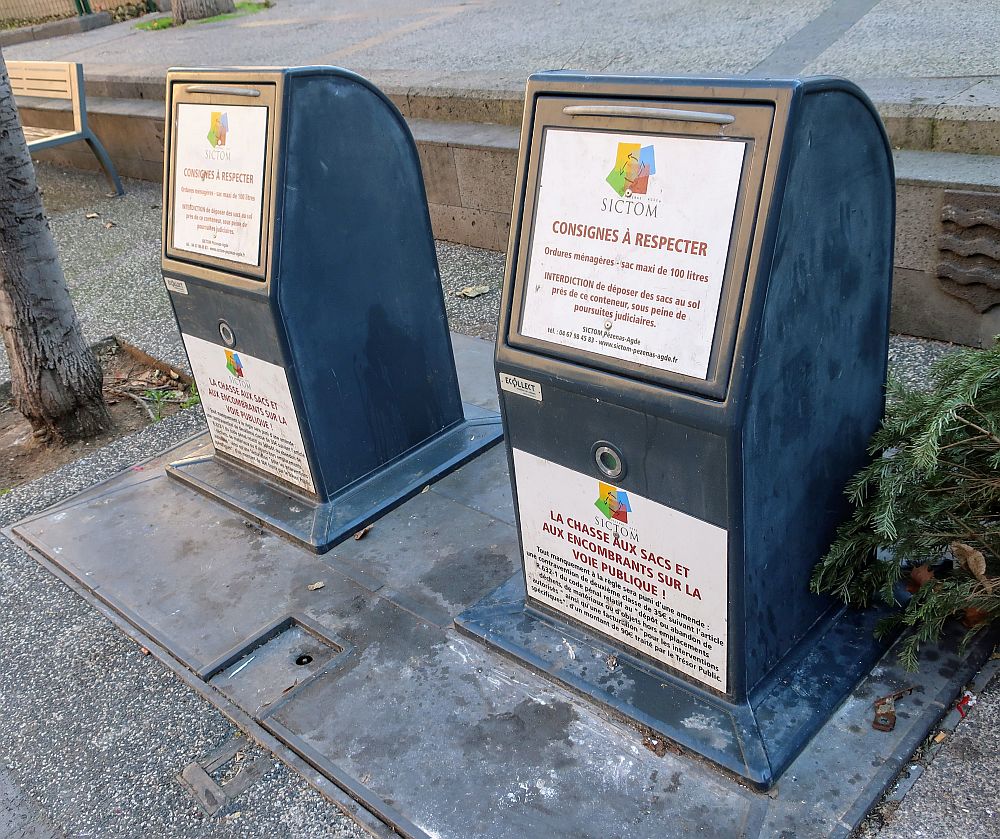
Garbage in Agde
Continuing the series, here are some underground garbage receptacles in the southern French village of Agde,
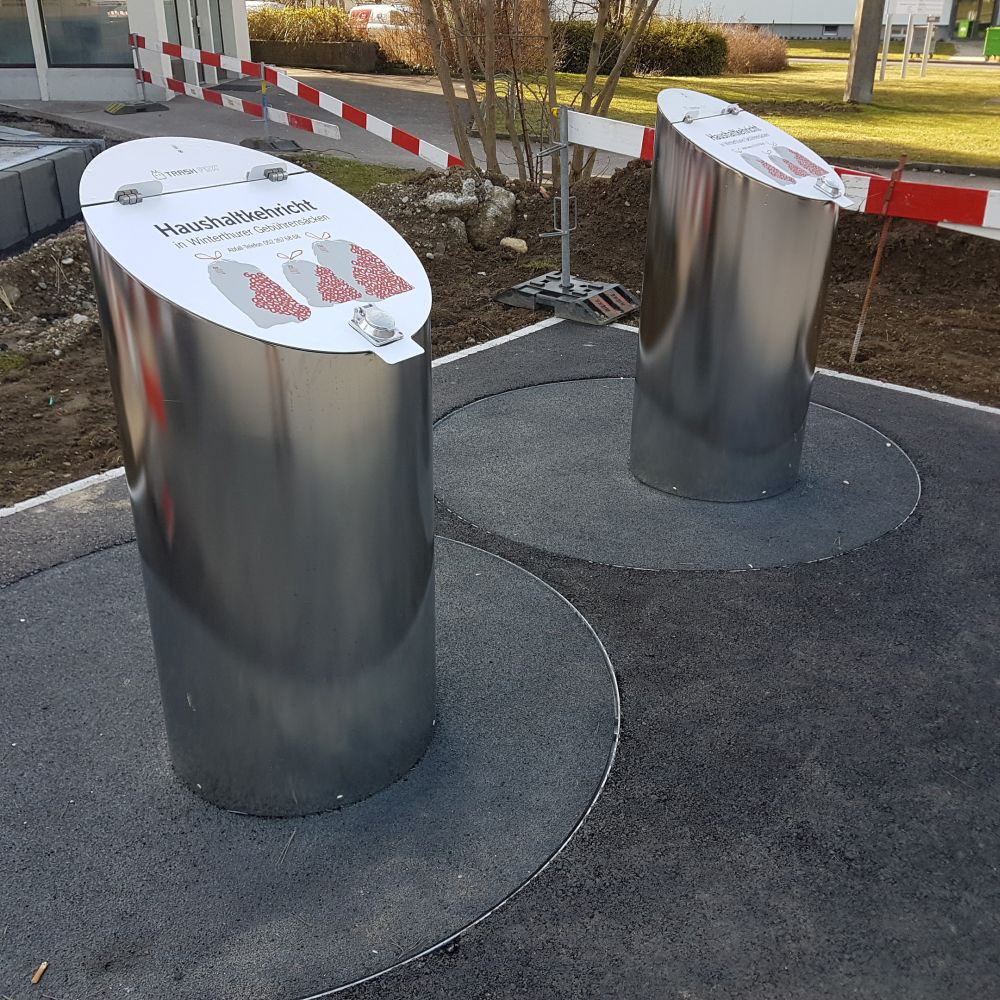
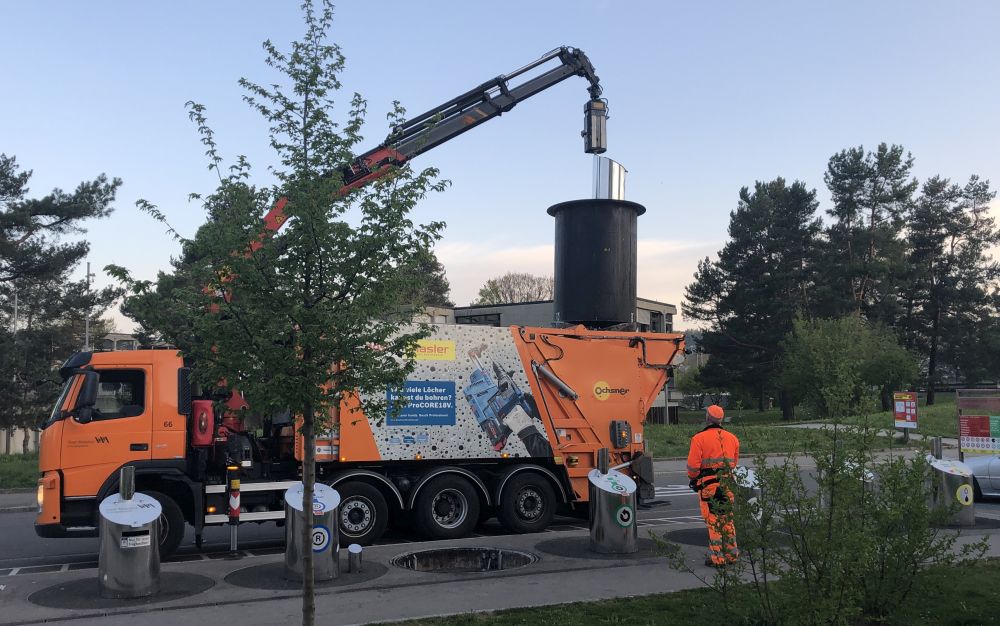
Emptying Garbage in Winterthur
Continuing the series, a while ago I showed this snap of the famous Underground Recycling Cisterns of Winterthur:
Well, today I caught an operator hard at work, emptying one of the cannisters:
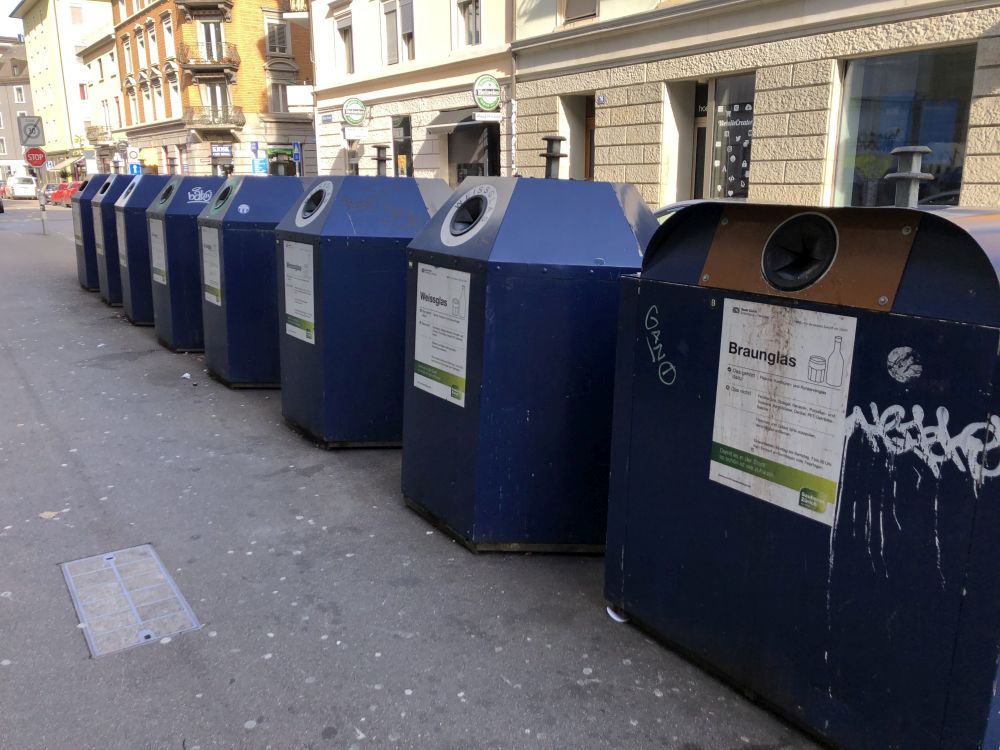
More garbage in Zürich
Continuing the series, here is a long bank of recycling contains in Zürich,
Garbage in Liguria
Continuing the series, I took this snap in the Ligurian coastal city of La Spezia,

I think people often don’t stop and think about sights like this. Each country – and quite often, each region within a country – makes a slightly different decision about what it finds worthwhile to recycle. What I find particularly appealing is the first container on the right – the yellow one. The city is collected used plastic and metal containers. Sadly, there is no way for me in Switzerland to separate out my used plastic and metal containers
Compacting trash in Zurich
Continuing the series, here is a magnificent snap of some high tech garbage compactors in Zurich:

I think if I were a used cardboard box at the end of my life, then it would be a privilege for me to be stuffed and smashed into such a nice looking and nice smelling contraption such as this!
More garbage in Texas
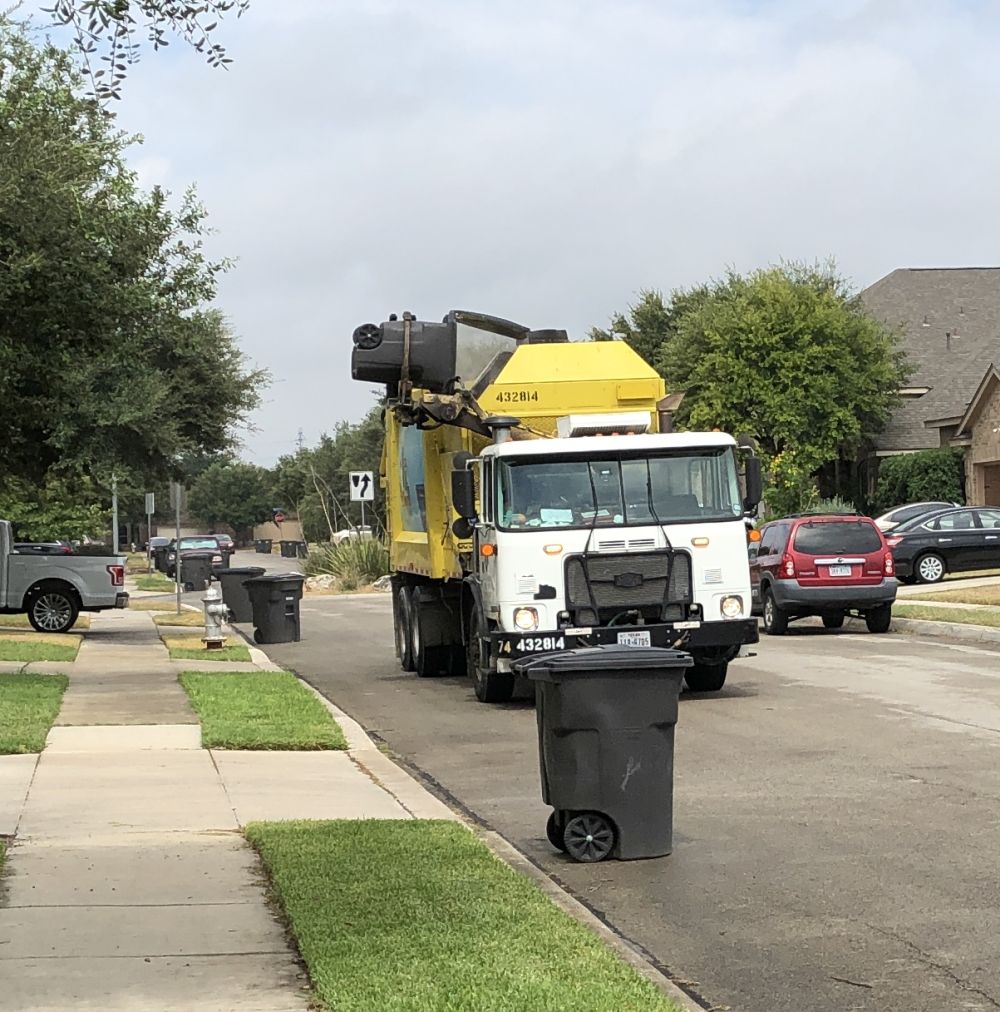
Continuing the series, another shot of the amazing robotically-operated garbage trucks in Texas:
The amazing Marvin-the-Martian garbage receptacles of France
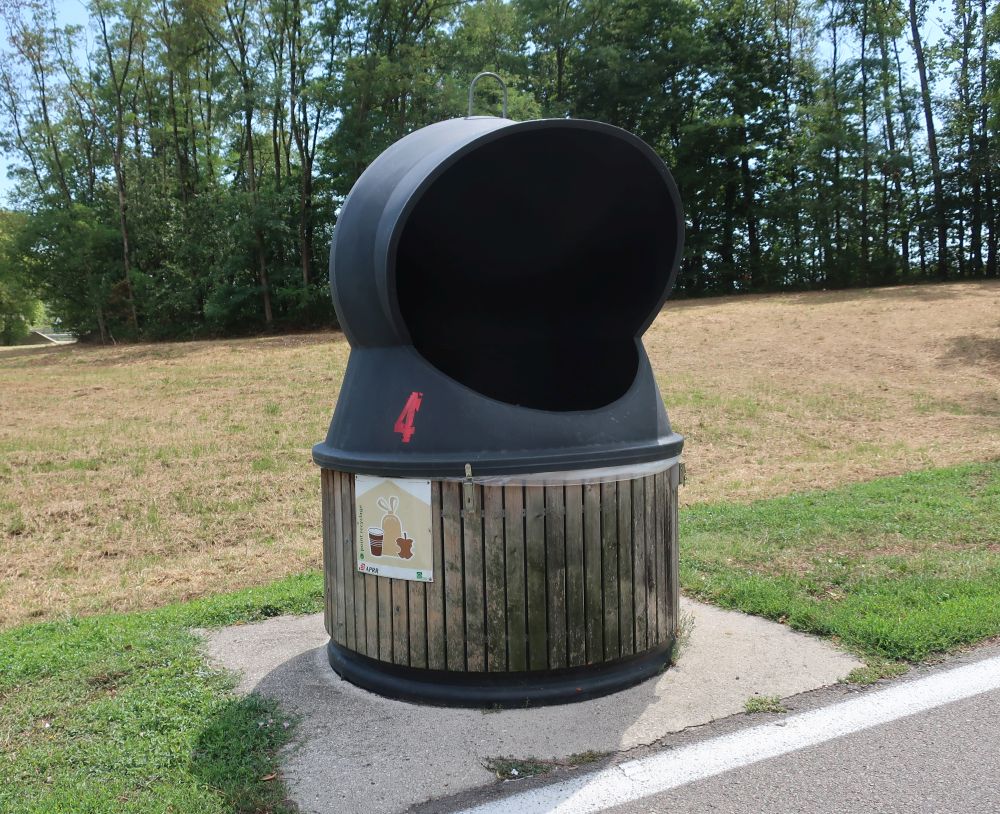
Continuing the series, this is Marvin the Martian:

Children today might not recognize him as easily as I do, having grown up watching Looney-Tunes cartoons on television. He dates back to 1948.
And Marvin-the-Martian is what I always think about when I see these garbage receptacles at the rest areas of the autoroutes in France:
Garbage in Lugano
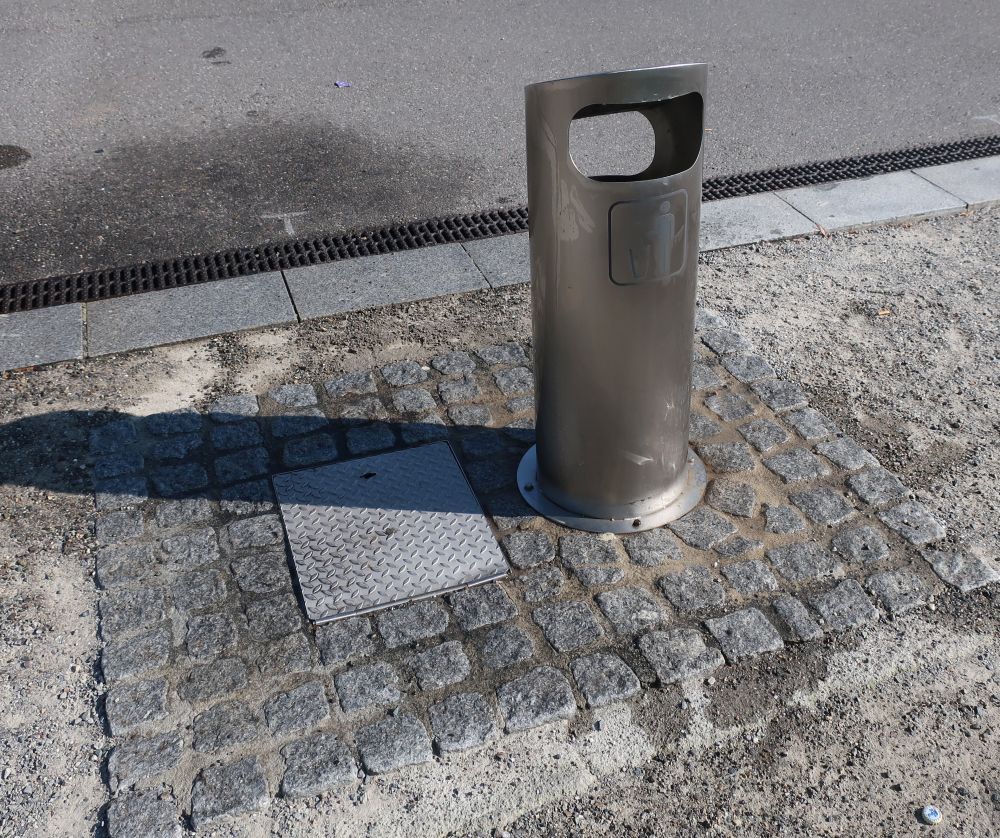
Continuing the series, here are some stunning waste receptacles that I spotted in the southern Swiss city of Lugano,
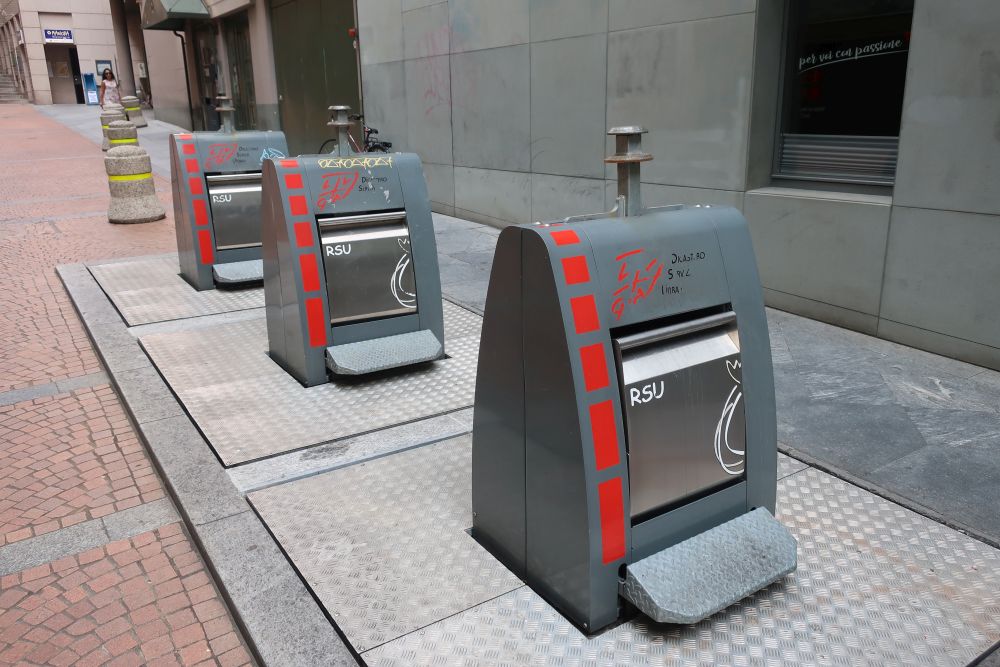
One of the first reactions I have is buck the trend. There is a trend in the world today – and for some time – to replace well-built, long-lasting products with cheap and disposable ones. You see this trend in almost every aspect of life. So when you see this new trend to replace short-lived garbage receptacles with better built and more longer lasting fixtures, it is a step in the right direction!
The amazing garbage vacuums of Germany – IN ACTION!
I’ve recently blogged about the garbage vacuums in Germany. So you can imagine my thrill and pleasure when I got the privilege to photograph one in action!

As you can see, even the small children took a small break from their very busy day to watch the two men.
And you can be sure to expect no less than ultra-cleanliness from the South Germans, so after sucking out the garbage, the big orange van is equipped with a high temperature steam sprayer, and the whole area is steam cleaned.
My guess is that the entire process, from driving up to the garbage area, sucking out the garbage, and steam cleaning it – the entire process took no more than 7 or 8 minutes.
Unbelievable!
Source of mighty warmth
This is the big sign on the Winterthur Stadtwerk Kehrichtverwertungsanlage:
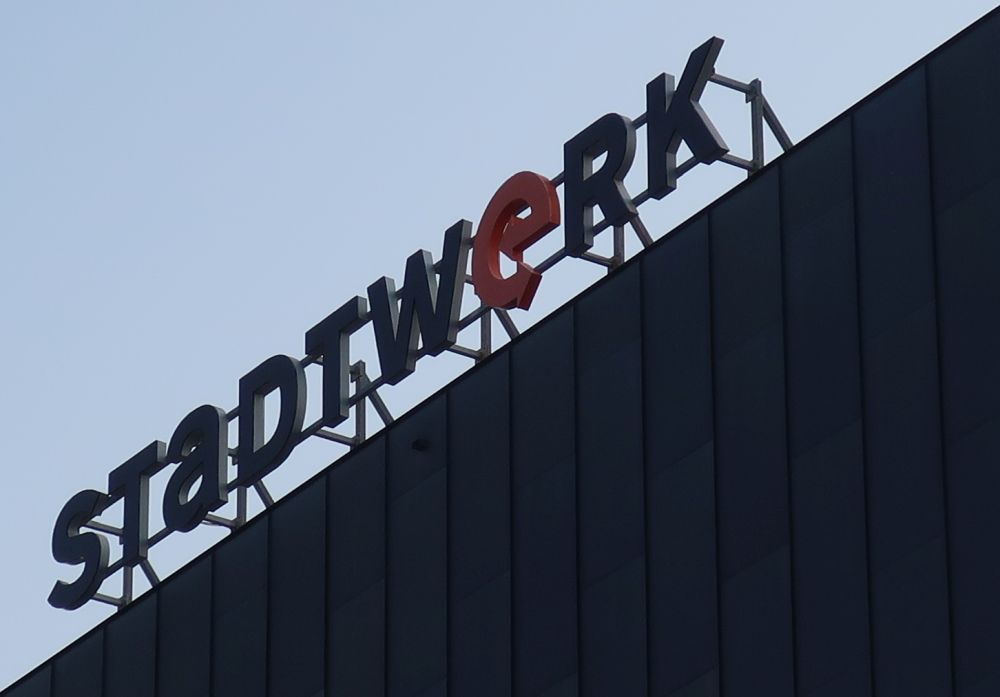
The place burns almost 200,000 tons of garbage each year, turning it into both electricity as well as heat that is transported to the local area. As a result of living so close to this place, my heating costs in the winter are astonishingly low.
Garbage in Alsace
I’ve blogged about garbage in Texas, garbage in Germany, garbage in Switzerland – including the famous underground Swiss recycling cysterns! – and a recent trip to Alsace has given me to chance now to show how they handle garbage in Alsace, at least in the commune of Seléstat.
Voilà, because the French always say voilà before they point to something:

If you have a closer look at the machines / kiosks, they look like this, voilà:
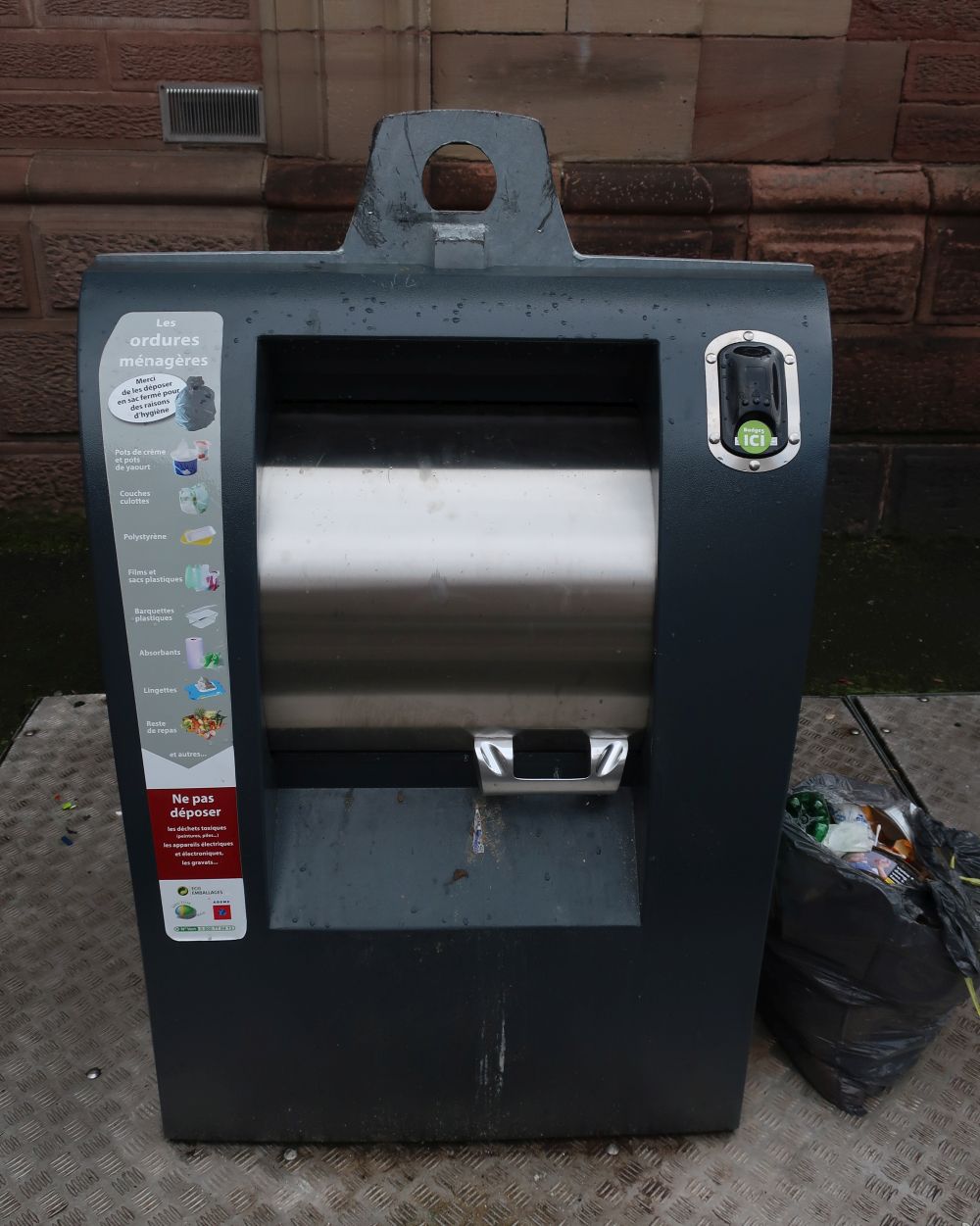
In the Swiss system, anyone can dump their trash into the chute for free – but the trash needs to be packed into a plastic bag sold by the city (a roll of 15 bags of 35 L each costs around CHF 20), which means the residents are encumbered to buy special bags and pack their trash accordingly.
Here, the residents can use any bags of their choice – or no bags – but the chute can only be opened by someone with an RFID card. While I’ve never personally used the Alsacian Seléstat system, it does seem to be both more user friendly (it is a lot of hassle to buy the bags) and environmentally friendly (why use an extra plastic bag when you may not need one).
The amazing underground recycling cisterns of Switzerland
I’ve written about garbage in Texas and garbage in Switzerland. I’ve also written about garbage in Germany.
So as long I was in a garbage state of mine, I wanted to finish by showing a very common sight in the Swiss canton of Zurich: a long row of very nice looking, very pretty smelling chutes:
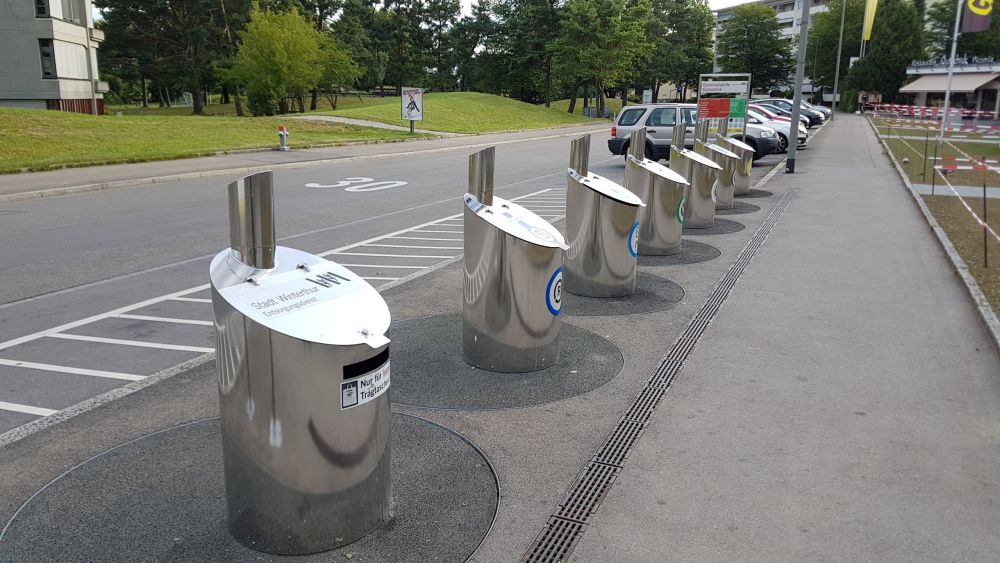
They make it just about as easy and convenient as possible for residents to drive here and empty their recyclables into the appropriate chute. From time to time, a truck will arrive, and a single driver / operator is all that is needed to operate a boom/crane to unload the cistern.
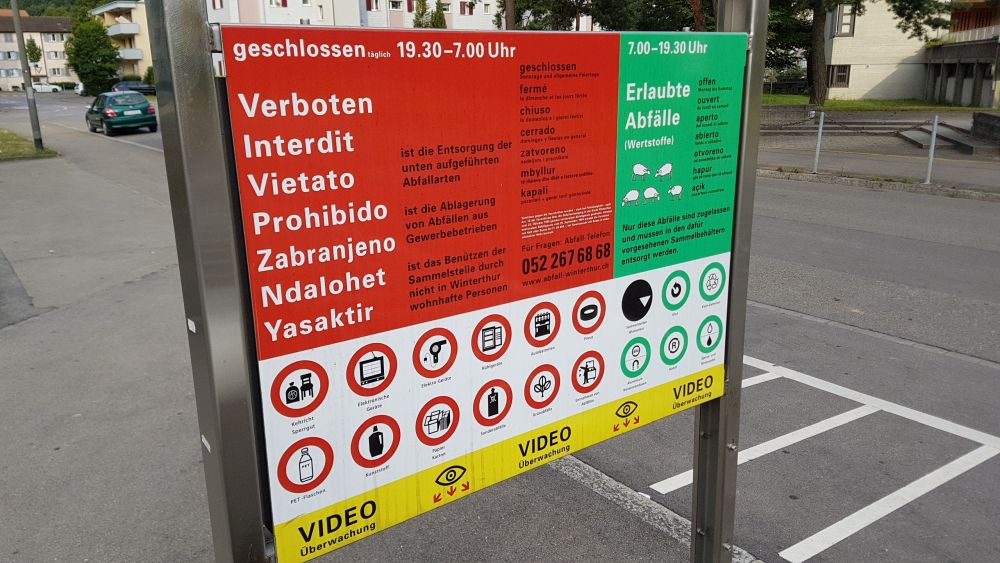
It’s also just as much fun to see the long list of items that are prohibited:
The amazing garbage vacuums of Germany
I’ve written about garbage in Texas and garbage in Switzerland.
Here is the approach that I see more and more in Germany, as this snap in front of the Rhein River in the South German city of Konstanz shows:
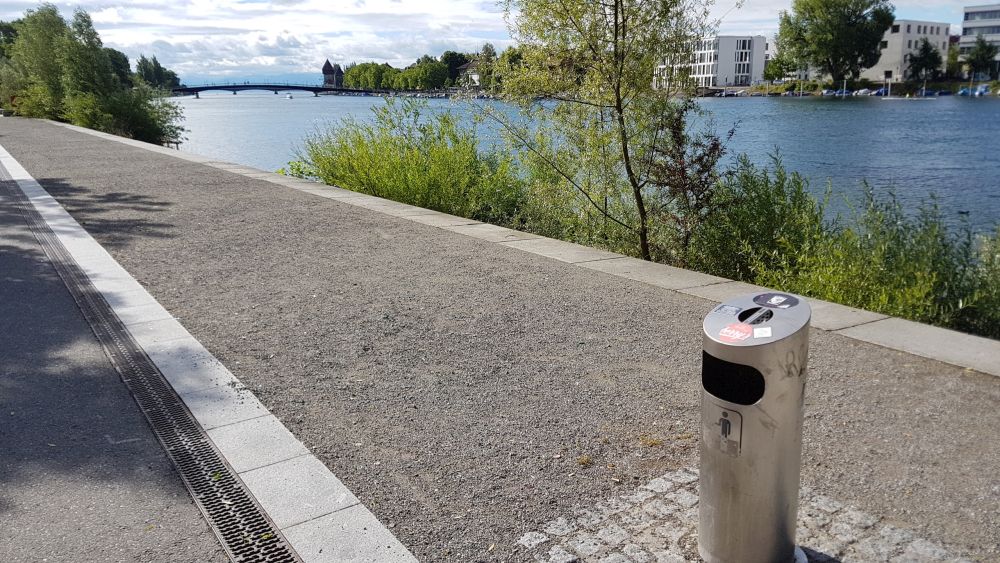
The receptacle you see here is not a receptacle at all, but rather a chute over a huge underground garbage cistern. Periodically a worker in a special vacuum truck will come by and use a huge boom to vacuum all the garbage out of the cistern.
How can wonders be so quickly forgotten?
It amazes me that some incredible things – well known to everyone at the time – are too easily forgotten and left for the archaeologists and accidental discoveries centuries later.
In one of the central plazas in the northern Swiss town of Winterthur you’ll see this:
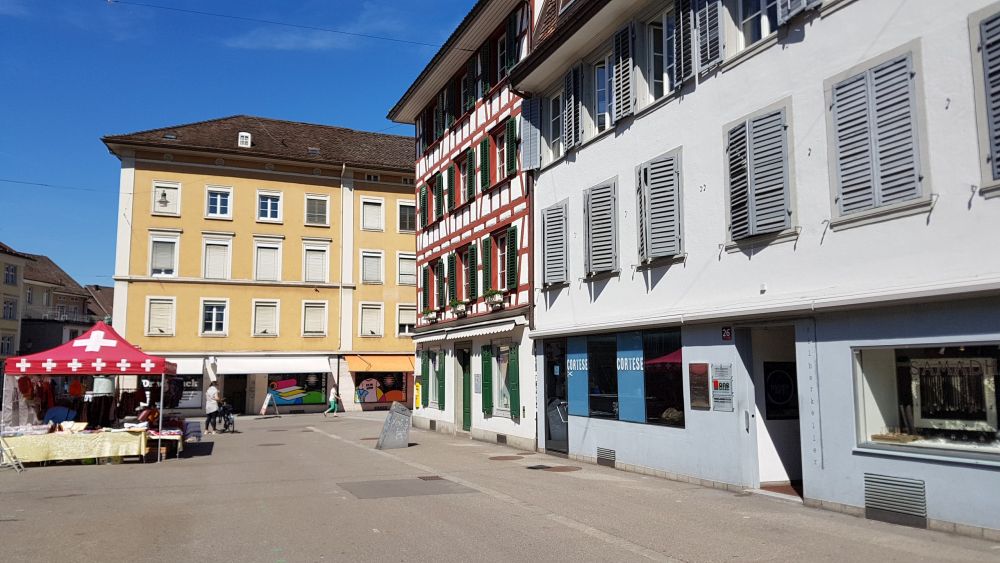
It looks like a boring picture of a boring plaza, at the corner of which sits strange (but boring`) gray metal object, about the same size and shape as a garbage can.
And that’s what most people probably think that it is.
But they’d be wrong! In fact, this is an observation portal built above a set of huge underground water cisterns. Apparently, I was told, these water cisterns were only very recently discovered while installing a new water fountain in the plaza.
If you peer down the portal and activate the light switch, it looks like this:
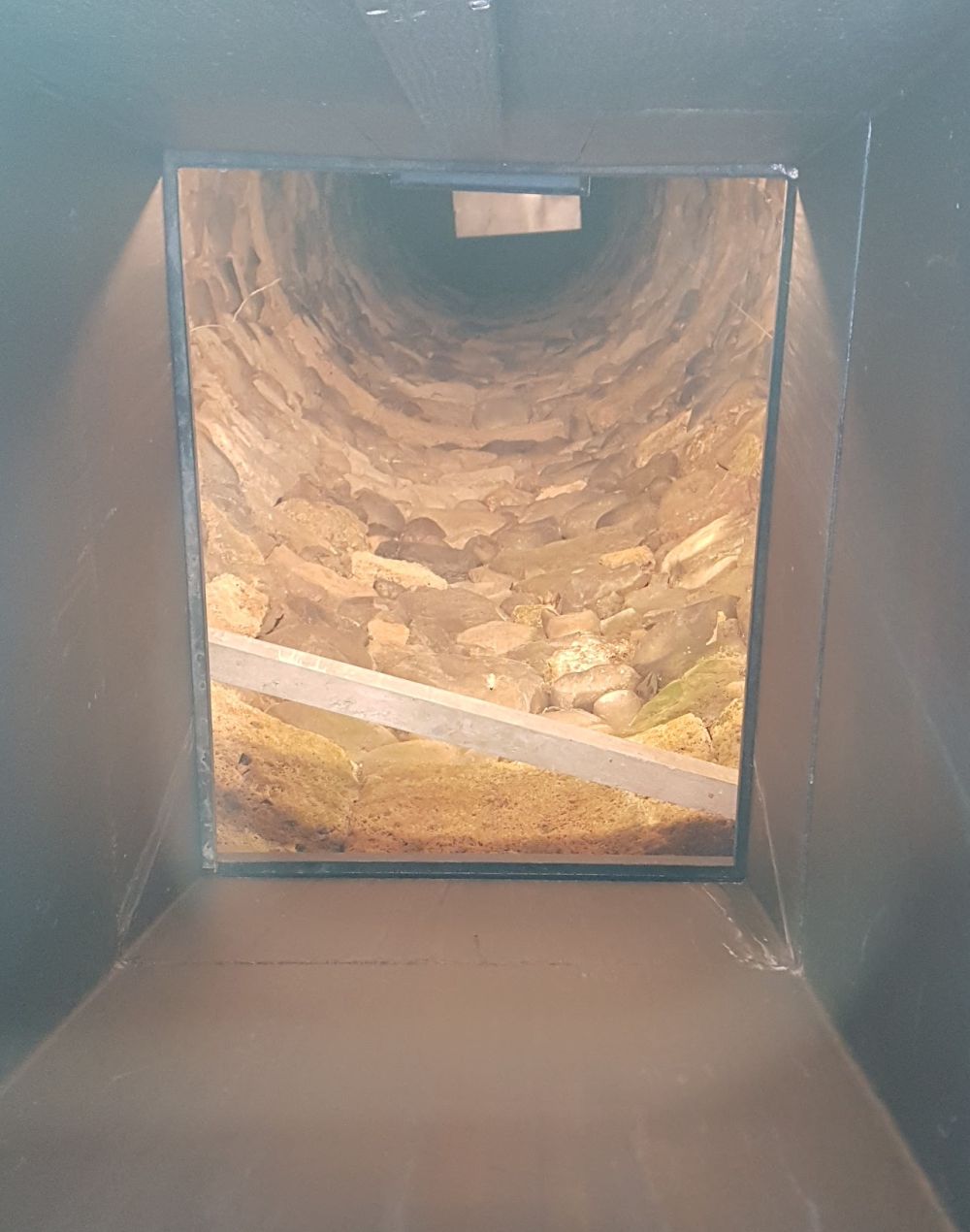
I still haven’t done any research of my own into this topic. I was told that there were regular wars and fighting during the Middle Ages for as long as there were the Middle Ages. This culminated in a war between the city of Winterthur and the city of Zürich – and these cisterns were created as an emergency defensive measure, deep within the Winterthur city walls, so that the inhabitants could have access to water during times of siege.
When you think of Switzerland, a shortage of drinkable water is the last thing you’re likely to think about – and that shows how different our lives and experiences are today from those that went before us during the Middle Ages.
What other wonders are buried beneath Winterthur, awaiting accidental discovery?
Garbage in Switzerland
After showing how Texans deal with their garbage, I thought it would be fun to show how my apartment building in Switzerland has recently tackled the challenge.
Until a few weeks ago, there were huge containers that we’d throw our garbage bags into:
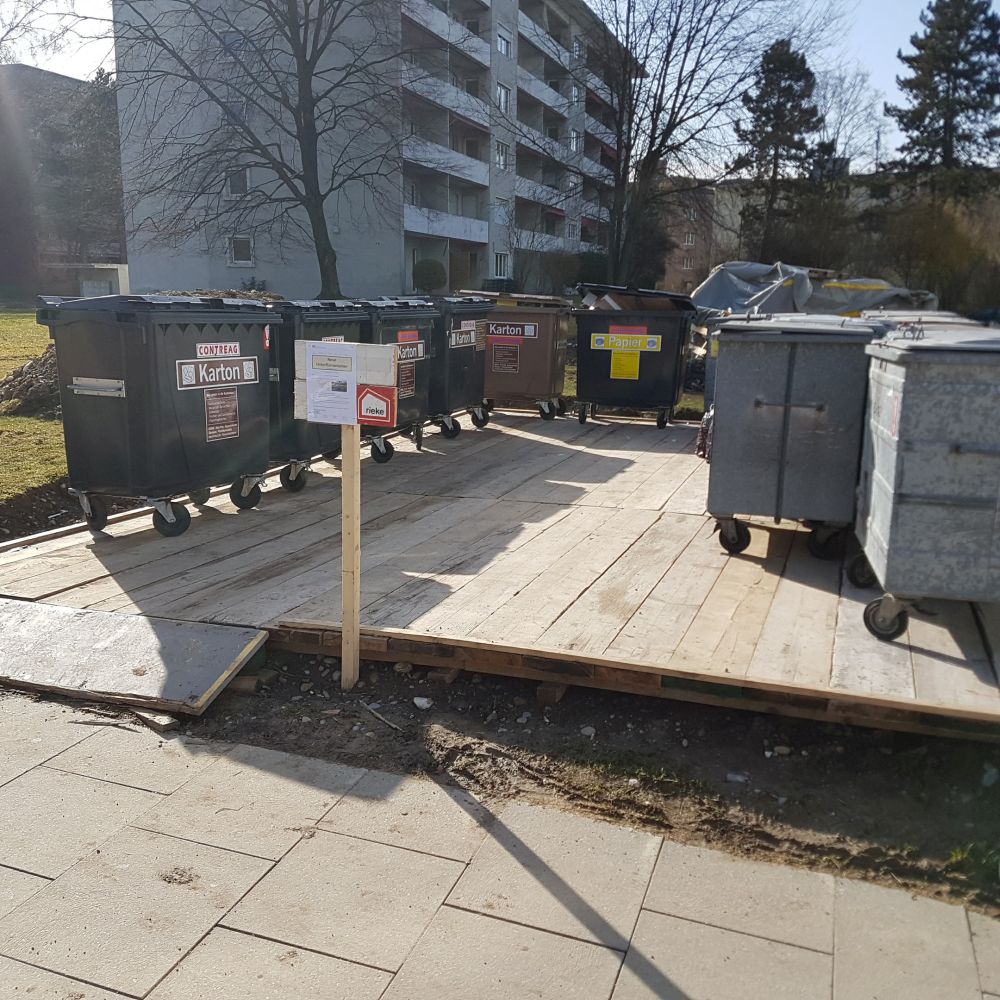
They were smelly, took up a lot of space, and were an eyesore. It was also a lot of work for the garbage collectors to tip every container into their truck, and to clean up afterwards.
That was a few weeks ago, and this is today:
The garbage is contained in an enormous underground bag. With a key, you can open the lid and toss in your bags.
Now there are no more smells, no more eyesores, and just a single garbage collector can do the job that previously took three – and do it much faster and cleaner! It is emptied by a single operator using a remote controlled crane.