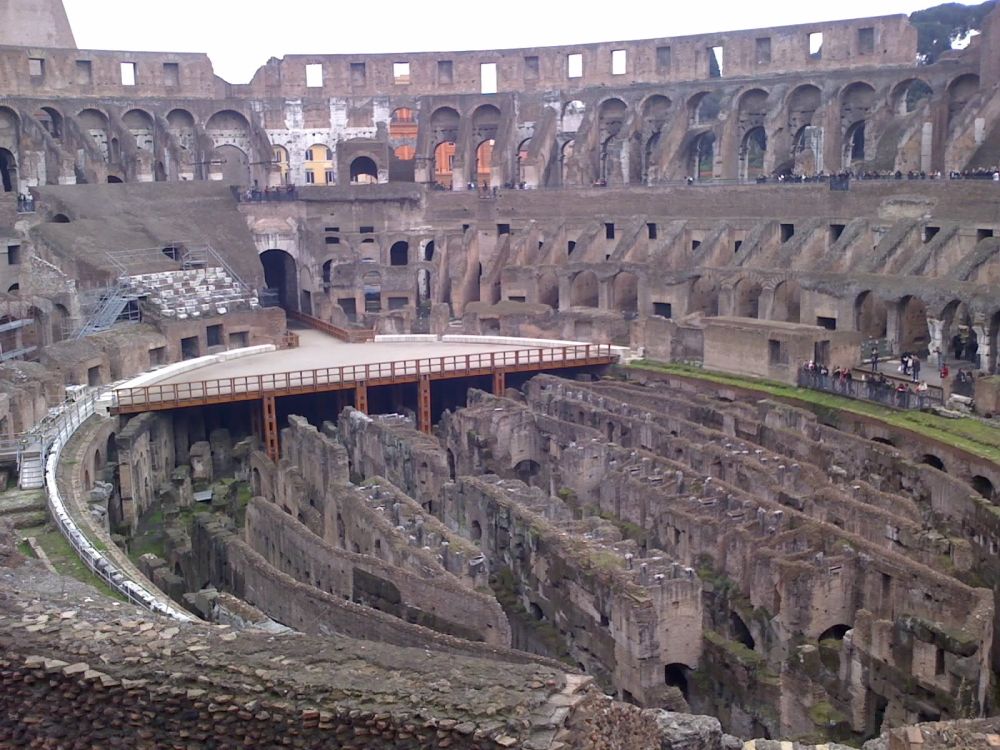
Rome is overwhelming. Probably everybody else already knew this, but I learned that the famous Colosseum was really a highly sophisticated theatrical stage. Here you can see the very complicated infrastructure, which would have been hidden underground. In a very short time, all sorts of things could be raised and lowered: trees and plants, people, lions and tigers, etc.
Jodpur, the bi-directional mystery
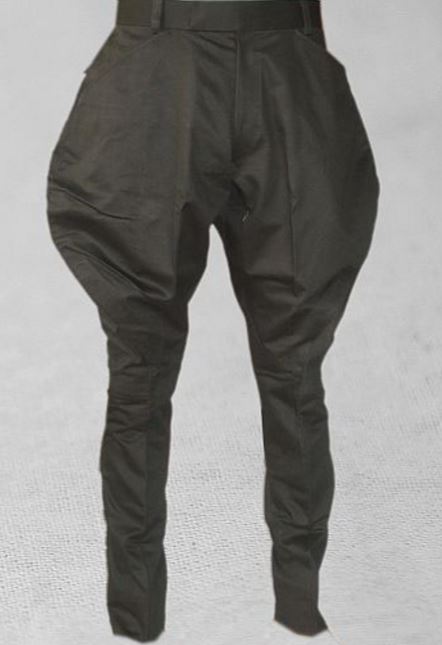
These are Jodpurs:
I don’t know if they are originally from Jodpur or not – and I also don’t know the fine subtleties between these and “Hammer-Pants” – although believe it or not, M.C. Hammer and I lived in the same town for a while. And, he once treated my brother and his friends to ice cream.
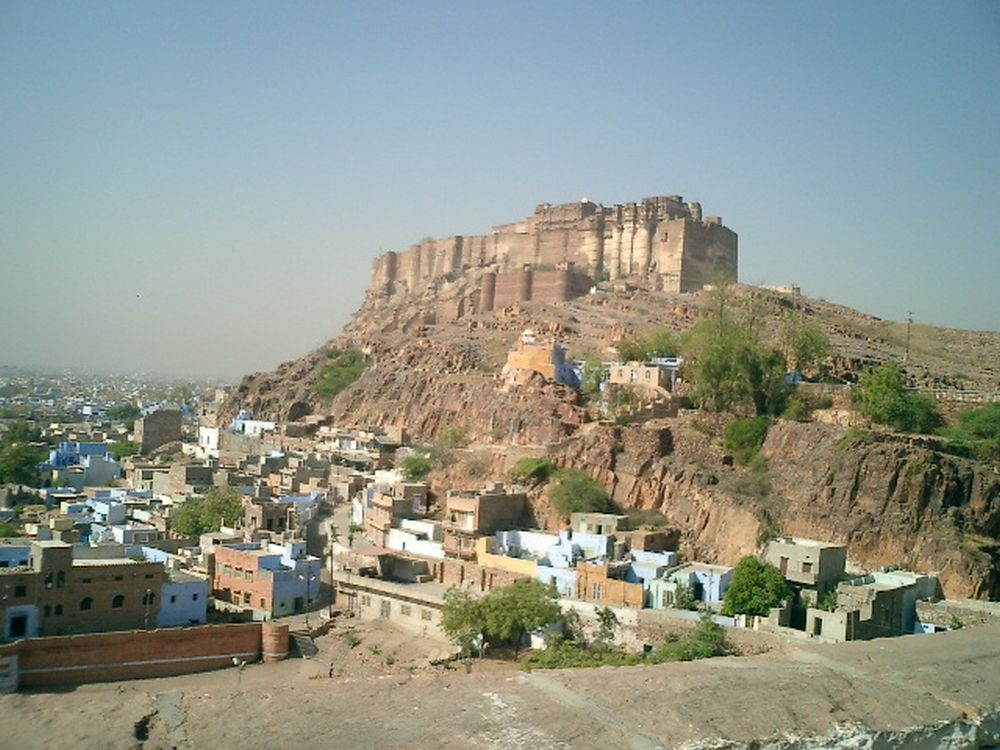
But getting back to Jodpur, which is the topic of this blog, this is looking UP at the great Mehrangarth Fort, in Jodpur:
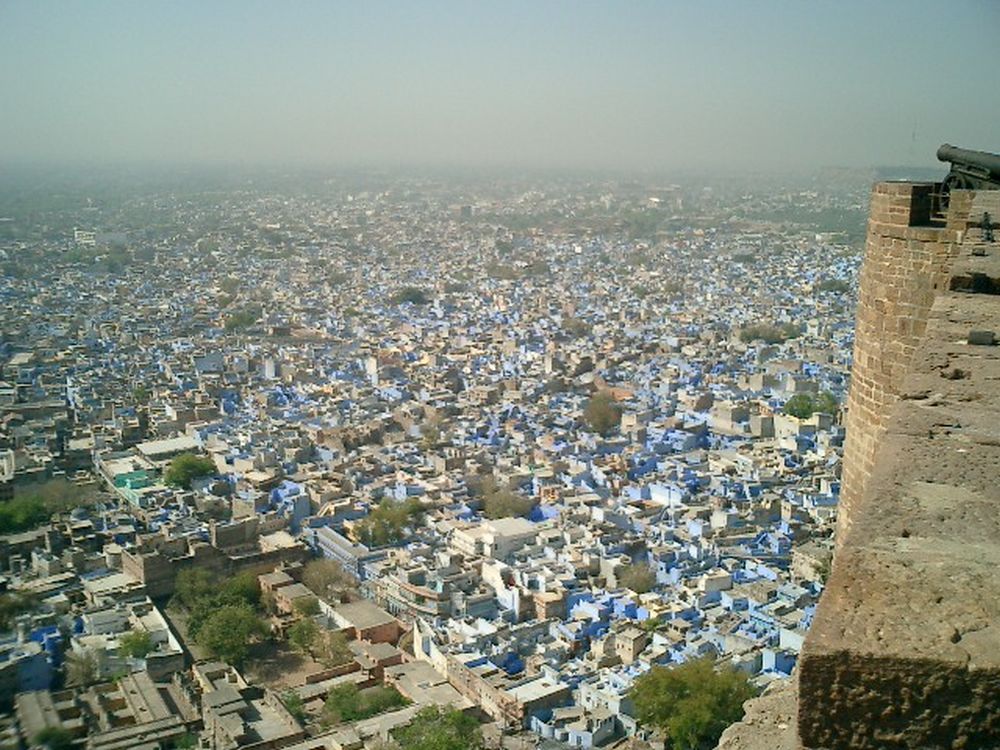
And this is the city of Jodpur, looking DOWN from the great Mehrangarth Fort:
Jodpur is called the Blue City, because the dwellings are painted blue.
Most tourists quickly come to know there is a mystery: nobody knows why the dwellings are painted blue. Some historians think this was for religious reasons associated with certain castes; other historians believe it might have had to do with protection against termites.
For me, the real mystery is a different one altogether: you’ll find the dwellings are not completely blue, but just the sides facing the fort! I’ve never learned who supplies the paint. I’ve never learned what happens if a resident refuses to paint their fort-facing facade blue. I’ve never learned who inspects the dwellings to make sure they are painted. And I’ve never learned who pays for the paint.
I always love mysteries like this, because they give me a good motivation to come back and clear them up!
Overwhelming Rome – 1 of 3
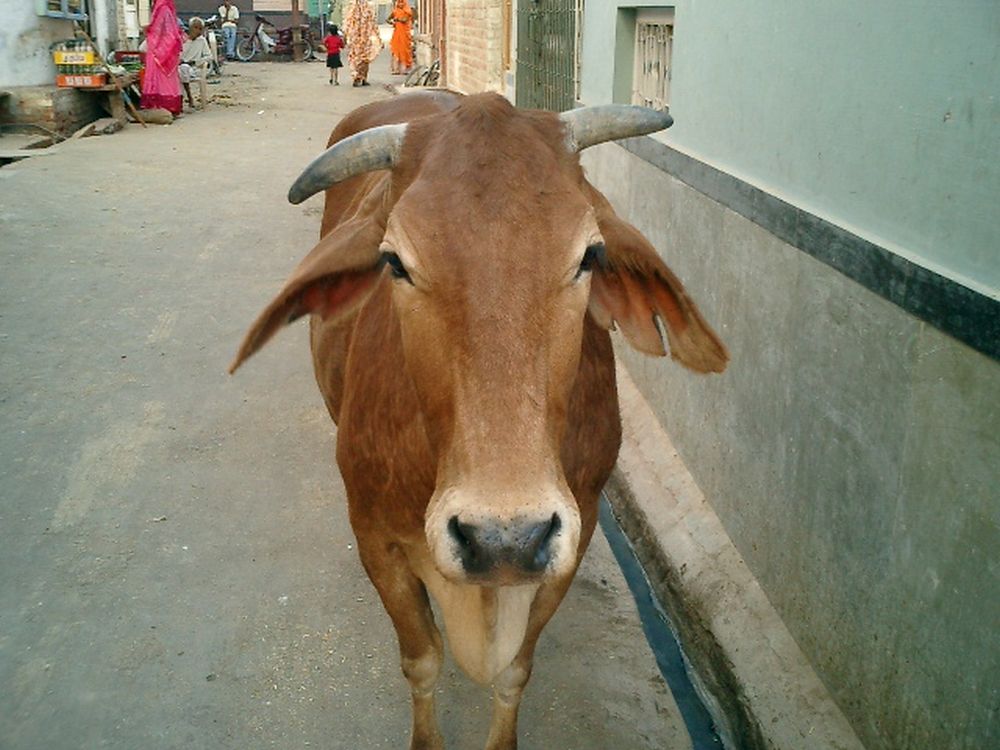
Jaisalmer Cow
You can’t take a bad picture of a good cow!
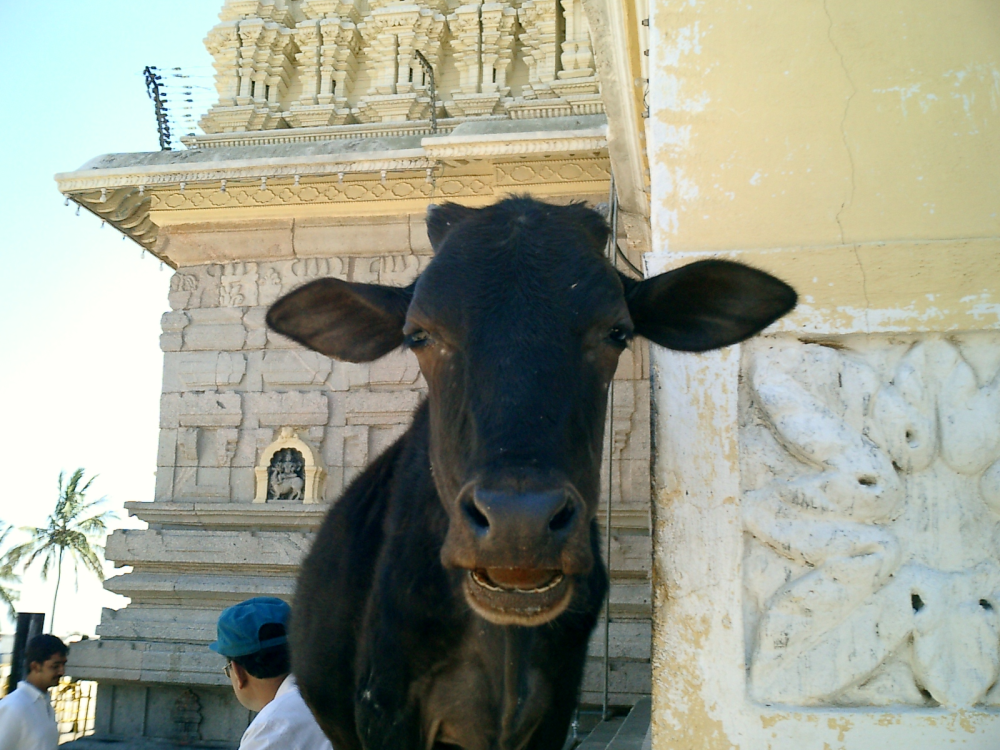
This cow looks a bit self-content, and that’s probably because she lives in Jaisalmer. As of 2017, Jaisalmer tops my list of the most incredible place I’ve ever visited. It is a very rural village deep within the Great Thar Desert of India – nothing modern about it, and in fact only about 60,000 inhabitants. But this was a key stop along the Silk Road out of China and to the sea, and you can still see this today: every single stone building in the entire village is as complicated and brilliantly designed as the Alhambra, in Granada, Spain. It’s a world heritage site – and if you ever get the chance to visit, do not pass it up!
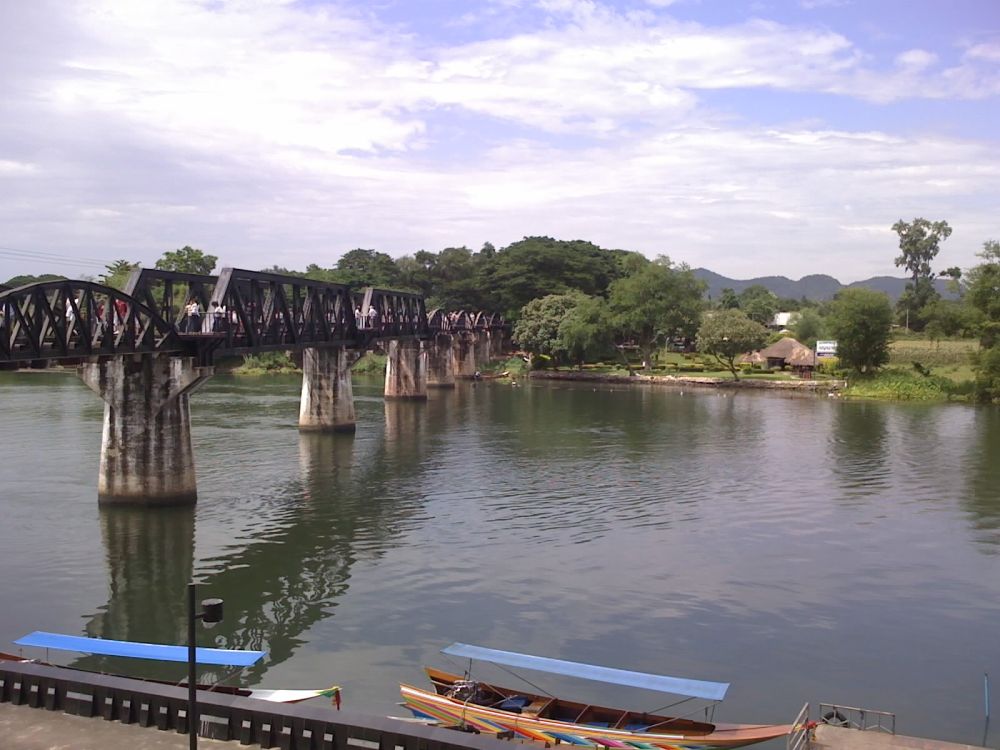
Bridge over the River Kwai
This is Alec Guiness, in front of the fictional Bridge over the River Kwai, in the 1957 film for which he won the Academy Award for Best Actor:
And this is the real Bridge over the River Kwai, as it looks today:
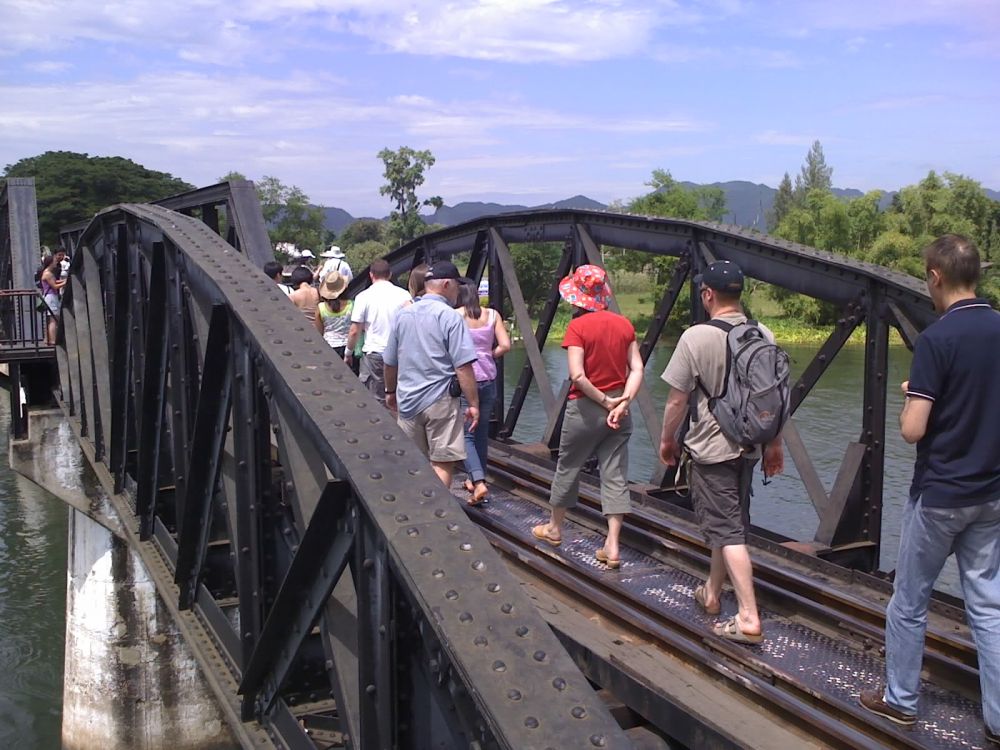
To accomodate the flocks of tourists, the bridge is built with side platforms, so that the tourists won’t get run over when a train comes:
It’s temptingly easy to enjoy beautiful view . . . but the nearby cemetary and museum is a strong and moving reminder that this bridge had its origin in large scale atrocities carried out in WWII.
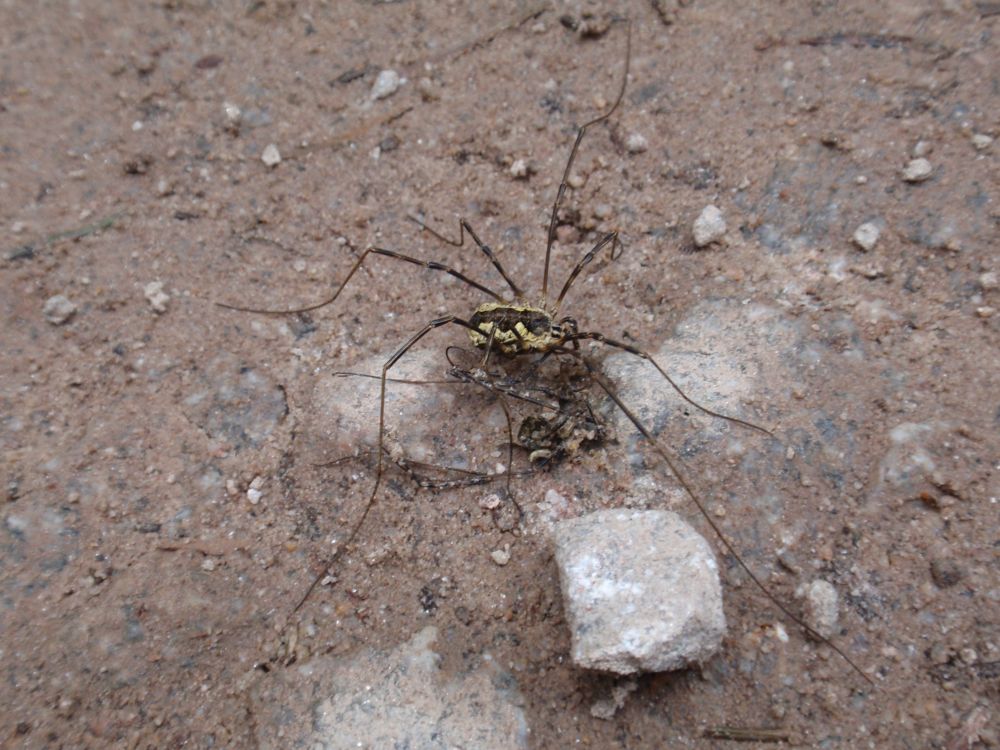
Big Schwarzwald Bug
Continuing my series about big bugs in Southern Germany, here is a spider I found along a hiking trail close to the Schwarzwald Hochstrasse:
I have no idea what kind of spider this is, but it is on my to-do list to one day find out.
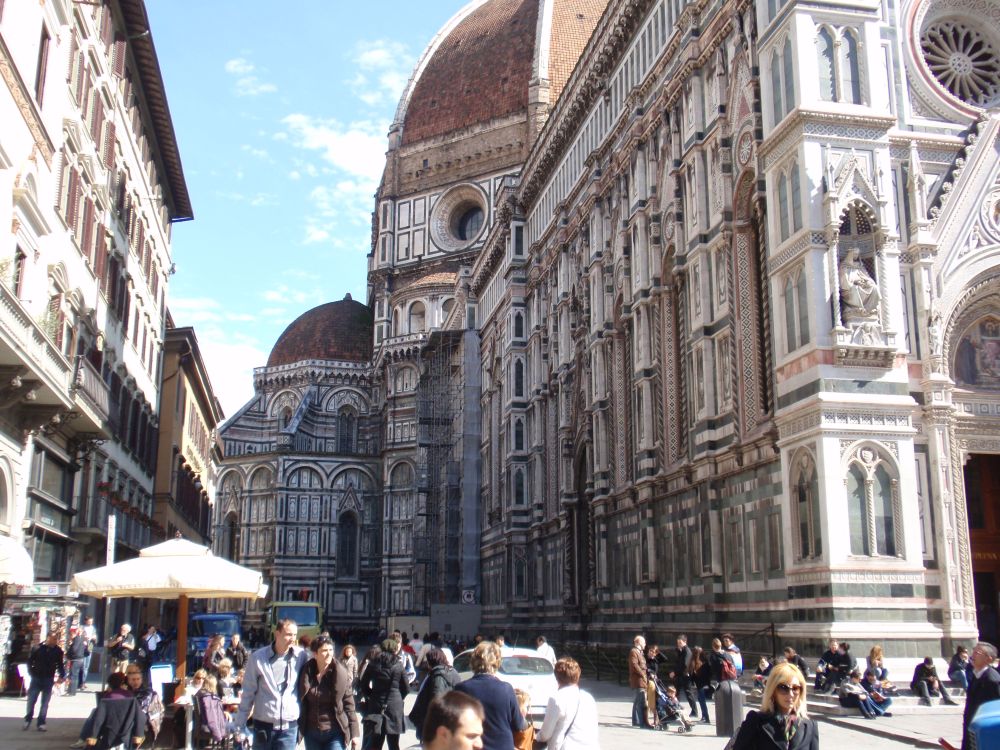
Pretty buildings in Florence
Kotilingeshwara – An amazing South Indian temple
In the deep south of India, not too far from the Kolar Gold Fields and just on the border between Karnataka and Andhra Pradesh, is the amazing Shiva temple called Kotilingeshwara.
It is not a temple in any conventional sense of the word. It is more of a indoor / outdoor park, filled with thousands upon thousands of small, identical statutes called linga, which is actually a representation of the Indian god Shiva. Here you can see a few of them, with a huge statute of the sacred cow Nandi in the distance:
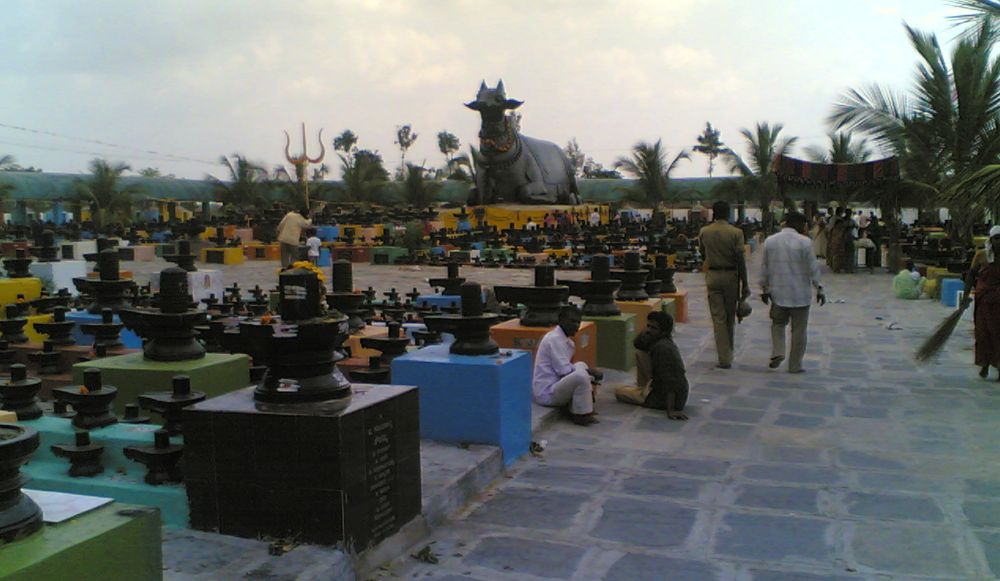
Interestingly, I arrived on the day of a festival, and thousands of visitors were expected and beginning to line up. But a cousin of a friend of mine is a police officer who is assigned to this temple, so he let us in early before the crowd. (That’s him above in the dark khaki clothes, carrying his big long stick that police offices in India are famous for.)
Here’s another look, showing some of them as large as a building (it’s one of the largest in the world), and others as small as tea cups:
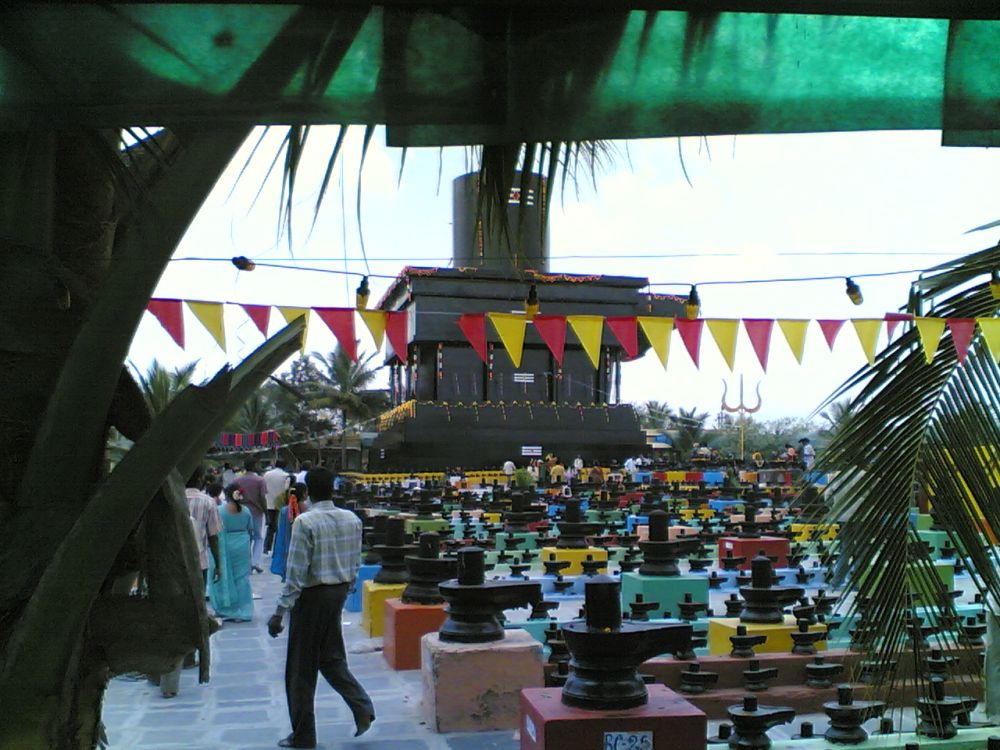
I don’t know the details, but I think for the price of a donation to the temple you can arrange to have a lingam dedicated with your name.
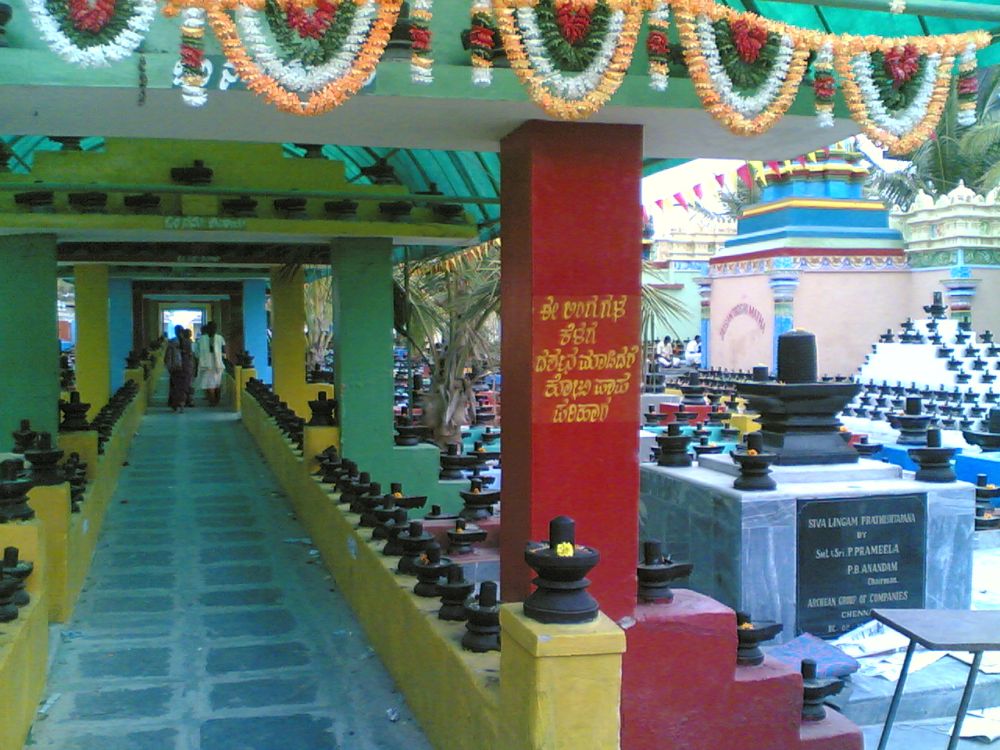
Oh, and for those who think that Indian names are quite long and difficult, this name provides a wonderful segue to an upcoming post about Indian names: koti means 10,000,000, linga we talked about above, eshwara means god – hence the name Kotilengeshwara refers to the 10 million manifestations of the god Shiva.
When bad things become good things
As far as modern nation-states to modernize in the 20th century go, Switzerland doesn’t exactly rank first. The homes in many American cities, for example, began to get indoor plumbing as early as the mid-1800’s; but in Switzerland, particularly in rural Switzerland, many homes did not get indoor plumbing until after WWII.
But what does this mean?
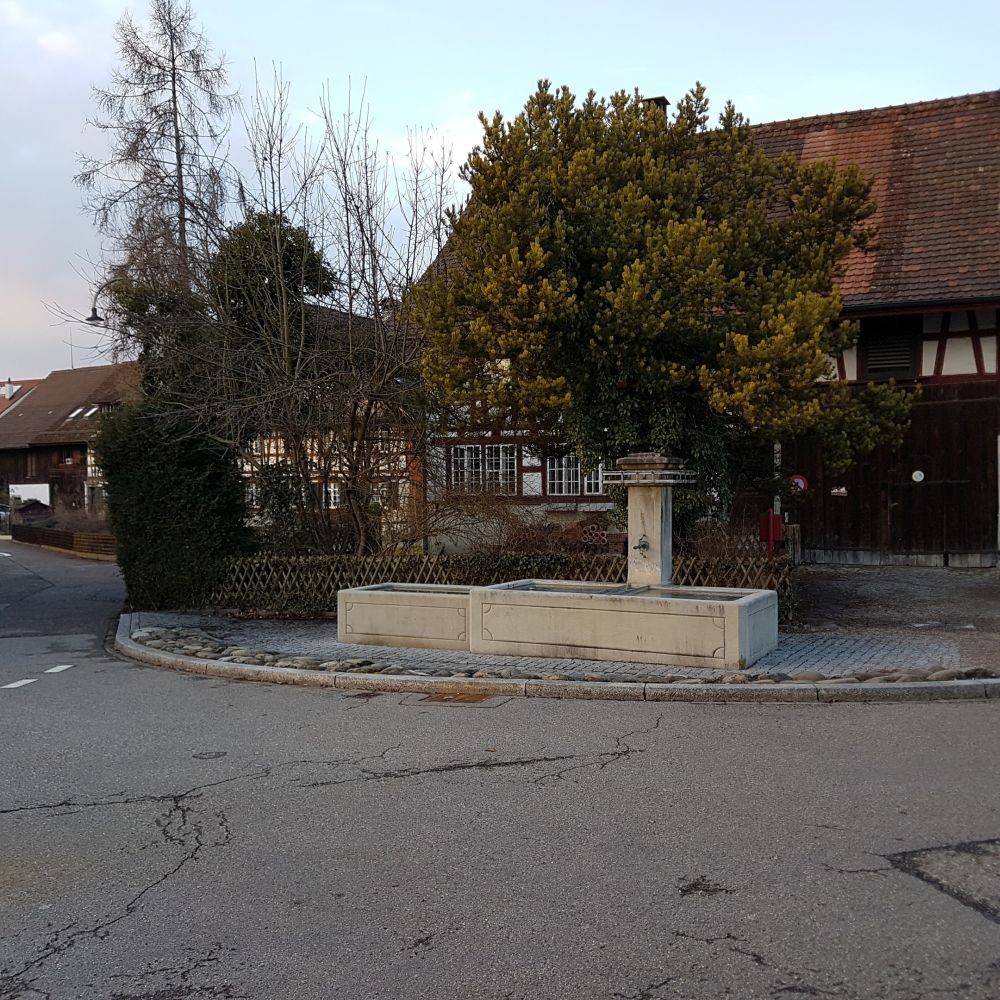
My neighborhood in Switzerland is filled with DOZENS of communal water fountains, many of them within a stone’s throw distance of one another. Here is one:
And here is another:
What could be viewed negatively (modern plumbing arriving quite late) has in fact left a very positive legacy, with Swiss neighborhoods filled with these wonderful old fountains that still deliver fresh drinking water today!
Golfing in Manhattan
When I lived in New York during the 1980’s, a visitor to this area of Manhattan had a life expectancy that could be measured in minutes. Today, this whole area on the west of the island is a park, and you can even find a driving range.
Sadly, a tragic side effect of transforming an impoverished, crime-ridden area into a wonderful tourist location was to drive up the cost-of-living so that only very wealthy people can afford to live here.
L’Albufera de València
Geologically speaking, these things are not uncommon. A river or estuary that empties into a saltwater sea will sometimes form a lagoon. Over time, the sediment causes the lagoon to become a closed lake, and the water changes from saltwater to freshwater.
That’s what happened here, just south of Valencia in Spain, not too long ago, in the 17th century, L’Albufera de València:
Today it is a wonderful, relaxing place to visit – especially in the warm Spanish evenings.
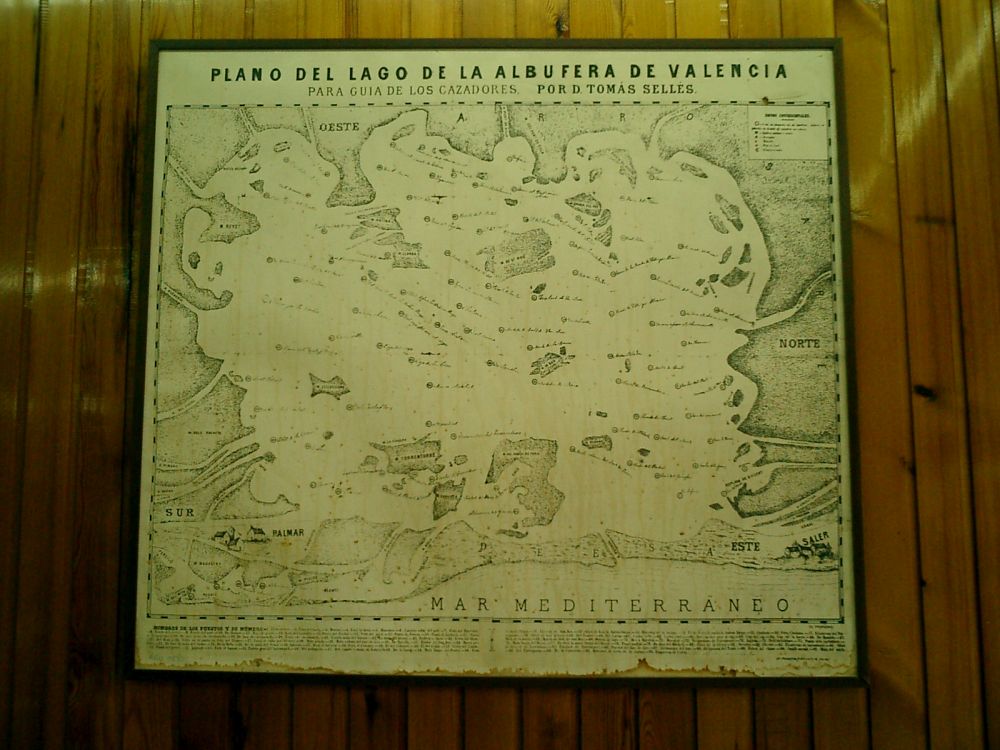
You can see a wonderful old map I discovered hanging in the local village bar.
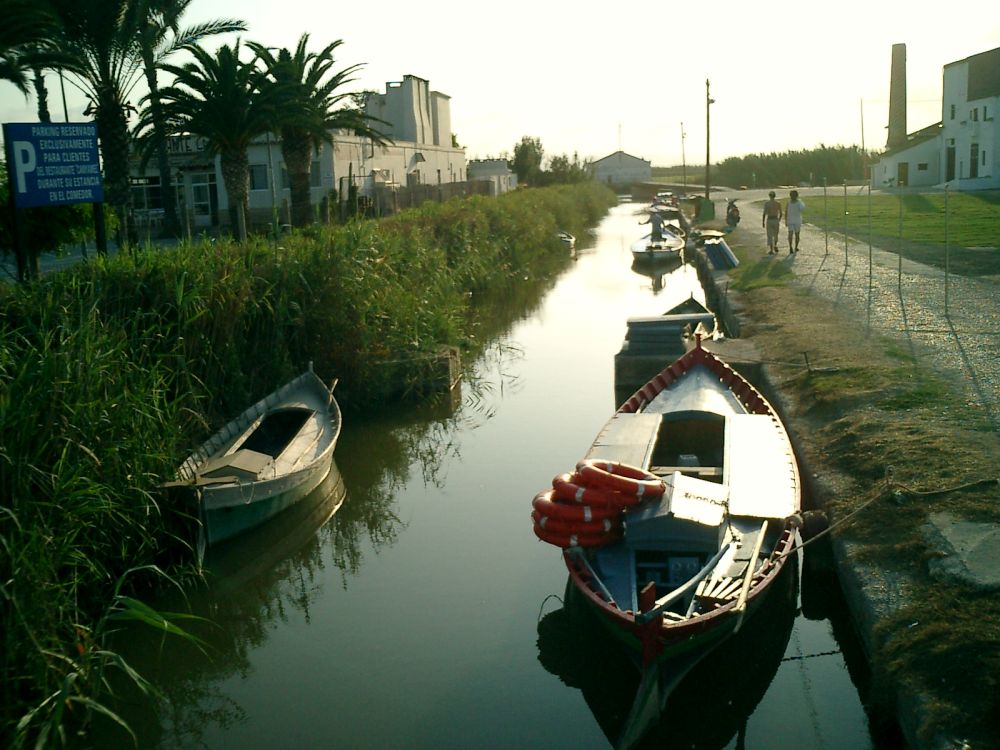
The small villages are connected to the lake by a series of narrow canals:
By the way, the astute reader will notice that I wrote L’Albufera de València, which is the Valencian language version of the Spanish La Abufera de Valencia. My Valencian friends tell me that Catalan, although somewhat more well known, is a dialect of Valencian.
Found here: the Dead Sea Scrolls
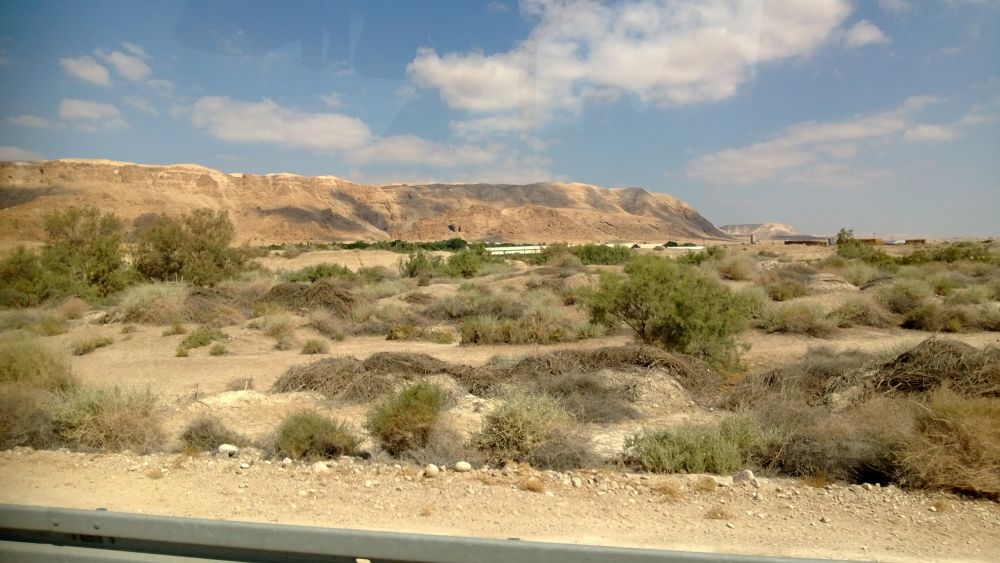
This is a snap of desert area of Qumran, just next to the Dead Sea, and you can even see some caves high in the hills (they look like little black dots). One of these caves is where, back in 1950’s, explorers found the Dead Sea Scrolls.
A real Oktoberfest – no tourists allowed!
Every mid-September thousands if not zillions of tourists around the world descend on the Bavarian city of Munich to drink beer, dance on table tops, eat enormous quantities of pork – and generally enjoy the Oktoberfest. From time to time, you can still see a native German at this festival, but with all the tourists it is getting increasingly more difficult to do so.
But what a lot of people don’t know: at about the same time the Oktoberfest is held in Munich, a real festival is held in Stuttgart: the Bad-Cannstatter-Volksfest. It’s the second largest outdoor festival in the world (next to the Oktoberfest) – but if you come, you’re likely to only see Germans and their south-German neighbors, Schwabians.
Big Red House on Lake Zurich
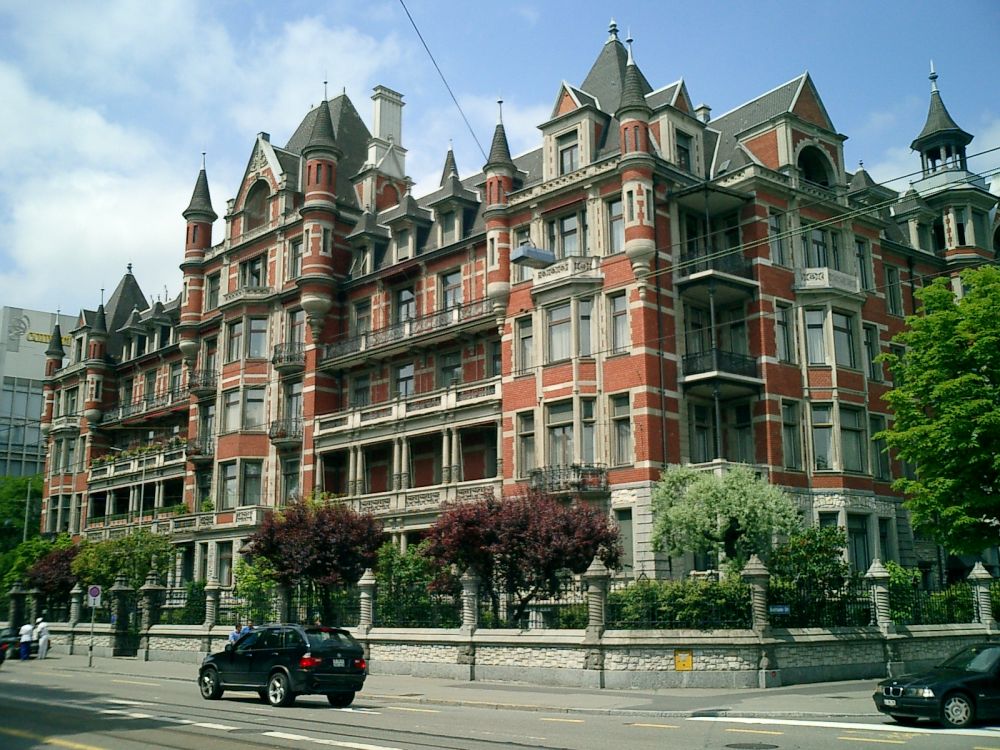
Continuing the series, this is a big red house on Lake Zürich in Switzerland:
Interestingly, despite my best efforts I could not find any reference to this building on Google. So I had to visit it again and look for the historical placque, shown here:
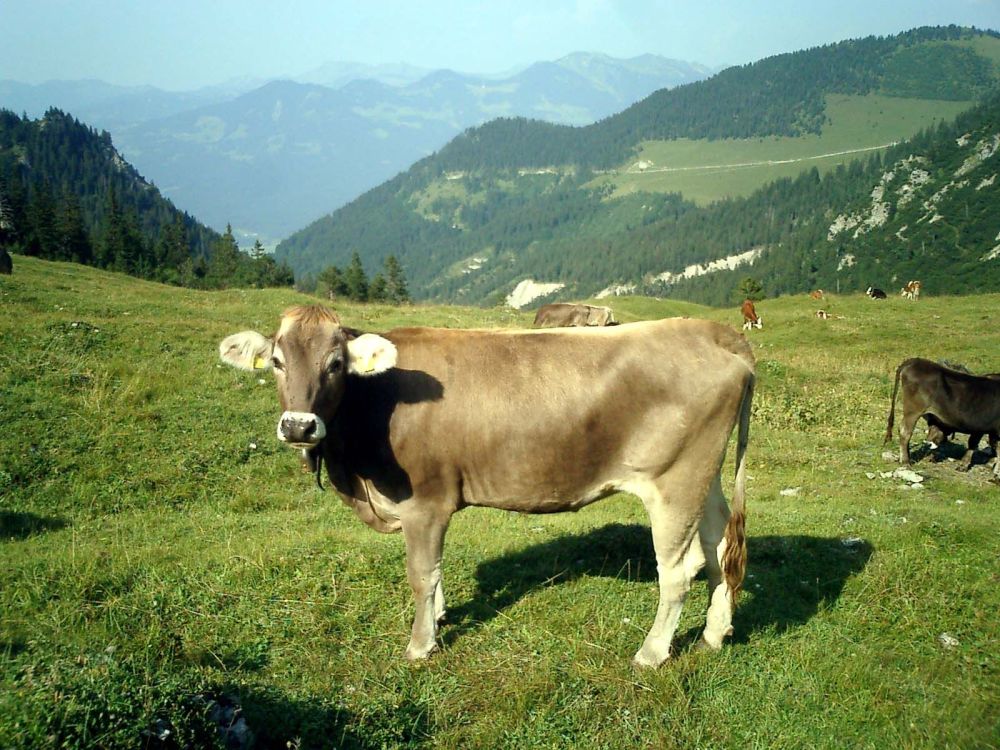
Austrian Cow
Rådhuspladsen
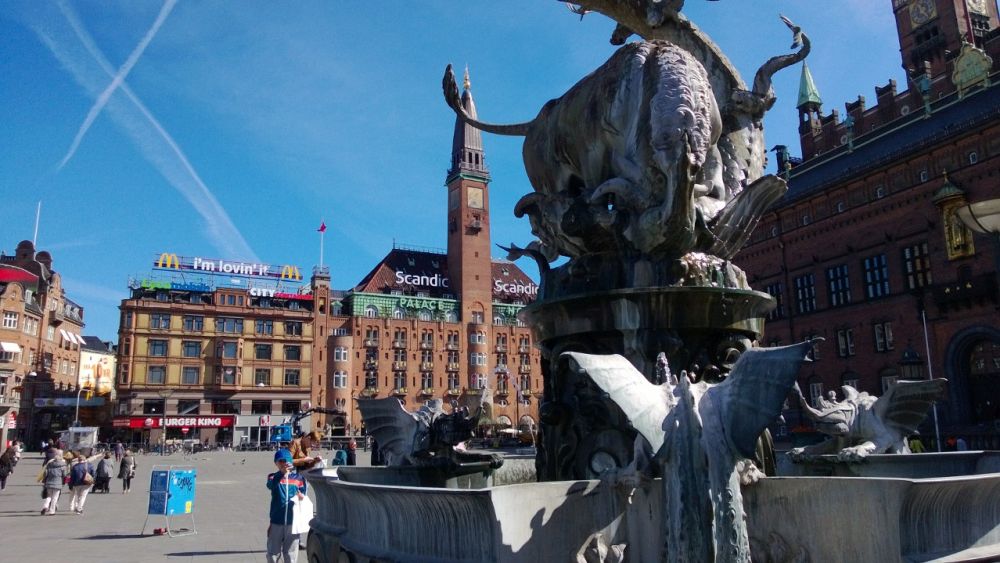
Copenhagen is an incredible city – or so I’ve heard. I spent a whopping ten hours here, between flights – and I was so jetlagged I spent at least six hours sleeping in the sun on a park bench here in the Rådhuspladsen.
I have to give the city and its people a lot of credit. I slept on a park bench very enjoyably during the middle of the day, and nobody disturbed me!
Anyone else tried this?
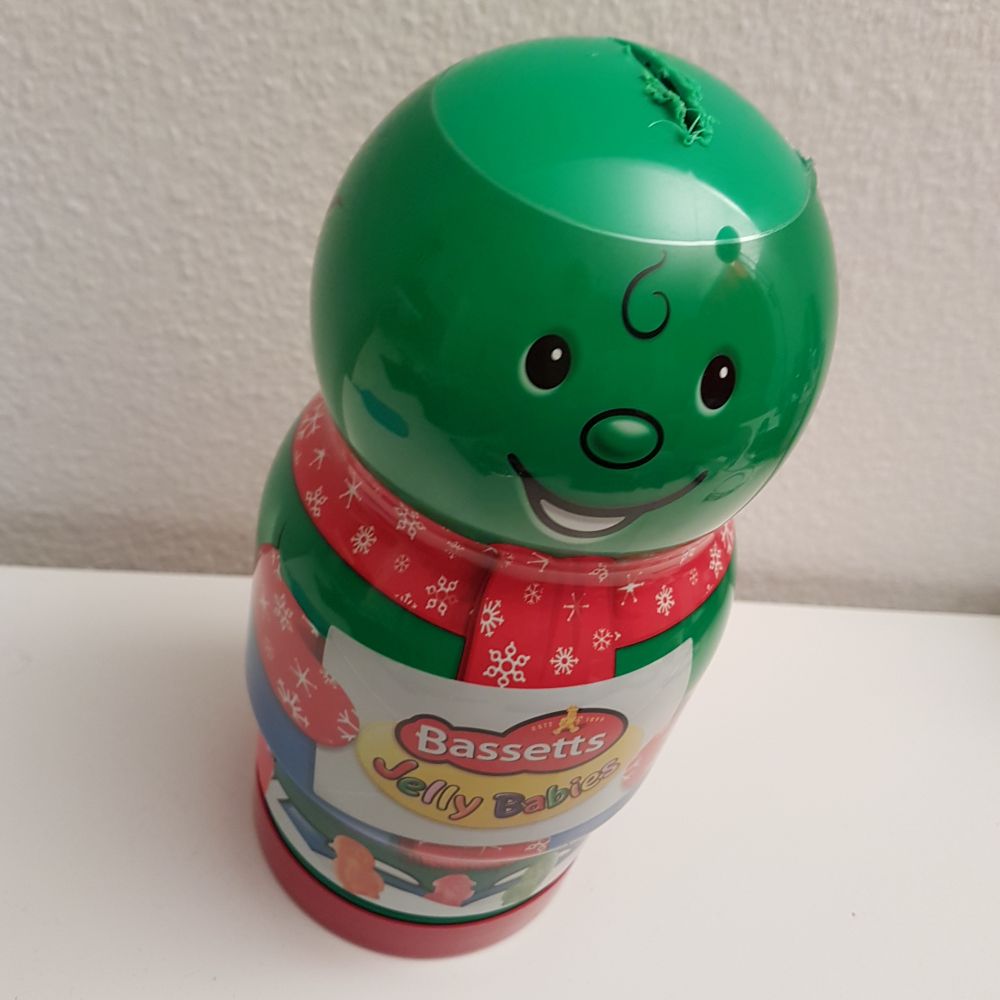
A friend of mine from the U.K. gave me a jar of famous “Jelly Babies.” Americans have probably never heard of them, but they are essentially fruit flavored glycerin candy, in the shape of little babies.
What I don’t understand: the container is made of a heavy, nearly indestructable plastic. Why? Are jelly babies so dangerous they need to be imprisoned in thick plastic? Are they so sensitive they need to be protected?
Anyway, it seemed to me the container would make an ideal piggy bank:
However, the only way for me to cut a slot into the hard plastic was using my high speed abrasive grinder!
The central question remains: why would Brits over-engineer something like this?
When backs are better than fronts – 4
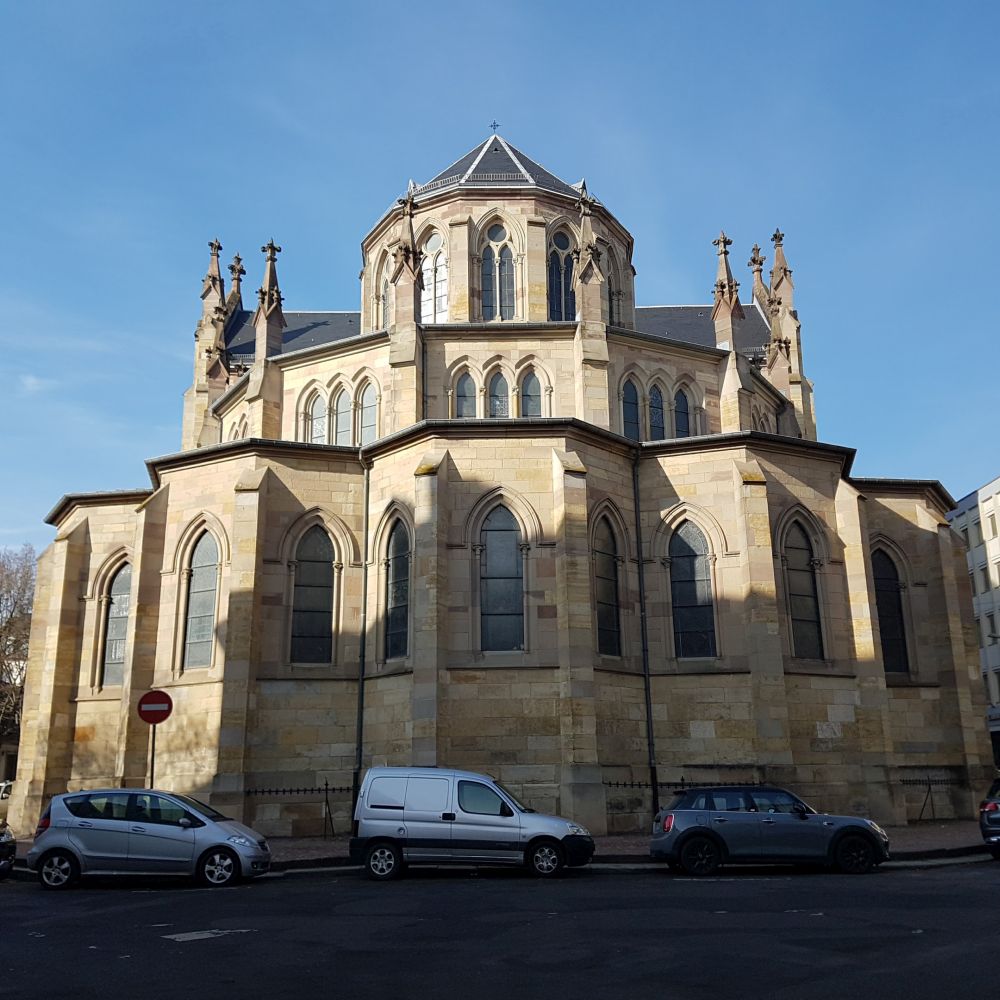
Continuing the series, European cathedrals seem really to be excellent candidates for having backs that are better than fronts.
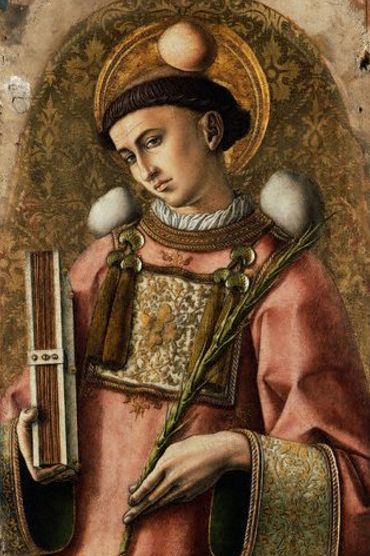
This is Saint Étienne, also known in English as Saint Stephen:
And here’s the church Église Saint-Étienne in Mulhouse, Alsace. As with many churches, the front is really nothing special to see:
But walk around to the back of the cathedral, and you’ll find a real architectural wonder:
Where Einstein was born
Happenstance is amazing! I’ve visited the Einstein Museum, in Bern. And I’ve visited Einstein’s apartment, in Bern.
I know that Einstein was born in Ulm, Germany, and for a long time it’s been on my bucket list to visit where he was born.
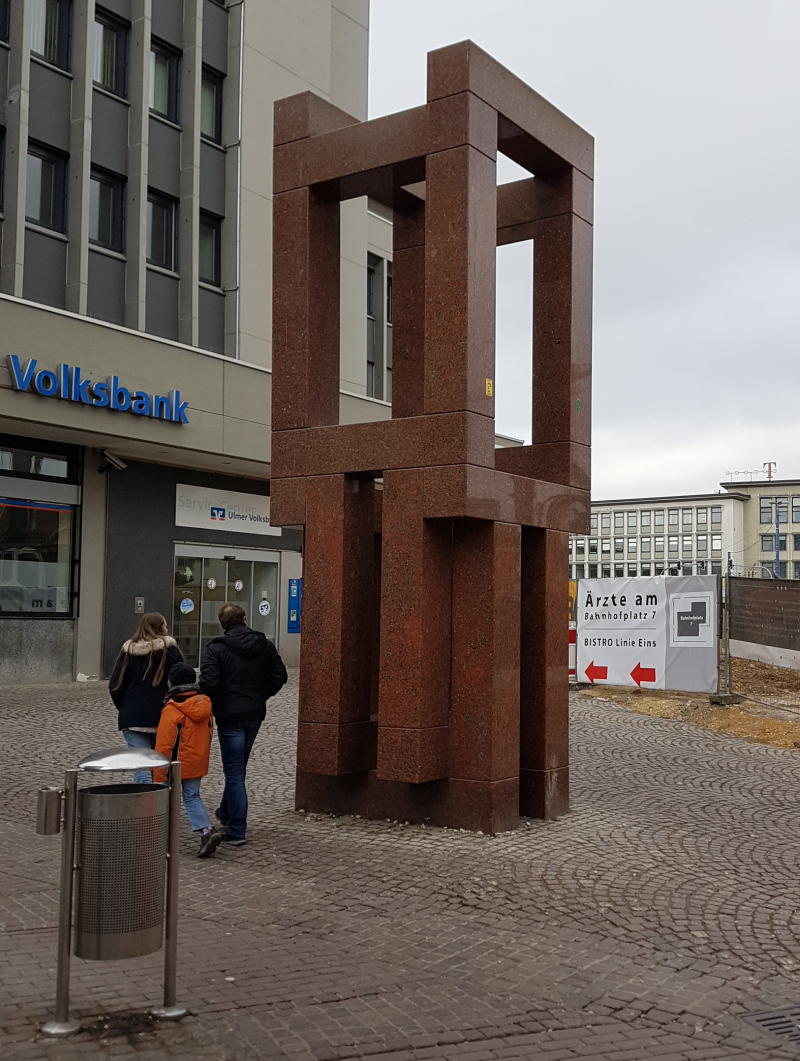
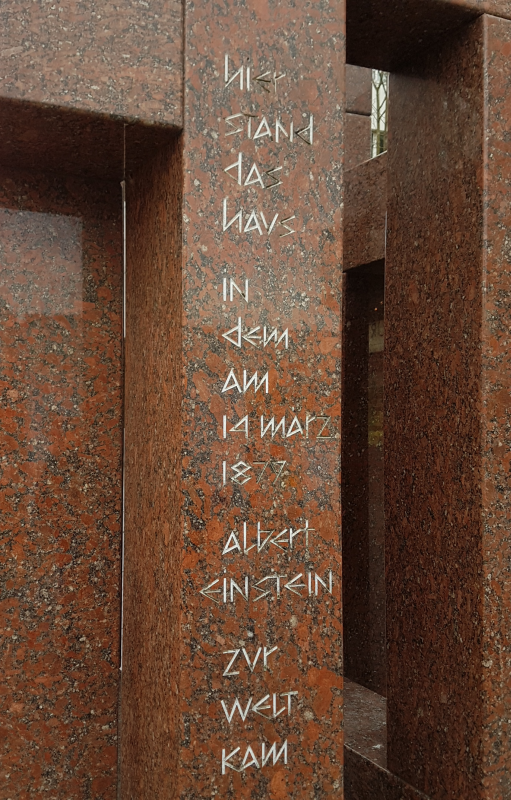
Unfortunately, that house no longer exists. But fortunately, and quite by accident, a stumbled across this strange looking monument on a recent trip to Ulm:
And you can see by the inscription, this is where his birth house originally stood:
What is most amazing are the cobblestones in the streets. As you can see in the first picture above, the statue itself is surrounded by the old pattern of cobblestones. But those are up against a much newer (and easier to lay down, so presumably less expensive) set of cobblestones.
Faux-cassoulet en mijoteuse
You take these ingredients:
And you add them into this slow cooker (mijoteuse):

And what comes out is probably NOT what the French consider a cassoulet:
Peepal tree in Kuala Lumpur
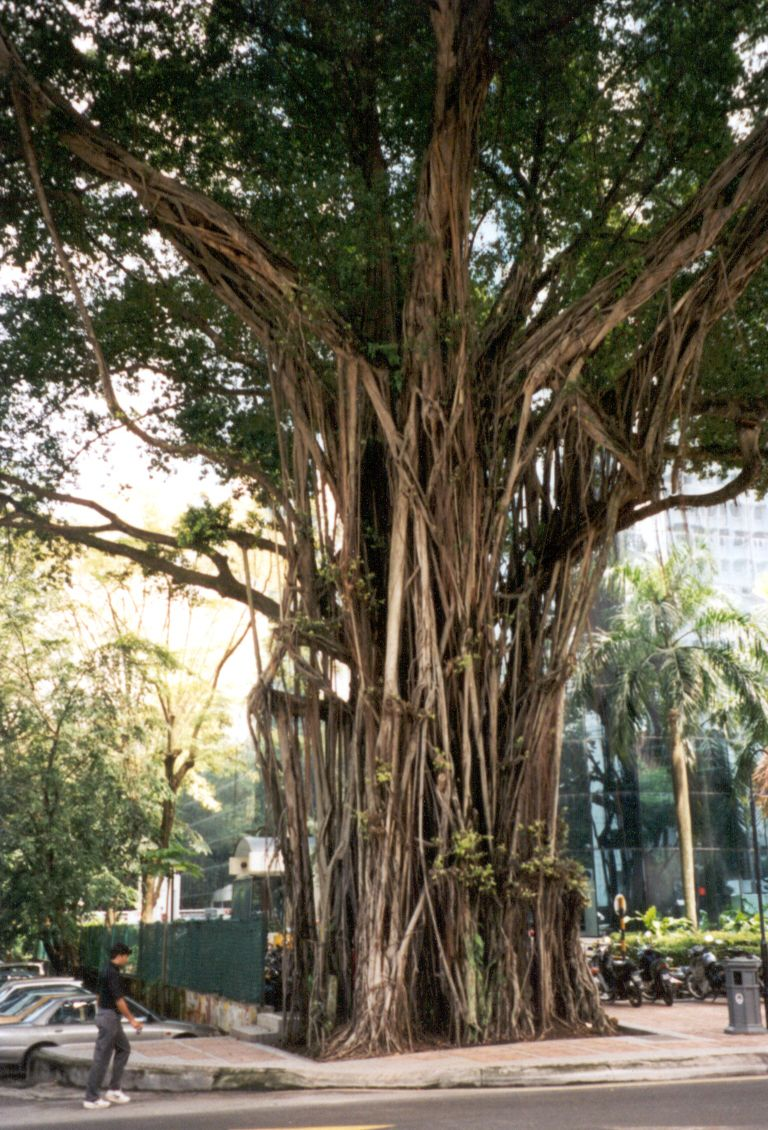
Continuing the series, if I see a peepal tree somewhere, you can be sure I’ll take a picture of it. I found this one in Kuala Lumpur, in Malaysia:
Were medieval cities planned?
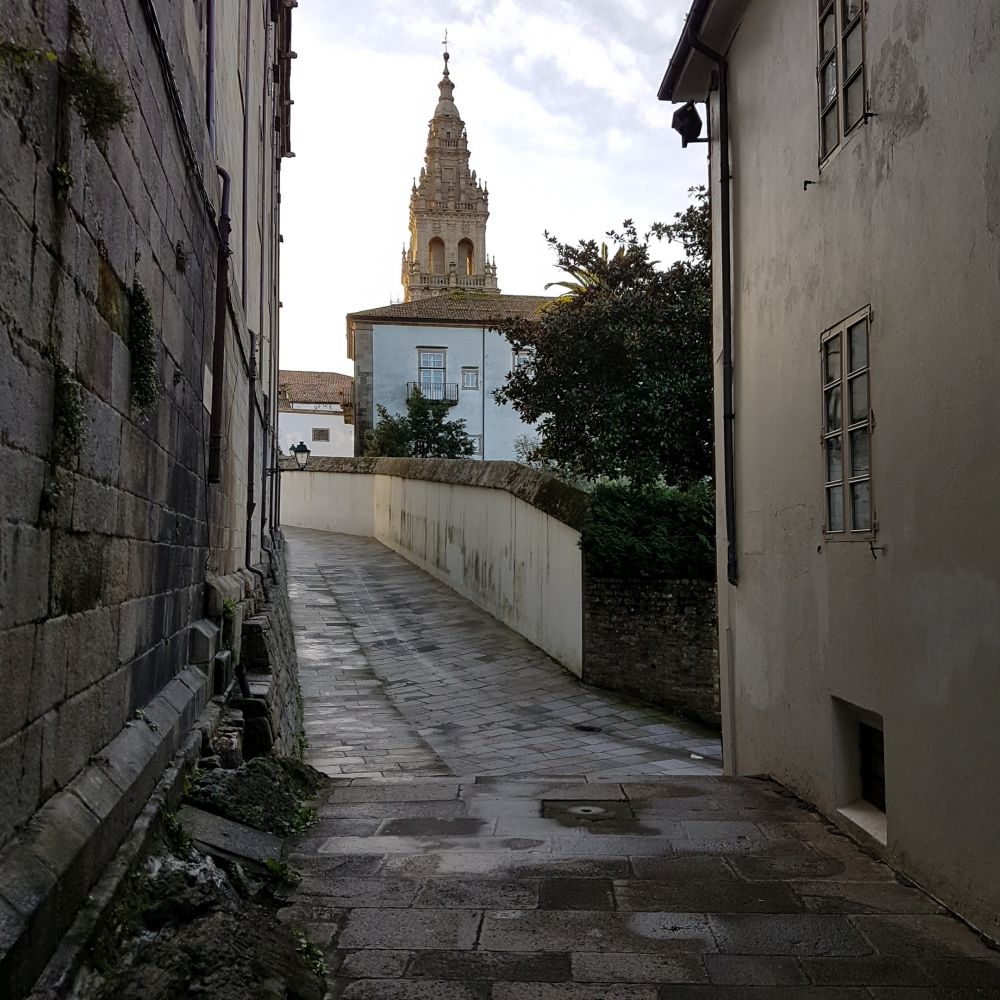
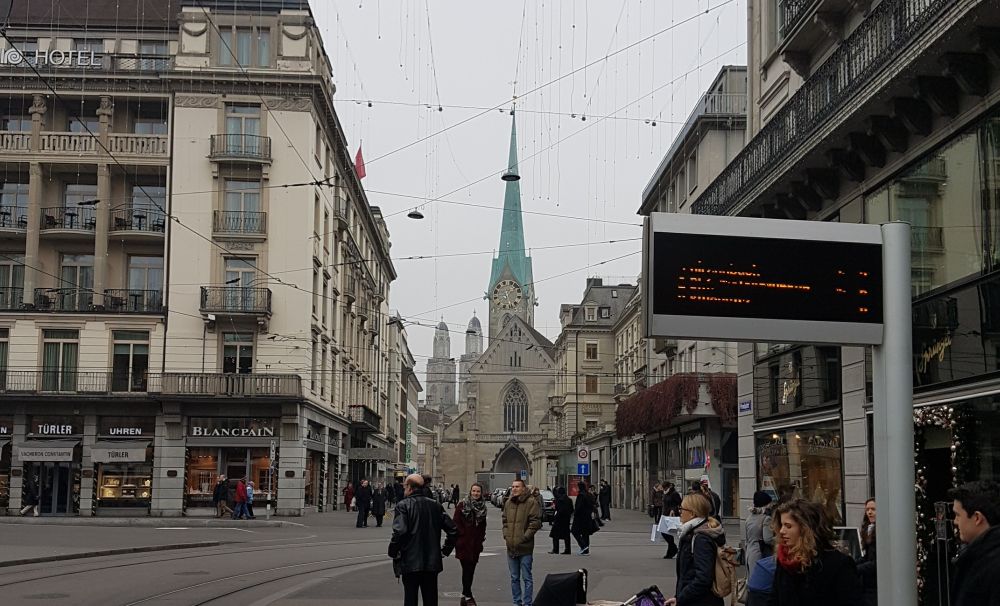
It seems unreasonable to think that the streets in medieval cities were somehow planned. But when I travel through medieval cities, I can’t help but notice the large number of small streets that are optimally laid out to frame a view of the large, central cathedral.
This one is Santiago de Compostella, in Spain (from which you can see the Cathedral of St. XXX):
This one is Mulhouse, in Alsace, France (from which you can see the Cathedral of St. Etienne):
And this one is Paradeplatz, in Zurich, Switzerland (from which you can see both the Grossmünster and Frauenmünster cathedrals):
Is this just coincidence – or are these cathedrals and towers visible because they were designed to be visible?
Happy Cow
You just can’t take a bad photograph of a good cow!
This one is very happy because she is standing on the steps of the Chamundeshwari Temple.
What goes up doesn’t always come down
This is the world’s highest water fountain, the Jet D’Eau located in Geneva, Switzerland, which sprays the water to a height of 500 feet:
But what goes up doesn’t always come down: the water is sprayed so high and with such intensity, that what comes down are not drops but just a very fine mist.