Historical Jewry in Zürich

I just finished reading a fabulous history book by Riccardo Calimani entitled “The Venetian Ghetto: the history of a persecuted community.”  It makes a single reference on a single page to a Jewish community in the Middle Ages in the city where I live, Zürich.  Curious about this neighborhood, I decided to see what I could find.

It seems almost nothing remains of this area of the city, except a single small alley way named Synagogengasse (or Synagog Alley in German)
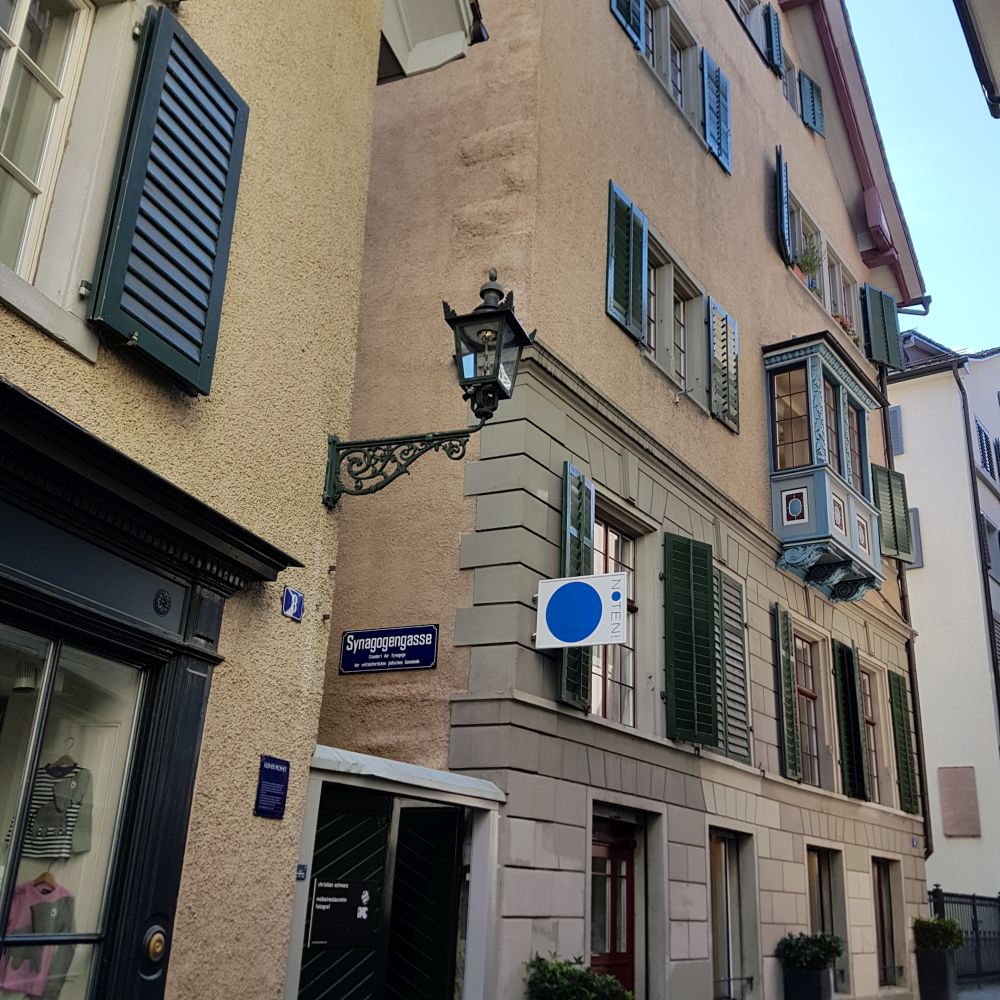
And a small placque that describes the street I was on (Froschaugasse) was the center of the Jewish community before a series of pograms decimated the community.

Here’s a close-up of the placque:
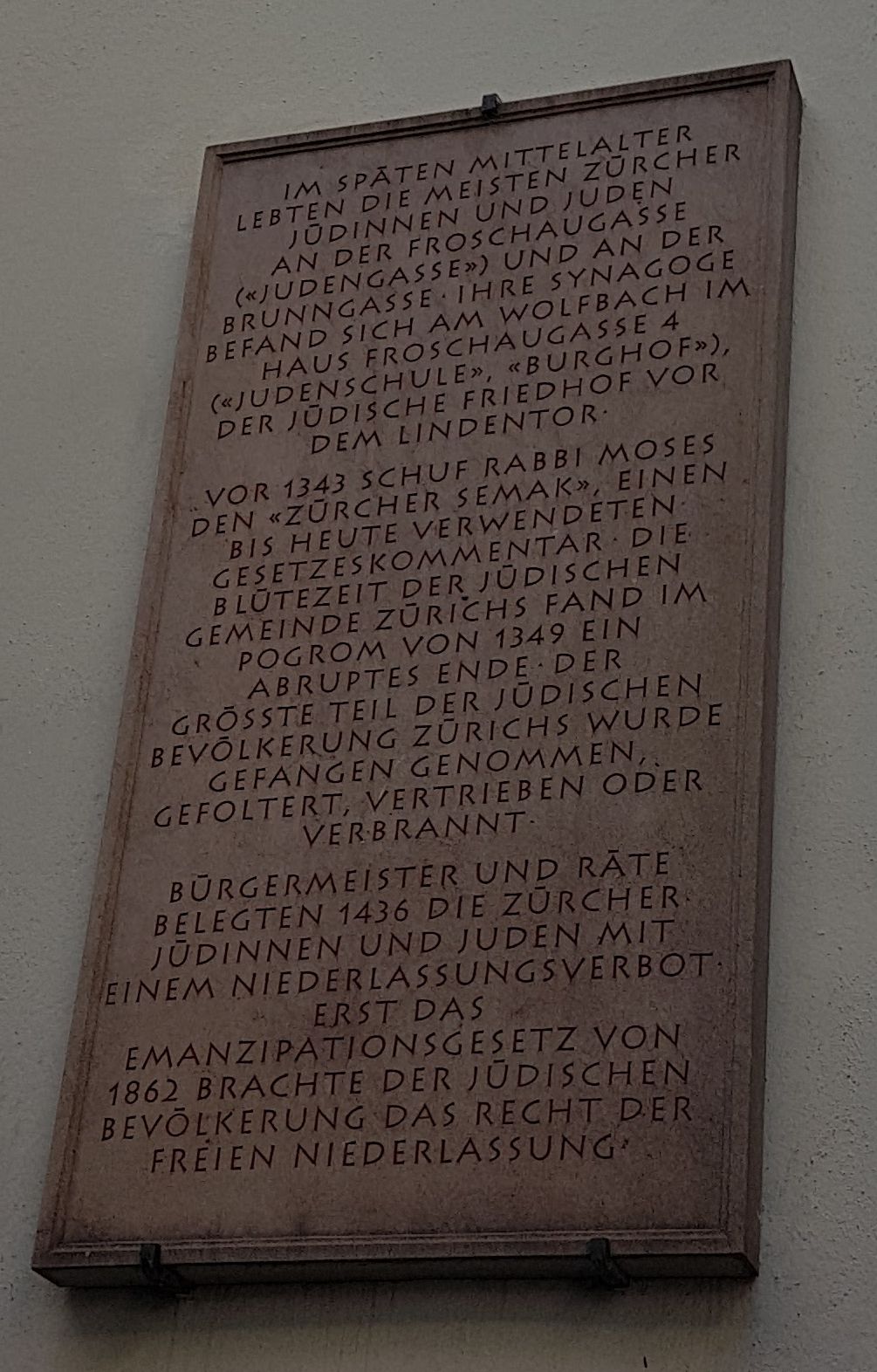
I have no intention of translating – it’s abominable to think what happened during the Middle Ages and later periods to follow. There’s still so many things about this period of history I just don’t know – but I find it WONDERFUL that with a bit of Internet surfing and an interest in history, you can easily find places like this.
Coupling Trains – 1

How do you couple train wagons together?  That’s easy: with a coupler!

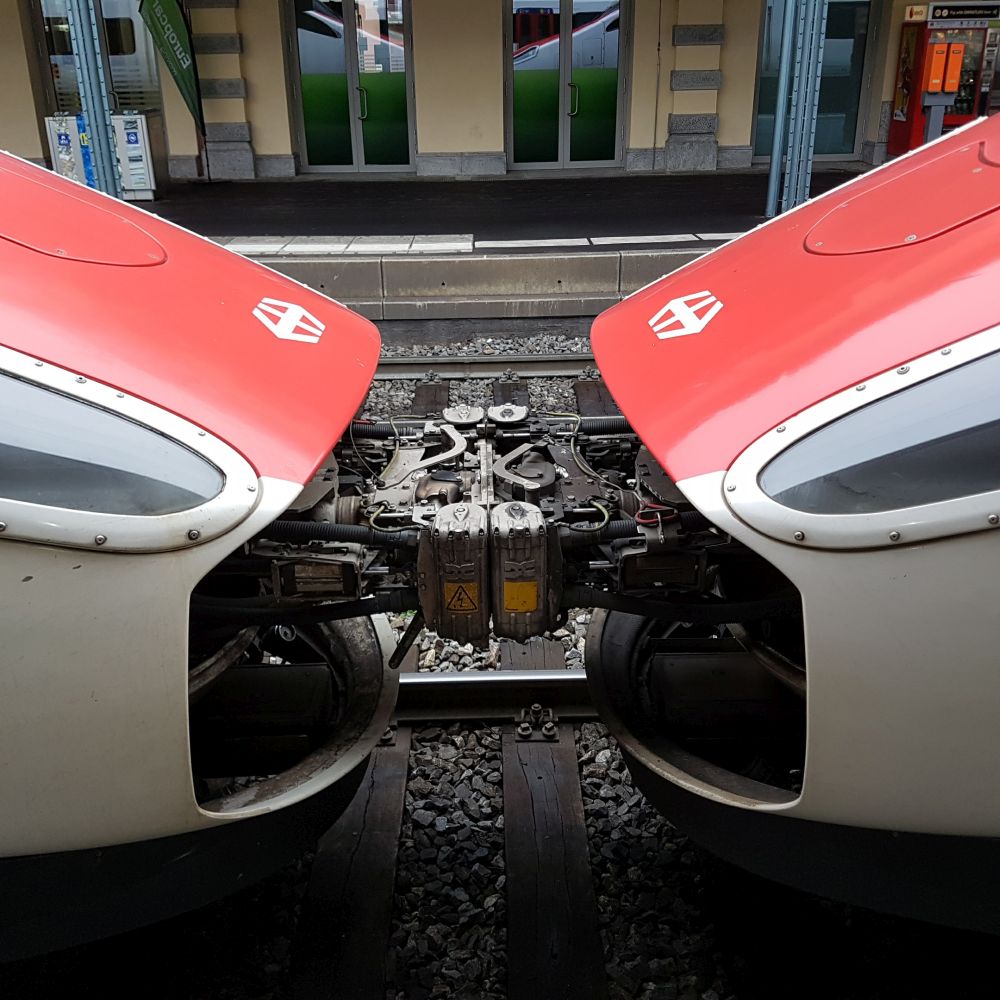
Here is a modern automatic coupler in use with the Swiss Federal Railways (Schweizerische Bundesbahnen):

Sadly . . . I don’t know what couplers are called in German, and I really don’t feel motivated to find out.

Also sadly . . . I’m afraid I can’t truly understand the complexity of these couplers. As you can see from the photo there appear to be hundreds of small parts that are exposed to dirt and the weather – but I assume in spite of this, it must be the simplest possible design.

But wonderfully . . . I had the privilege of working for the Schweizerische Bundesbahnen and also being in the cabin of a train when the train driver used one of these automatic couplers.  He told me the process is to, quite literally, smash his train into the train to be coupled, being sure to use a maximum speed of less than 1 km / hr.  No other effort from the driver is required; the system is 100% automatic.

The older trains use a manual coupling system that requires someone to climb under the train and connect the wagons manually.  As time permits I’ll post a photo of that system.

Ladies with fruit bowl hats at Westminster Abbey

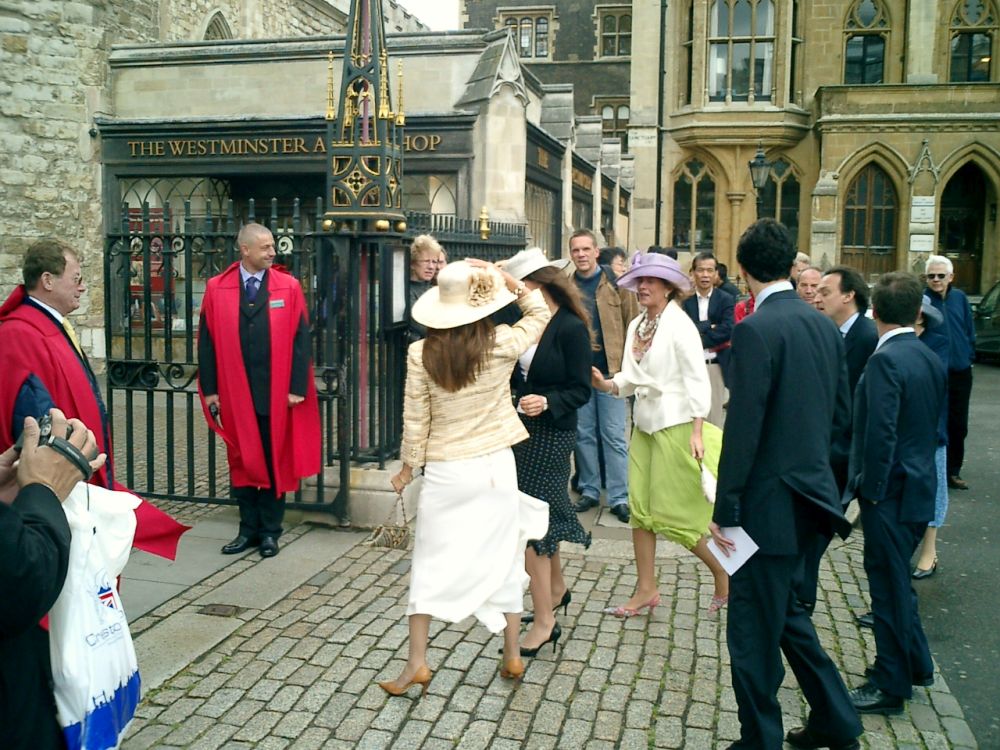
I tried to enter Westminster Abbey – without success.  The guard informed me the church was closed to the public on that day – and about 5 minutes later a huge entourage of ladies wearing huge hats arrived:

These were not just hats to protect against the rain – these were huge hats that look like that contained whole bowls of fruit on top!

Now, were these royal ladies?  Or maybe just the regular meeting of the “fruit bowl hat enthusiast’s club?”  I guess I’ll never know.  But I do have to say, English ladies do seem to like wearing hats that look like they had huge bowls of fruit on top!


Cats in Rome

Some amazing things you learn after the fact!

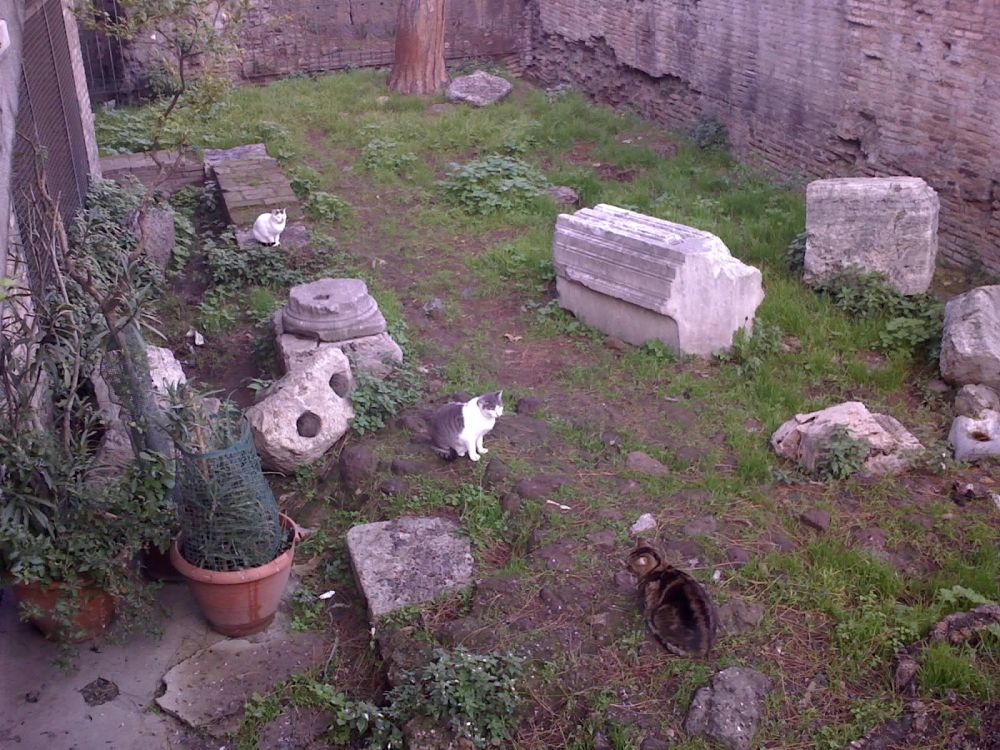
When I was visiting Rome I came across a small park, not just filled with Roman ruins, but filled with cats!  At the time I thought it was something quite unusual, so I took a picture of it:

What I’ve only just learned is that this park in fact is quite famous.  And that it houses not just the few cats I photographed, here, but in fact over 100 cats!  You can read more about it here.

Amazing rainbow in Winterthur

Yesterday I saw a rainbow from my apartment. It started out quite faint, then just kept growing and growing in intensity, so I finally took a picture before it disappeared:

Rainbows are actually more complicated than most people realize, with many more optical effects that just the pretty colors. You can read more about it here.

Schwabian Castle

The German language (or its more evolved cousin, Alemanic) is amazing!

Just as eskimos have many words for snow, so too do Germans have many words for castles.  A Schloss is a fancier castle (think Mar-a-Lago), and a Burg is a more defensive one (Camp David).

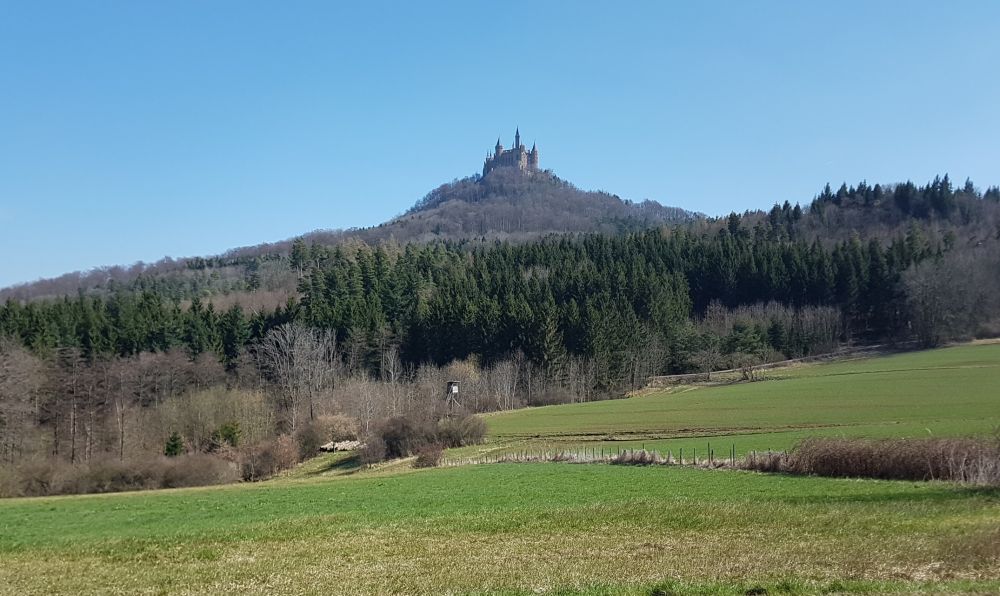
A familiar sight to just about anyone who’s lived in Southern Germany is the Burg Hohenzollern:

It dates back to the 1400’s, and while it is not the castle that Disneyland’s castle was based, it isn’t far off.

Schloss Hegi

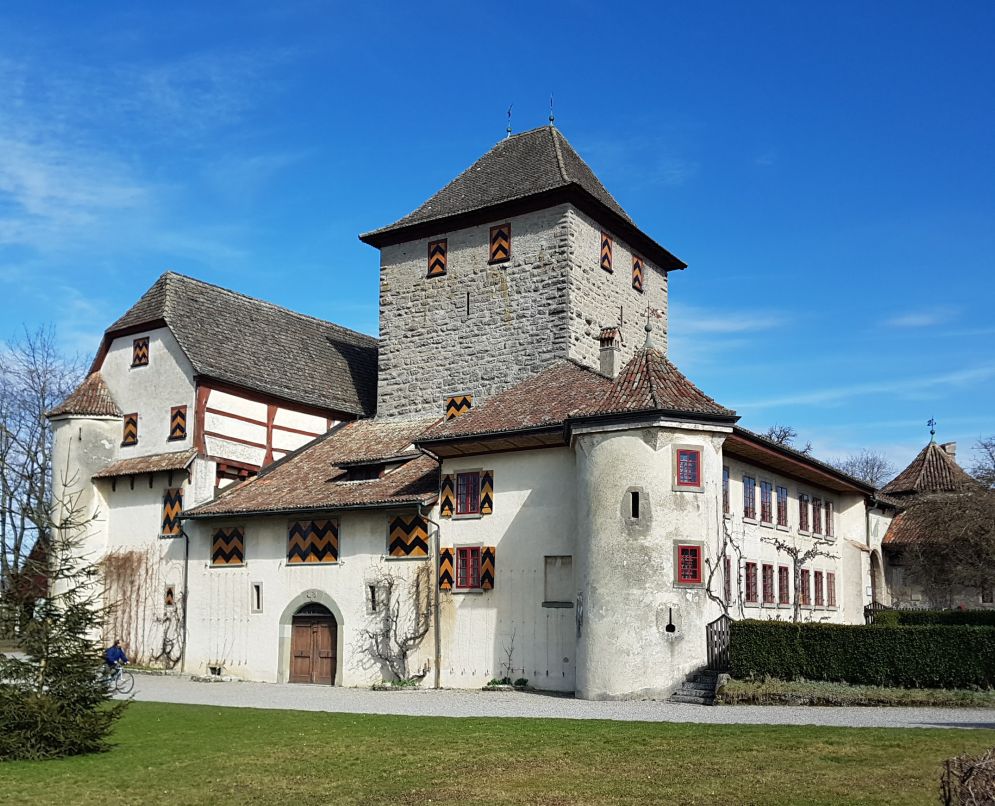
Just around the corner from where I live sits a really unusual Swiss castle, Schloss Hegi.

What’s so remarkable about it is that it sits alone, in almost total isolation from anything nearby. Many castles were built for defense purposes and therefore sit high on a hill or surrounded by forests – but not this castle. It is quite remote and in a totally flat area.

But that’s not all, it’s incredible age: there are records of this place that date back to the year 1225!

Dubai Dates

Dubai is just incredible!

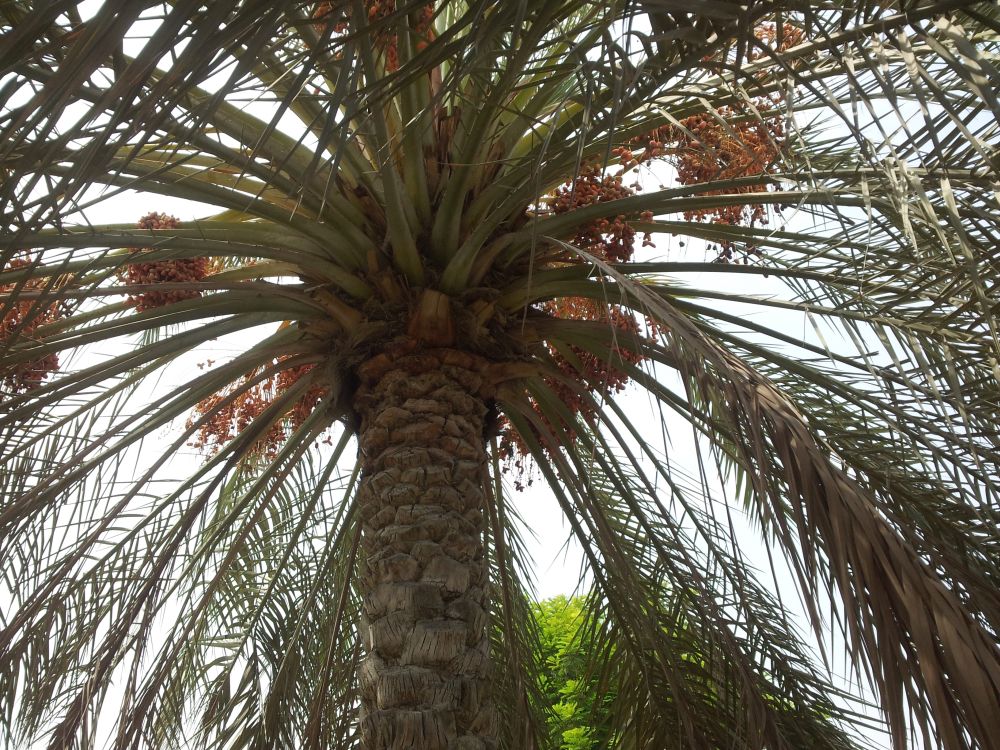
For the people like me who visit in August, when the temperature is around 120 F or 48 C, a real treat is taking long walks outside, where date palms can be found just about anywhere. Many of them are quite short, so you can reach up and (if they are ripe) eat the dates right off the trees!

Cleveland and my Dad’s Uncle Eddy

I grew up in the Cleveland area during the 1970’s.  Some of my fondest memories of that time are of the school field trips I’d take to downtown Cleveland.  They were exciting because it meant travelling to a magical area with dark skies and intense smells.

The dark skies, of course, were caused by the tons of pollution spit out by the many steel mills.  And the intense smells were from the steel mills or the chemical factories.  The Cuyahoga River was an intense chalky bright blue-white from all the dissolved chemicals, and Lake Erie was devoid of any fish.

This was years before the U.S. Environmental Protection Agency, and you could watch nice television commercials with an old Indian in a canoe crying when his canoe got stuck in the river trash.

Anyway, the mills were all shut down, and toxic areas are now high tech business parks filled with high tech people working at high tech companies.

Not everyone was so lucky to move on with the times.  A good friend of the family (my Dad calls him Uncle Eddy) was one of the not-so-lucky-ones – and you can read about his dialogs with my Dad here.


Your basic everyday transport of the gods

This is Nandi, a bull so famous in India that he hardly requires any explanation:

If you drill down to its absolute simplest form, the Lord Shiva rode Nandi – but of course like just about everything in Hinduism, the real story is really, really, really complicated!

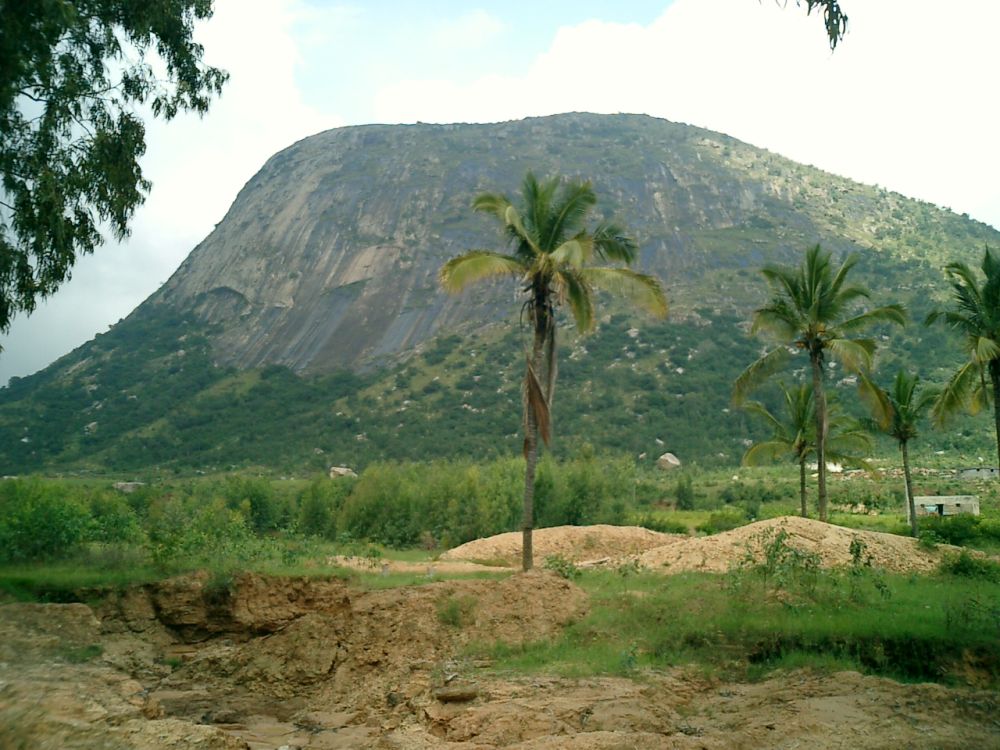
And these are the hills north of Bangalore that are named after him, the so-called Nandi Hills:

What’s amazing is that the Nandi Hills are around 60 km north of Bangalore – but on a clear day, from a tall building in Bangalore, you can see them!

Clear skies over Mount Fuji

I don’t know if this is a story they tell to tourists or if it is really true, but when I visited Mt. Fuji in Japan, they said it was a truly amazing day: the mountain spends 95% of its time covered in fog and clouds, and it is almost never see with clear skies.

Well, true or not, it is a pretty impressive sight!

Free stuff in Zürich – 1

Zürich is the most expensive city in the most expensive country in Europe.  Even most cash machines won’t dispense anything less than CHF 100 notes – since that is about the minimum you need here for a light lunch.

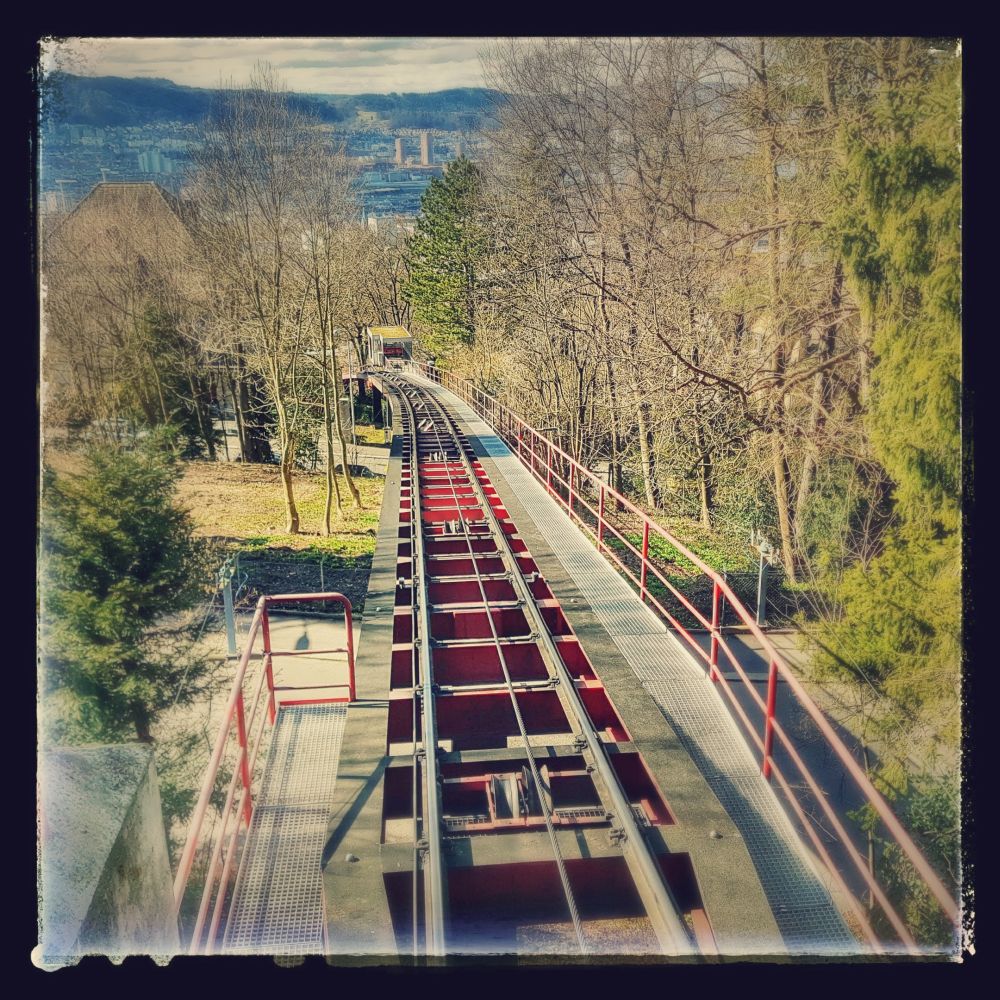
But despite this, there are still plenty of things you can do for free, such as using your valid train ticket on the Seilbahn Rigiblick.  An automated, driverless funicular shuttles you to the top of a nice mountain in about 10 minutes:

Springtime in Europe – the rapeseed in bloom

France, Germany, and Switzerland are amazing in the Spring!

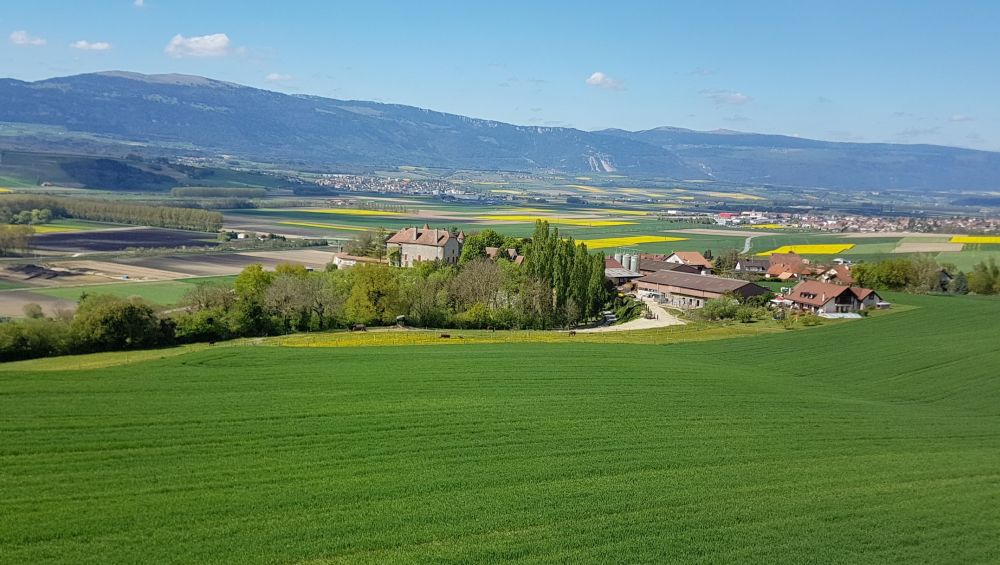
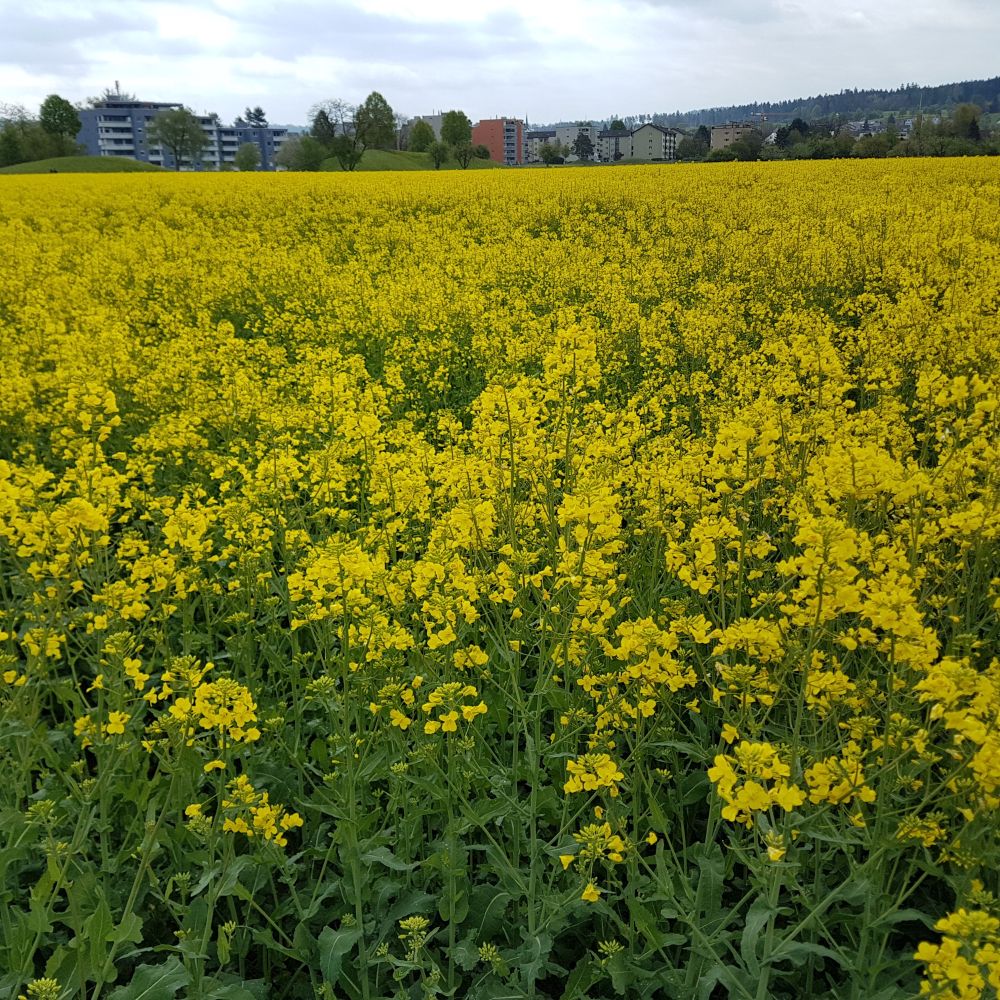
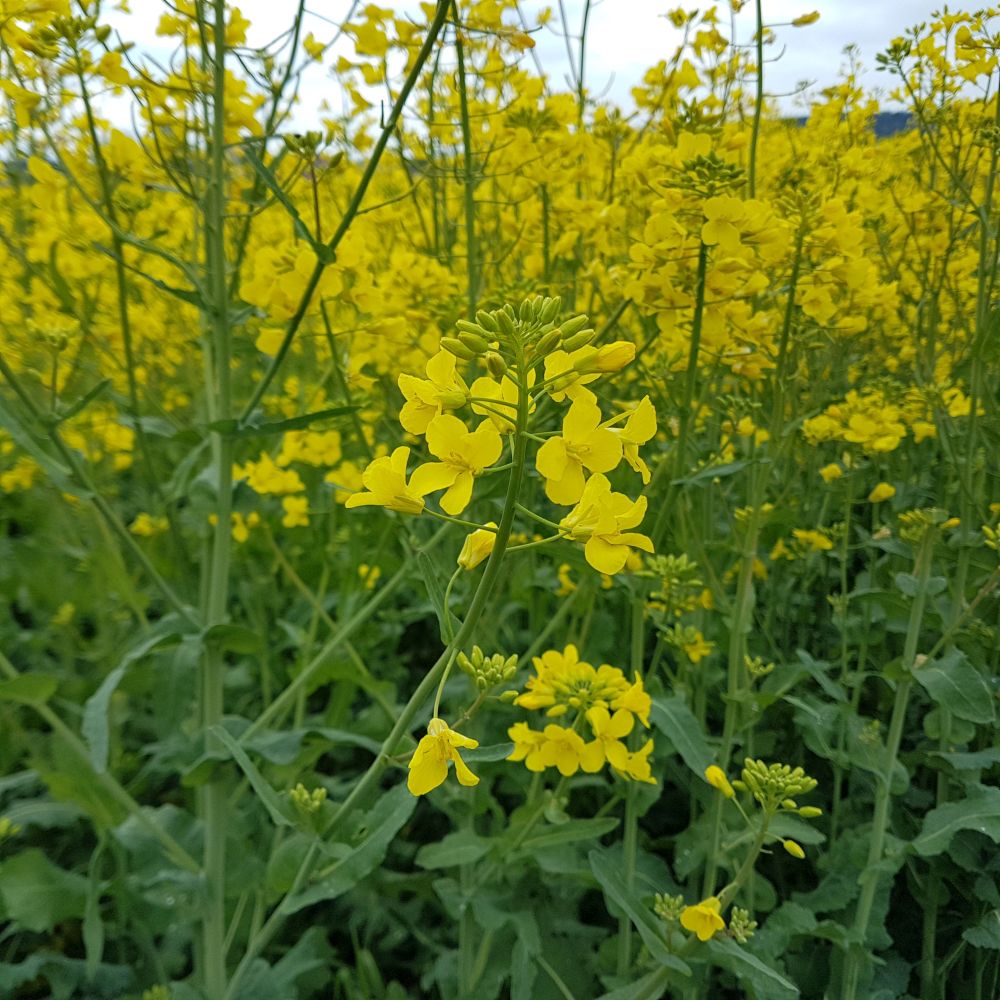
If you’ve visited France, Germany, or Switzerland in the spring time, then you know how amazing it is. The lush green countryside is filled with bright flowering patches of rapeseed, or Raps in German:

Now, I don’t know the fine subtleties between rapeseed and canola, but I do know this is one amazing sight:

It’s more than a bit frustrating when you see a field like this, because you never really know how the plant will be used.  Some of it is used for cooking oil, but at least in Europe, a huge fraction is used for biofuels.

Amazing Schaffhausen

In the north of Switzerland, Schaffhausen is one amazing village. It’s known as Schaffuuse in the Alemanic language, spoken by the locals. Its buildings from the Middle Ages have a whopping 171 bay windows (called Erker in German, more than any other Swiss town), as you can see here:

This is the Mohrenbrunnen, or “Moor Foutain,” dating back to around 1576. Until the late 1800’s this is where the inhabitants drew their drinking water.

Interestingly, the Alemanic language (i.e. Schwiizerdüütsch) is a more advanced, evolved form of standard German (Hochdeutsch) – but more about this in blogs to come!

Evolution vs. Revolution?

. . . Old versus New?

. . . Building a better mousetrap?

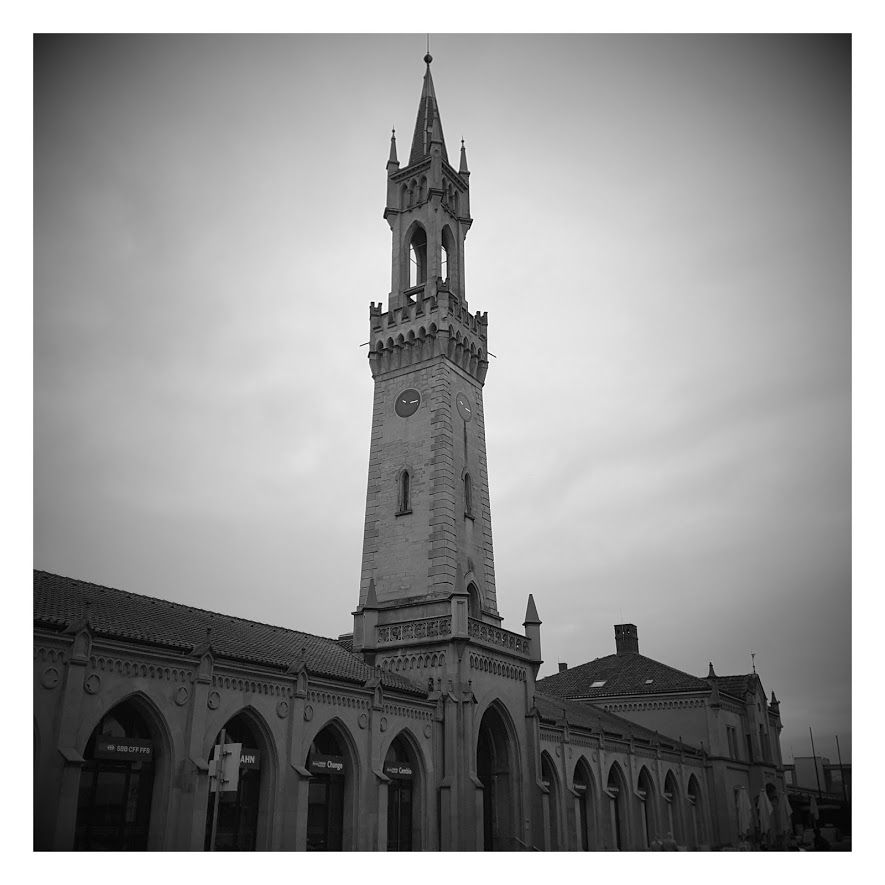
To be honest, I could not think of the perfect blog title to capture my emotions when I think about the new clock tower that adorns the main train station (Hauptbahnhof) in the south German city of Konstanz:

The bit that causes me the trouble is the clock on the tower – it’s fully electric!  Those hands you see are in fact LED lights – and if you get close enough, you can even see a little “second dot” that moves around the display.

I don’t know the story of this tower – who designed it, and whether people like it.  For me personally, I have both positive and negative emotions – and maybe that was what the architect was trying to inspire?

Trees in the Heath

Nestled very deep within Germany’s Schwarzwald, and high on a hill, stands a lonely windmill that generates electric power and sounds like whoosh whoosh whoosh as the blades turn slowly in the fog.

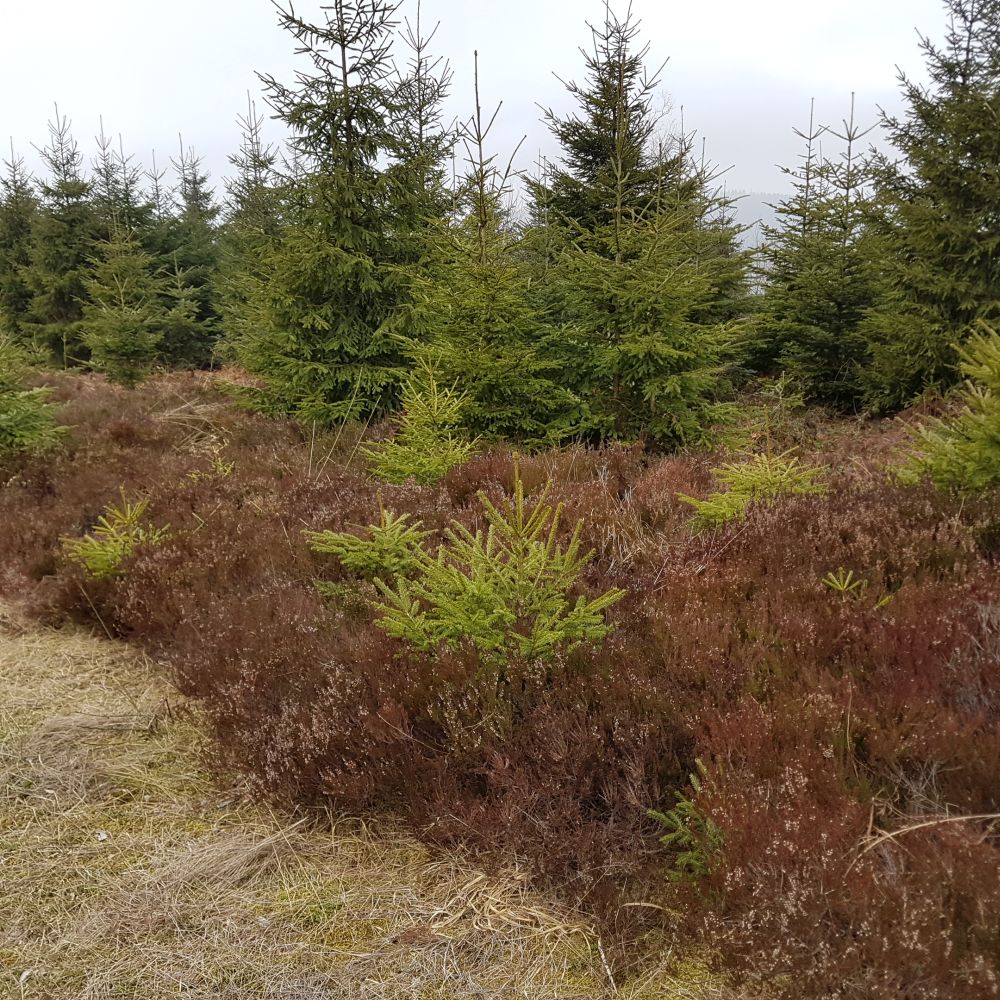
The amazing thing is not this tower at all, but what lives at its base: a field of heath from which Christmas trees seem to be growing randomly:

What’s amazing about this is that, in general, Germany’s Black Forest is now a carefully maintained forest. The original forest trees were harvested many centuries ago, and the trees you see today were all planted by conservationists.  So it is quite amazing to see a little spot like this where the trees seem to be growing on their own!

Stadtmauerente?

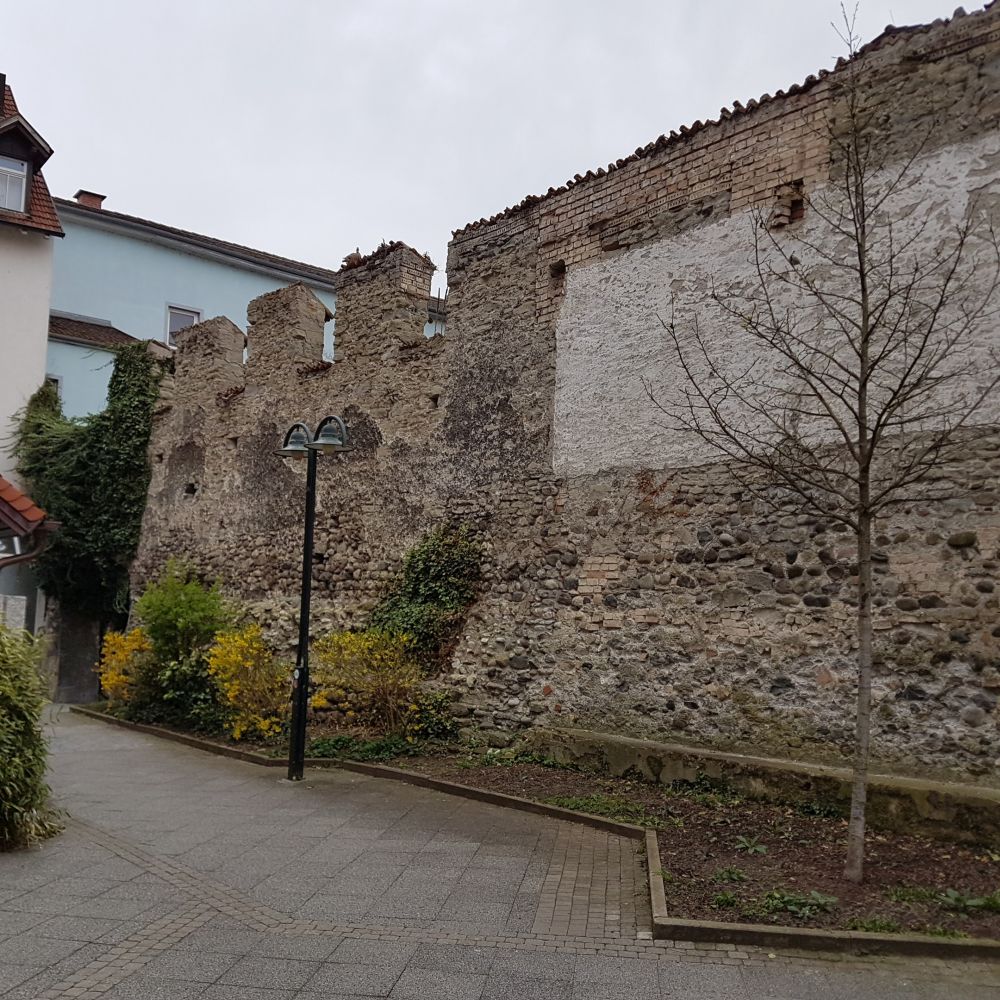
Here’s something you don’t see every day.  This is the medieval city wall of the city of Konstanz, also known as the Stadtmauer (the wall, not the city):

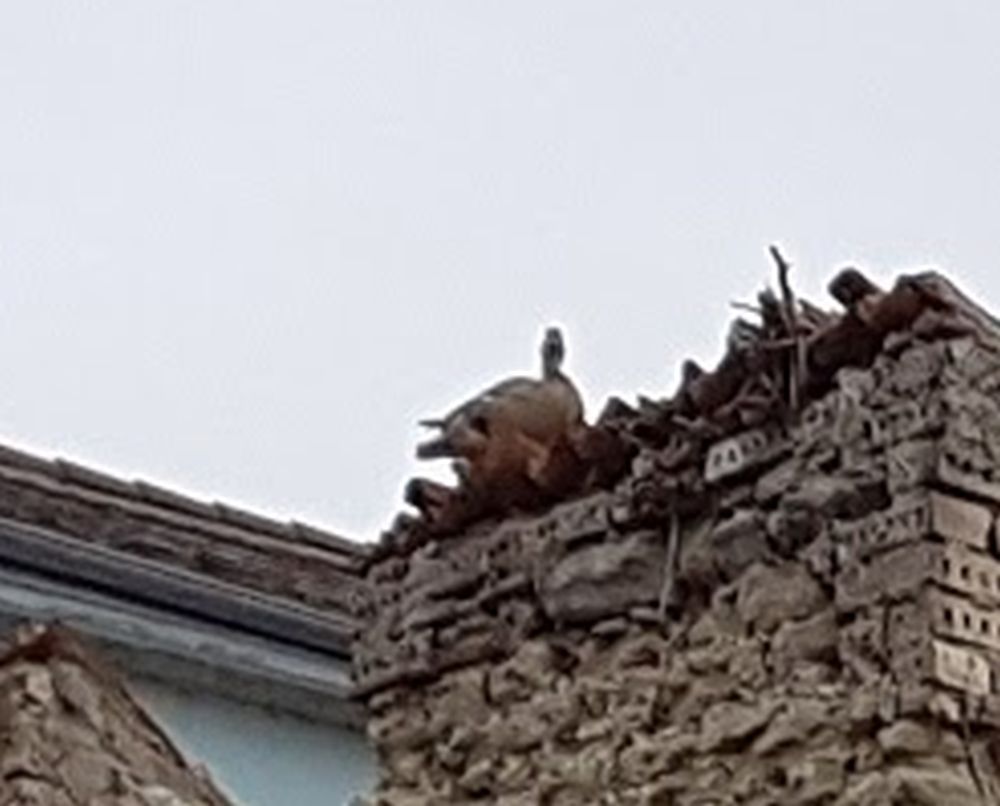
That’s not the amazing bit.  The truly amazing bit is way up on top: a female mallard duck that looks like she is roosting there:

Even if she is not roosting there, it is still an amazing site to see a duck perched high on a monument, like a stork or a pigeon!

Darth Vader Houses in Germany’s Black Forest

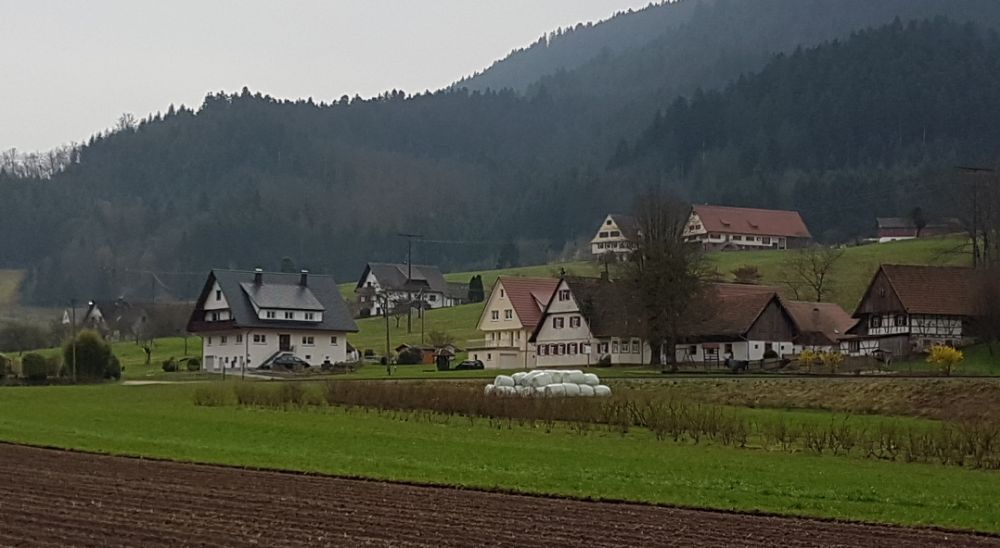
The Schwarzwald, as well as many parts of Switzerland, is filled with houses that remind me strongly of Darth Vader’s helmet. I wonder if this was just coincidence, or whether George Lukas was influenced by these when he designed his character in the 1970’s?

I don’t know specifically about these houses in Germany, but I’ve seen similar ones in Spain designed in this way for a special purpose. During the winter, the animals were housed on the lower level, and the inhabitants lived above the animals. In this way, the heat generated by the animals would rise and keep the occupants warm:

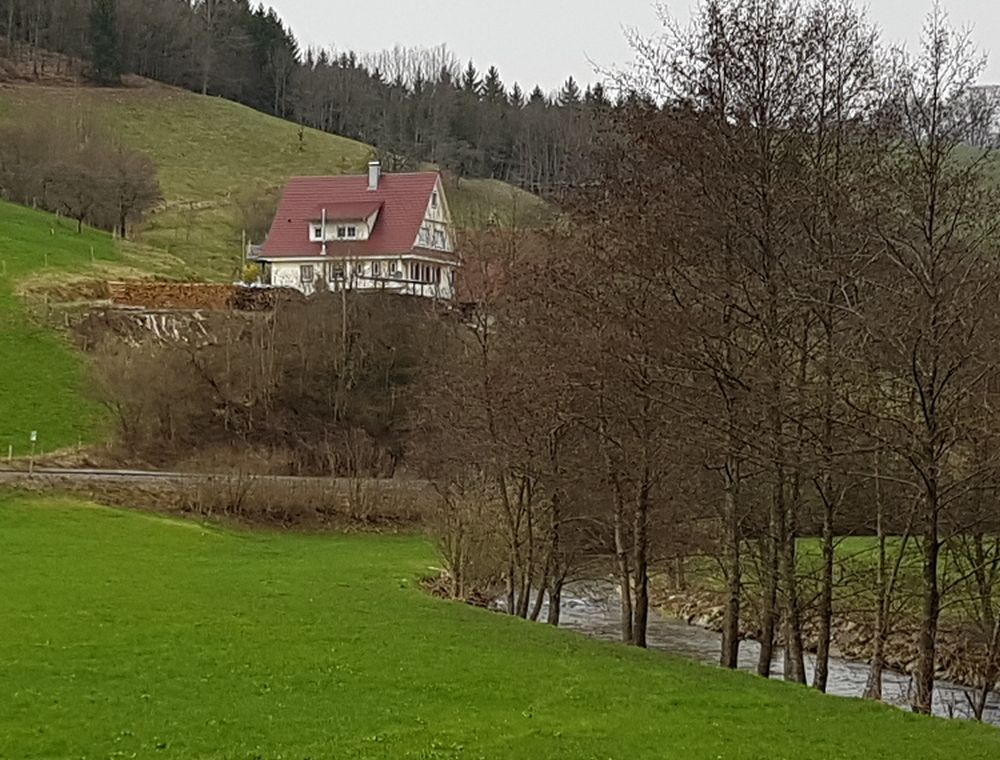
And here without the Darth Vader look is a house on a hill, deep in the Black Forest, near a creek called the Ibach.