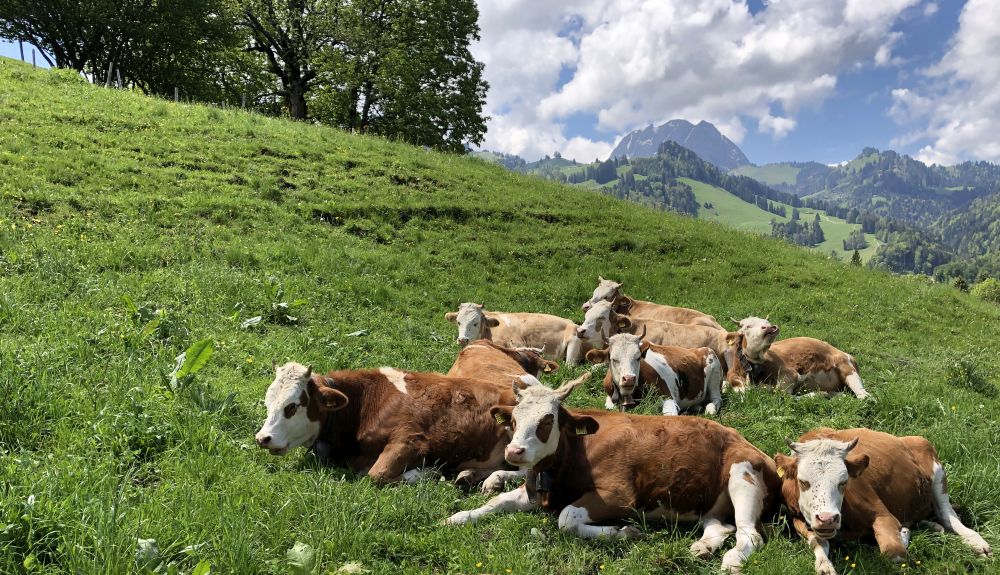
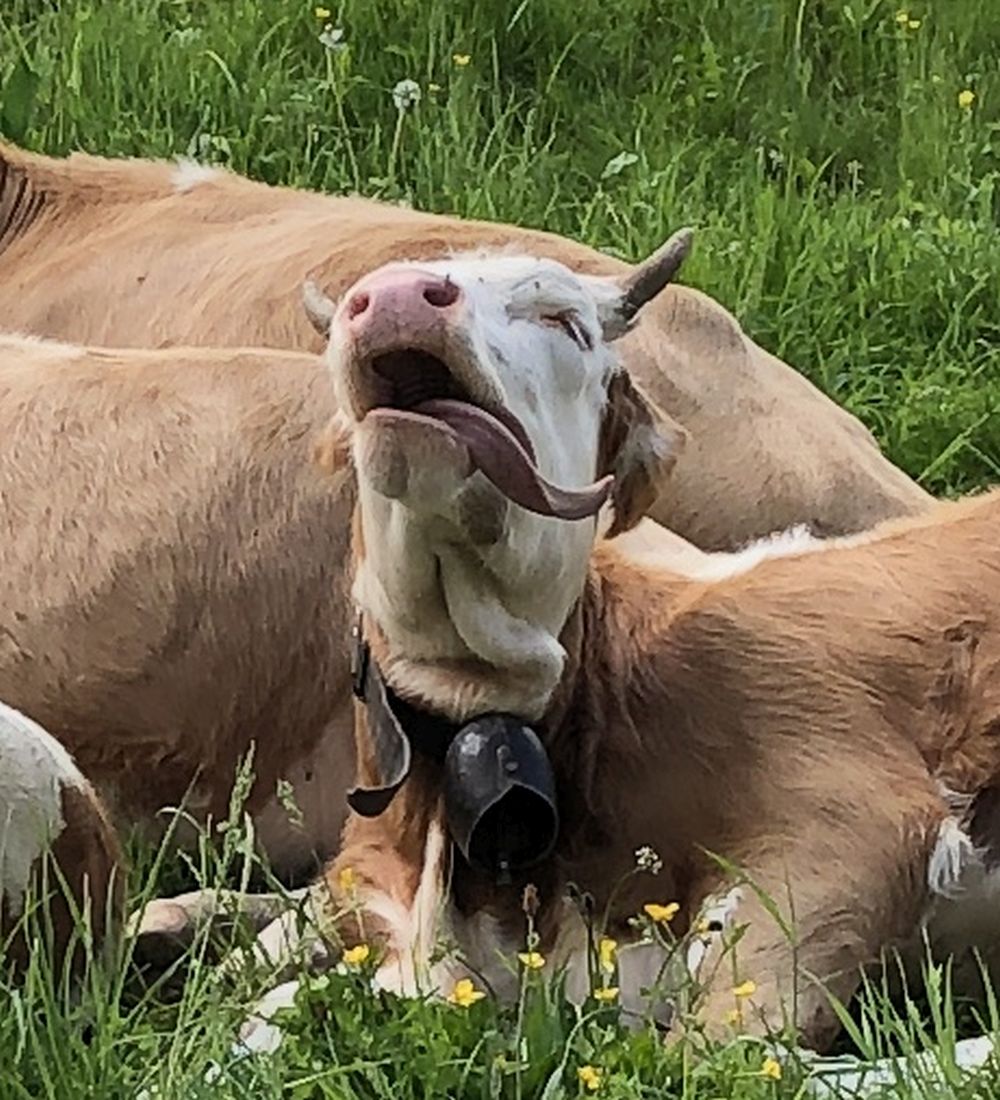
Gruyères cow

A mathematician would say it like this: If C is the set of all good cows, and B is the set of all bad photographs, then the intersection of C and B is the empty set.  But it is easier to just look and see, as I tried to catch the combined emotions of satisfaction and self-indulgence in this cow, just freshening up after a busy day of chomping on fresh, Gruyères grass shows:

Swiss Grass

Switzerland is the land of cheese – well, it is the land of plenty more things than just cheese, too, but you have to give the Swiss a lot of credit for their cheese. And to take a lot of credit for their cheese, they need a lot of cows. And to keep a lot of cows well fed in the winter, they need a lot of grass.

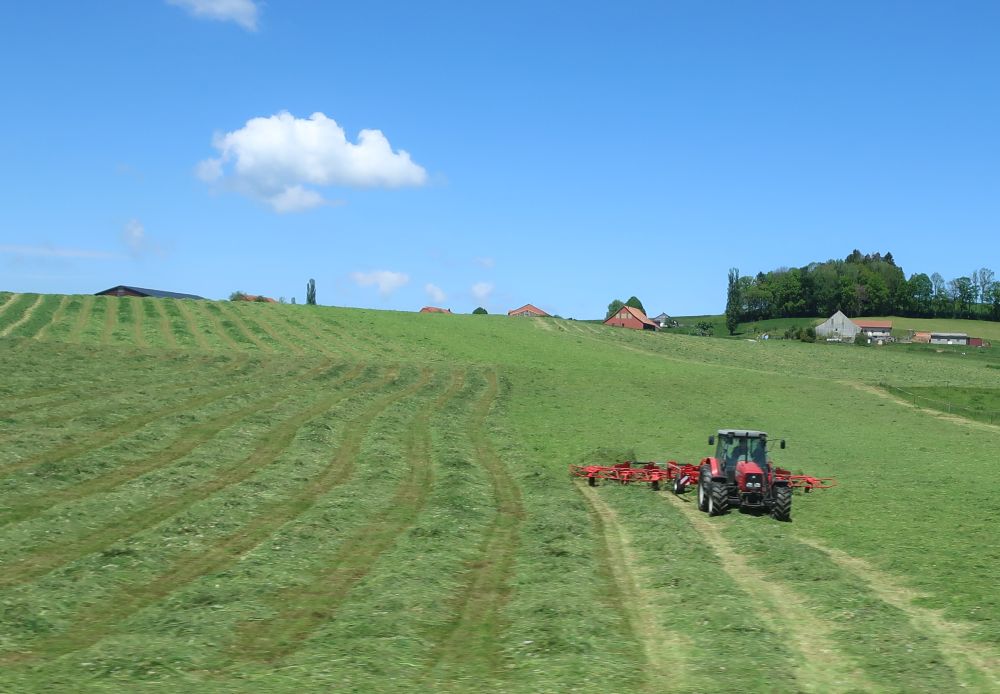
So sights like this are a common one all over Switzerland in the warm summer months, as the farmers ensure their clipped grass dries thoroughly in the sun:

Tractors themselves are amazing, amazing things, and there are literally hundreds of different attachments that farmers can buy. Because I lived for nearly a decade in America’s farm land, I knew many farmers and I got to know a thing or two about tractors: this tractor above is pulling a so-called rotary rake. I’m afraid I don’t know what it’s called in German.

The amazing, incredible European Giant Sequoias – Bodensee

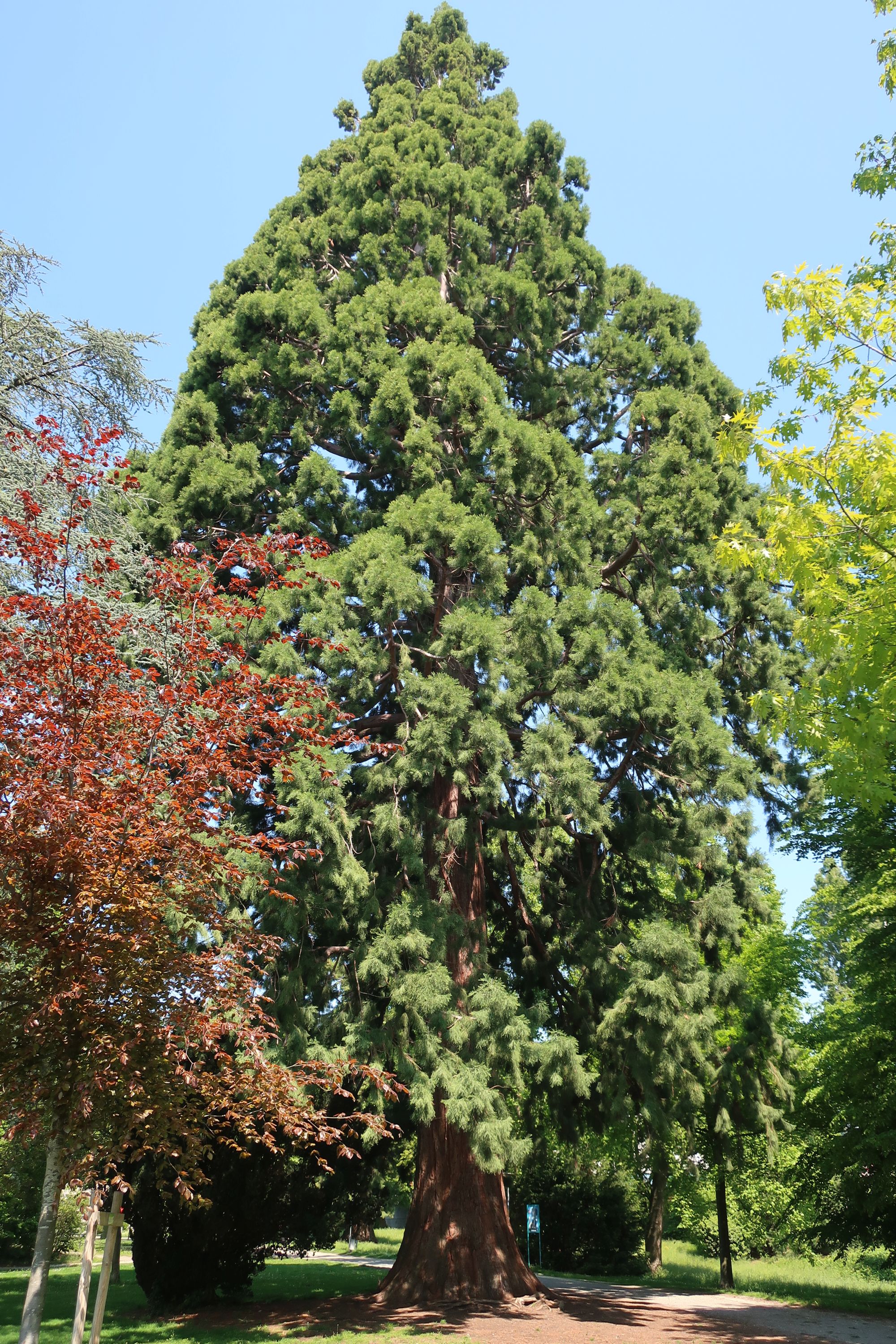
Giant Sequoia trees, which also have the amazing Latin name Sequoiadendron giganteum, are amazing amazing things. They can grow to hundreds of feet tall, weigh many thousands of tons, and live for many thousands of years. And what’s more amazing, there are quite a number of them that have been born and raised in Europe!

Here’s a Giant Sequoia that I spotted in Germany in a park next to Lake Constance, also known as the Bodensee.

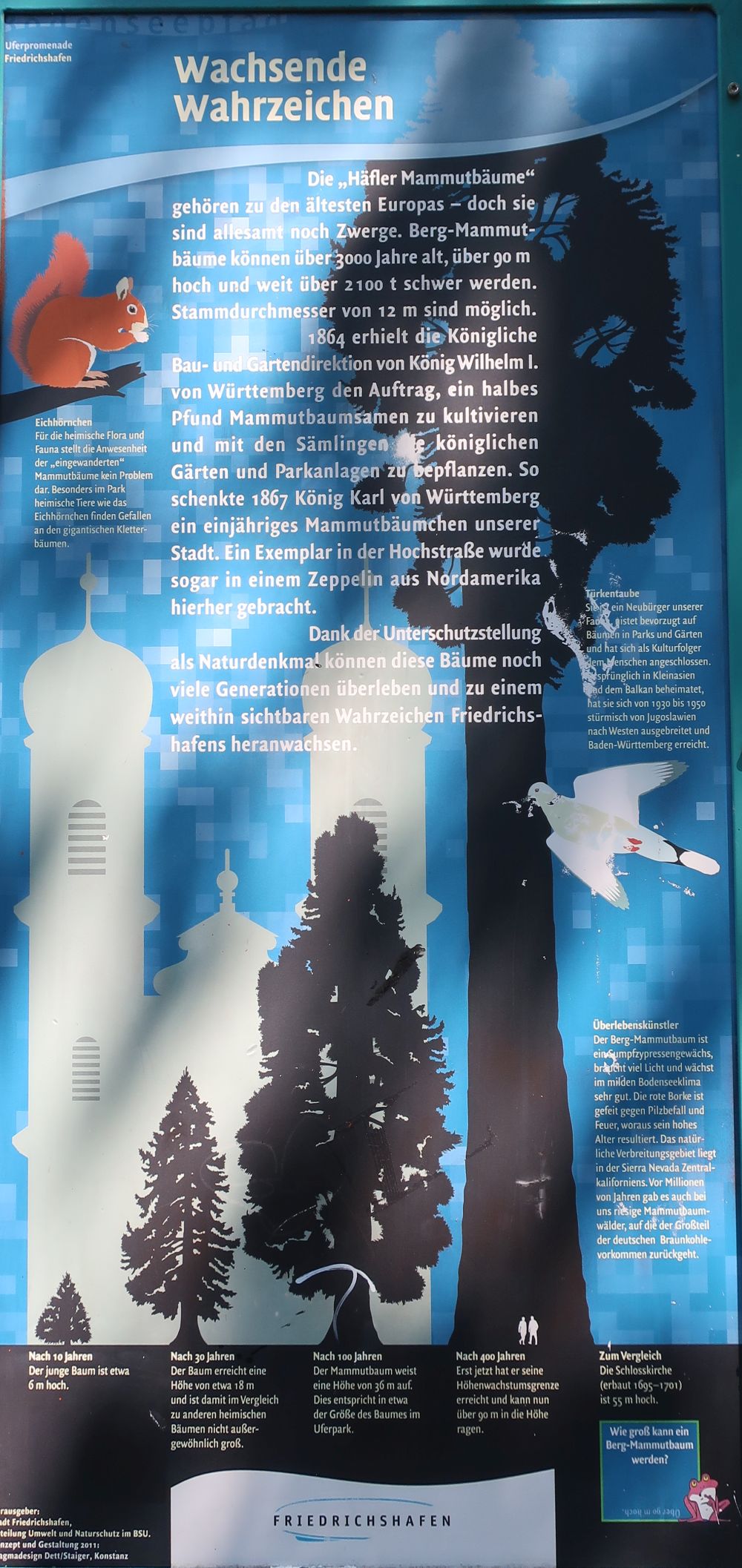
But as this sign describes, planted in 1800’s it is still just a baby.

Sadly, I am a big believer that mankind will be unable to stop climate change, so I have no hope that this fellow will live to reach anywhere near its limits. Even the natural-born Giant Sequoias of Northern California are classified as an endangered species and are under massive threat due to the increased temperatures and reduced levels of rain and moisture in the air.

Gothic Sail Spray

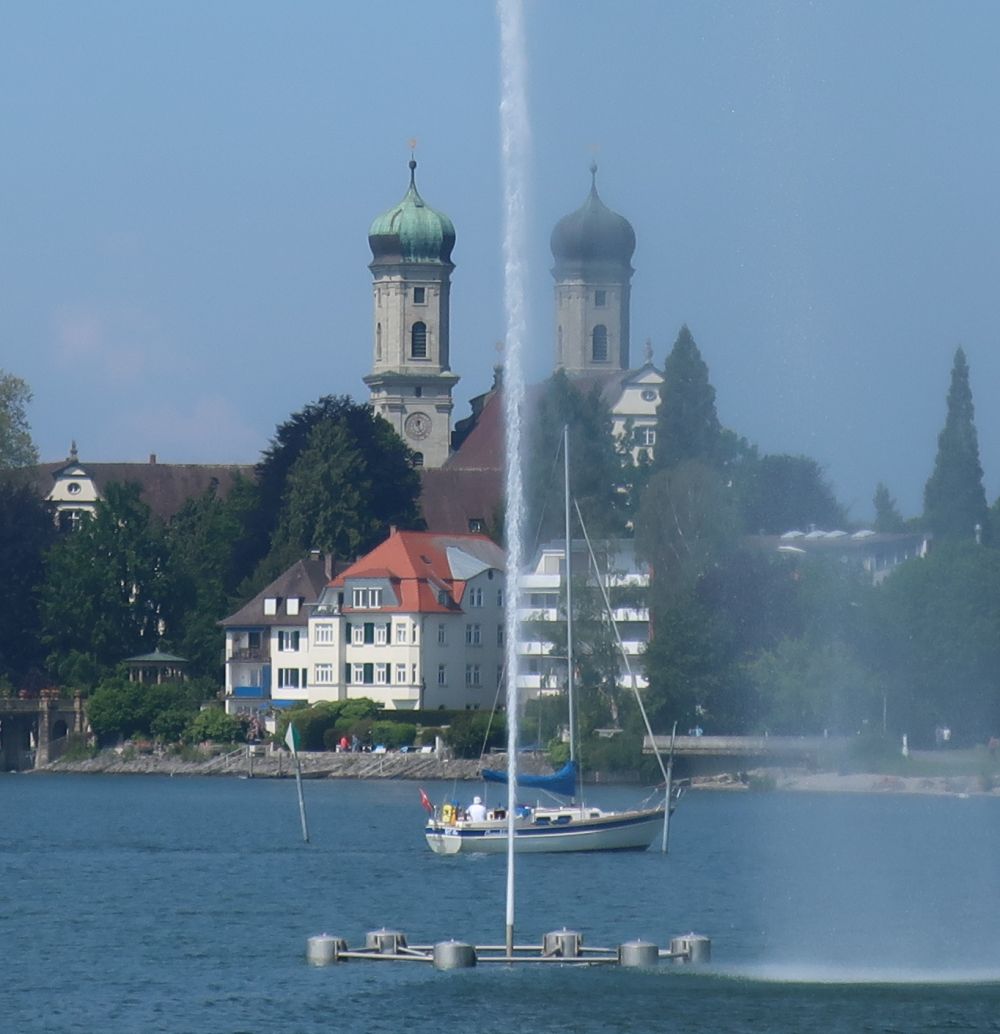
I waited quietly and patiently in the hot South German sun for that perfect opportunity, when three separate streams of fate briefly came together for an instance and then went again on their separate journey through life. But for just an instant in time, the Gothic Towers and the sailboat and the water spray were merged together as one:

FAKE: Water Tower

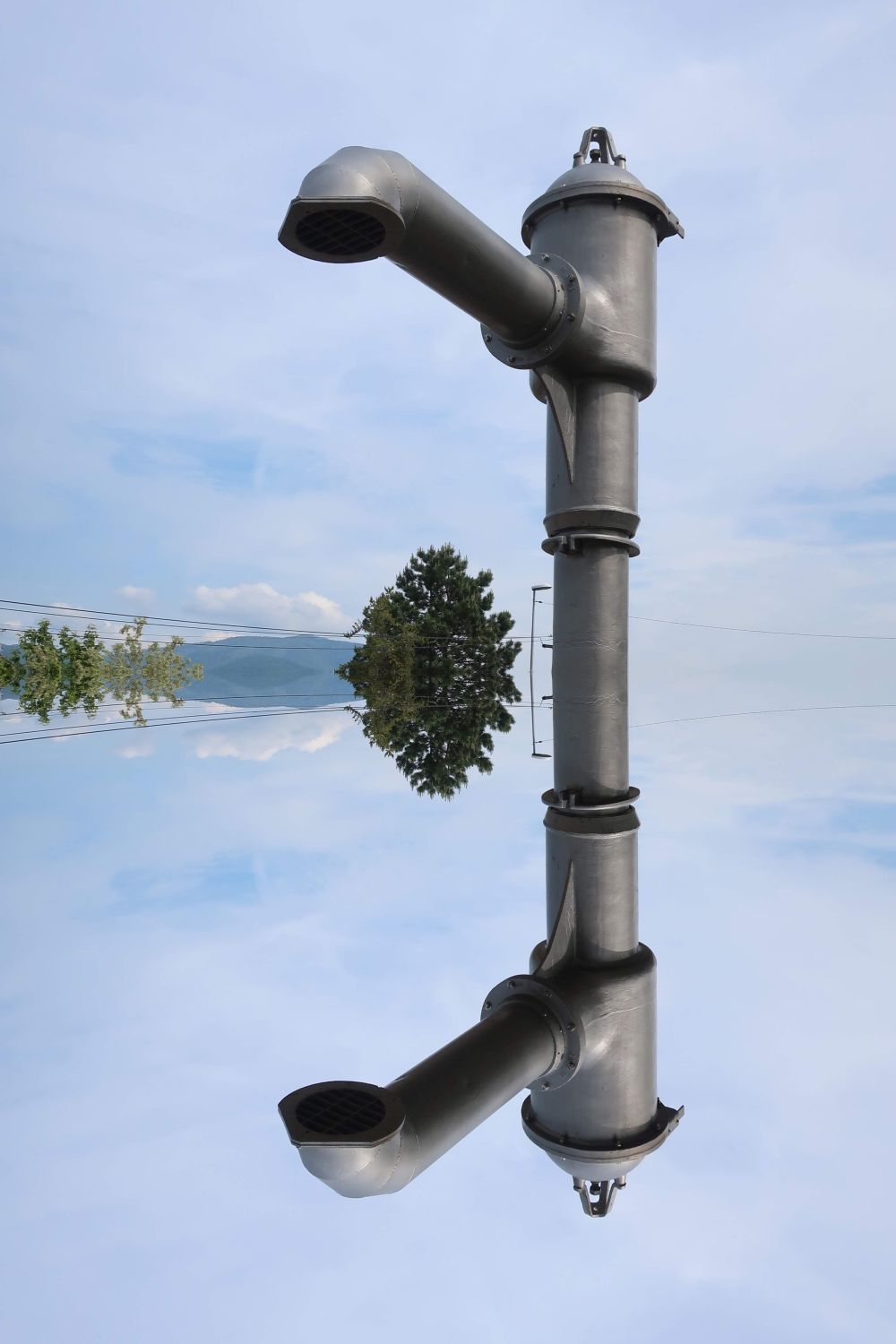
I was pretty impressed with this impression of an antique water tower – used for filling steam trains – and it reminded of some of the work of M.C. Escher, who was known for hanging objects in empty space.

Just for the record: the photos I post are never in any way retouched or enhanced or changed – except for cropping.

But in this series of blog posts entitled FAKE I publish some rather interesting images I have enhanced in some way.

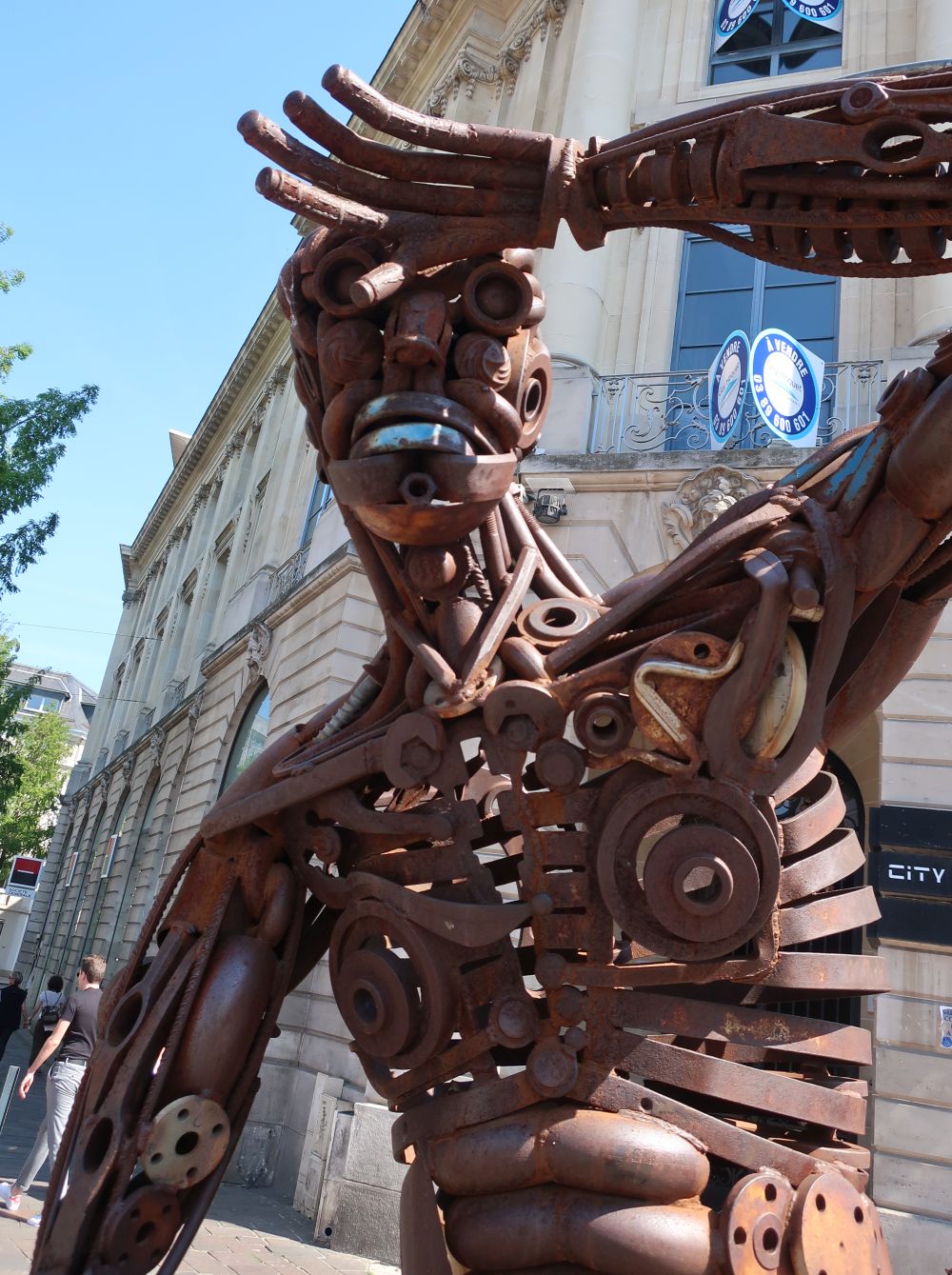
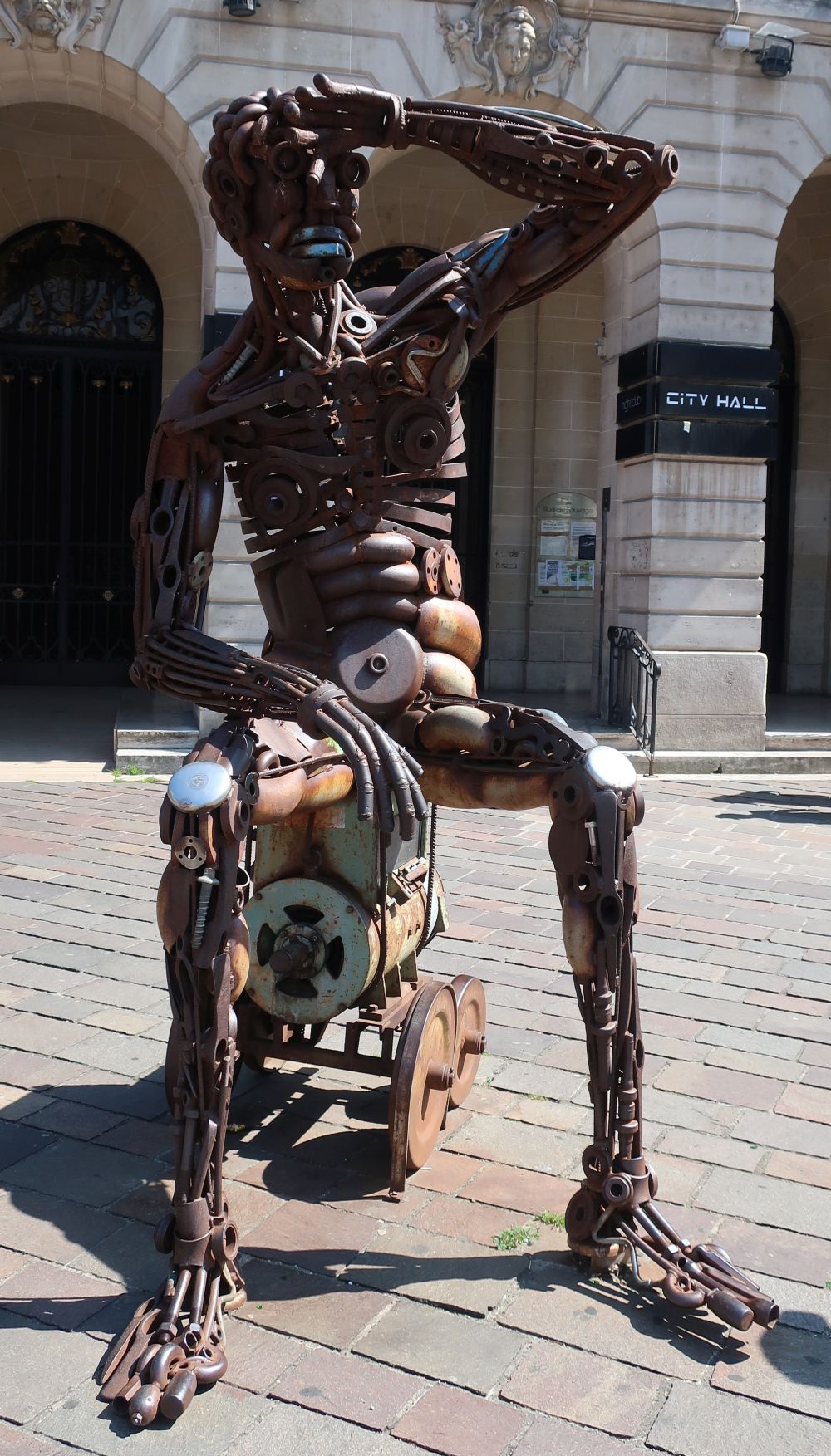
Two views of the amazing Iron Man in Mulhouse

A common sight for visitors to the Alsacian village of Mulhouse, it’s always been completely unclear to me: is he wiping oily sweat from his brow, screening the sunlight out of his eyes, straining to see a friend at a long distance, or just sitting in contemplation?

It could be exactly that ambiguity of emotions that the artist was trying to convey.

And that’s exactly the problem with art!  It could be the artist was going for just one of these emotions, but missed the mark and now left us all wondering!

For successful systems, debug the people problem

In the field of IT you may think things change fast, but the timeless principles really don‘t change at all.

If you don‘t believe me, just read on and I guarantee I can convince you otherwise!

In September of 1974 my father was editor of the world‘s first magazine dedicated to computers. This was long before the days of personal computers and smart phones and cloud computing. He wrote an article that I used as the title for this blog.

I‘ll reprint a few paragraphs here – and I send out a challenge: this article was written 45 years ago, and you tell me if it doesn‘t still apply – word for word – to the IT industry today!


For successful systems, debug the people problem

By Charles N. Ritley, September 1974

As executives are discovering that turnkey computer systems can solve their paper problems, they‘re also finding out that a brand new computer can bring with it a new set of problems – people problems – that could diminish the advantages they paid for. Professional systems analysts are aware of people problems that arise with new systems and plan for them. The executive installing his first system will profit by knowing the potential problems and how to cope with them. His reward will be a smooth running system, and good customer and employee relations. Plus, he‘ll get all the computer power he paid for.

Why people?

A system is simply a means of receiving information from one group of people and preparing it for another group. Now matter how sophisticated the hardware becomes or how many jobs it eliminates, a computer system still requires people to create, process, and use the information. Fear of the unknown is one universal problem that can‘t be solved electronically. Your new computer will change job structures; it will take over routine work now being done by people. Your staff is going to wonder how their jobs will change, and wondering and worrying will make them less efficient.


To read the complete article, please click here.
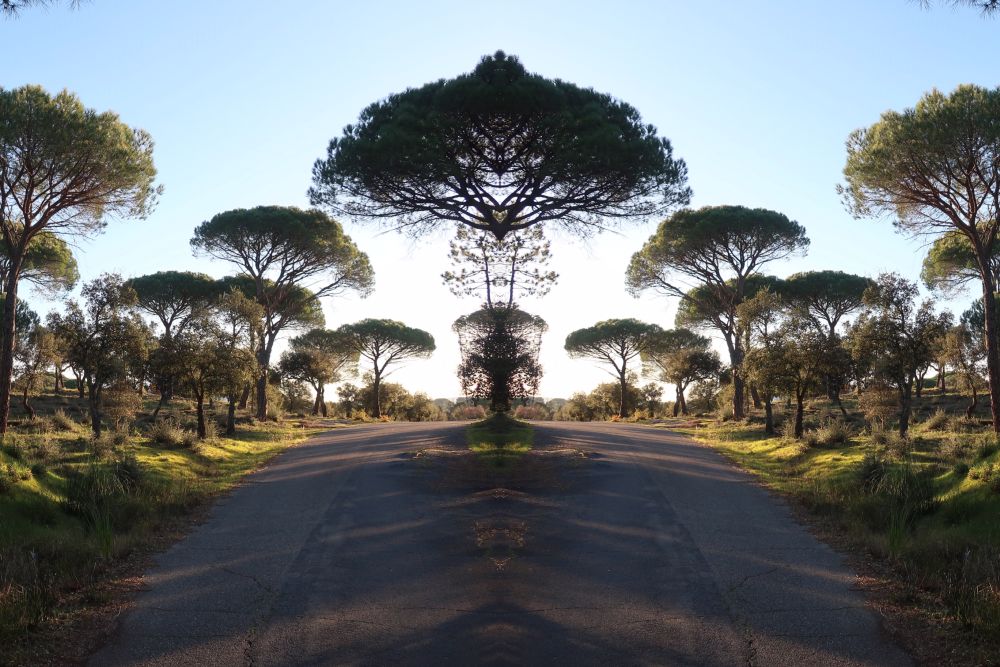
FAKE: Umbrella pines

I was pretty impressed by this modified snap of some umbrella trees in Provence:

Just for the record: the photos I post are never in any way retouched or enhanced or changed – except for cropping.

But in this series of blog posts entitled FAKE I publish some rather interesting images I have enhanced in some way.

Kensington

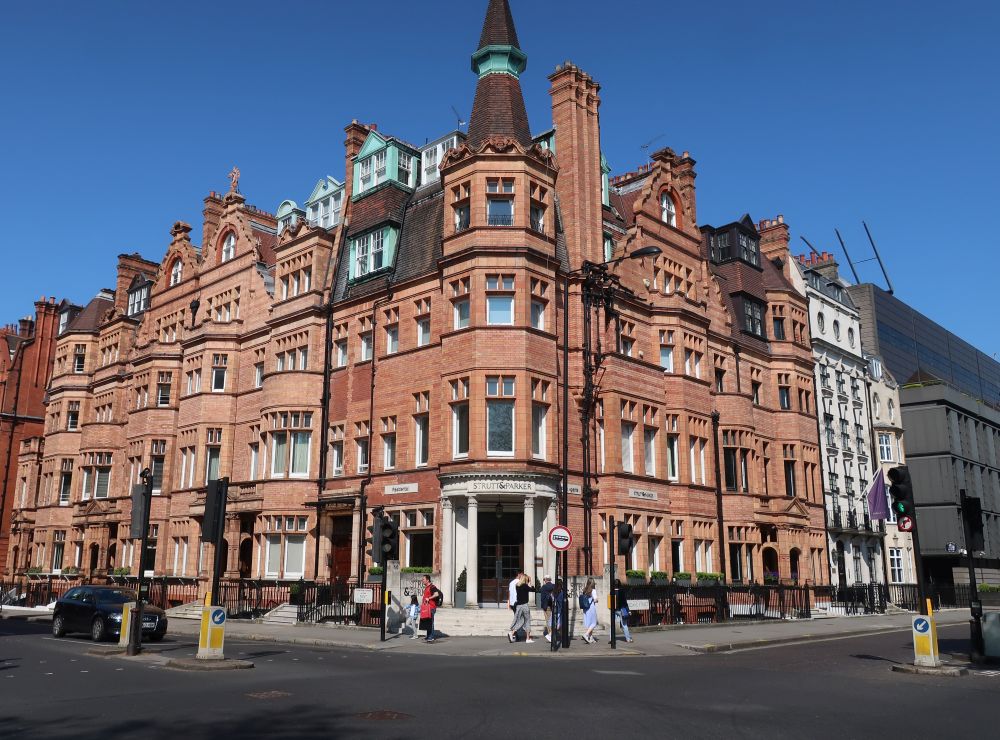
Here’s what I thought was a wonderfully symmetric snap of the very posh Kensington area of London, just a few blocks from the world famous Harrod’s department store:

What I don’t know about London, but which is generally true in many German cities: when the style of the building suddenly changes from very old to very new, such as it does here on the right, usually that is an indication of bombing in World War II.

The truly unbelievable “Jester Fountain”

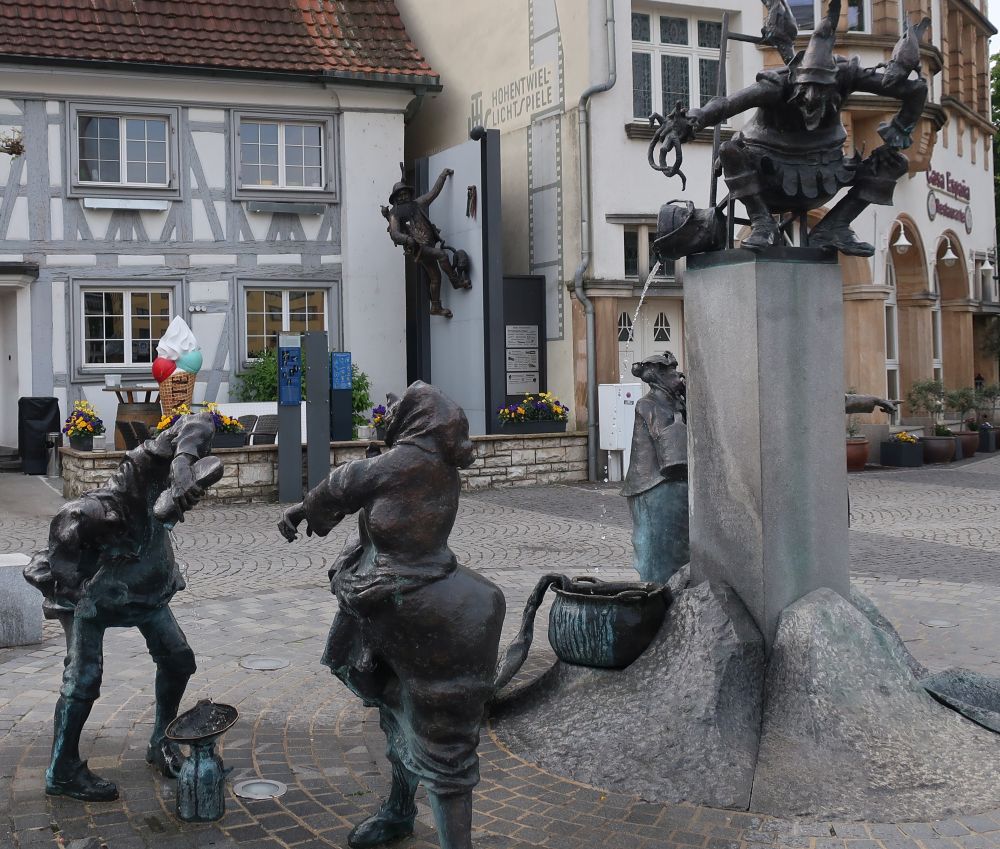
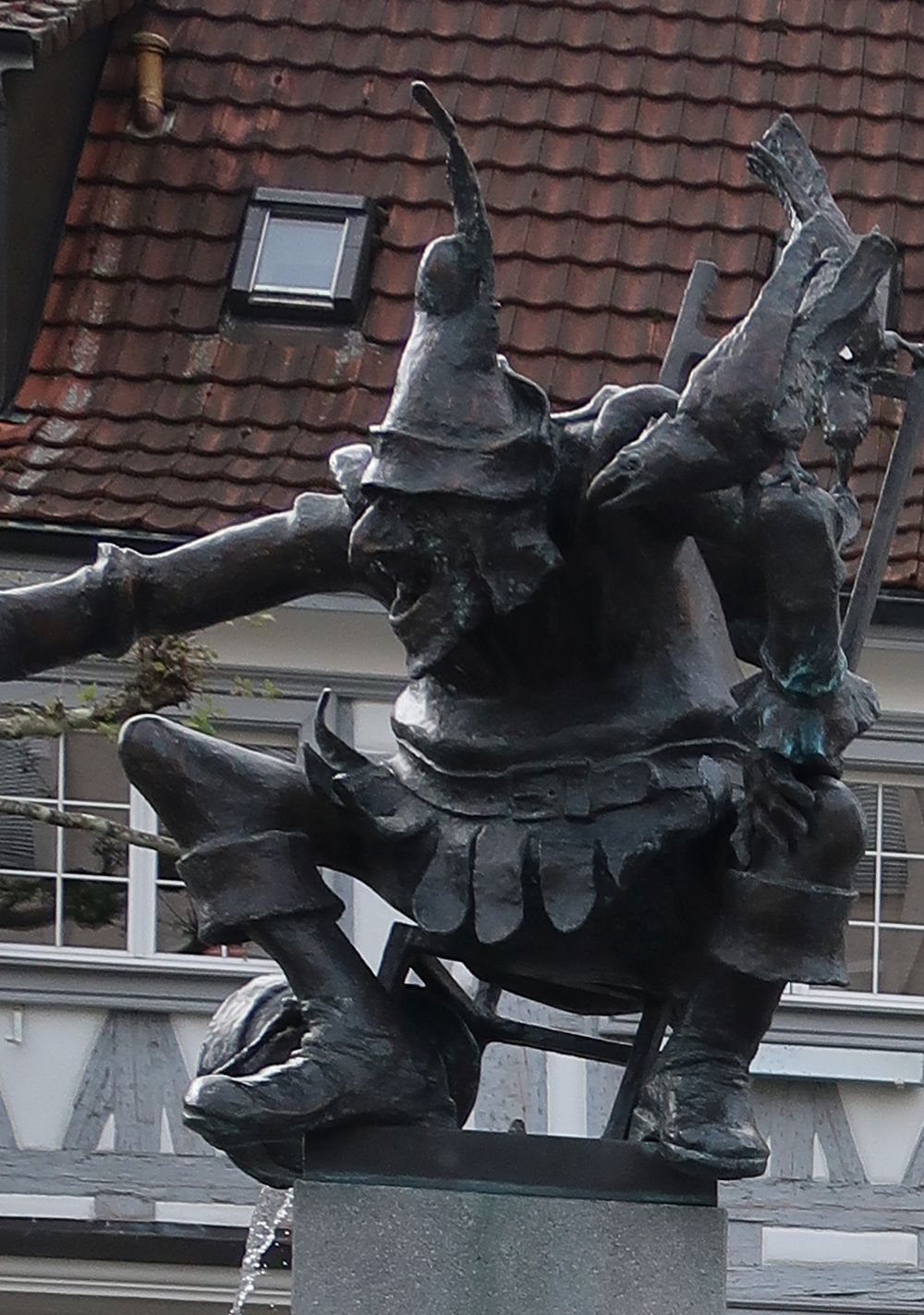
I don’t travel to Northern Germany very much – so it’s hard for me to make comparison – but at least most of the Southern German towns and villages are filled with truly incredible works of art.  Here is another stunning example from the town of Singen am Hohentwiel, the Narrenbrunnen:

Jesters, or Narren in German, have played a preeminent role in German culture for centuries – and in Southern German, they are celebrated every year in centuries old Pagan rituals such as Faschnacht. These are not just random characters thought up by the artist; in fact, each and every figure is a well-known Narre for the inhabitants of that village, kept alive in the yearly celebrations, complete with stories and a history rooted in true historical events and dating back centuries.

Very well known to the local inhabitants of the town of Singen, here is the Narrebolizei:

And here is the Poppele:

Since it is really these yearly Pagan celebrations that keep these Jesters alive, you can read more about them here.

Hidden canals #5: Spanning the Röstigraben

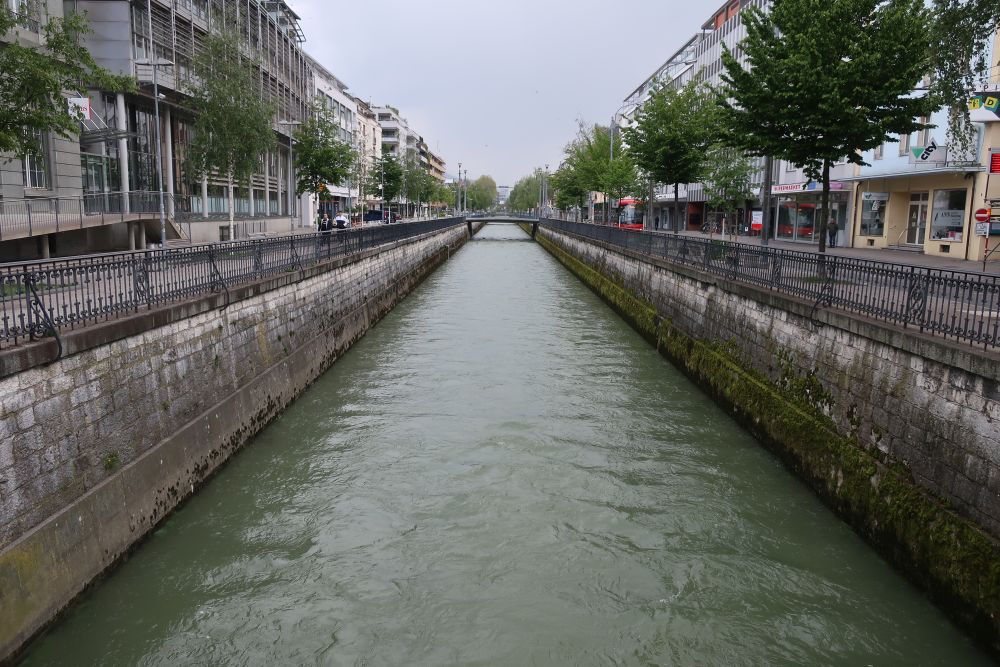
Continuing the series, this is a very interesting snap for two reasons and three directions!  The first reason, direction to the left, denotes where the German speaking half of Switzerland begins. The first reason, but direction to the right, denotes where the French speaking half of Switzerland begins.  And the second reason, direction down under, is a hidden canal you cannot see!

But to prove there is really a canal here, as is my usual custom, I simply turn 180 degrees and take the following snap:

The boundary between the German speaking and French speaking sections of Switzerland is often known as the Röstigraben. Rösti (the Swiss version of American hash browns) is a famous dish in the German section of Switzerland, and Graben is a very old German word meaning moat.

The Old City of Jerusalem, from the Mount of Olives

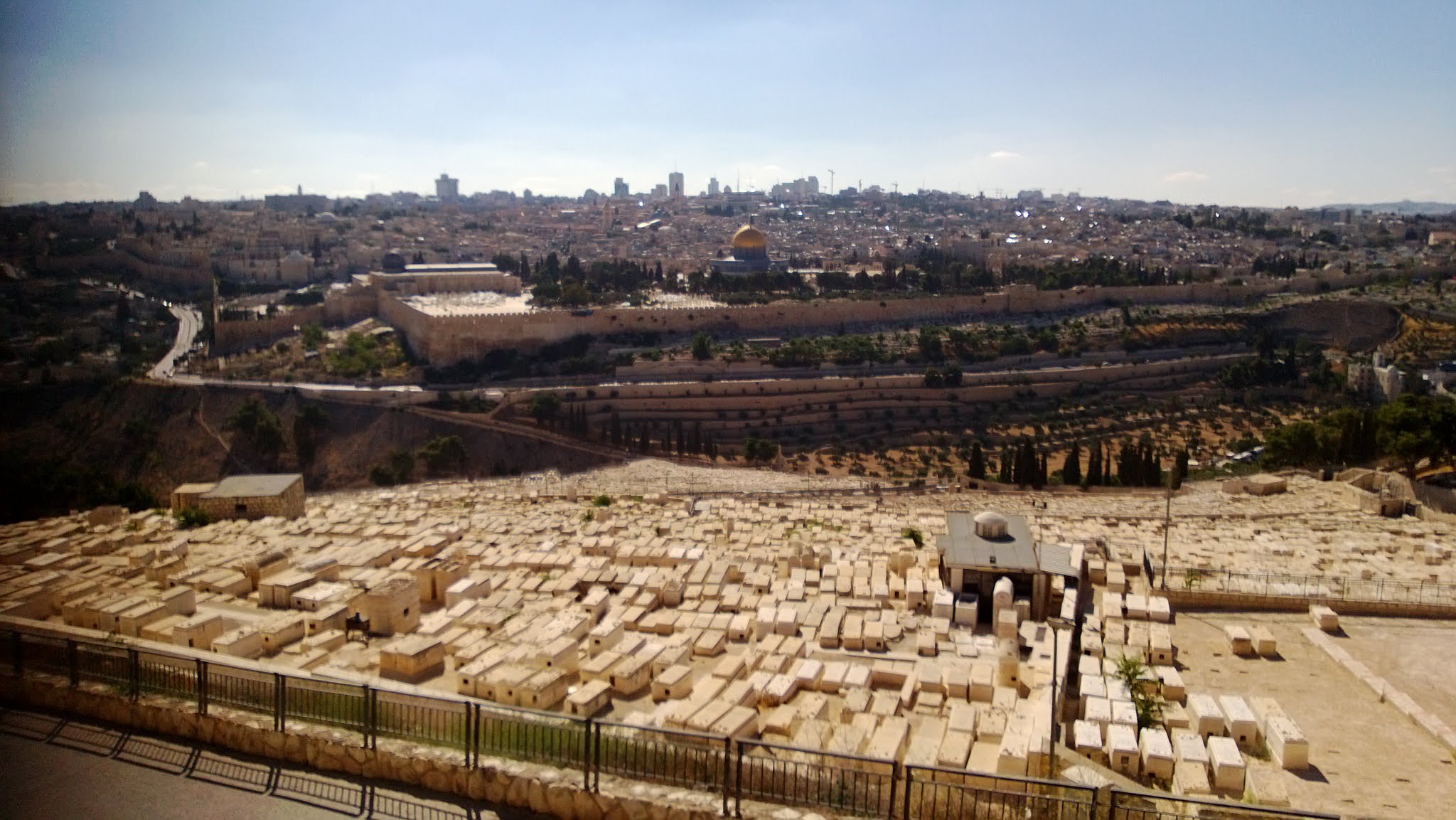
The Old City of Jerusalem, with the bright golden dome of the Qubbat As-Sakhara mosque (also known as the Dome of the Rock) as seen from the nearby hill called the Mount of Olives:

The many stone graves are supposedly on a waiting list to be buried, and if you look hard enough you can see little pebbles on the top of them, which is a Jewish custom akin to putting flowers on a grave. Interestingly, nobody really knows where exactly this tradition developed or what exactly it means.

The amazing Chapel of the Ascension

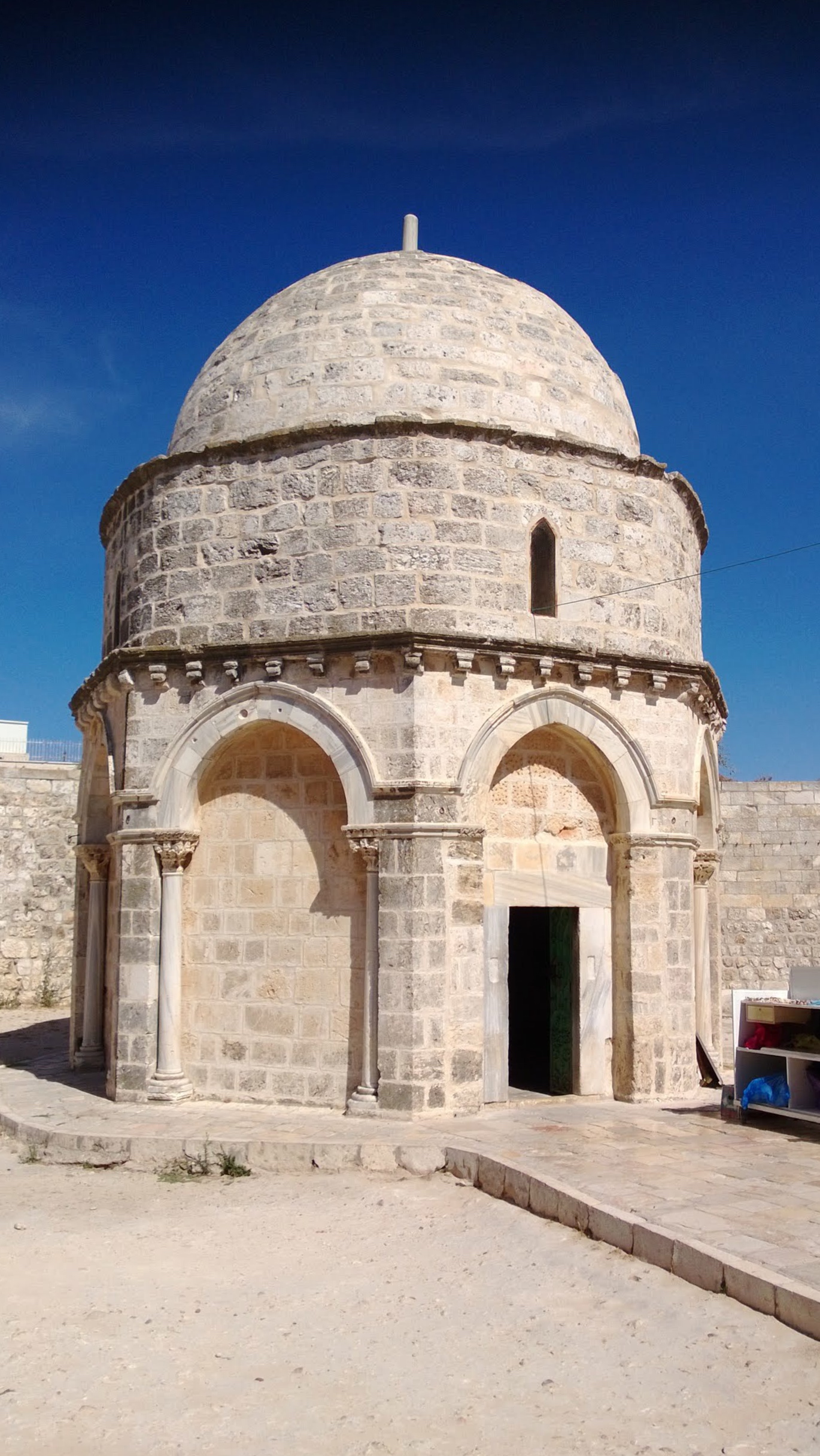
Jerusalem is an amazing, amazing place. Just outside of the Old City, on the Mount of Olives, sits the Chapel of the Ascension,

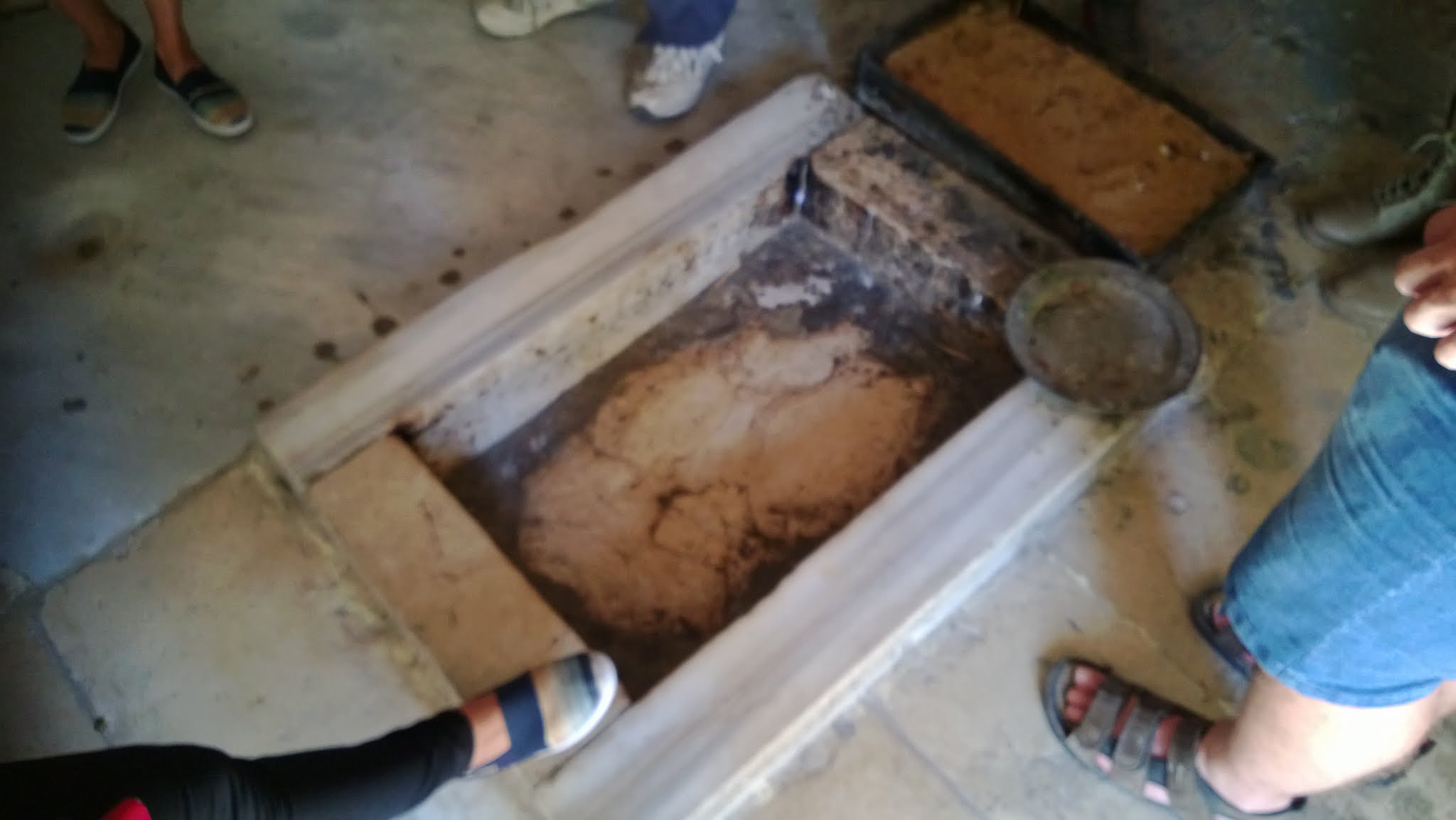
This building, also called an Edicule, covers a small rock outcropping that the Christian faithful believe to be the right footprint of Jesus, etched into the stone as he ascended:


FAKE: Royal Mail sentinals guard an English village

I’m continuing the series with this image of what looks like two mailboxes in the quaint English village of Welwyn Garden City. I transformed it using an incredible iPhone application called MRRW (“mirror”):

Just for the record: the photos I post are never in any way retouched or enhanced or changed – except for cropping.

But in this series of blog posts entitled FAKE I publish some rather interesting images I have enhanced in some way.

Pause powers performance

A friend of mine is an IT engineer-turned-HR-consultant, and he summed up leadership in a single word:  SEXY:

  • S = Strategy
  • E = Empathy (for others)
  • X = Execution
  • Y = Yourself (know yourself)

My take on this, not his: S and X are up to you – but E and Y are what‘s in you and probably beyond your ability to significantly influence.

I‘m not a big fan of self-help books about leadership, precisely because E and Y are so out-of-reach, but recently a colleague at work put me on to a book written by a friend of hers. This is Kevin Cashman:

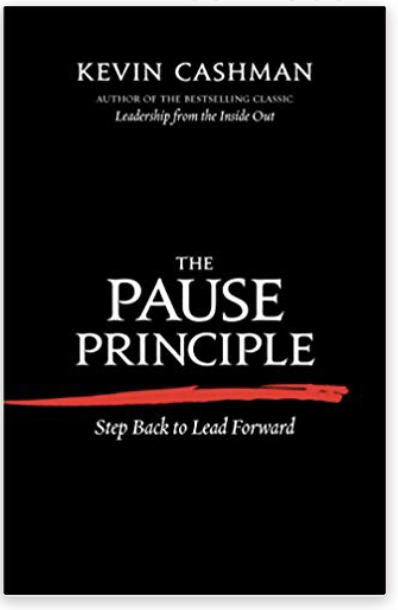
And this is his book, The Pause Principle:

In a nutshell, quoted from the book: The Pause Principle is the conscious, intentional process of stepping back, within ourselves and outside of ourselves, to lead forward with greater authenticity, purpose, and contribution. This book focuses on X (Execution) and not one of the SEXY attributes more difficult or impossible to control. In many ways it reminded me of the survivalist Ray Mears‘ advice if you get lost in the woods: don’t panic or take immediate actions but rather sit down, use your bushcraft knife and firesteel to make a fire and brew up a nice cup of pine needle tee; and only then think about what you‘ll do next.