Gordes from below

In a separate blog post I’ve shown the medieval French village Gordes from above, and here it is looking up from below:

I never re-touch or edit my photographs in any way, except a bit of cropping – so I’m always pleased when I capture magnificent blue skies like this that get pale near the horizon.  (That’s not a polarization effect, just the usual “blue sky” effect coupled with a progressively deeper slice of atmosphere as you get near the horizon: more air = more scattering.)

Village in Provence

I seem to keep coming back to Provence, year after year, because I just haven’t yet had my fill. You can take leisurely drives anywhere and encounter stunning sights like this village, whose name I never even stopped to record:

I took this magnificent snap around Christmas time. It was a nice 20C in Provence while Switzerland was dark and covered with snow.

Château de Tarascon

I love touring around France in out-of-the-way places that tourists have never visited or likely never will. And the most amazing thing about Southern France is that even the tiniest towns have magnificent relics. Far from any place you’ll see tourists sit two villages on opposite sides of the Rhone River, Beaucaire and Tarascon.

And you can’t find anything more “castley” than this, the Château de Tarascon:

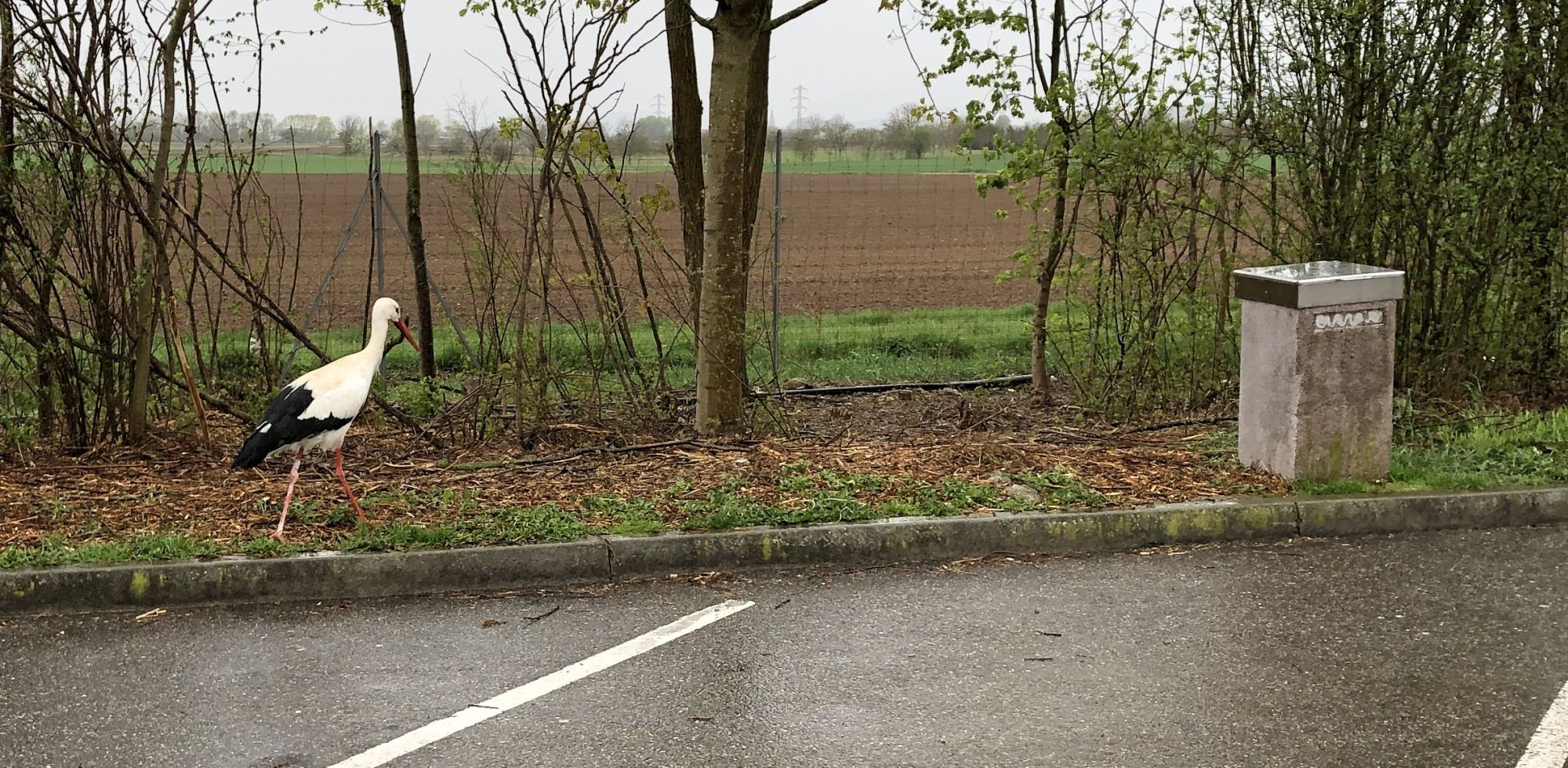
Getting a narcissistic stork to finally eat a bit of ham

The storks that like to hang out at the Alsatian highway rest areas in Eastern France must surely be narcissists, because they let humans get quite close and watch them, but they always refuse to eat just about anything you might toss out. In fact, they sort of parade around with a certain stork-arrogance, strutting about in their very arrogant stork-like way but otherwise ignoring the humans altogether.

Until now!

Although this snap doesn’t capture it, I fed this stork a piece of ham (Schinken) I found, and he scarfed it down.

I don’t have a bad feeling because I think he already set his sights on the ham before I got there.

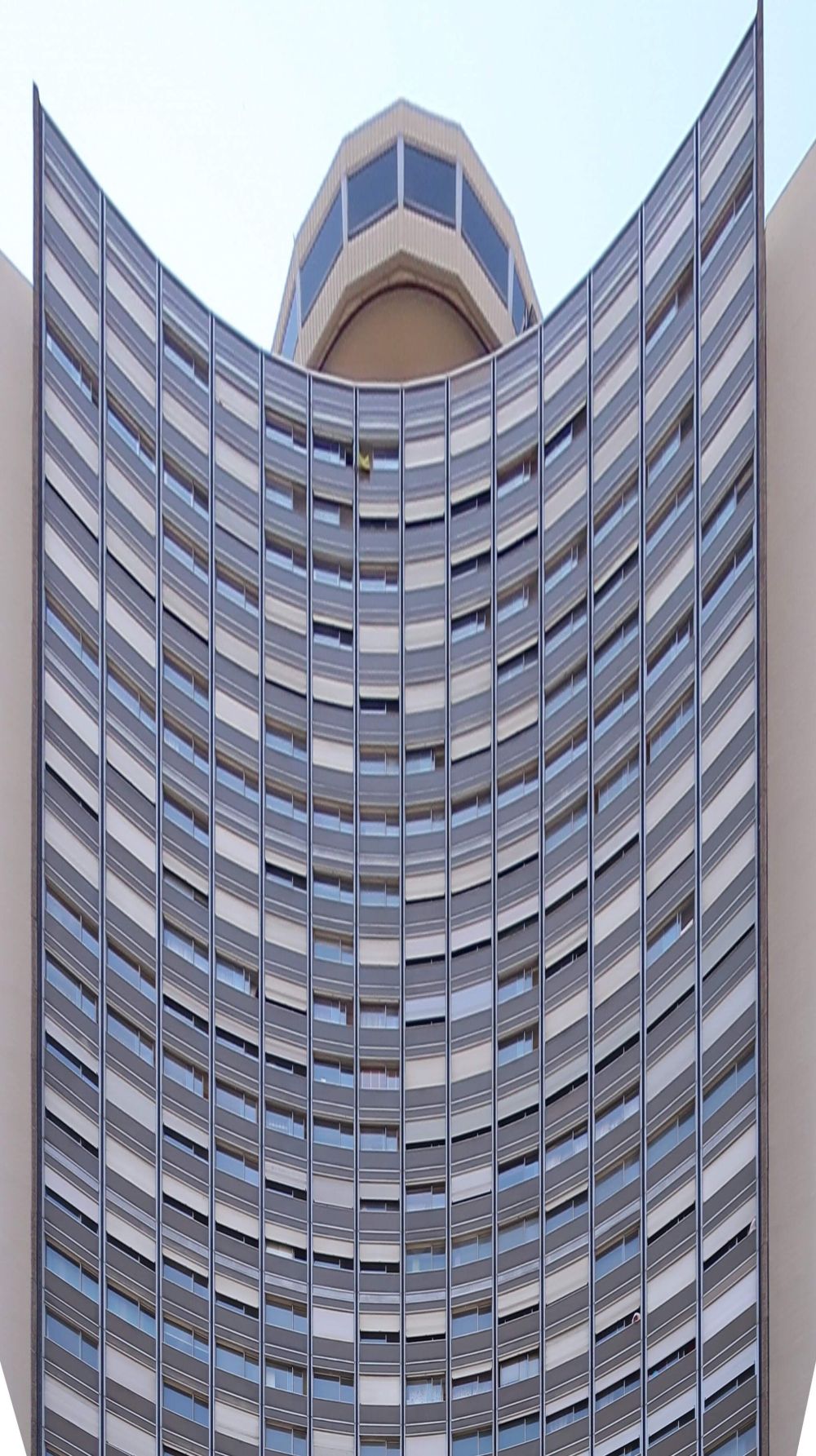
FAKE: Porte Jaune Unstretched

I was pretty impressed with this view of the Porte Jaune building in the downtown area of the Alsacian village of Mulhouse:

Just for the record: the photos I post are never in any way retouched or enhanced or changed – except for cropping.

But in this series of blog posts entitled FAKE I publish some rather interesting images I have enhanced in some way.

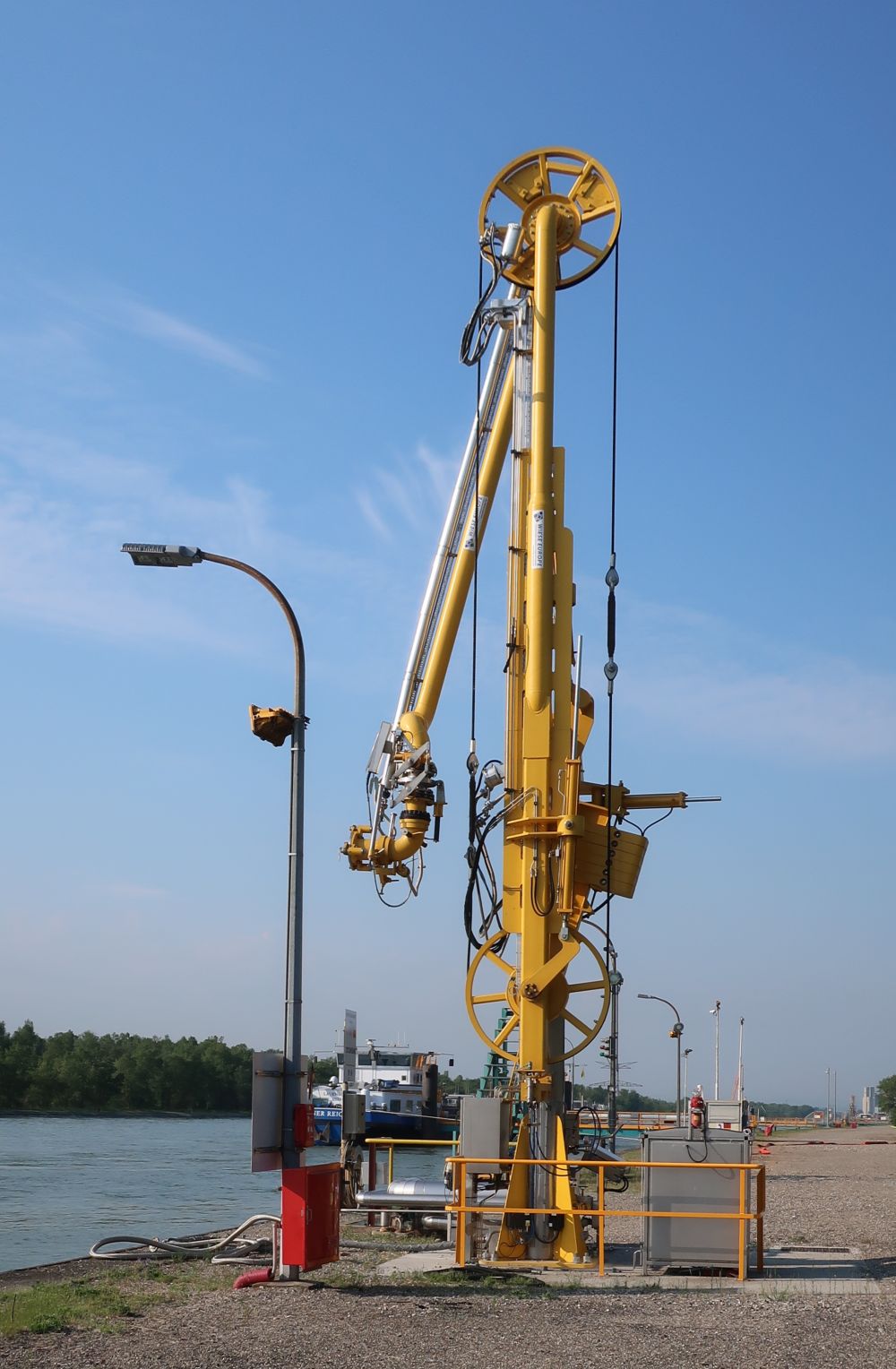
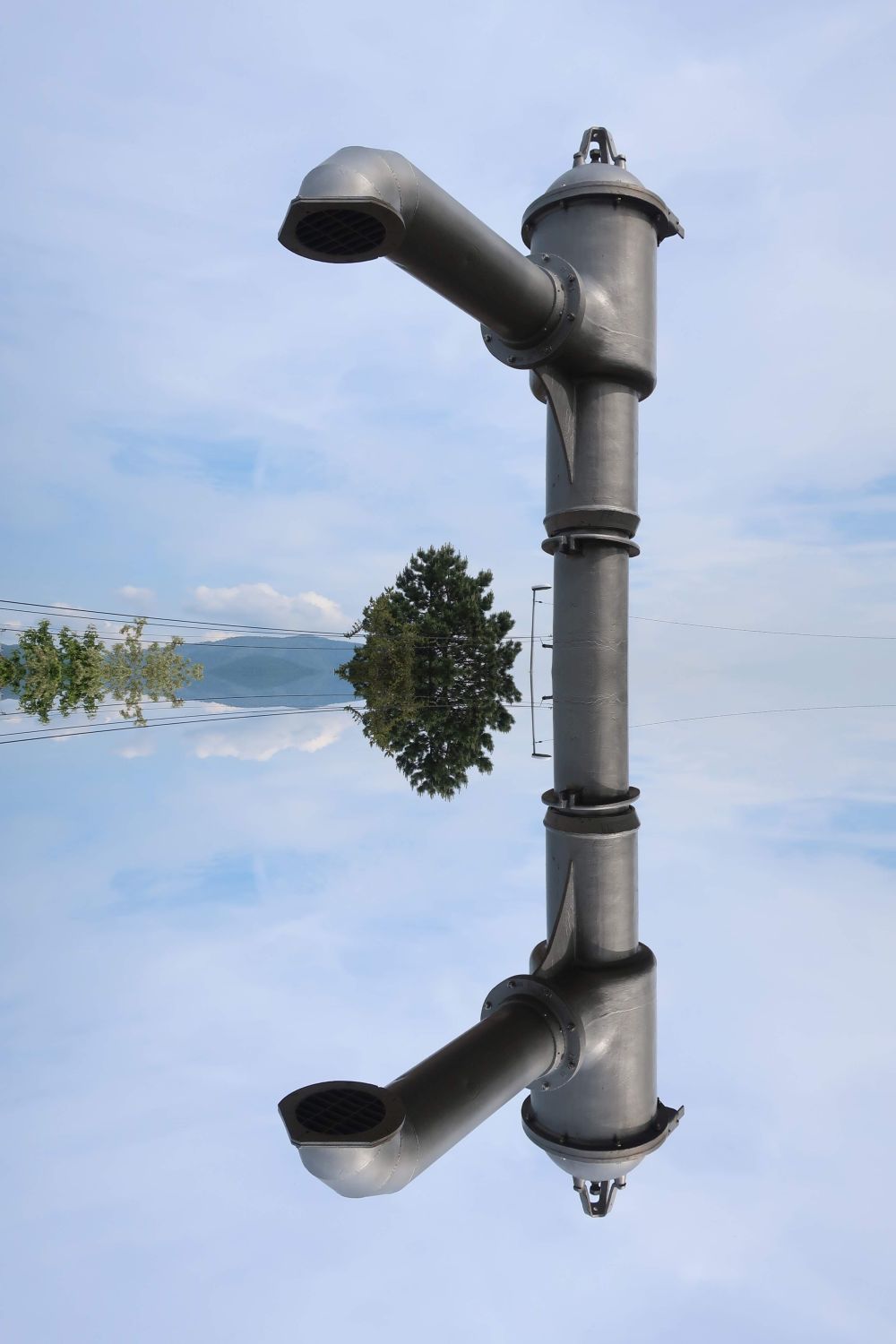
Rhein Crane

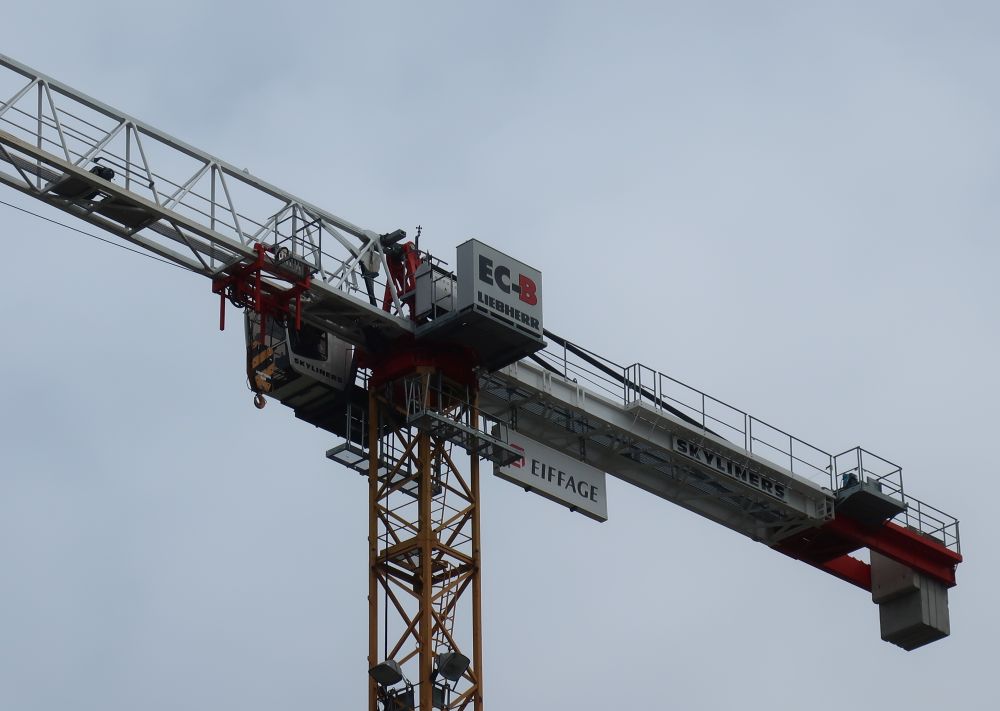
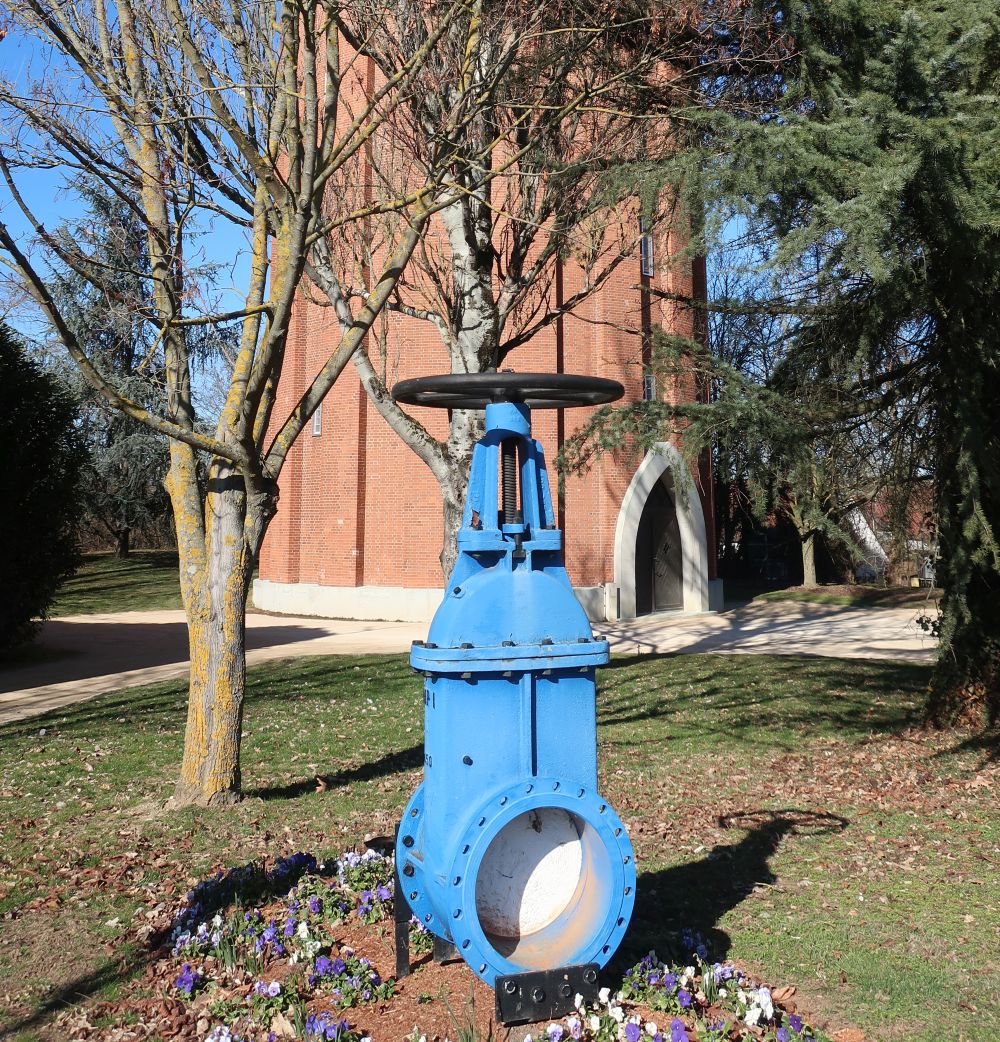
Continuing the series, I took this snap but did not have much time to linger around. So it’s definitely on my bucket list to go back one day and and try to understand the purpose of this pipe: does it onload or offload – or perhaps both? And does it deal with liquids or compressed gases – or perhaps both?

I only know that for the brief moment I was visiting, it was standing at lazy attention, like a lone and tired sentinel guarding a post that no one ever visited.

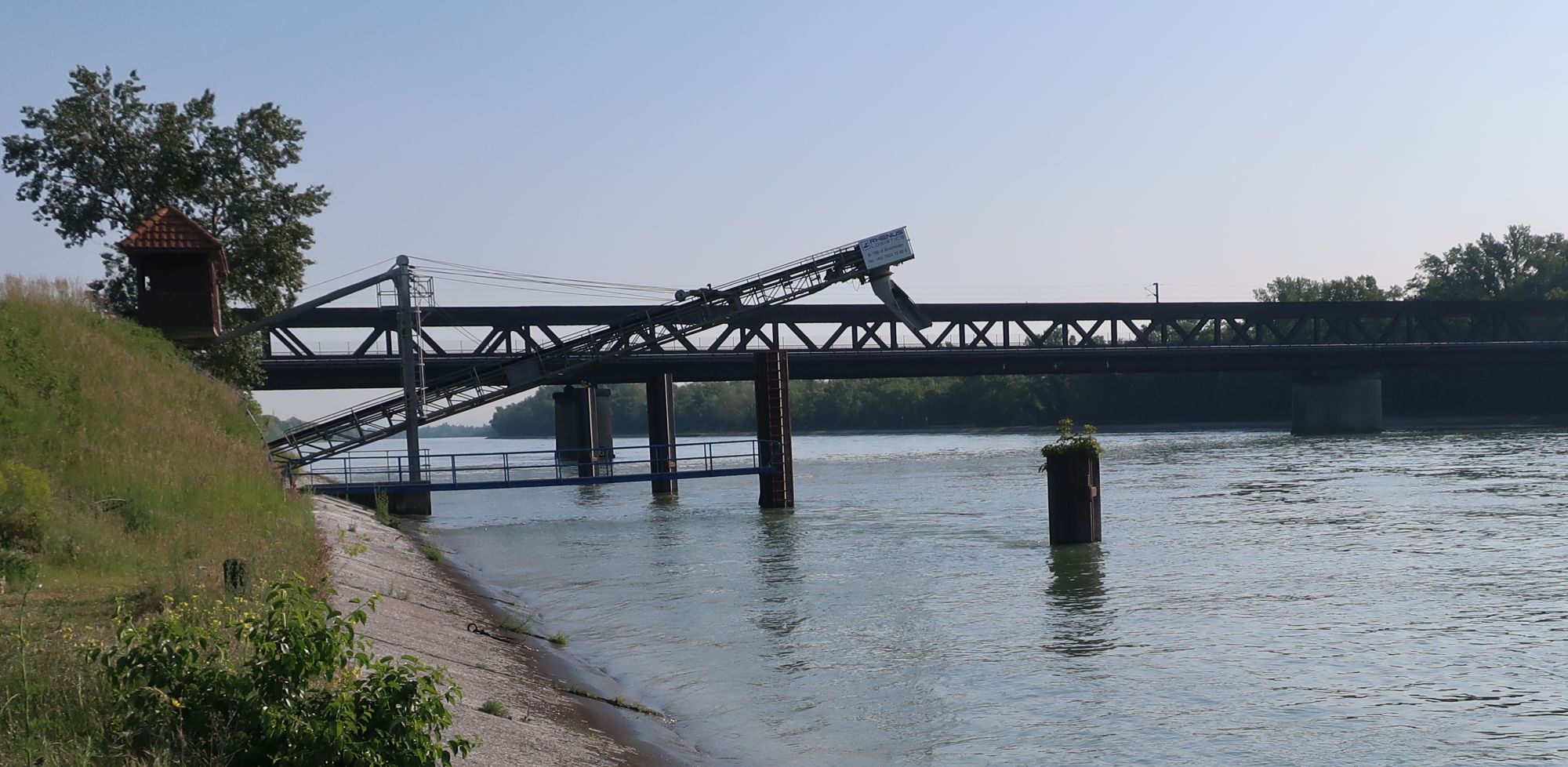
FAKE: Water Tower

I was pretty impressed with this impression of an antique water tower – used for filling steam trains – and it reminded of some of the work of M.C. Escher, who was known for hanging objects in empty space.

Just for the record: the photos I post are never in any way retouched or enhanced or changed – except for cropping.

But in this series of blog posts entitled FAKE I publish some rather interesting images I have enhanced in some way.

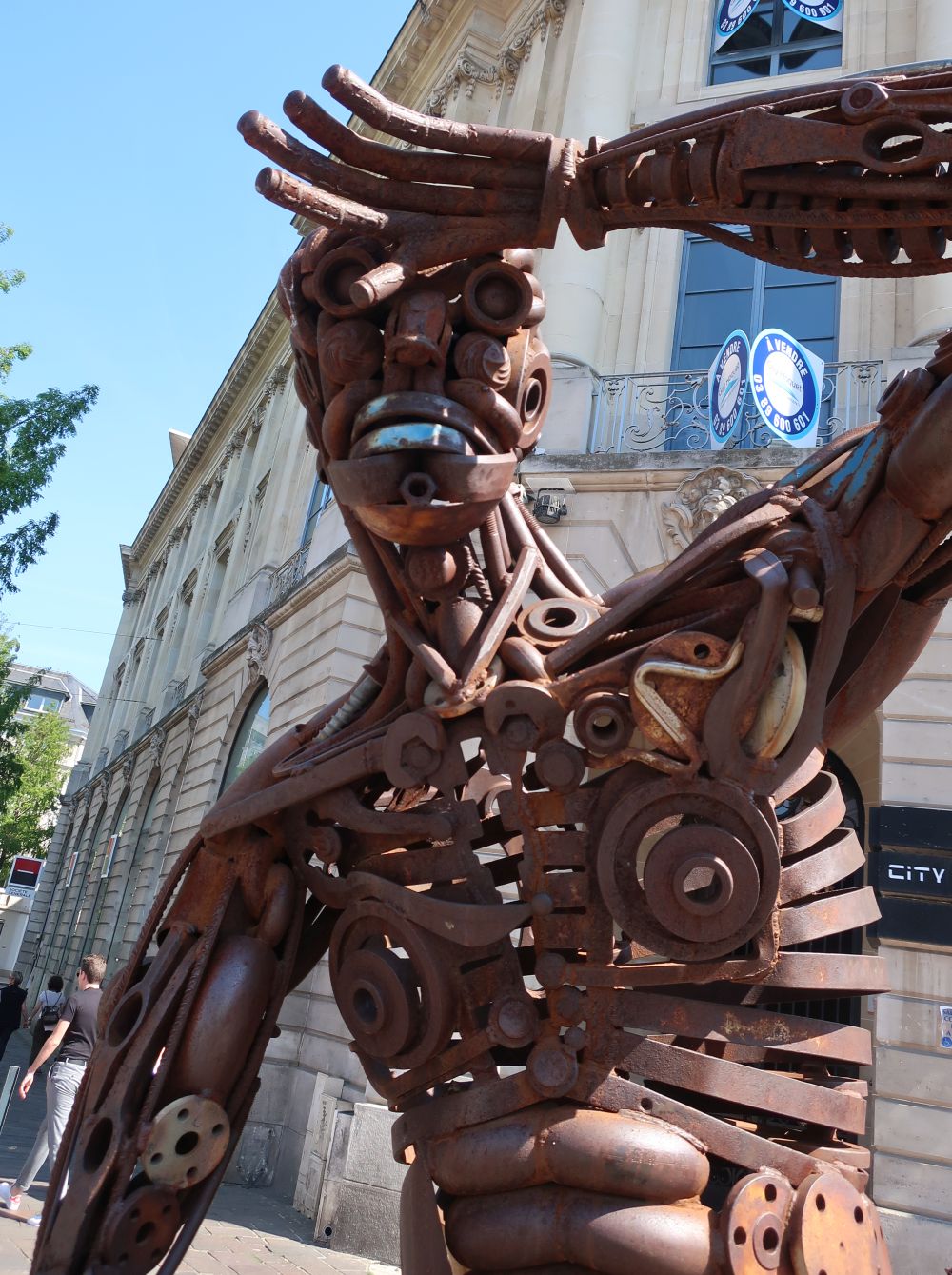
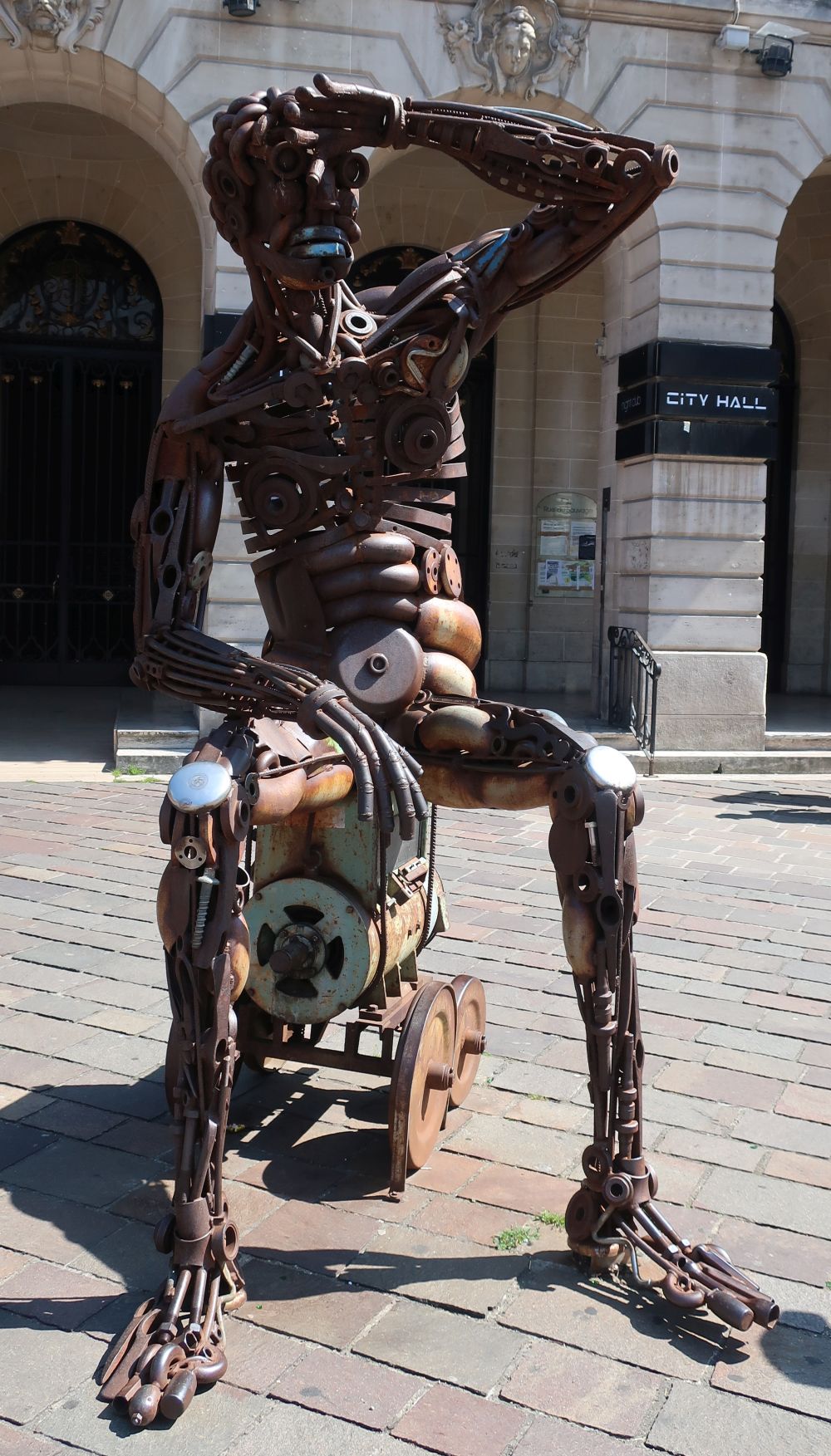
Two views of the amazing Iron Man in Mulhouse

A common sight for visitors to the Alsacian village of Mulhouse, it’s always been completely unclear to me: is he wiping oily sweat from his brow, screening the sunlight out of his eyes, straining to see a friend at a long distance, or just sitting in contemplation?

It could be exactly that ambiguity of emotions that the artist was trying to convey.

And that’s exactly the problem with art!  It could be the artist was going for just one of these emotions, but missed the mark and now left us all wondering!

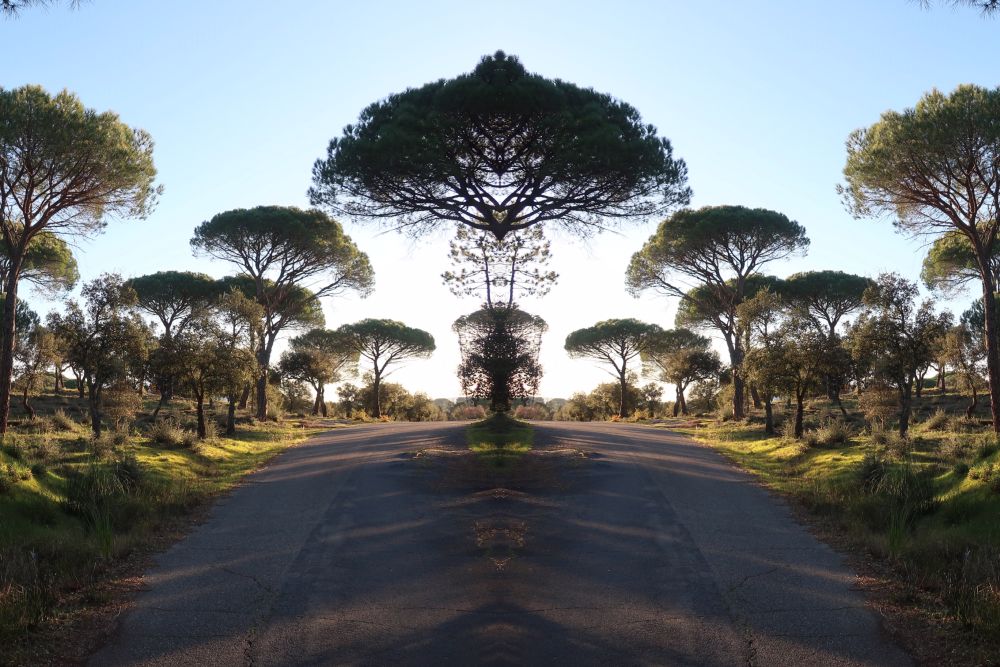
FAKE: Umbrella pines

I was pretty impressed by this modified snap of some umbrella trees in Provence:

Just for the record: the photos I post are never in any way retouched or enhanced or changed – except for cropping.

But in this series of blog posts entitled FAKE I publish some rather interesting images I have enhanced in some way.

French influence – or just a good idea?

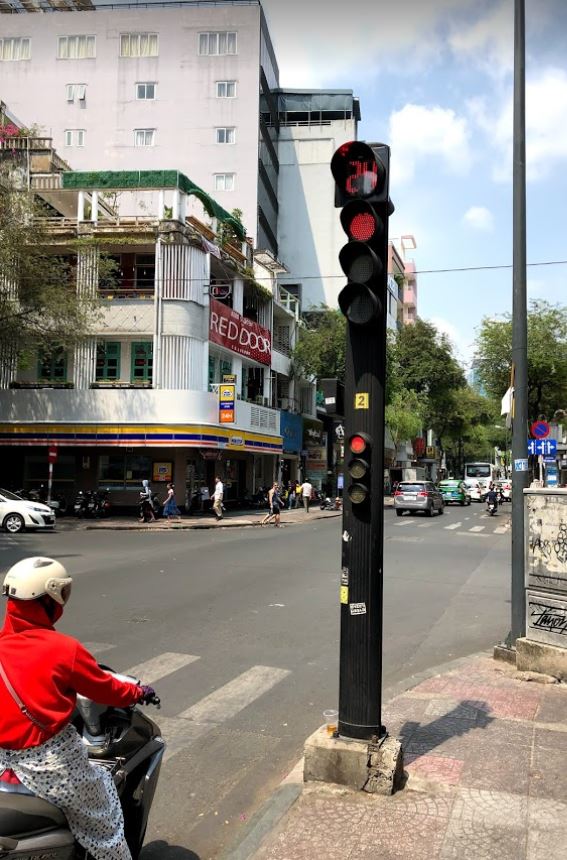
Saigon is a frustrating place for me in many ways. Knowing the French history, as I walk through Saigon my eyes are drawn towards French-looking things, and I ask myself whether they are coincidences – such as a coffee shop with a French name, named so only because it sounds posh, as this example shows with two such French-named coffee shops next to each other:

or truly part of the French legacy (such as the system of Arondissments used to district the city).

Here is a case in point:

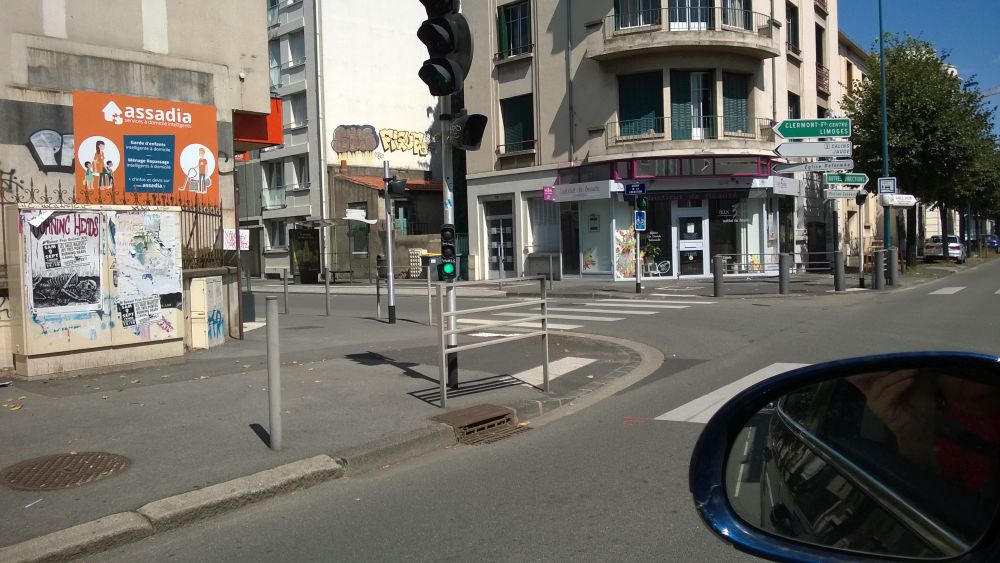
As I’ve written about before, French traffic signals are some of the best design traffic signals in the world. Is this just coincidence, or a vestige of the French legacy? Here is a similarly looking traffic signal in France,

Modified Silvester Method

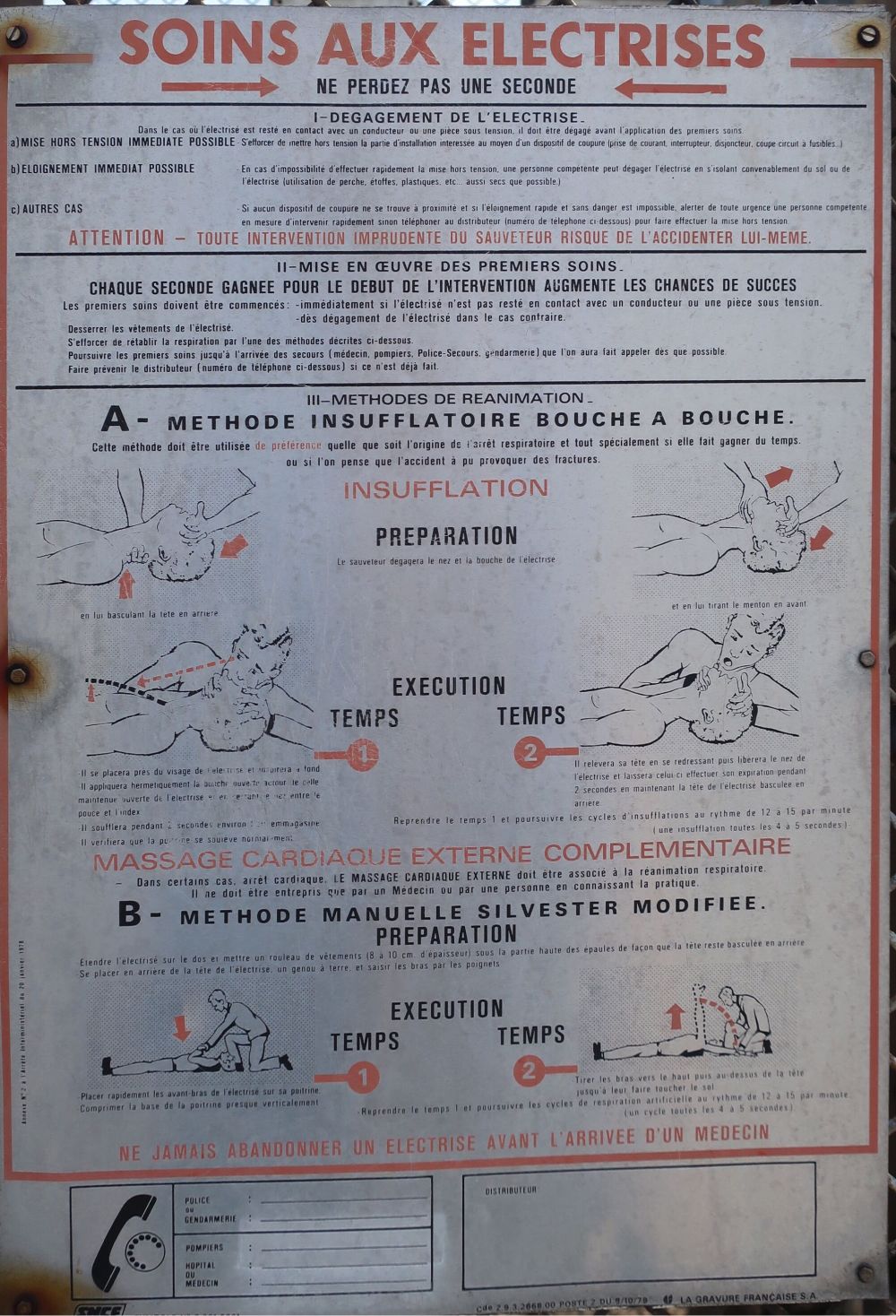
This is something you don’t see everyday!

Well, in fact, a sign like this giving basic instructions in CPR is probably something you do see everyday, such as this sign I saw in a train station in France:

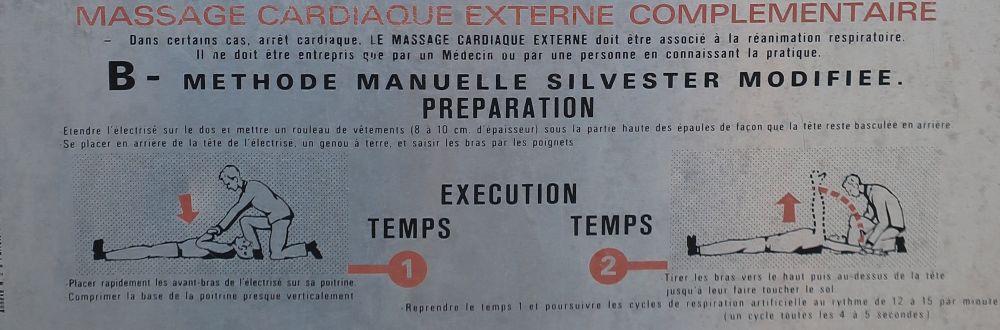
But what you don’t see everyday is the part of the sign giving instructions in the use of the Modified Silvester Method:

I’d never heard about this before – so I looked it up. It is not a version of CPR (which affects the movement of blood) but rather artificial respiration (getting the lungs to inflate and deflate).  I am not sure if this method is actually taught or encouraged anymore, and the date on the sign points to its age:


When Pulver is not really pulver

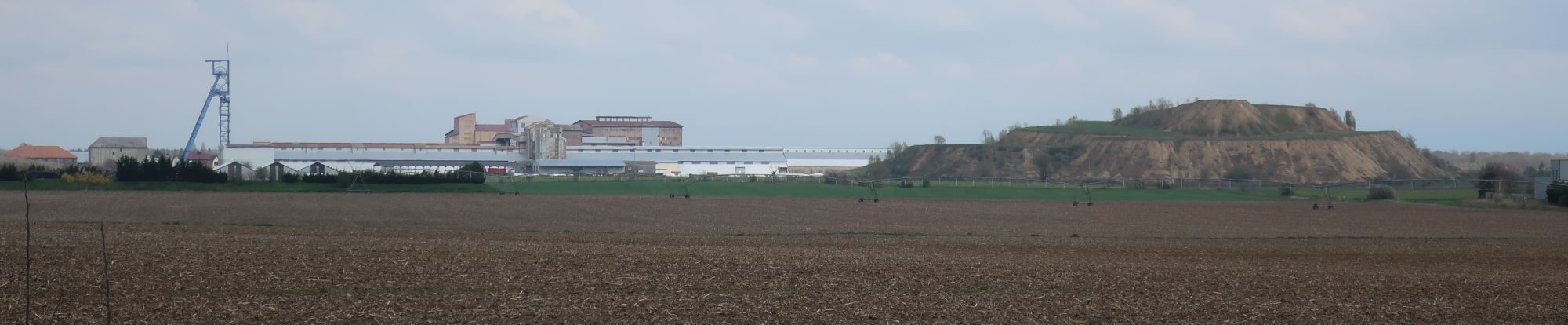
There is a small hamlet in the south of Alsace, France called Pulversheim. It is known for its abandoned potassium mines, which remain scattered across the landscape as this amazing, awe inspiring snap shows:

For a long time I thought the hamlet was probably a case of form after function: Pulversheim (or home to pulver) because of the potassium mine.

But nothing could be further than the truth!

It was not easy to research, but in fact the town was long in existance before the discovery of potassium, and it was named after Mr. Pulver.

Go figure!

Mystery tower in Alsace

When you drive into this small Alsacian hamlet you can’t help but be overwhelmed by this stunning site – but upon closer inspection, there’s nary a sign in sight to tell you its history or what it does or when it was built:

But if you take a little walk around it you come to a an interesting work of art:

Lake Geneva

To me, Lake Geneva is the most spectacular and breathtaking of all the Swiss lakes. It’s truly massive in size, and at least looking south into France from Switzerland it’s backstopped by some of the most awe inspiring Alps you can imagine.

Here is a panoramic shot of Lake Geneva, just north of Montreux and looking south:

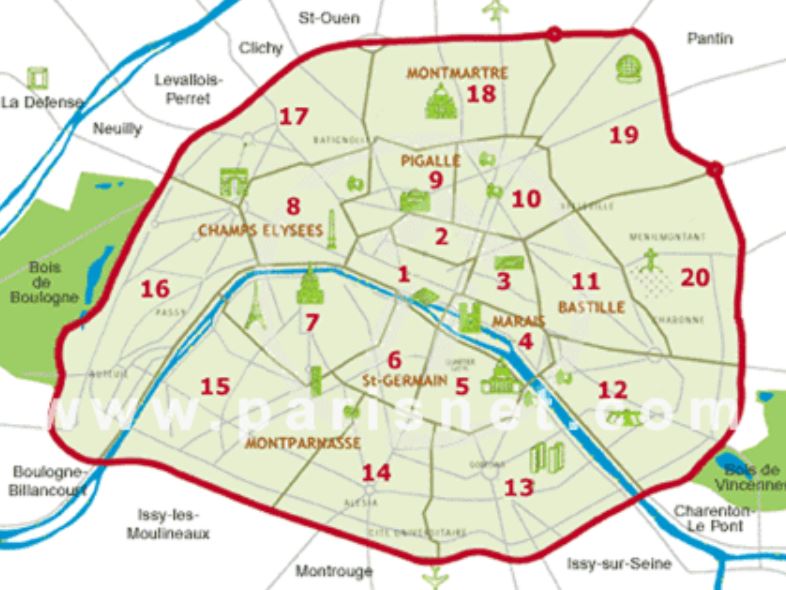
The amazing Arondissments of Paris and Quận of Saigon

Saigon and Paris are very similar in one regard: the cities themselves are organized into numbered districts.

In Paris a district is called an Arondissment, there are a total of 20 of them, and the districts appear clockwise starting at the center:

In Saigon a district is called a Quận, there are a total of 19 of them, and although the districts start at the center, they are not as neatly clockwise as in Paris:

Why is Saigon similar to Paris? Does this have to do with the history of the French in Saigon? I suppose it does, but I don’t know the details.

Stork poop

OK, sounds gross, but it’s one of those questions you gotta ask!

Alsace and Southern Germany are filled with storks, as this snap of a village in Alsace shows:

But it makes you wonder: do storks poop into and onto their nests (as do many birds, such as pigeons), or do they keep their nests clean and make sure their body waste goes over the side, as this snap would seem to suggest: