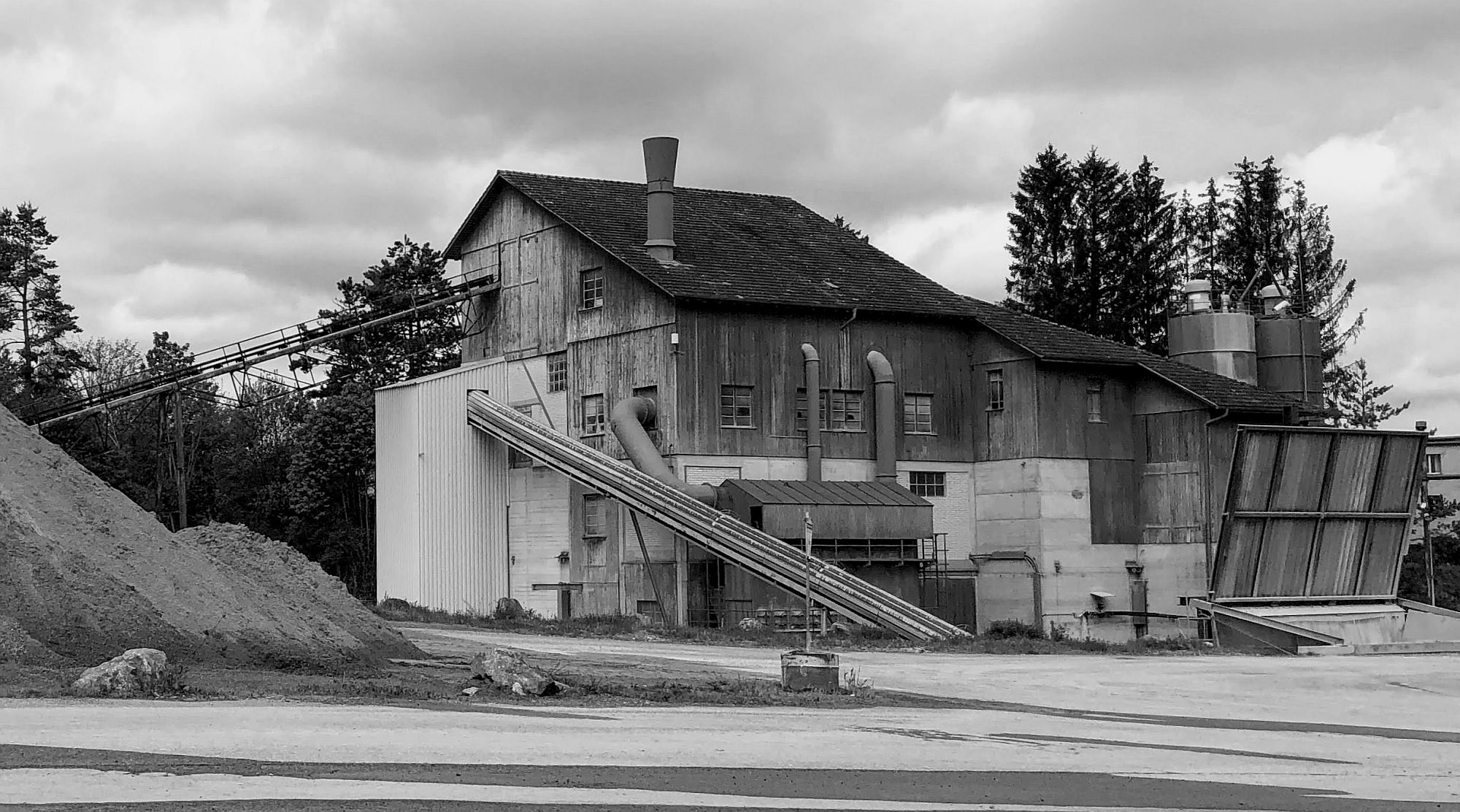
Continuing the series, here is a black-and-white snap of a cement factory in Winterthur,
A renaissance man for the twenty-first century!
Continuing the series, here is a black-and-white snap of a cement factory in Winterthur,
Continuing to demonstrate the universal truth that it is impossible to take a bad snap of a good cow, I can’t tell you whether this cow self-identifies as an Eschenberg cow. But I can tell you I took this snap during my daily 15 km Nordic Walk in the forests of Winterthur, in a spot known as the Eschenberg:
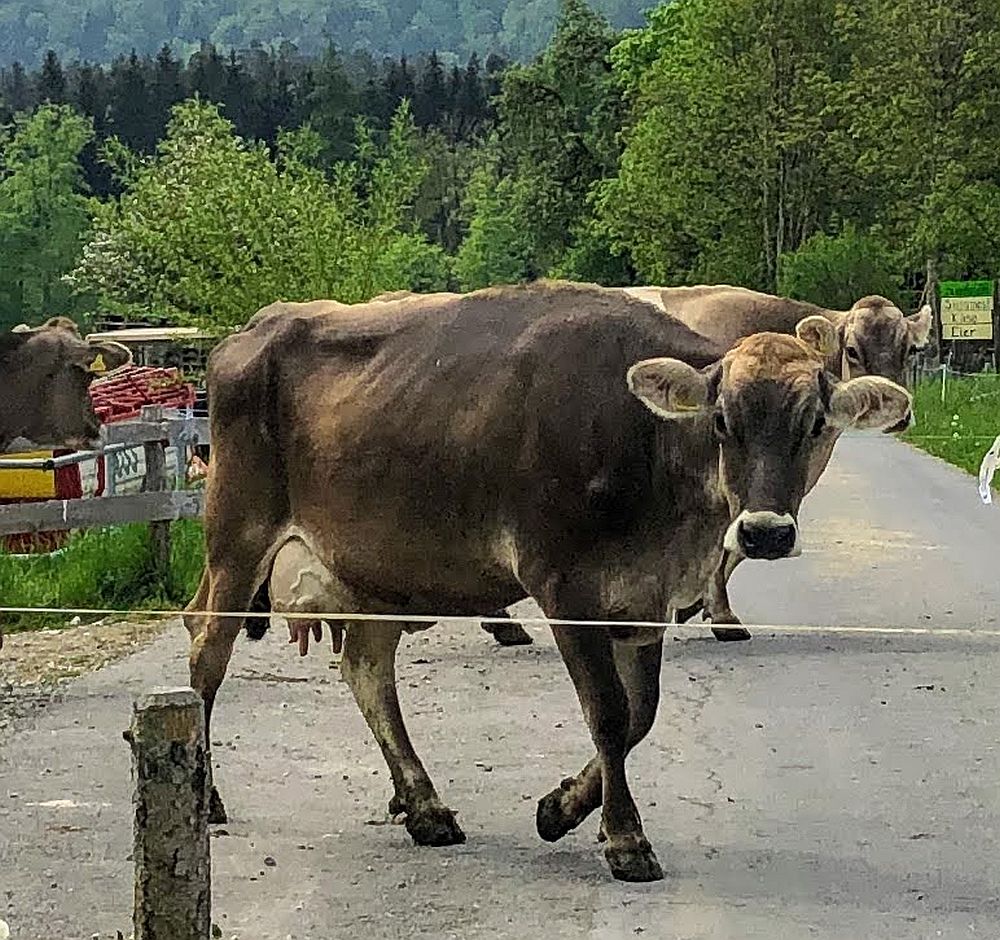
This cow was one of 49 other cows being led to a new grazing field.
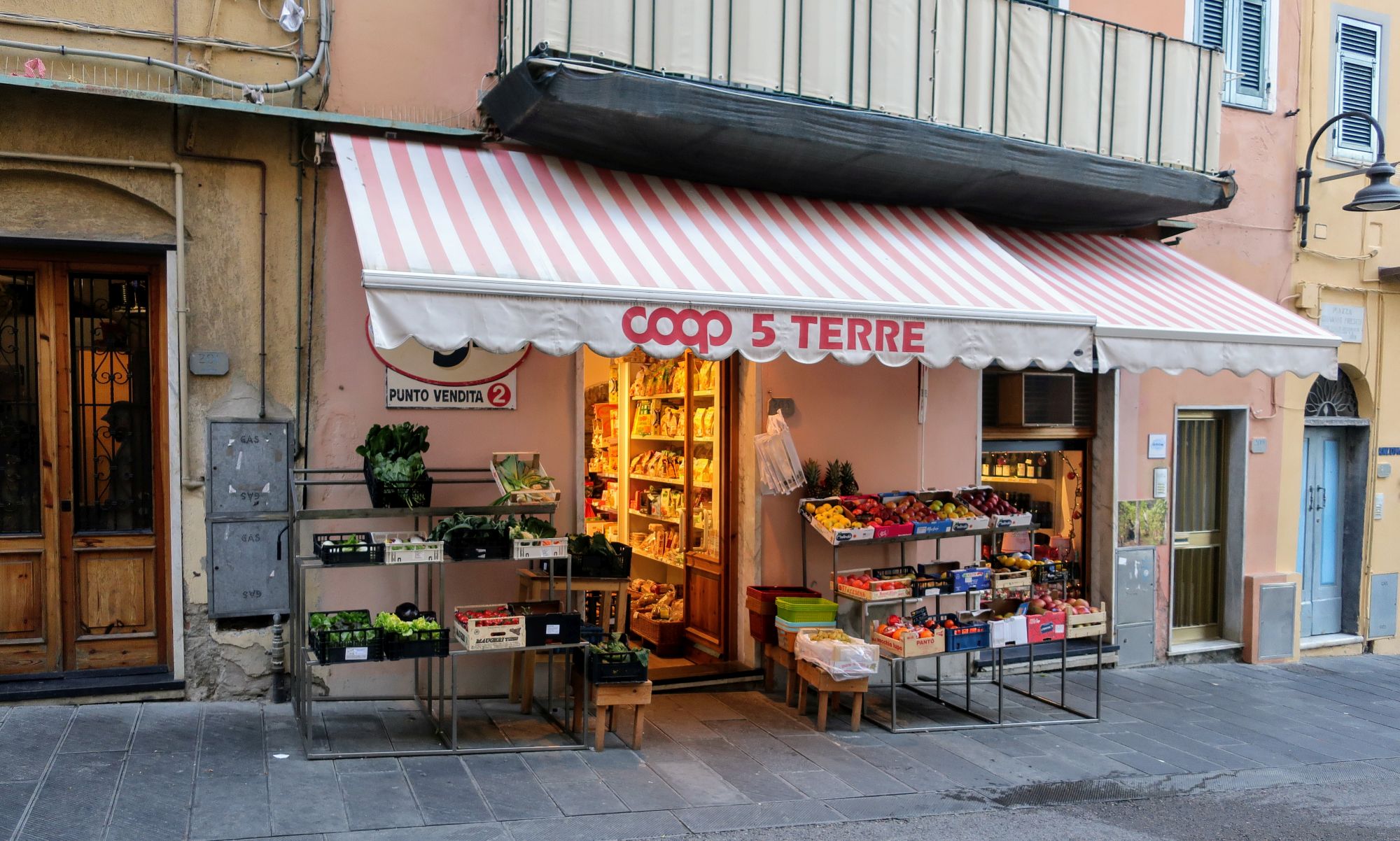
Continuing the series, the five little hillside and seaside towns that comprise the Cinque Terra seem to each be so small so that there is no real need for a large grocery store. As far as I can tell, most of the locals tend to do their shopping at places like these:
Continuing the series, a snap of colorful hillside village of Riomaggiori in the Cinque Terra region of Liguria,

Interestingly, I was here during late December 2019 when – unbeknownst to anyone at this time – Covid was beginning to ravage North Italy. Around 2-3 weeks later after returning to Switzerland, I suddenly came down with all the classic symptoms of Covid. But this was weeks before the disease was even recognized in Europe, much less had the name Covid-19!
Unfortunately, I cannot put my finger on exactly when and where I was infected. I also have no evidence to prove I was really “Patient Zero” for Switzerland – although in terms of timing, I certainly could have been.
While in Italy not only did I have a few strange encounters with people who were coughing – but I also stayed in Alsace, France, in hotels filled to the brim with Chinese tourists. In fact, at once hotel in La Spezia I was checked in by a woman who had to step away from the computer, just to cough.
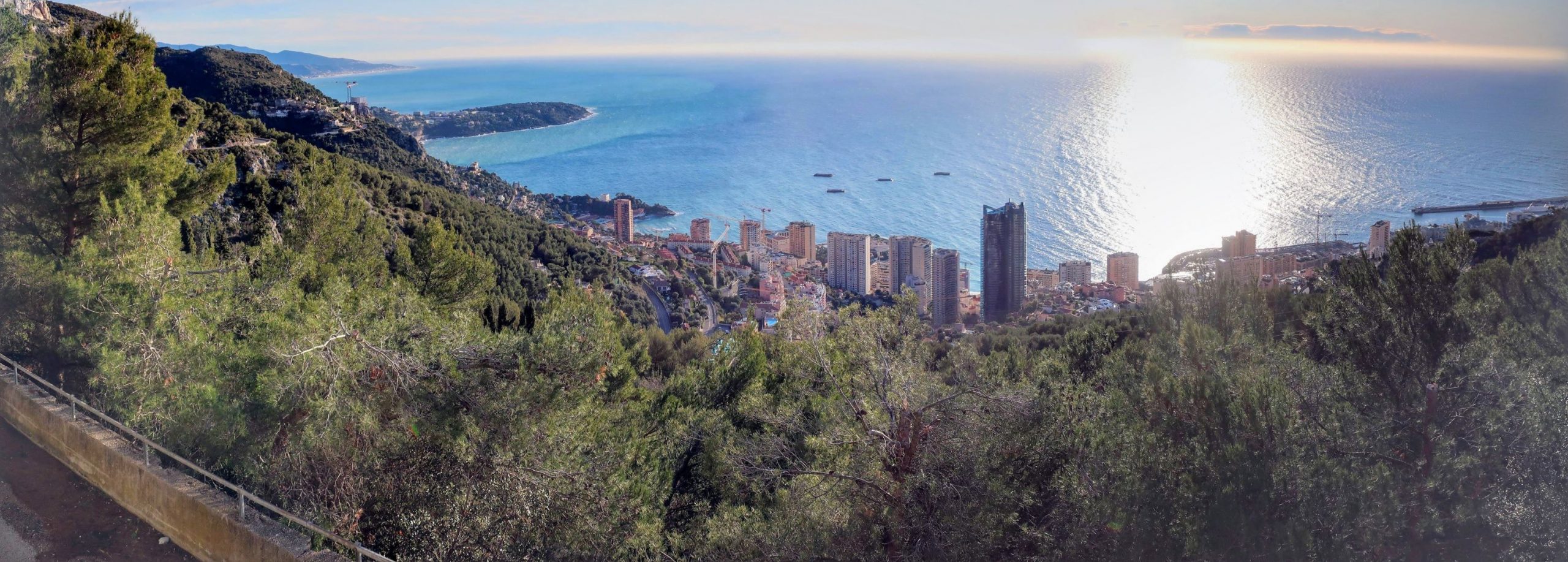
OK, not strictly the Ligurian coast. In fact, I am not quite sure where the Ligurian coast actually begins.
But nevertheless, a nice snap looking south from an Autostrade in Italy on my way to Genova, which is where the Italian region of Liguria officially starts:
This is Margaret Clitherow, a Catholic woman who lived in the north English town of York from 1571 to 1586:

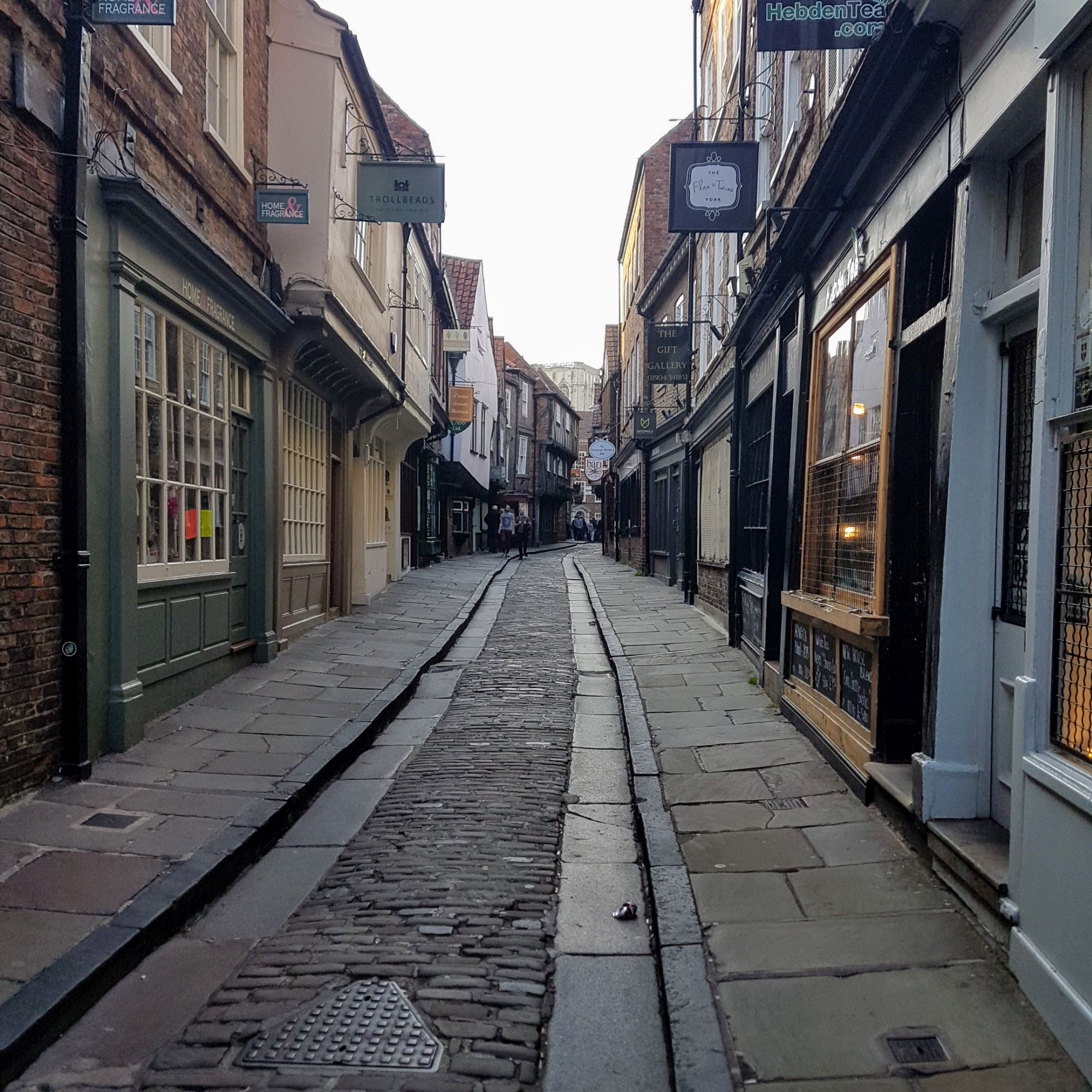
And this is The Shambles – today really nothing more than a narrow street in York, but very famous back in the day as York’s slaughterhouse:
But this is where it gets interesting. Because today Margaret is something of a folk hero for the residents of York. She was executed by “being pressed to death” by the English church at the age of 15 years old (that was her age, not the age of the church). Her crime: hiding Catholic people who were being persecuted by the church. Here is the plaque at the Shambles that commemorates her execution and, much later, he recognition by the Catholic church as a saint:

And here is a house, not too far away, where apparently many Catholics were hidden:
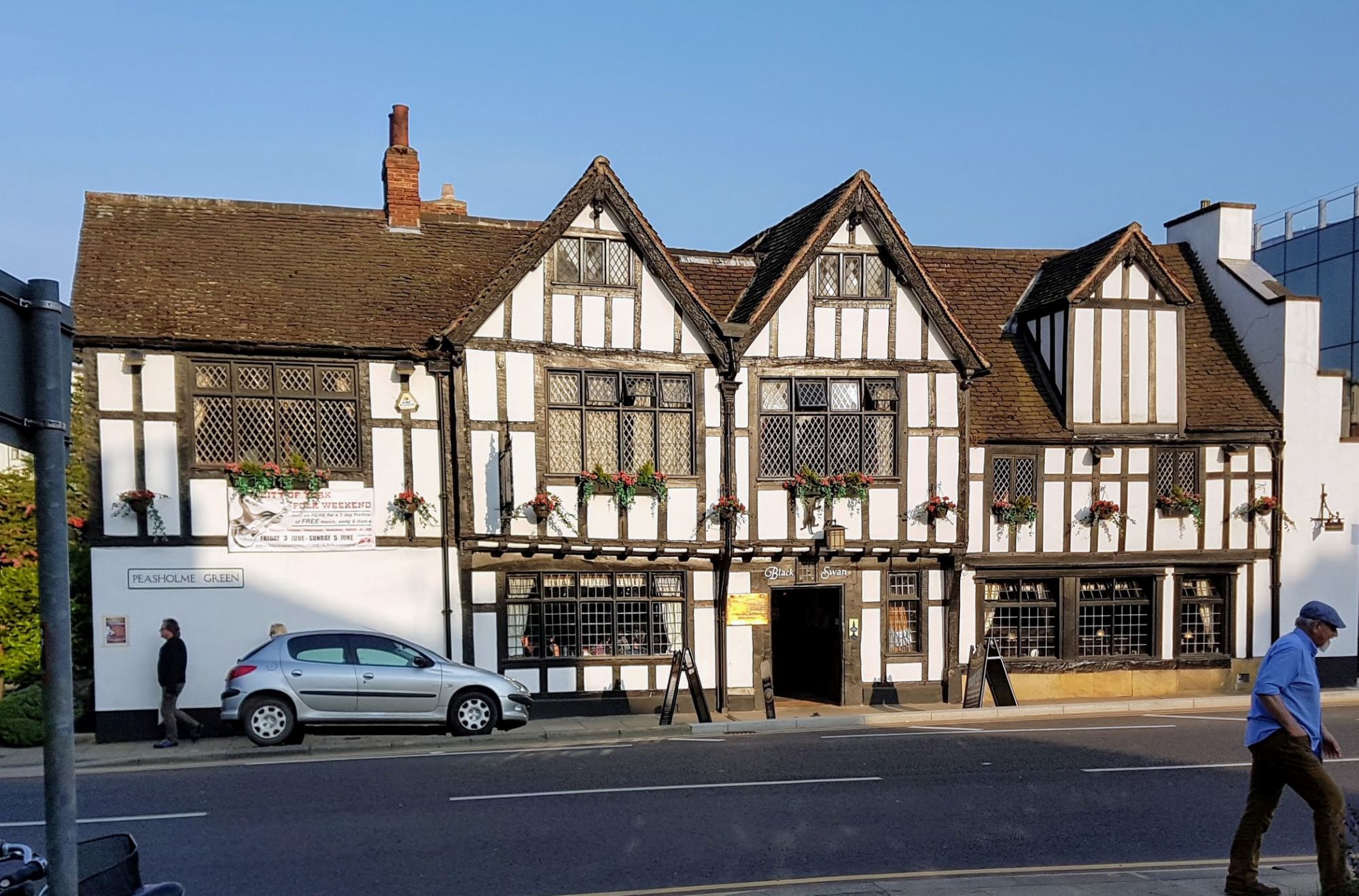
At least in my case, it really goes to show me that I don’t understand very much. Today the differences between religions such as the English Church and the Catholic Church hardly seem grounds for executing people. Back in the day, did the religion itself play a role – or what it more of a power grab? Or perhaps some general prejudice and discriminations that people felt then but also still feel today?
Every country is filled with mysteries . . . and Switzerland is no exception. I took this snap of a rotting, decrepit building, high and deep in the Alps of central Switzerland:
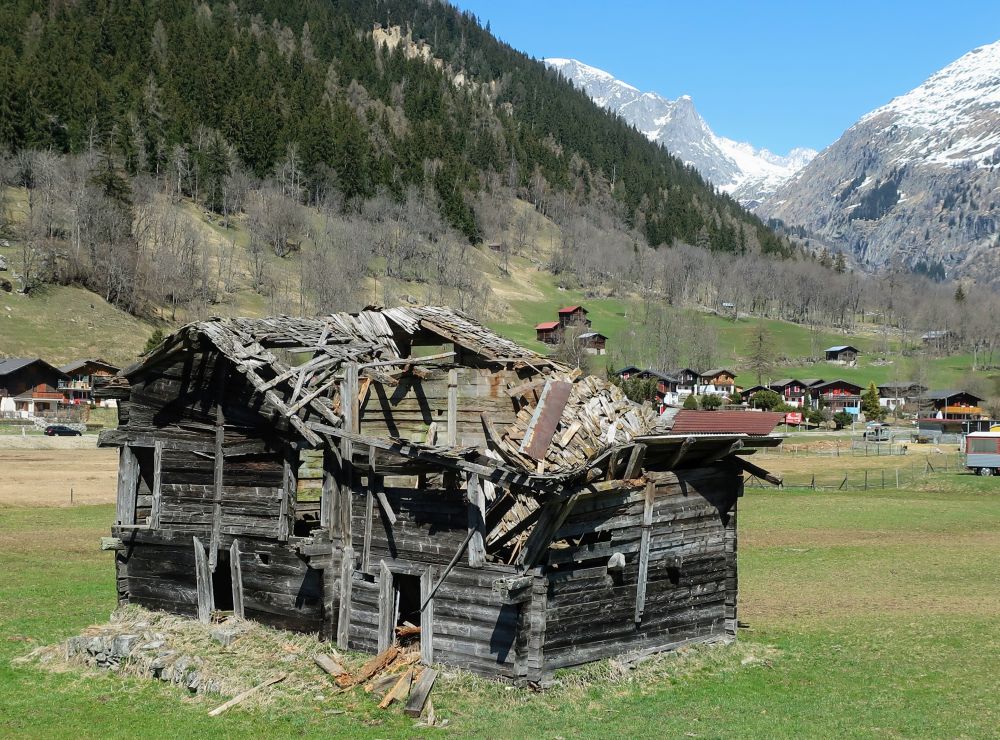
Really makes you stop and think . . . why? Perhaps it was at once time a building of historical significance, and now the owners are forbidden from destroying it? Or perhaps they receive financial benefits by having a damaged property on their land? Or perhaps . . . they just thought it looked nice – which I think it does!
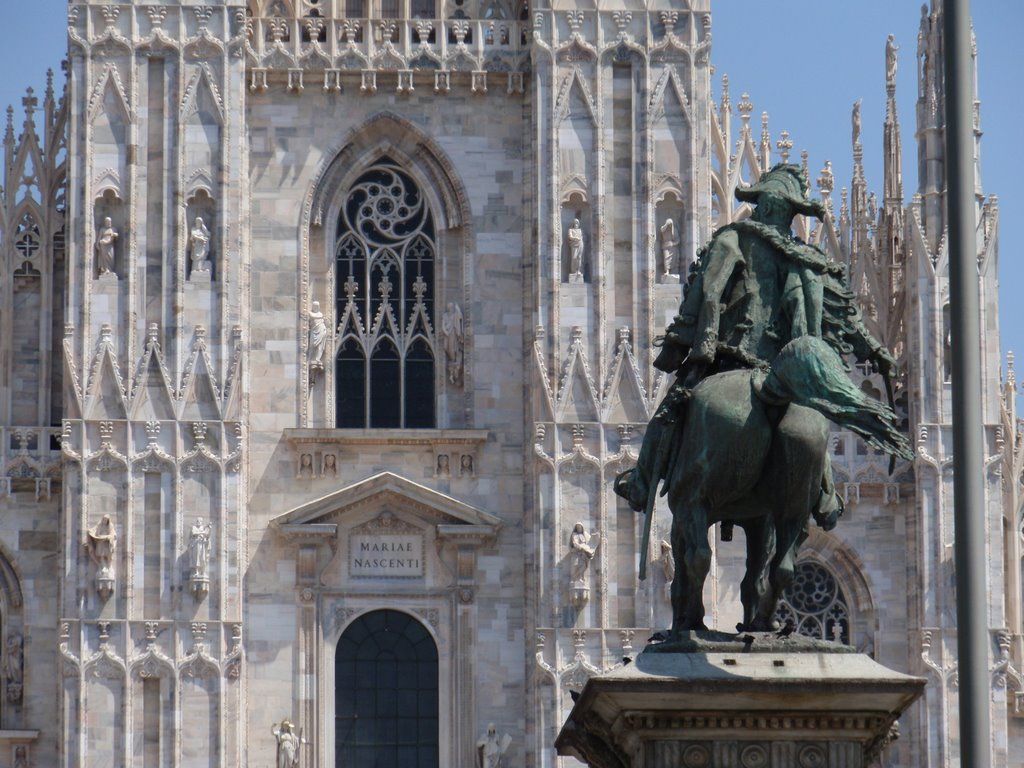
One of my favorite snaps of the Duomo in the central area of the northern Italian city of Milano, taken while my father was visiting a few years ago:
Hardly more than 1 inch across, I took this snap of a little flower growing out of the wall that is part of the Habsburg Castle,
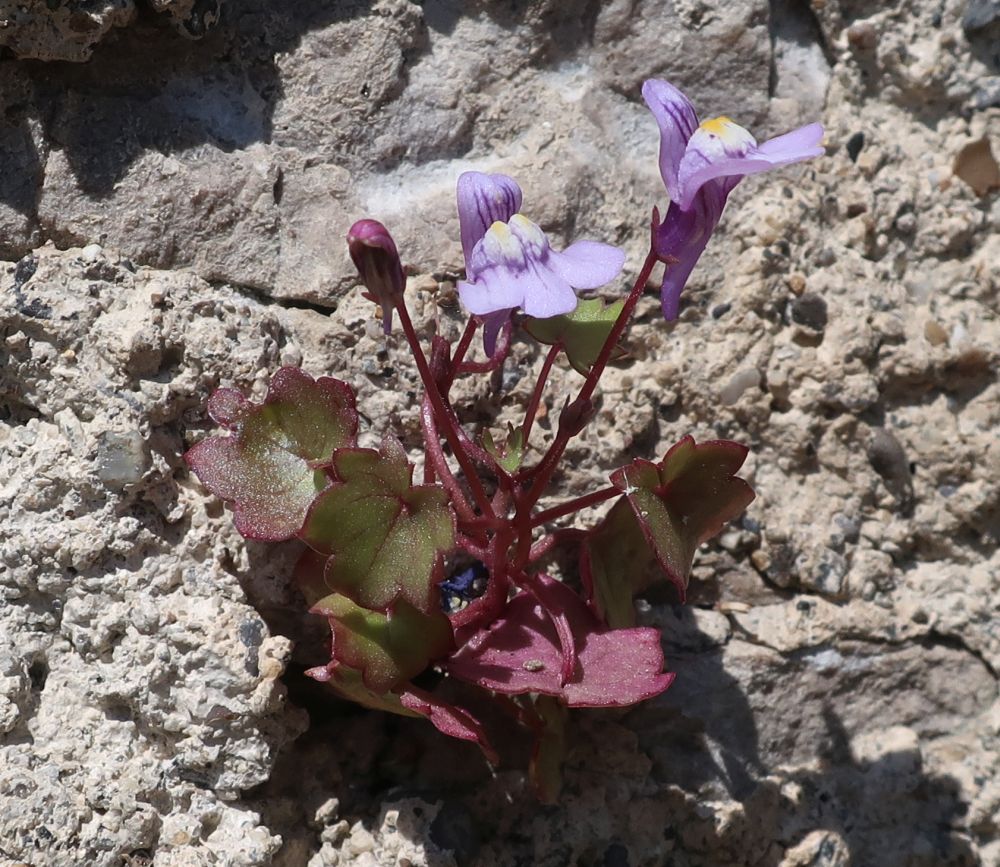
I’m pretty sure I’ve taken this snap before – and I’m pretty sure I’ll take it again. Probably there are more interesting angles to capture it, but so far I have not discovered any.

The Alps and Switzerland are lot like the Pacific Ocean and the Earth. Yes, there are places on the Earth that are not the Pacific Ocean. But to a very good first approximation, the Earth is more or less equal to the Pacific Ocean.
The same goes for Switzerland. Yes, there are places so flat that some companies have set up remote offices for calibrating the flatness of things like rules and levels. But by and large, Switzerland is very mountainous.
Here’s where a great iPhone app called PeakFinder comes in. You start up PeakFinder, point it in any direction you like, and it shows you a superposition of the landscape together with detailed information about all the peaks. It even let’s you take superimposed pictures!
Here’s a great example:
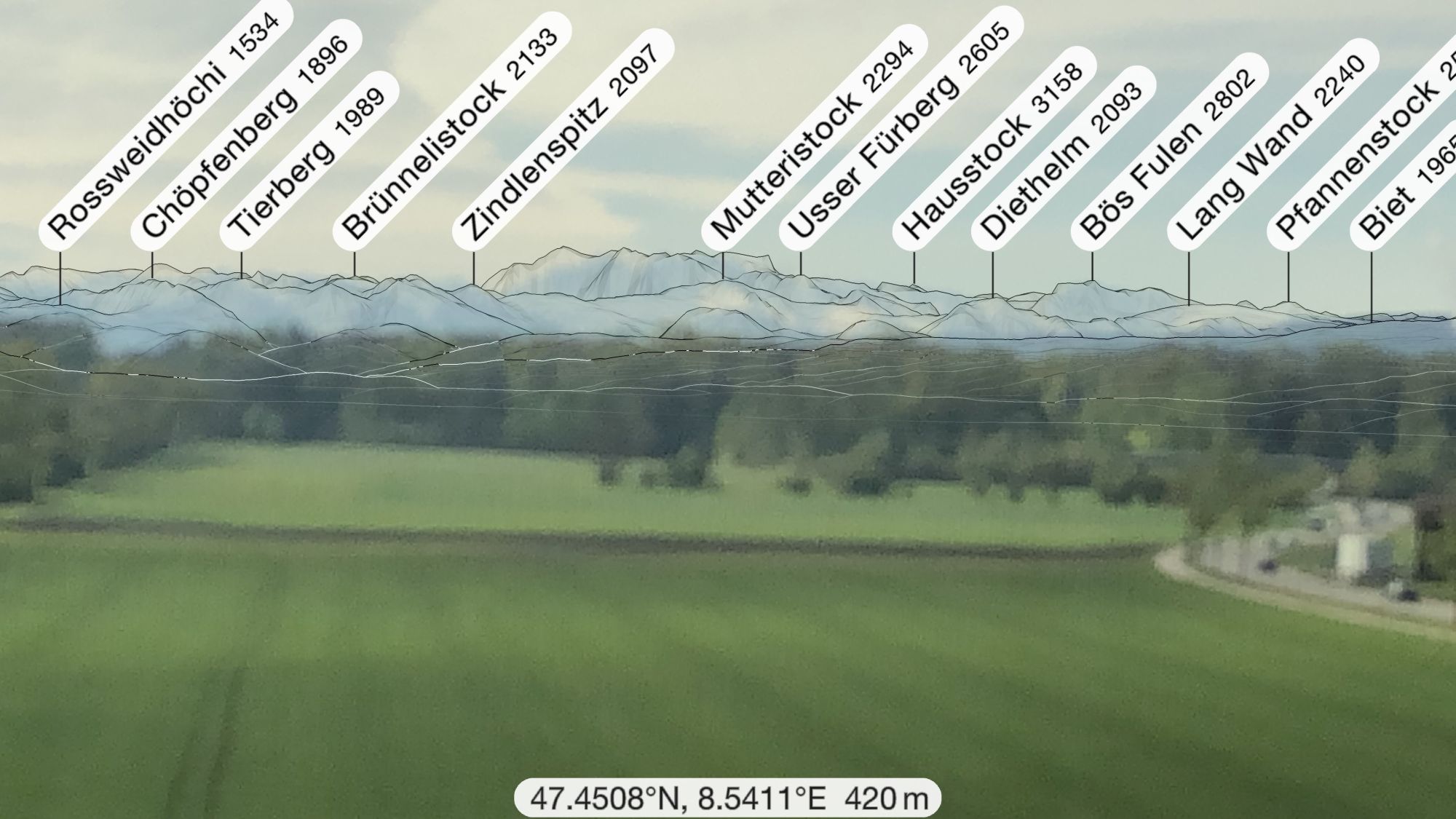
As you can see here, PeakFinder provides you with many surprises. For example, in the snap above the peak Hausstock looks quite tiny – but in fact at 3’158 m it is by far the highest visible peak in the entire snap!
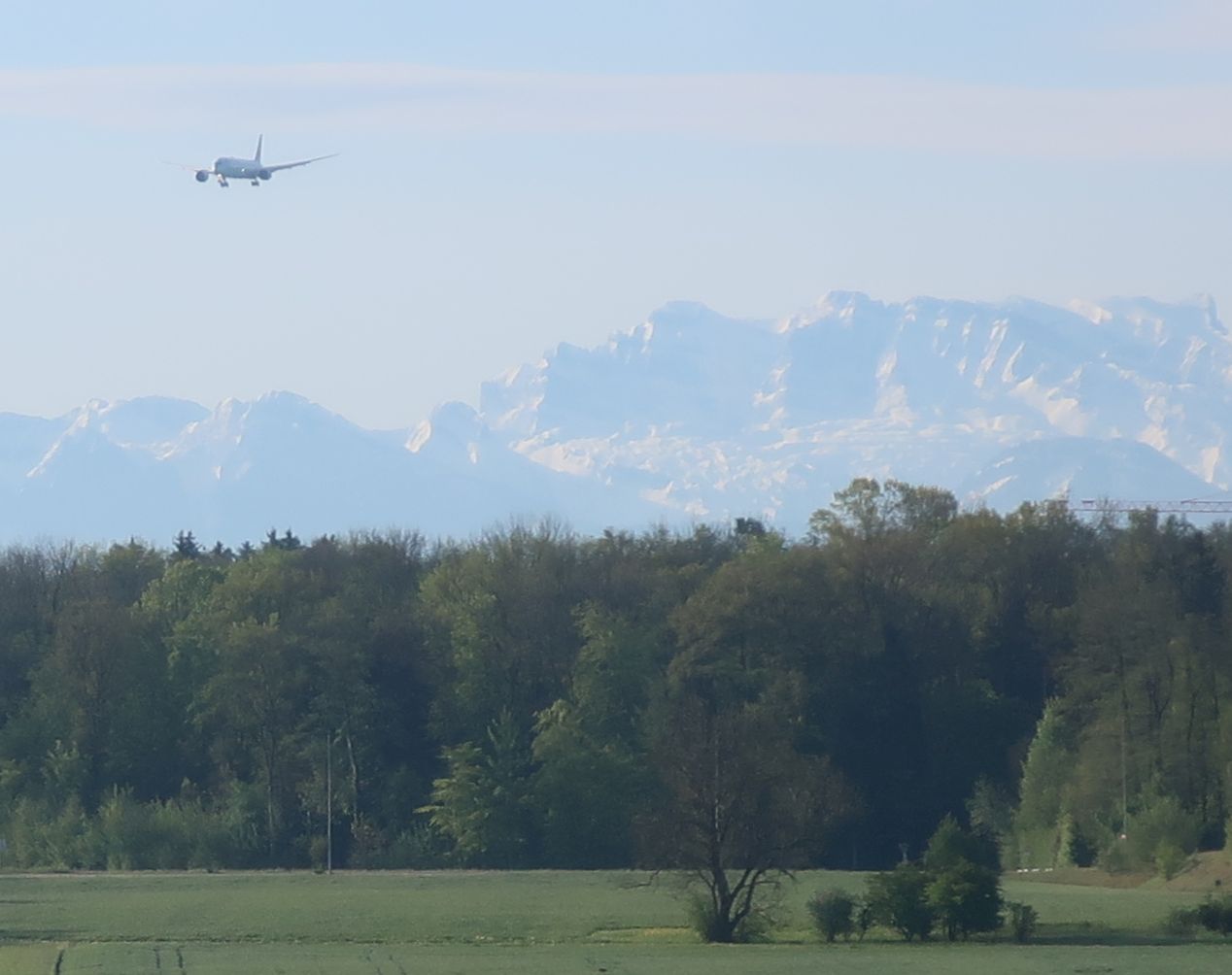
The Swiss Alps are tricky things! You may think the Alps shown in the background here are just a little ways down the street – but they are not! In fact, they are so tall that they are nearly 2 hours’ drive from here by car!
That general “bump” you see is referred to as the Glärnisch, the direction is almost directly due south – and it reaches a maximum height of 2’914 meters or 9,560 feet.
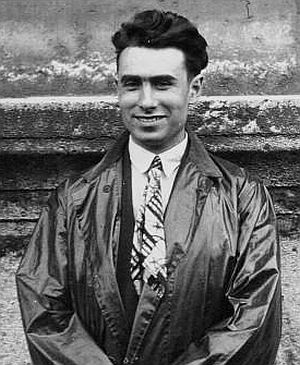
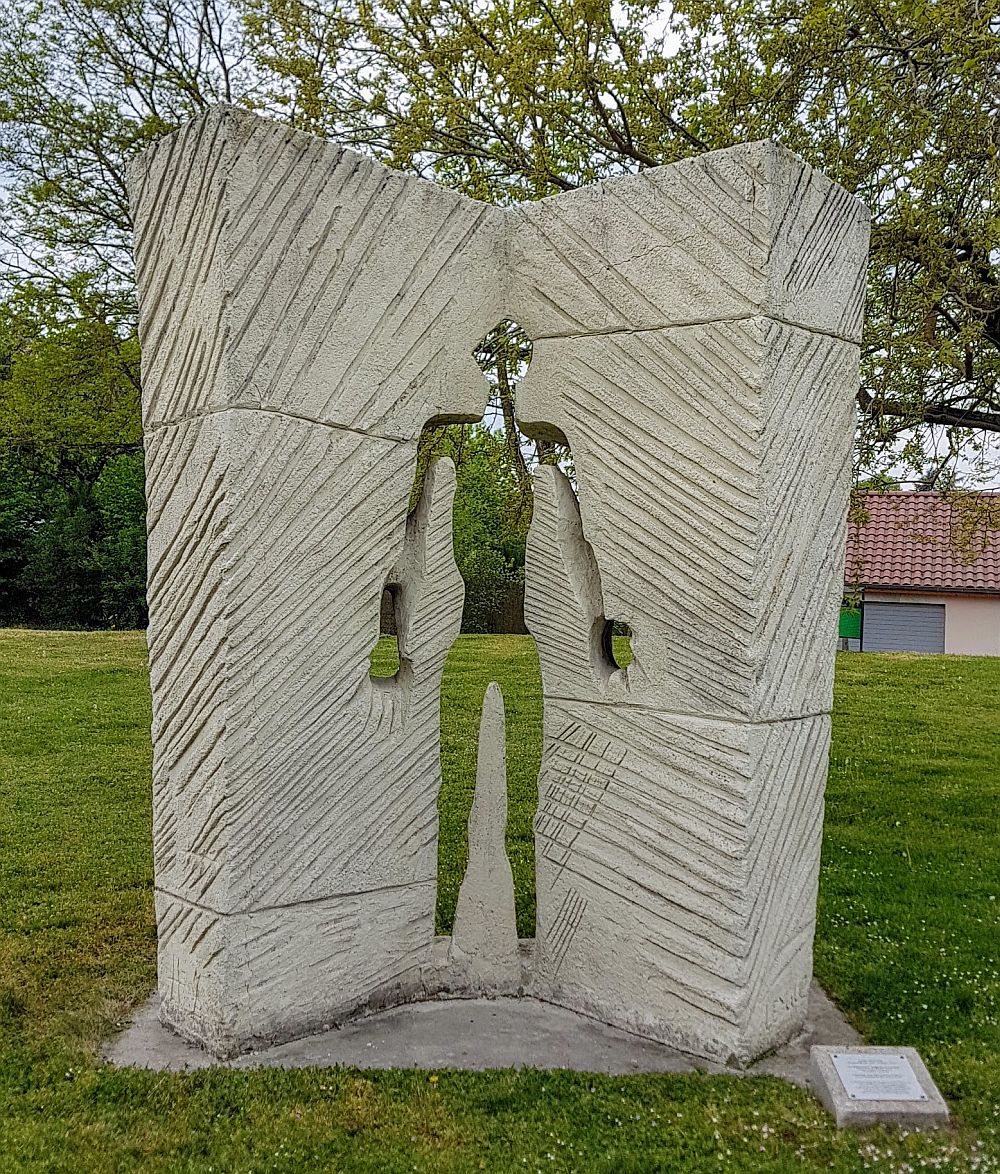
This is Louis Leygue, a sculpteur of quite some fame based in the general area of Bourg-en-Bresse, in France – a region probably most famous for its Poulet de Bresse chickens.
I was really surprised to find this here, since I did no research and was just walking around. Here is one of his most important works:
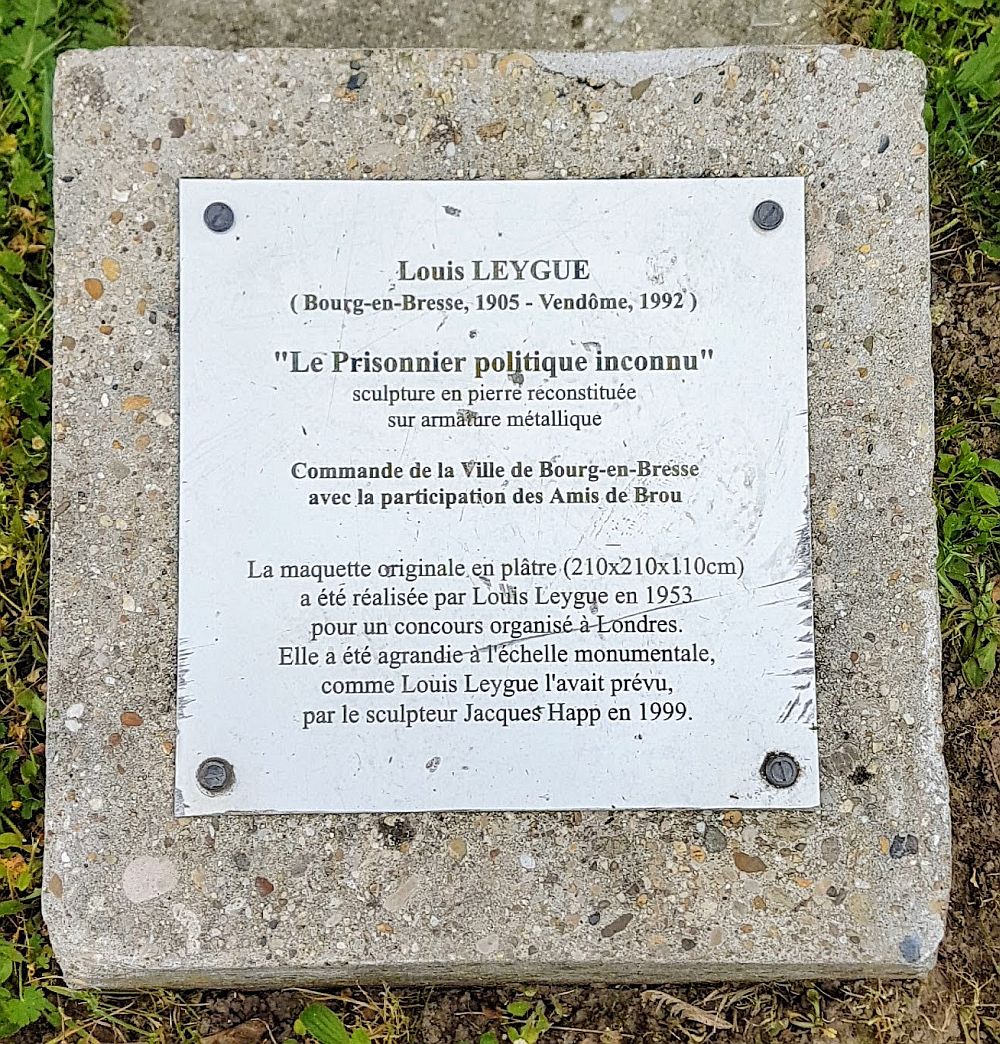
Here you can read more about the artist:
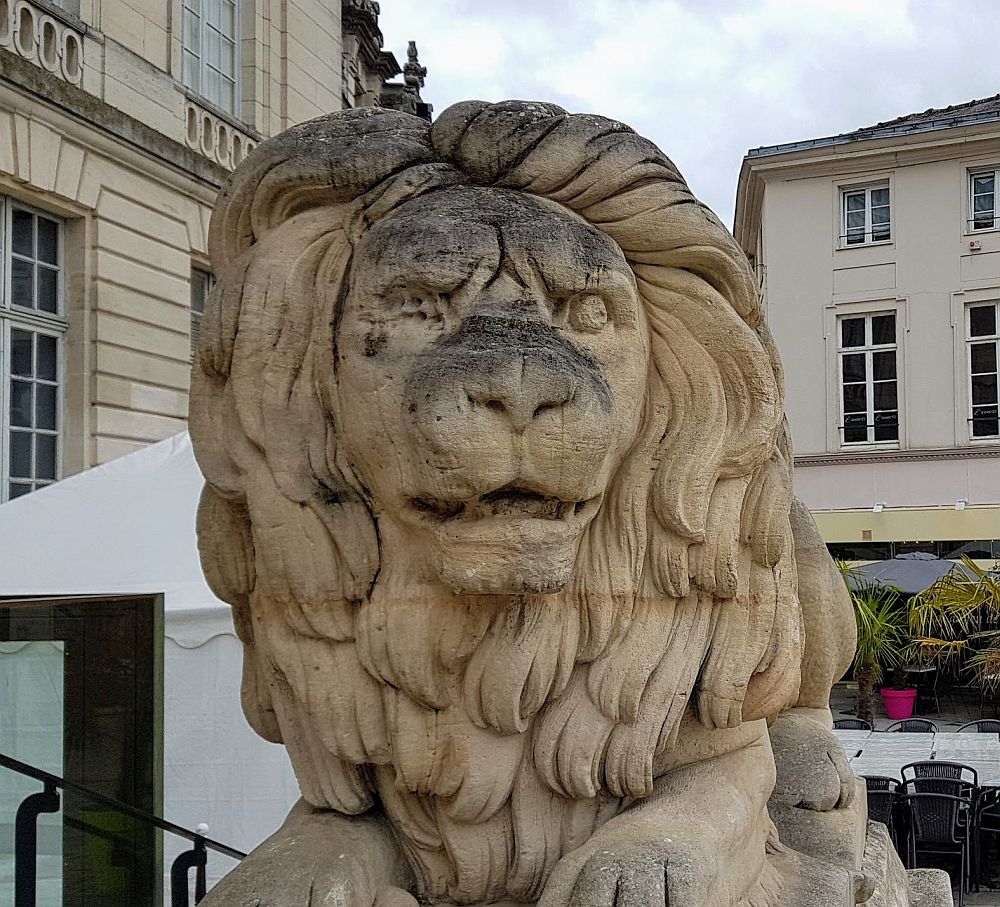
This is a lion in the north central French town of Châlons-en-Champagne,
I took this snap in the southeast Texas seaside town of Corpus Christi, just a few months before the Covid pandemic erupted. It shows a dead weed in front of one of the zillions and zillions of refineries you’ll find in South Texas:
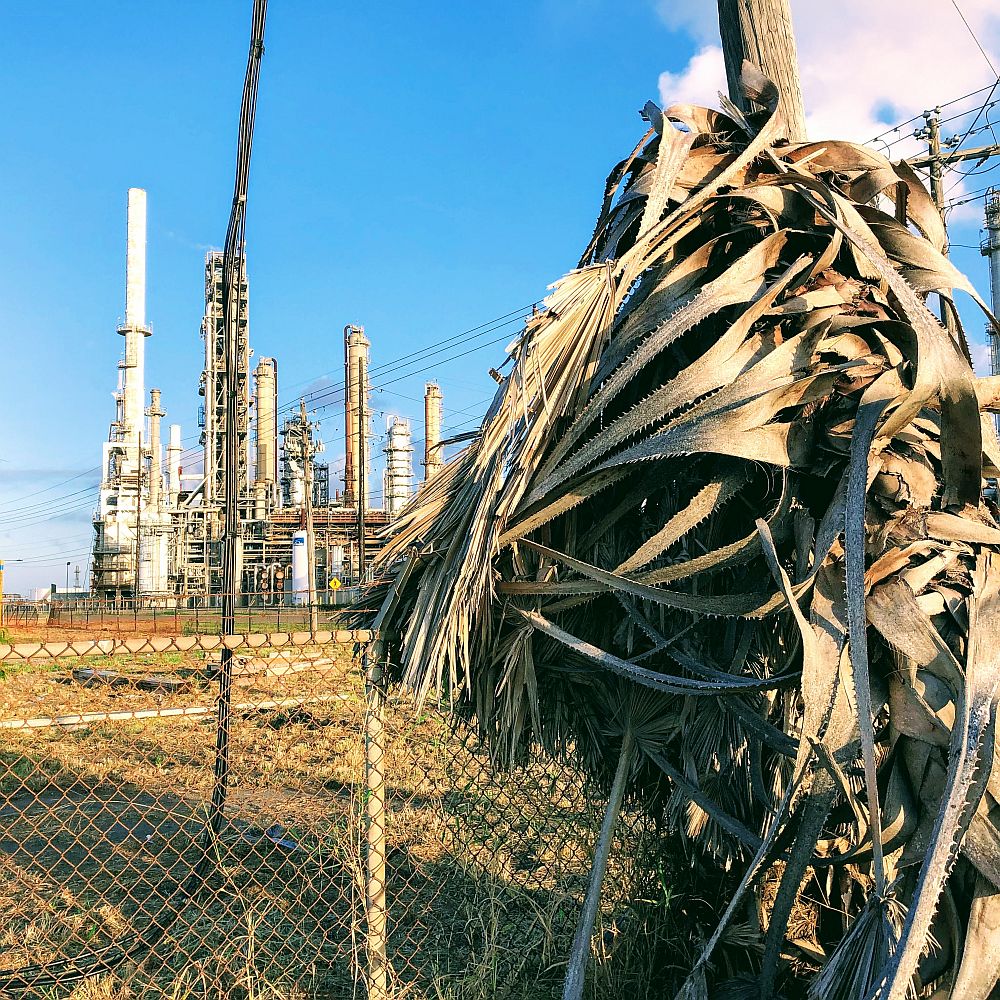
Note added on 05.05.2021: My Dad just informed me, this weed is the dead remains of a so-called sawtooth cactus. According to him – and my parents lived for many years in Corpus – the neighborhoods around the refineries are increasingly becoming devoid of vegetation. There are the laws that regulate the nature of the refinery pollution – but then there is reality, which often differs considerable.
Nothing particularly significant, just a doorway on a building in Zürich that I thought looked nice:

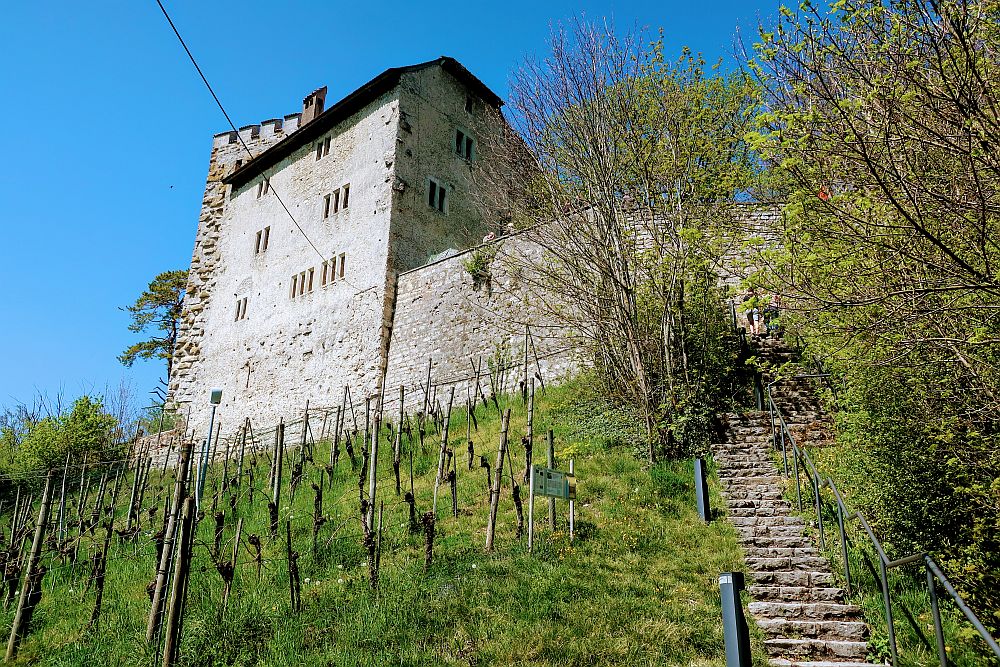
There are castles. And then there are castles. This is the Habsburg Castle, and it definitely belongs in the latter category. Not because of opulence and gold – but because of the sheer historical significance.
Located not too far from my home, it dates back to the year 1000, and it marks the spot where the very powerful Habsburg Dynasty was kicked off and more or less controlled huge swaths of Europe for literally hundreds of years – so long, in fact, that inbreeding within the family gave rise to genetic mutations such as the famous “Habsburg Jaw,” simliar to the likes of Jay Leno and John Kerry.
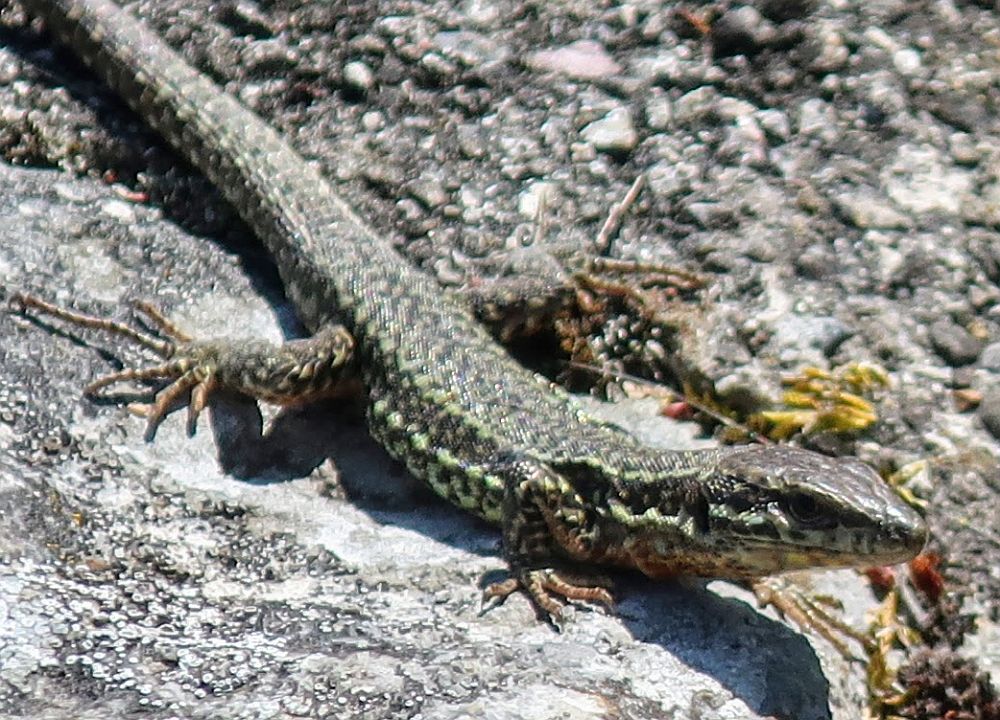
You do not – under any circumstances – want to come across one of these terrify, menacing, deadly creatures in Switzerland – well, at least not if you are just a few millimeters tall. Because in fact this fellow is hardly bigger than my finger. I took this snap at the Habsburg Castle in the village of the same name, in Switzerland.
This is UNESCO-recognized city Bern in the Kanton of the same name, in Switzerland. There are many amazing, mind-blowing things in this snap that each deserve their own blogs:
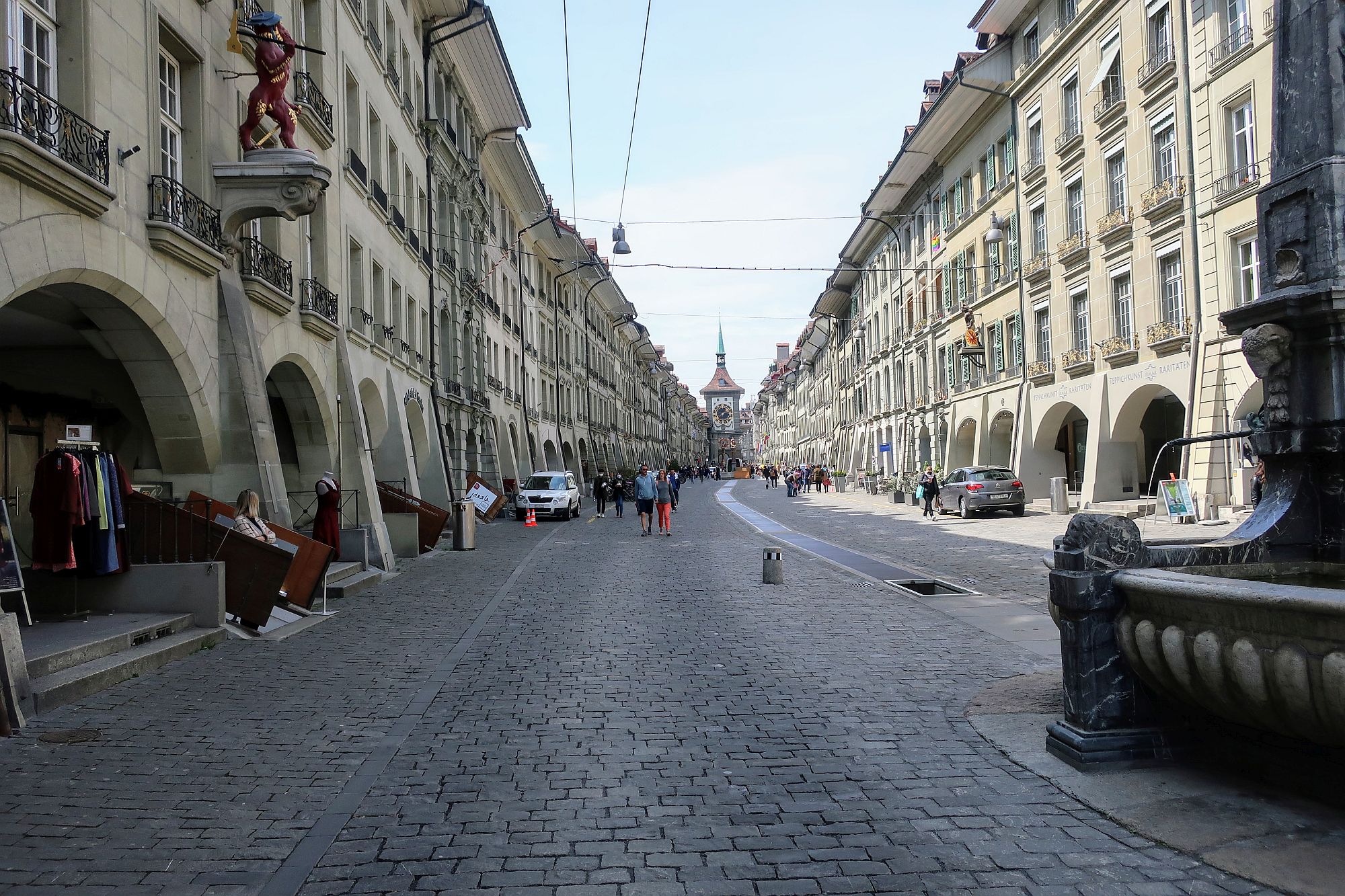
In this blog I’ll focus on the amazing, mind-blowing subterranean stores. If you look to the bottom left, you’ll see half a woman with blond hair. That is not really half a woman – that would be silly! In fact, it is a whole woman, and this woman is standing in an entryway to a store located under the street.
This snap shows many such subterranean shops:
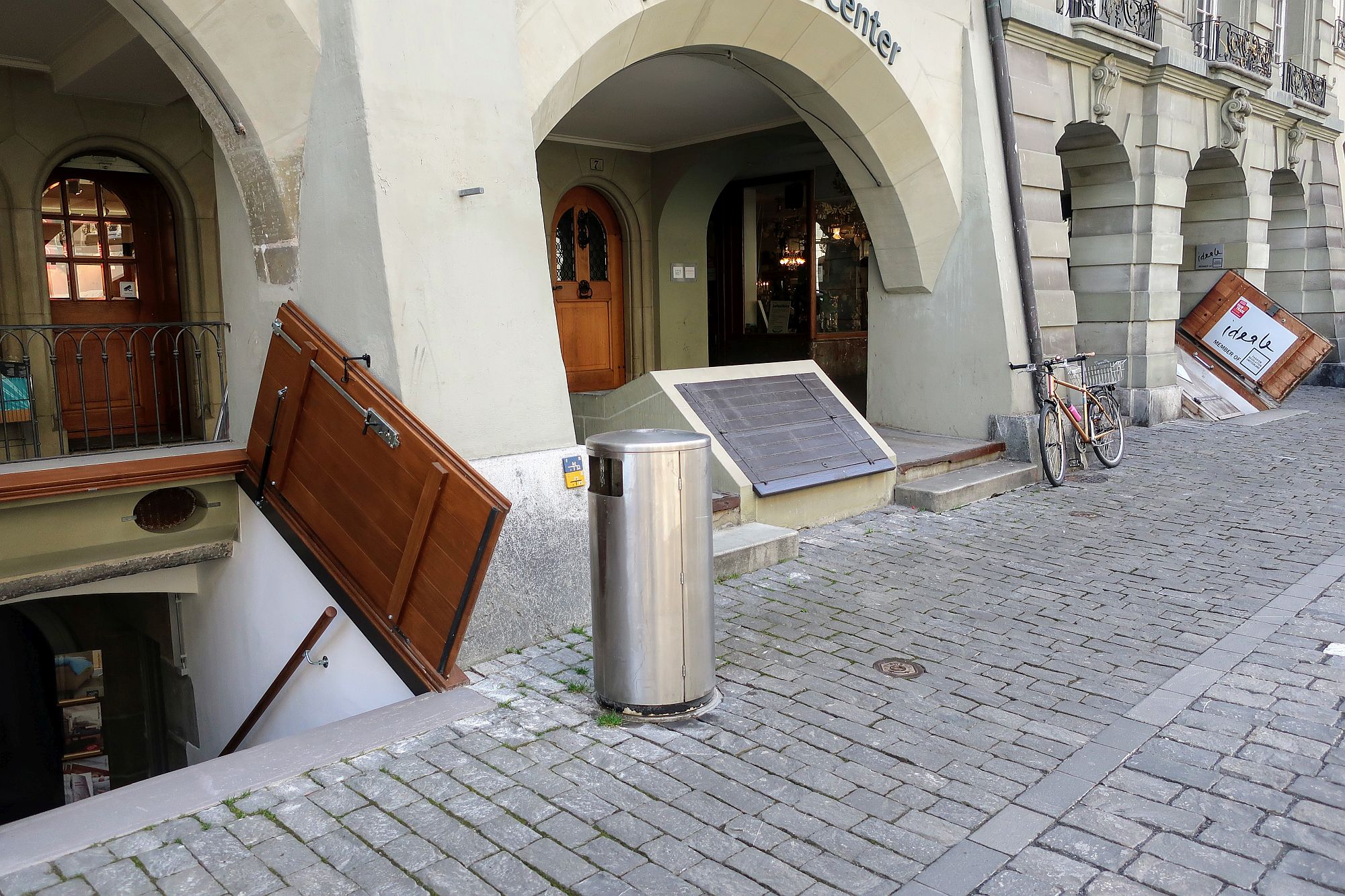
And if you get even closer, they look like this:
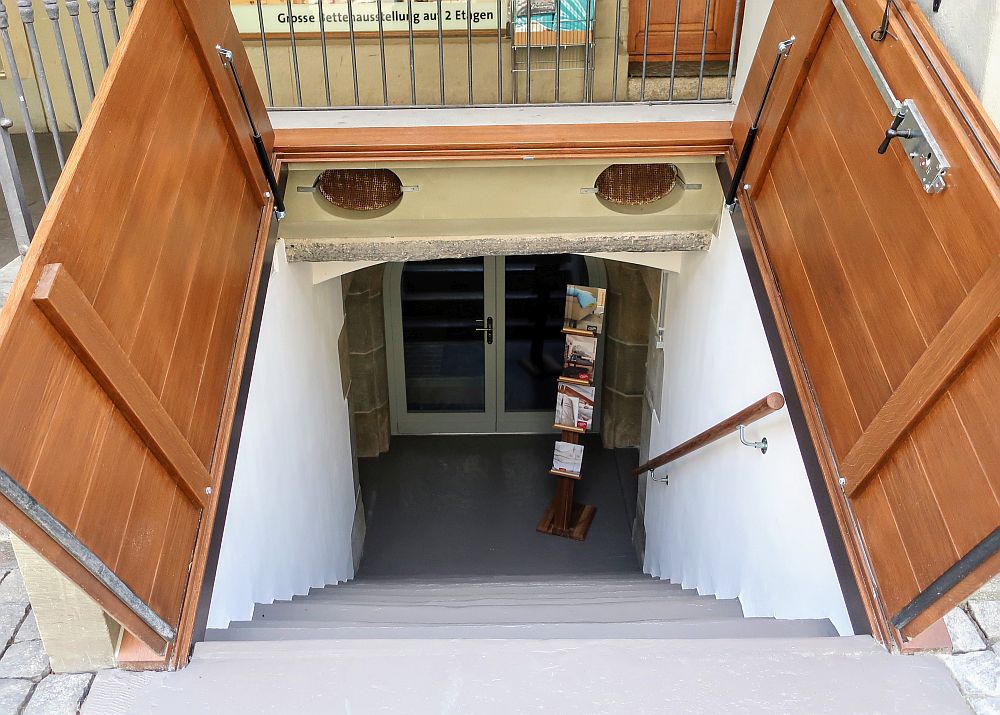
I don’t know much about the history of these subterranean shops, why for example people thought they were a good idea. I once spoke with a medieval historian (well, he was a modern historian, but his interest was the Middle Ages) and he said that the level of ground water had a huge impact on what we see today. So it is likely that Bern had a very low groundwater table – which would make sense because it is very high above a river – but that’s just a guess.
Always start with the WHY.
A delicious bowl of Vietnamese beef rice-noodle soup.
Here is my first bowl of homemade beef pho, a Vietnamese soup, and it was DELICIOUS!
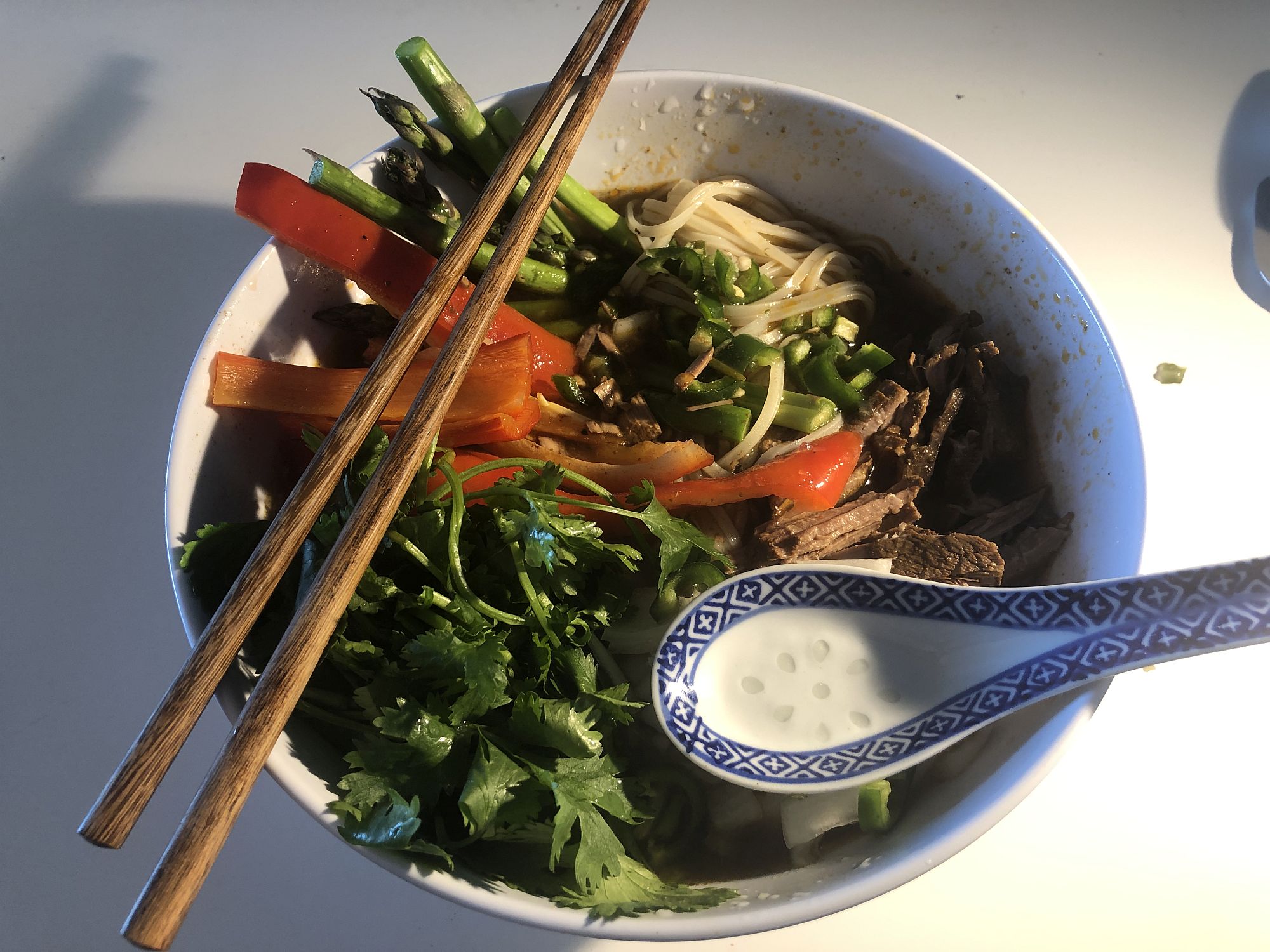
Like many Asian soups it’s traditionally eaten with a spoon and chopsticks, although to be honest this is a Chinese spoon and Chinese chopsticks.
But . . . how did the journey start?
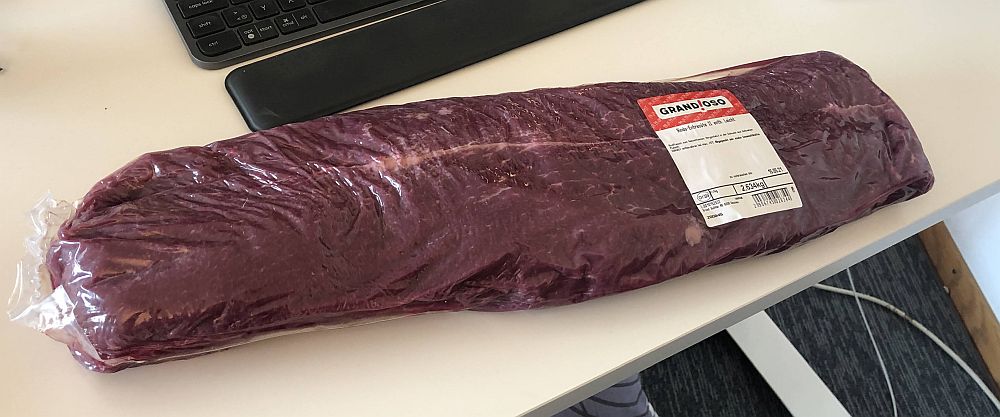
Beef is expensive in Switzerland, in my view almost prohibitively so. But . . . if you are willing to buy very large portions at stores aimed at restaurateurs, you can get some terrific deals. So I started with 2.5 kg of Rinds-Entrecôte that I bought at a Swiss wholesale supermarket called Aligro, This piece cost around CHF 50, which seems like a lot of money, but I reckon I get get at least 10-12 meals from this amount, if not more, making it far less expensive than any meat I could find at the supermarket.
I then loaded a few thick slices of this into my new Ninja Foodie Multikocher, which is a combination air fryer, slow cooker, steamer, high pressure cooker. Since I have a small kitchen, my thinking here is that I could drastically reduce my cleaning needs – and so far, this has been indeed true. It is much easier to cook a wide range of things and clean up, than by using pots and pans and an oven, which no matter how careful I am, always seems to leave drips and drops and splatters on my cooktop.
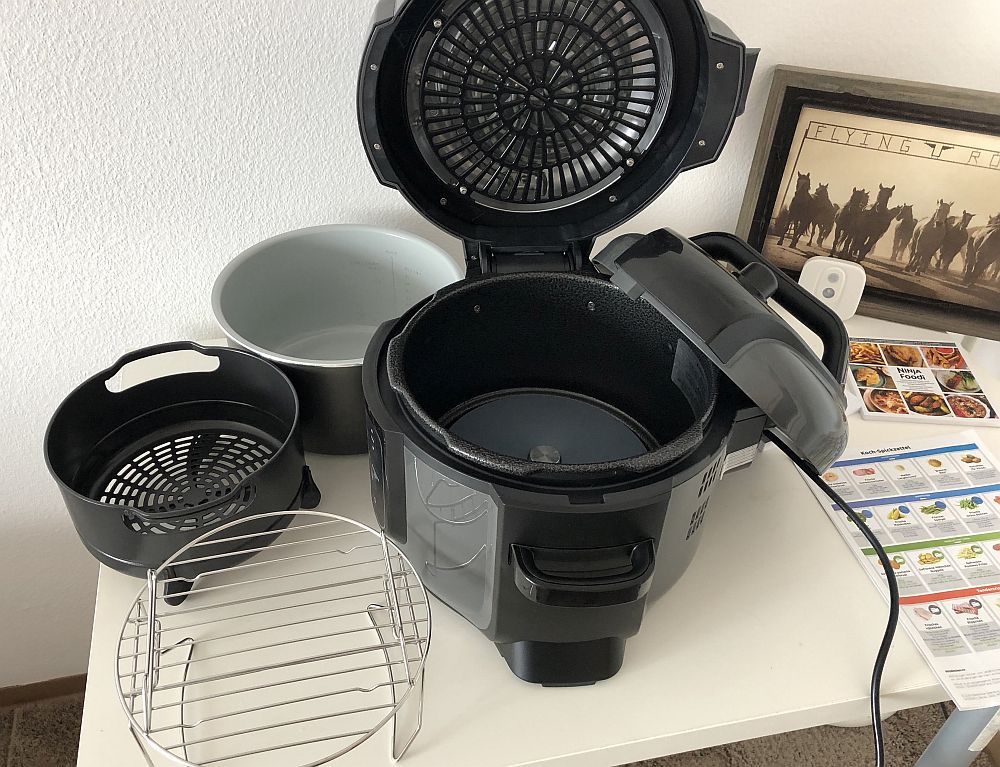
I added water, an onion, two large broccoli stalks, plus authentic Vietnamese flavoring,

This is what it looked like after slow cooking for 12 hours.
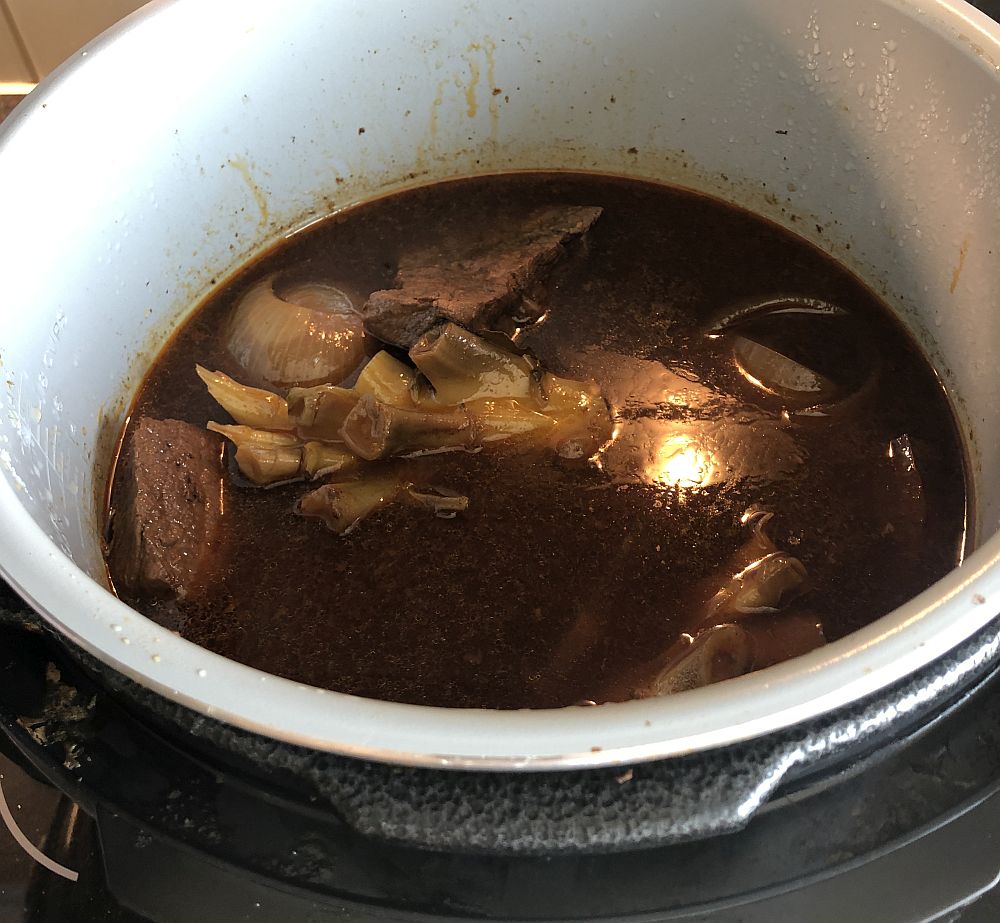
I next assembled the ingredients – to be honest, many more ingredients than I’ve ever found when I was in Vietnam, but nevertheless tasty things:
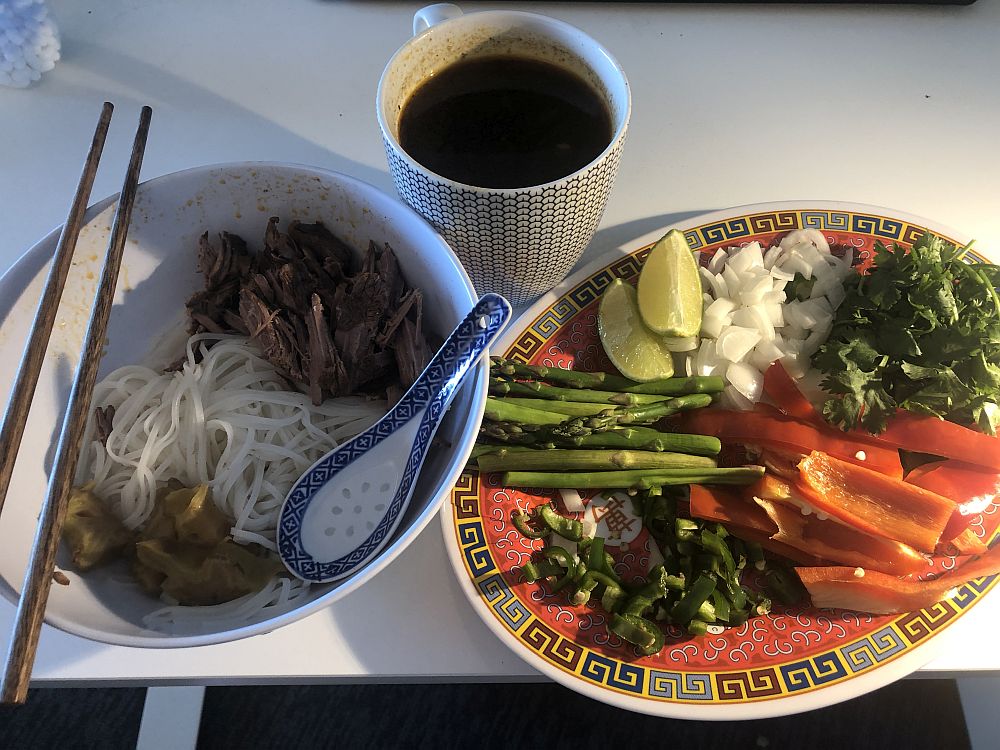
Interestingly, the Swiss don’t have much of an appetite for some of these things, so I purchased the cilantro leaves at a Turkish supermarket, along with the exotic peppers. The rice noodles are from Thailand, not Vietnam.
And after adding them all together, we arrive back at the beginning.
A delicious bowl of Vietnamese beef rice-noodle soup.
So common a sight that I think many Swiss are not even aware they exist. A small brook that channels water off a mountain,
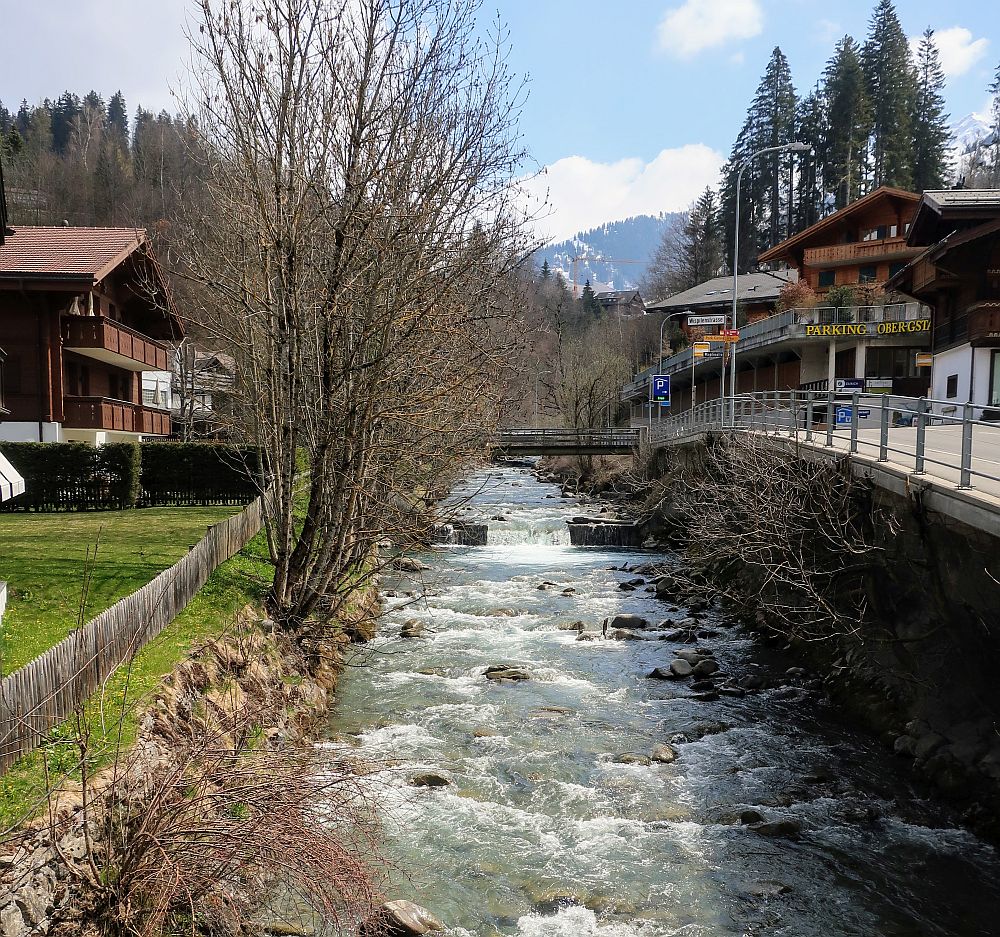
My guess: art
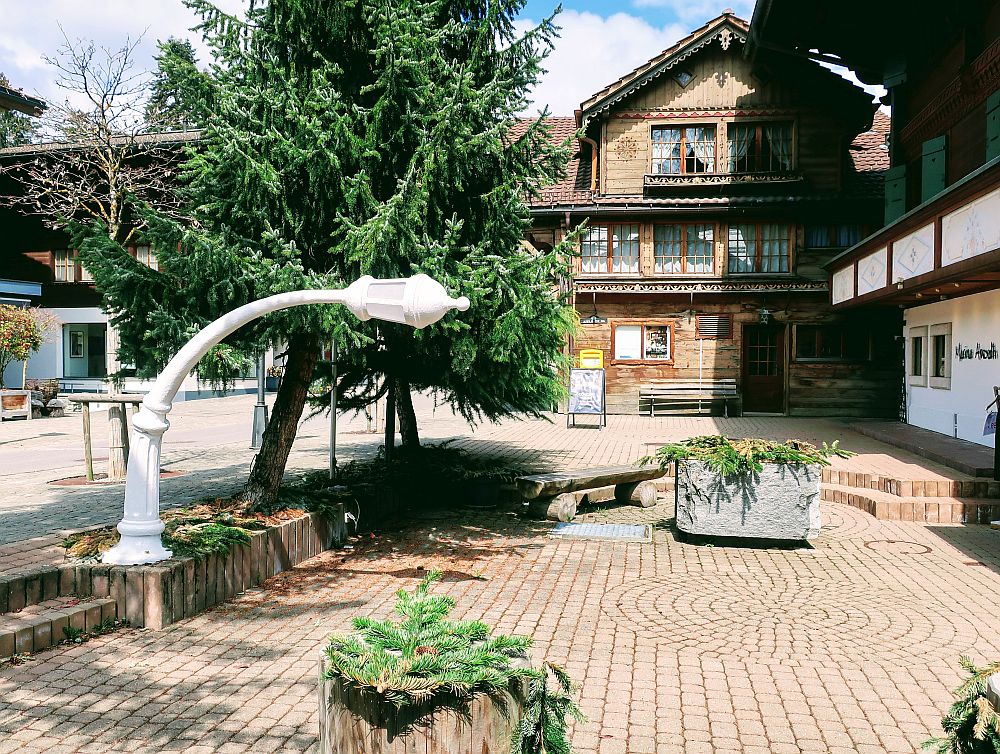
It’s OK. If it were me, I’d chose a different color, probably a hi-vis orange. Just sayin’ . . .
OK, probably not only in Switzerland. But certainly in Switzerland.
An automatic vending machine at the main train station in Gstaad that sells so-called “Alp-Cheese,” a very special type of cheese that is by law required to be made from the milk of cows that graze at very high altitudes in the Swiss Alps:
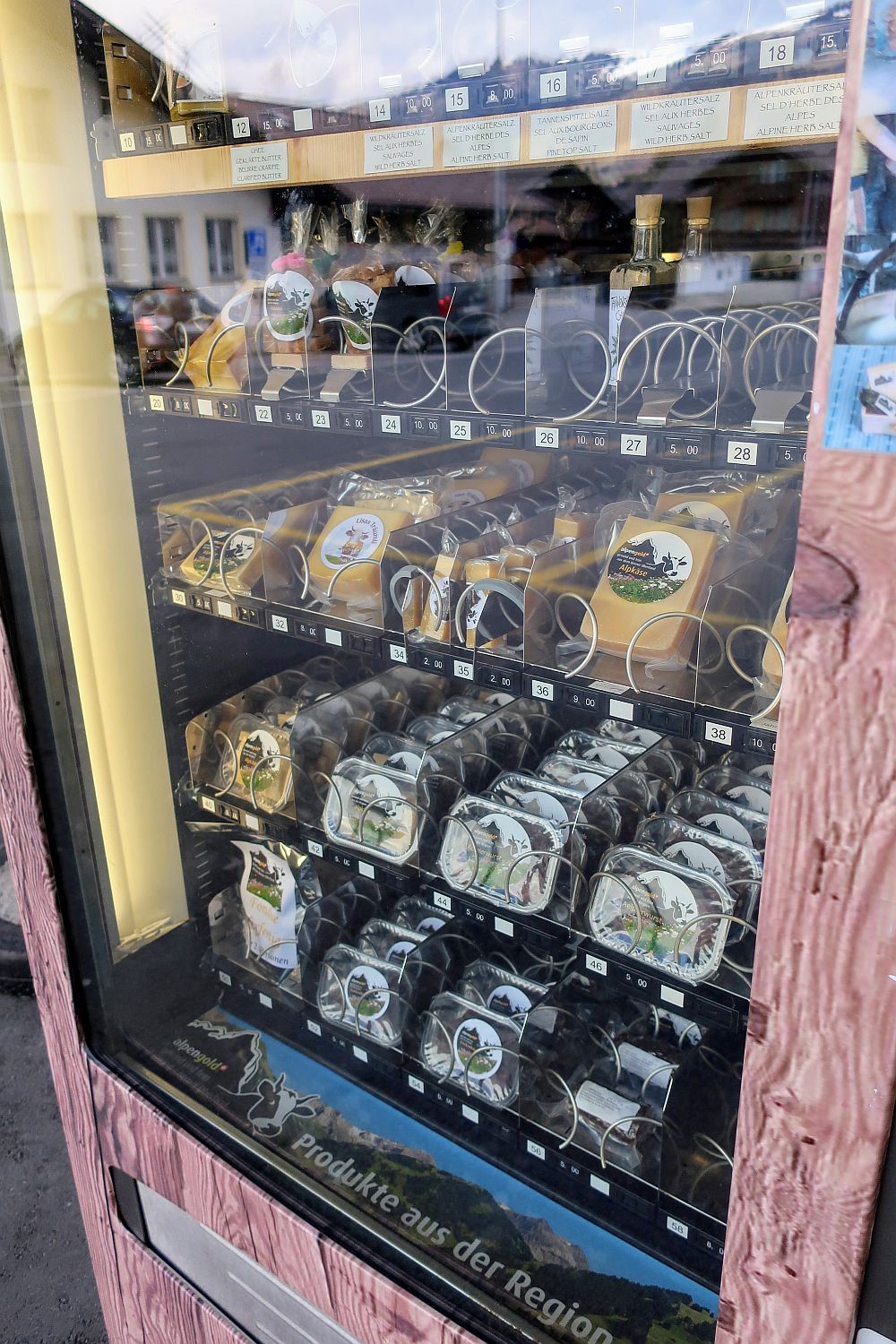
It’s on my to-do list to explore this topic further. From what I have been able to gather, there is an altitude defined by law above which the cows are required to graze; I’ve also read that the Swiss government pays a bonus to the farmers (per cow) as an incentive for them to keep this industry alive.
OK, to be honest I don’t know if they would have seen this exactly, since most of the buildings were probably not here around 40’000 years ago. But I’ve recently posted about a supposed clan of Neanderthals that lived in an enclave in Switzerland and, in this way, contributed strange words to the language.
At any rate, with the colors I find it a quite pretty snap.
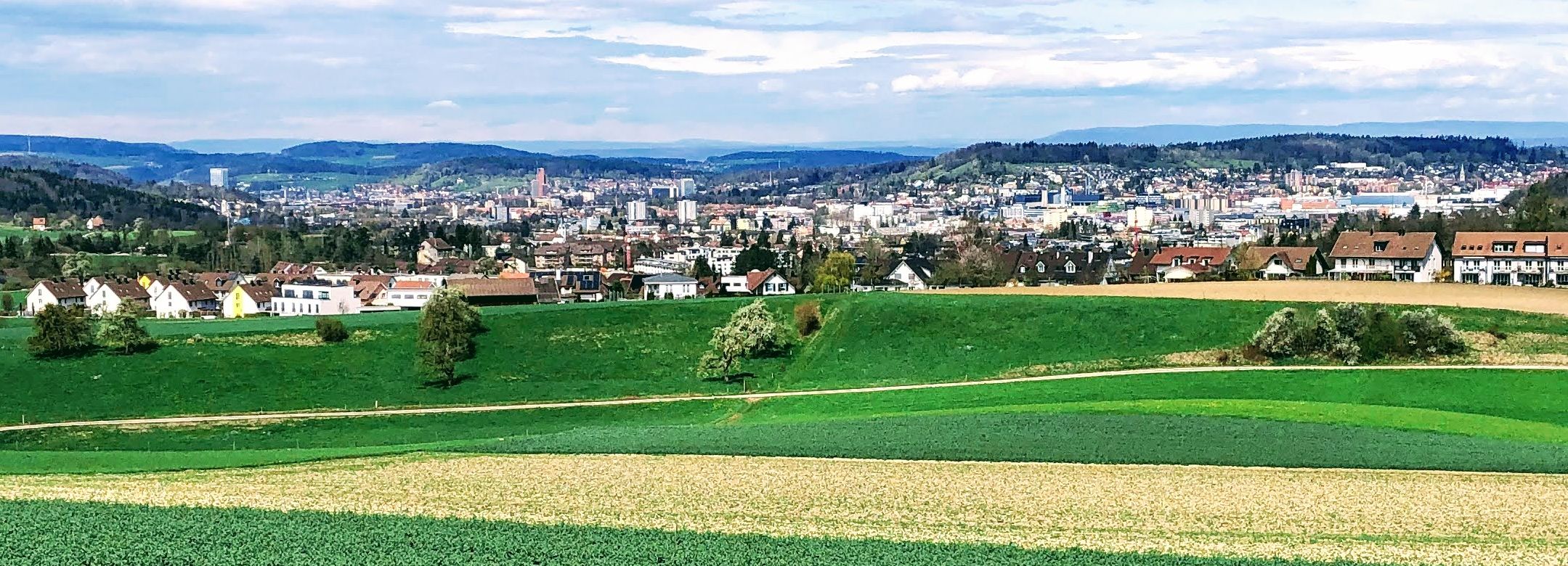
OK, I don’t know if they call it a venison farm. But that’s what it is:
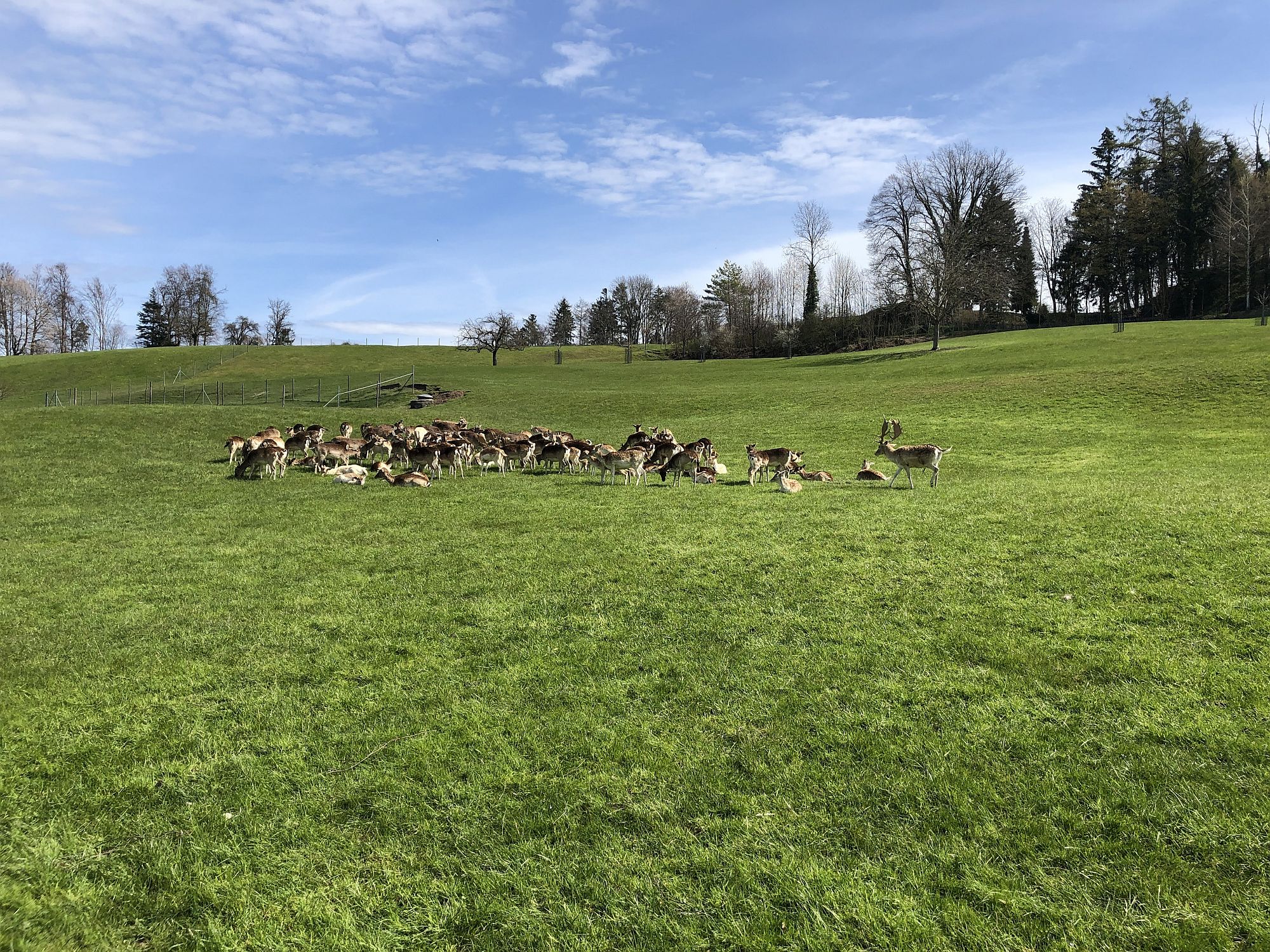
I’m not sure why – quite probably due to the meat lobby – but deer meat is very uncommon in the US compared to Europe.
What I find interesting about this shot is how the deer like to remain so close to one another, and how the stag deer (shown on the right) is actually on the edge of the crowd, maybe in order to better defend them?
In addition to farmed deer, the area of north central Switzerland where I currently live is filled with wild deer. I see a few every single morning when I take my daily 10 km Nordic Walk in the nearby forest. Generally they are quite tame and usually they’ll let me walk right by them without running away.