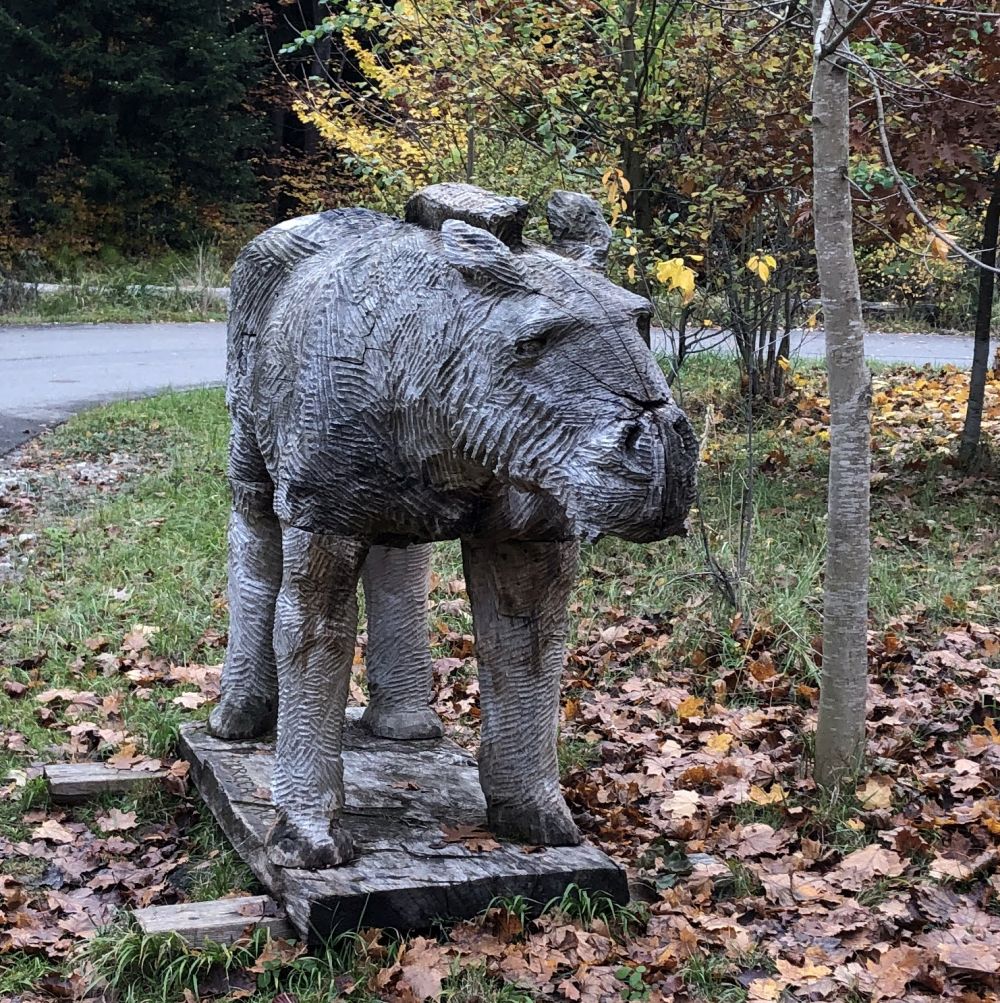
Not sure what kind of beast – looks to me more like a tapir than anything else:
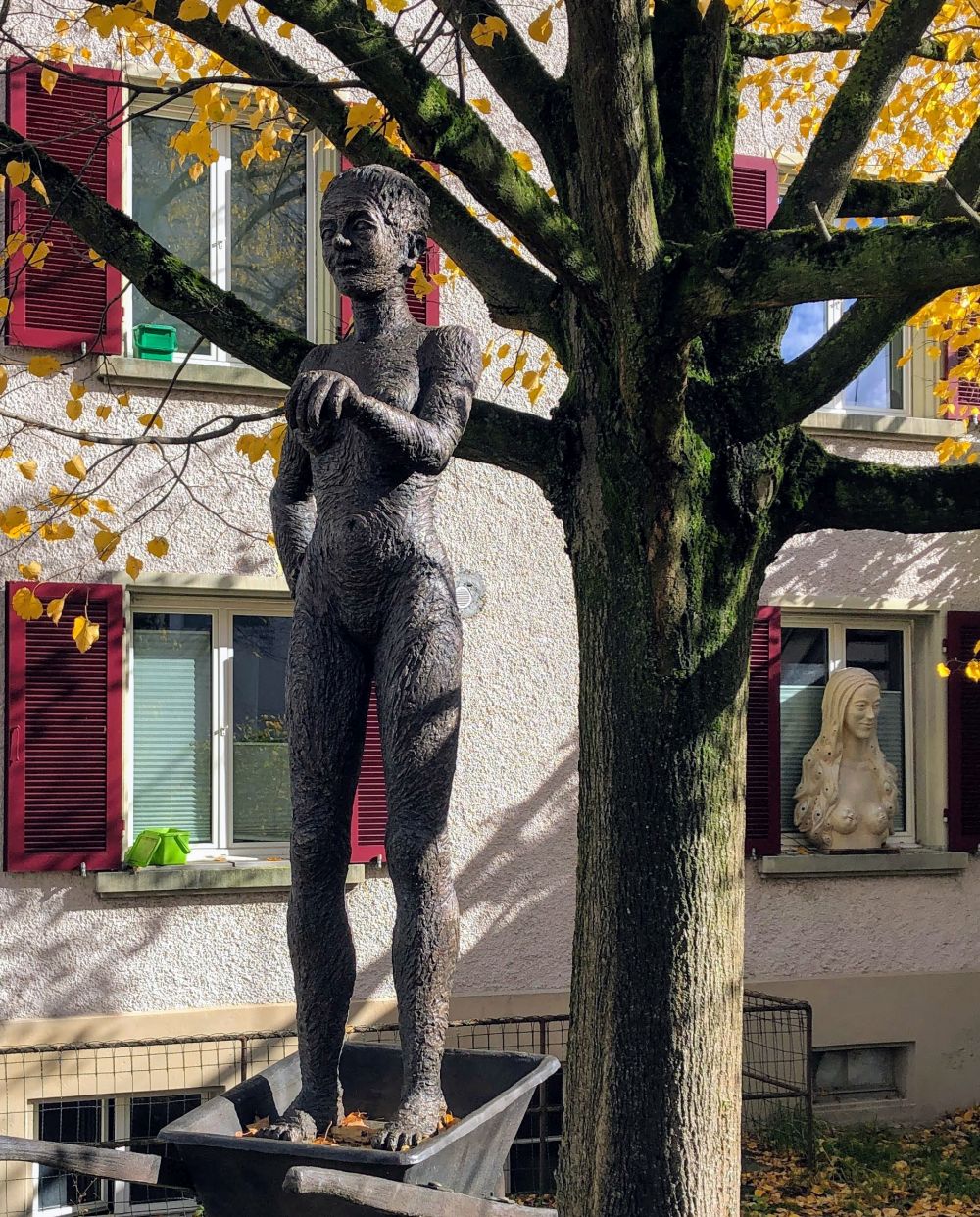
A renaissance man for the twenty-first century!
Not sure what kind of beast – looks to me more like a tapir than anything else:
I took this snap in the garden of a house in Winterthur:
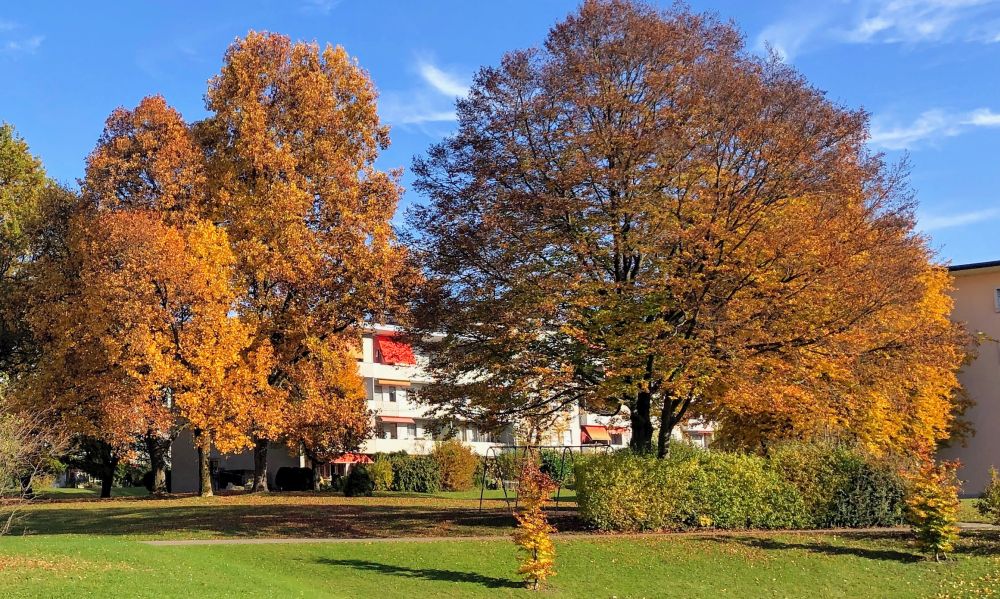
Well, not actually falling trees but rather autumn trees:
Washing machines in Germany and Switzerland are smaller and more energy efficient than those in the U.S. A normal washing cycle can take as long as 90 minutes, and a deep cleaning can take up to 3 hours!
Here is the room in my apartment building where the washing machines are kept:
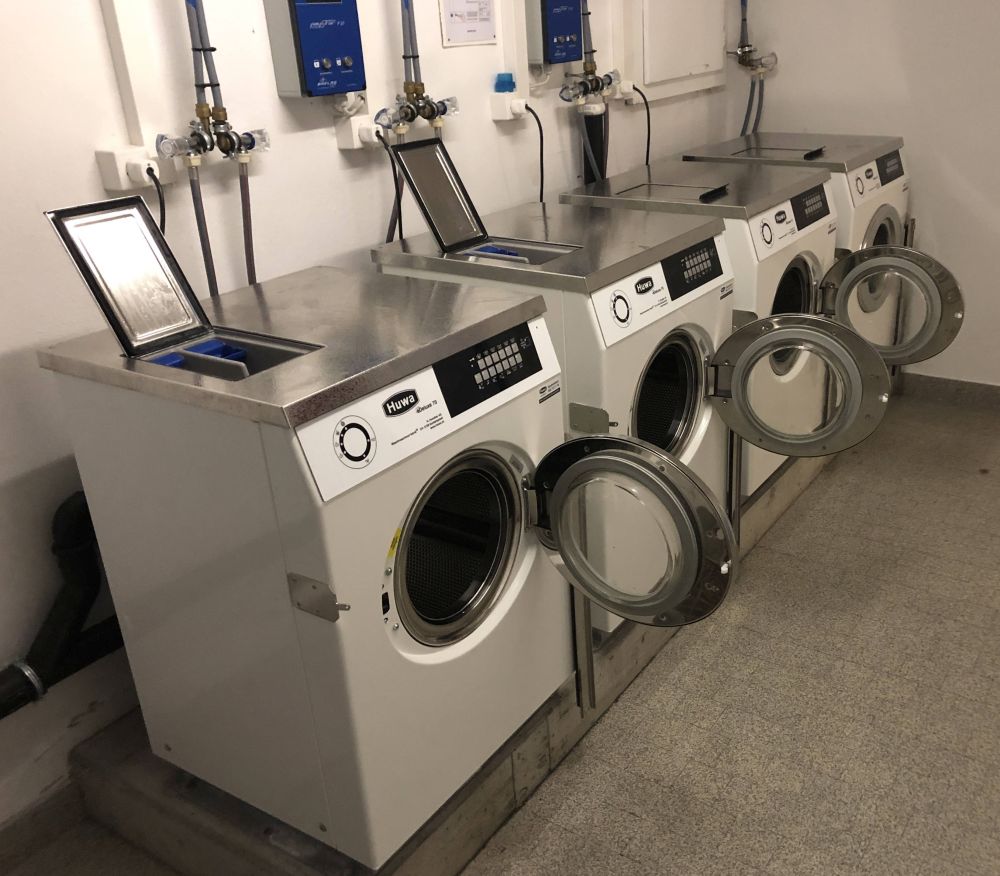
The spin cycle of the better machines can reach over 2000 revolutions per second – this is an amount that is so high, in many cases the more delicate clothes cannot handle the stress and they are damaged. Needless to say, after spinning at these high speeds the clothes are effectively dry when they leave the machine.
Here is the little box where you add the detergent and, if you use it, the softening agent:

In my building, the machines were in use nearly 24×7 – and we have 8 washing machines and 8 dryers! Well, it turns out the machines were not being used by the residents, but rather the friends of residents – whole families even!
So recently they installed a charging mechanism. You can charge up a little chip here:
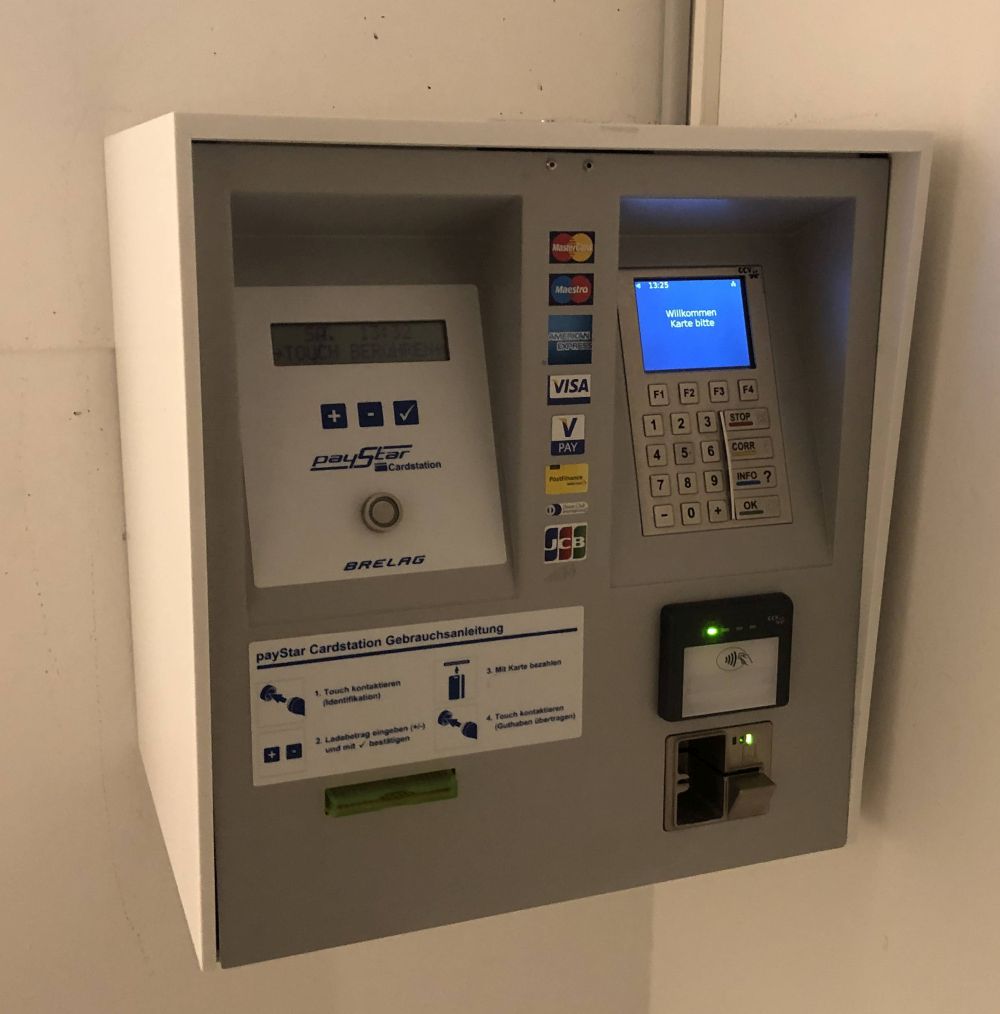
Then to activate a washing machine or a dryer, you hold the chip up to this device mounted next to the machine you want to use:
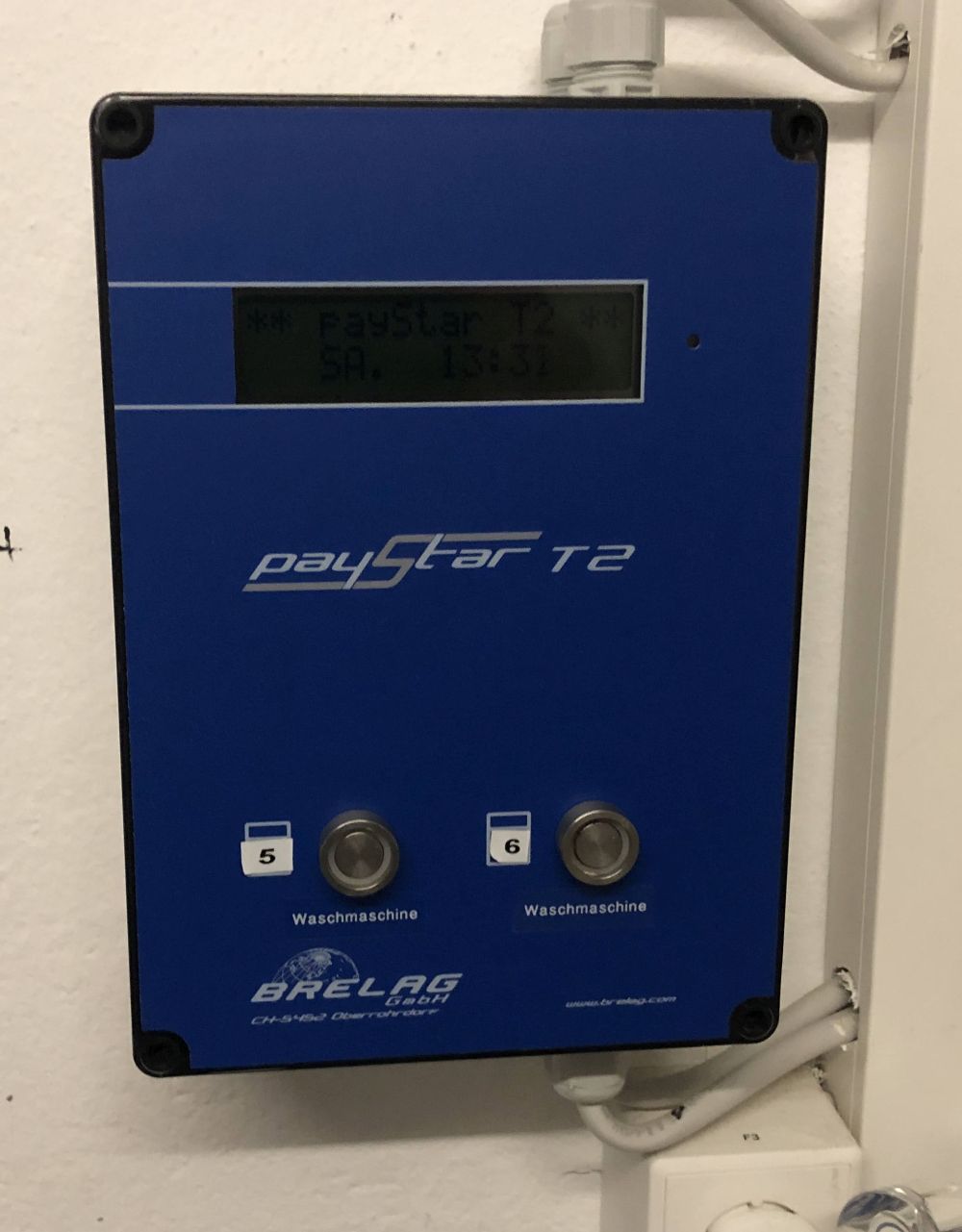
The costs are almost negligible – I think CHF 0.50 to wash clothes and to dry them. But . . . since the charging mechanism was installed, now the machines are only used by people in the building. Generally speaking, there are always at least 2-3 machines available whenever I want to use one!
Switzerland is very similar to Germany in many regards. In one regard, the washing machines and drying machines are often kept in the basement of apartment buildings.
In my case, the apartment company furnishes the machines for the use of the residents.
Here is the room with the drying machines:
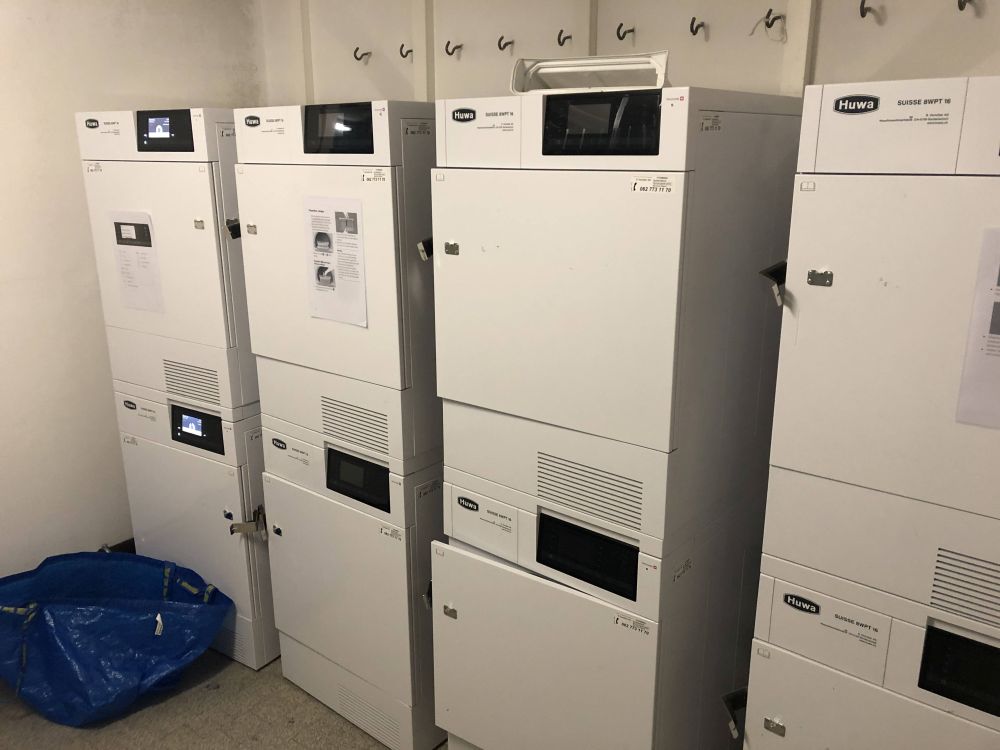
In America, the drying machines blast hot air through the clothes, and the warm humid air is vented directly to the outside. It’s tough on the clothes, and it requires the machines be placed in close proximity to an outside wall.
Here, normal air is blasted through the tumbling clothes. As it exits the machine it passes through a condensation chamber, and the water is condensed out of the air. Better on the clothes, and it means you can position the drying machine anywhere you like.
Here is a snap from the back that shows the water tubes that drain the condensation chambers into the water drainage in the building:

Bern has a few notable sights, but this building and one-time prison dating back to 1256 is one of the more notable of them:
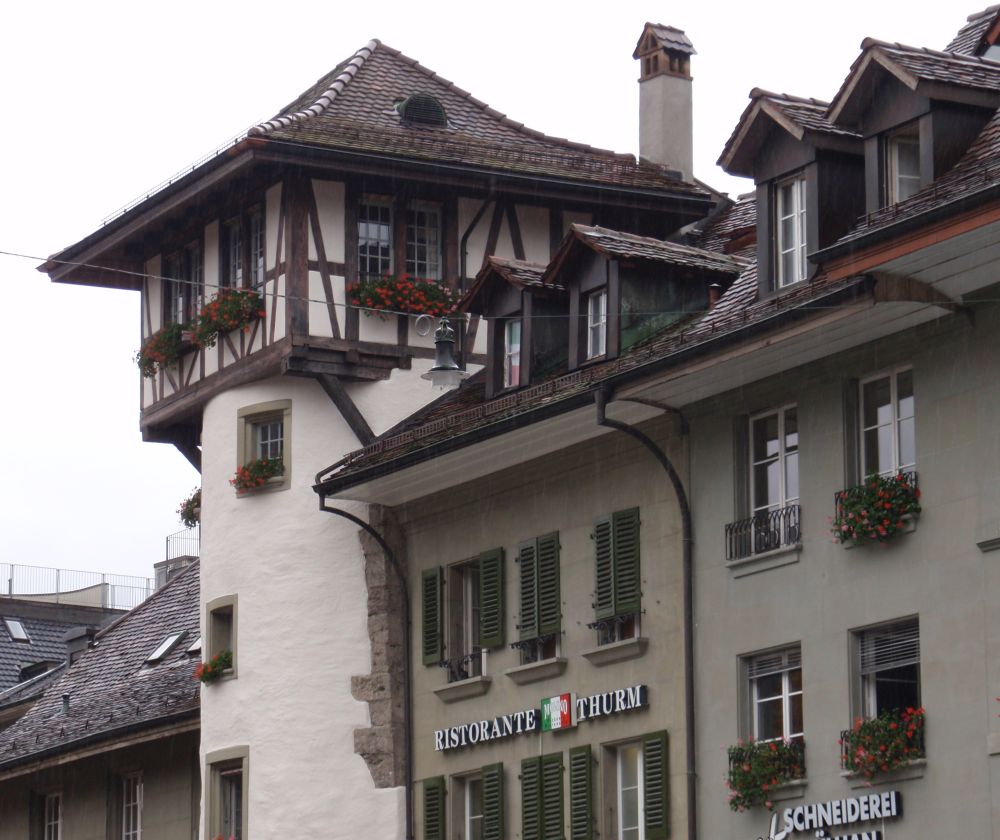
As artistic a snap as I thought I could take of this magnificent Swiss lake, formed by a very high damn just visible in the lower right hand corner:
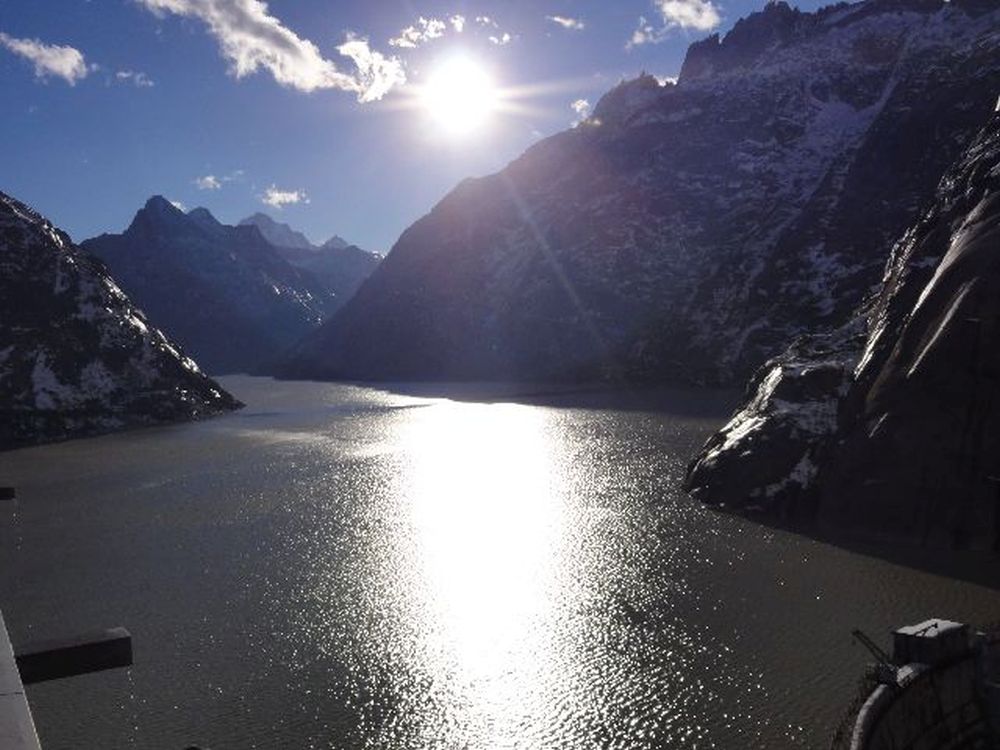
As artistic a snap as I thought I could take of some Swiss houses, taken from the northern shore of the Rhine River in Germany, near to Stein am Rhein,

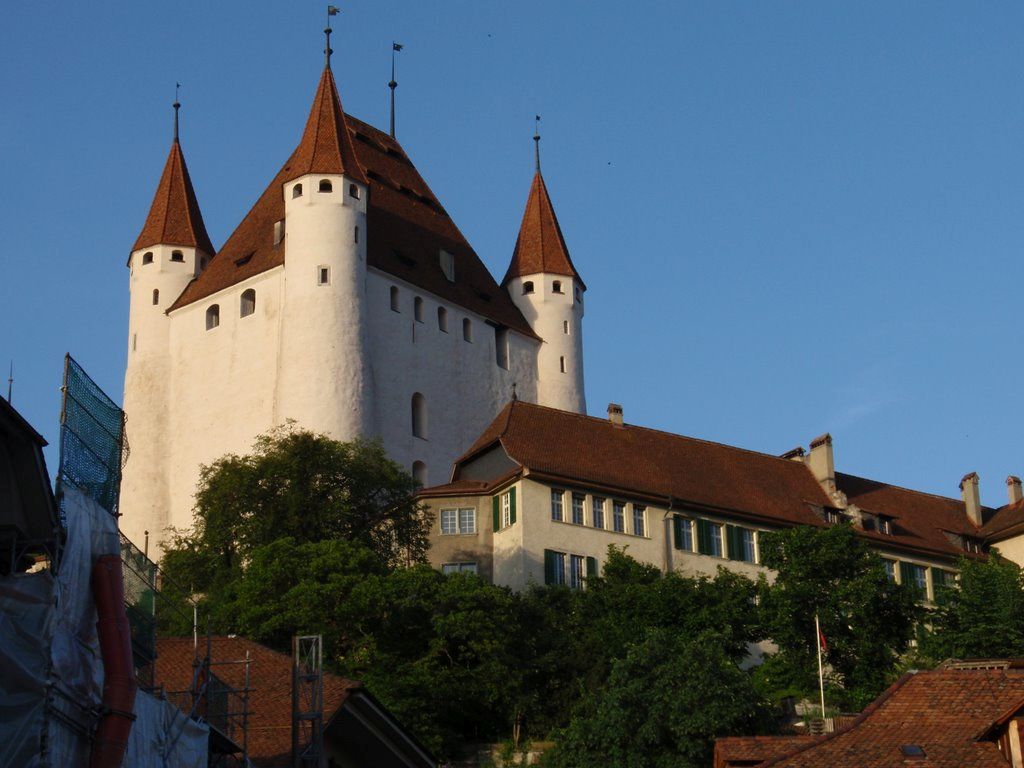
No re-touching of this snap at all – I thought it was a wonderful view of the castle in the Swiss village of Thun in the evening sunlight:
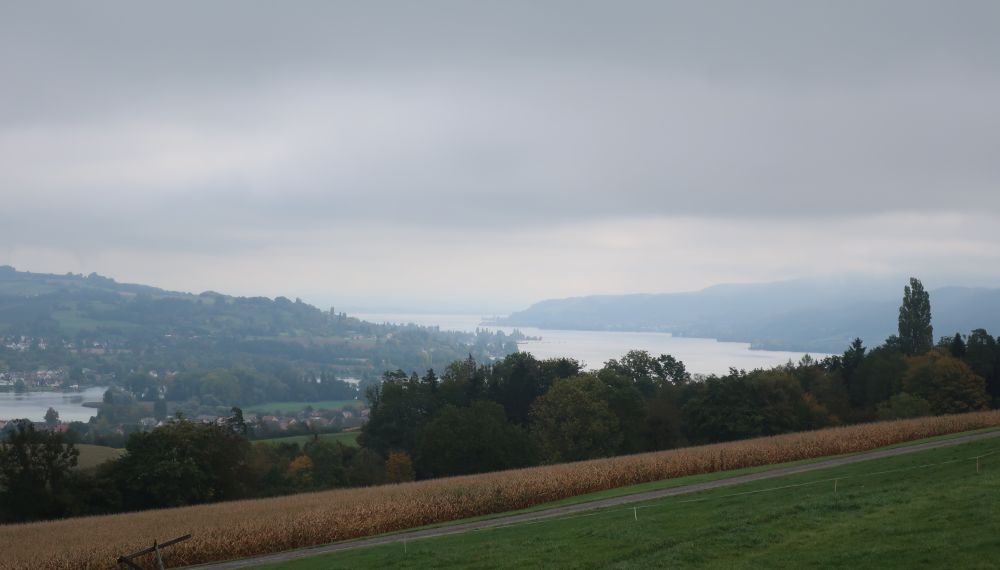
I really like the feeling of this snap, looking north towards the Rhine River from just across the border, near Stein am Rhein in Switzerland.
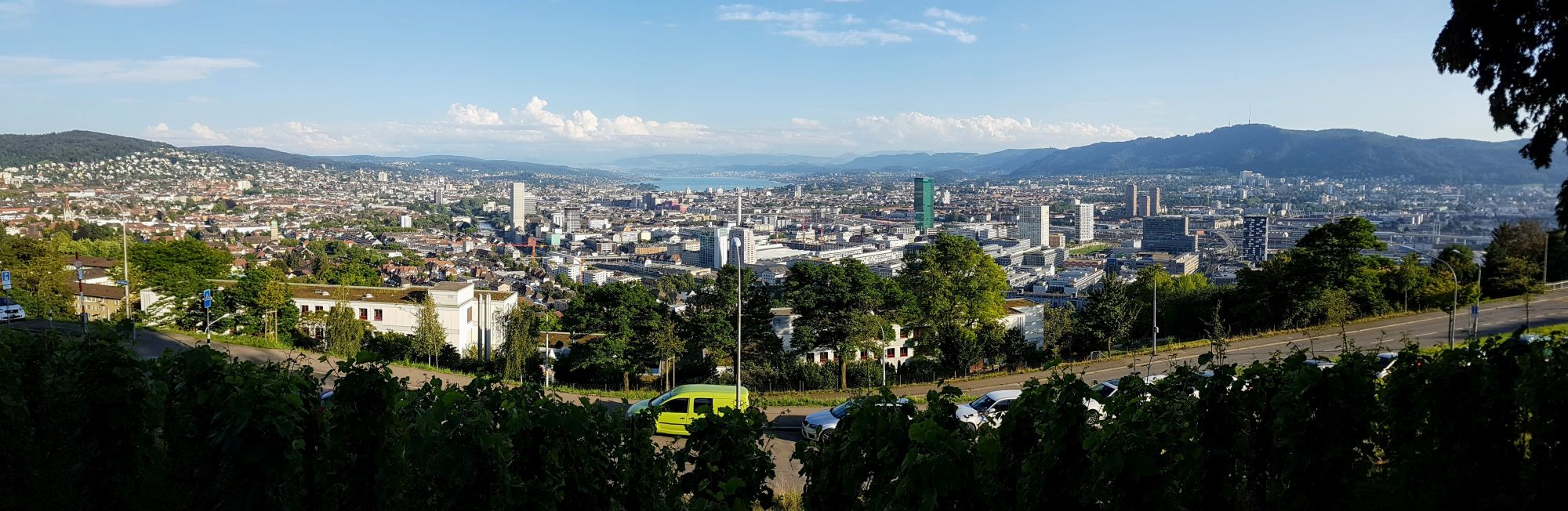
As artistic a pano as I thought I could rama, looking south at Zürich:
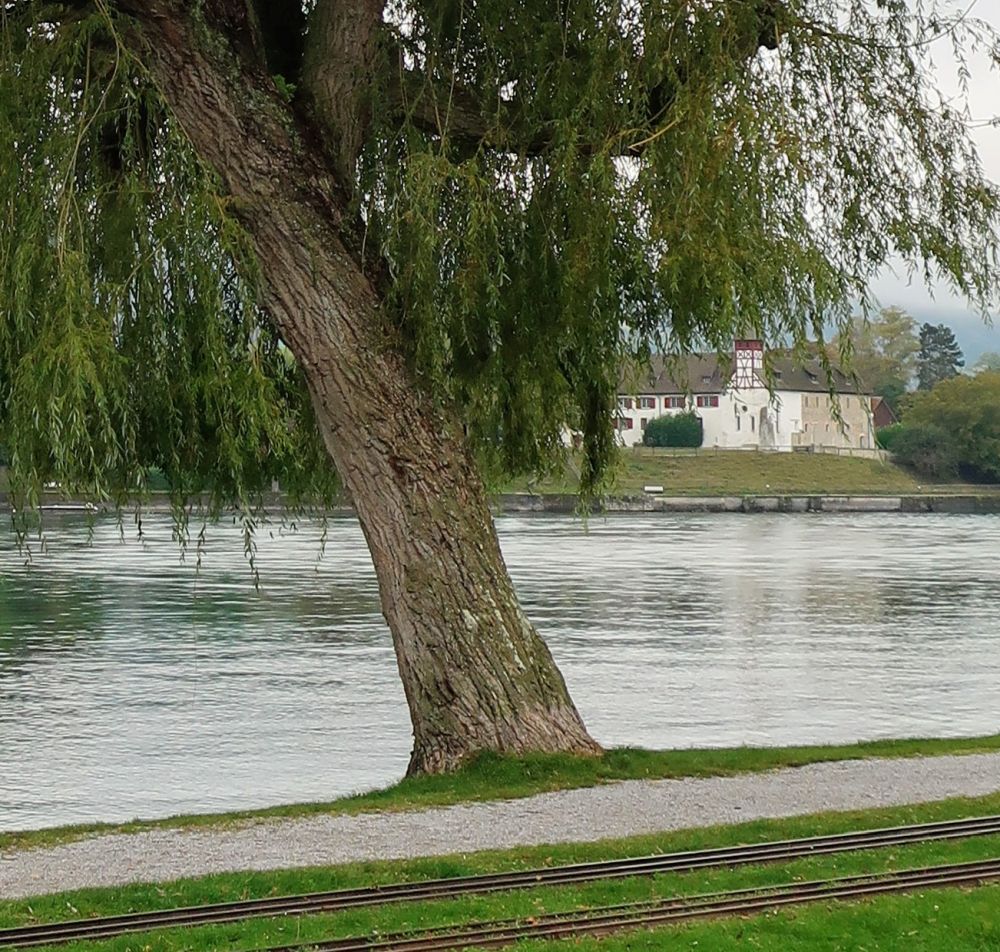
I love this snap of a house along the Rhine River, near Stein am Rhein. I took this snap from Germany, pointing south; the house is located in Switzerland. The Rhein River forms the border between the two countries.
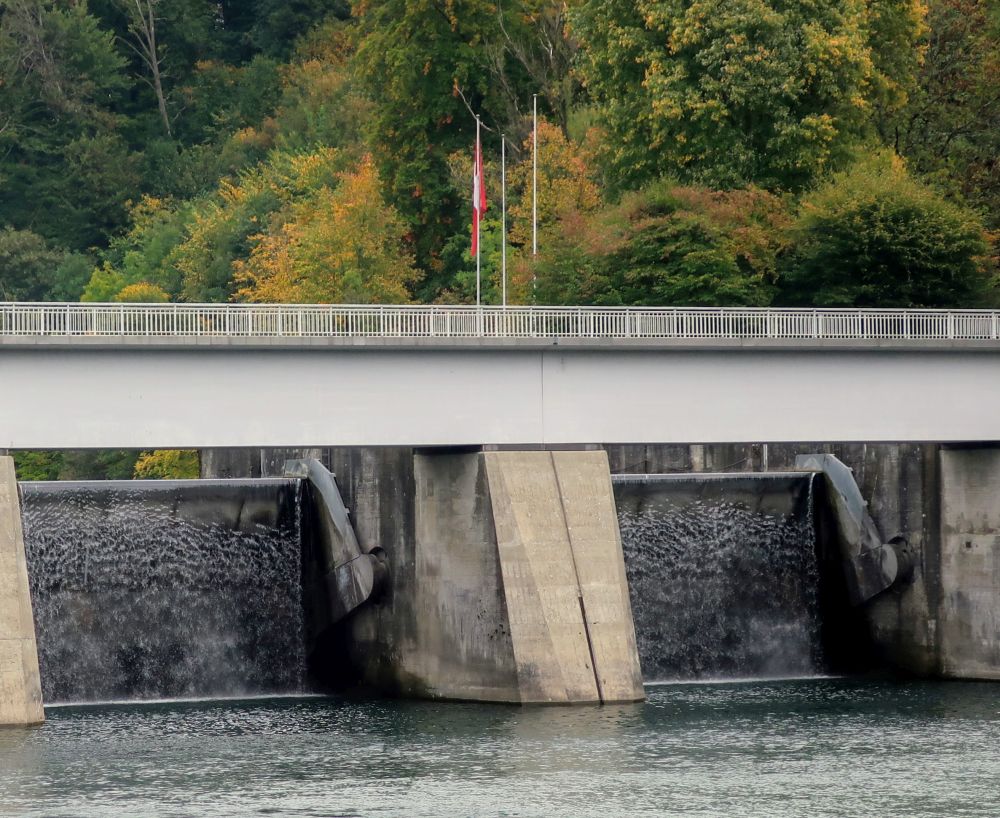
I think there has to be a law in Switzerland: if there is any flowing water slightly larger than a garden hose, then you must build a hydroelectric power plant to capture its energy. Well, if there is such a law, it’s not a bad law to be sure! This is the hydroelectric power station along the Rhine river in Schaffenhausen, in north central Switzerland.
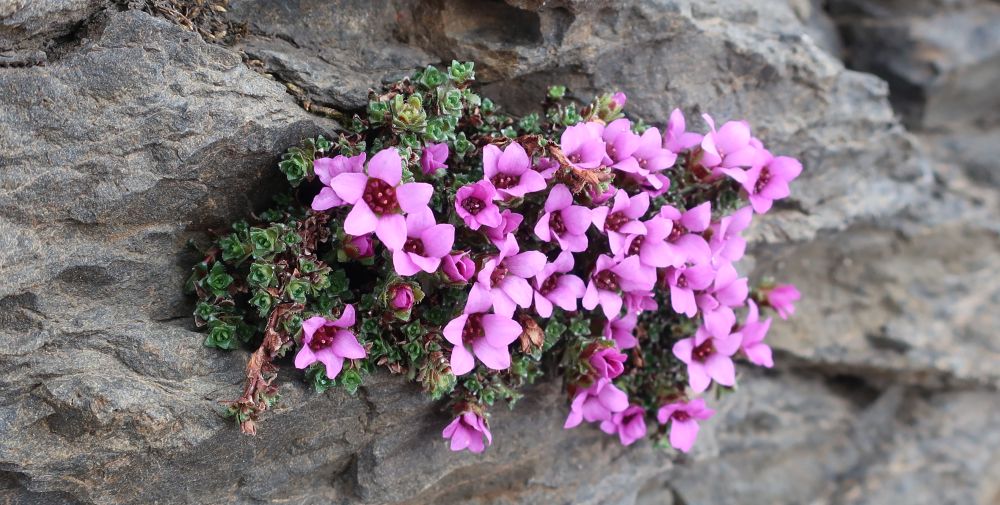
Some flowers I caught growing out of the side of the mountain,
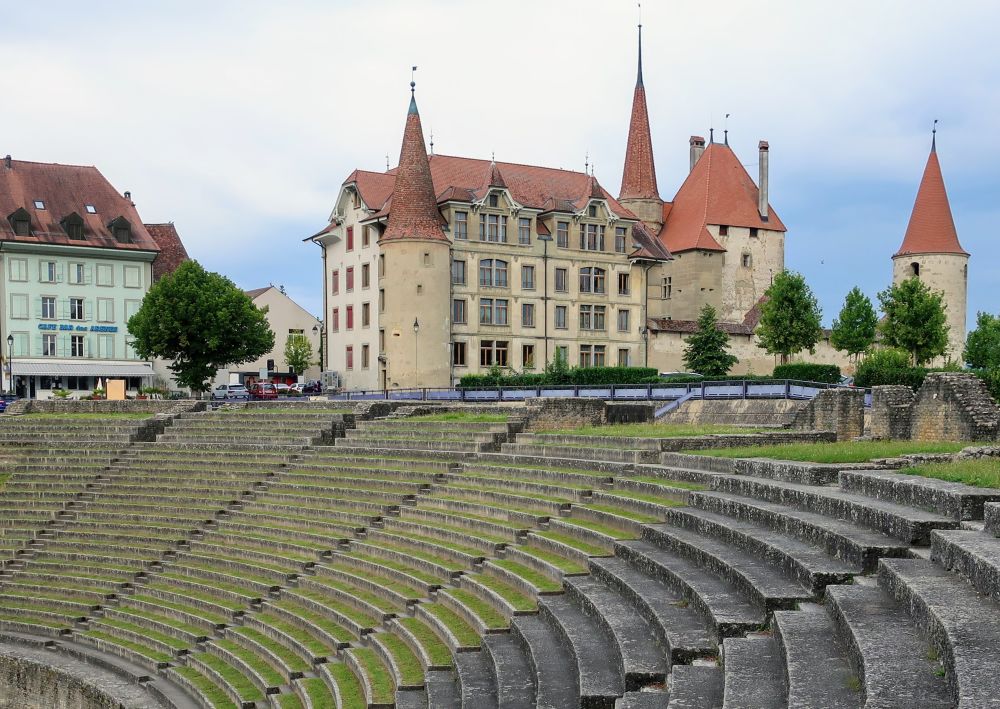
Switzerland is well-known for the cleanliness of its public toilets – and as you can see from this snap of a 2000 year old Roman amphitheater in the Swiss village of Avenches, in fact have well-built toilets is a very long tradition indeed!

Avenches has an interesting history, being just outside the largest Roman town in Switzerland (Aventicum) which, unfortunately, collapsed several hundred years after its founding.
In a recent blog post, I talked about Switzerland having the world‘s largest building with no indoor supports – a massive installation used to cover a huge toxic cleanup site. The site‘s long been cleaned up, and the building has long been dismantled, but I can‘t stop thinking about the purpose of one of the vehicles I showed in a snap,
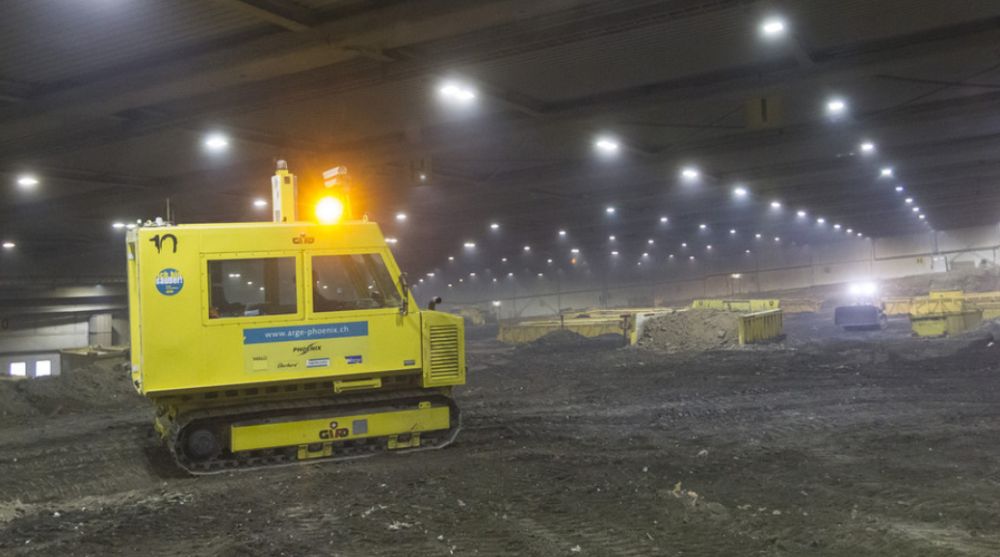
There’s no attachments to push or pull anything, so as near as I can tell, it can’t do much more than drive people around.
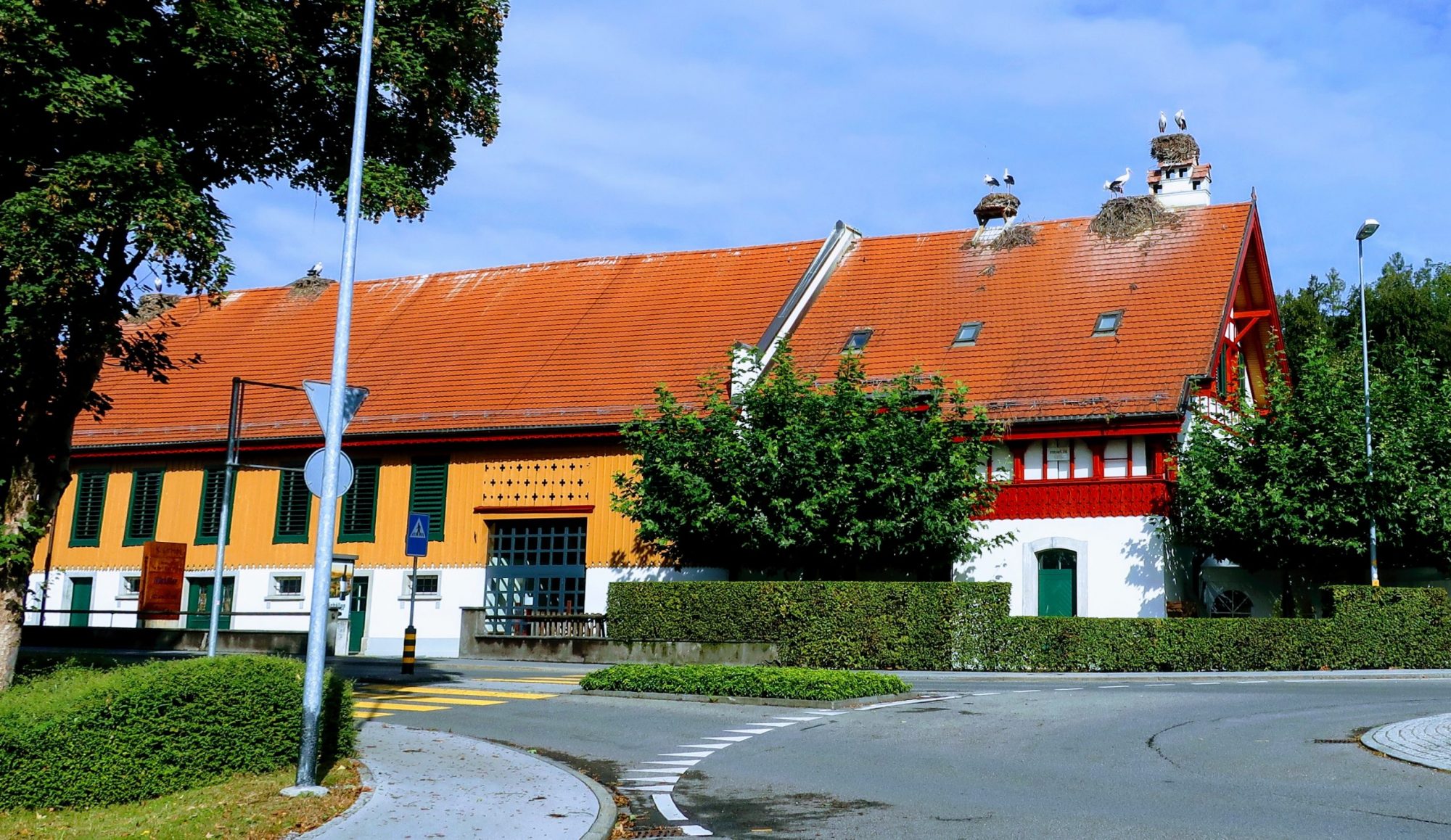
Well, you can imagine my surprise when I was travelled through a small village in north central Switzerland and came across this site!

Is this the same vehicle? Regardless, why does it look so strange and what doesn’t really do? Well, the side of the vehicle advertises a museum dedicated to excavation, so I guess I‘ll have to go back one day and check it out!
I‘ve written about storks in Alsace, storks in Germany, storks in Bulgaria – and lots of other places.
I‘ve written about stork migration – how they learn their destinations and even their flying technique from their local neighbors.
I‘ve even written about stork poop. Until now, just about every stork nest that I have come across has been relatively clean and poop-free.
Until now . . .
In the country that prides itself as being the world‘s cleanest and most organized, it seems the storks have a lot to learn, as this snap near Tuggen, south of Lake Zurich, shows:
A lot of people think he was the fictional creation of an author, but that hasn‘t stopped Switzerland from adopting Wilhelm Tell as one of their most famous local folk hero’s. Deep, deep within the Swiss village of Altdorf, deep, deep within the Swiss canton of Uri, there is an incredible statue of Wilhelm Tell – which is so big and incredible I can only reveal it piece by piece, such as this close-up here:
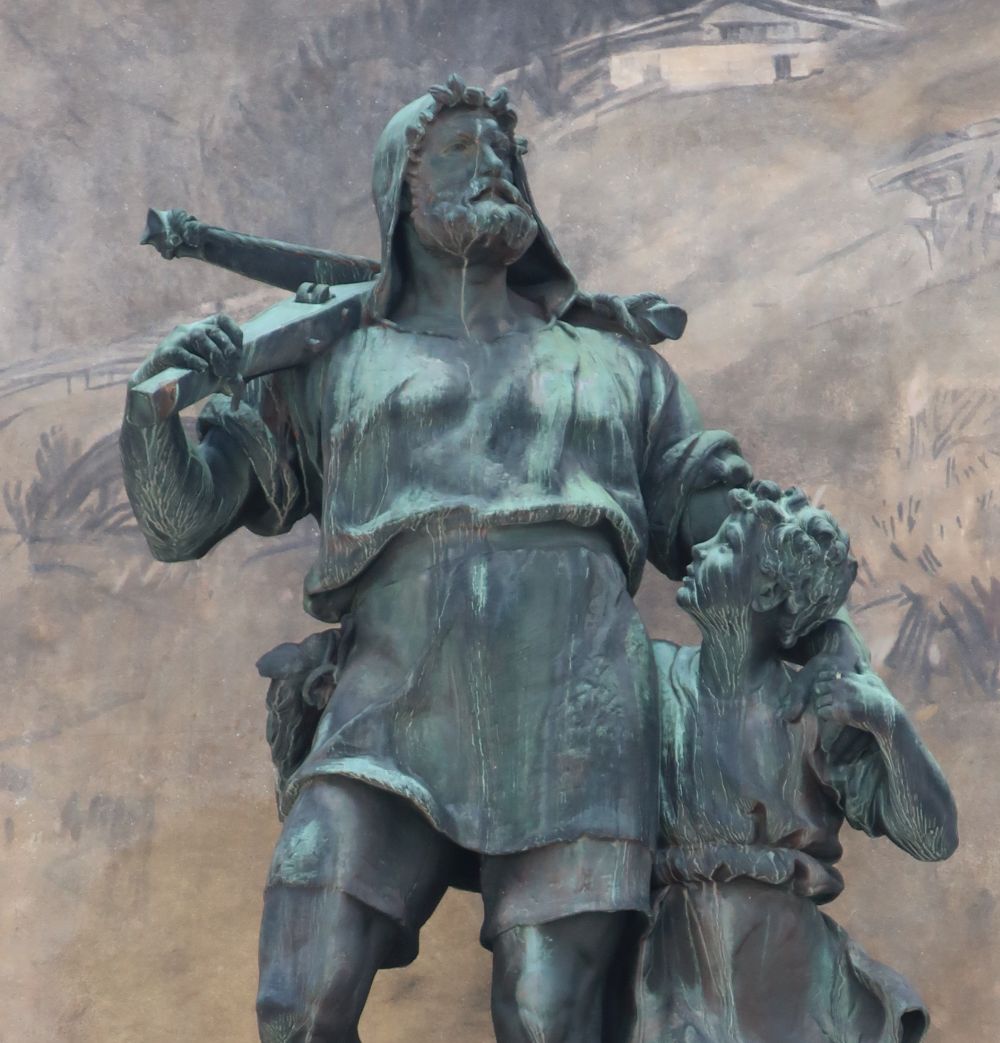
What I don‘t really know is whether the artist tried to capture father and son before Wilhelm used his crossbow to shoot the apple off his son‘s head – or after. From the fearful look of the small boy, and the „try to be brave, my son“ look of the man, my guess is that this scene took place just immediately before the Apple was shot off – but that‘s just my guess.
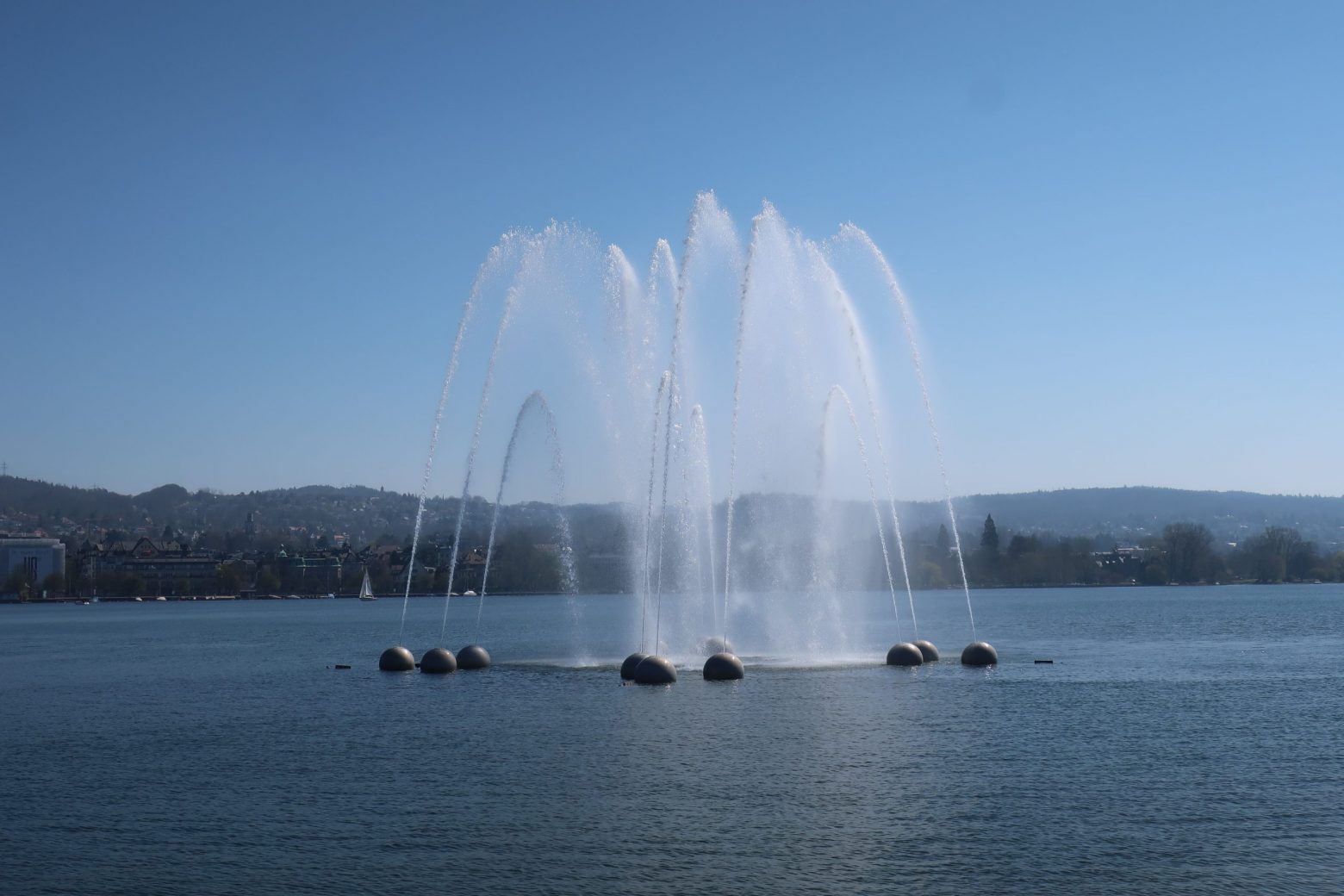
Lake Zürich – or Zürisee as it is called by the locals – has so many dozens of fountains scattered around it, it is probably impossible to count them all.
Here is a shot of a water fountain at the northwestern end of the lake,
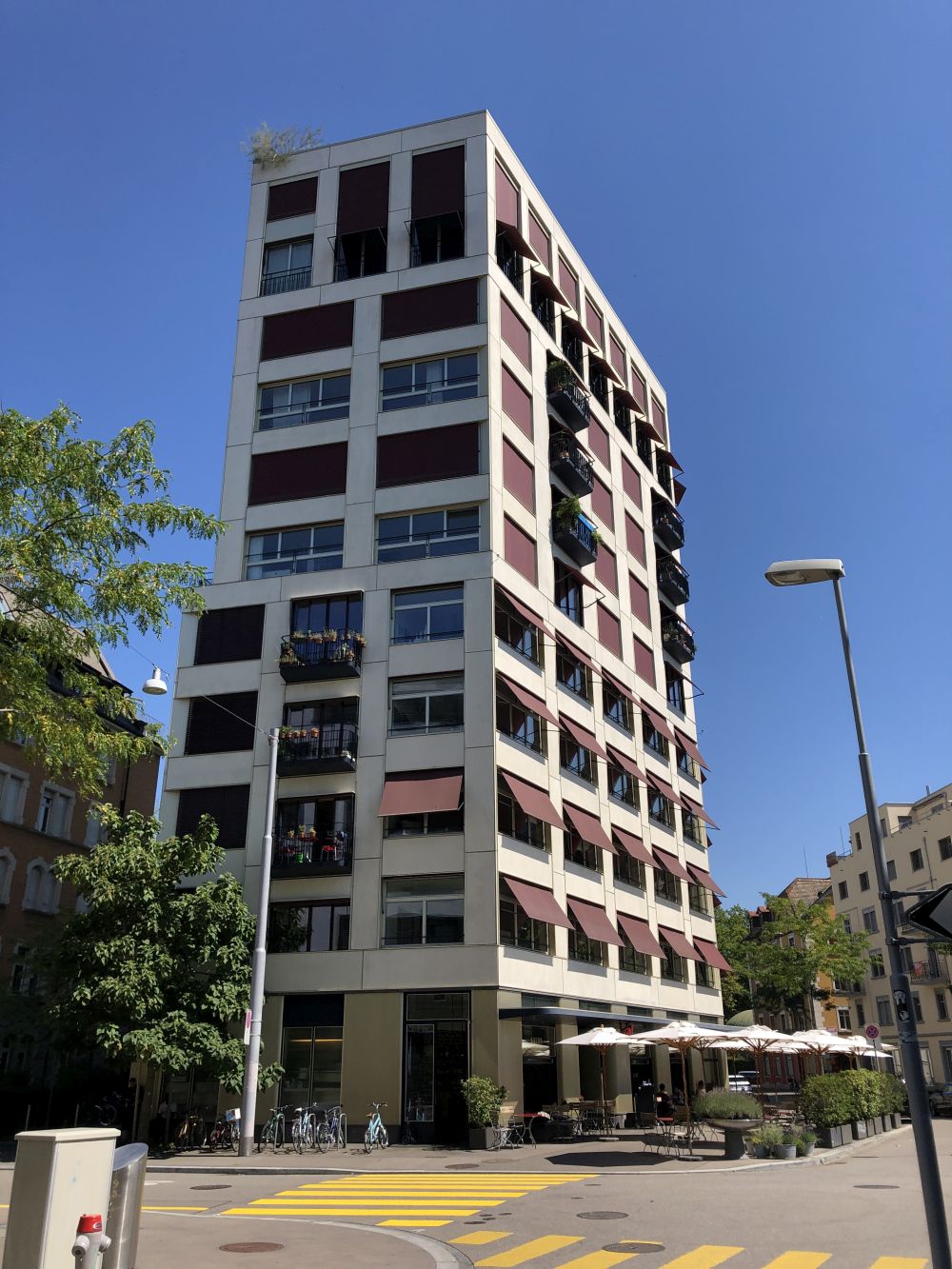
As artistic a snap as I thought I could take of a building whose architecture I found particularly attractive, bathing in sunlight that I thought was particularly attractive, in a city that I find particularly attractive, Zurich.
Continuing the series, Zürich has a lot of hidden treasures that tourists unfortunately never see. One of these in a passage way next to the Fraumünster Church, and the walls of this passage way are decorated with stunning miniature Gargoyles, most of them no bigger than a post card!

Continuing the series, Zürich has a lot of hidden treasures that tourists unfortunately never see. One of these in a passage way next to the Fraumünster Church, and the walls of this passage way are decorated with stunning miniature Gargoyles, most of them no bigger than a post card!
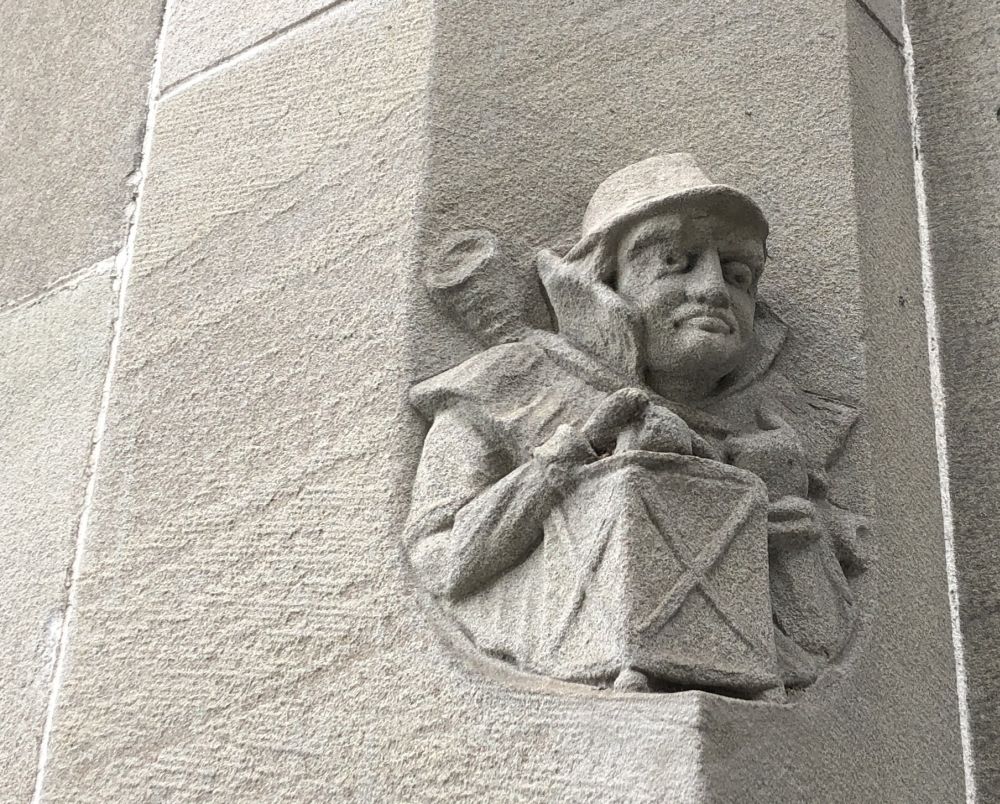
Continuing the series, Zürich has a lot of hidden treasures that tourists unfortunately never see. One of these in a passage way next to the Fraumünster Church, and the walls of this passage way are decorated with stunning miniature Gargoyles, most of them no bigger than a post card!

Well, I actually suspect this fellow is NOT Swiss!
Last weekend I stopped at the Zurich Airport (ZRH) for grocery shopping, and I had a coffee in a café in Terminal 2. Located in this café were two pallets filled with dozens of huge bags of ground flour – the writing on the bags was foreign but I never stopped to look at which languageg.
And directly above this palettes I captured this fellow – yes, he was as big as he looked, I’d say at least 4 centimeters long: