Continuing the series, I took this snap of a police cruiser in Zaragoza, Spain:
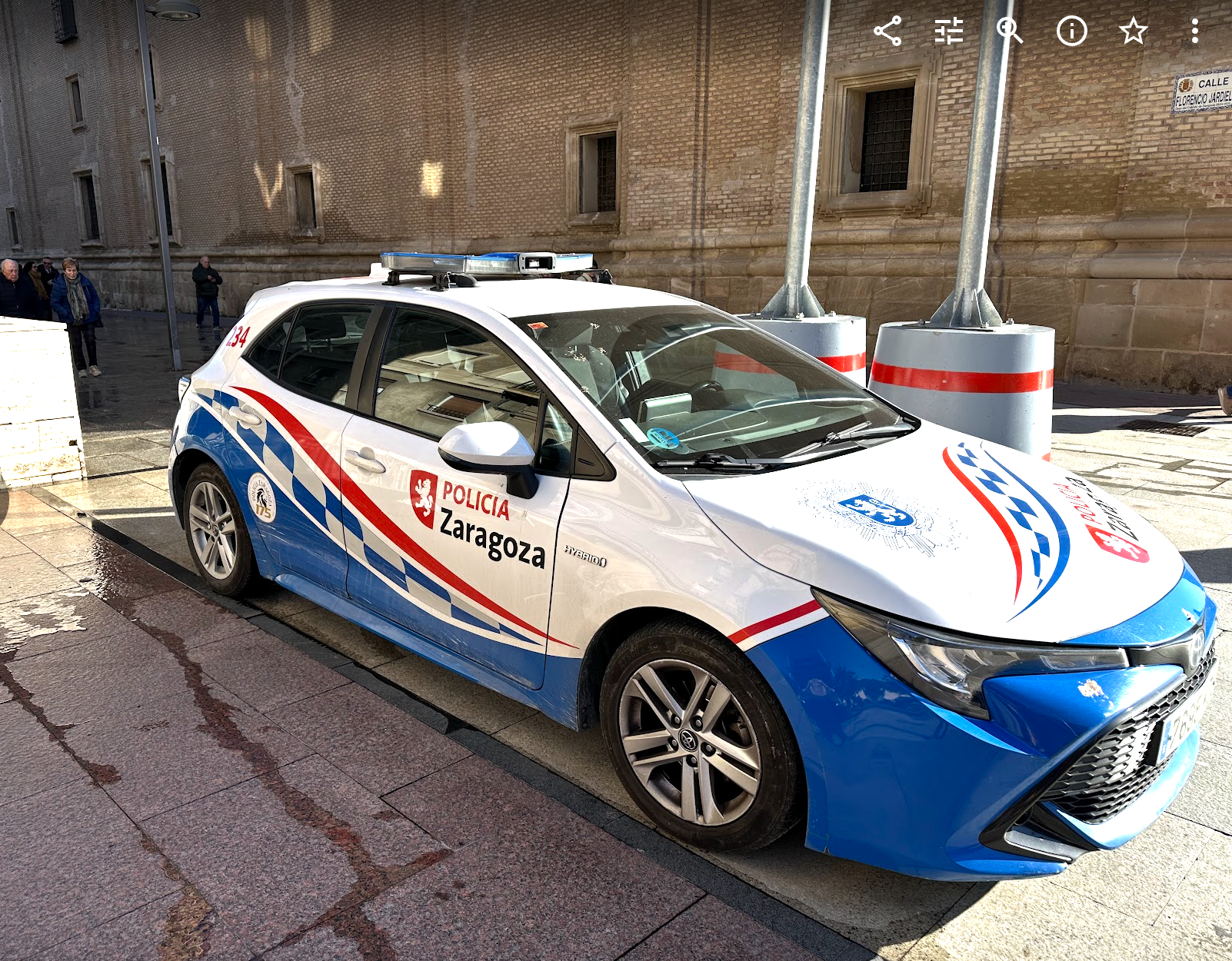
A renaissance man for the twenty-first century!
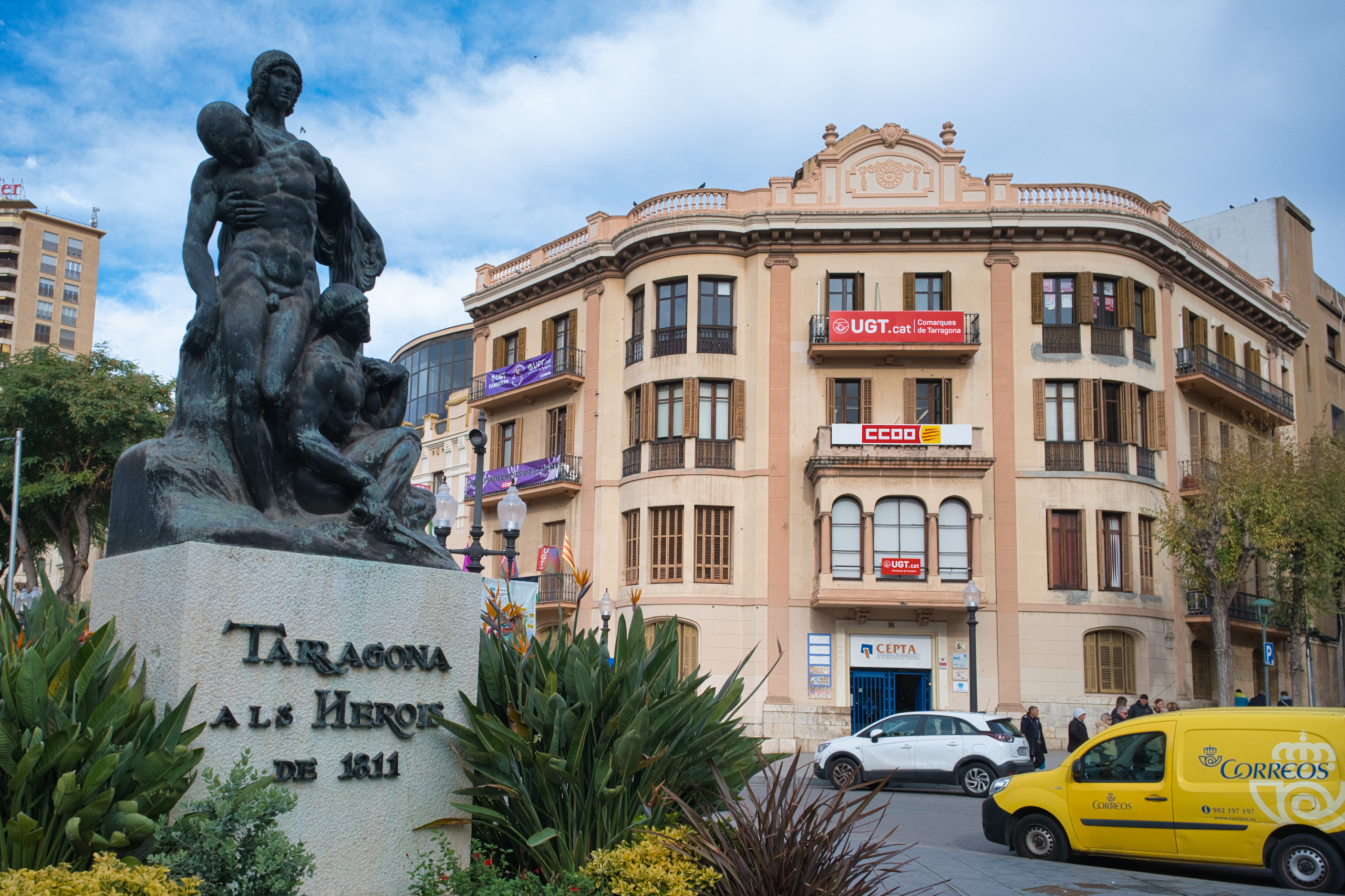
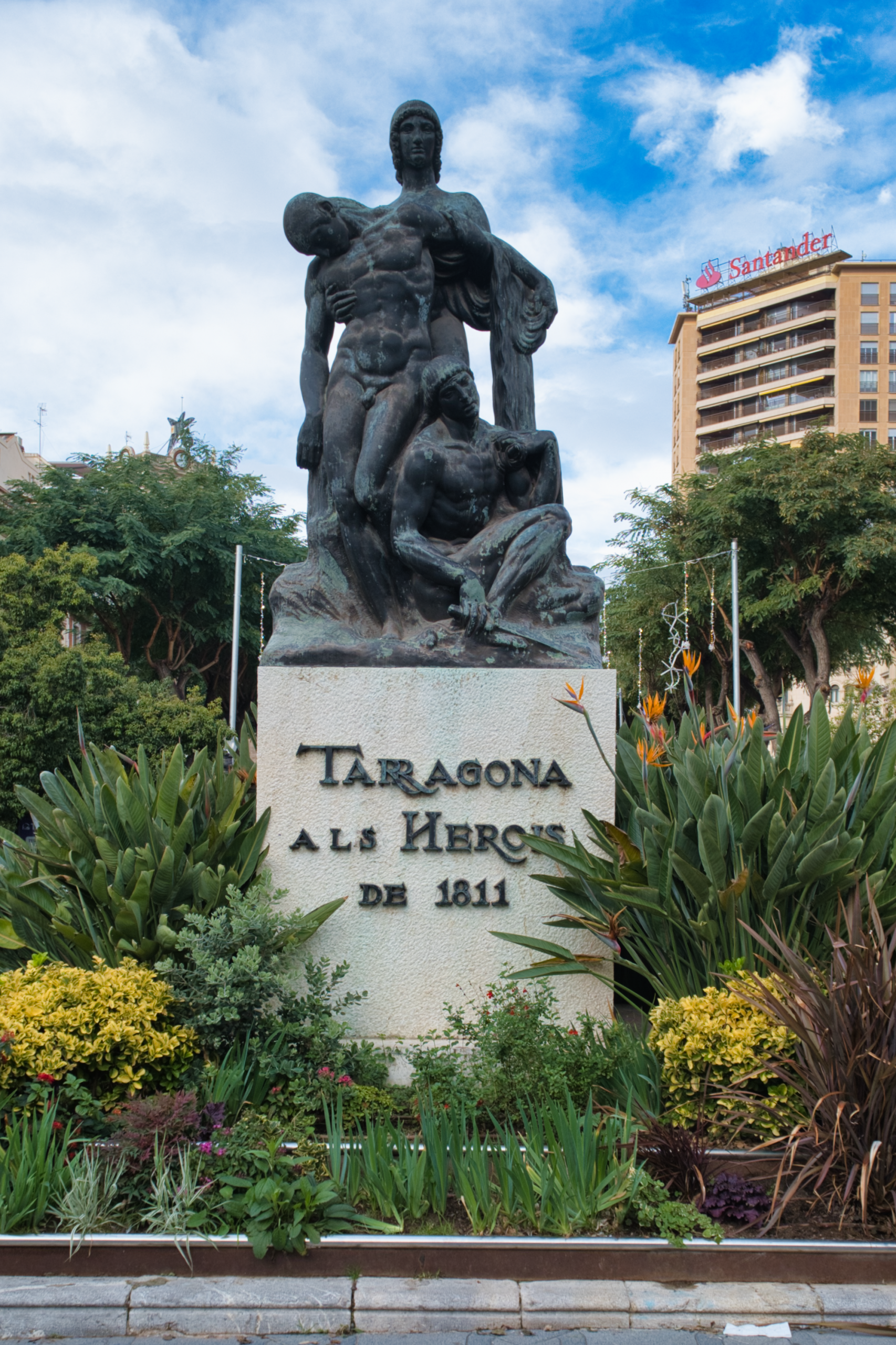
Spotted in a park in Terragona, Spain:
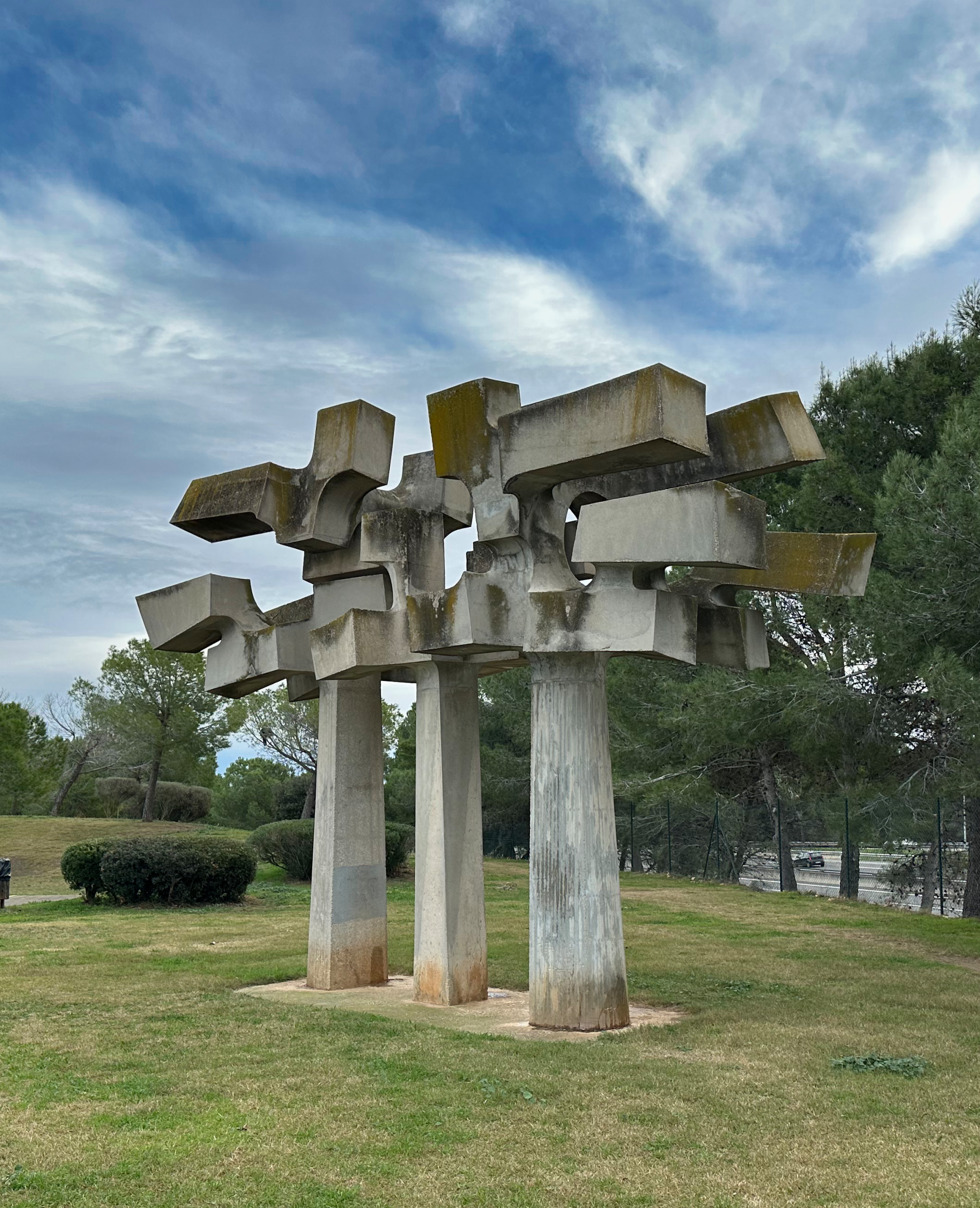
They started it in 1681, so surprisingly it’s not that old!
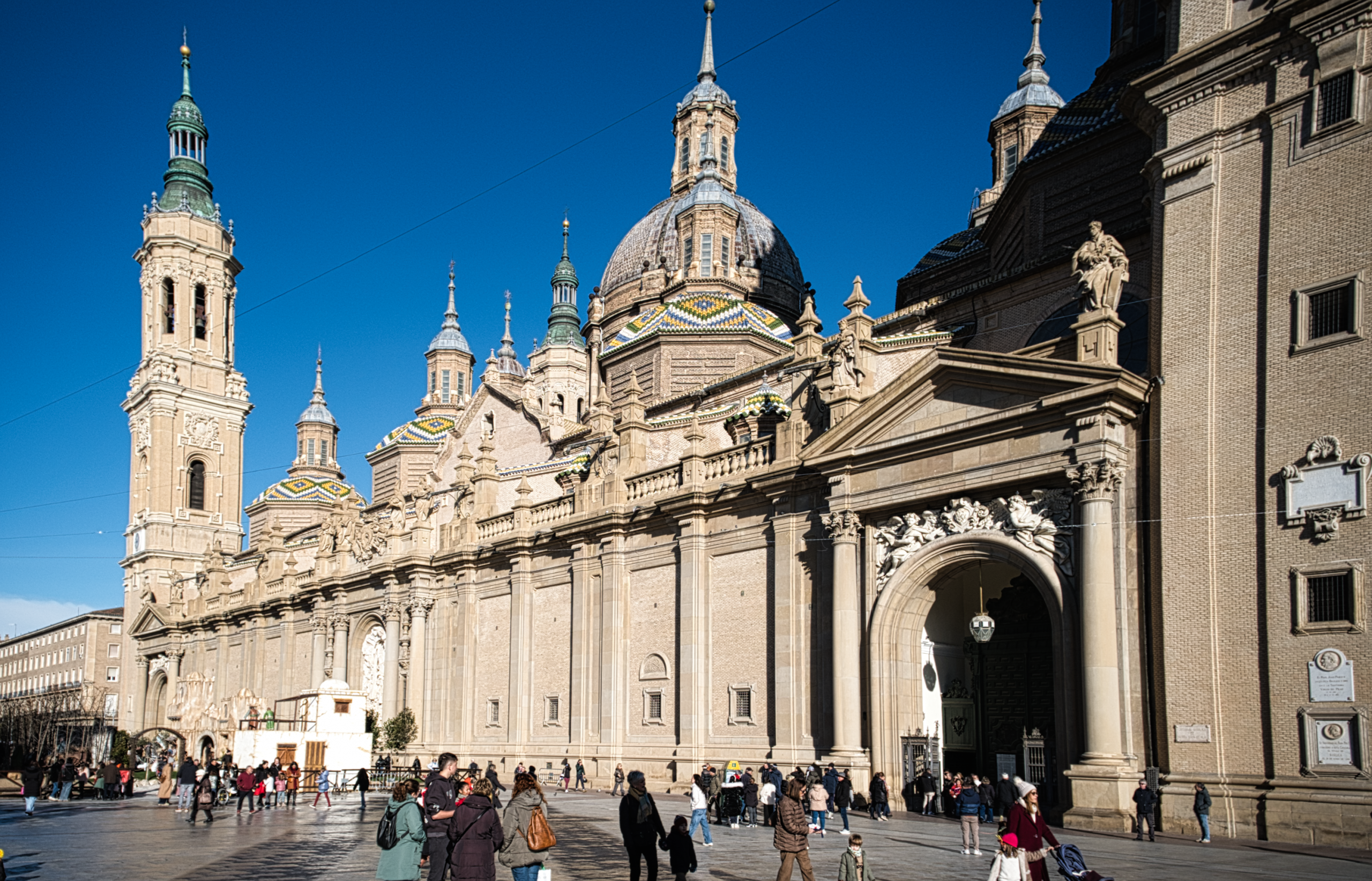
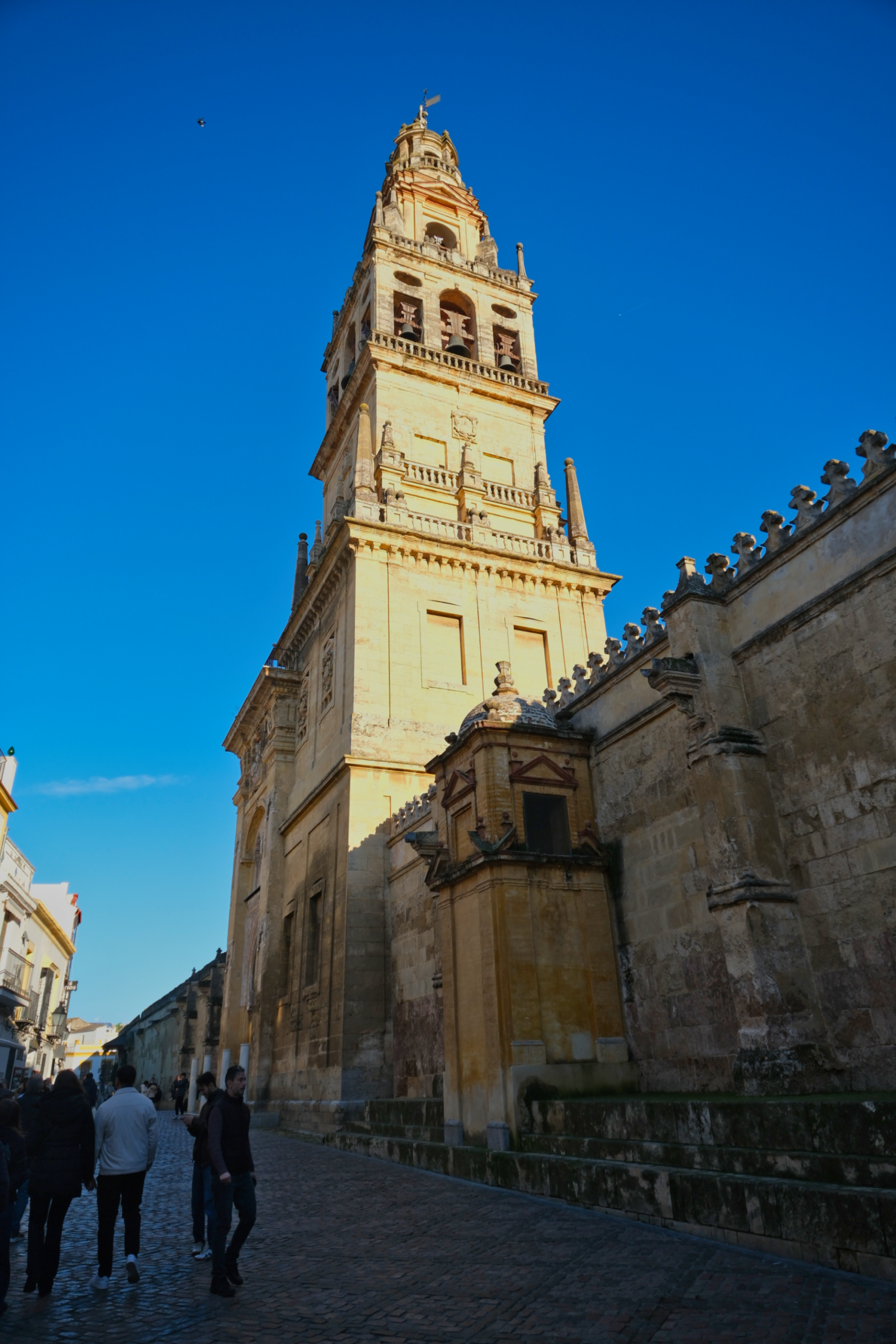
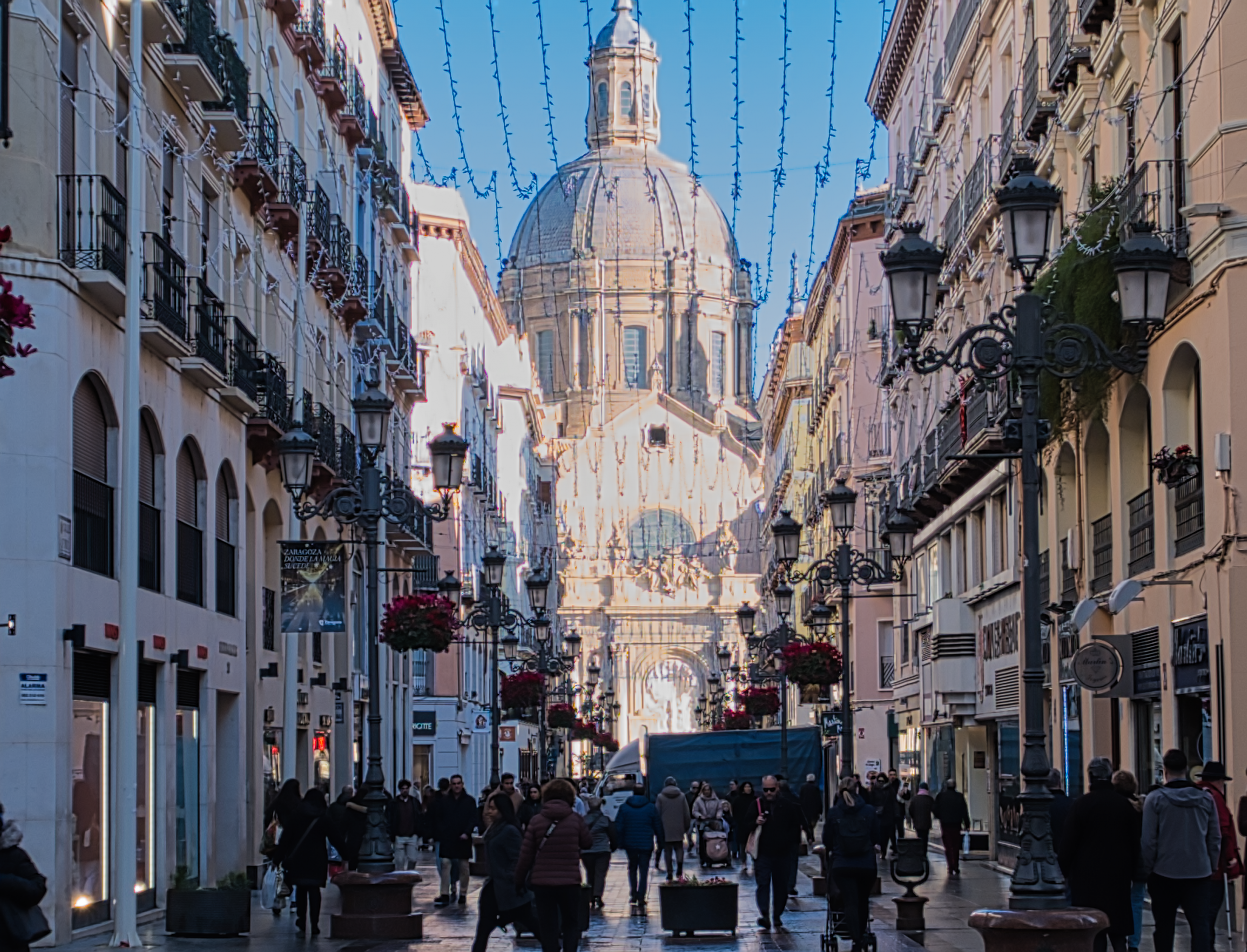
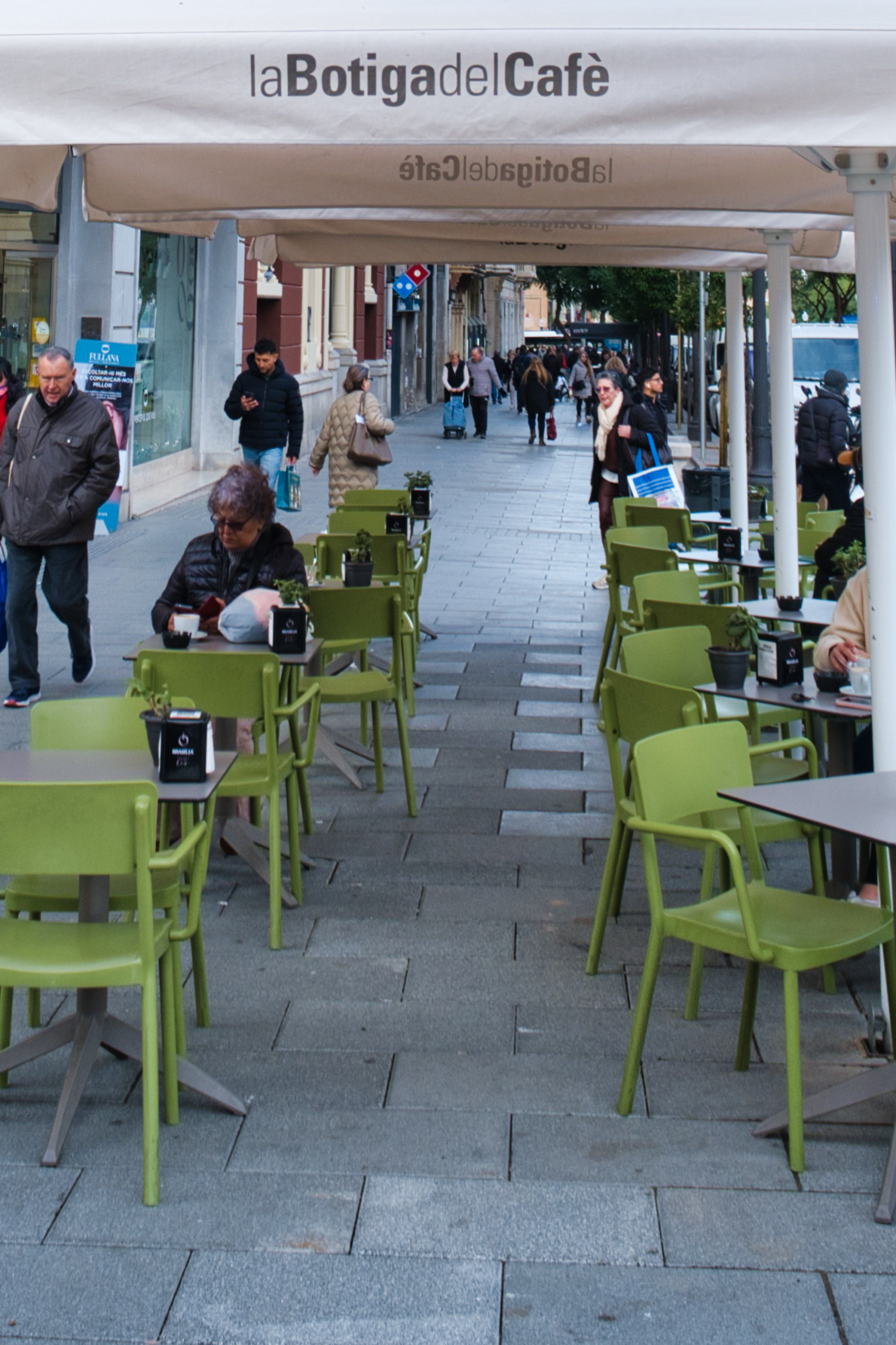
This is pretty much at the top of Las Ramblas, which I gather is the main pedestrian boulevard of Terragona in the south of Spain.
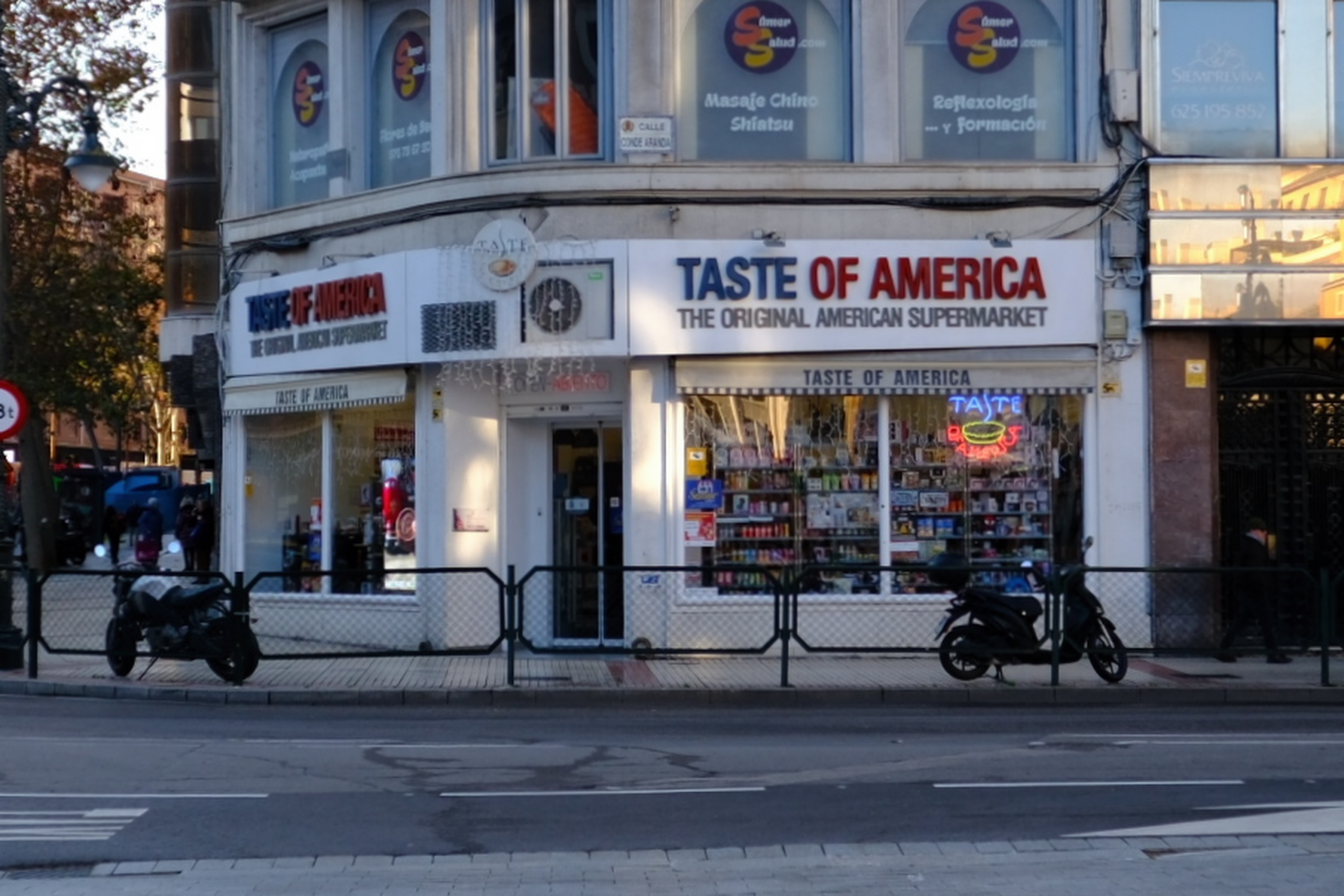
Very nice place. I bought an original Dr. Pepper!
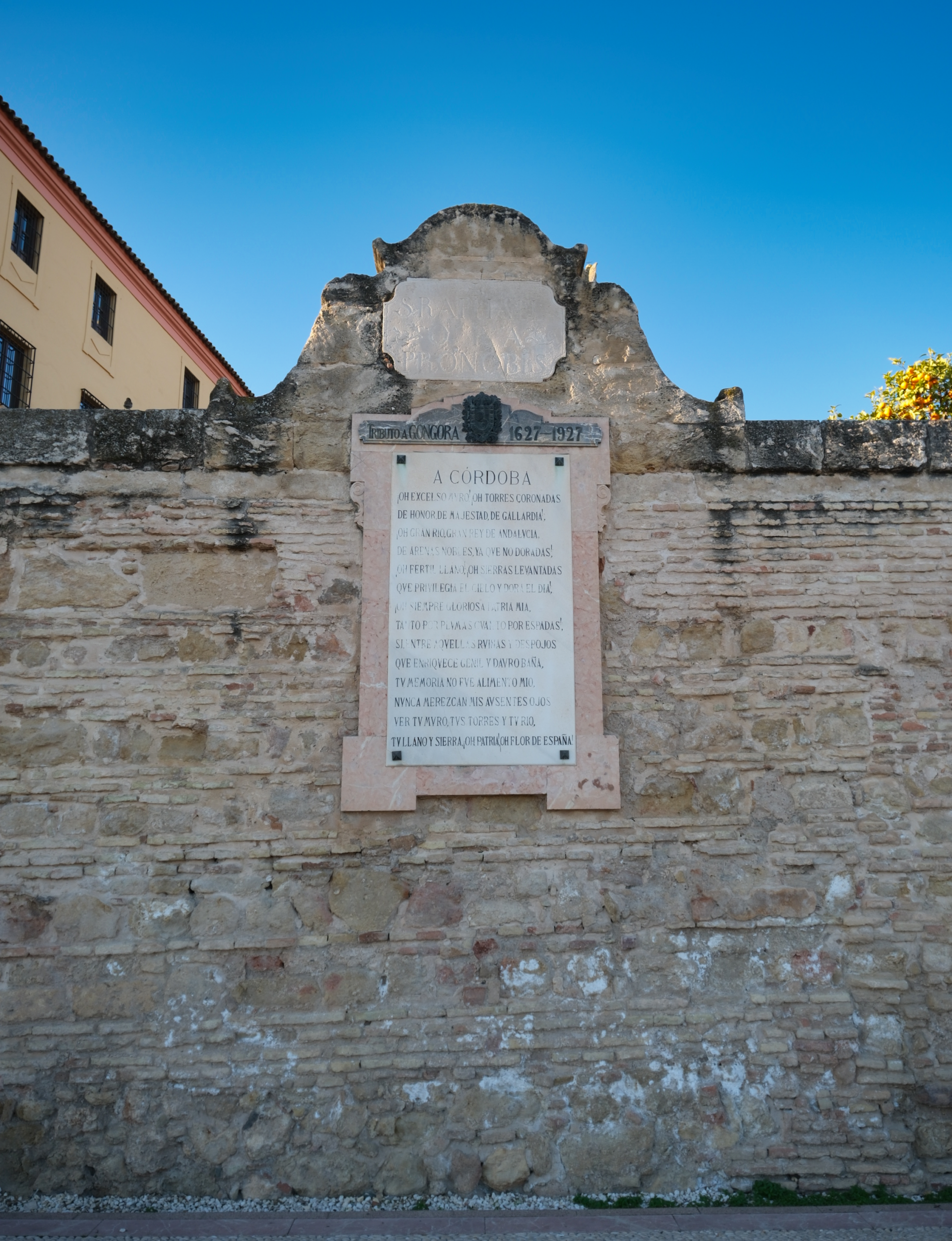
A sonnet by Luis de Góngora y Argote (1561–1627), one of the great poets of the Spanish Golden Age and a native of Córdoba. The city places this poem on several buildings as a kind of literary homage:
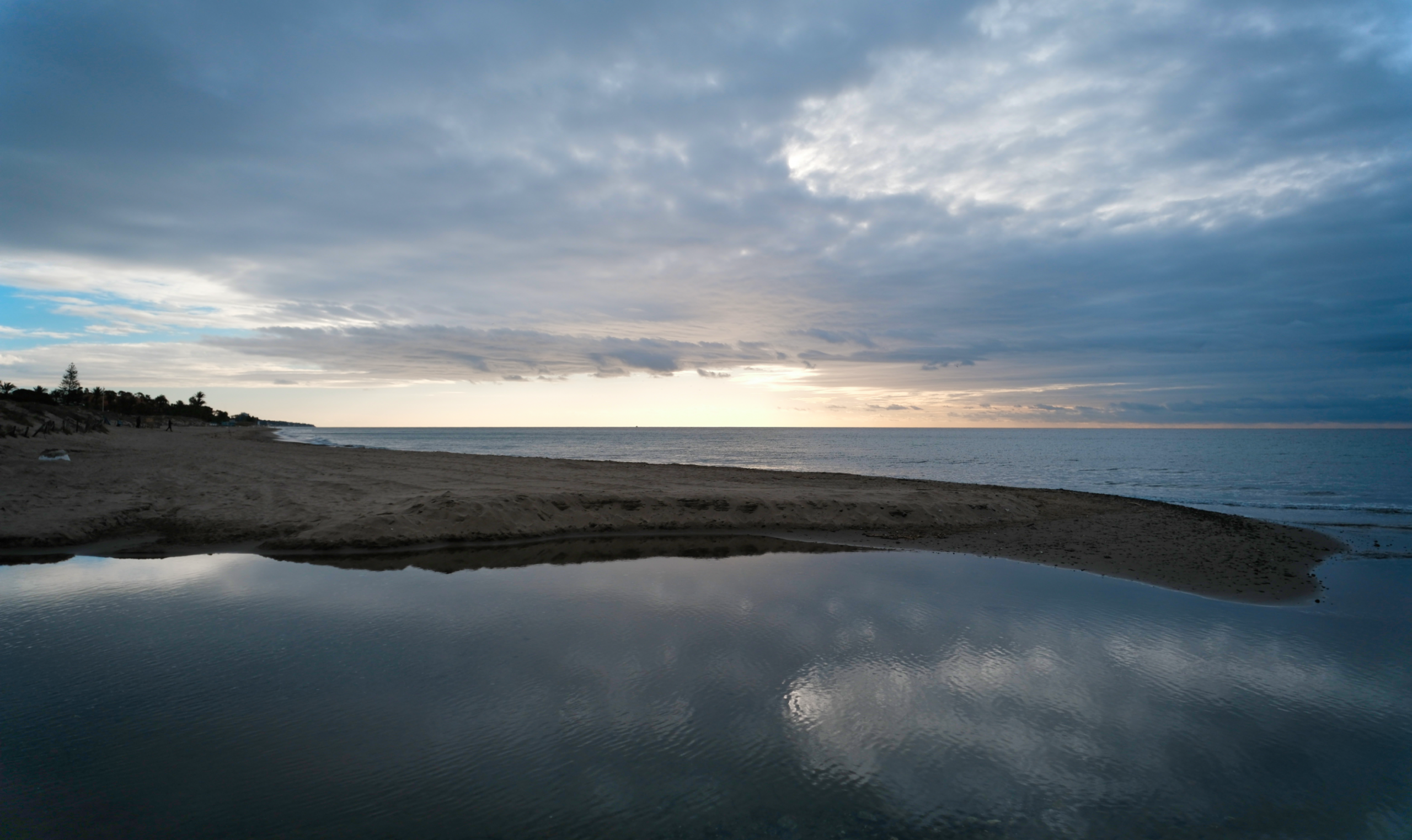
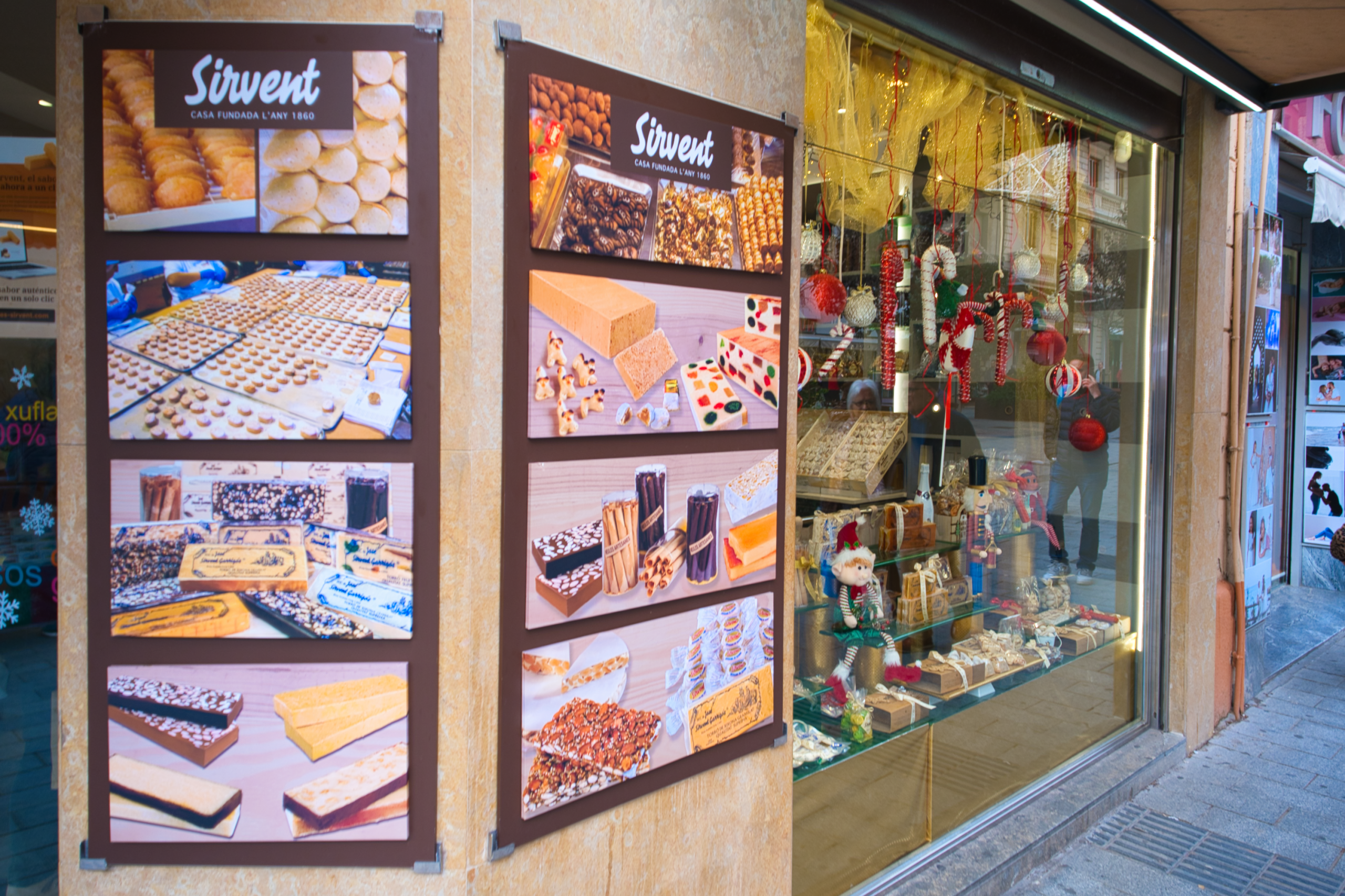
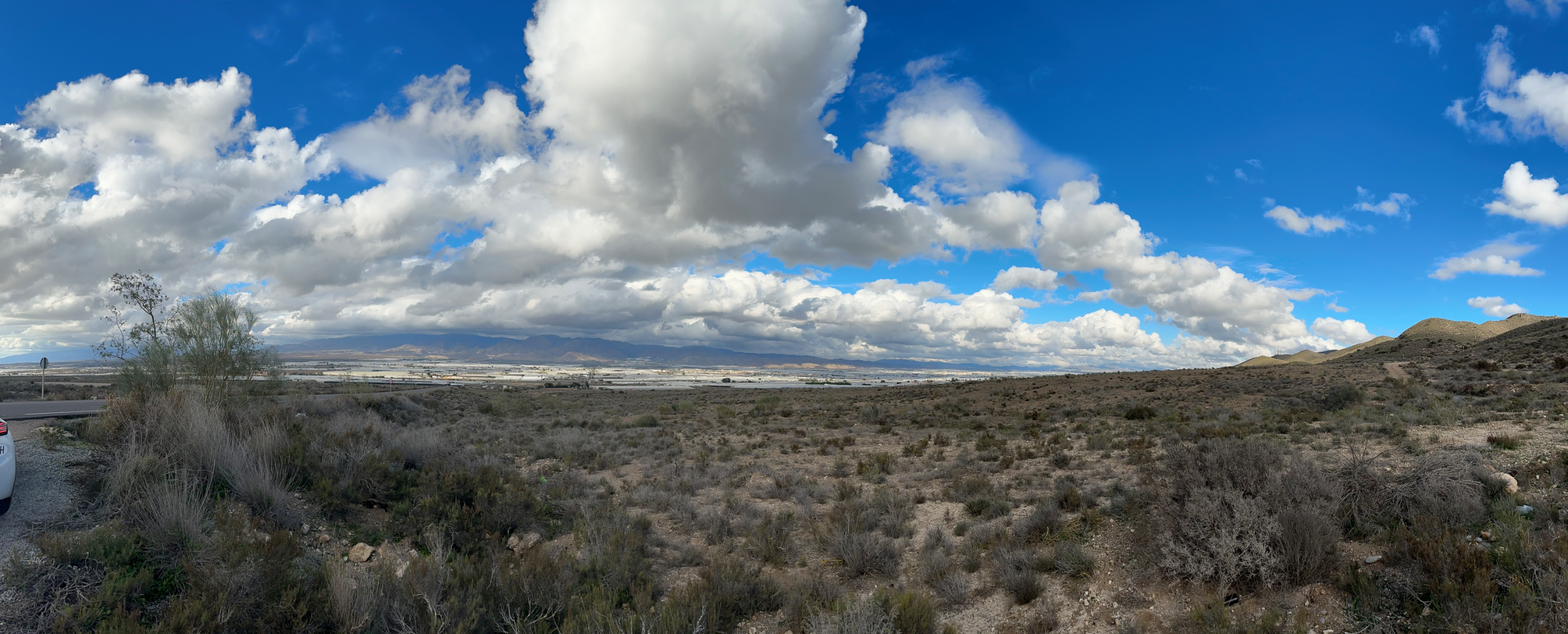
I took this snap just outside of Los Albaricoques in Almeria, Spain:
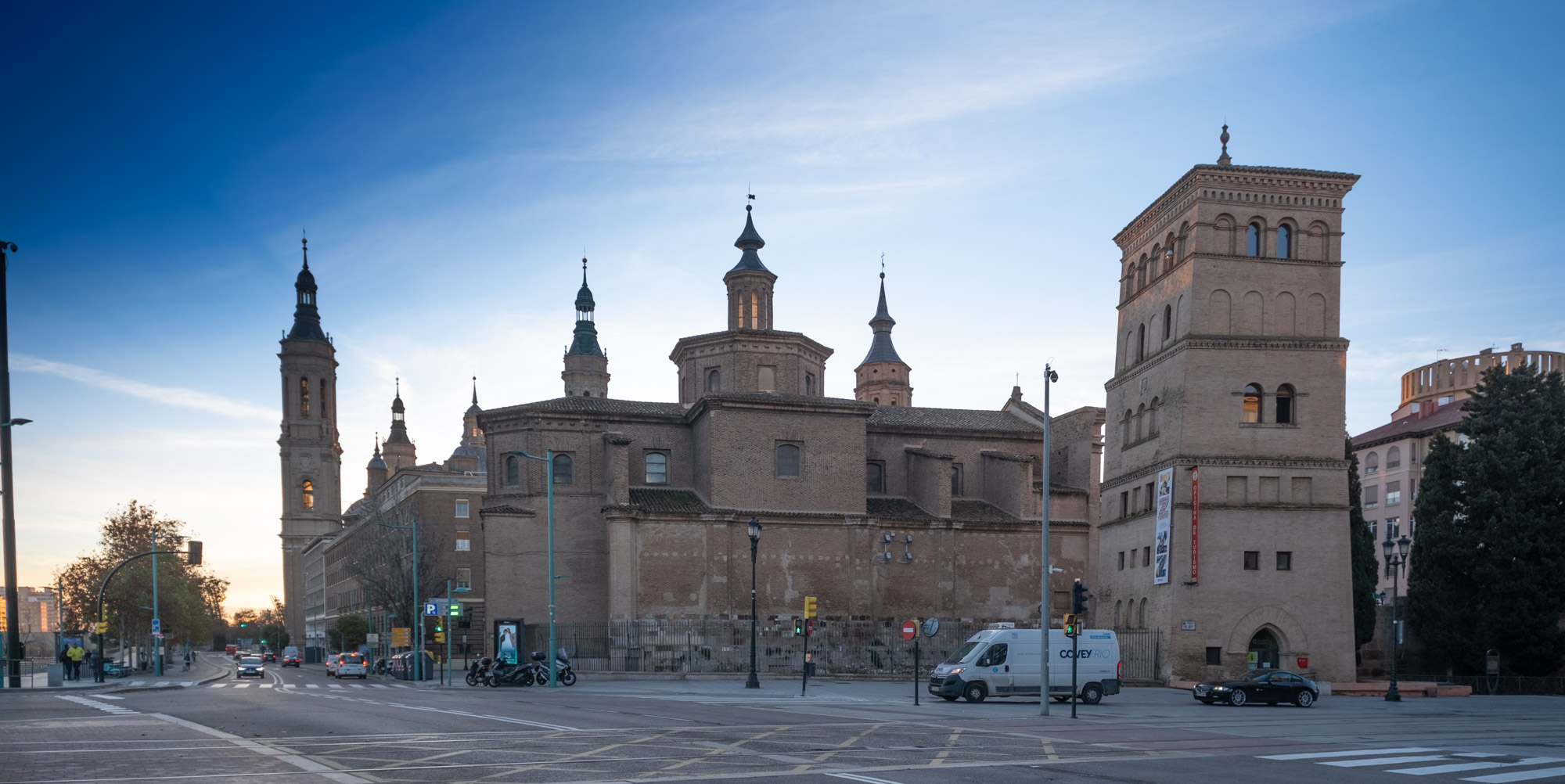
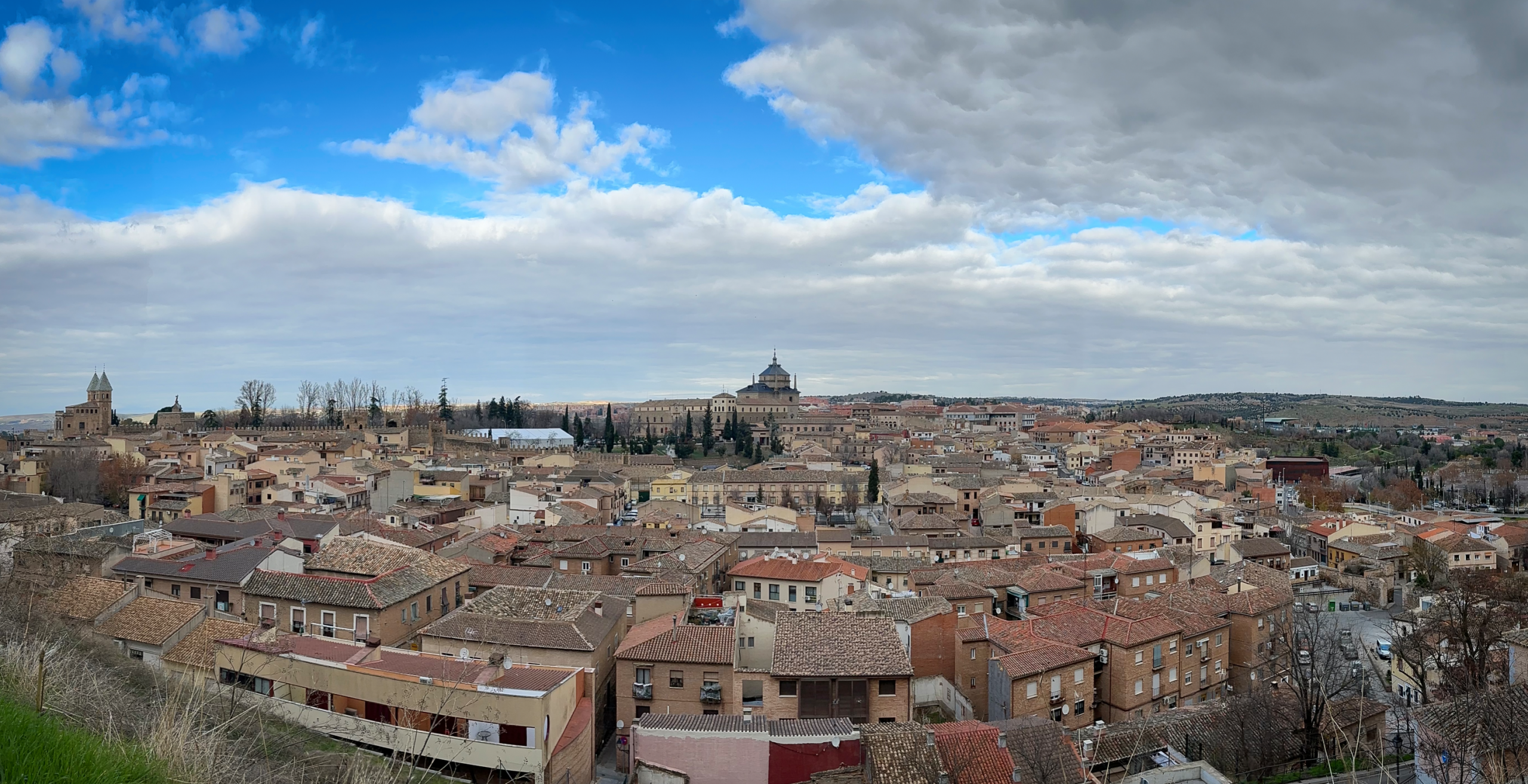
The large tower to the right is the Torreón de la Zuda,
At the top of Las Ramblas, in Terragona:
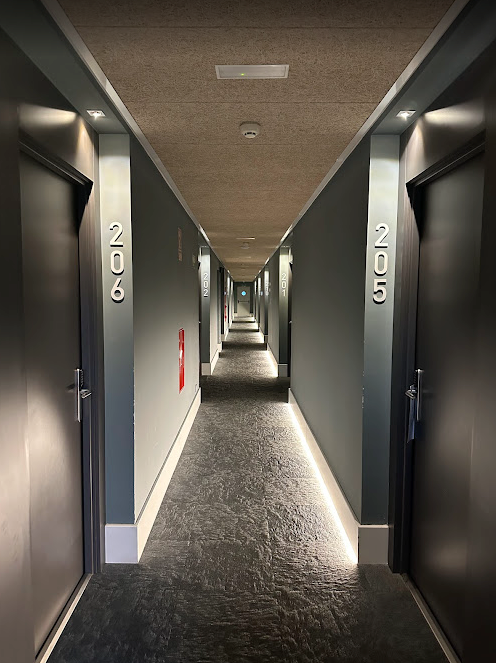
People really never stop to think about motels very much, but as this snap shows they can have some stunning artistic qualities!
Somewhere deep in the deserts of Spain scenes like this were filmed,
Here, Lee Van Cleef was very upset and probably wanted to kill someone.
Today, the situation is hardly any different,
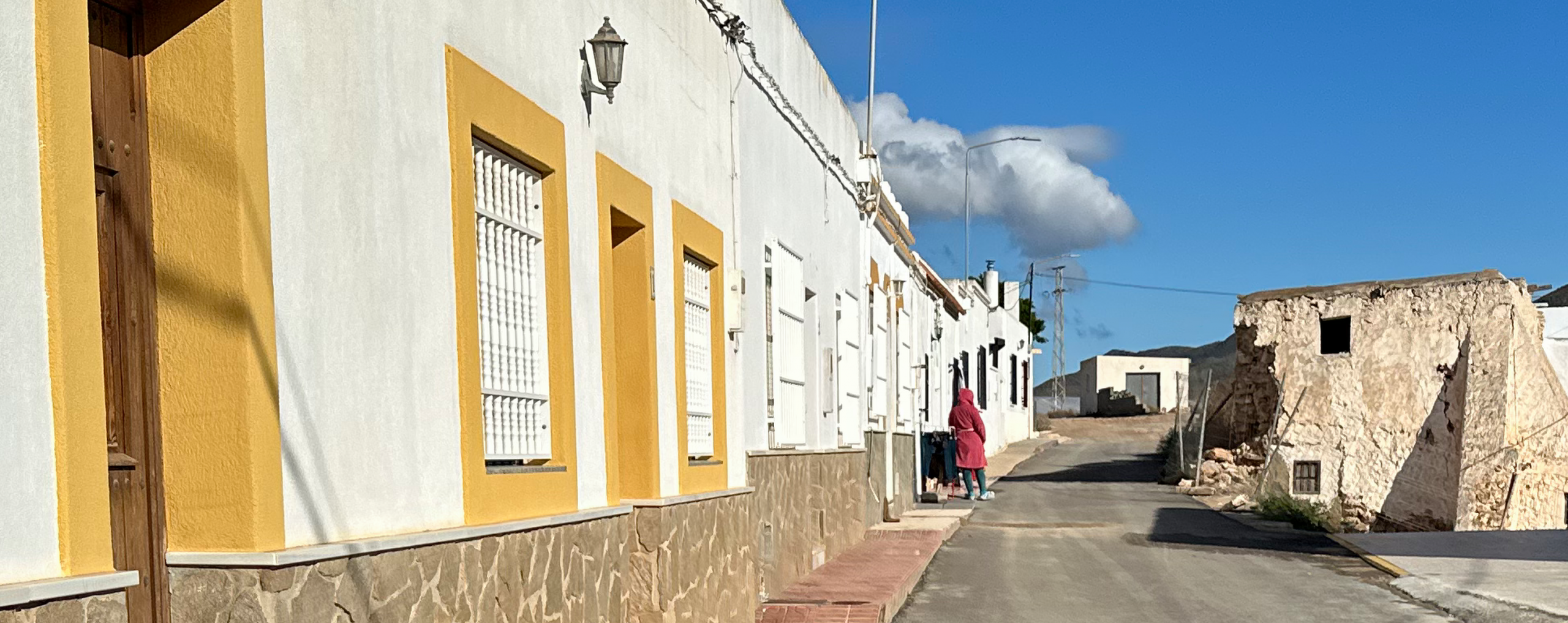
I took this snap on the “down low” because the Spanish lady who was drying her clothes SNARLED at me as I walked by.
Sadly, as far as I can tell, the residents of Los Albaricoques in Spain are NOT happy to have tourists in their town. It is a small town – and a poor one, by the looks of the infrastructure and tremendous trash all over the village. Oddly, there are new signs directing tourists to the key points where scenes in movies were shot. But I could see no benefits to the tourists, except for the many disruptions and “gawkers” this brought into their lives.
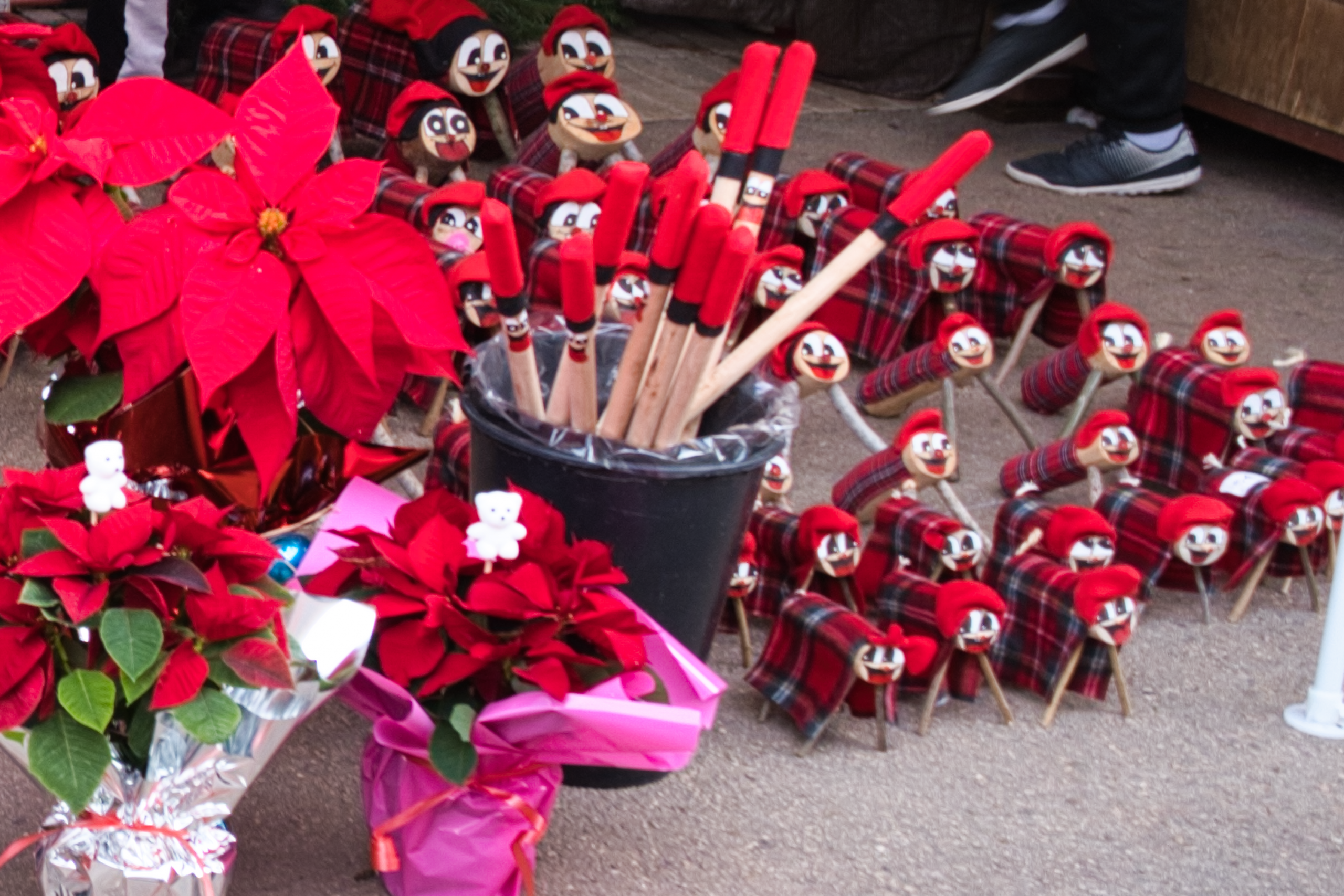
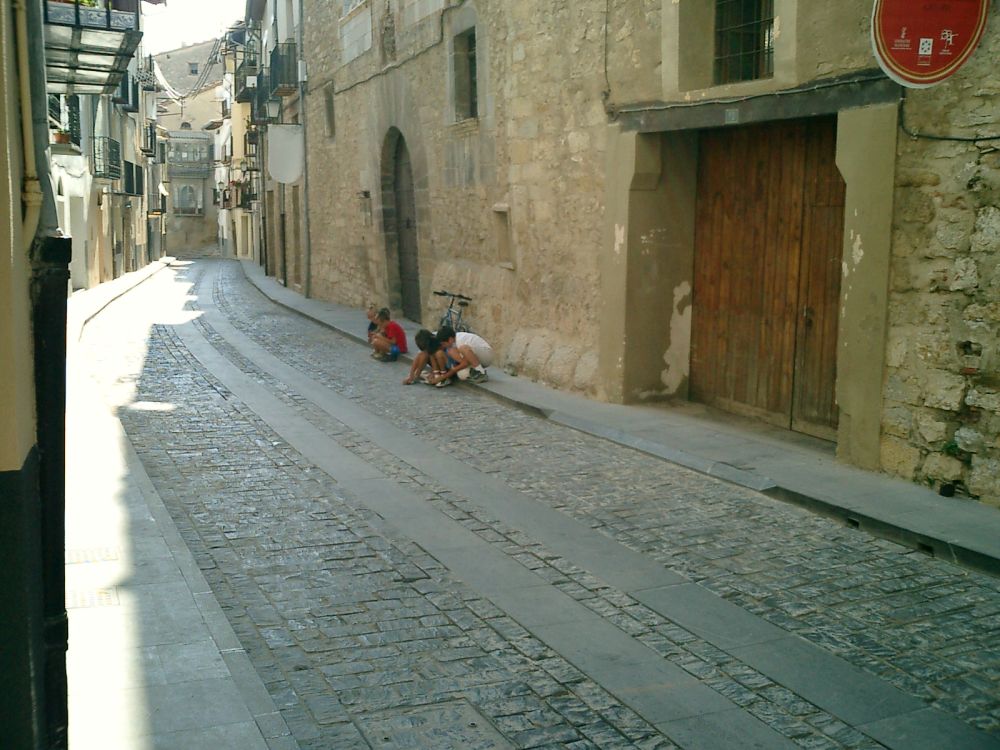
Valencia, Spain, is the home of the majestic Valencian language – although most people know its dialectical form, Catalan, somewhat better. And deep in the Valencian countryside sits a hill, and high on the hill sits the medieval village of Morella. The village dates back to Roman times, and in fact it is surrounded by ancient Roman aquaducts:
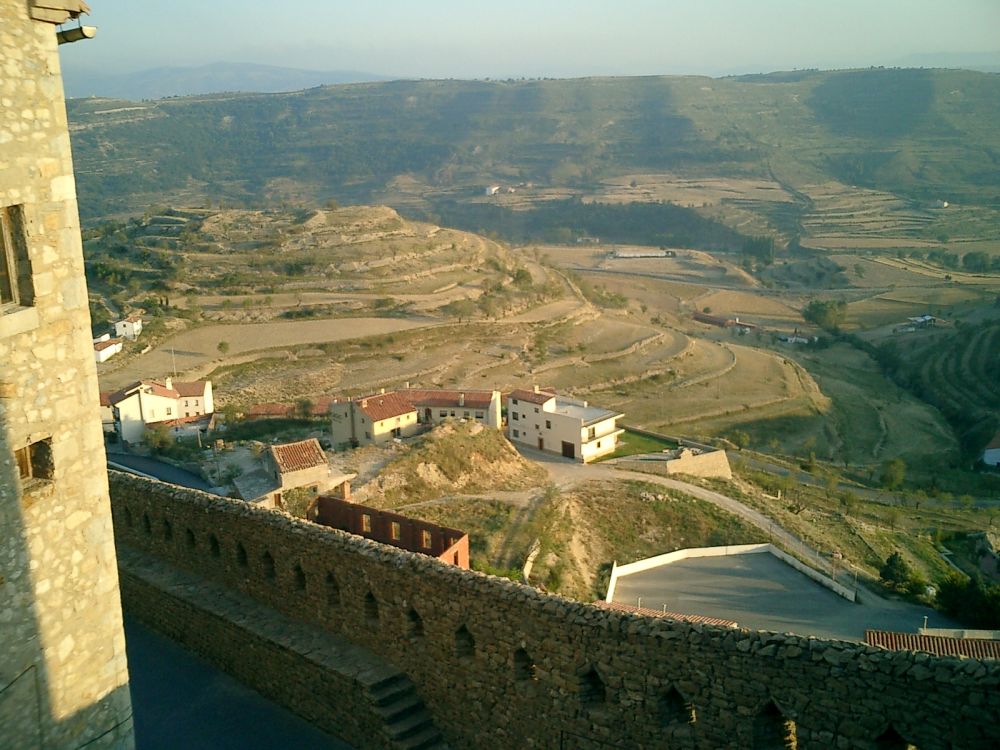
It’s one of those difficult places to capture photographically, just because it is so big and impressive. But what I remember the most was thinking what it must have been like for the Romans living here, raising their children in the hopes they become great Roman Legionnaires, warriors, fierce gladiators, or lion hunters.
Today, the situation with children is a bit different: the swords are gone, none of them has slaughtered a wild animal, and instead these children are sitting and playing Nintendo.
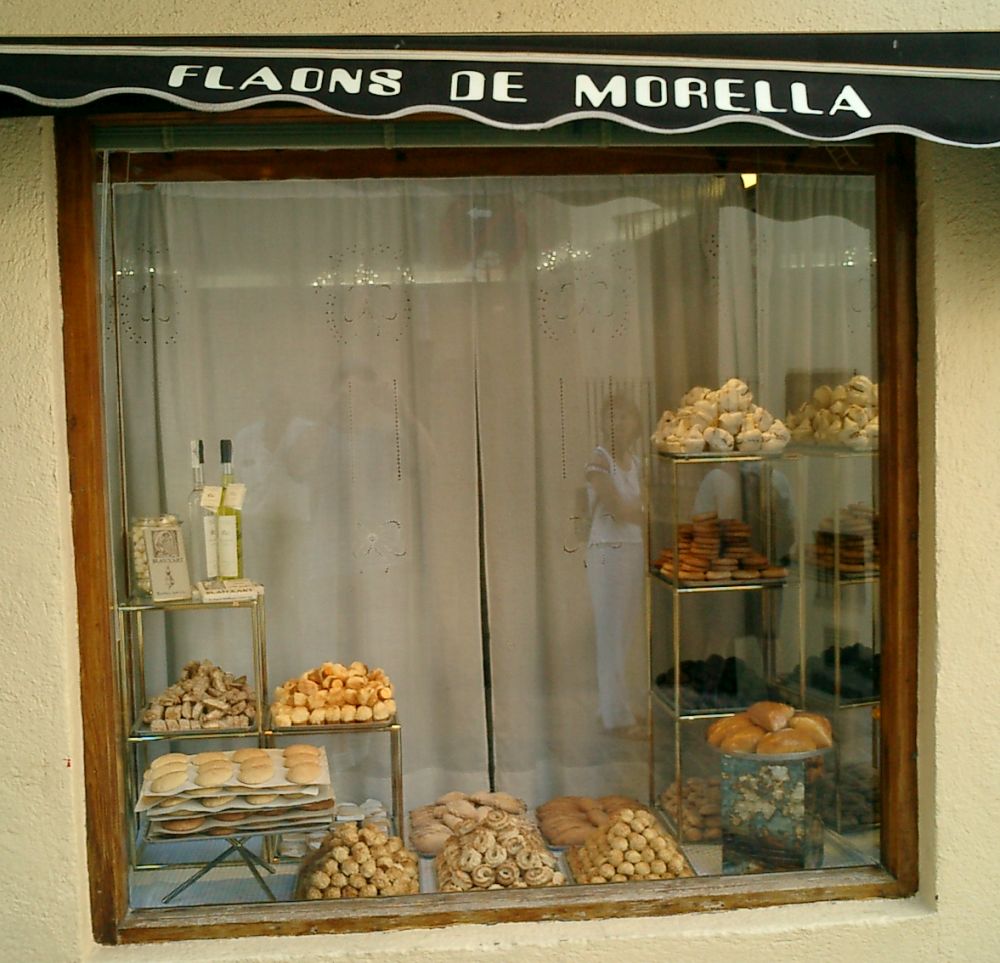
My passion when I travel is to identify those local things, well known in a place but unheard of outside of it. In this part of Spain, this would have to be flaons,
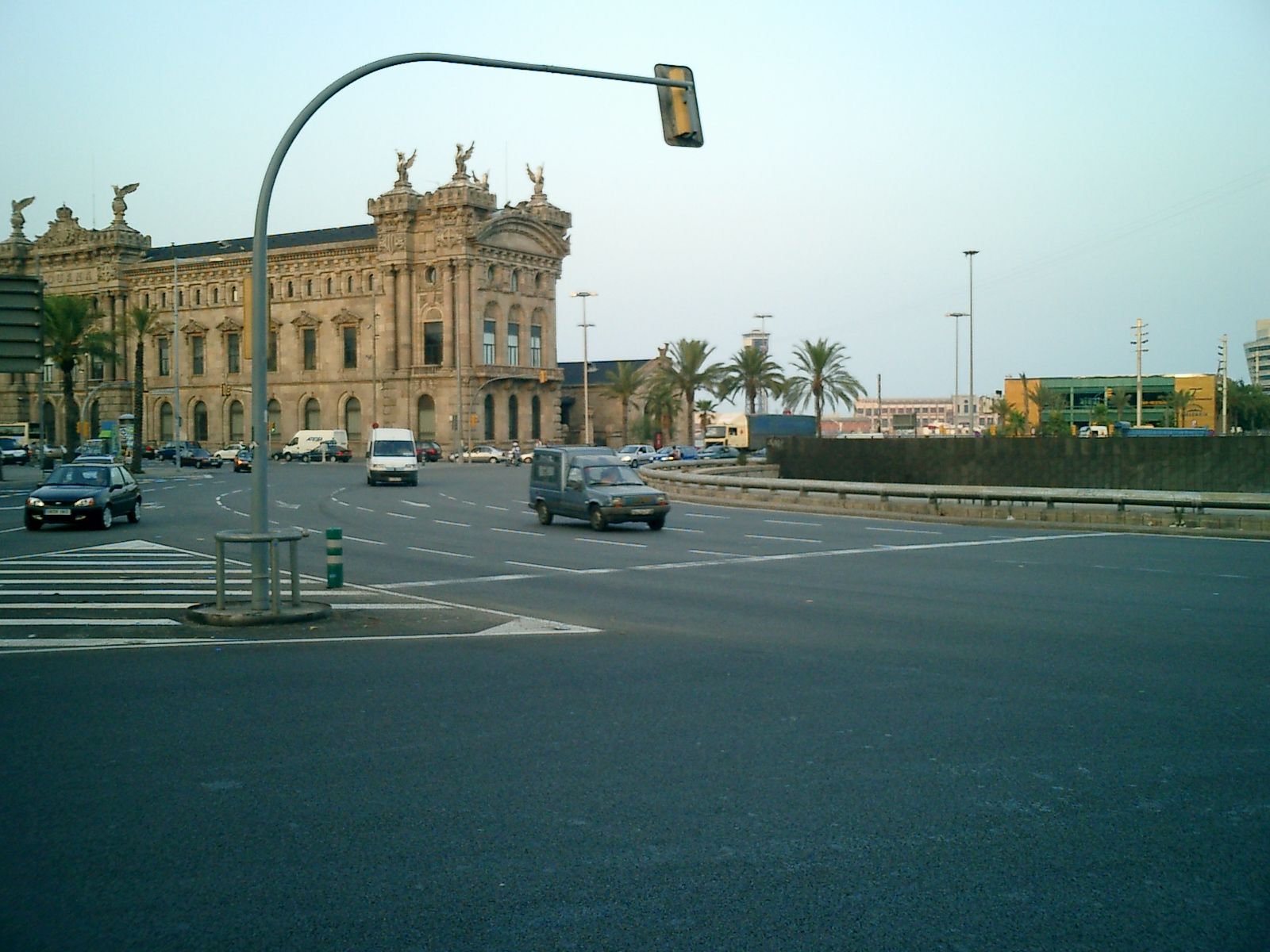
If you’ve ever spent time driving around Europe, you’ll notice a few trends that depend on geographic location. One of those trends is that, the farther south you drive towards Spain, the more lanes the roundabouts will have.
Roundabouts in Northern Germany is likely to have no more than a single lane.
Roundabouts in Northern and Central France are likely to have two lanes.
Roundabouts in South France are likely to have three lanes.
But once you cross into Spain all bets are off, and as this snap shows, the roundabouts can have many, many lanes:
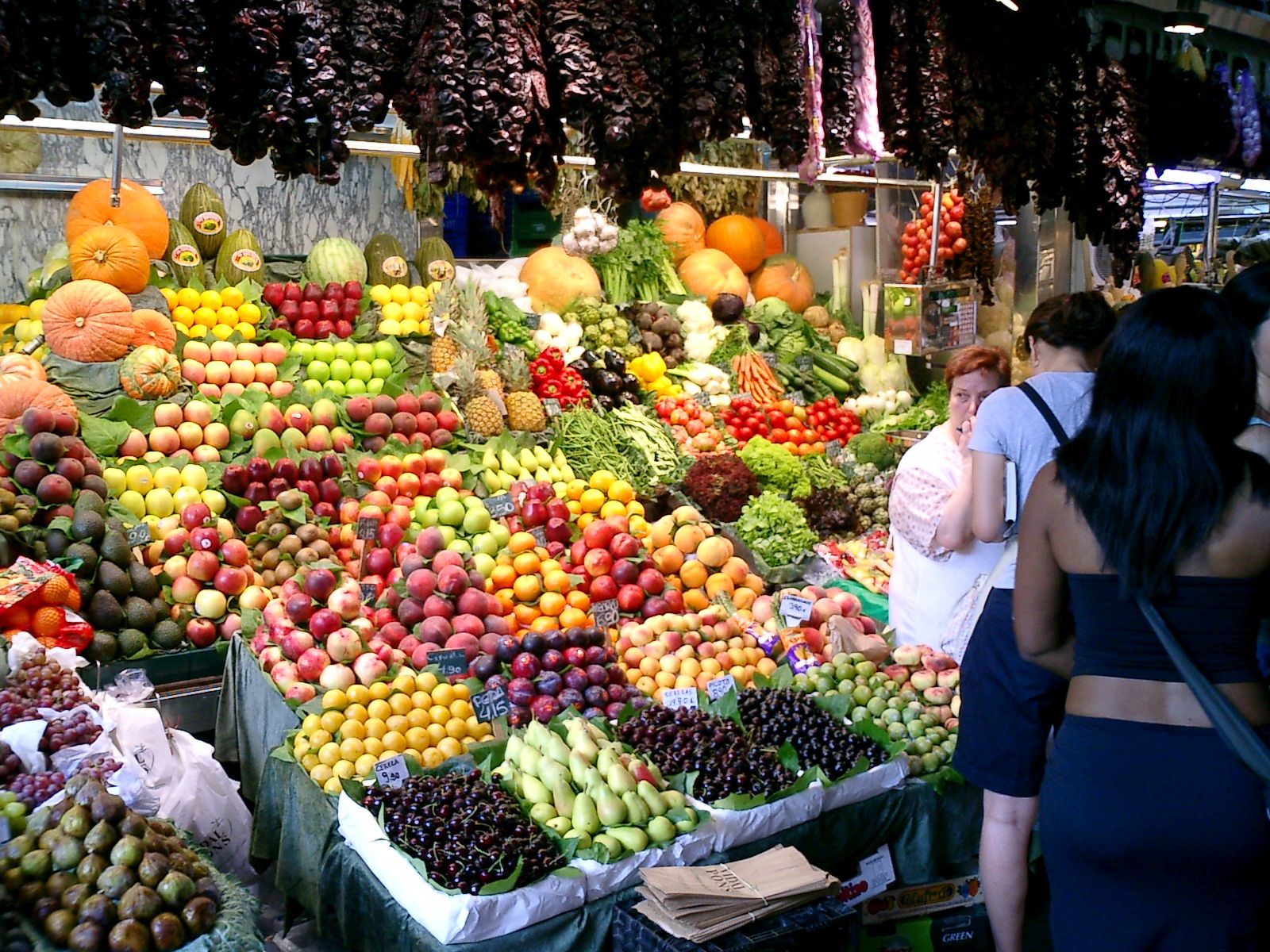
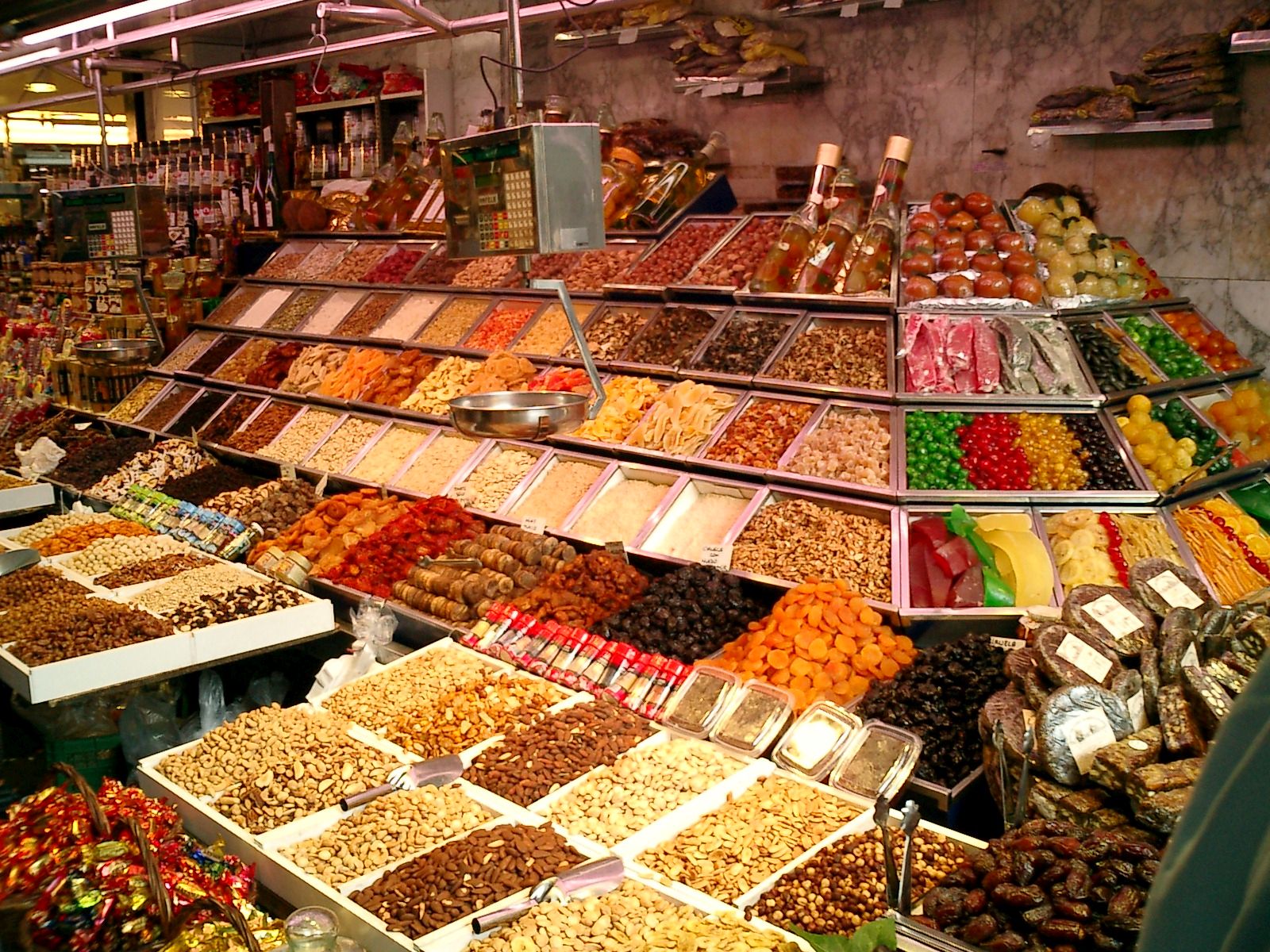
If you’ve been to the major pedestrian area in Barcelona known as Las Ramblas, then you know how it is.
Barcelona fruits:
Barcelona nuts:
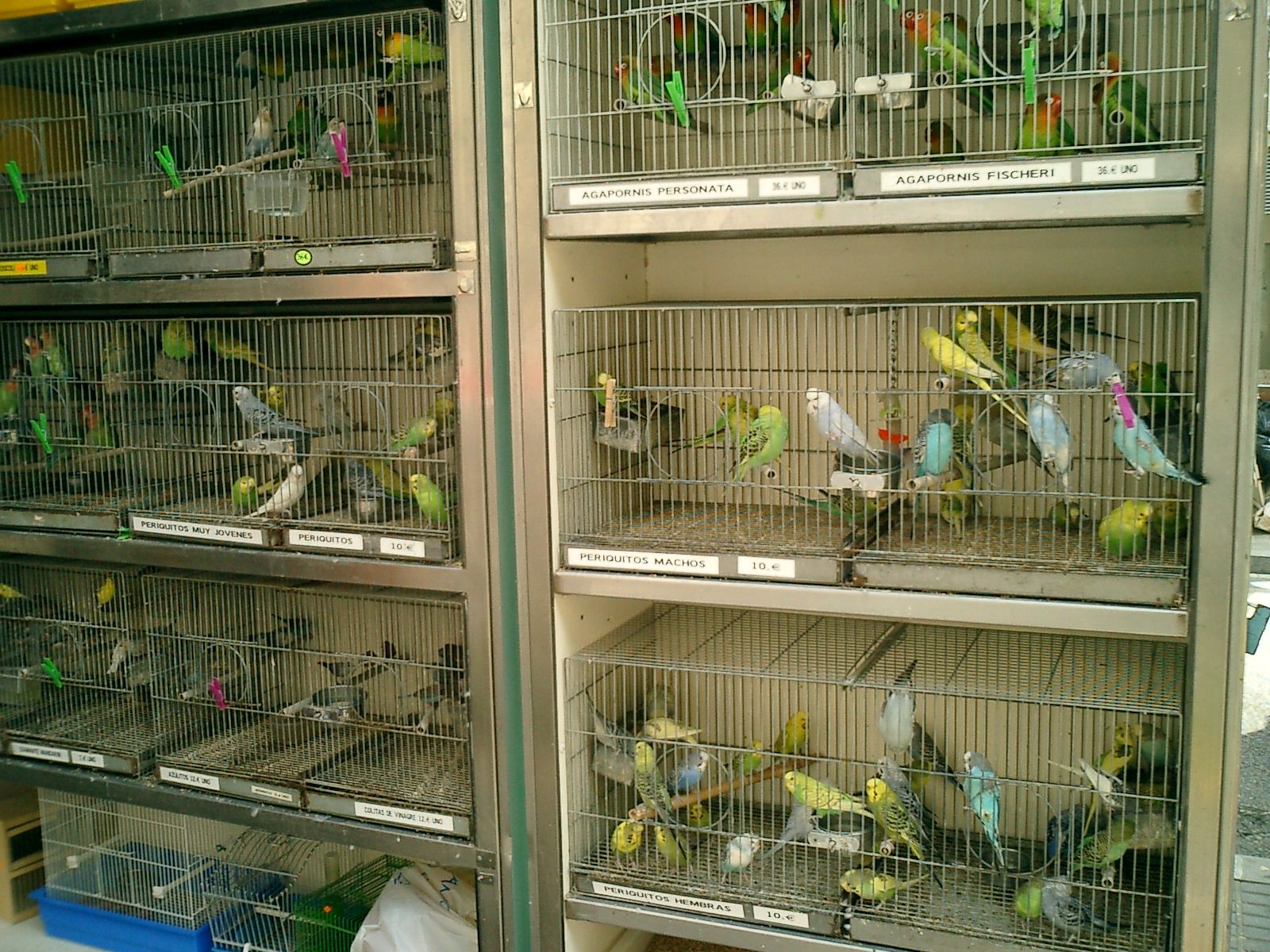
And Barcelona birds:
The southeast coast of Spain is known as the Costa Brava, and the region is filled with orchards, as well as irrigation canals dating back centuries:

The wonderful thing about blogging your travel photos is that you can begin to see similarities that might otherwise not have been obvious.
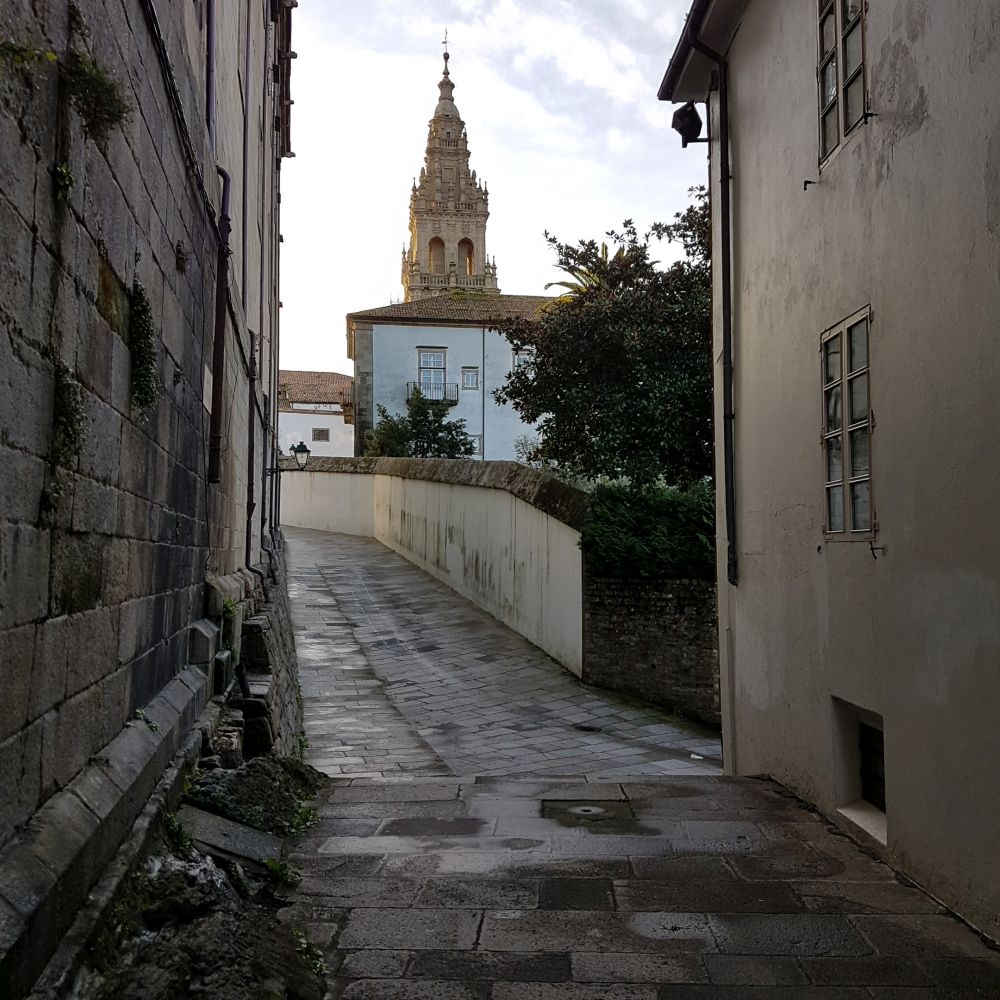
While travelling recently in Santiago de Compostella, in the region of Galicia in Spain, I took this snap, which showed the tower framed very nicely by the narrow street:
Geologically speaking, these things are not uncommon. A river or estuary that empties into a saltwater sea will sometimes form a lagoon. Over time, the sediment causes the lagoon to become a closed lake, and the water changes from saltwater to freshwater.
That’s what happened here, just south of Valencia in Spain, not too long ago, in the 17th century, L’Albufera de València:

Today it is a wonderful, relaxing place to visit – especially in the warm Spanish evenings.
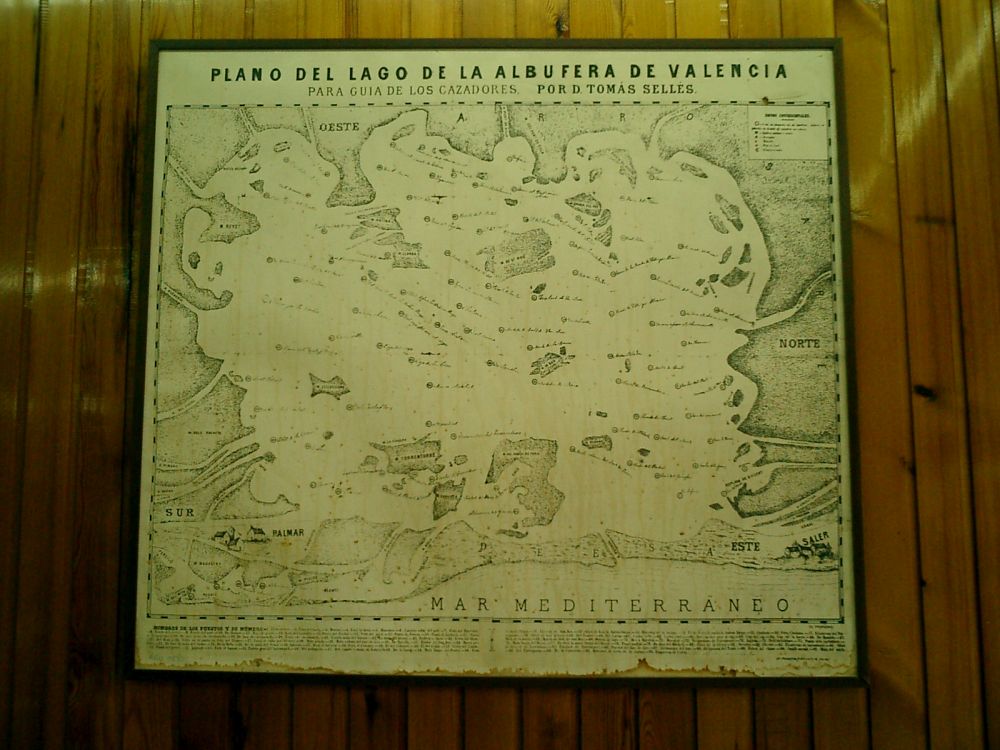
You can see a wonderful old map I discovered hanging in the local village bar.
The small villages are connected to the lake by a series of narrow canals:
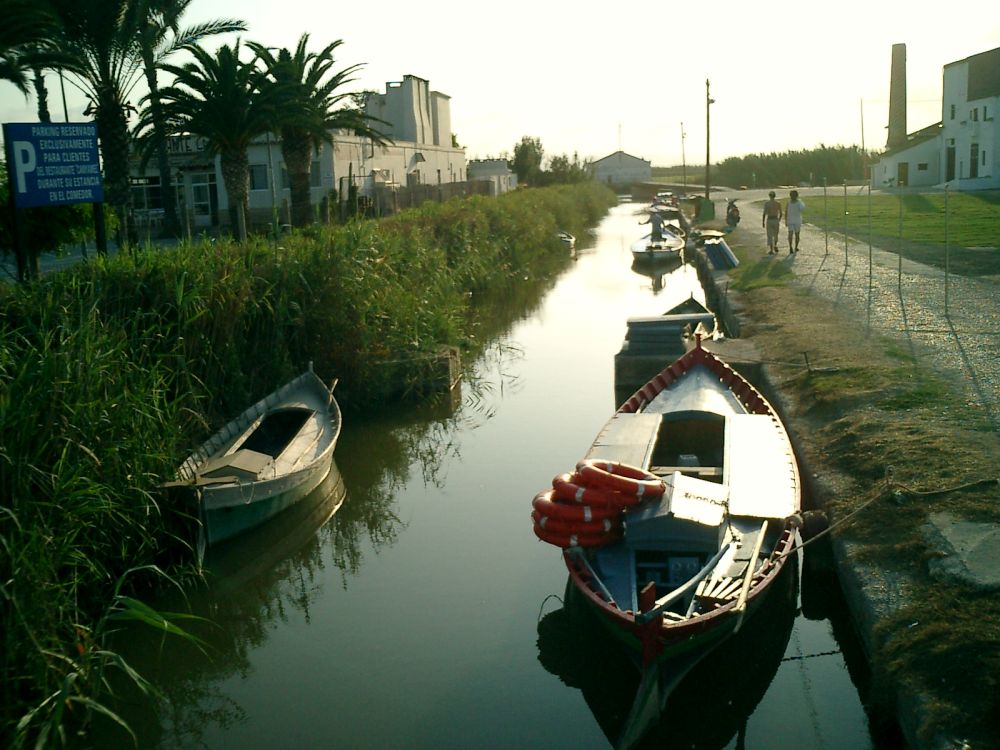
By the way, the astute reader will notice that I wrote L’Albufera de València, which is the Valencian language version of the Spanish La Abufera de Valencia. My Valencian friends tell me that Catalan, although somewhat more well known, is a dialect of Valencian.
It seems unreasonable to think that the streets in medieval cities were somehow planned. But when I travel through medieval cities, I can’t help but notice the large number of small streets that are optimally laid out to frame a view of the large, central cathedral.
This one is Santiago de Compostella, in Spain (from which you can see the Cathedral of St. XXX):
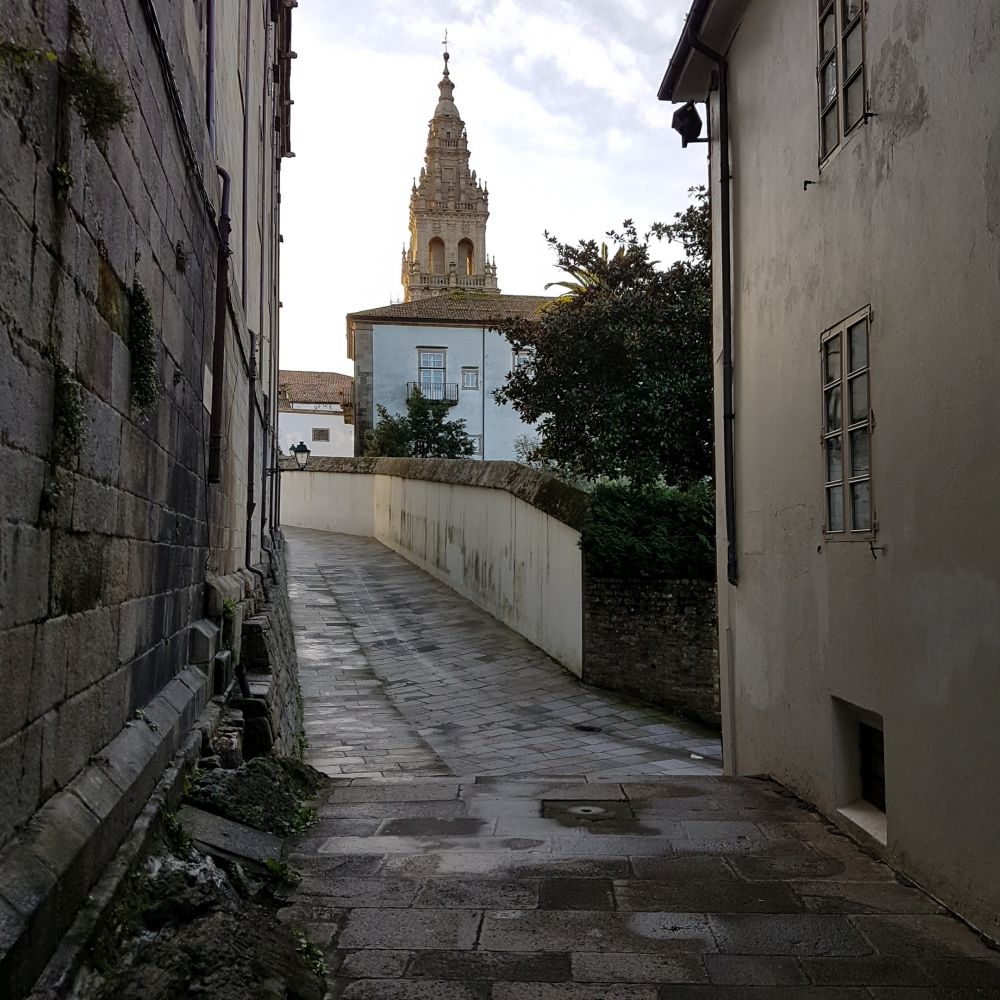
This one is Mulhouse, in Alsace, France (from which you can see the Cathedral of St. Etienne):
And this one is Paradeplatz, in Zurich, Switzerland (from which you can see both the Grossmünster and Frauenmünster cathedrals):
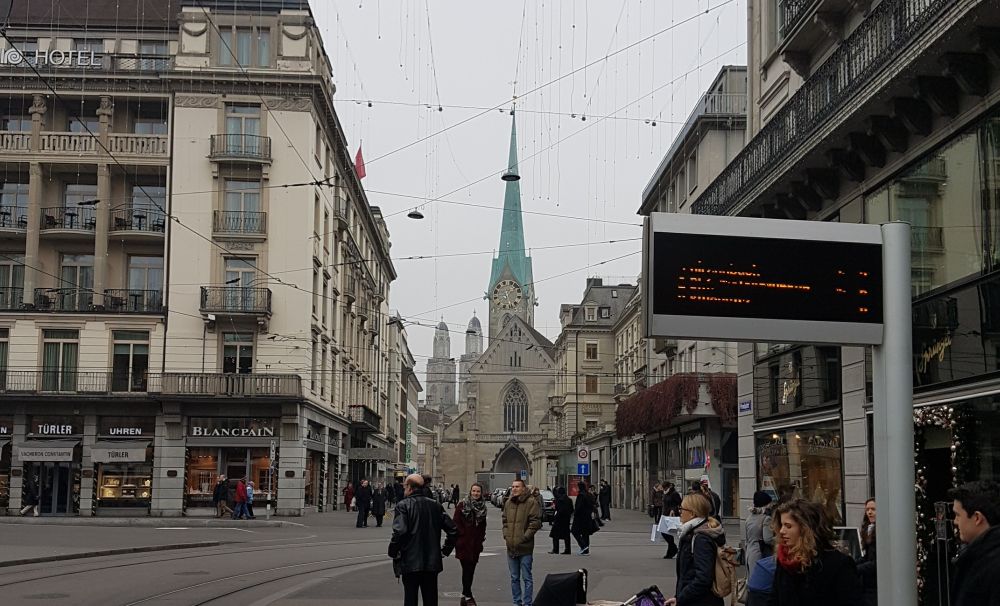
Is this just coincidence – or are these cathedrals and towers visible because they were designed to be visible?