Month: September 2026
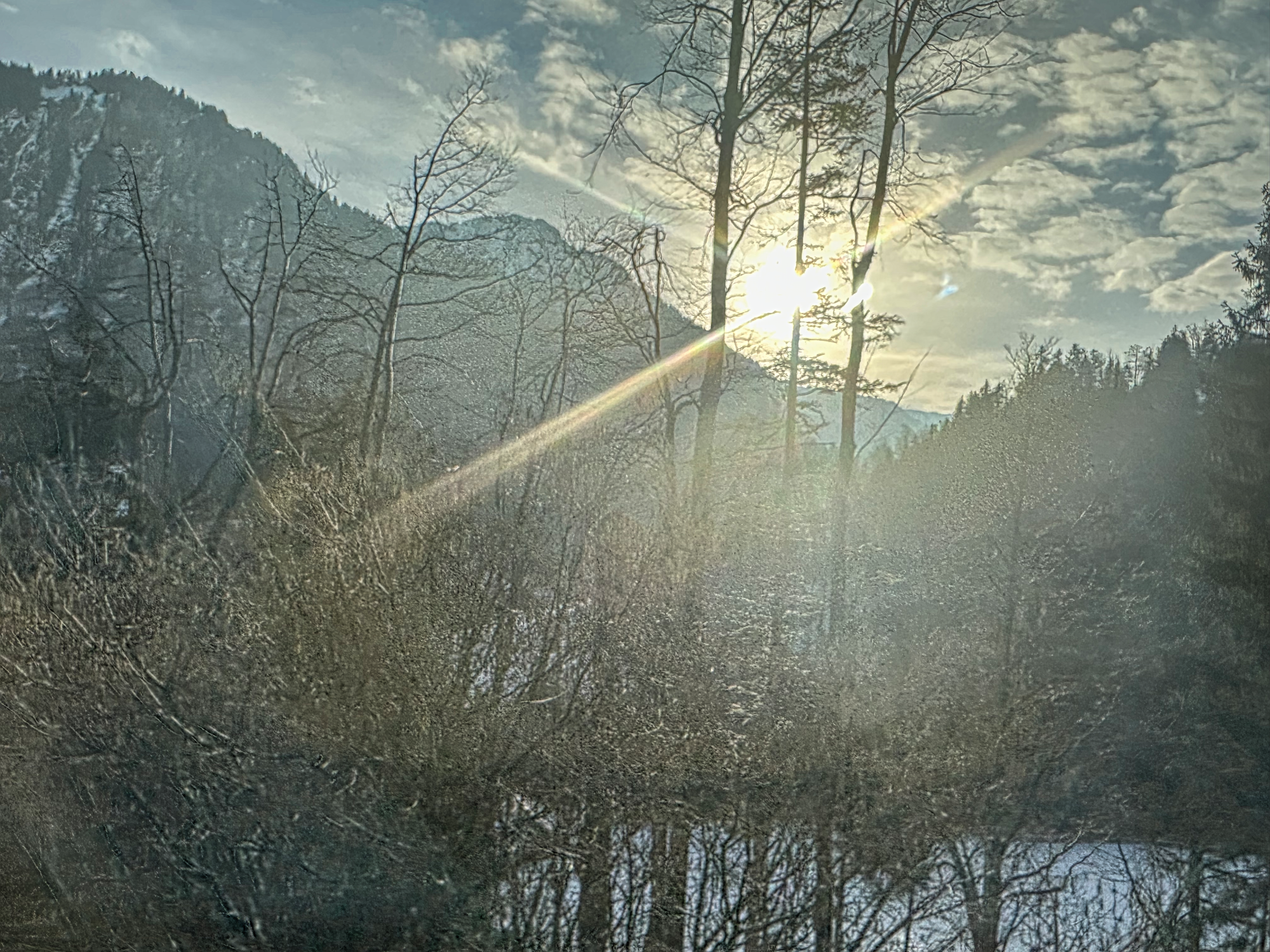
The sun near Gstaad
I took this snap on the famous train to Gstaad
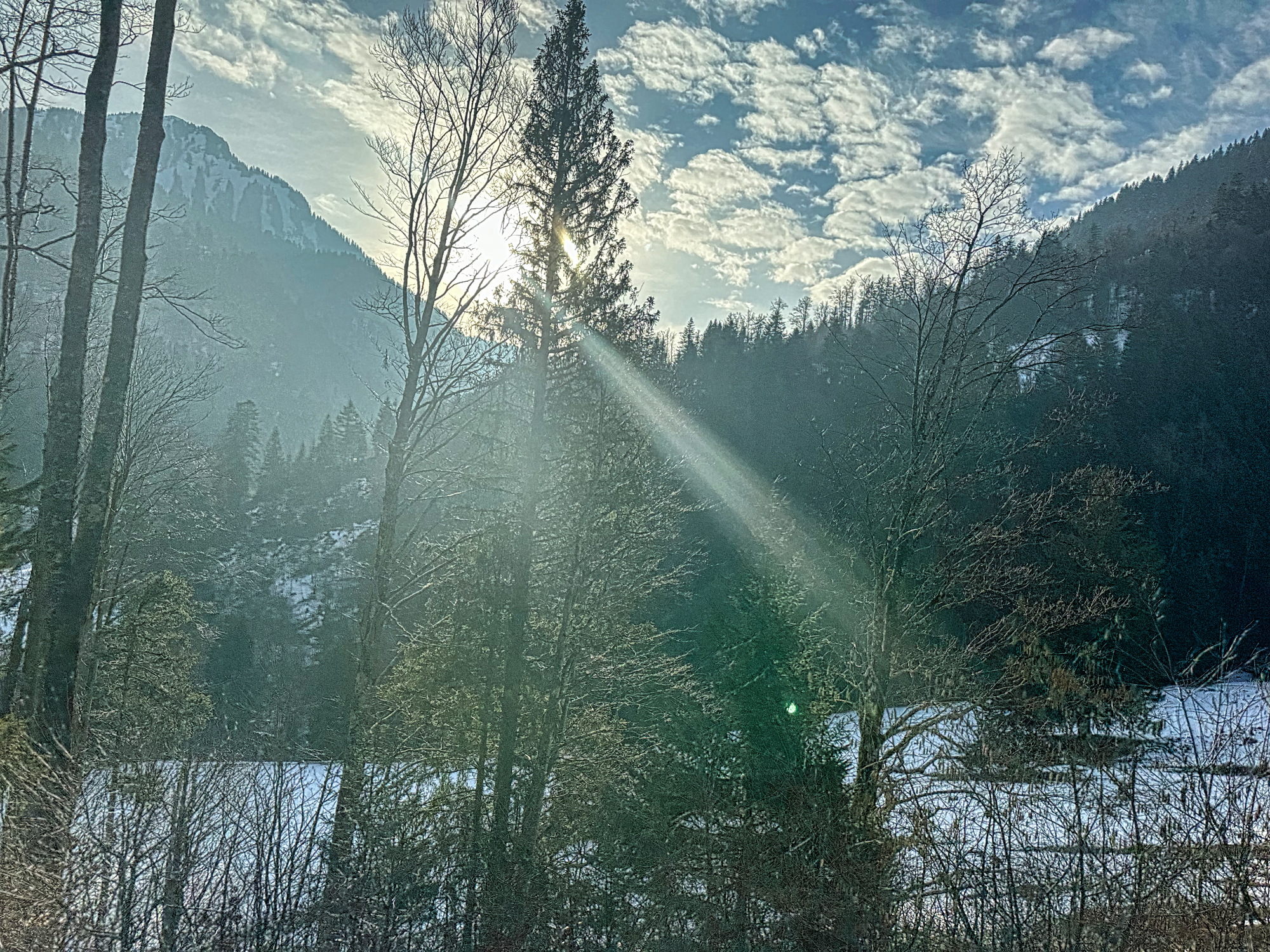
Opéra Grand Avignon, sur la place de l’Horloge à Avignon
As artistic a snap as I thought I could take of this theatre.
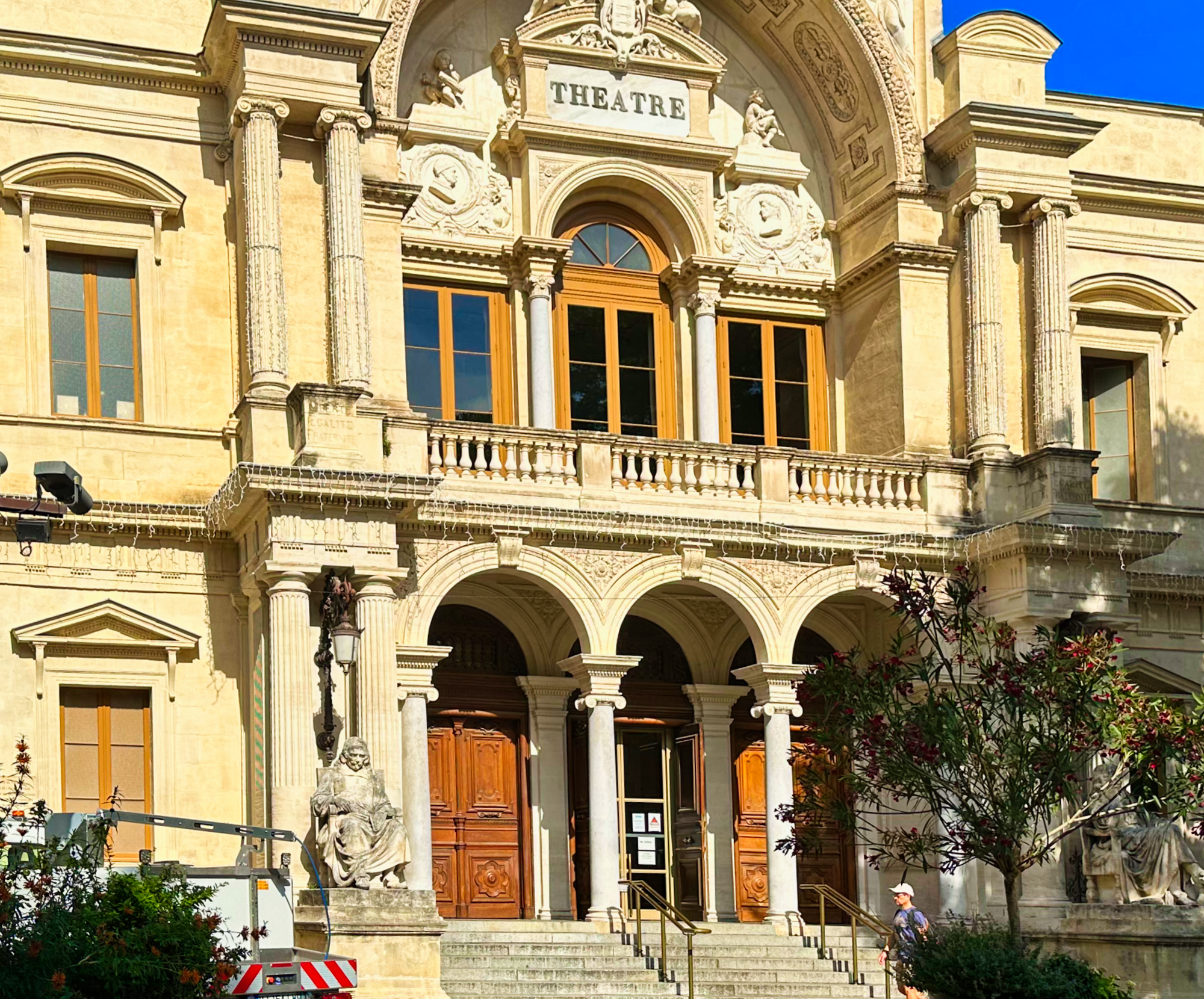
The sun near Gstaad
I took this snap on the famous train to Gstaad
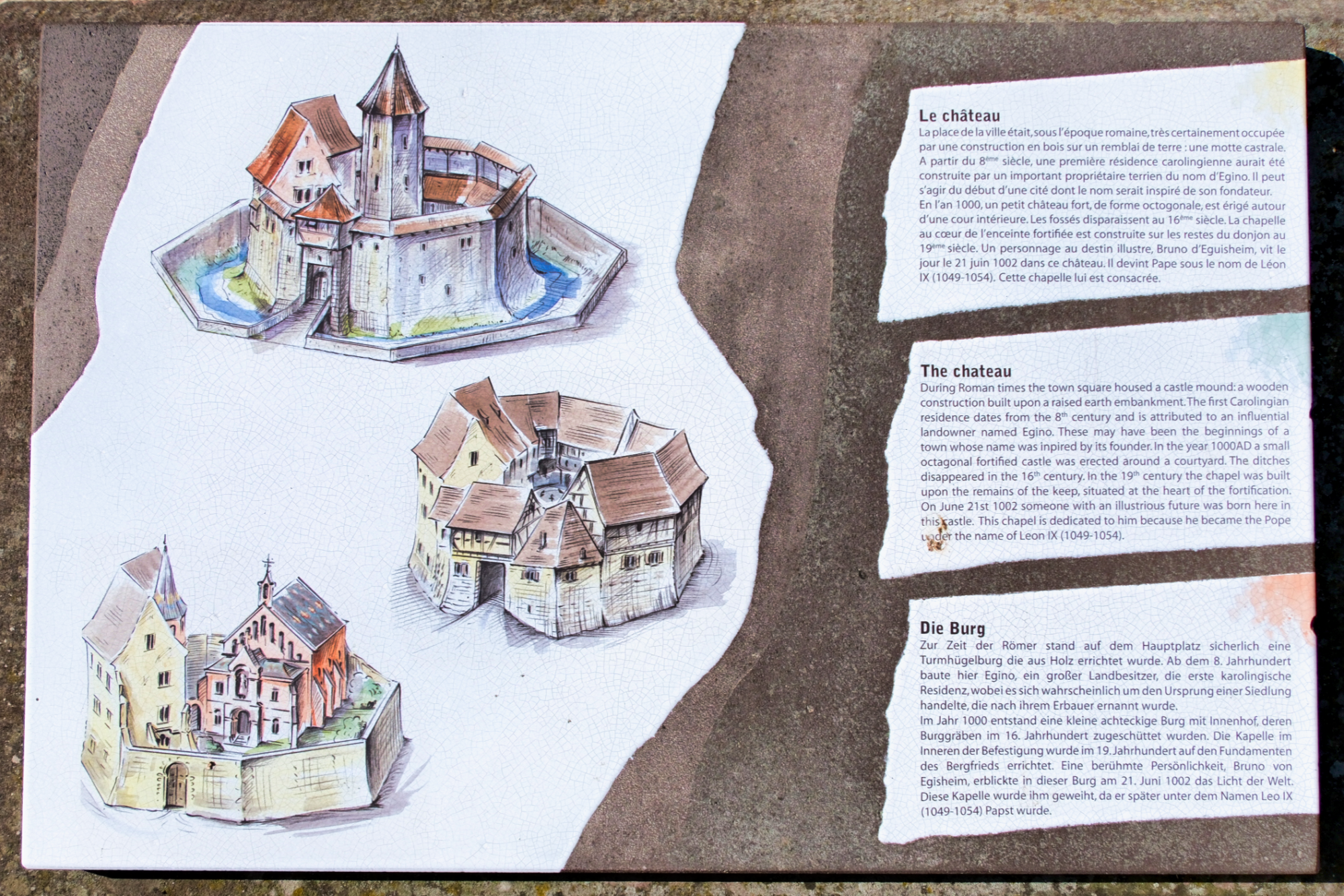
Eguisheim Sign
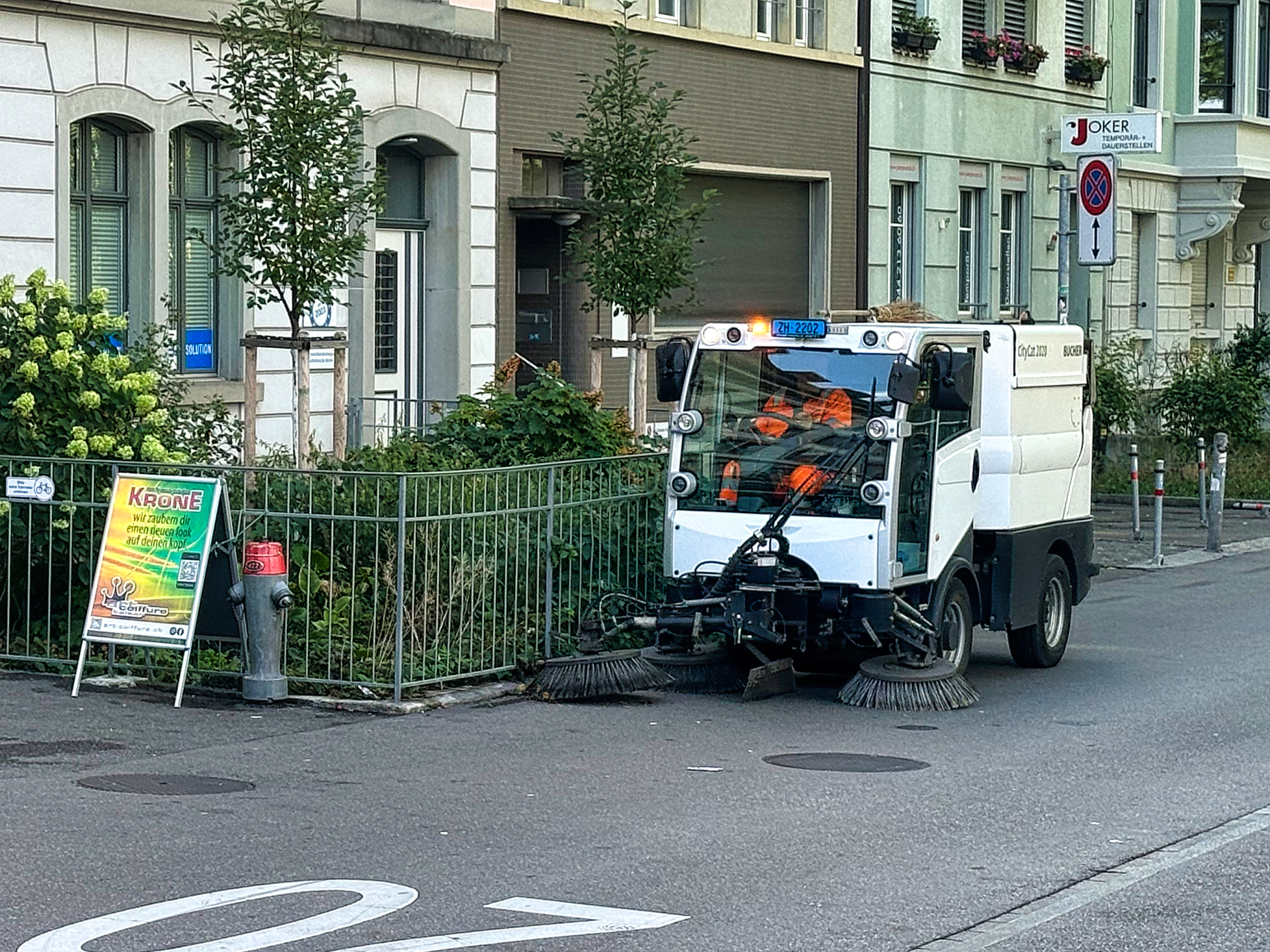
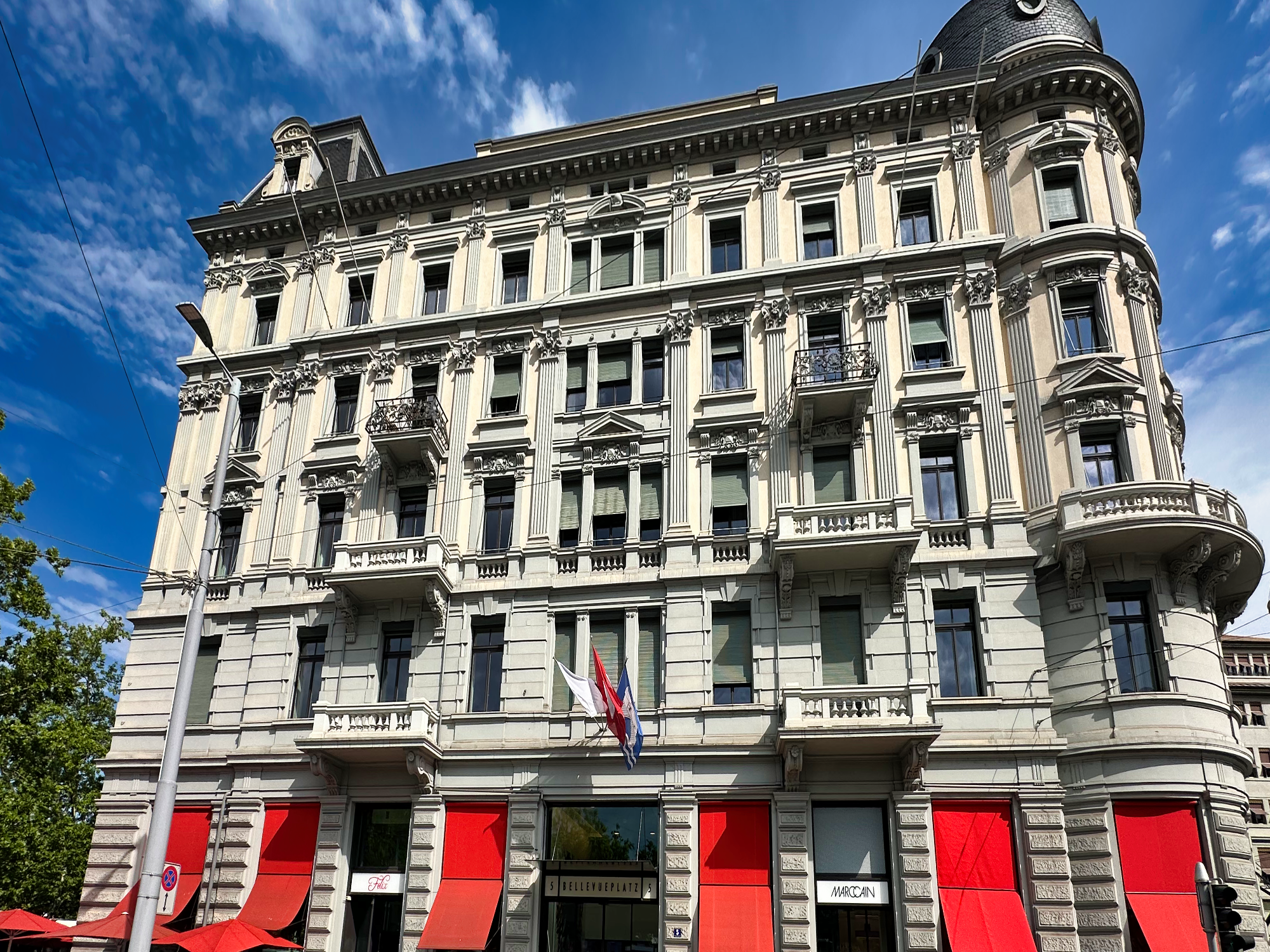
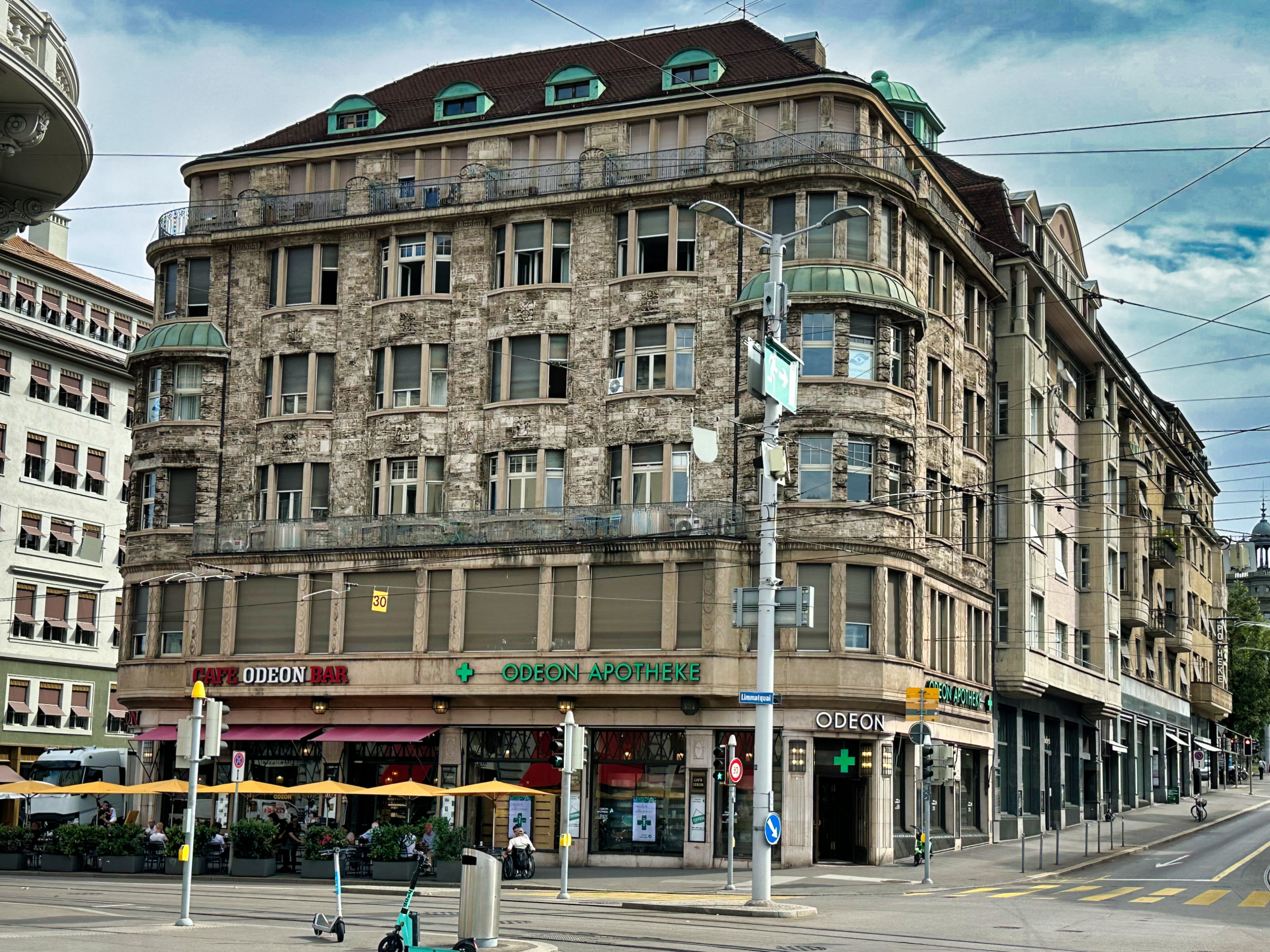
Zurich in the summer
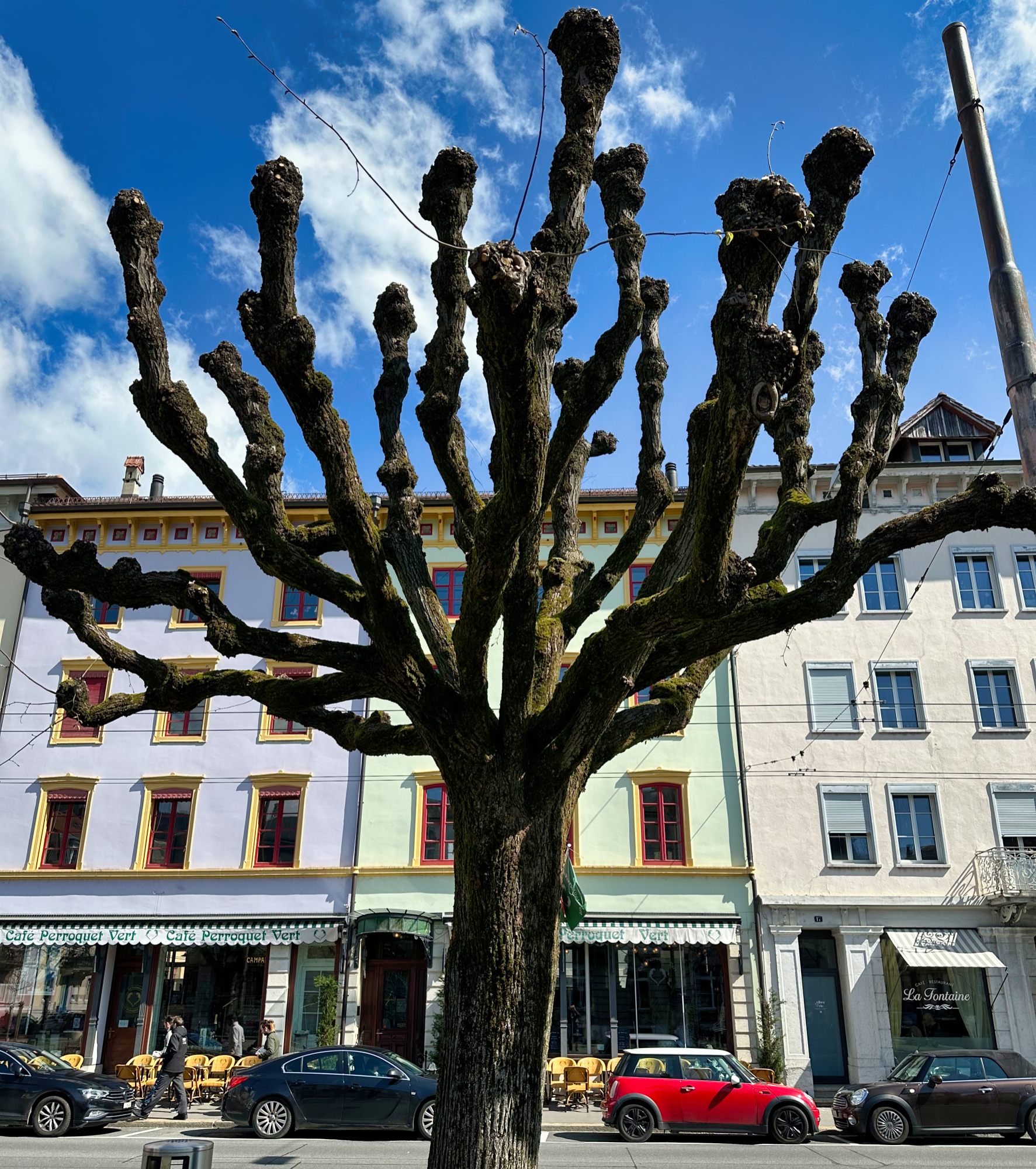
Sky above Biel/Bienne
Zurich in the summer
Saline-les-Bains
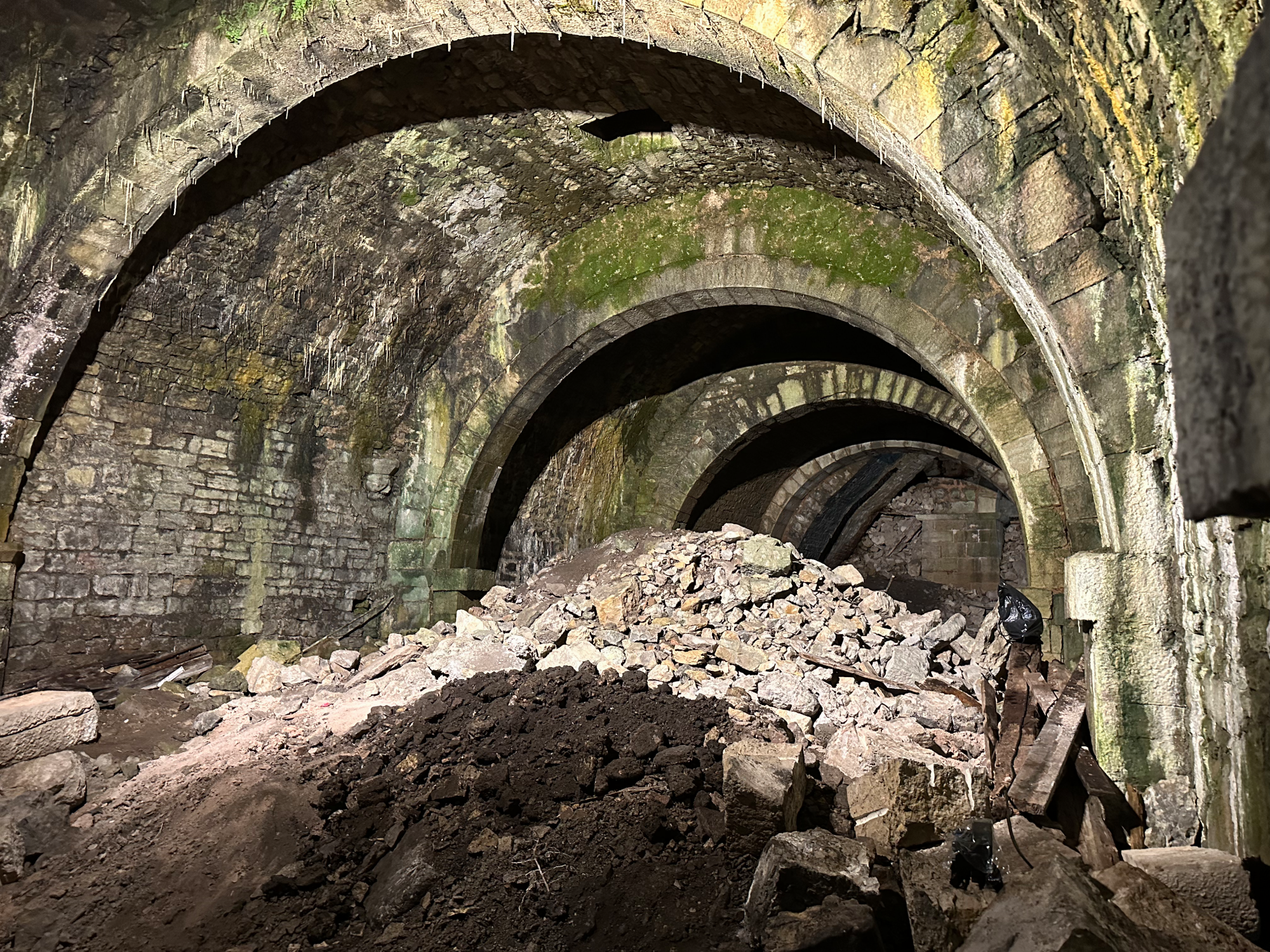
Saline-les-Bains blows your mind, because it shows you an aspect of medieval history that you probably had no idea about. Or at least, that I had no idea before I visited it. Over a thousand years ago people discovered that the water flowing up from underground springs was salty. So even as far back as 1115 they created “saltworks” to collect the water, dry it, to obtain salt. One interesting learning for me was: in the later Middle Ages, the workers here were treated phenomenally well. They obtained free salt (and remember, a family needed around 25 kg per year to preserve their food), free food, free healthcare, education for the children. They worked only around 12-14 hours per day, whereas 18+ hours was standard in the Middle Ages. They had an extremely good life, so that generation after generation of families willingly stayed and worked here.
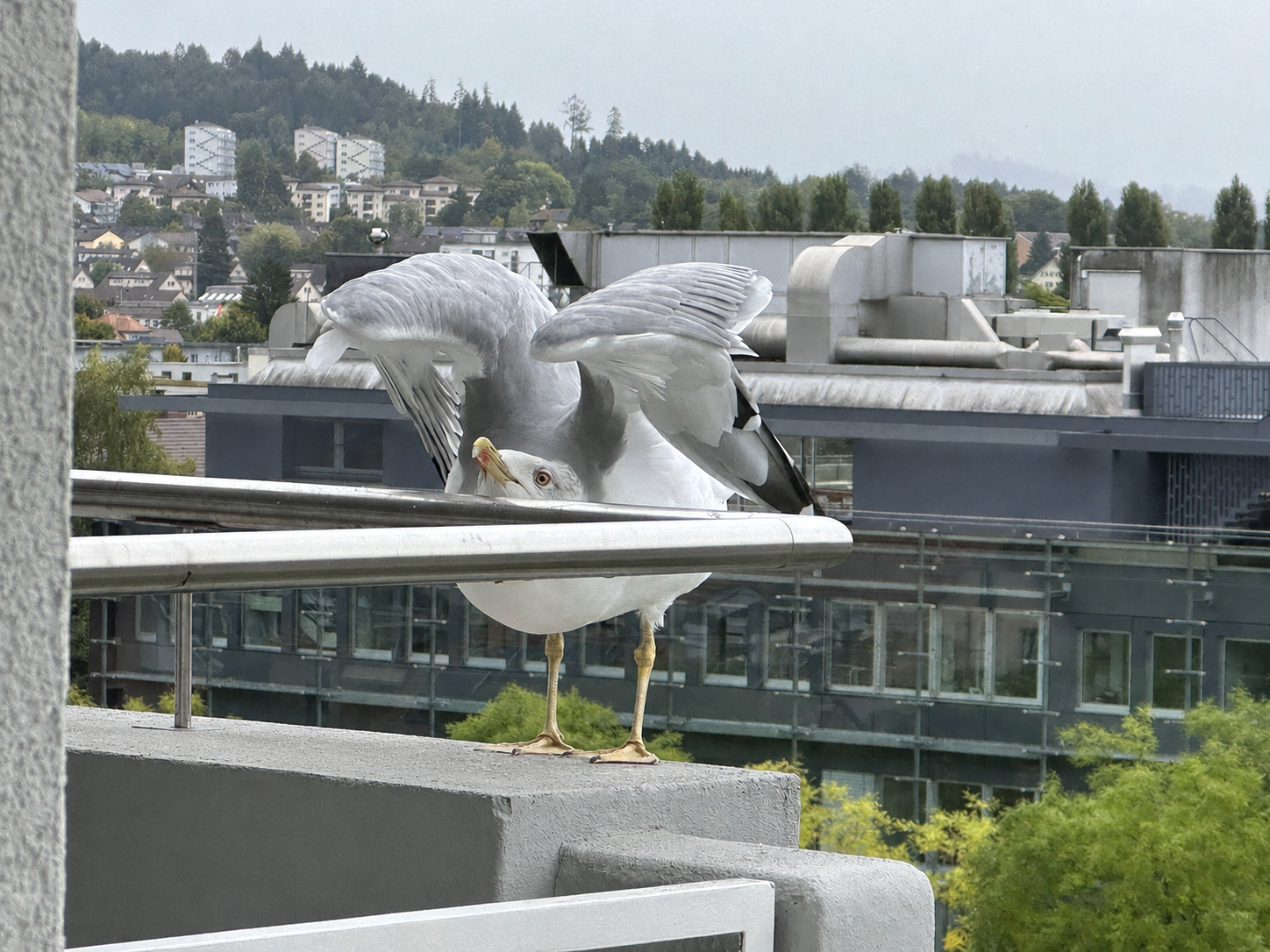
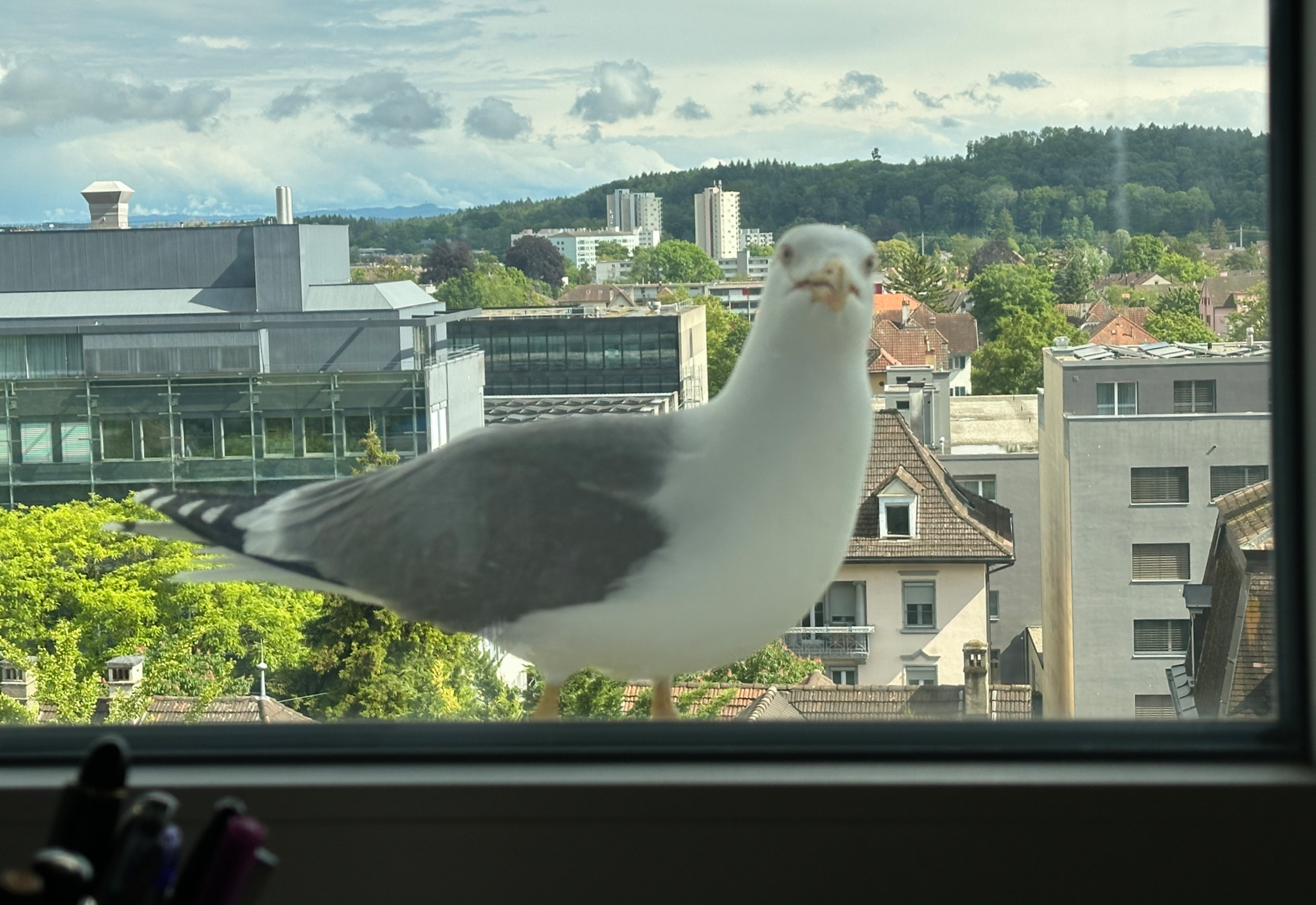
Marvin, die Möve
This is Marvin. Even though he is a duck bird and I am a human, still he likes to visit me when I am working in my home office.
However, Marvin is no ordinary duck bird. He does strange things. He’ll stand for minutes with one wing extended out.
And here you can see him just relaxing, probably for nearly 10 minutes in this strange position. Why? Sadly, probably only Marvin knows!
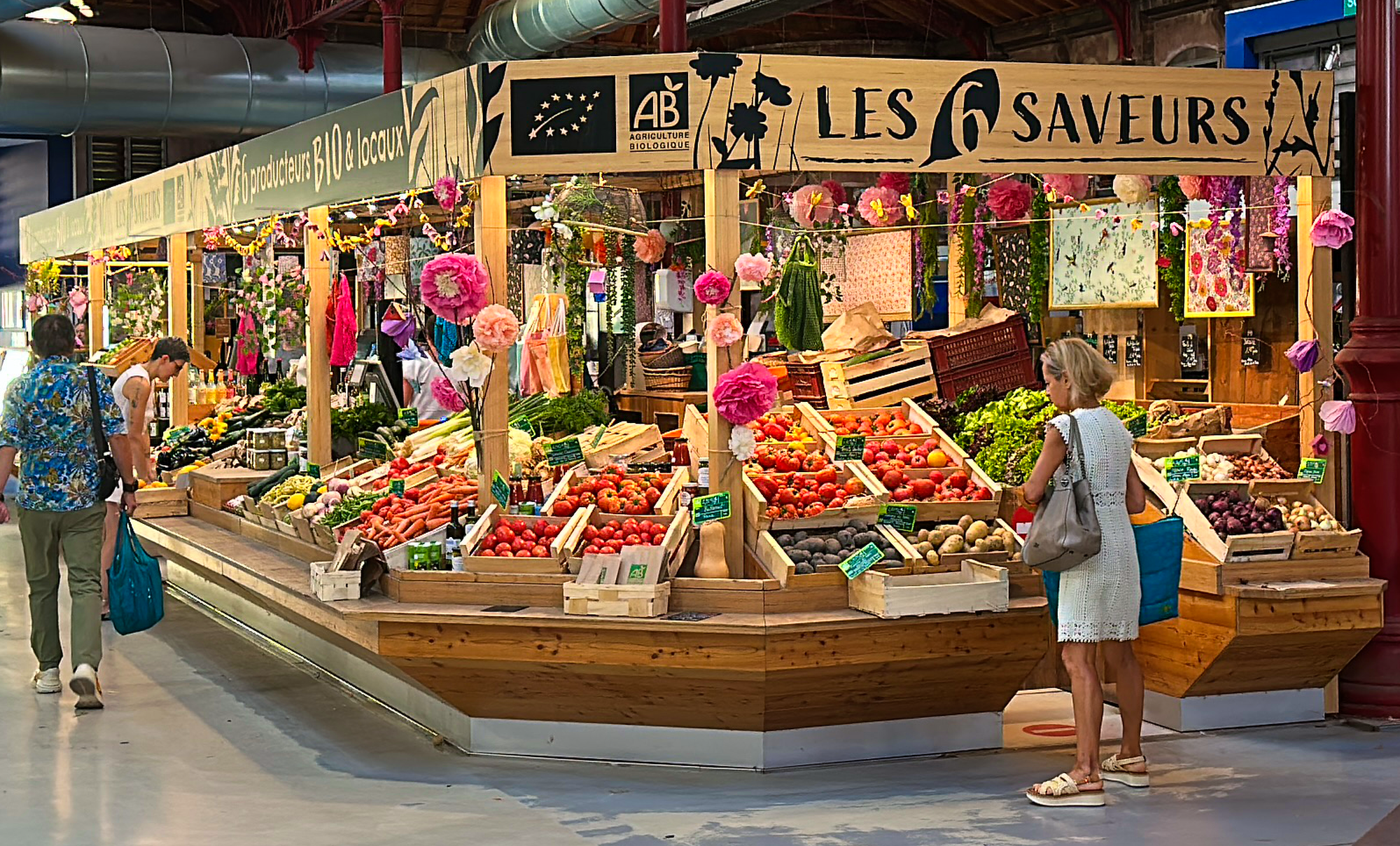
Marché Couvert de Colmar
I’m not saying it’s bad – so don’t get me wrong. But when a market doesn’t smell – when it doesn’t have dirty floors – when you can’t hear animals wailing – somehow that’s more of a grocery store to me than a real market. This place was so clean you could eat off the floors!
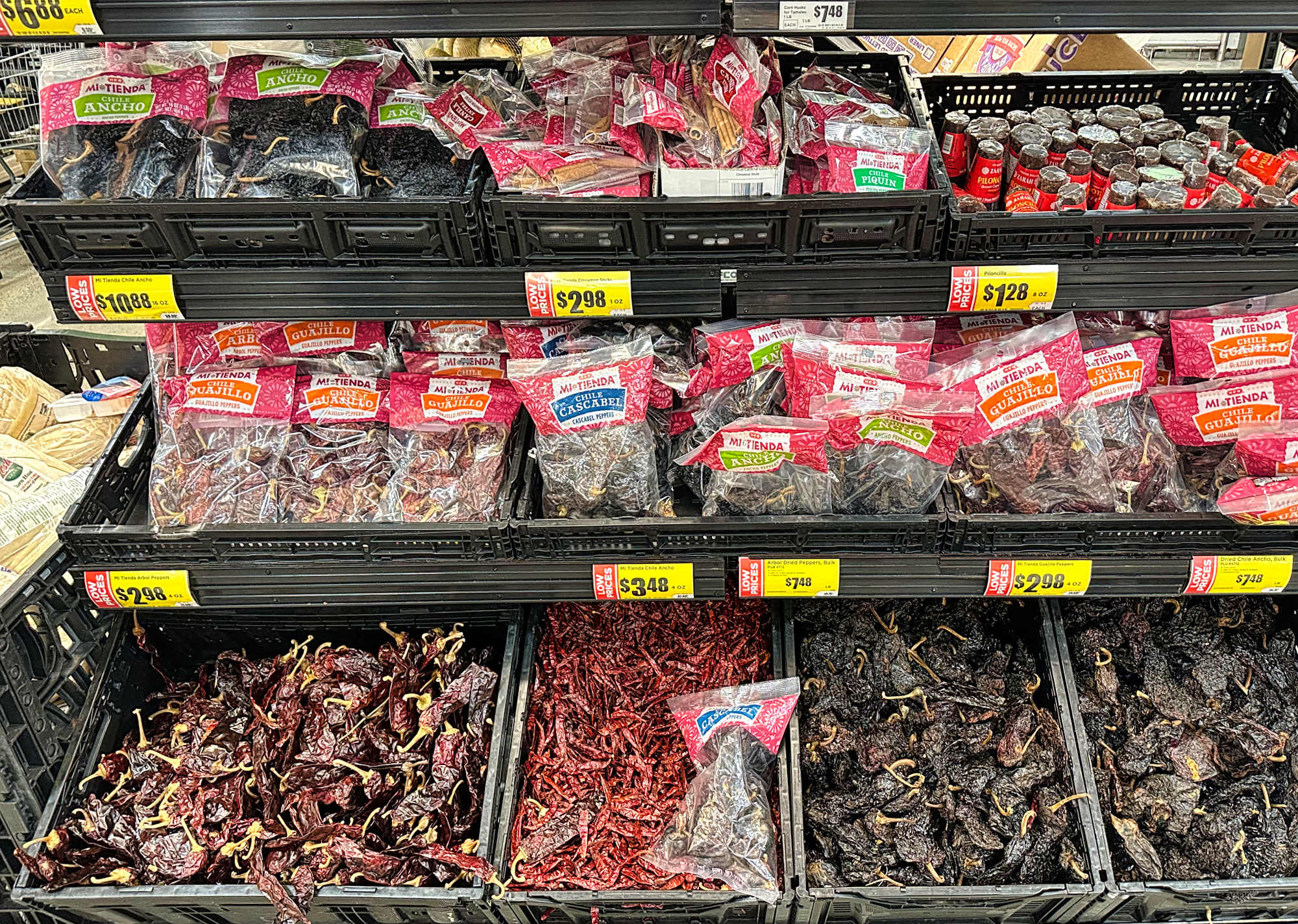
Dried Chilis in Corpus Christi
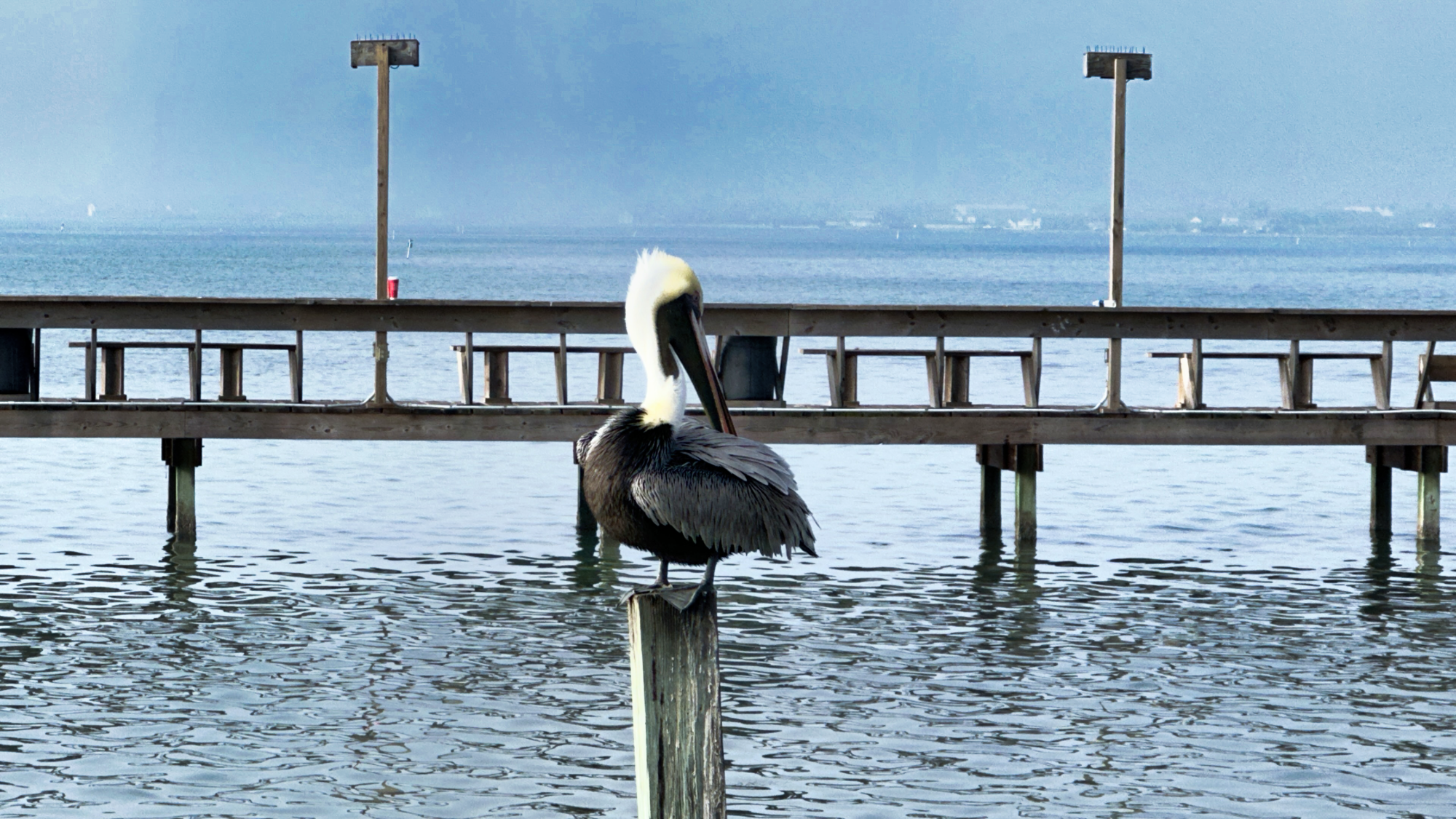
Black pelican in Corpus Christi
L’Artichaut Aristocratique d’Avignon
I took this snap of not just any artechoke, but one growing in the papal palace in Avignon. I wonder if those blue things are safe to eat?
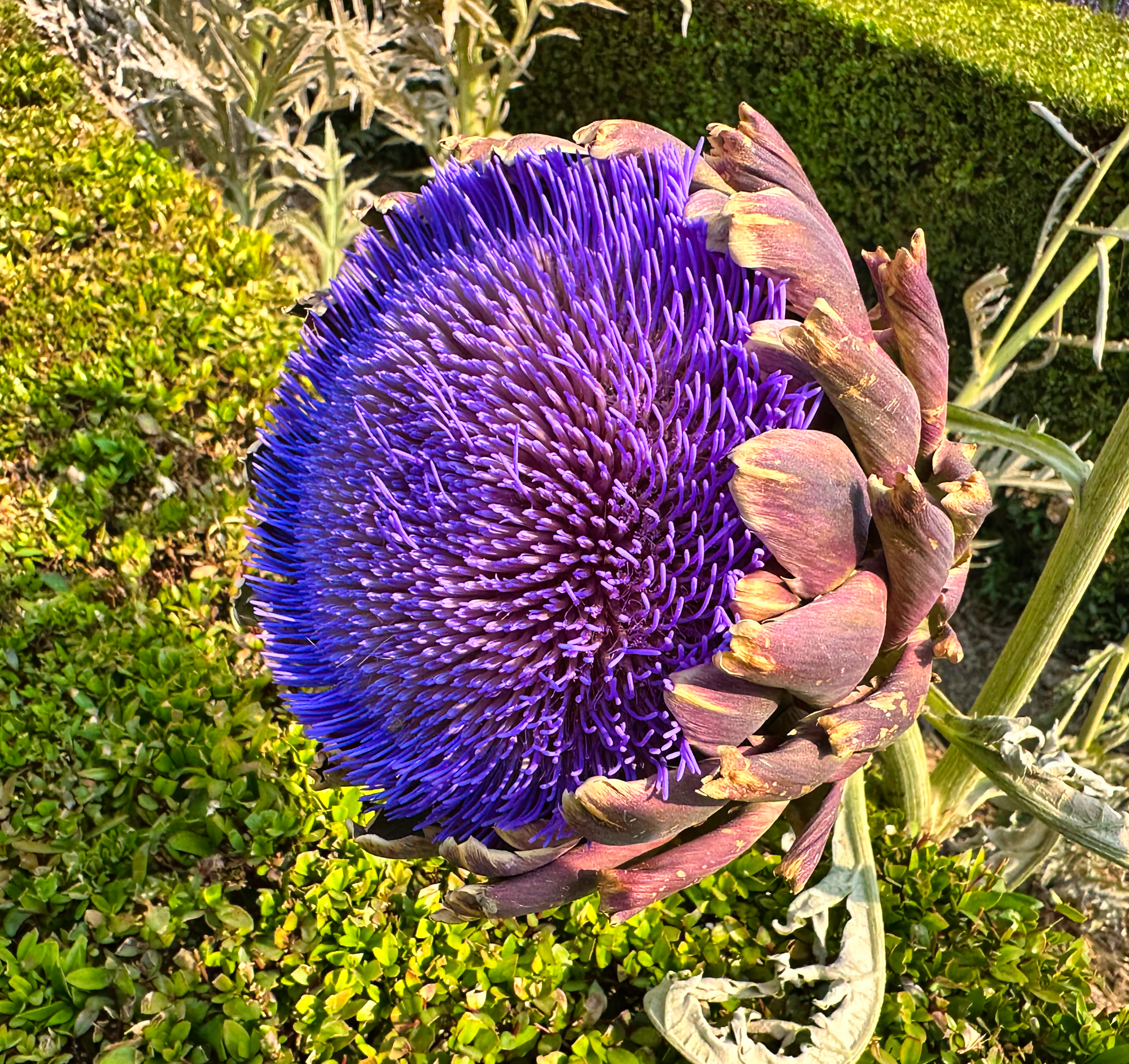
Interestingly, artechokes are eaten far before they show their flowers. So this one is past its prime – foodwise.
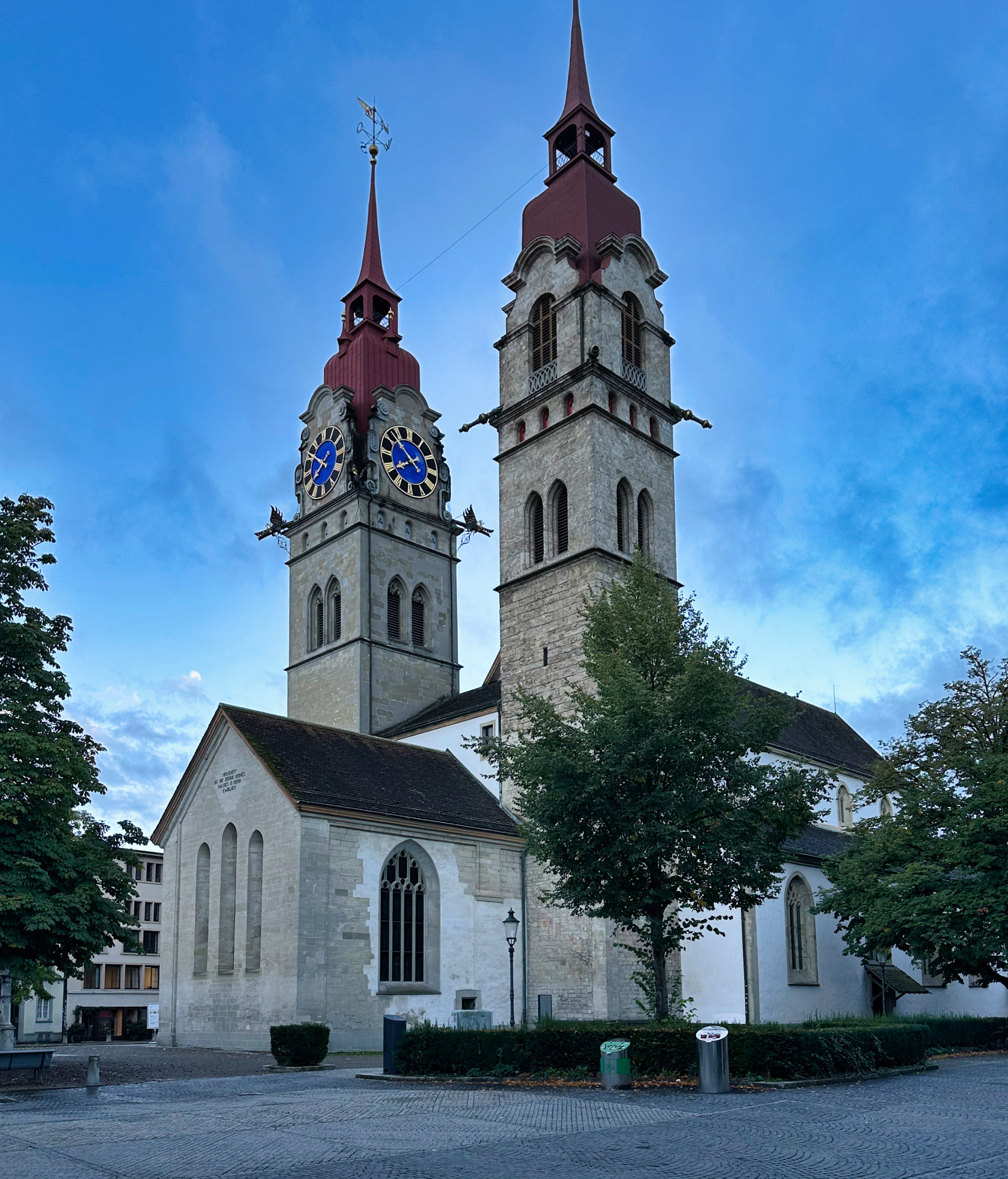
Winterthur Church
Sète
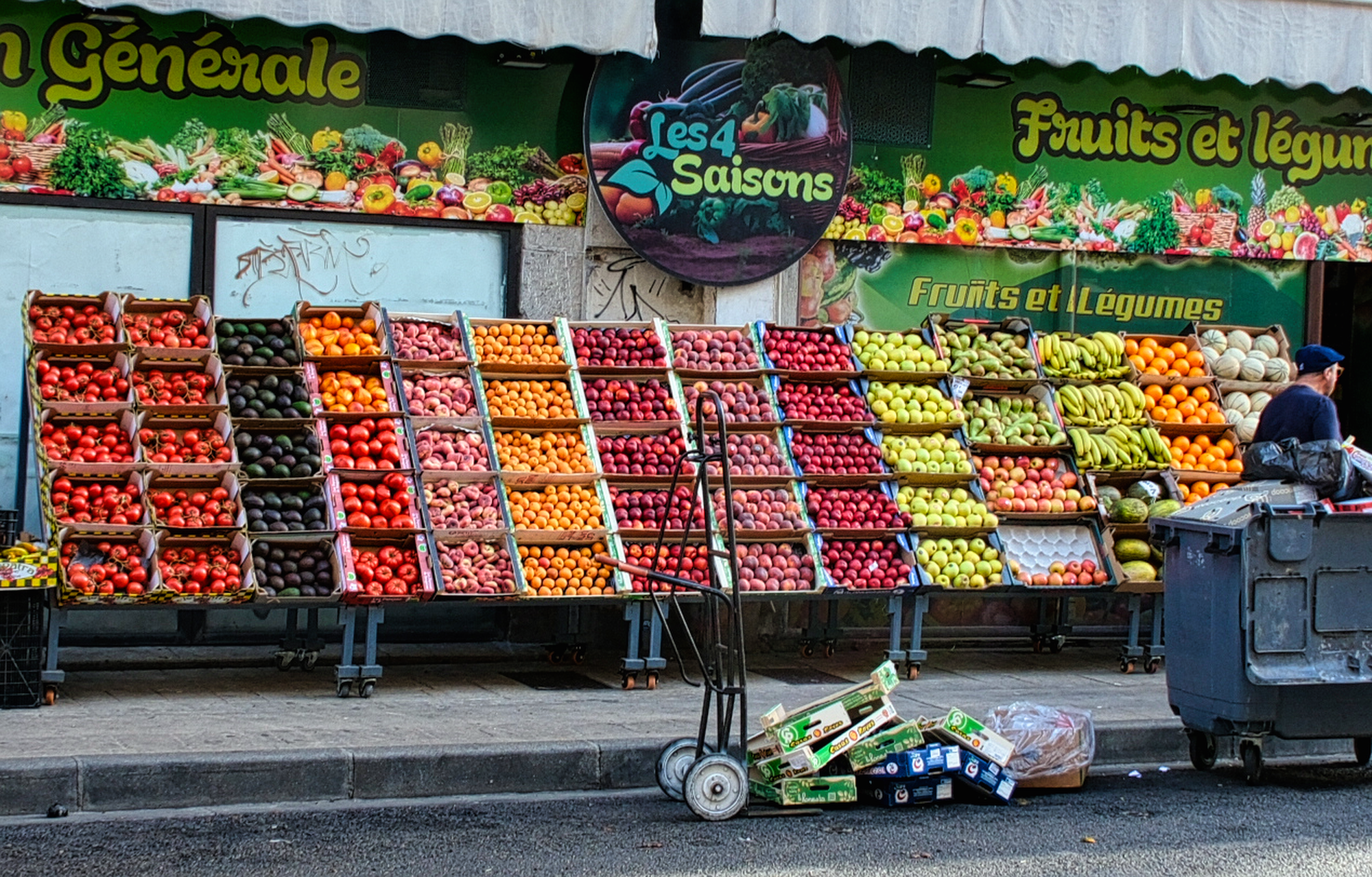
Raptors in Vaihingen?
I took this snap a while ago. I couldn’t understand it. Just two predatory birds coincidentally chilling out in the same place? Maybe both waiting for a large animal on a rooftop to die? Perhaps two birds angry with each other?
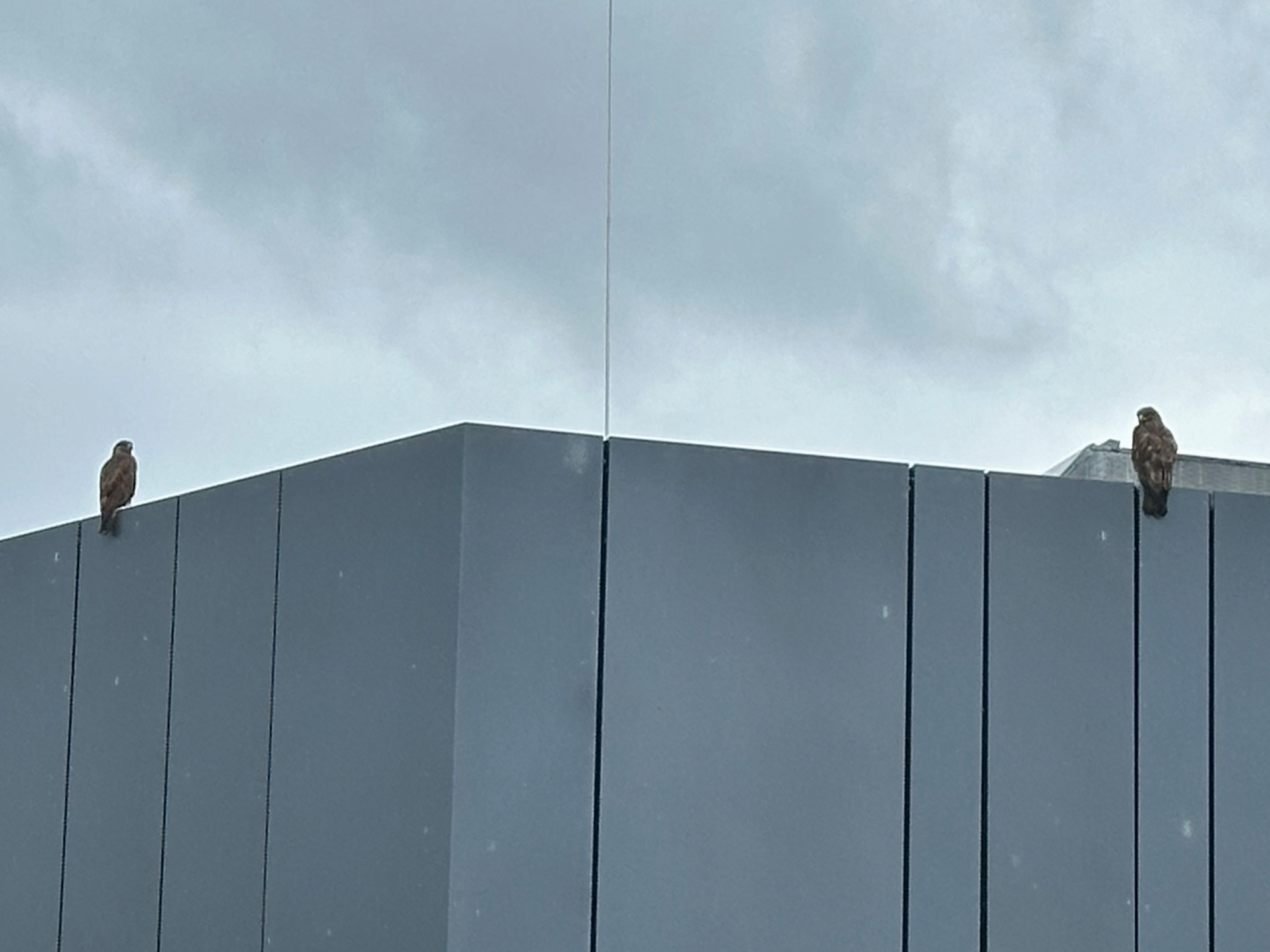
Eguisheim Storks
Scientists have examined the storks in Europe and have said there are two categories, often living side-by-side: the storks that fly to Spain in the winter, and the storks that fly to Africa in the winter. Apparently, what they do is influenced by their families. And amazingly, the storks fly differently: if a scientist can measure how a stork flies, even for a few seconds, they can tell to which category the stork belongs!
Sadly, I don’t have these skills. Are the storks here Spain-flyers, preferring to drink Xeres and enjoy tapas over the winter? Or are they African-flyers, preferring baba ganoush and hot black tea over the winter? Or . . . maybe these are just LAS (Lazy-Ass Storks) that don’t fly anywhere for the winter?
Life really has too many mysteries!
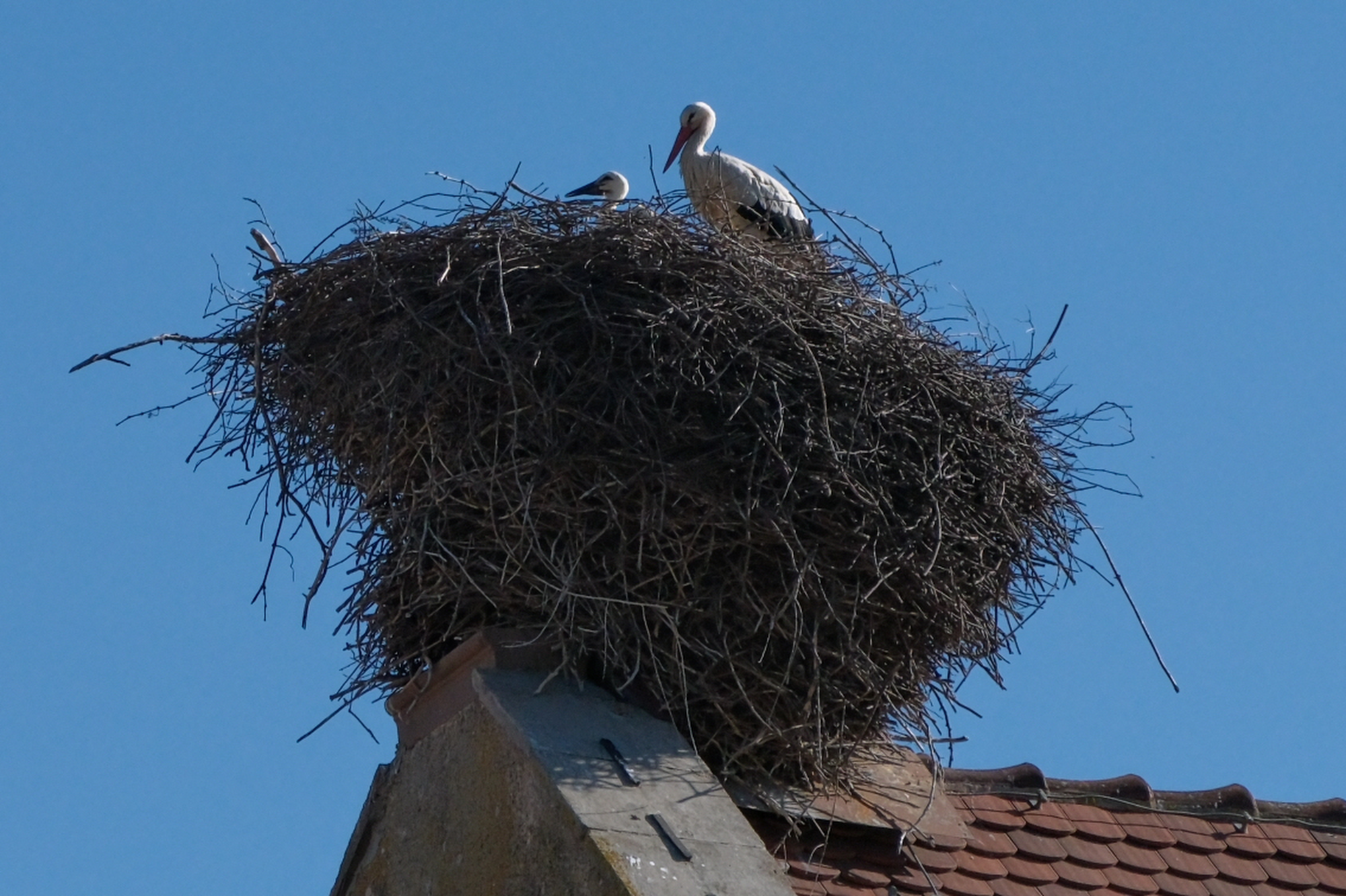
Zurich in the summer
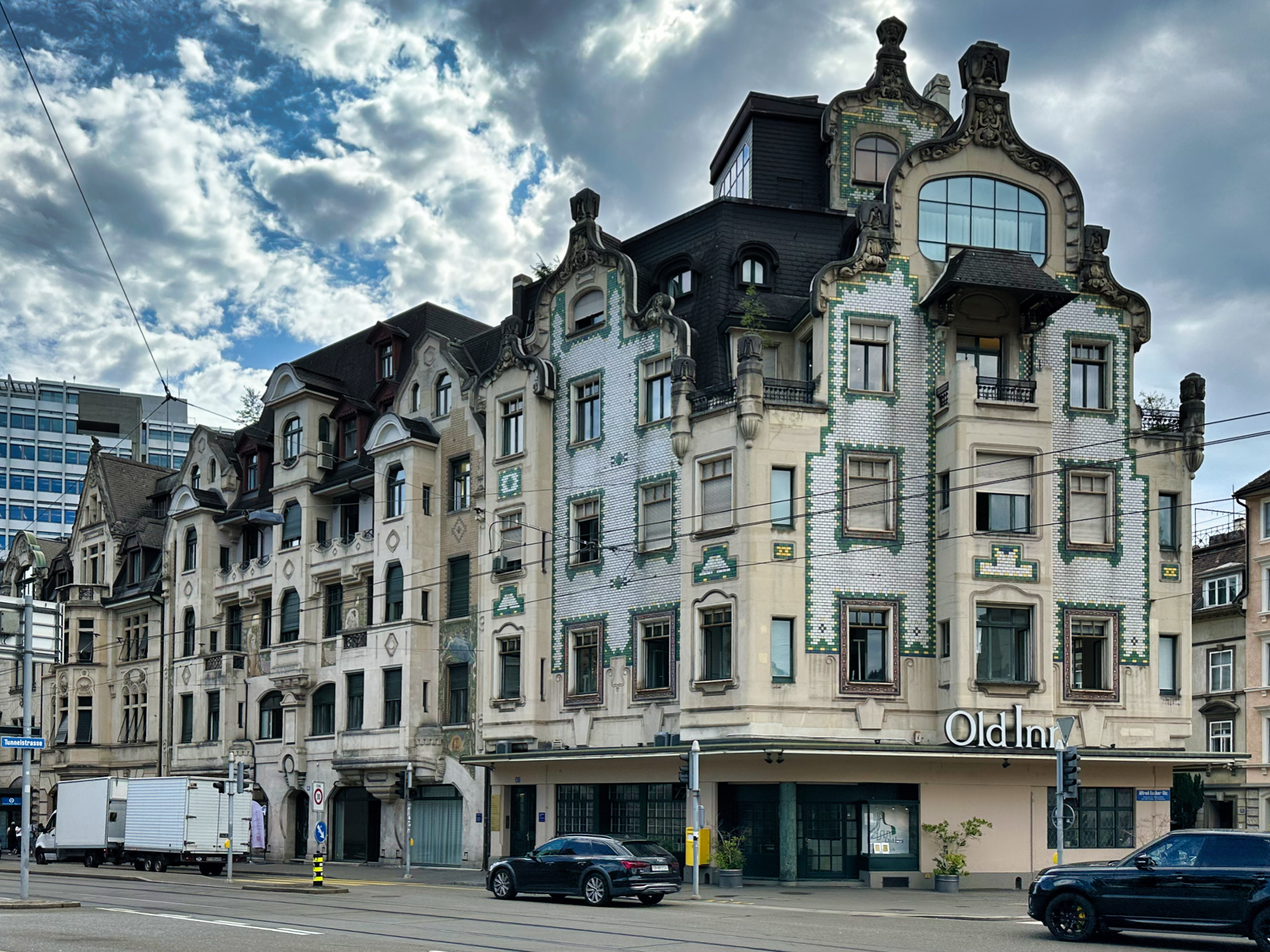
Do Alsacians find this offensive?
Tourism is one thing – but I think it can be taken a bit too far. I wonder what Alsacians think when they see something like this?

Is this the world’s most stupid sign?
I spotted this at Marché Couvert de Colmar. In economics there is a good concept known as opportunity cost.

Marvin, die Möve
This is Marvin, the duck bird that comes to visit me when I am working in my home office.
Cathédrale Notre-Dame de Strasbourg – a very fancy door!
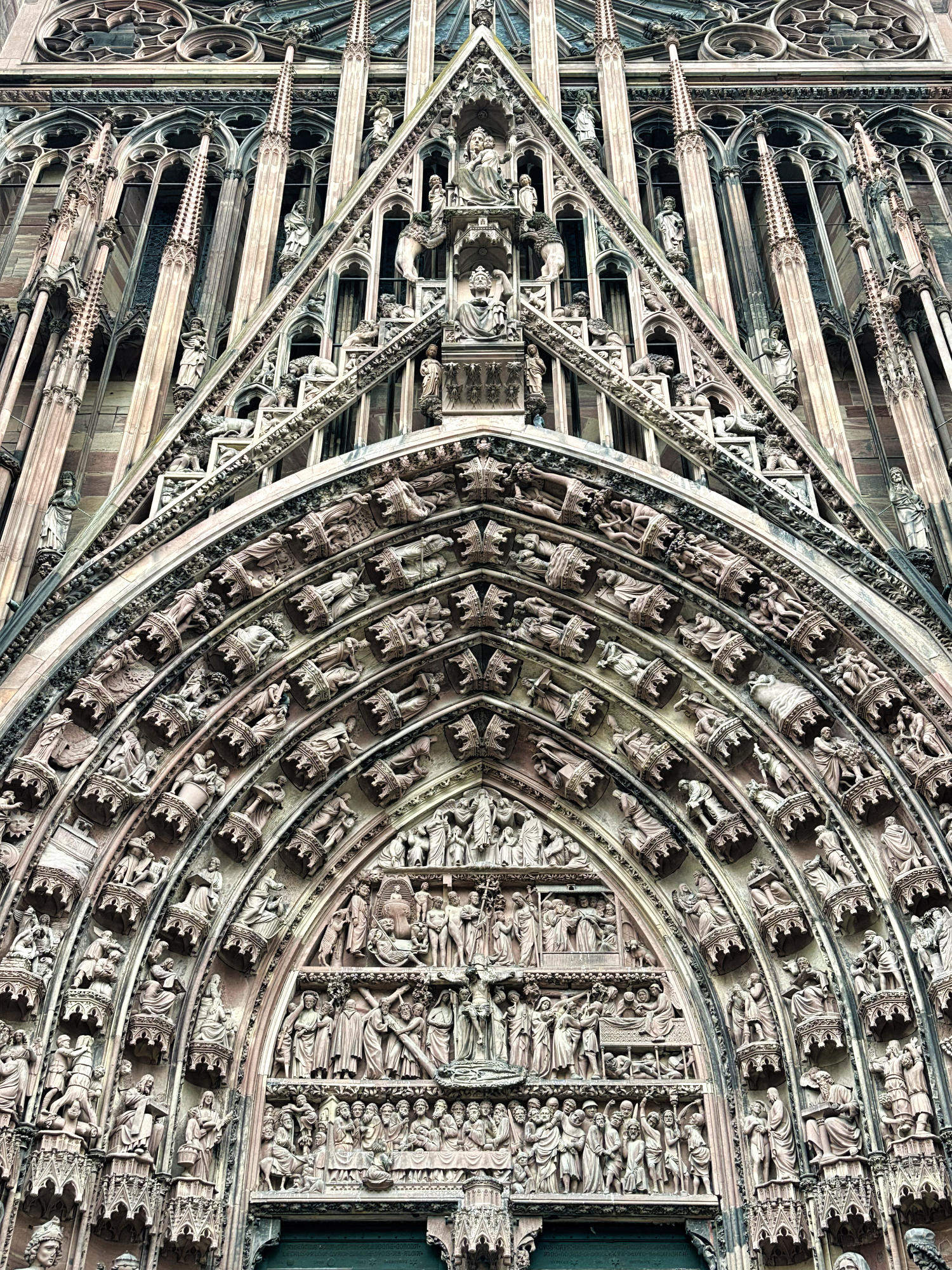
Interestingly, all these little people are not just little people but figures from the Bible. And from what I’ve read, they date back to the 19th century.
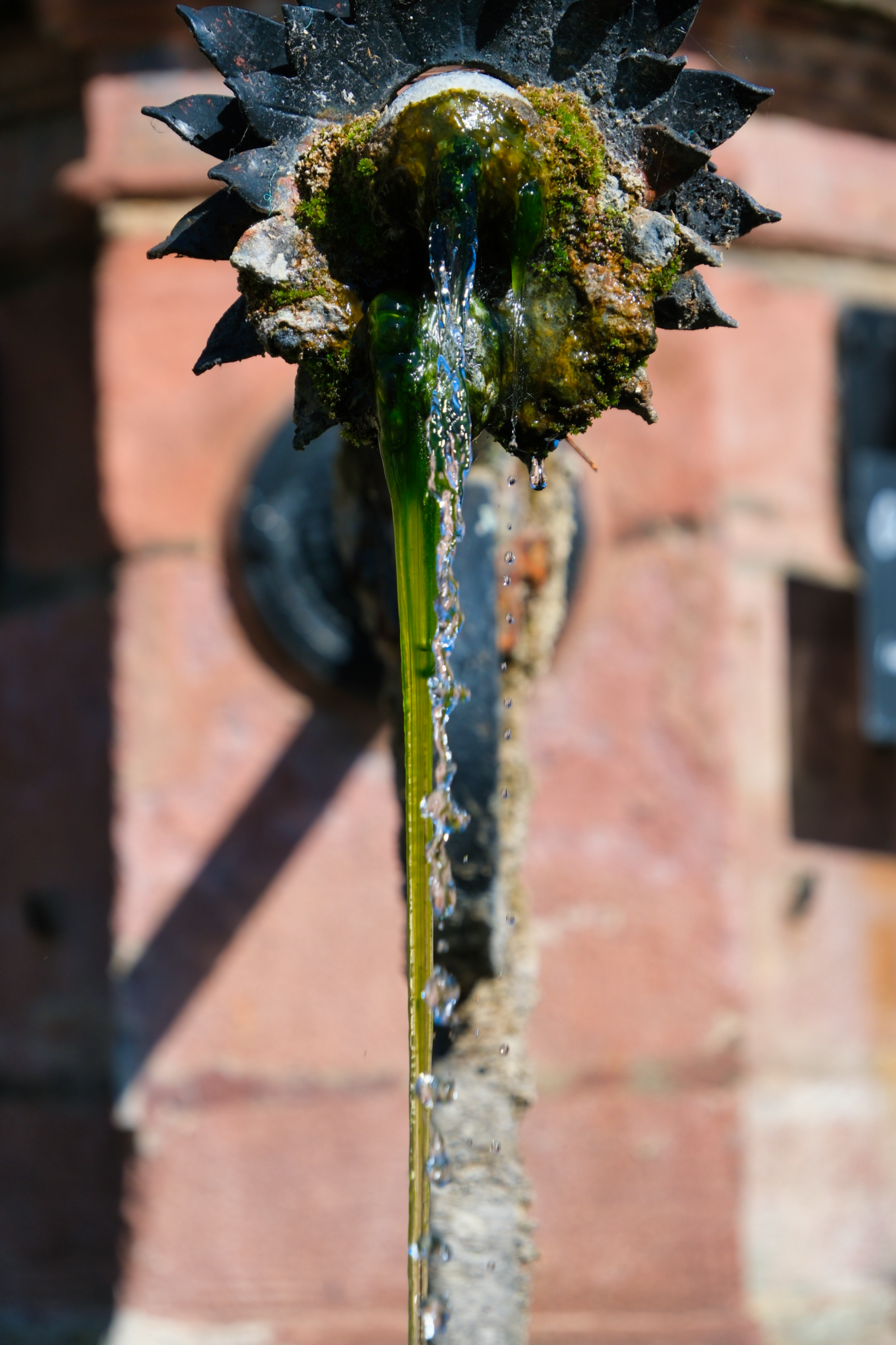
The majestic, inspiring Eguisheim Slime!
OK, biologists could spend hours discussing the in’s and out’s of slimes vs algae vs moss. All I know is this snap is a thing of beauty and I could hardly resist capturing it when I walked by! It is jewels of beauty like this that ensure Alsace in France is always worth returning to!
Keeping Zurich clean