Month: August 2026
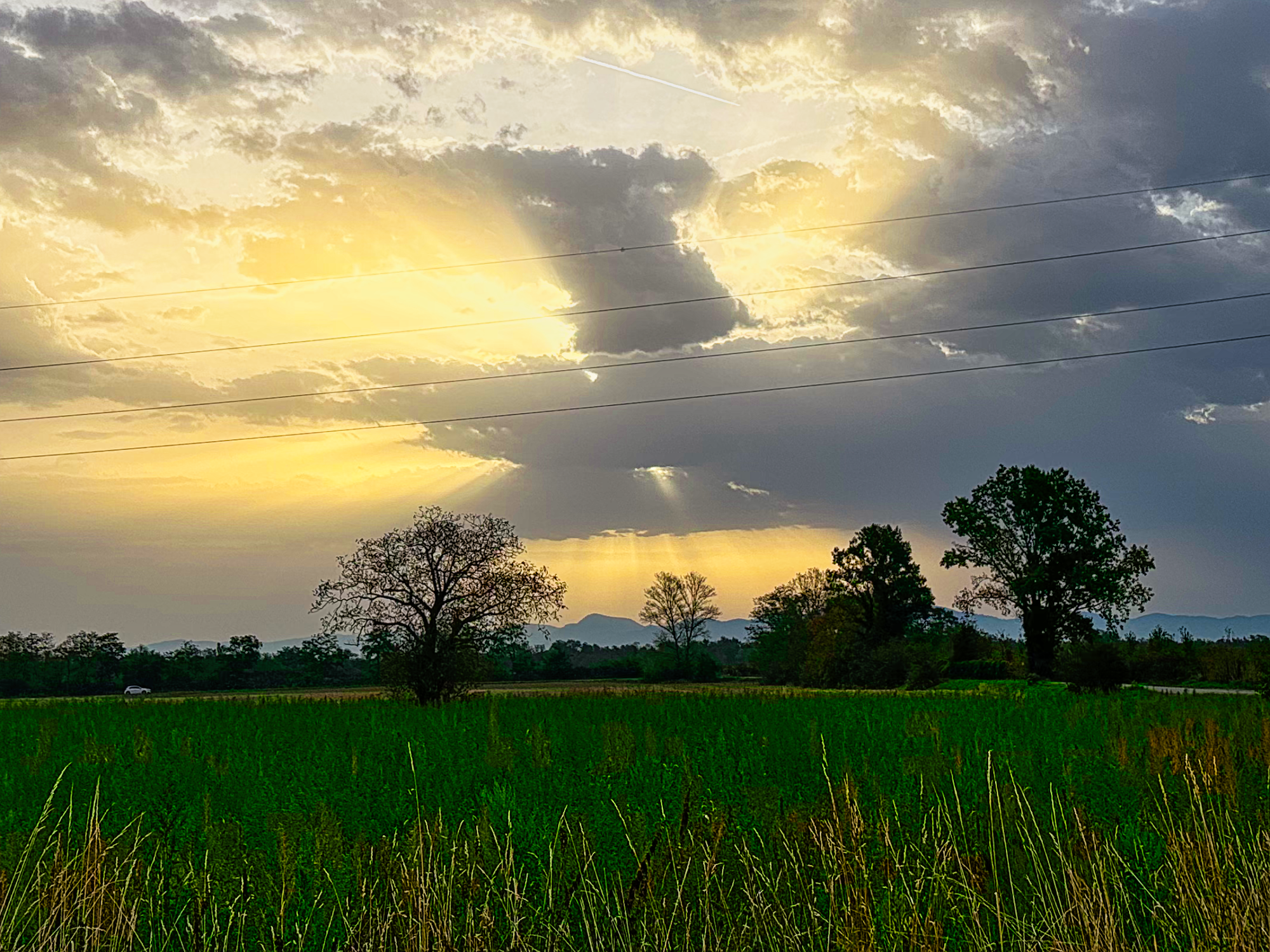
Sunlight breaking through in Alsace
Now for magnificent train station artwork
Here is something truly amazing that most visitors to Switzerland never realize. The Zurich main train station is BEAUTIFUL – but inside has installed a hideous monstrosity. The Biel/Bienne main train stations is UGLY – but inside has installed an artwork of great beauty.
Recently, I showed how the Zurich main train station adorns itself with a hideous monstrosity. In contract, the folks running the train station in Biel/Bienne really know how to do things. Biel artist Philippe Robert (1881–1930) is responsible for the stunning masterpieces, installed in 1923 and still looking great today:
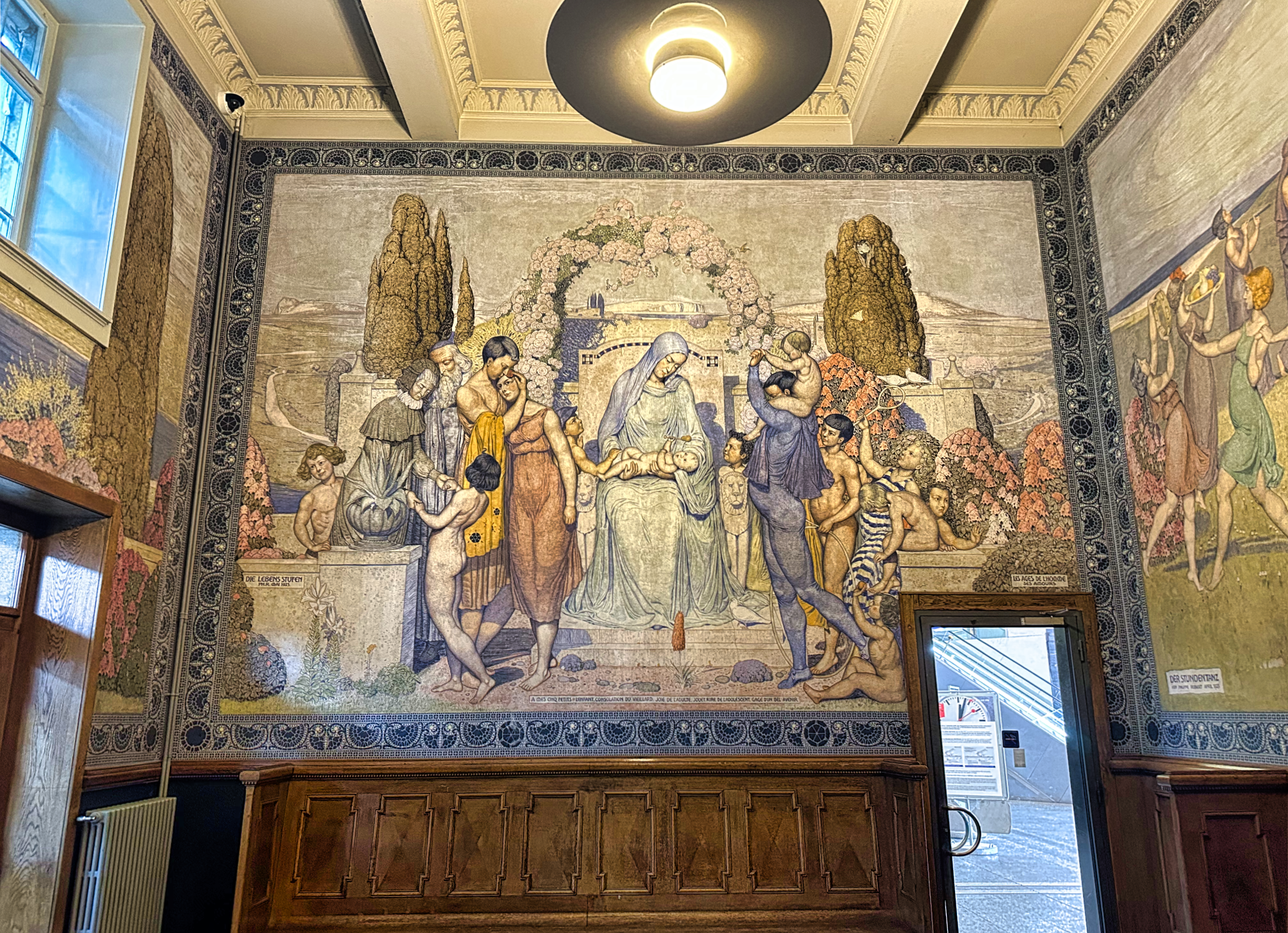
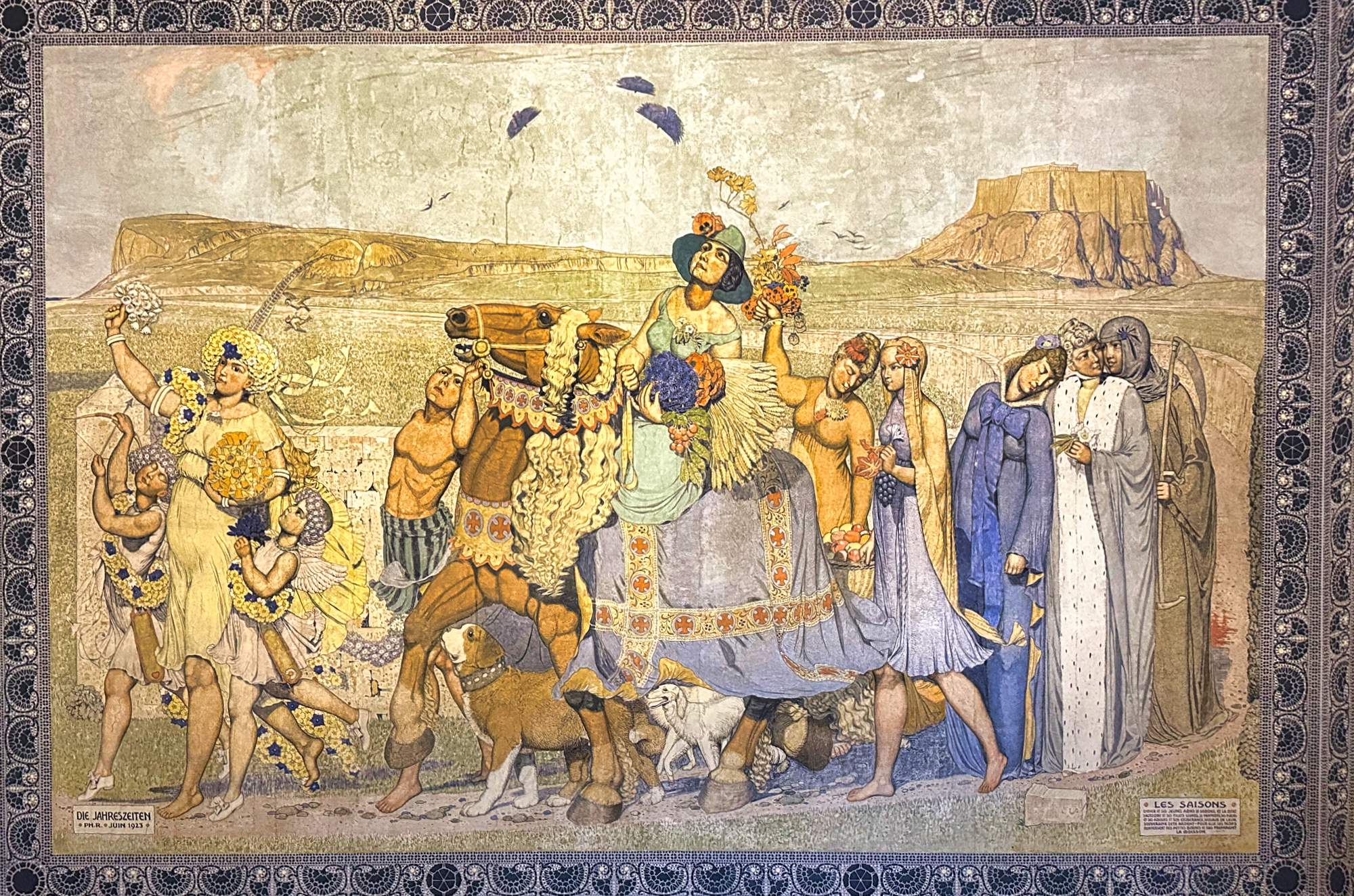
In fact, each of the four walls has a magnificent piece that is all about time, appropriate for a waiting room!
- La Ronde des Heures / Der Stundentanz The Dance of the Hours
- Les Saisons / Die Jahreszeiten The Seasons
- Les Âges de l’Homme / Die Lebensstufen The Ages/Stages of Man
- Temps Éternité / Zeit und Ewigkeit Time and Eternity
This gets back to my previous point. Is it really fair to use the same word “artist” to describe the creators of both pieces?
L’Ange protecteur – die Dicke
I’ve seen this monstrosity ever since I’ve lived in Switzerland – and it’s always been on my bucket list to look it up and see what it is and where it comes from. It is a “work of art” (and here, “work of art” can be defined as a hideous monstrosity) from the “artist” (which can be defined as “the creator of a hideous monstrosity”) Niki de Saint Phalle, installed here in 1997. It weighs 1.2 tonnes.
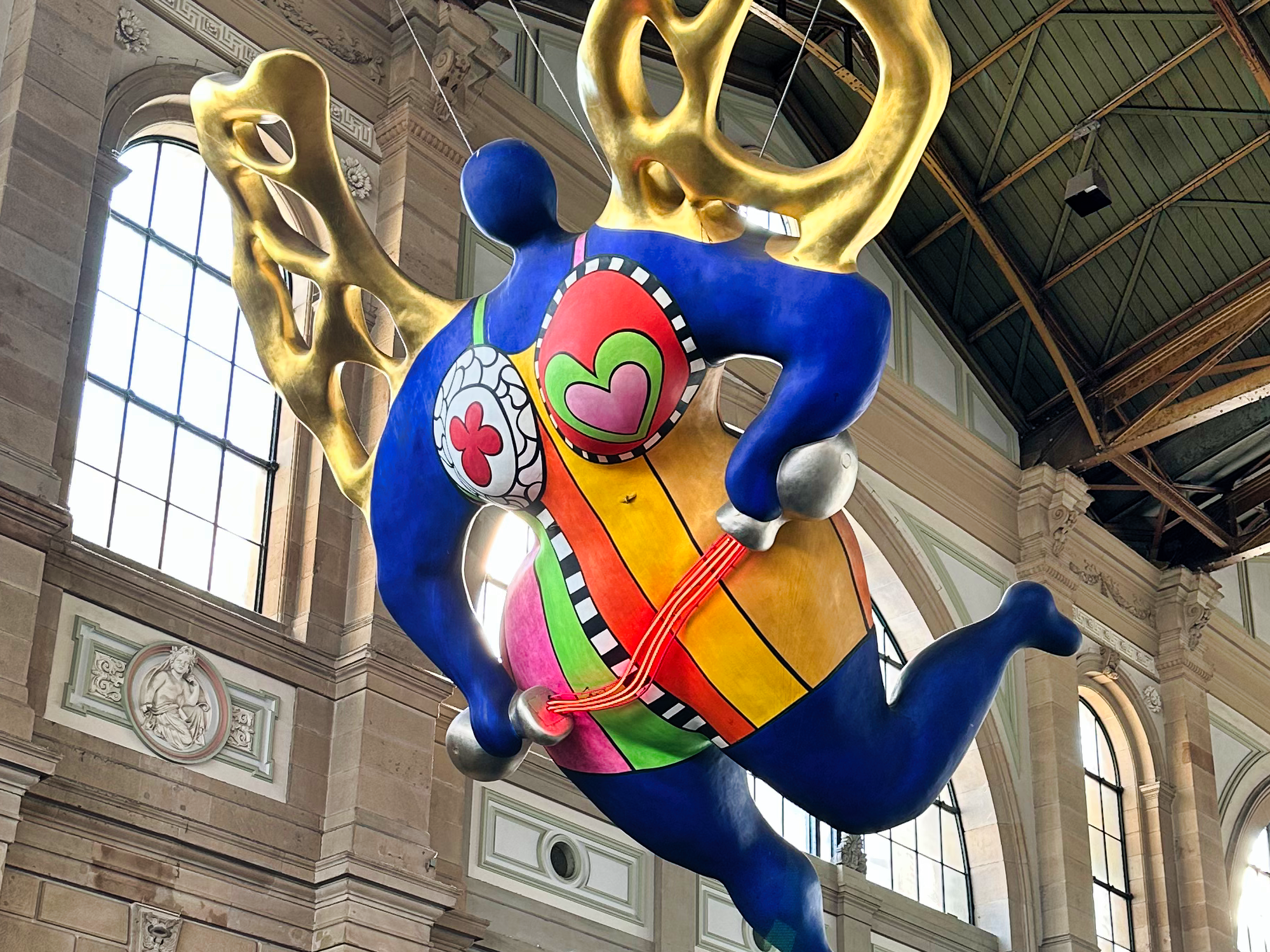
My basic gripe isn’t about what’s being shown here, but about the terminology: “artists” like Leonardo and Michaelangelo apprenticed for years and years, then worked their whole lives to create realistic things of beauty. It seems to me that by not putting in this effort – and instead grinding out pieces of less magnificence than those – modern “artists” really need a different term to describe their profession and how they approach it.
I understand that art somehow is an outward reflection of something inner – fair enough. But is it fair to compare an artist like Niki with an artist like Michaelangelo? To me . . . two different professions – and using the same word a-r-t-i-s-t for both over-inflates the former and denigrates the latter.
Saline-les-Bains
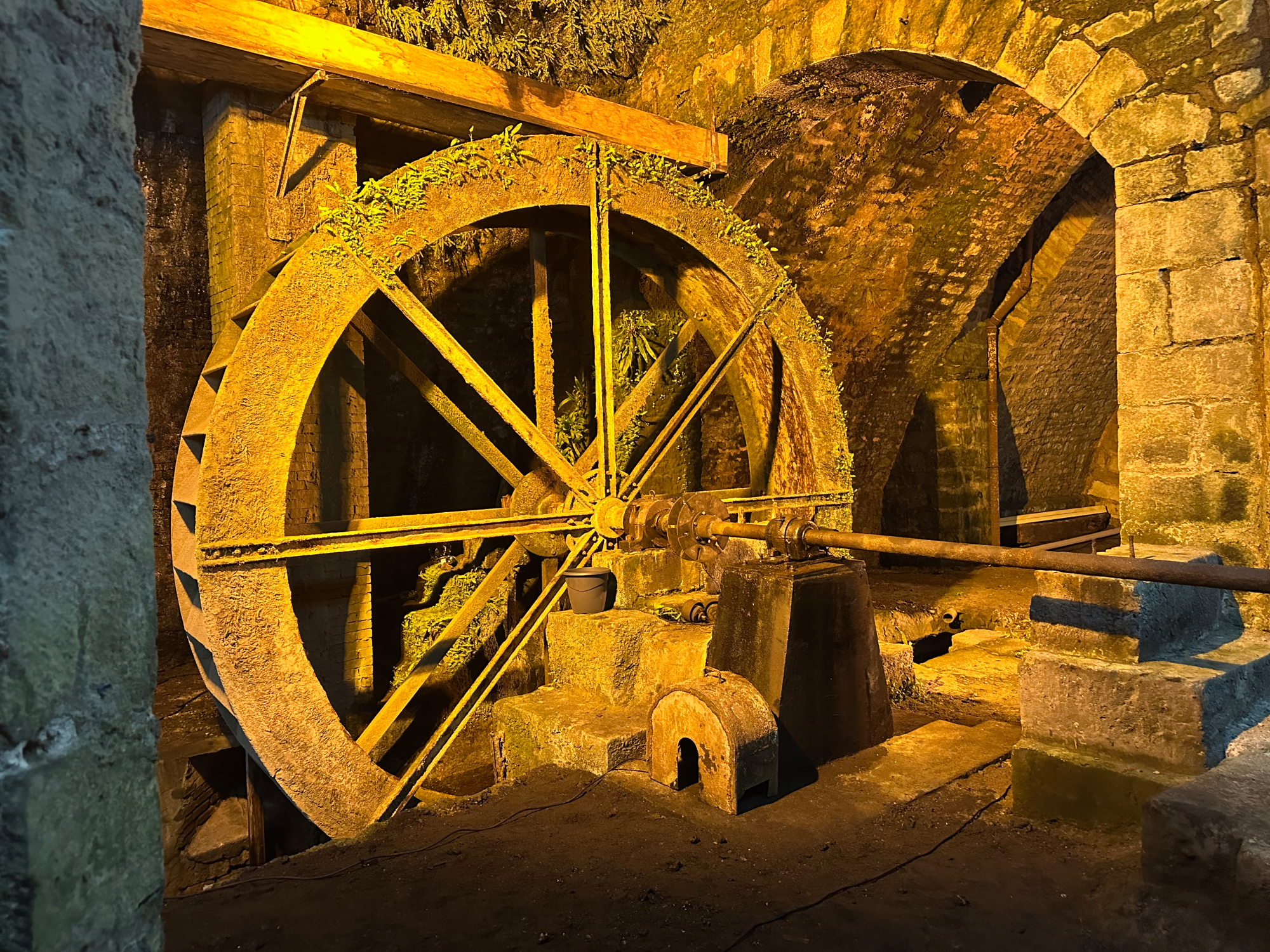
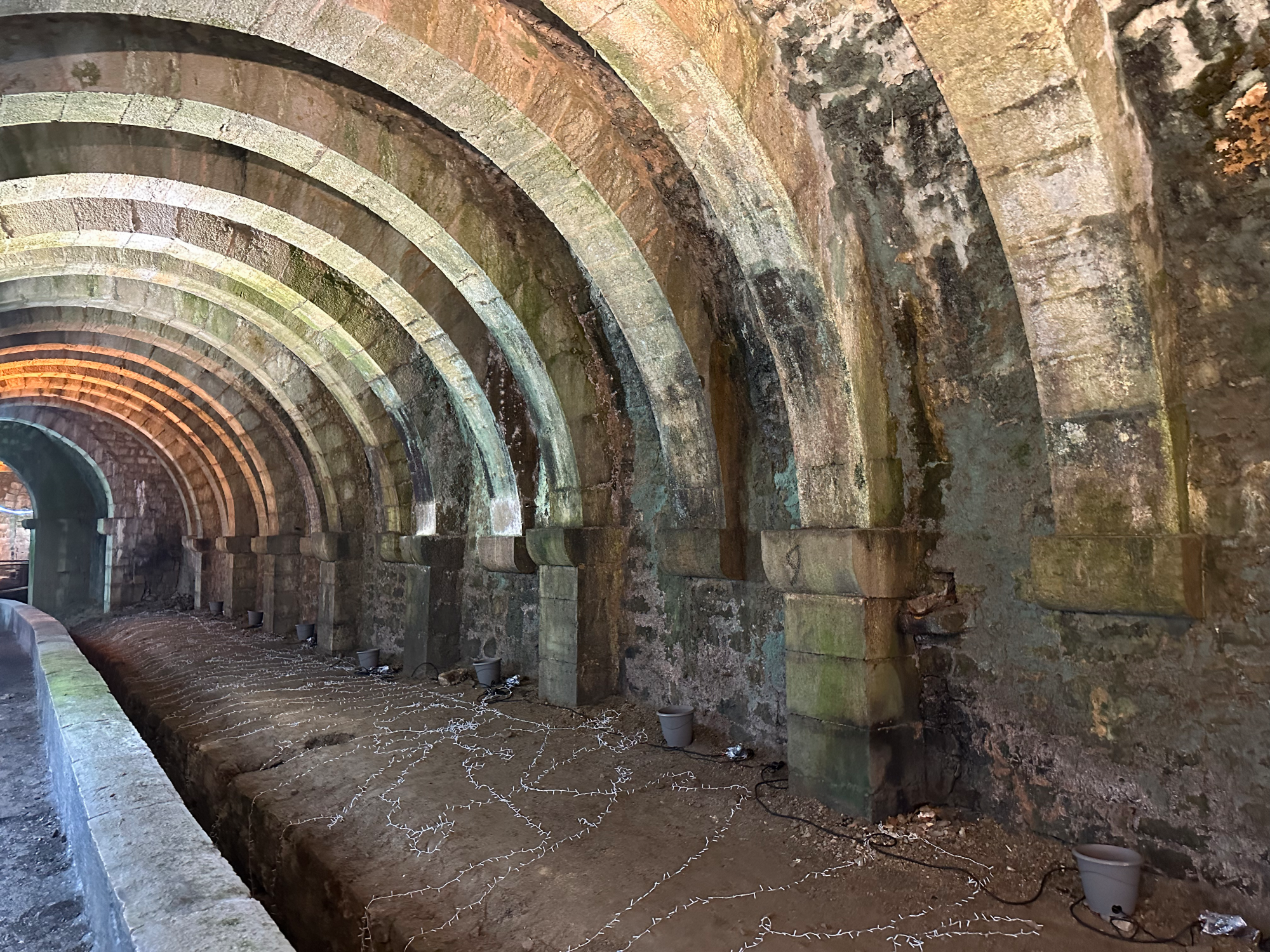
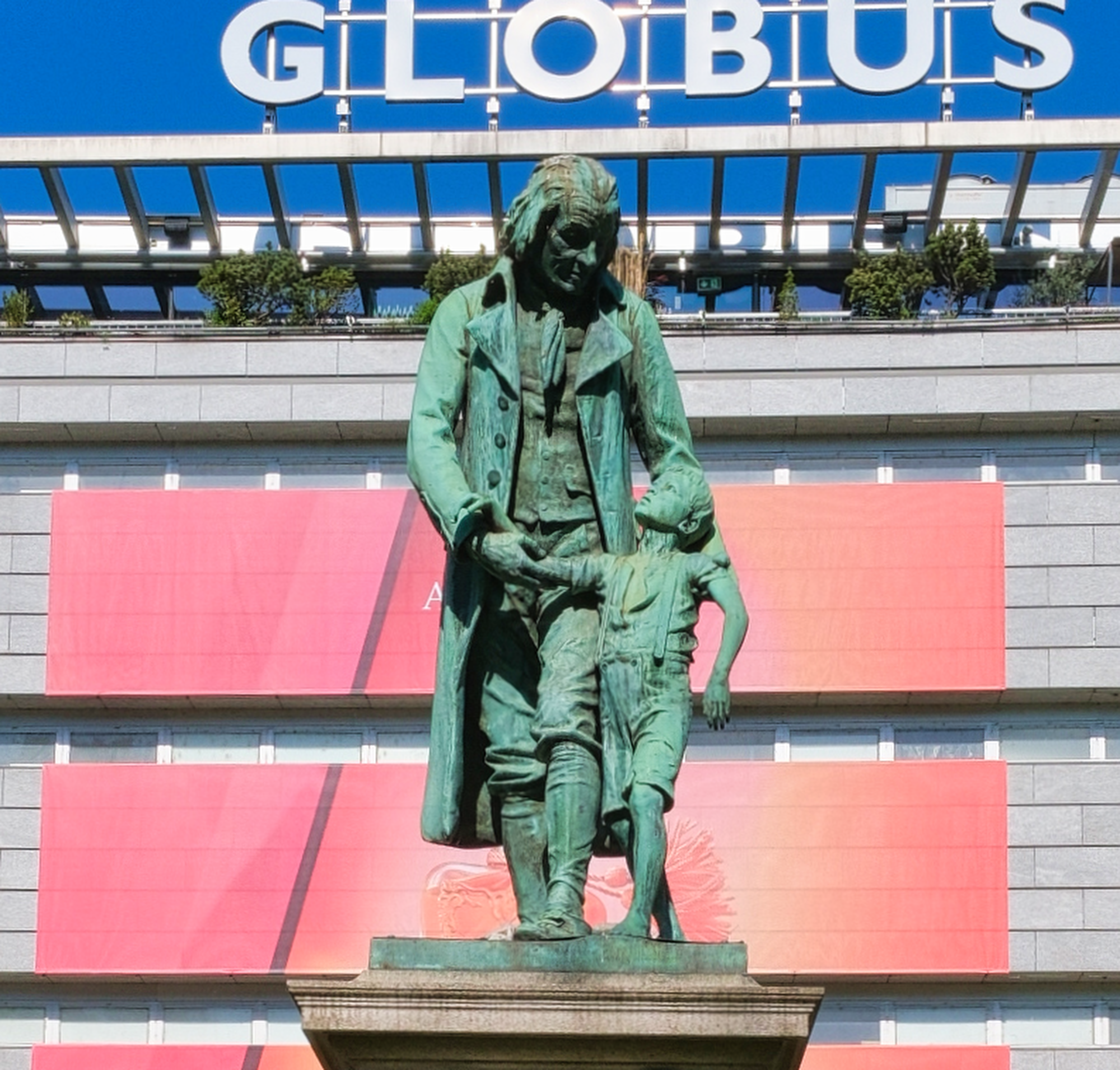
Saline-les-Bains blows your mind, because it shows you an aspect of medieval history that you probably had no idea about. Or at least, that I had no idea before I visited it. Over a thousand years ago people discovered that the water flowing up from underground springs was salty. So even as far back as 1115 they created “saltworks” to collect the water, dry it, to obtain salt. One interesting learning for me was: this became the most important village in France. Around 1000 people were employed in the saltworks, and around 4000 people were employed as lumberjacks, cutting down trees as far away as 20km, since great quantities of wood were required to evaporate the water and obtain the salt.
Johann Heinrich Pestalozzi (1746–1827)
La Grande Saline de Salins-les-Bains
Saline-les-Bains blows your mind, because it shows you an aspect of medieval history that you probably had no idea about. Or at least, that I had no idea before I visited it. Over a thousand years ago people discovered that the water flowing up from underground springs was salty. So even as far back as 1115 they created “saltworks” to collect the water, dry it, to obtain salt. One interesting learning for me was: despite being treated very well, a worker’s life expectancy depended very much on the job they did – but also their salary. Working underground or doing menial labor was not terrible injurious, and such workers lived to 70+ years old. But the people who stoked the fires that dried the brine . . . they would die in their early 60’s.
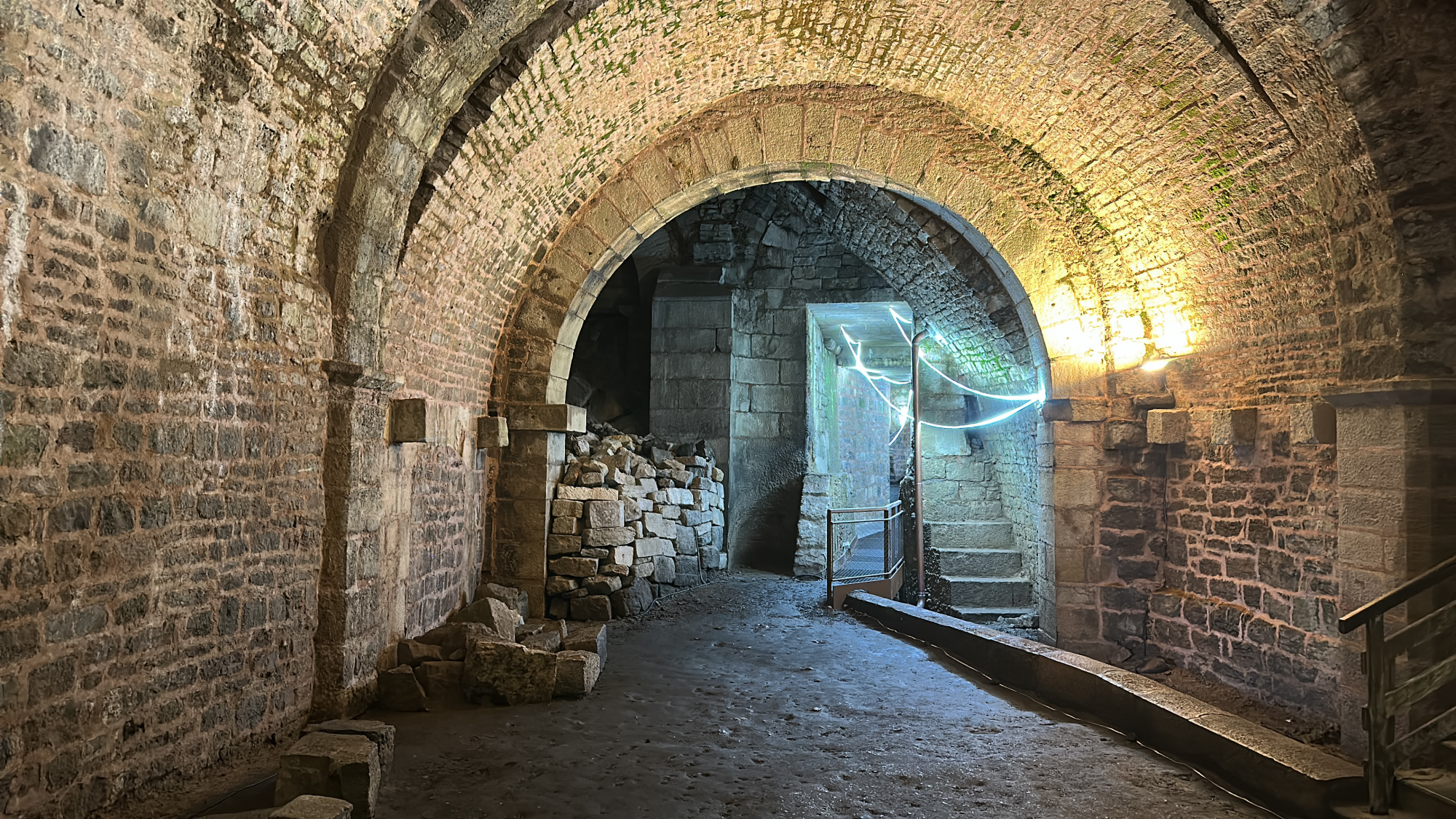
Although the early centuries of Saline-les-Bains had the saltworks above ground, at some point they began to move underground, to obtain access to the spring water that was saltier that than which reached the surface – thereby increasing the evaporation yield.
I did not take the following snap myself, but it shows how the evaporation room looked like. The temperature inside would have been in the high 40s – but the really dangerous job was stoking the fires that burned below to heat these pans. According to the tour guide, the life expectancy of that job was no higher than 60 years old:


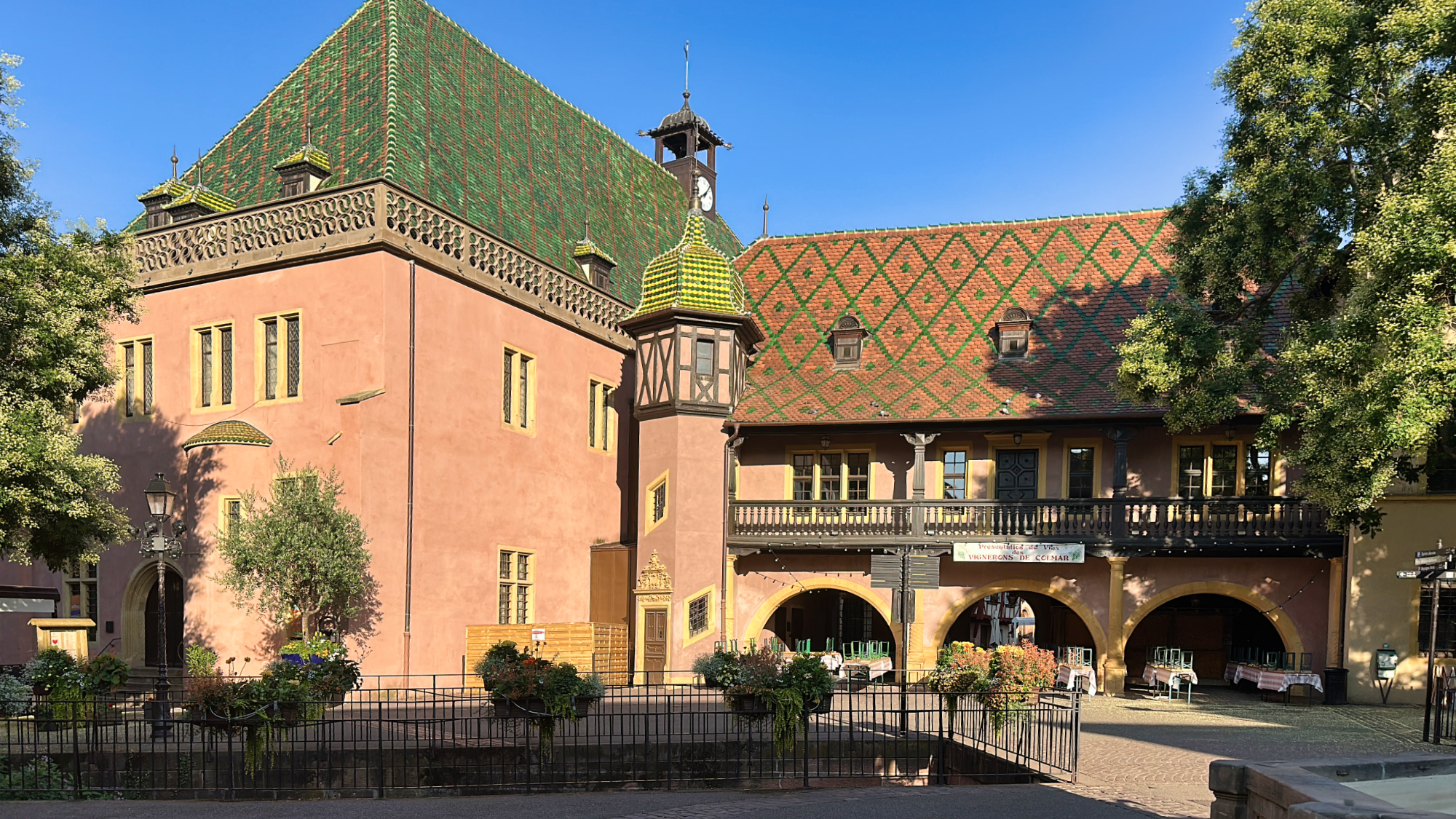
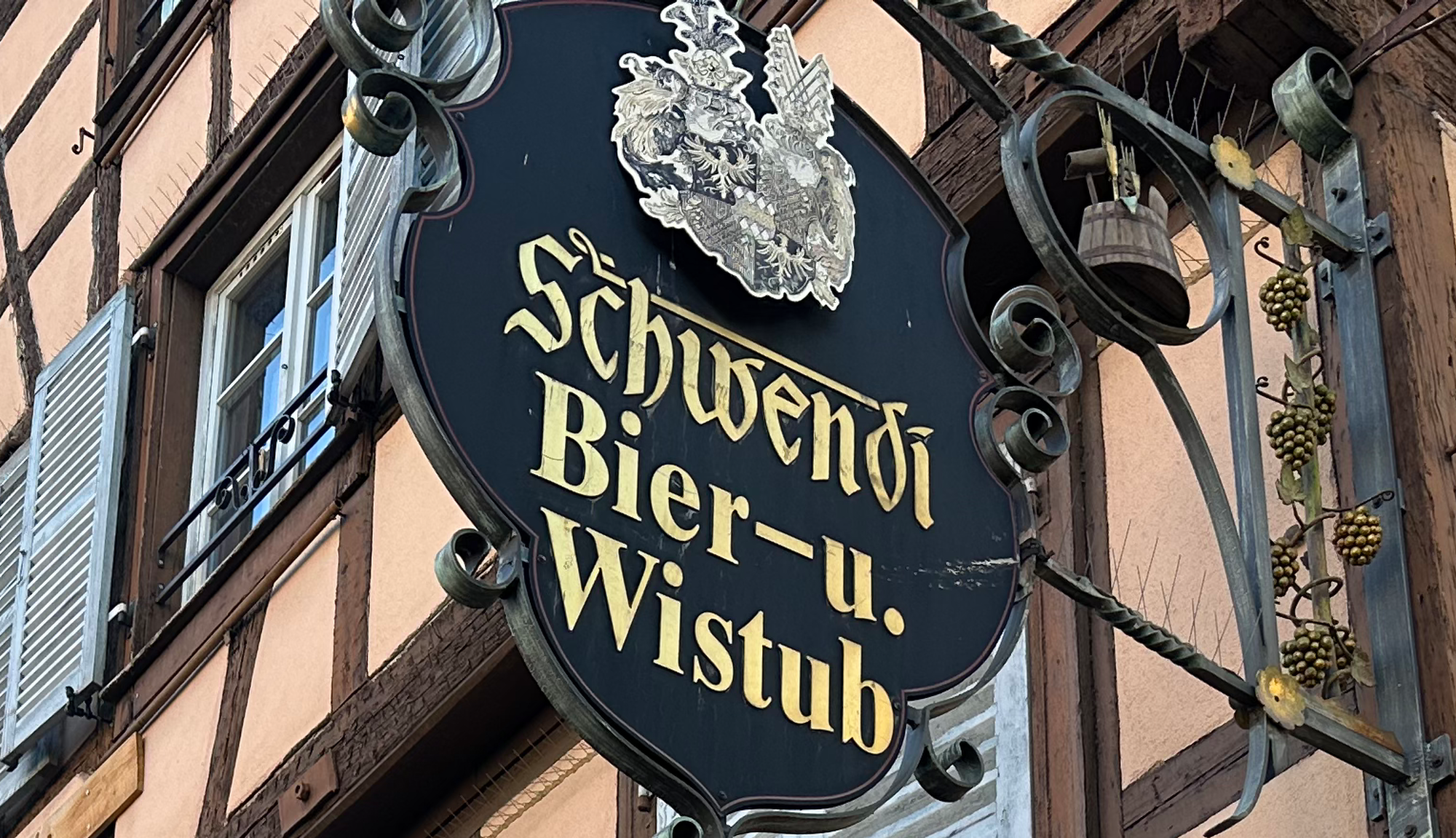
Weinstube in Colmar
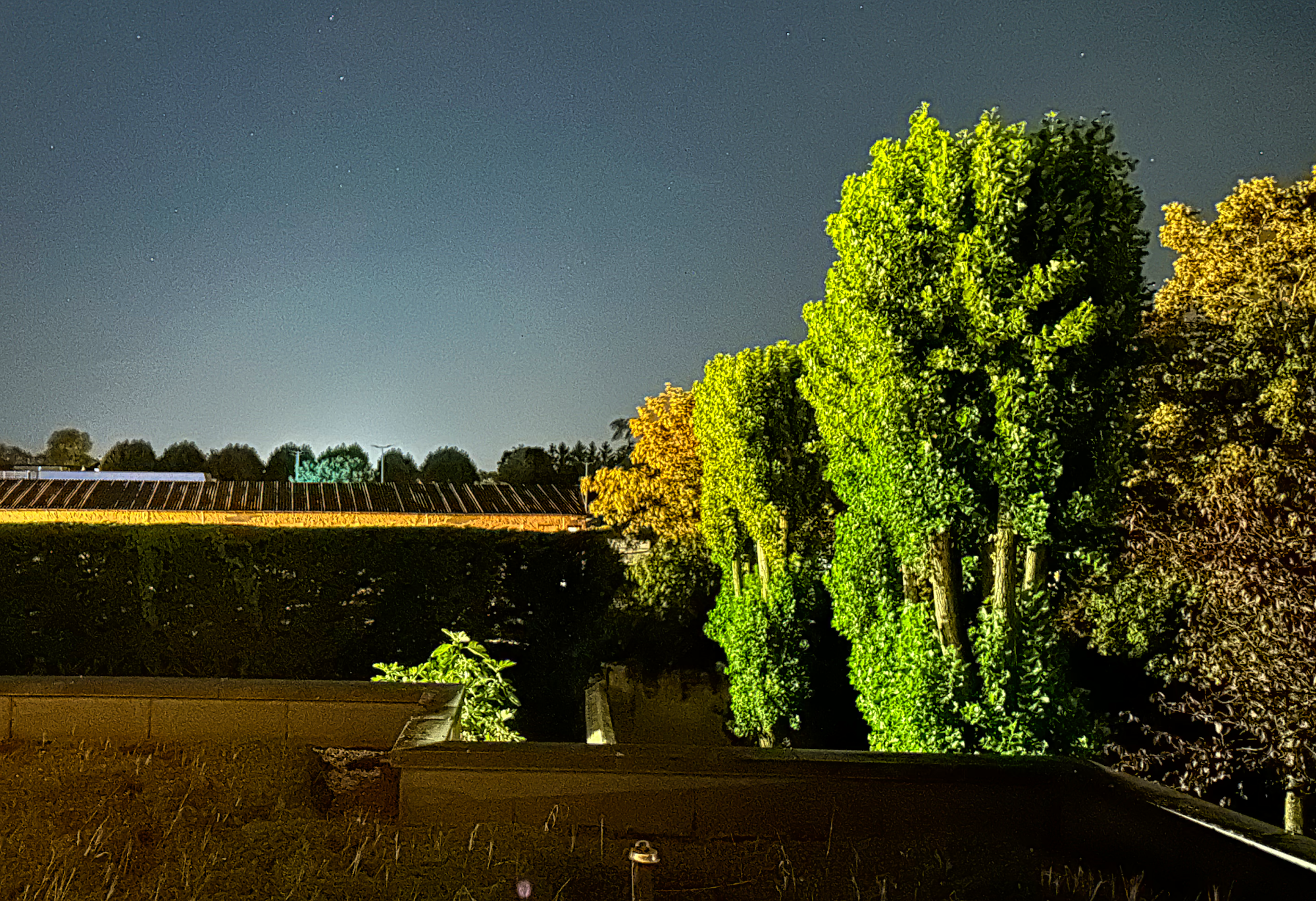
Beaune at night
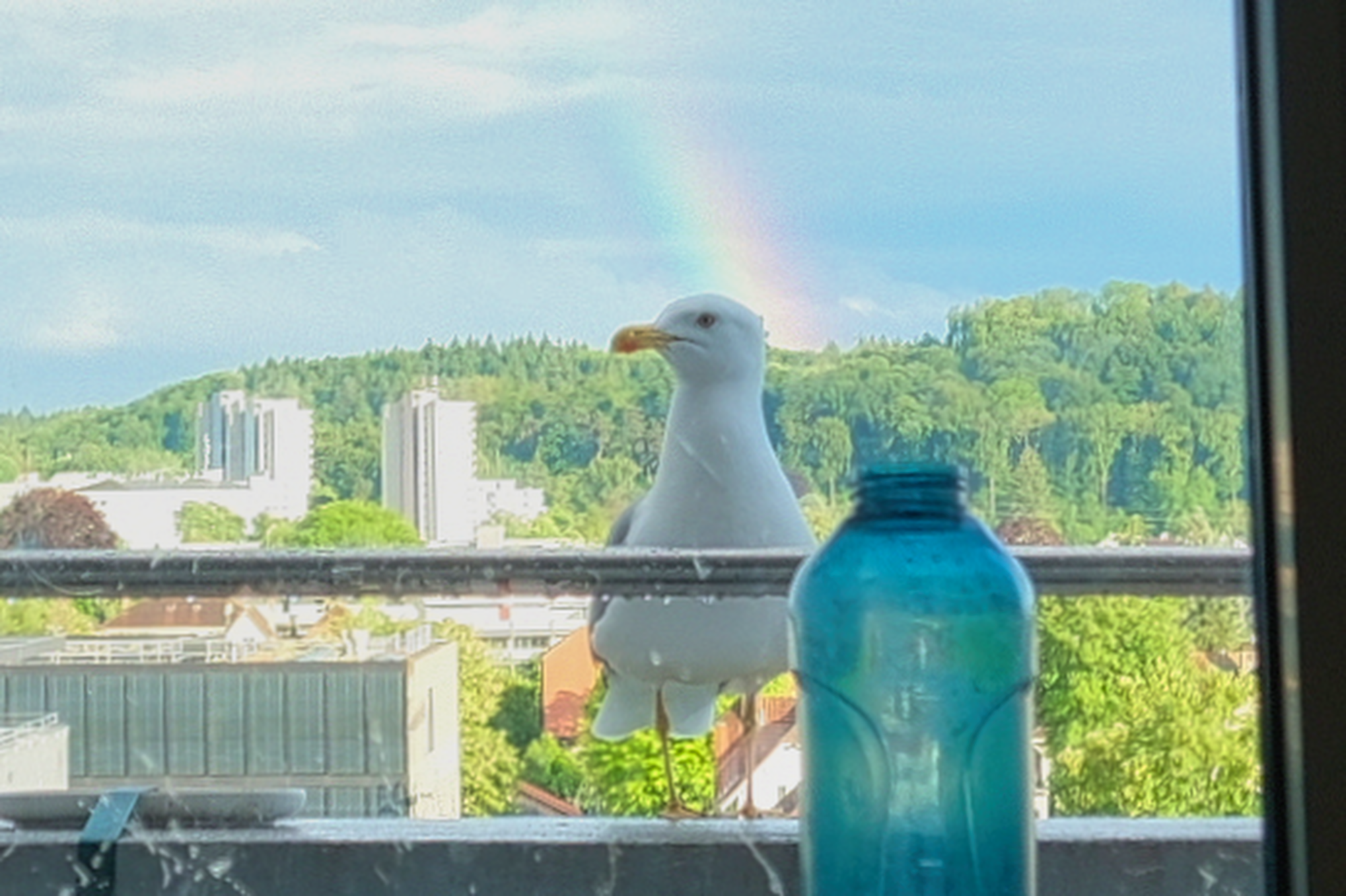
Marvin, die Möwe
This is Marvin, the duck that occasionally lands on my balcony. I actually didn’t realize the rainbow behind him until I edited this snap!
A bus, Rolex, and a hillside dangerously dry
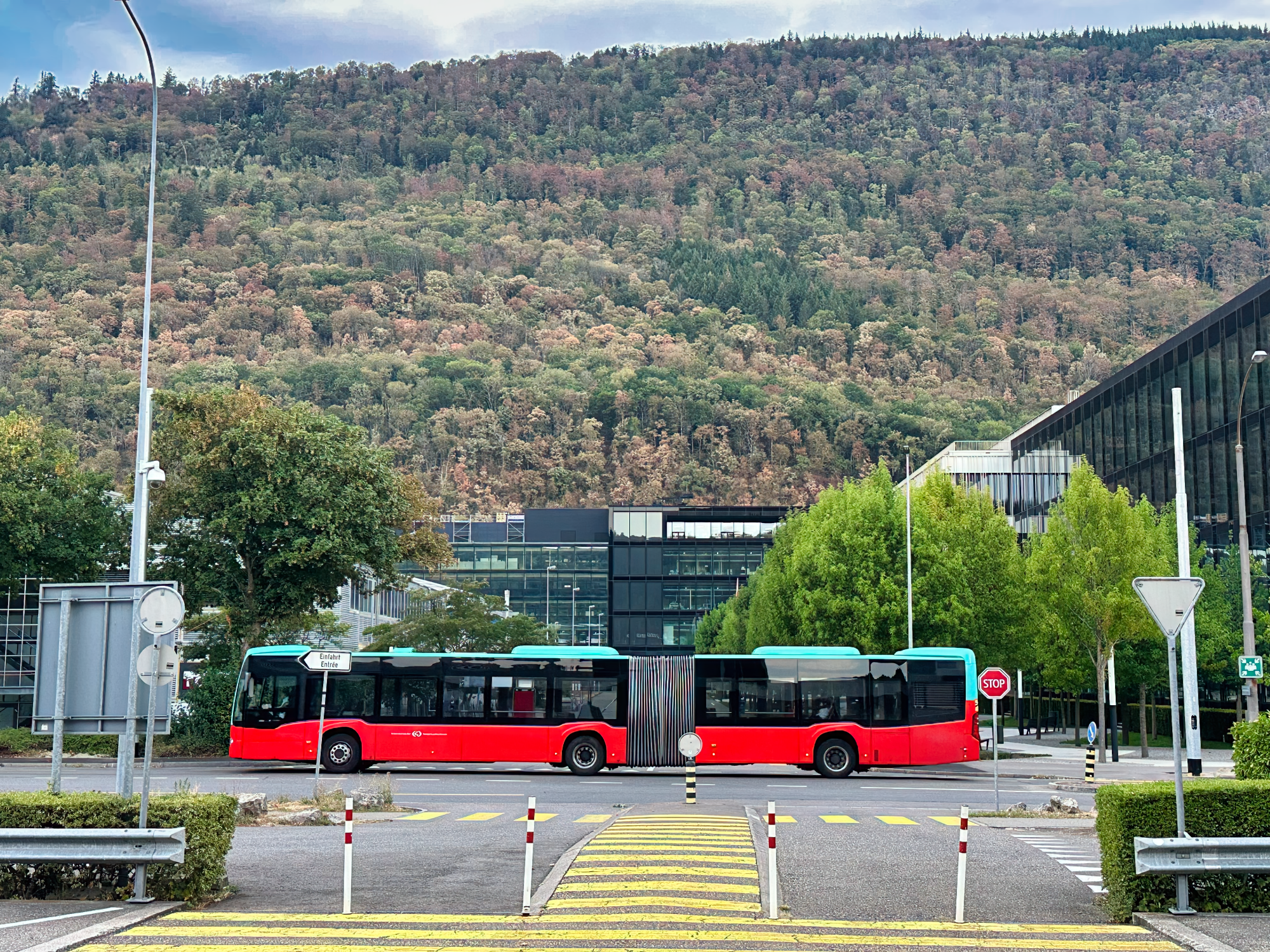
Here’s a bus. And behind it, the Rolex manufacturing center. And behind it, a sick-looking brown tree covered hill in Biel/Bienne, which at this time of year should be bright green. Reason: probably not the 35C temperatures alone, but the lack of meaningful rain for weeks and weeks.
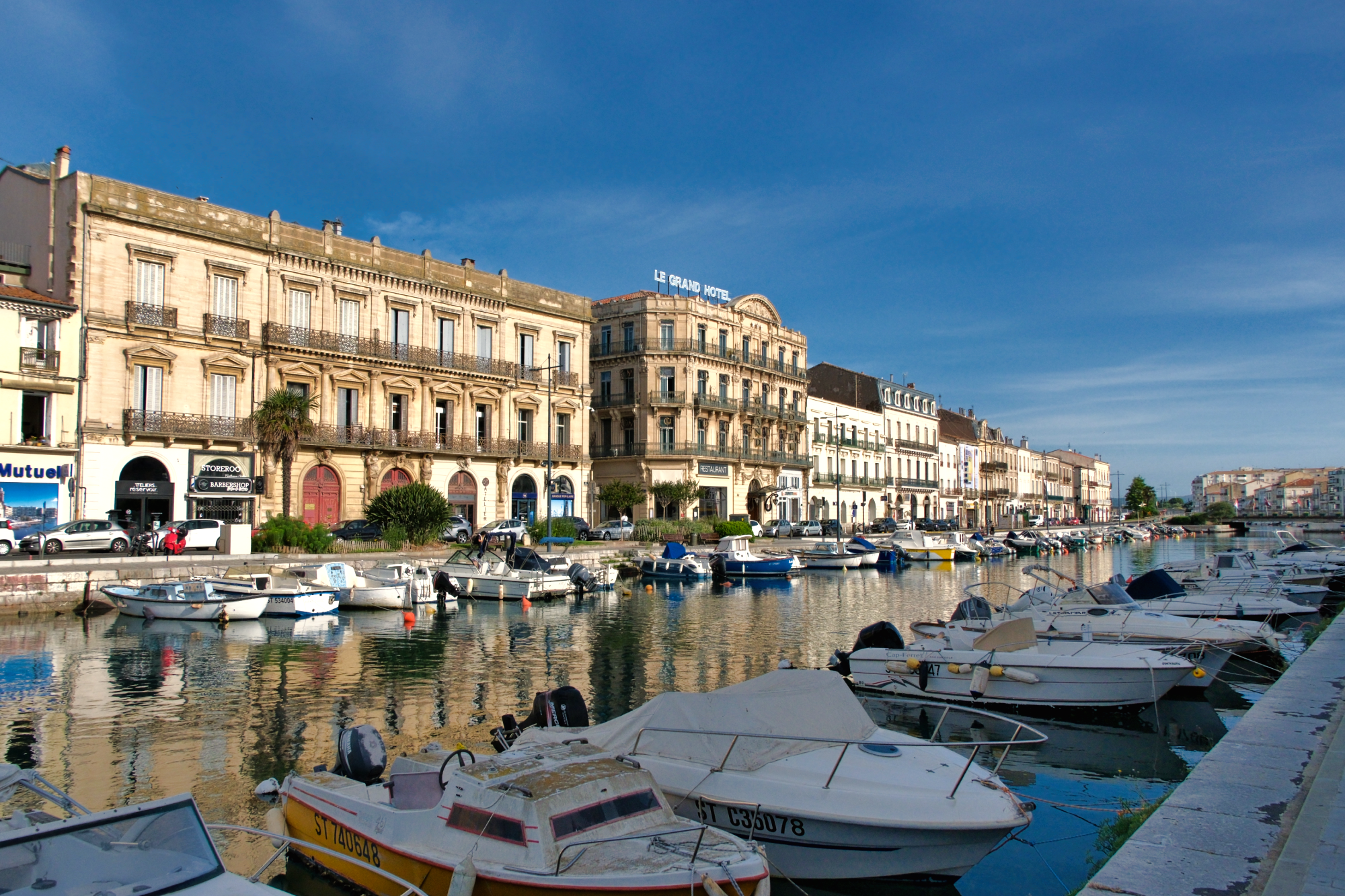
Sète
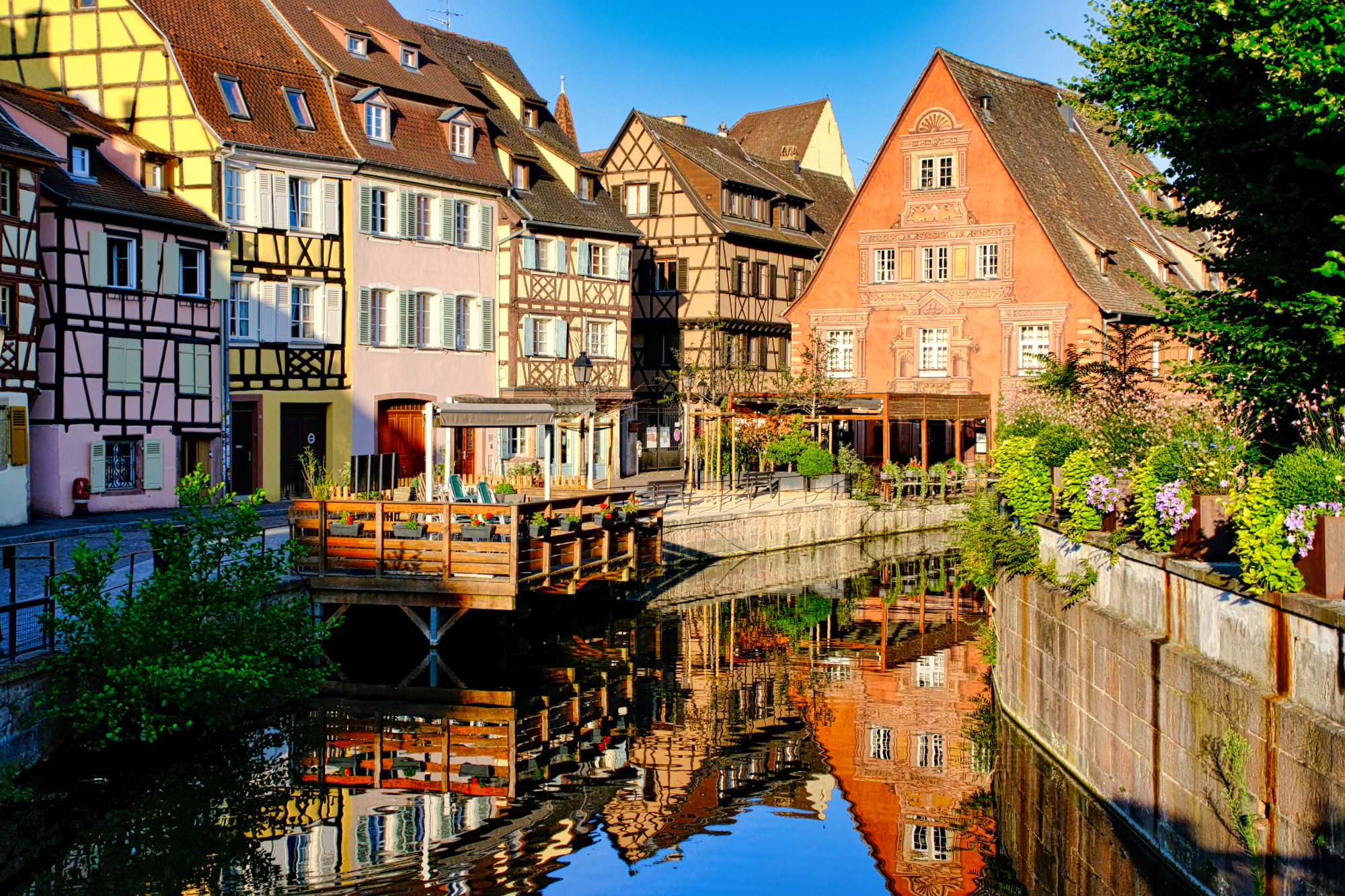
La Petite Venise à Colmar
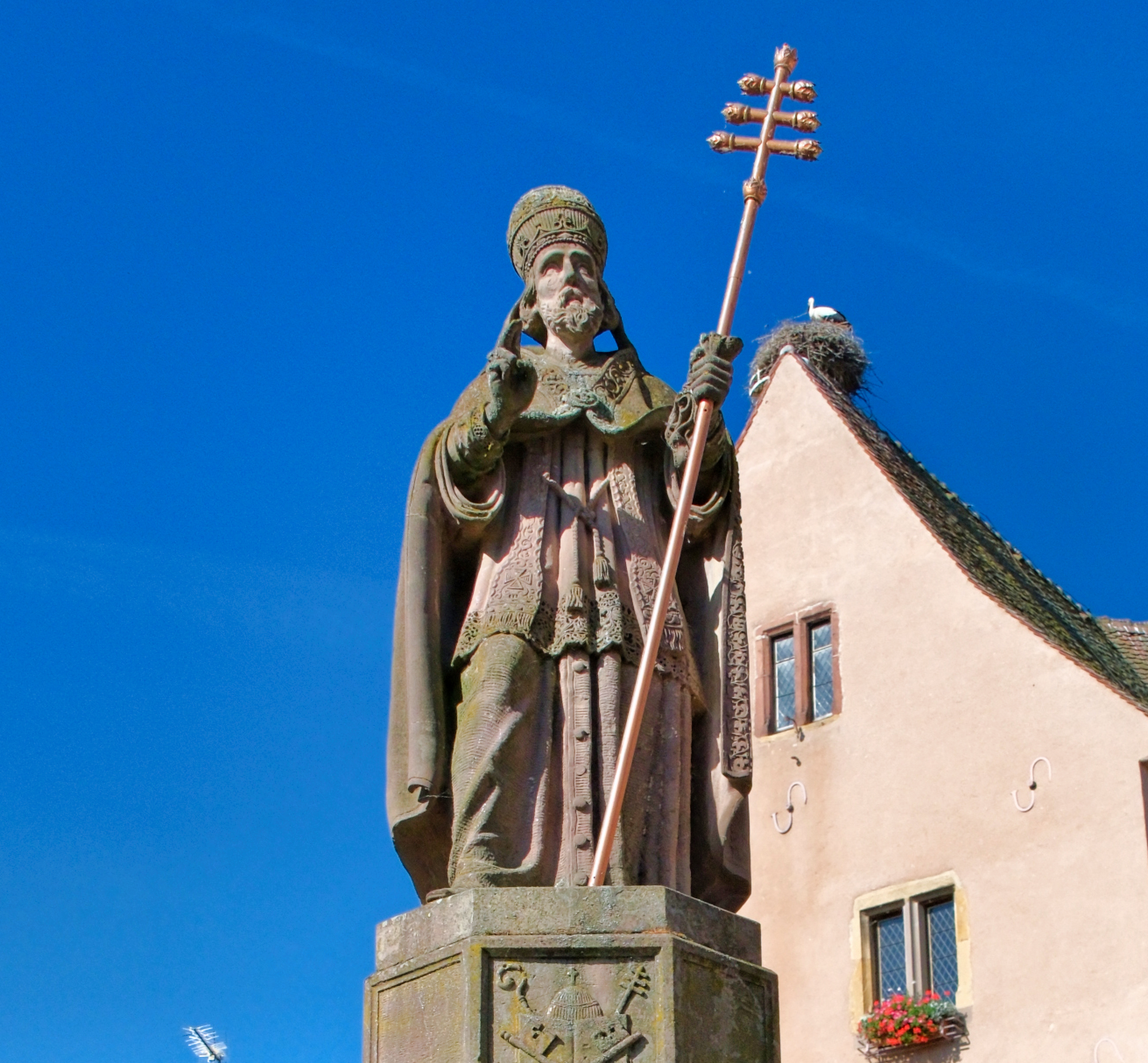
Eguisheim – a stork and a pope
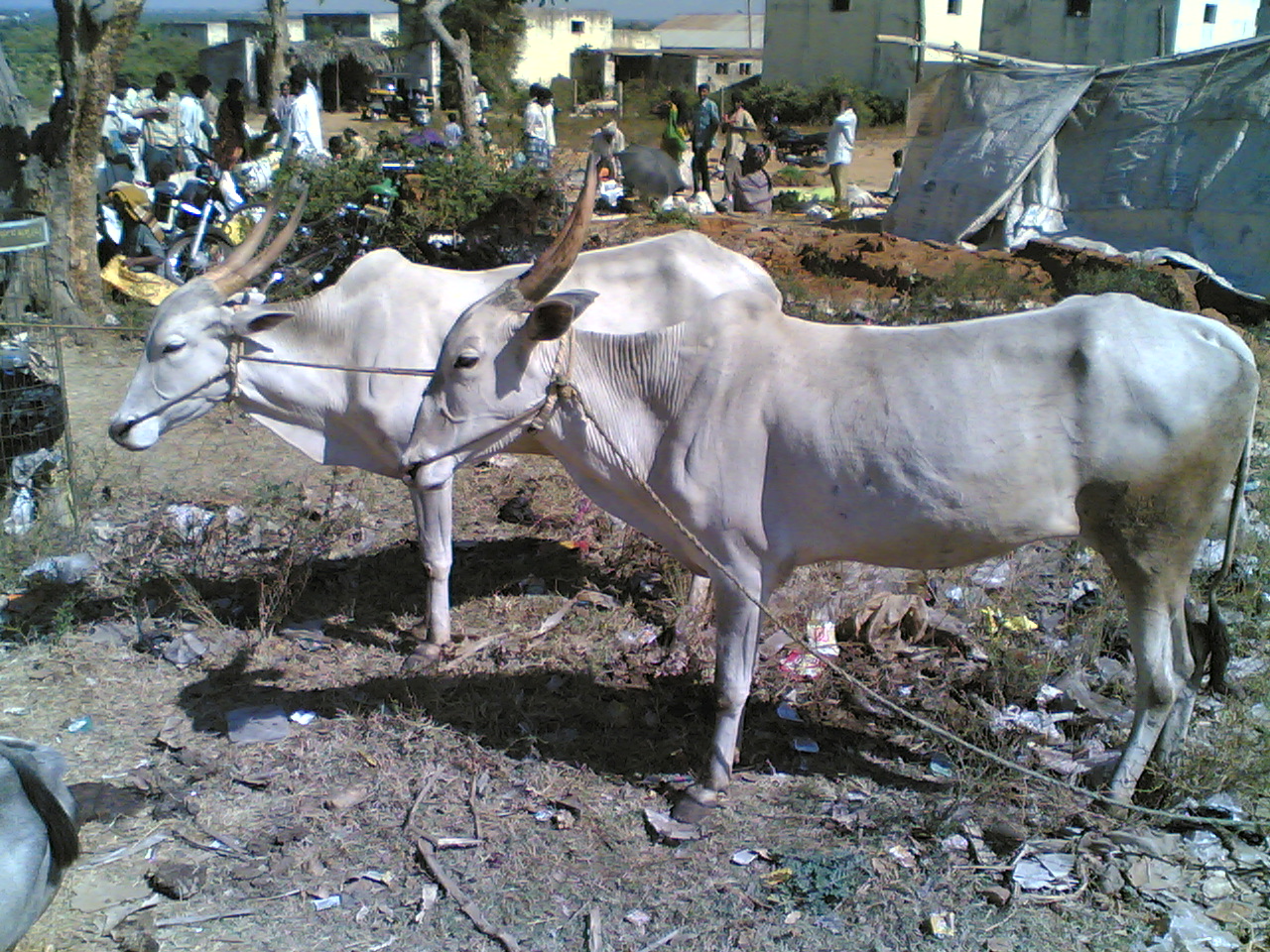
Hampi Ox
How could anyone not love animals like these – majestic, proud, stoic. I took this snap at Hampi, an archeological site so incredible there are warning signs everyday “Danger! Your mind may explode!”
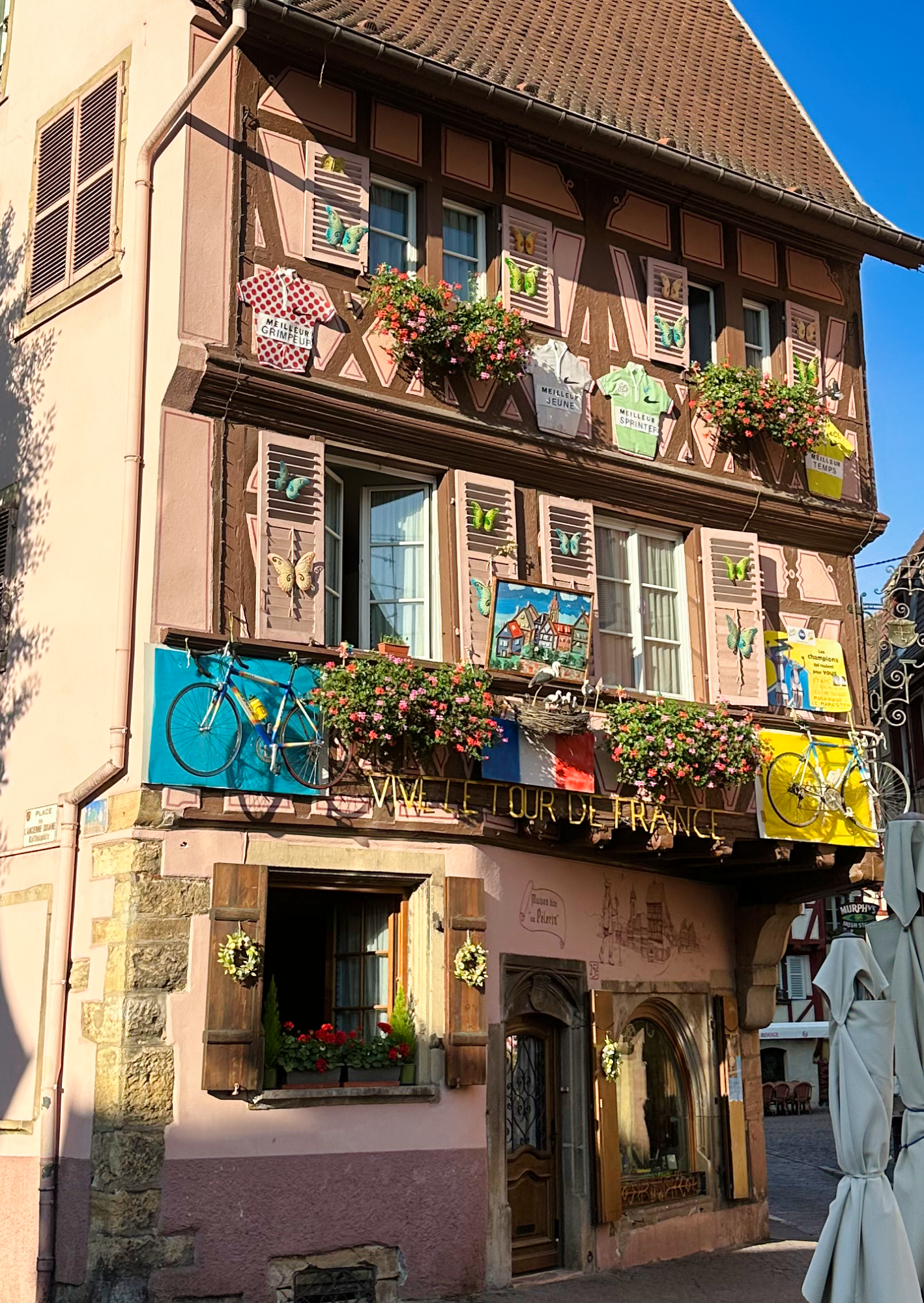
House in Colmar
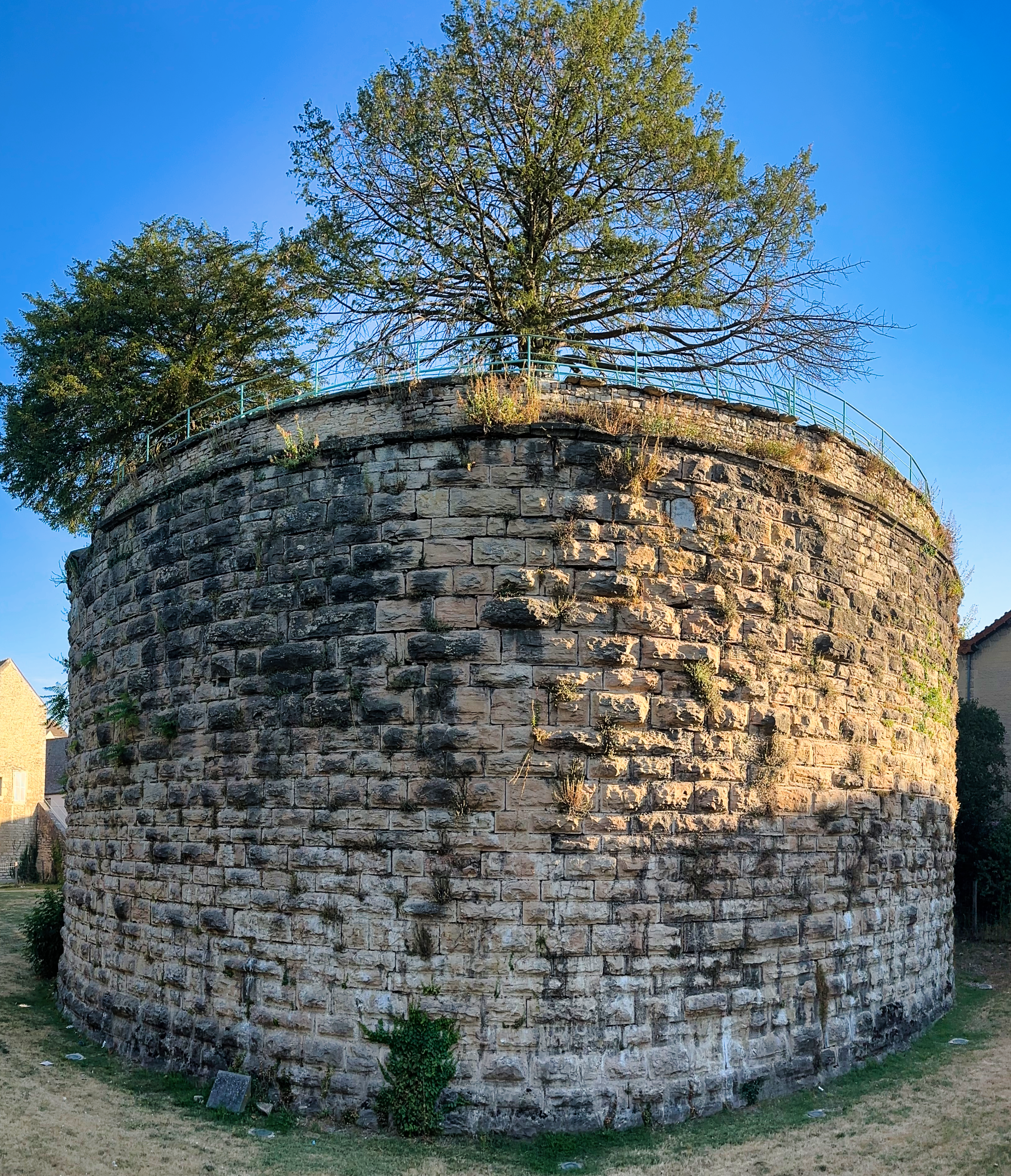
Big round thing in Beaune
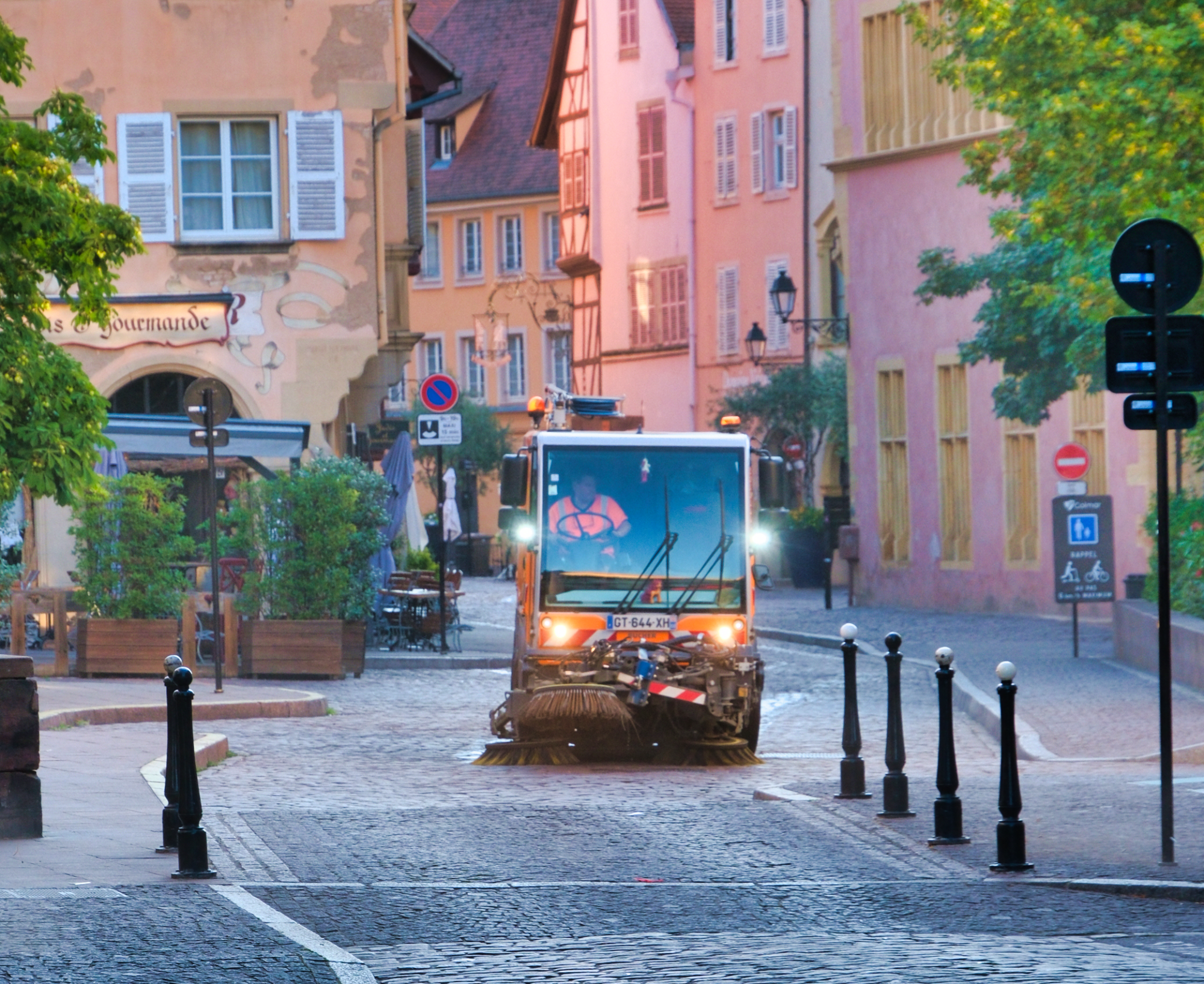
Petite aspiratrice de voirie – 3
Continuing the series, this snap is from Colmar
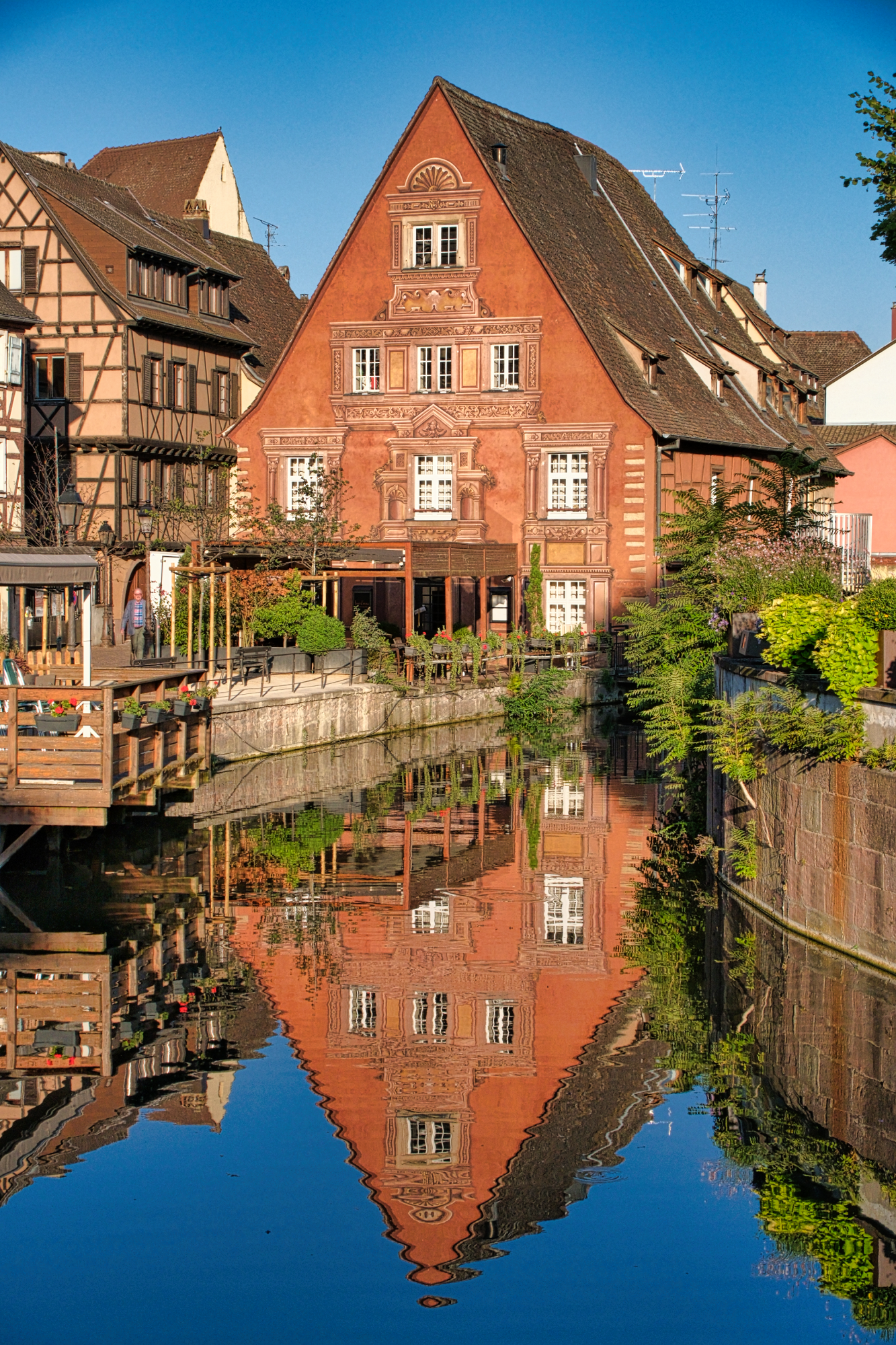
Reflections in Colmar
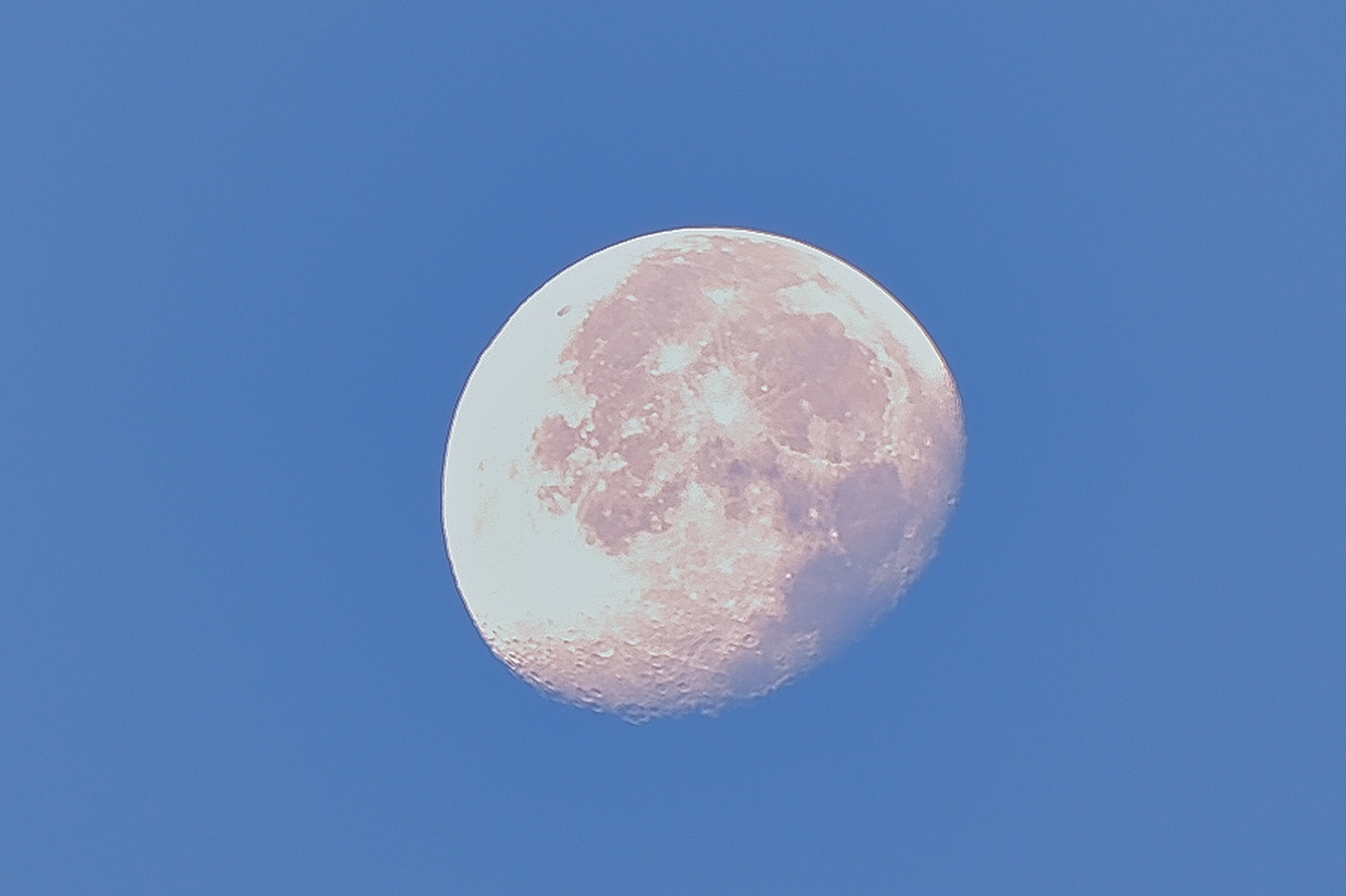
Moon
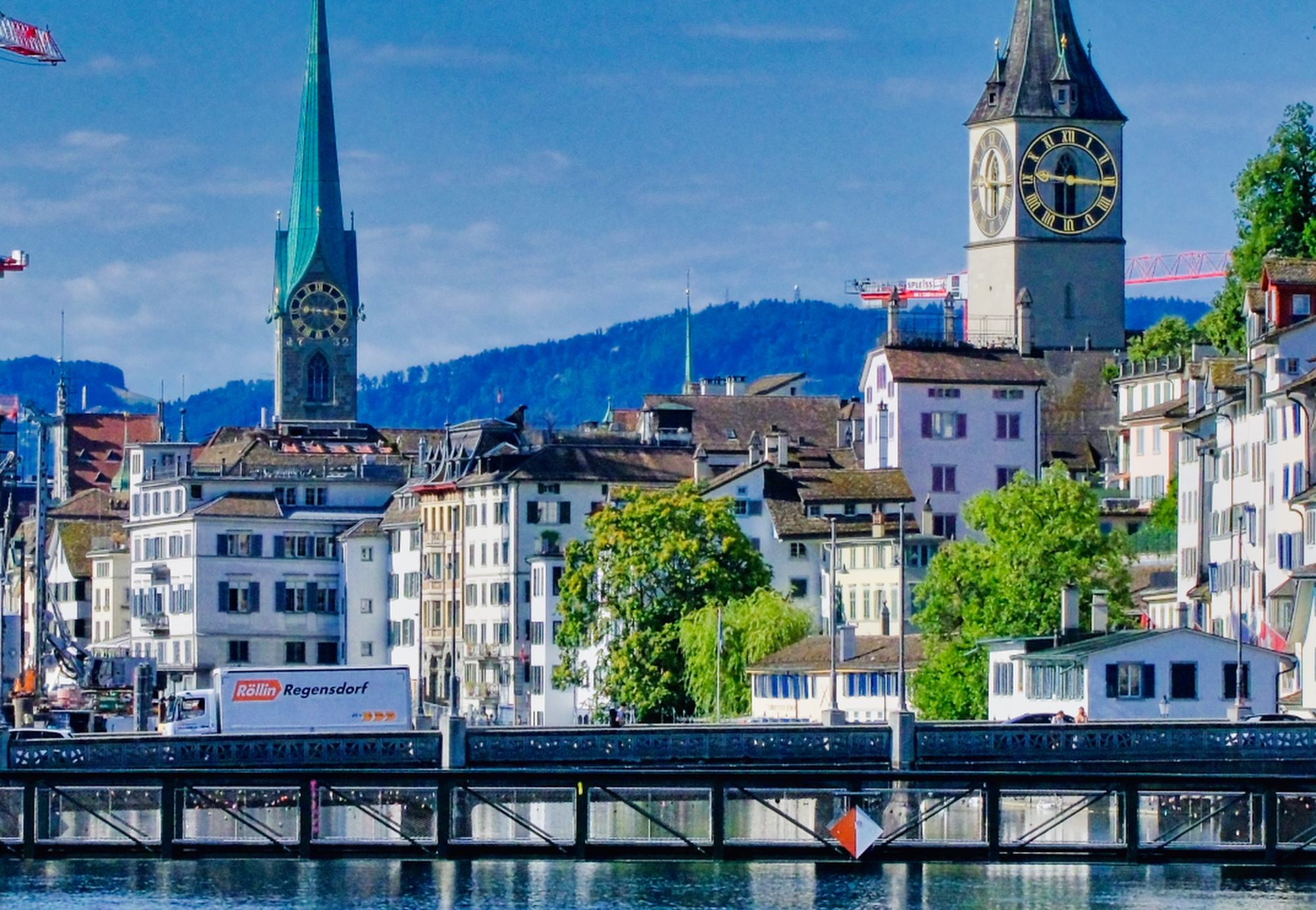
Zurich in summer
Saline-les-Bains
Saline-les-Bains blows your mind, because it shows you an aspect of medieval history that you probably had no idea about. Or at least, that I had no idea before I visited it. Over a thousand years ago people discovered that the water flowing up from underground springs was salty. So even as far back as 1115 they created “saltworks” to collect the water, dry it, to obtain salt. One interesting learning for me was: salt was not required for human health or flavoring, but rather this was the only known method of storing fresh foods (such as meat and fish) over the winter. A family living in Middle Age Europe required around 25 kg of salt per year!