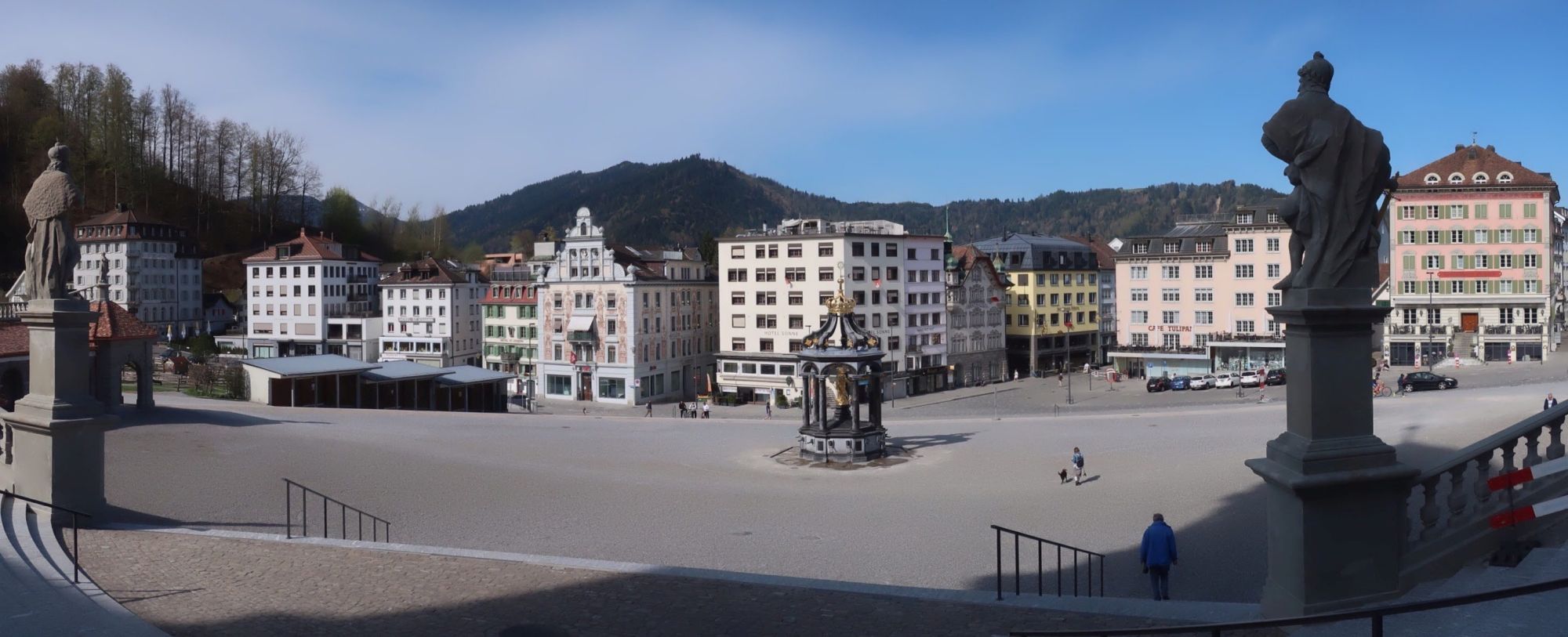
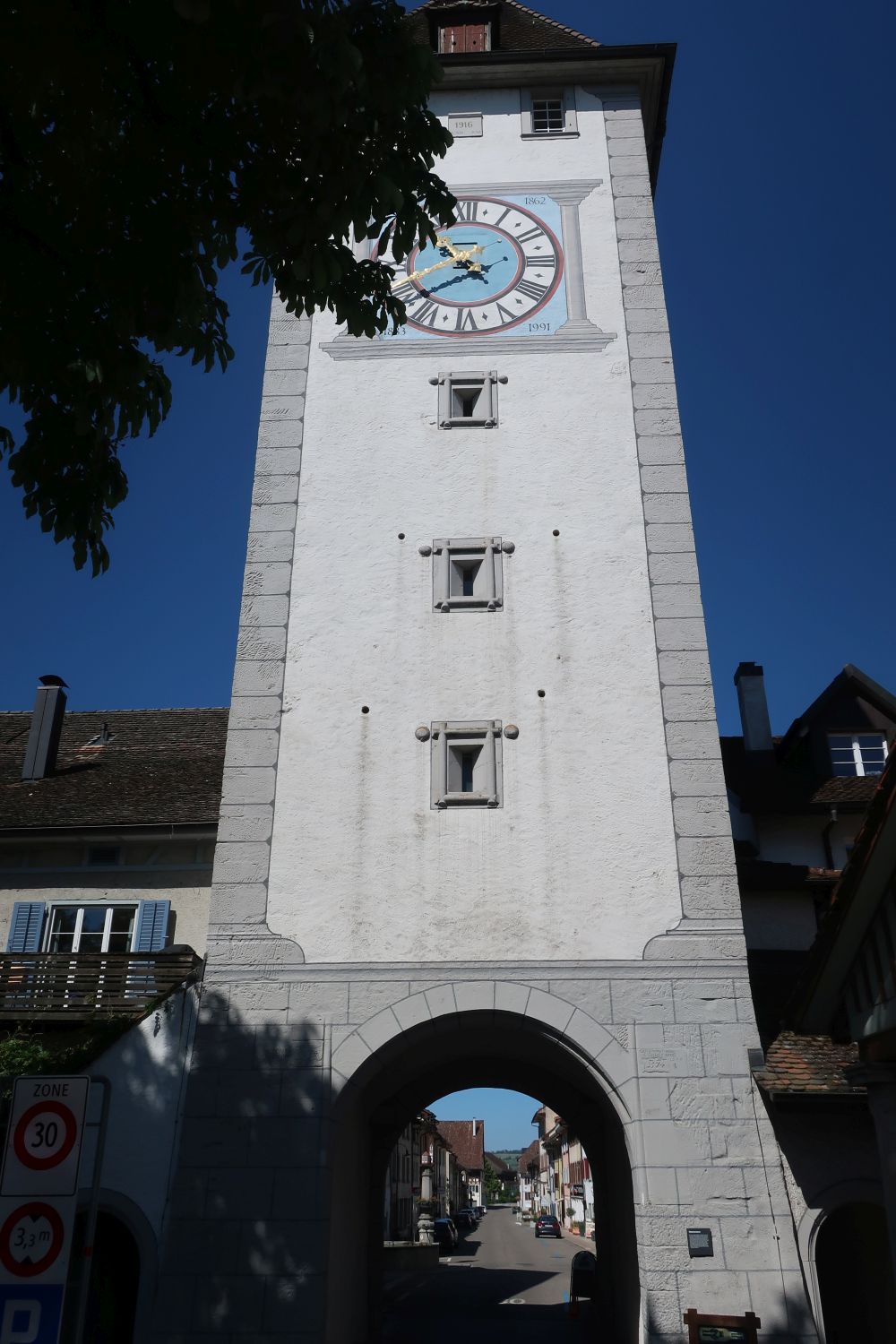
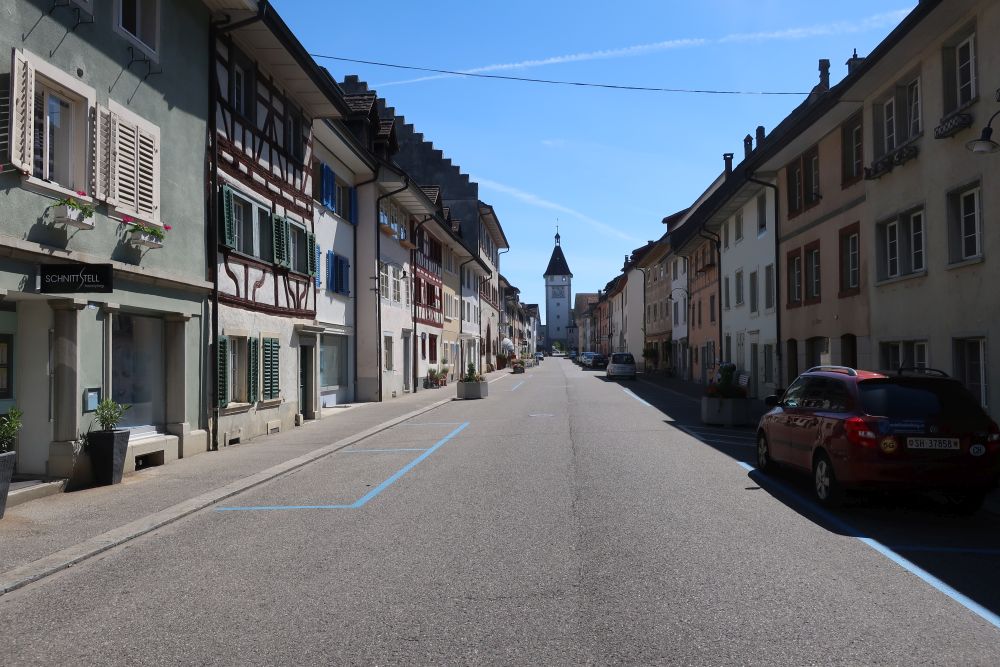
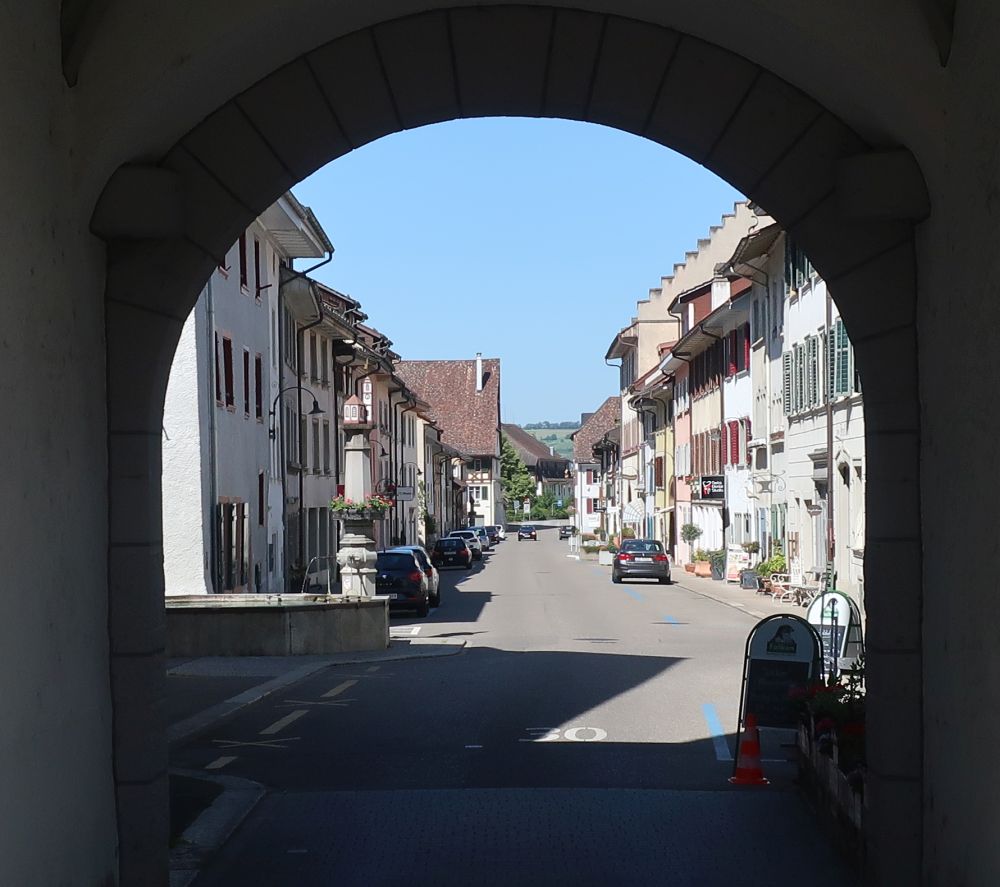
Continuing the series, here’s a shot looking down the long street towards the main medival gate,
The timing and location of the sun were almost perfect, as the shadow very neatly runs exactly down the line of buildings!
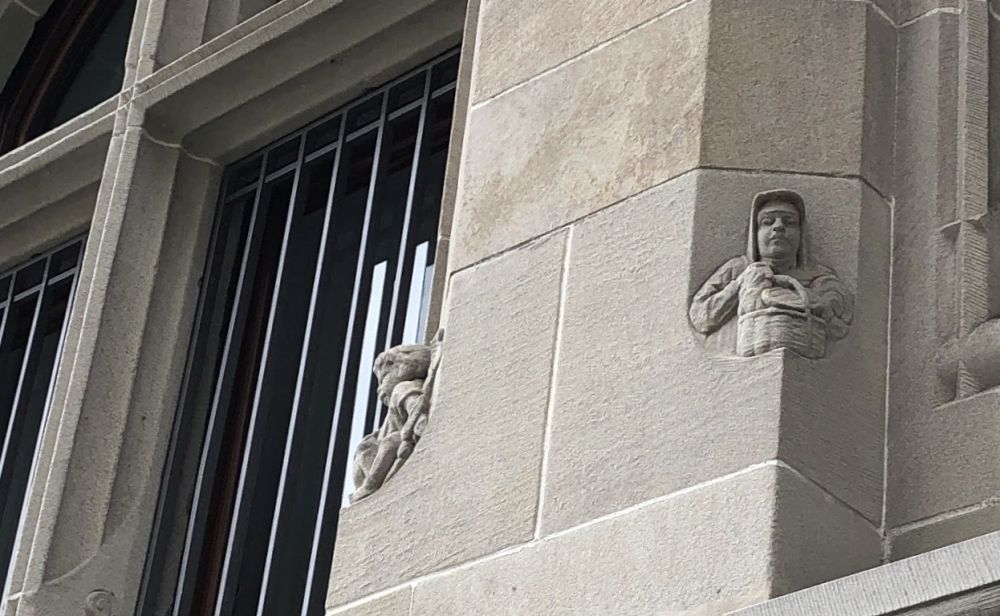
A renaissance man for the twenty-first century!
Continuing the series, here’s a shot looking down the long street towards the main medival gate,
The timing and location of the sun were almost perfect, as the shadow very neatly runs exactly down the line of buildings!
It’s not Winterthur – sorry about that – but one of the dozens and dozens of small villages that surround Winterthur and whose names are too numerous to mention: Elsau, Seuzach, Rätterchen . . . I’ve been to all of them so many times that their names and their sights blend into homogenous obscurity. Some of them were named in a time when people had no education – such as the Swiss Dorf named, appropriately enough, Dorf . And some of them dating back eons, when Switzerland was home to enclaves of Neanderthal humans with their massive jaws and presumably unique language, and the names of the villages are linguistic remnants of that pre-paleolithic time gone by – such as the village named Thaa.
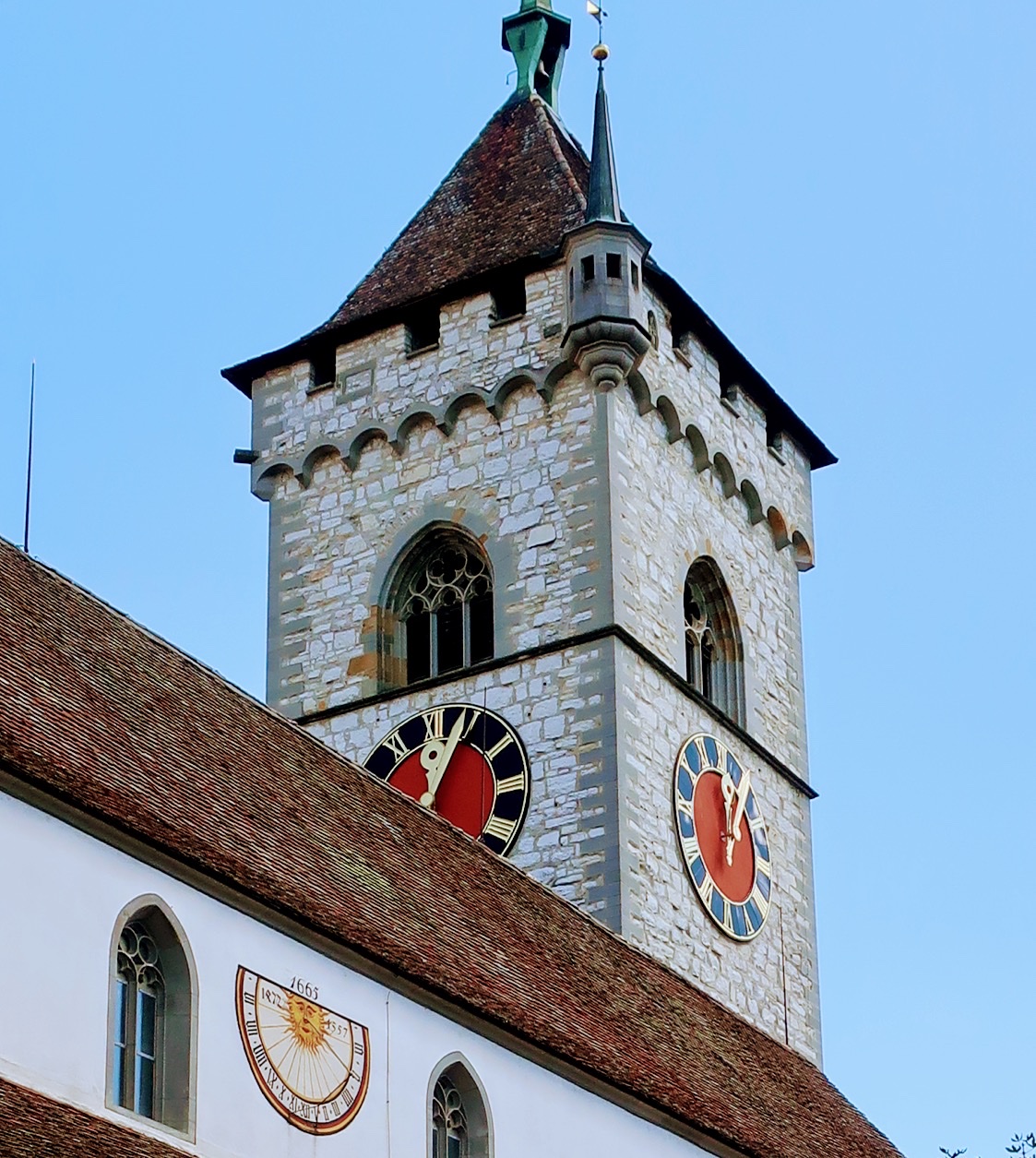
This one is a bit different:
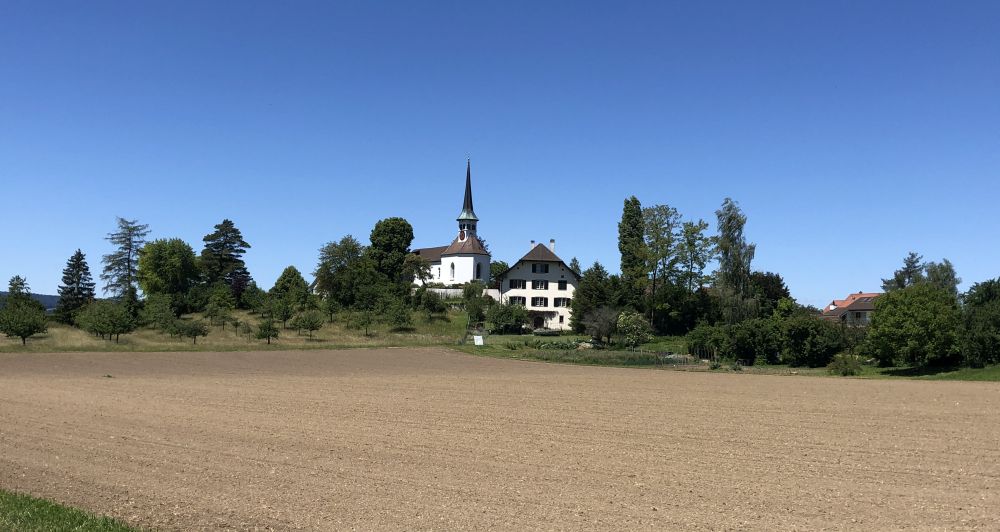
It’s different because the clockface on the church is red, not blue. I have a theory – unconfirmed until now – that the overwhelming majority of churches in North Central Switzerland were outfitted with new – and blue – clockfaces at about the same time. Clockfaces on churches that are demonstrably older are universally orange-red in color.
Continuing the series, I spotted this sundial at exactly 10.58 AM in the medieval walled village of Neuenkirch,
The date listed as 1863, but I wonder if the current sundial really dates back to that time?
Although there are probably other countrie in Germany that have more, nevertheless Switzerland has its fair share. Here is a snap of the medeival walled village of Neuenkirch, just a few miles from where I live:
This is what it looks like when you peer through one of the gates to the village, and here is a plaque that shows the gate was built about a generation before Christopher Columbus ever set out for America:
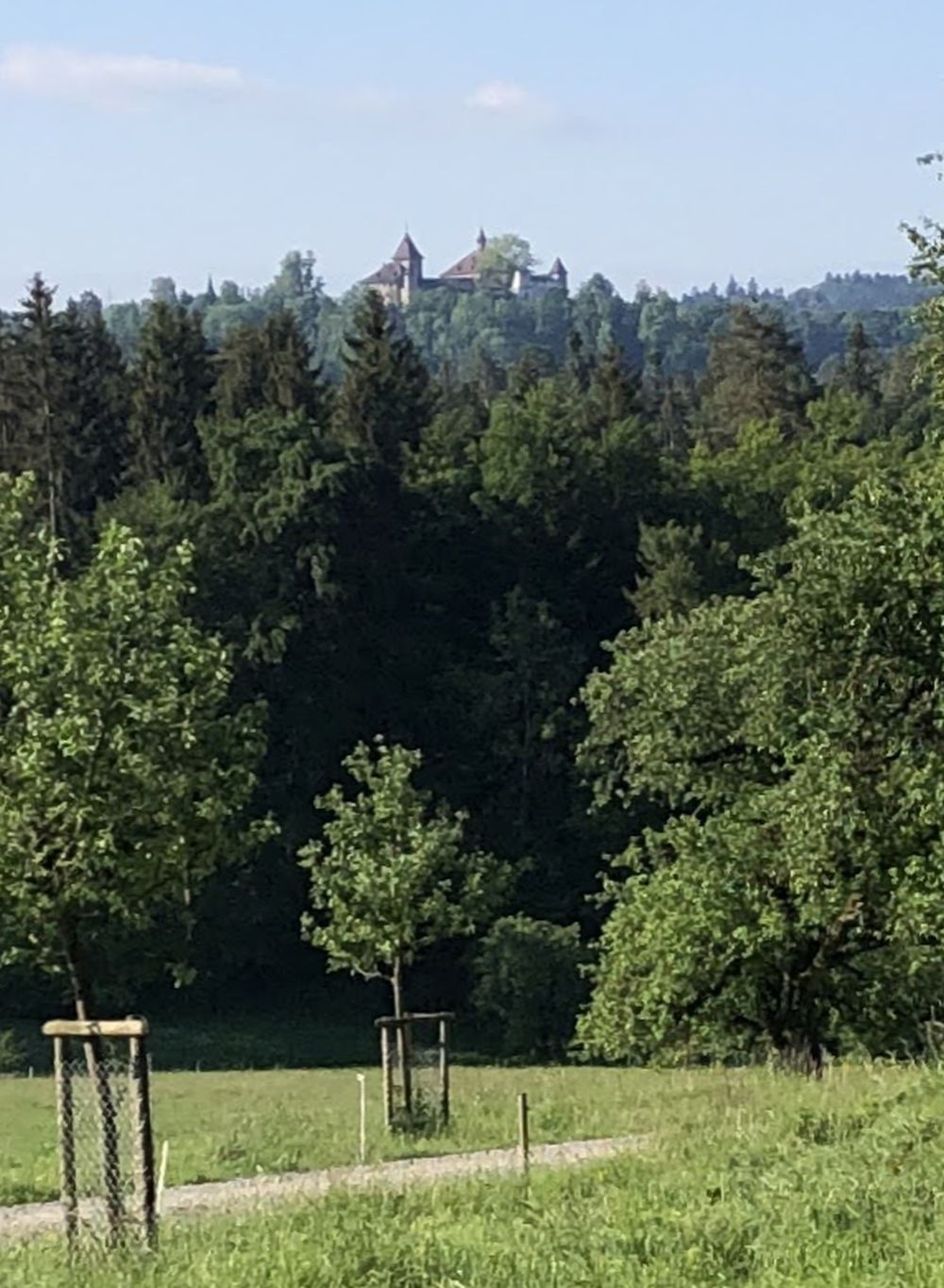
I see this view every morning on my daily 15 km Nordic Walk through the forests of north central Switzerland,
It harkens back to a time when life was influenced strongly by famous family dynasty, such as the Hapsburgs, Kyburzs, and others. These families may have faded into history, but we are every much as bit influenced and controlled by other famous family dynasties today, such as the Kochs and Waltons.
If you’ve been to Zurich then you know how it is. Every streetcorner has a fountain, and the fountains are old, and they have clean, fresh water, and you can drink it. The people stop and the children play, and the Carabinieri toss their cigarettes into the street and move on. The worst thing is the smell.
Wait – stop – that’s what Hemingway would say.
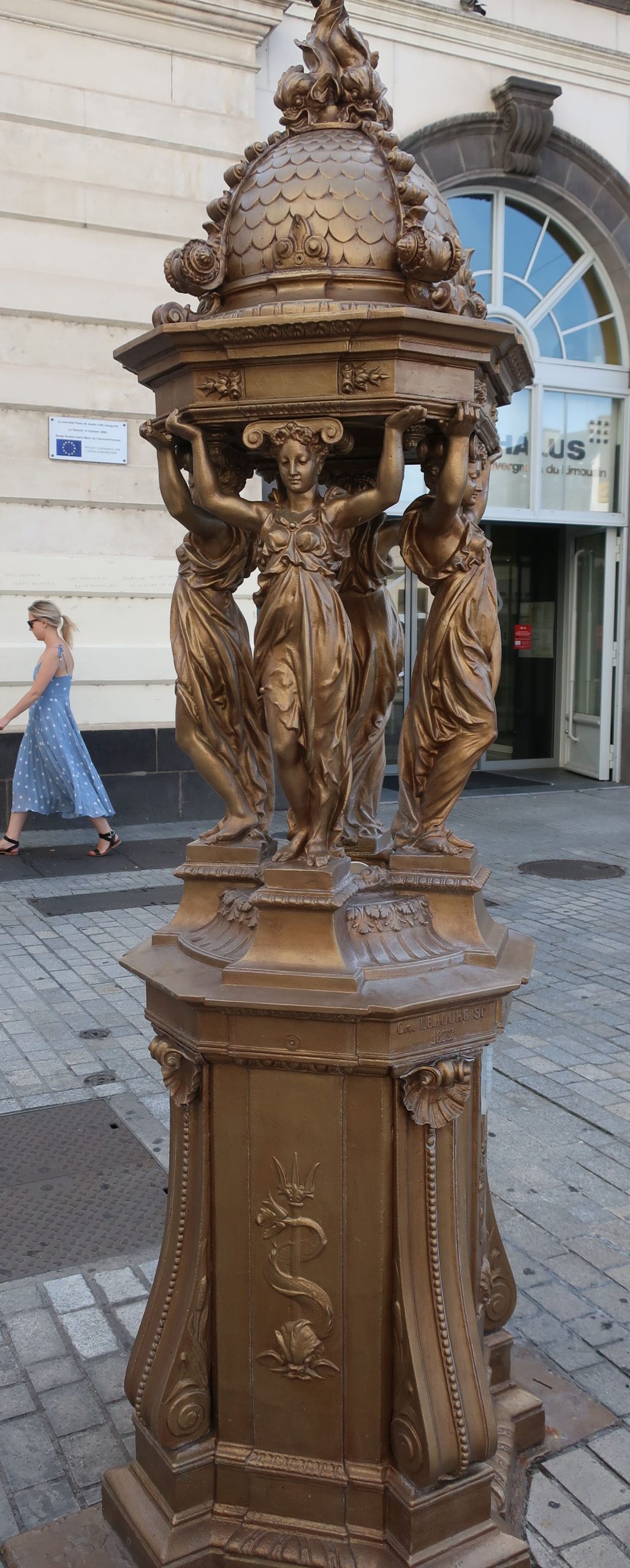
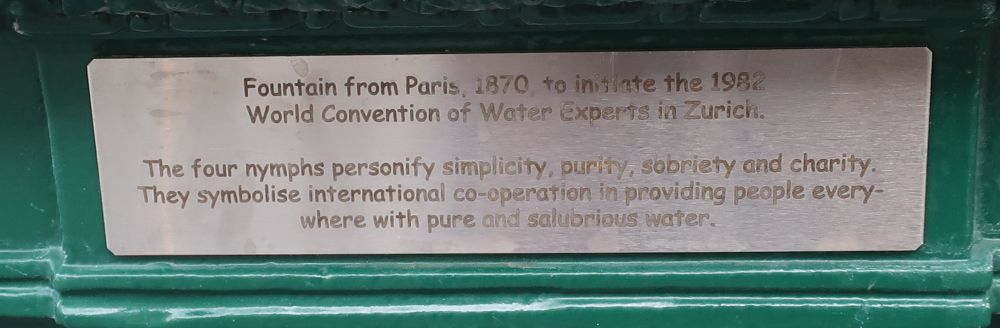
I would say that of all the water fountains in Zurich this has to be the most unusual:
It even has a little plaque so that you can read about it’s history:
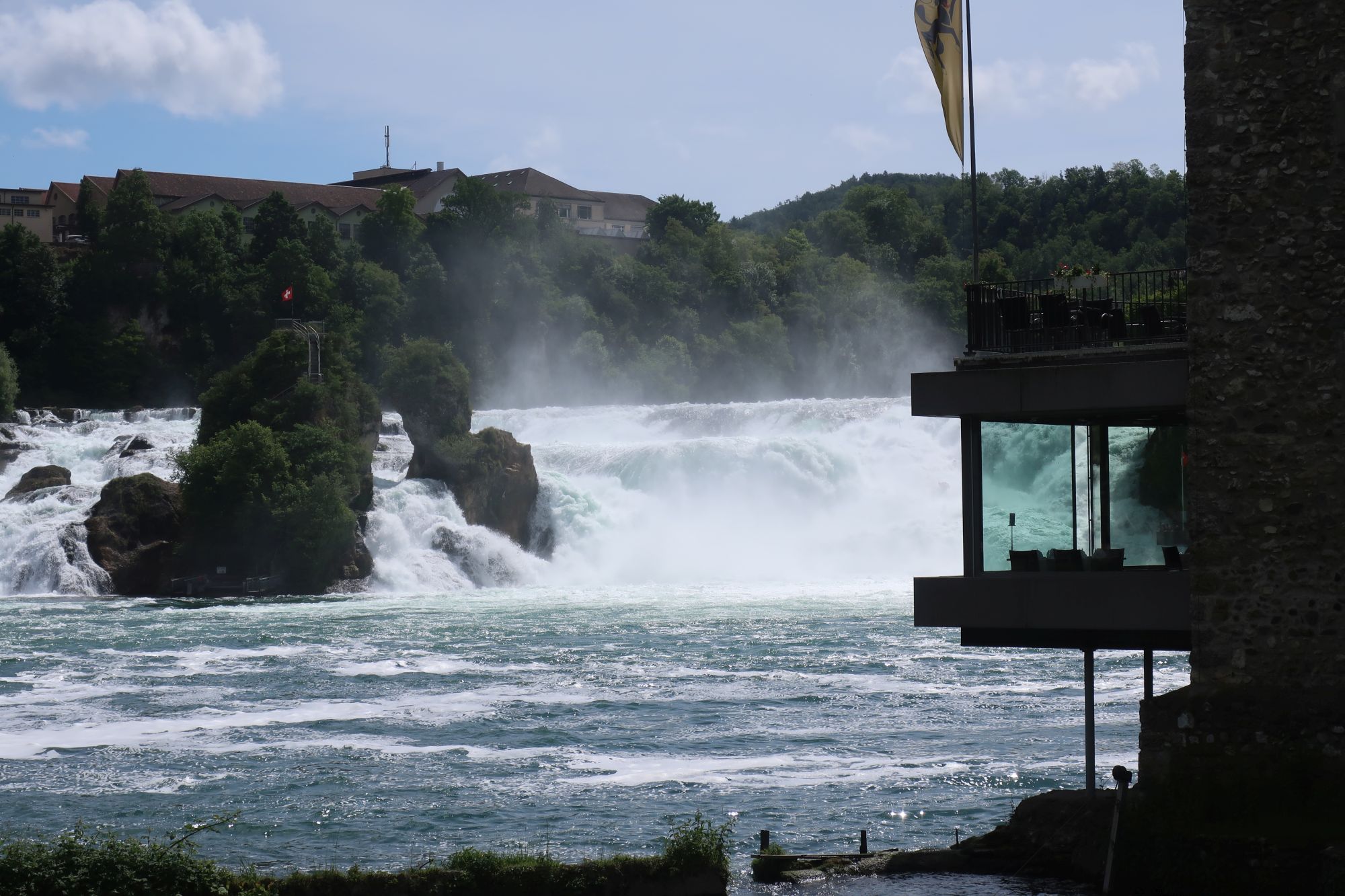
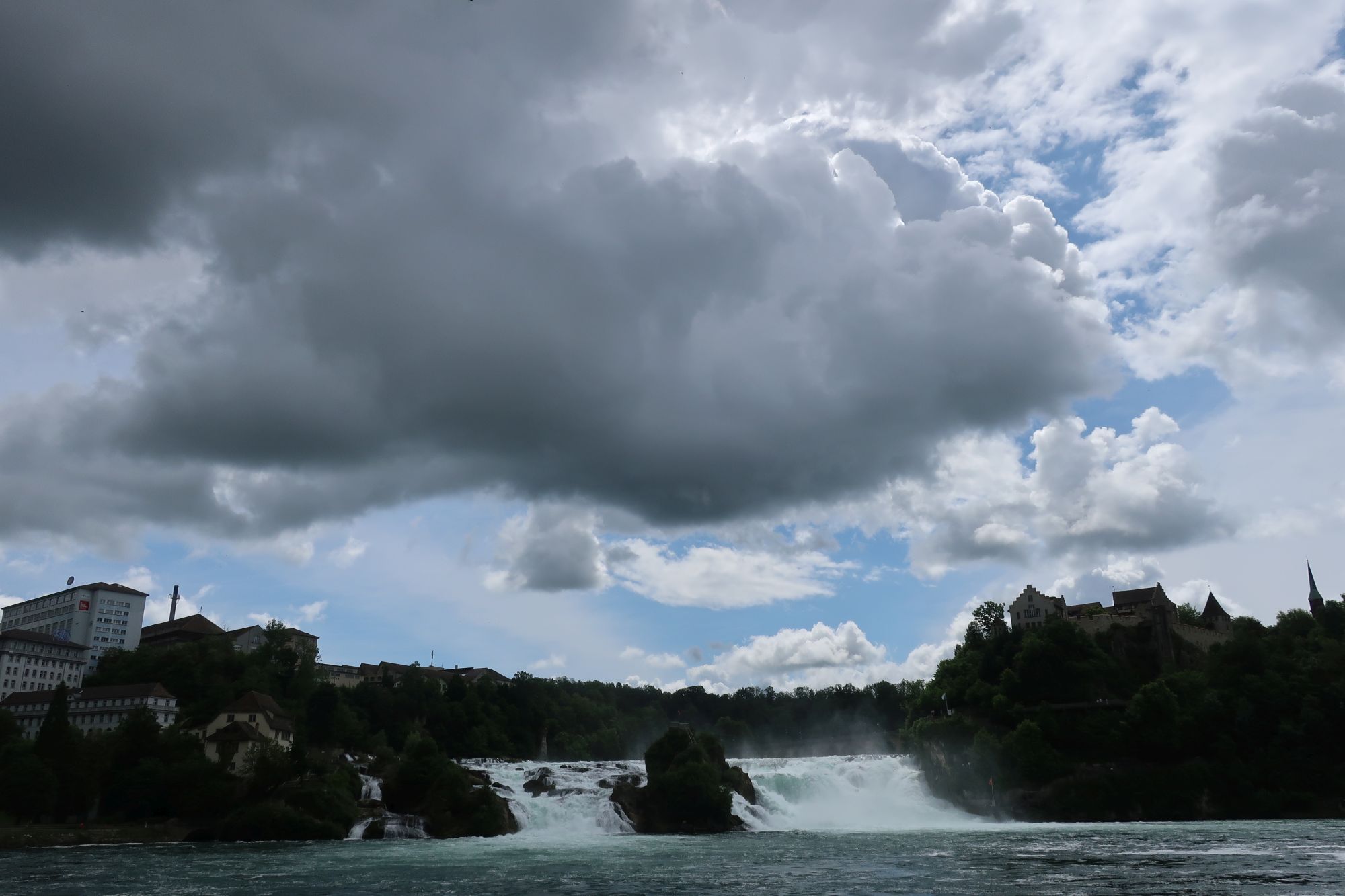
Continuing the series, you can be sure if I see one of these incredble inventions, I’ll take a picture of it! I spotted this pair at the famous Rheinfall in north central Switzerland.
Switzerland, and to a lesser extent southern Germany, is dotted with majestic California Giant Sequoai trees, many of them hundreds of years old.
I took this snap on the eastern shore of Lake Zürich, where this tree was planted next to a church:
Interestingly, due to global climate change these trees in California are all endangered, but it could be the climate of Switzerland might provide something of a sanctuary for them.
This is an artistic a snap as I thought I could take of a lone hunting shack at the edge of a farmer’s field in north central Switzerland:
Oh, the fun you will have sitting warming in this shack, covered by a thick wool blanket, waiting patiently for some animal to thoughtlessly walk into the crosshairs of the telescopic sight on your rifle.
I prefer fishing.
What I’m not quite sure about is why these shacks are so predominant in Germany and Switzerland, yet in other countries are much rarer or impossible to find.
Continuing the series, here is a pair of giant California redwood trees standing next to the Klosterkirche in the north central Swiss village of Rheinau: