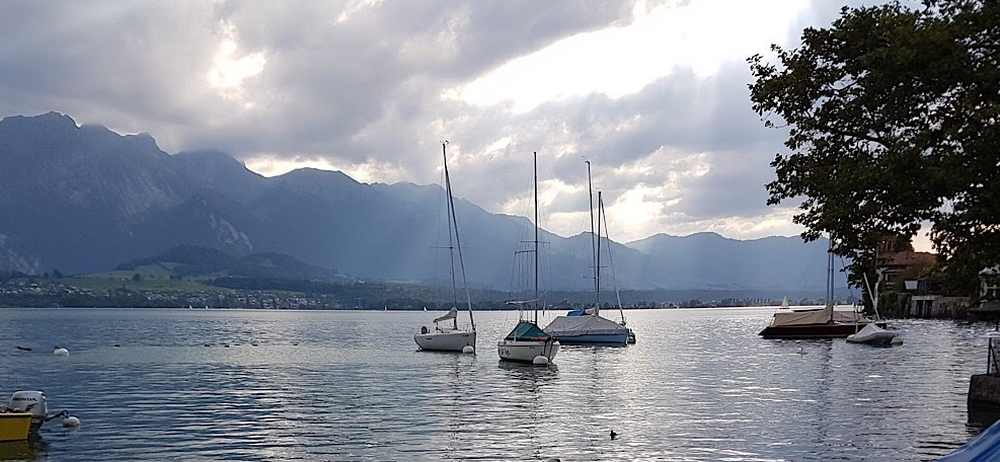
Deep in the Berner Oberland of central Switzerland,
A renaissance man for the twenty-first century!
Deep in the Berner Oberland of central Switzerland,
Switzerland has two chains of supermarkets, Migros and Coop.
Generally speaking, the Migros chain of supermarket is far superior in every way to the Coop chain of supermarket.
Although it is doubtful they will ever get there, due to the tremendous talent and creativity of the people who work at Migros, nevertheless the Coop chain is trying hard to make inroads and catch up, as this snap from my local Coop shows:
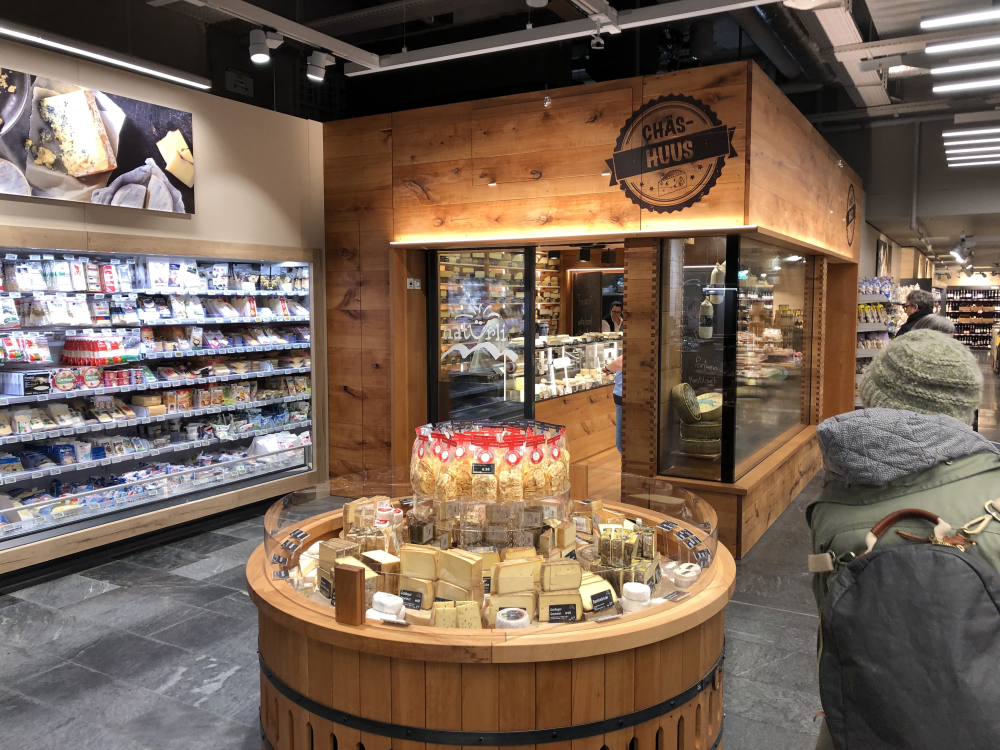
It’s a little hut inside of the supermarket where a sprayer keeps the air very moist, where the temperature is almost freezing, and where you can buy (and I am not making this up) pieces of cheese with prices in the triple digits!
Continuing the series, sometimes you see a sign that’s just plain silly.
Case-in-point: this recepticle for cigarettes, inside of a designated non-smoking area:

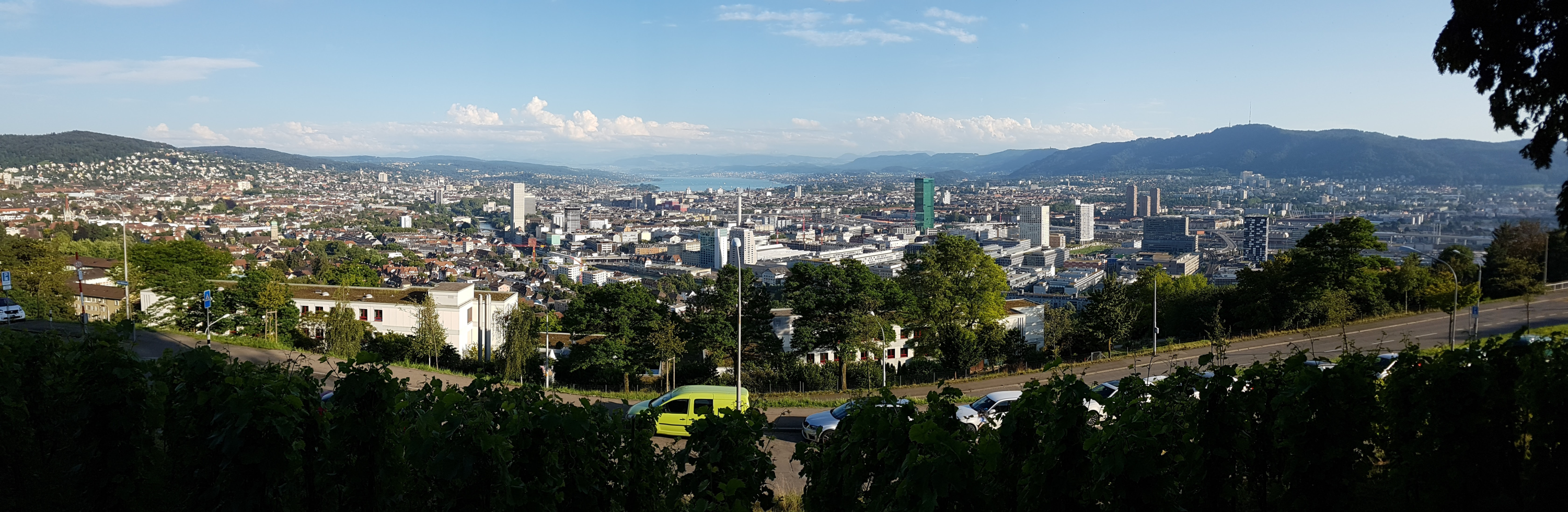
Looking south from the hills above Zurich,
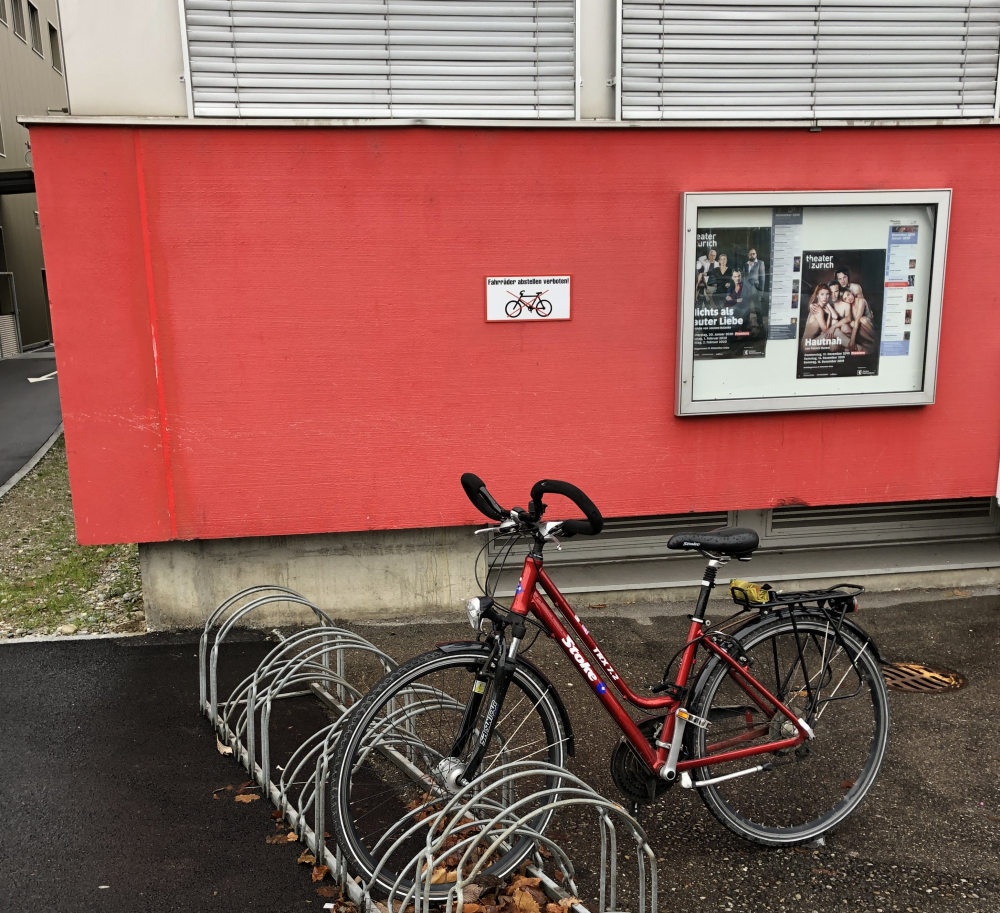
Sometimes you see a sign that’s just plain silly.
Case-in-point: this “do not park your bicycle here” sign, directly next to a stand for bicycles:
From the artist that created many sculptures that adorn Southern Germany, in the city of Konstanz there is a big lady that stands and spins around, and she is made mostly out of concrete:
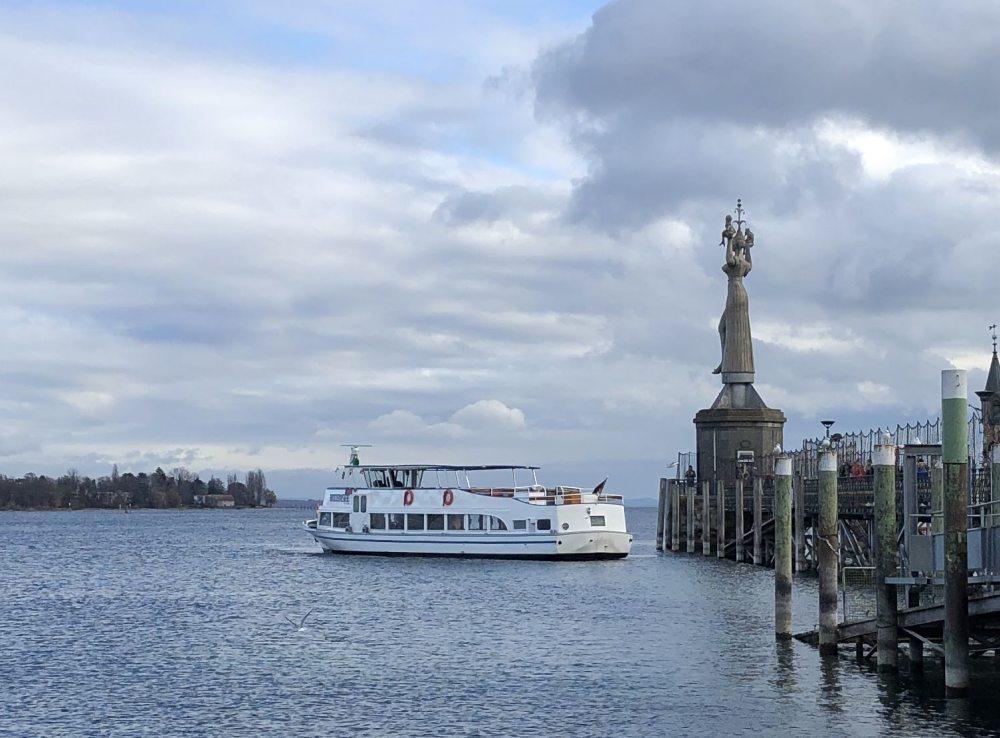
Actually, she turns around about one revolution per minute. I’ve never seen the motor and gears that make this happen.
OK, it is not in fact my freight train.
But it is, in fact, a freight train, and the fellow in the orange clothes on the left is not, in fact, an escapee from a prison. But he is, in fact, a hard working member of the Cargo Division of the Swiss Federal Railways.
I captured him taking his massive freight train on a remote controlled walk through the center of the city of Zurich, at about 5 AM in the morning.
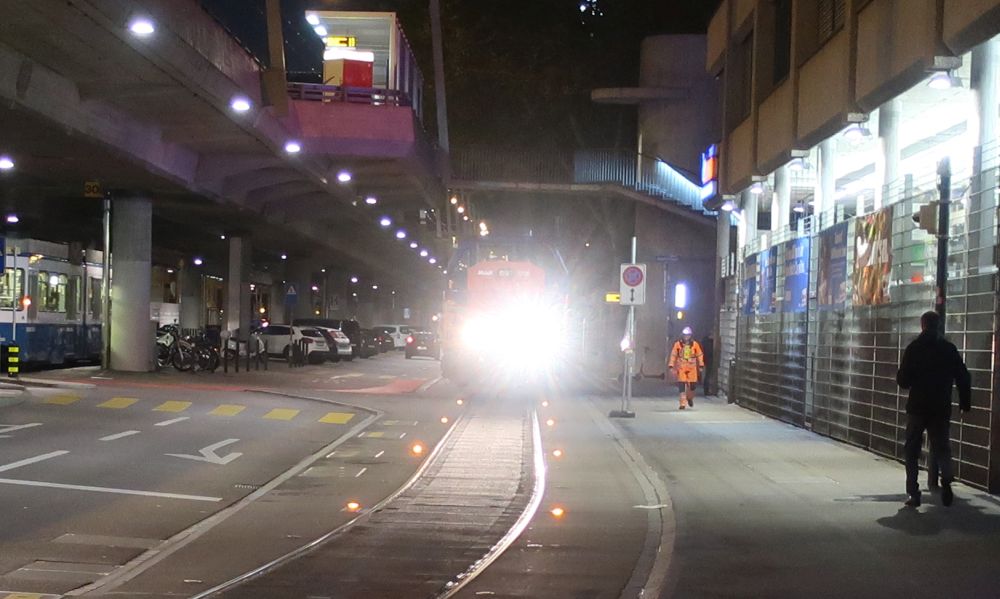
To be fair, I am stretching the term remote control. In Germany, they really do use radio controlled technologies to drive freight trains from outside of the cabin. But in Switzerland, this fellow above is using a radio-controlled device to talk with a train driver (not shown).
Hardly an usual scene in downtown Zürich, especially during the wintertime:
Continuing the series, the amazing Herriot museum in Yorkshore has recreated the pharmacy where the veterinarian stored his many potions:
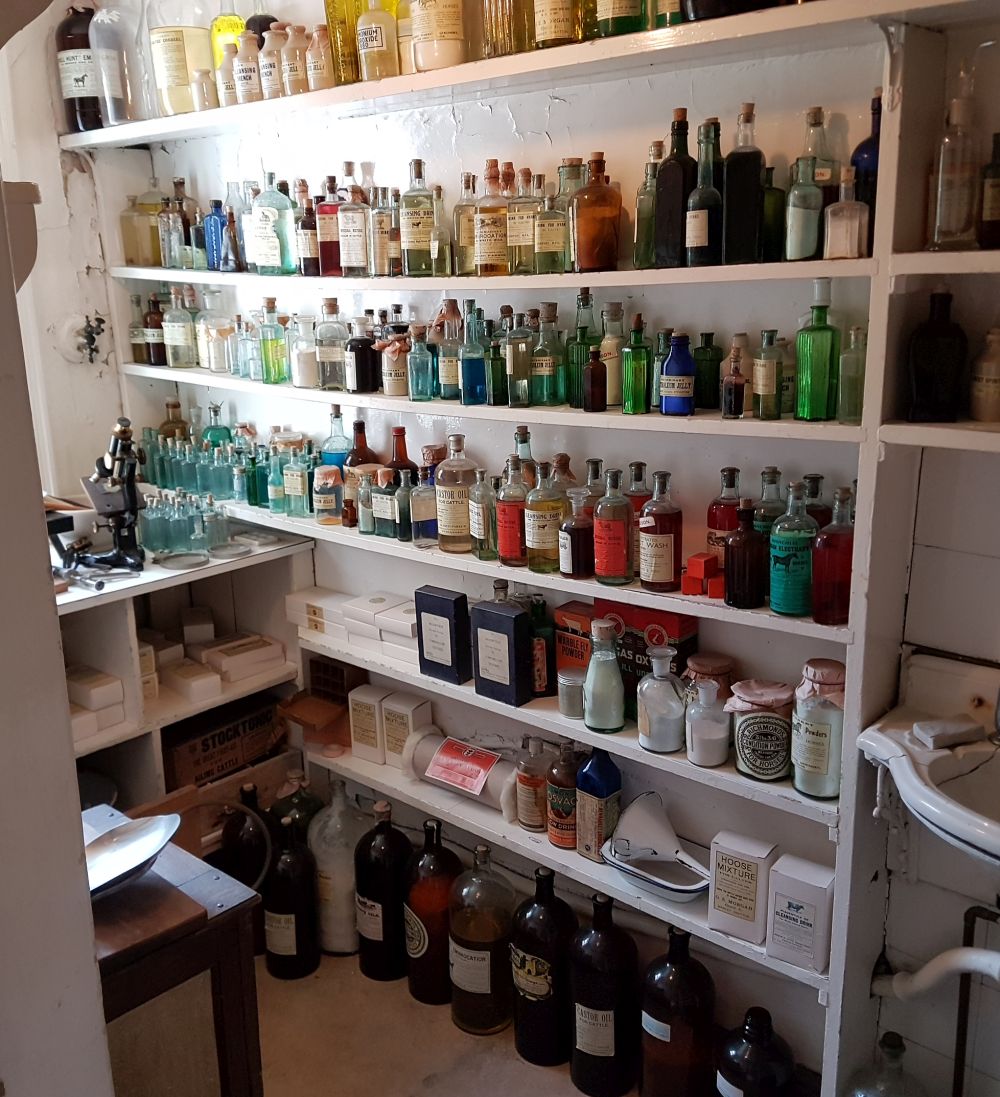
Today both physicians and veterinarians use drugs specially tailored for specific purposes, but back in the day before these luxuries the veterinarian would have many chemicals that he would specially mix for treating specific conditions.
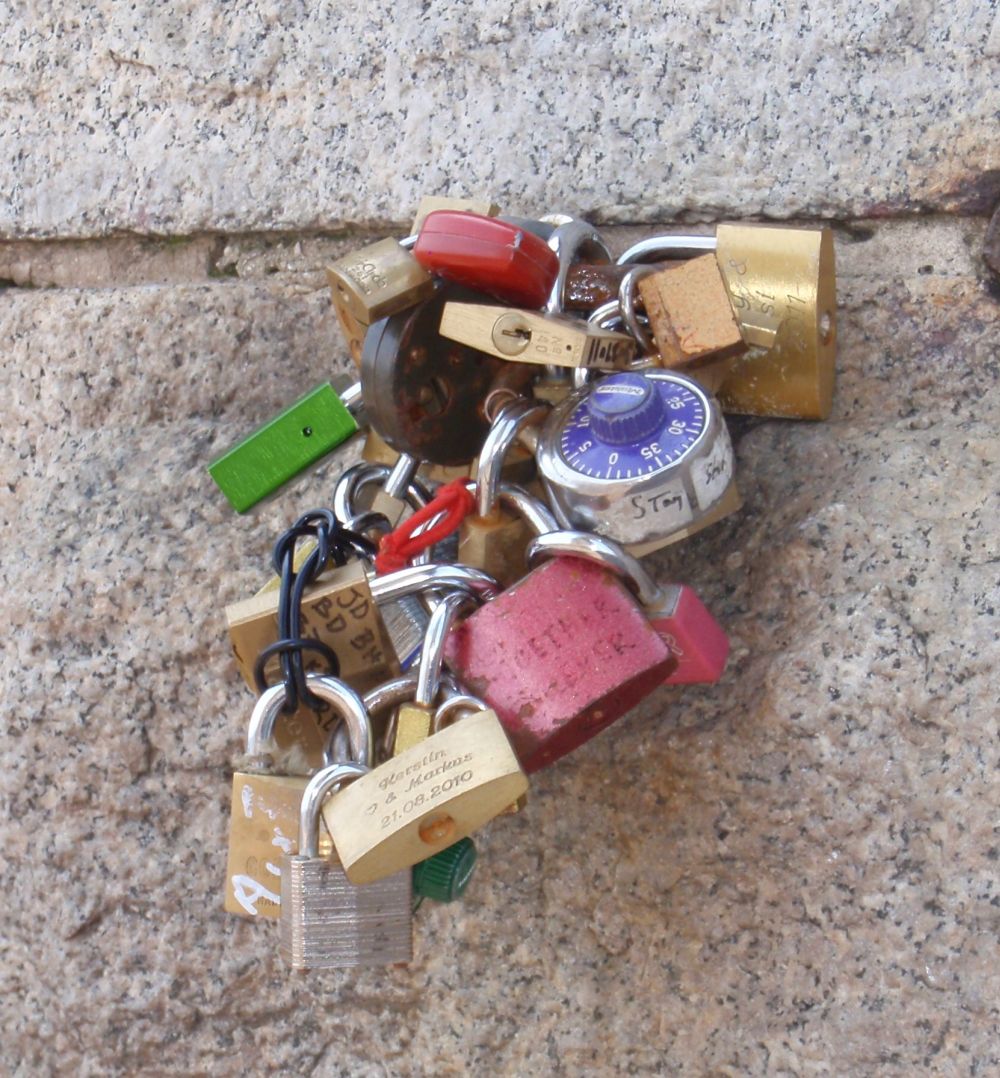
I was surprised so many creative people seem to use just about every and any anchor point:
I took this stunning snap on the French side of the Rhein river, looking south:

The astute reader will immediately recognize that these are not cattails, but I thought they looked enough like cattails to use the term in the title of this blog.
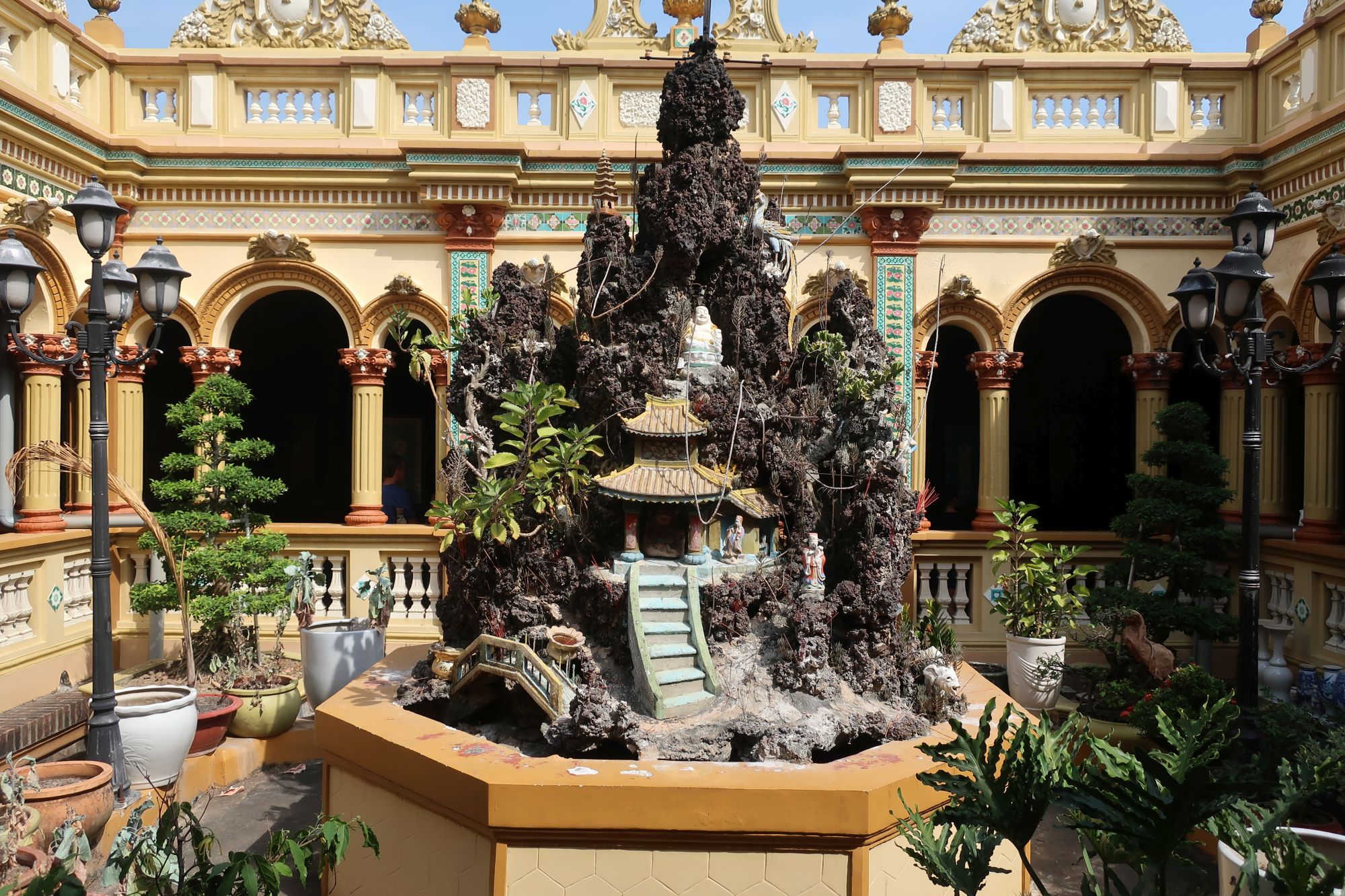
Continuing the series, here is another snap of the inside of the temple,
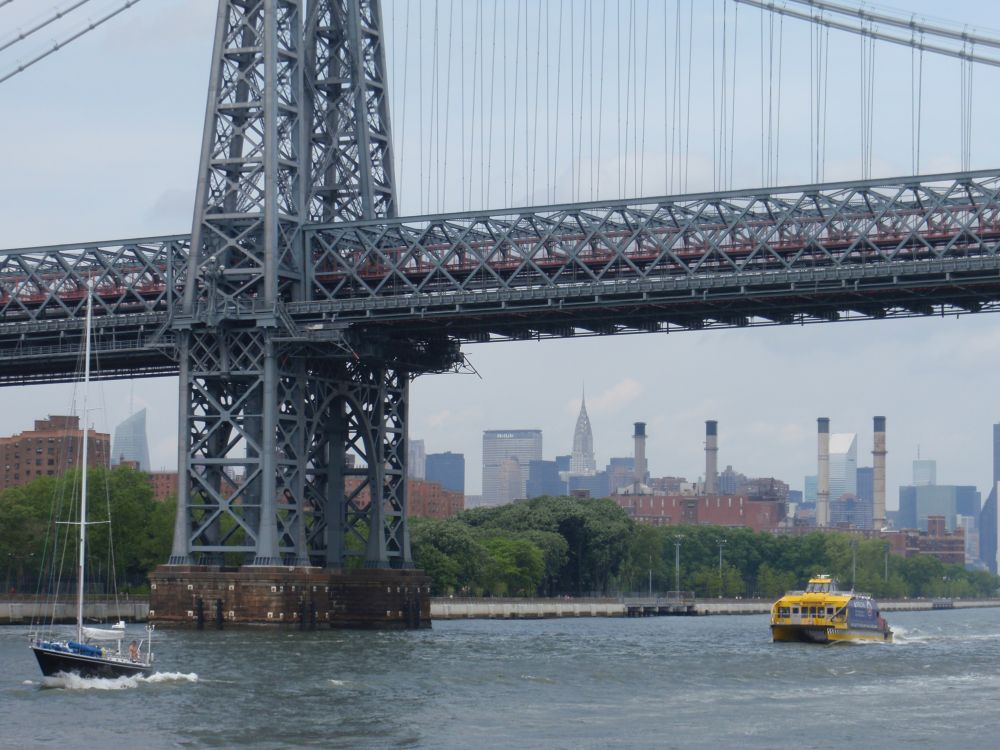
This is a shot that I took on a boat just about the cruise under the Williamsburg Bridge that connects the New York boroughs of Manhattan (behind me) with Brooklyn (shown):

For a while, it was the longest suspension bridge in the world!
Continuing the series, this is a snap as the mind blowing New York robo-train pulls into the Howard Beach JFK robo-train station:
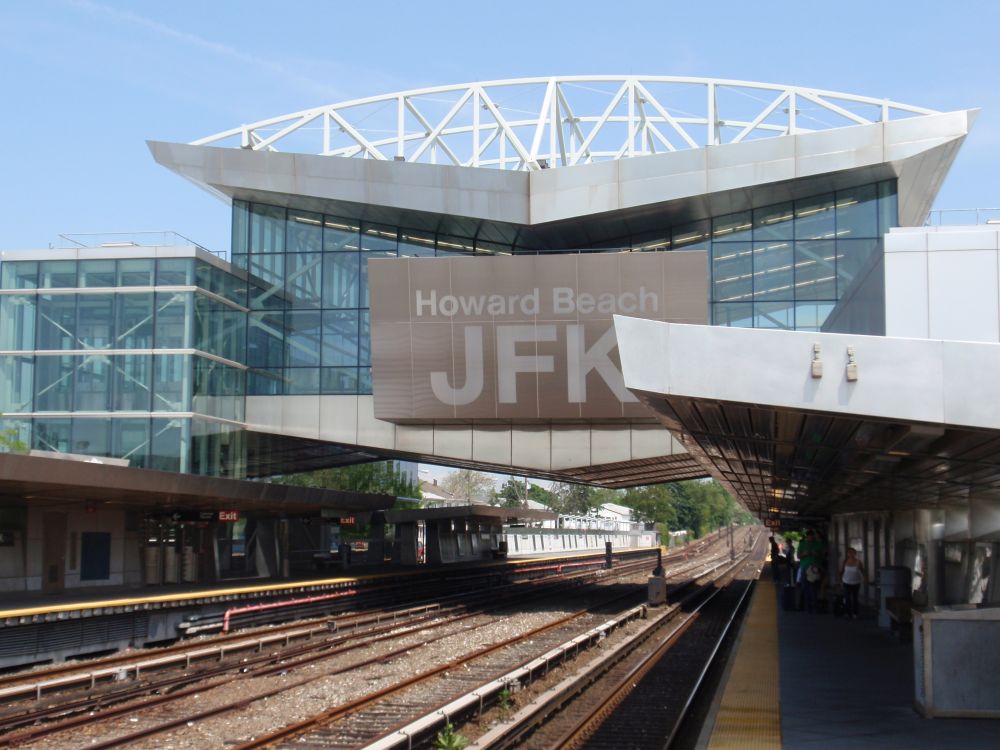
When I lived in New York, the John F. Kennedy airport was not attached to any train systems, so it was necessary to take a taxicab to access the hotel. Now, a fully automated robo-train will take you to a nearby Long Island Railroad station, from which you can catch many trains and other forms of public transportation.
Here is another snap which I took up front, which is where the train operator would sit, if it were not being operated by a robot.
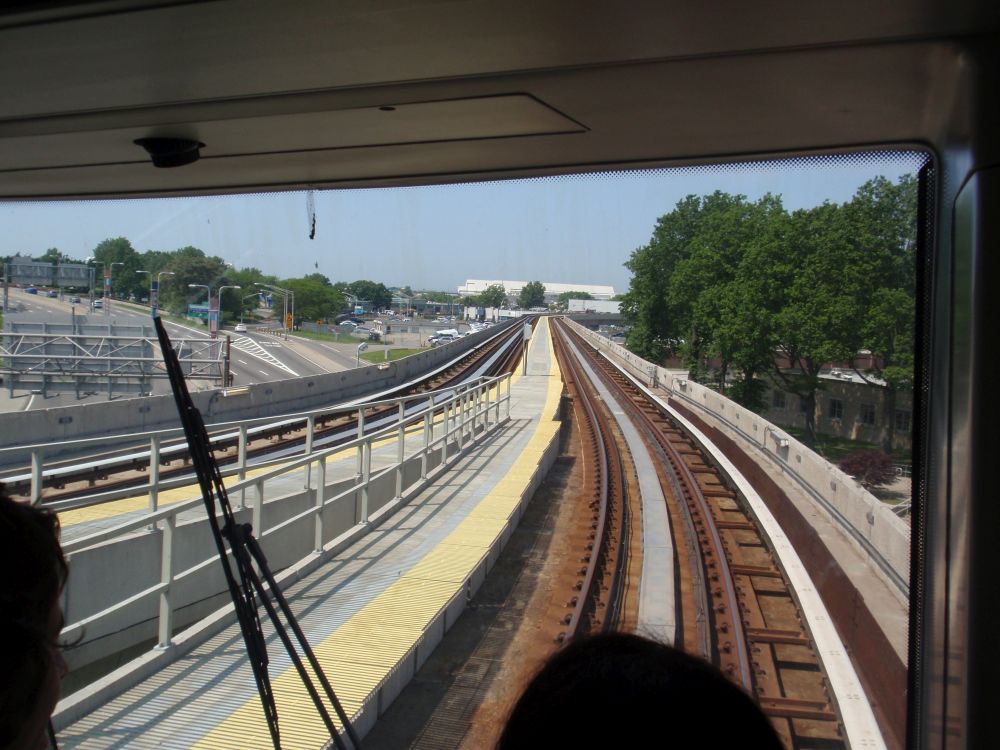
I am not sure what the robot looks like, where he sits, or even what his name is.
Continuing the series, here is another snap of the inside of the temple,
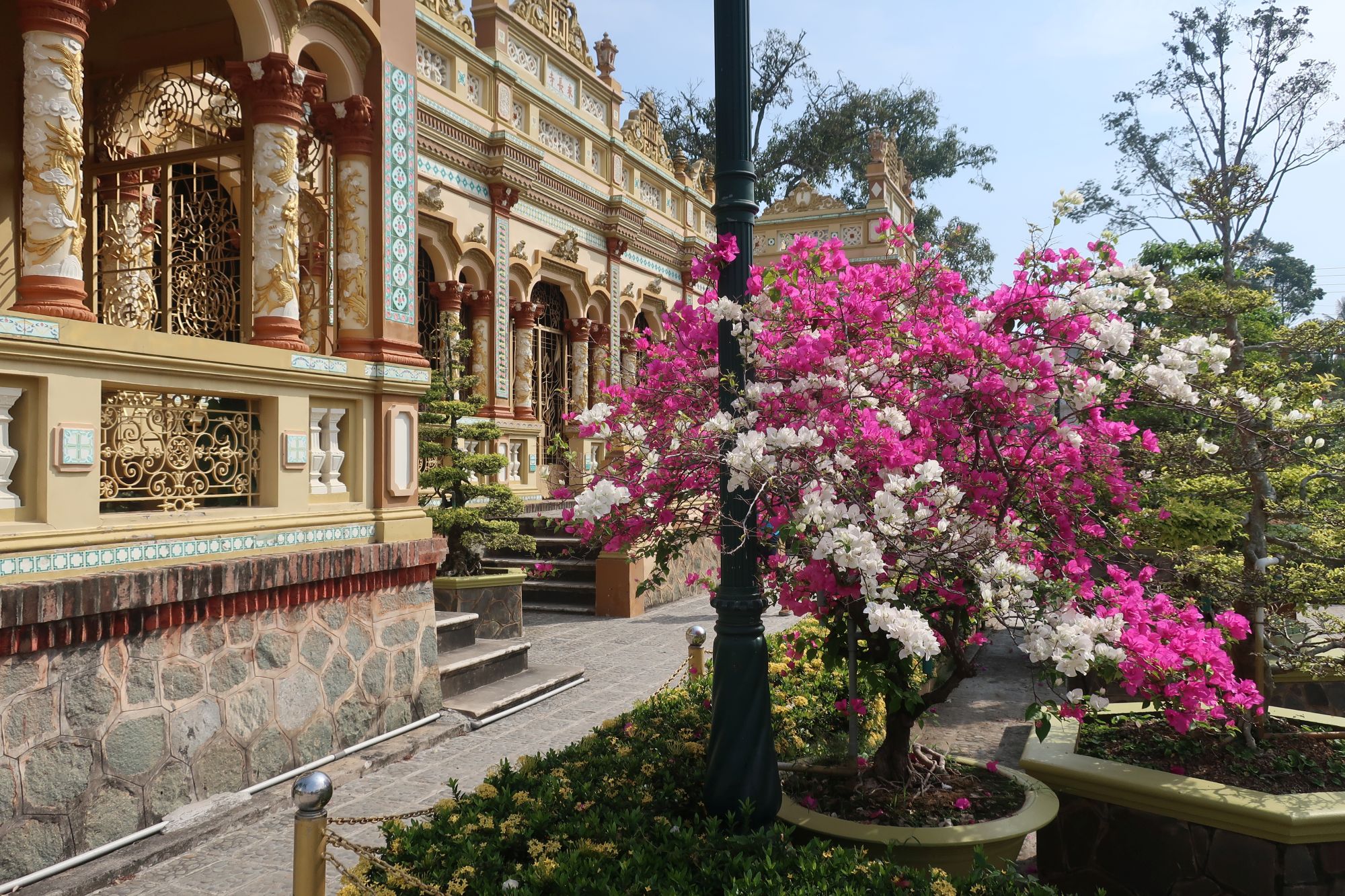
Here is a shot of the mighty Saigon River, looking south from the stunning BitExco tower that stands high above the Saigon skyline:
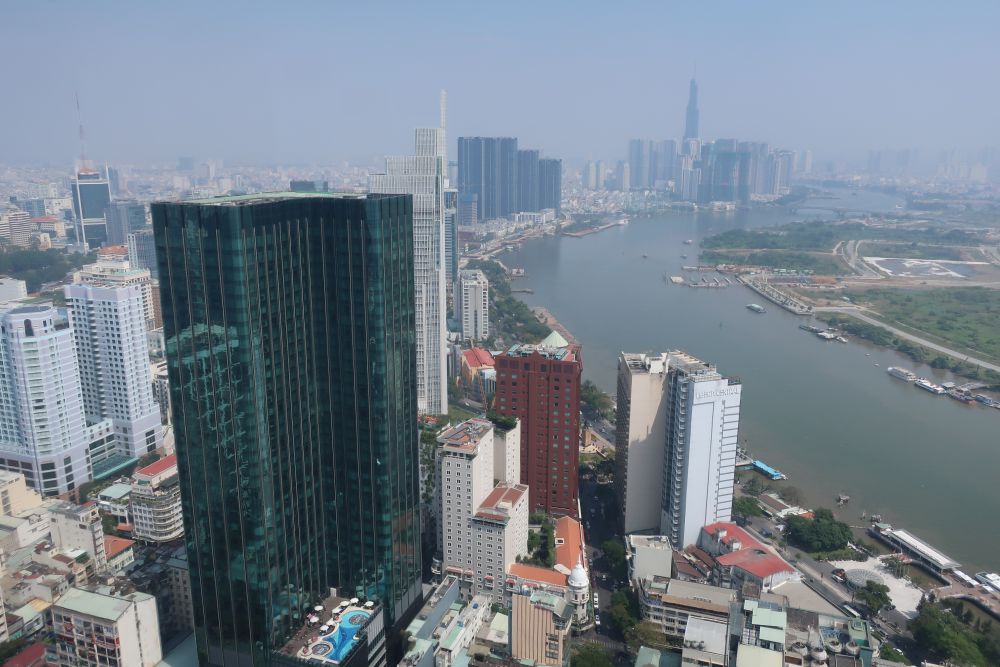
A bit sad, really – seems a big mama moth got squashed on a busy Saigon street before she had a chance to lay her eggs.
There are many, many reasons why I feel honored and privileged to live in Switzerland – but the fact that the Swiss – like myself – are hard core survivalists is probably the best reason of all.
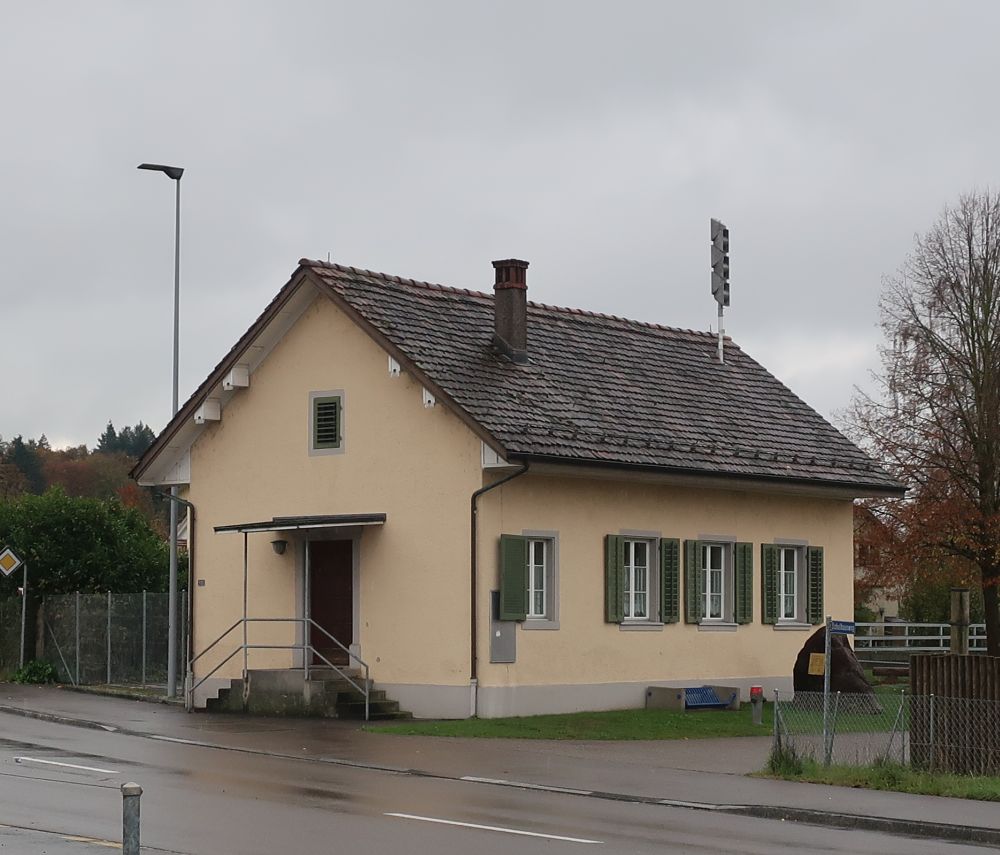
There’s little chance that the Germans will be dropping bombs on Switzerland anytime soon, but as you can see this little one-room schoolhouse in a north Swiss town is adorned with a real, working, functioning air raid siren – one of a network of over 7000 scattered around the confederacy- which gets tested on a regular basis, no less!
In upcoming posts I’ll share Swiss survivalist secrets so impressive that if you are a survivalist like me, you may find this the optimal place to live!
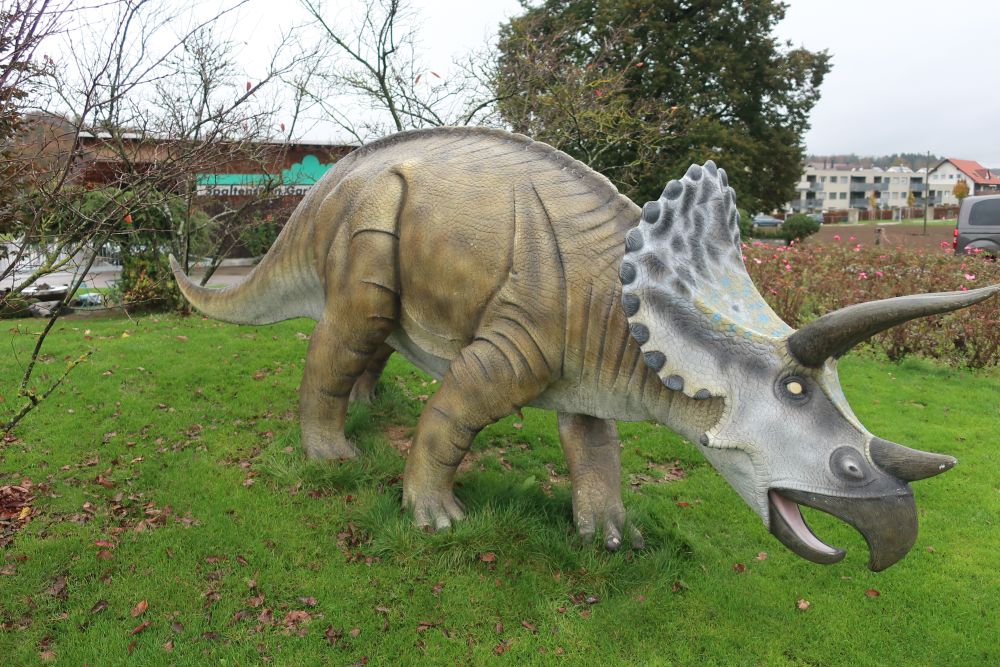
First things first – do not panic! What I show below is not a real dinosaur. I’ve said this before, and I’ll say it again: the dinosaurs all died out a long, long time ago, so there is nothing to worry about!
OK, now that we have gotten that out of the way, here is a very convincing model of a dinosaur, welcoming the visitors as they drive into the charming village of Bassersdorf in north central Switzerland.
I spent a lot of time on the Long Island Railroad, and one thing that I will always remember is how they handle the tickets. You are issued a paper ticket, and when the conductor comes by he punches it with a hole punch.
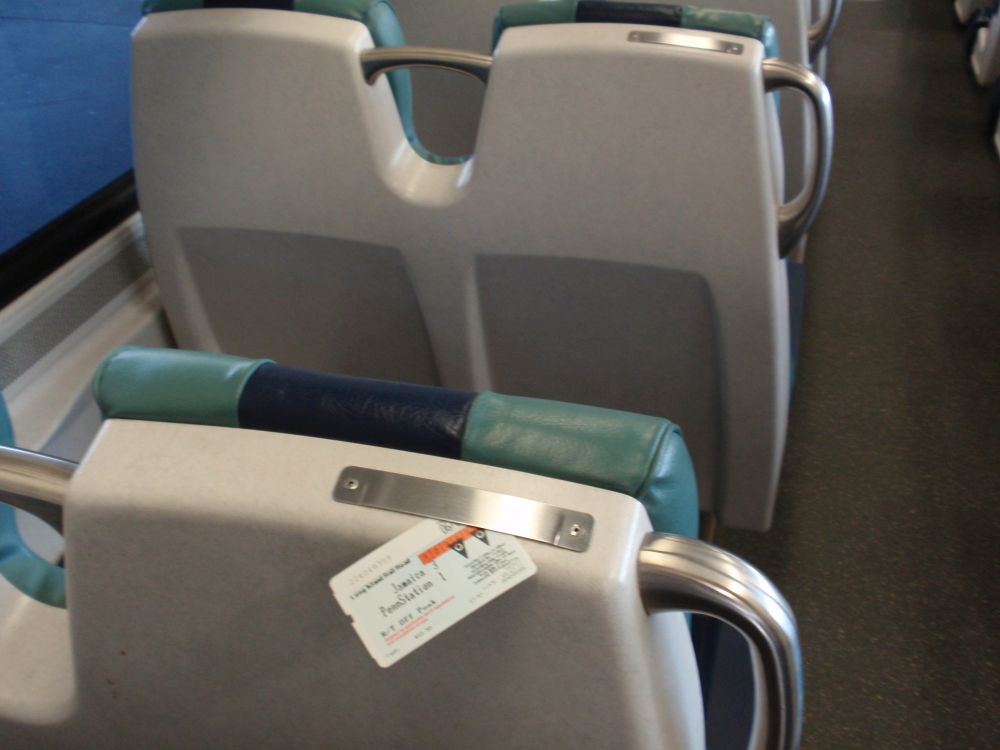
The floors of the trains are covered in zillions of little paper punch outs.
I took this magnificent snap in the large hall at the main train station in Zurich, also known as Zürich HB:

To be honest, I did tweak this image a tiny bit using Microsoft lens. I am very proud that I never modify or enhance my images in any way, so for the sake of full disclosure I am also showing here the original snap as it came out of my little point-and-shoot camera:

I really, really hope I am not now on the slippery slope from the noble endeavor of photography to (what I consider) the less noble endeavor of artificial image manipulation.
Maybe if I always post the original together with any adjusted images, that may save my immortal soul?
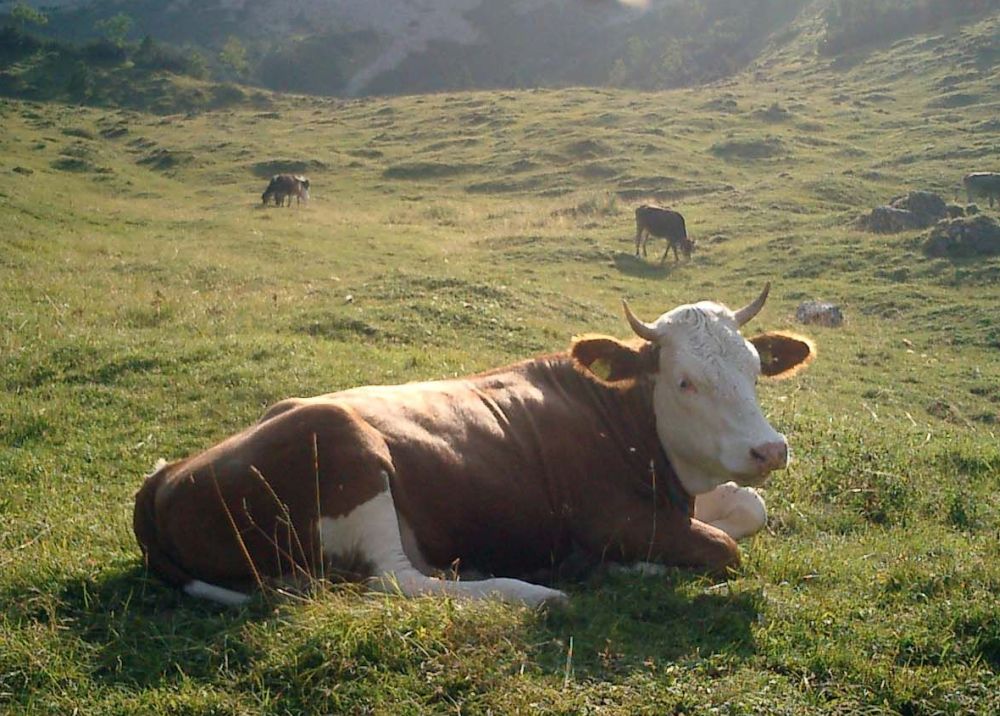
Is a bad snap of a good cow even thinkable? Hardly!
I took this snap of a cow relaxing in Liechtenstein while doing the so-called Drei Schwestern-Steig, a famous hiking trail leading to a set of three magnificent peaks (well, I was doing the hike, not the cow):
And here is a nice snap of some mountain flowers that I took near the cow:
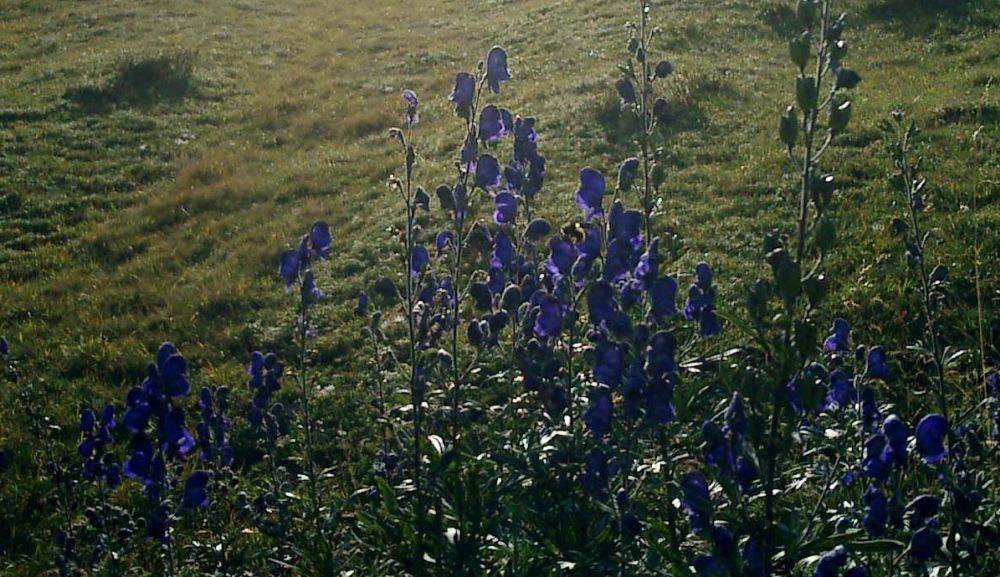
For me it would really be interesting to know if cows like to eat flowers – or if they avoid them – or even if they care one way or the other?
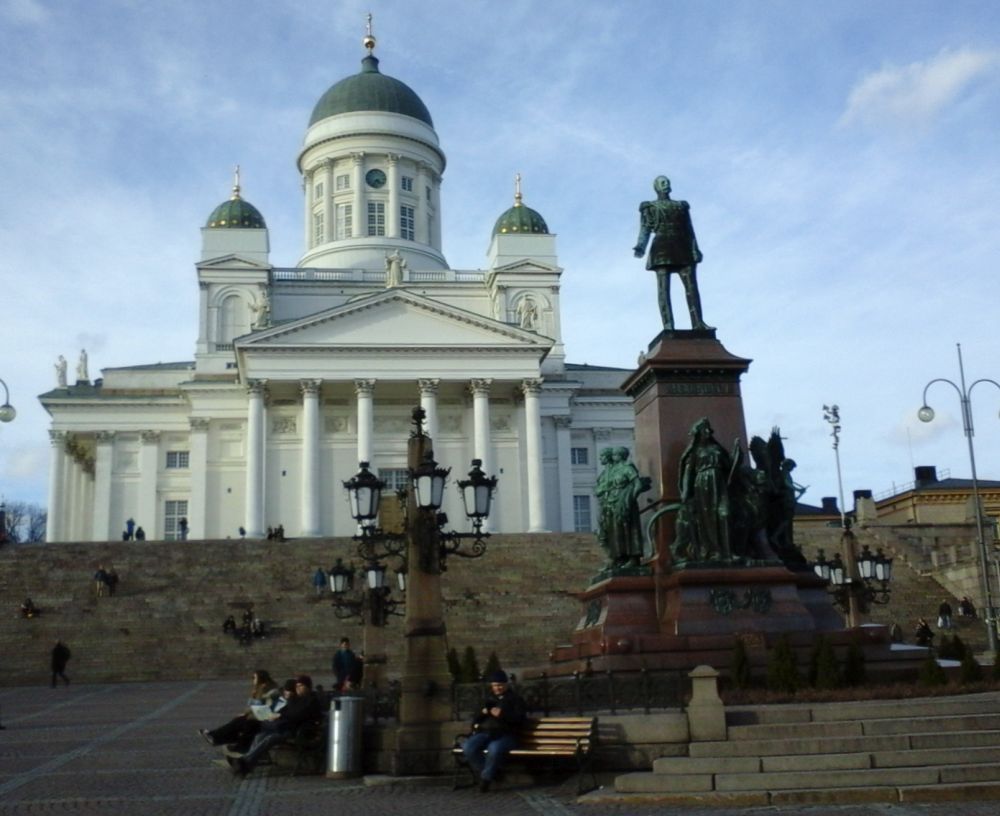
Quite a new church, not yet more than two centuries old:
Magnificent snap of the sun setting over the desert of Abu Dhabi,
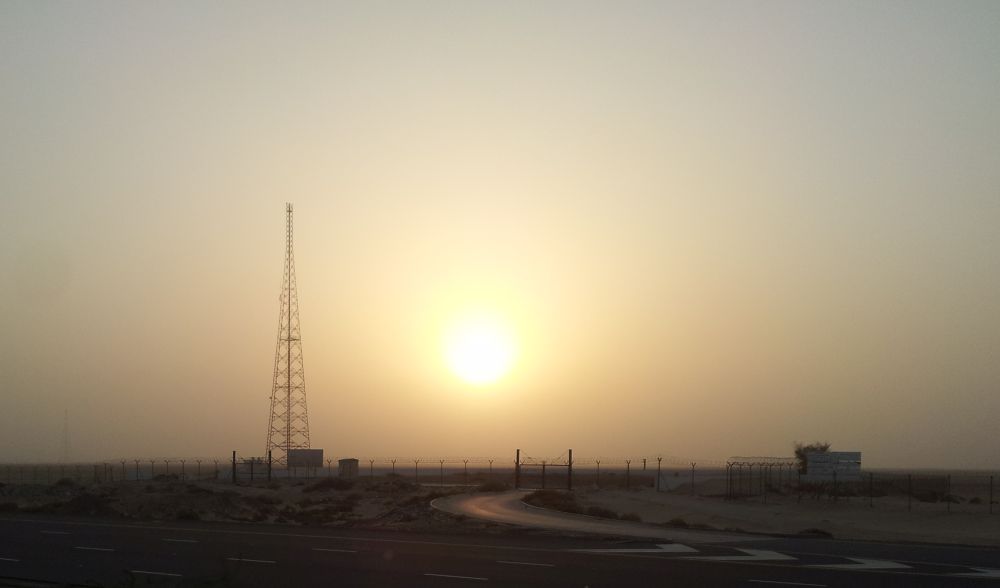
It‘s still over 40 C in temperature, and as far as I could tell my camera is pointed at a large military installation of some kind.
Continuing the series, here is a magnificent snap of some high tech garbage compactors in Zurich:

I think if I were a used cardboard box at the end of my life, then it would be a privilege for me to be stuffed and smashed into such a nice looking and nice smelling contraption such as this!