Now:
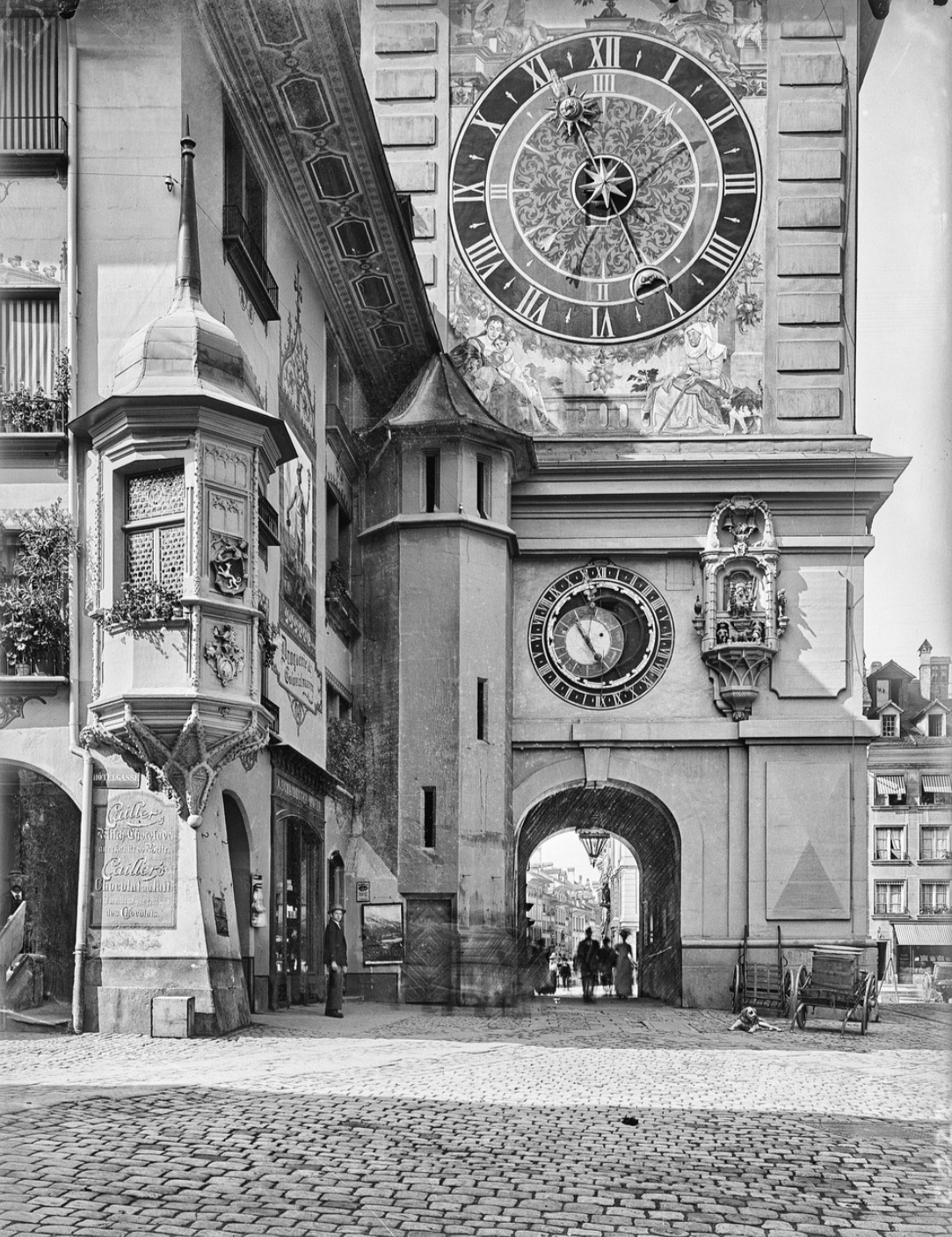 Now
Now
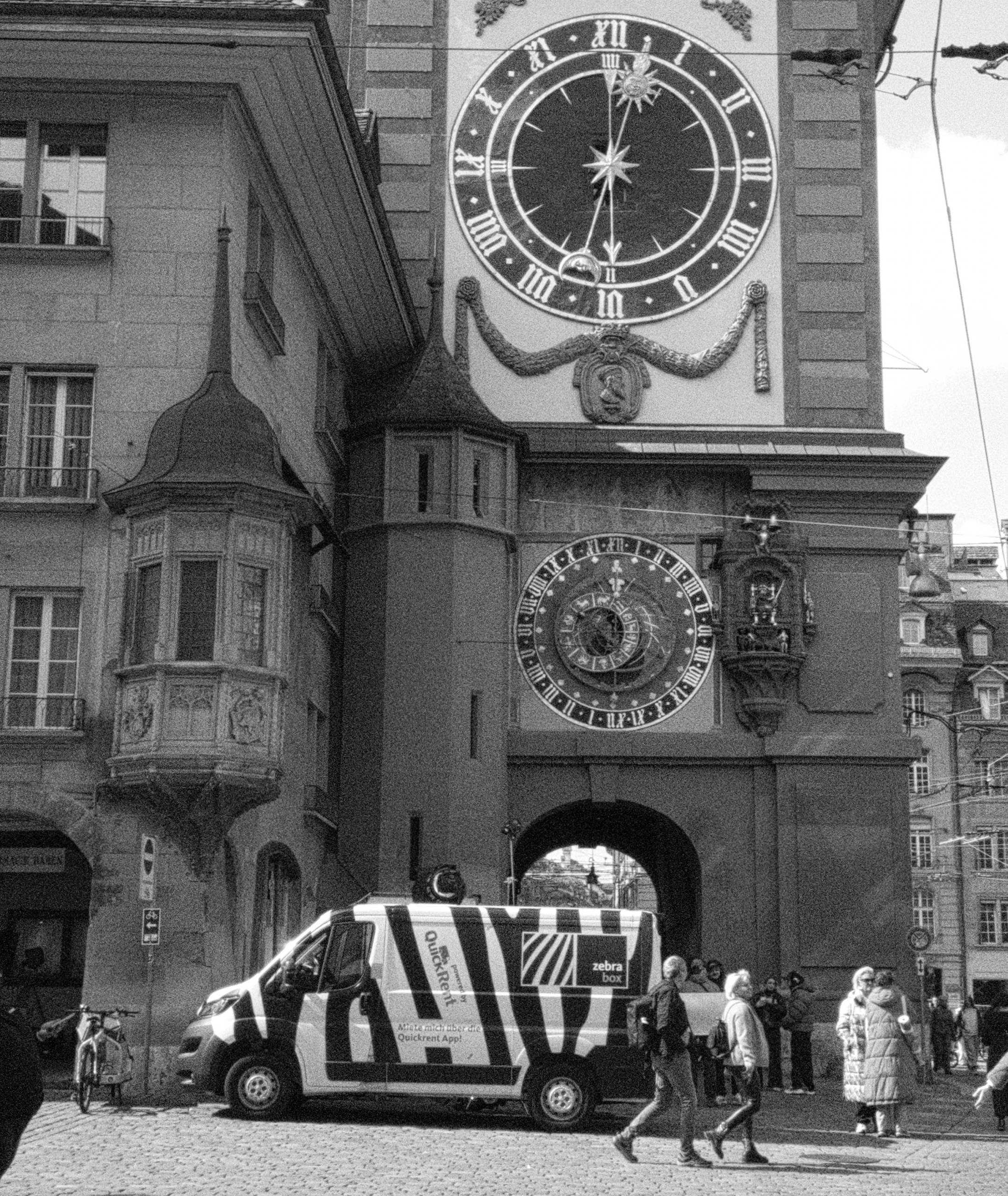
A renaissance man for the twenty-first century!
Now:
Now
THEN (around 1909)
And now:
Then:
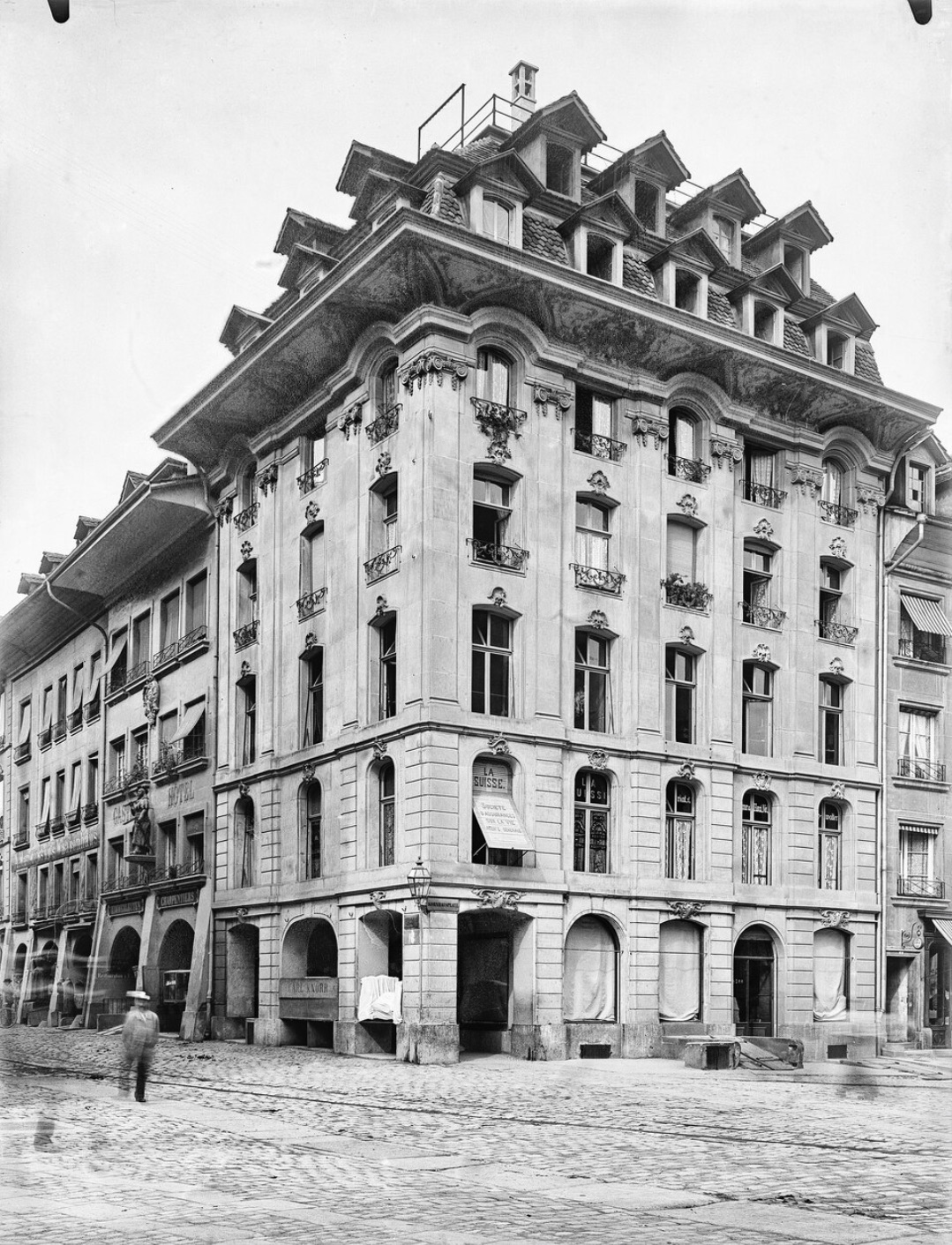
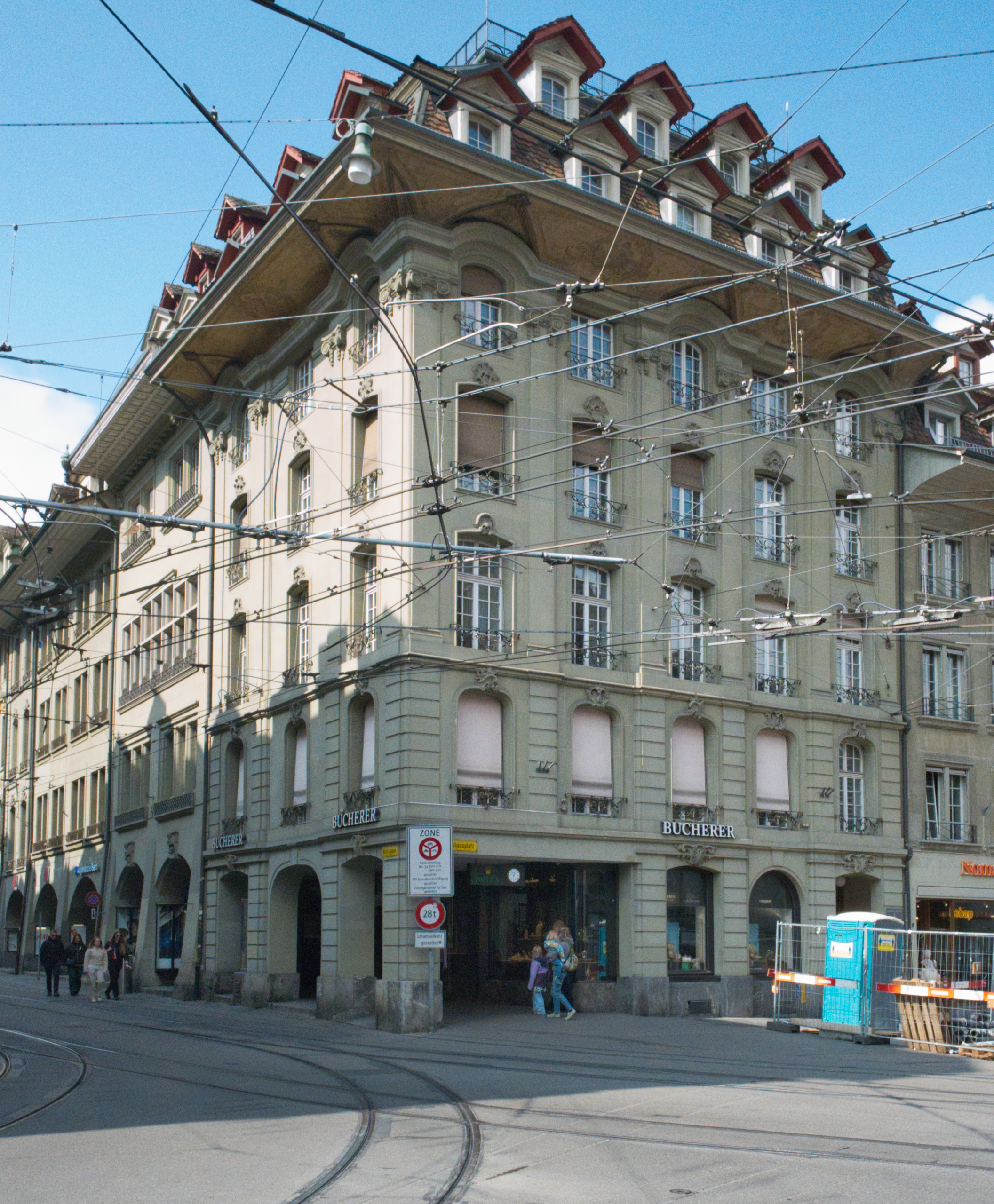
And now:
Then, but not sure exactly when:
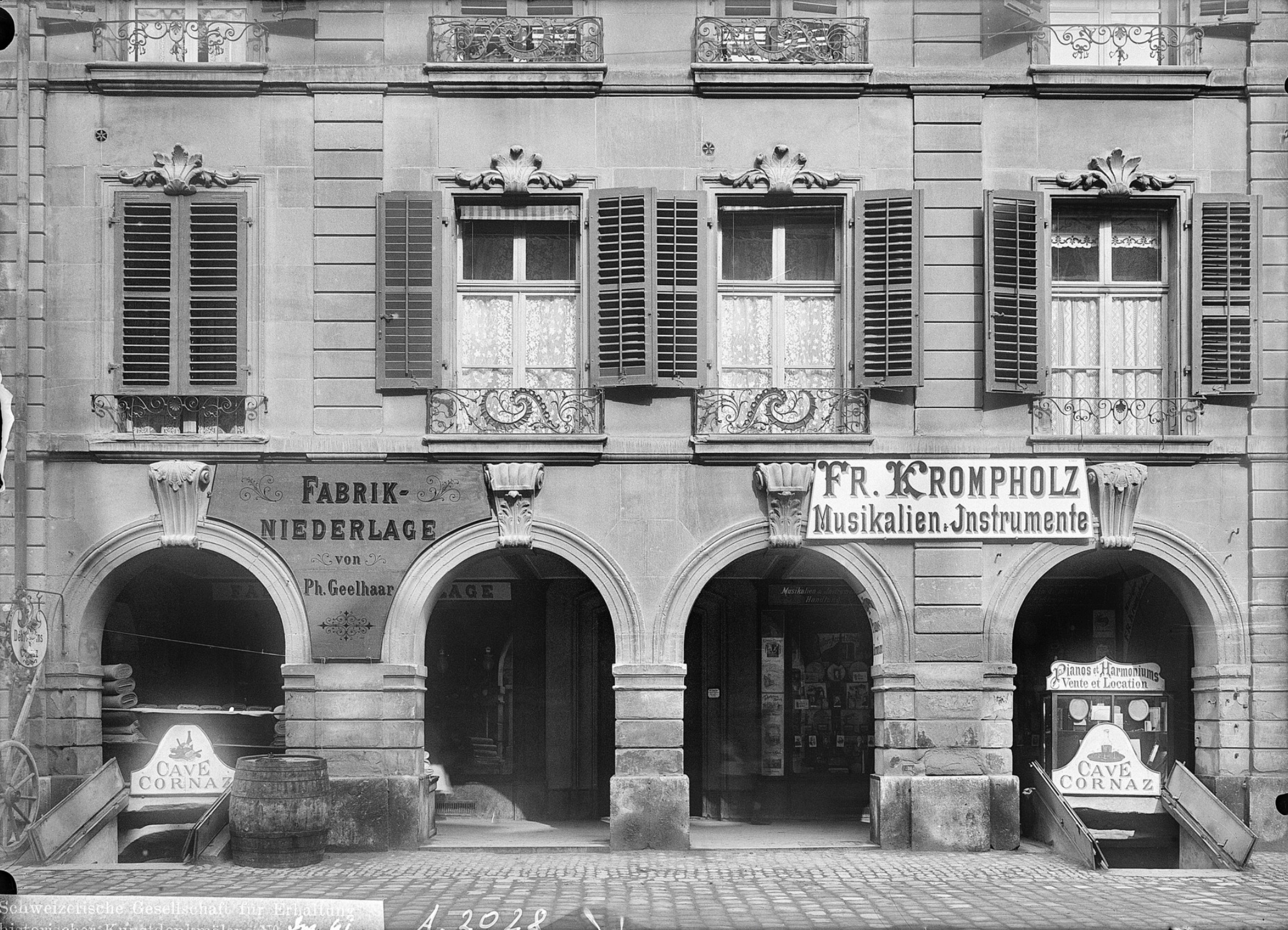
And now:
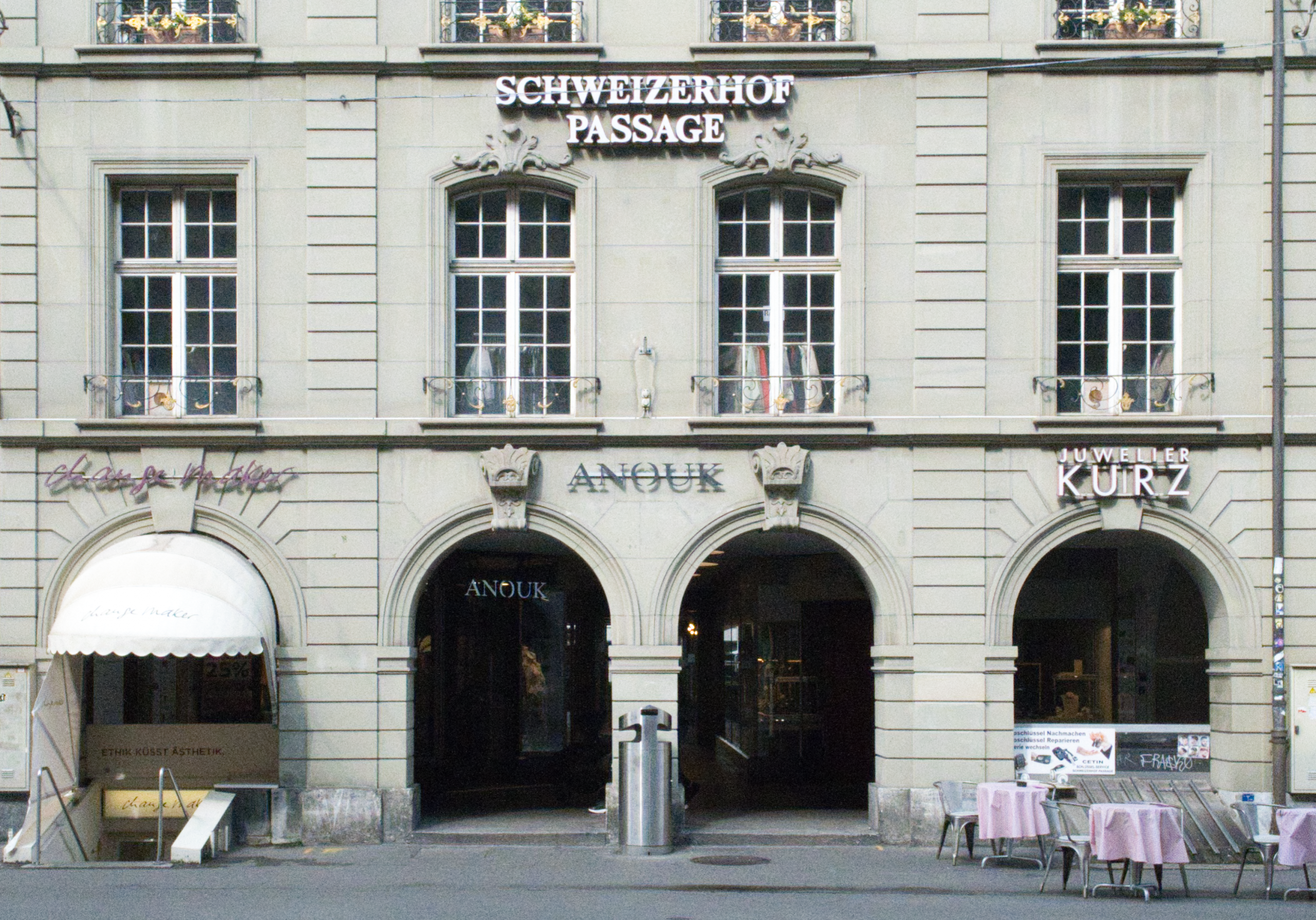
Continuing the series,
THEN (1983)

NOW
NOW (COLOR):
COMMENTS:
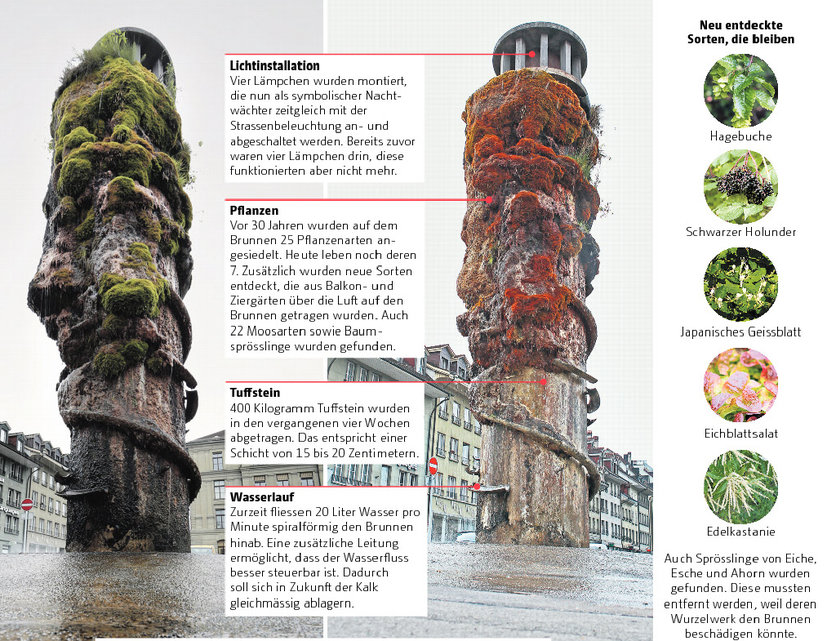
(1) This is actually not that old – it was inaugerated in 1983 by the artist Meret Oppenheim.
Below are some more interesting facts about this pillar of moss and slime:
THEN:
NOW:
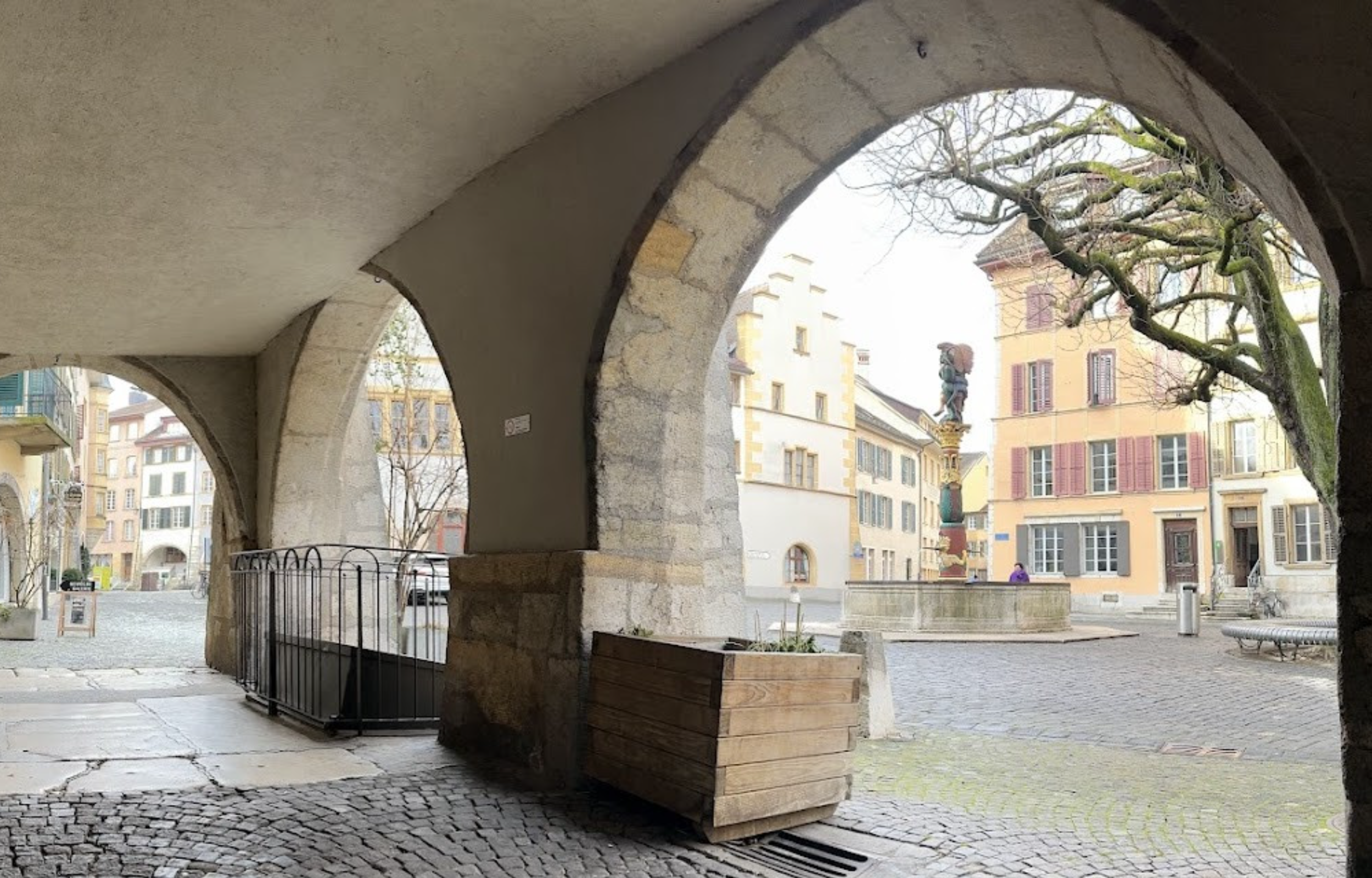
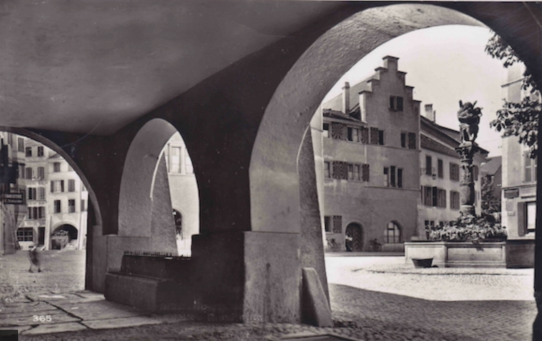
COMMENTS: Each of these “Then and Now” snaps is a chance for me to learn something new. For example, although it is not obvious, there is no way a normal camera lens can recreate that original snap. I needed to use my iPhone in panoramic mode because the scene was so wide!
Somewhere deep in the deserts of Spain scenes like this were filmed,
Here, Lee Van Cleef was very upset and probably wanted to kill someone.
Today, the situation is hardly any different,
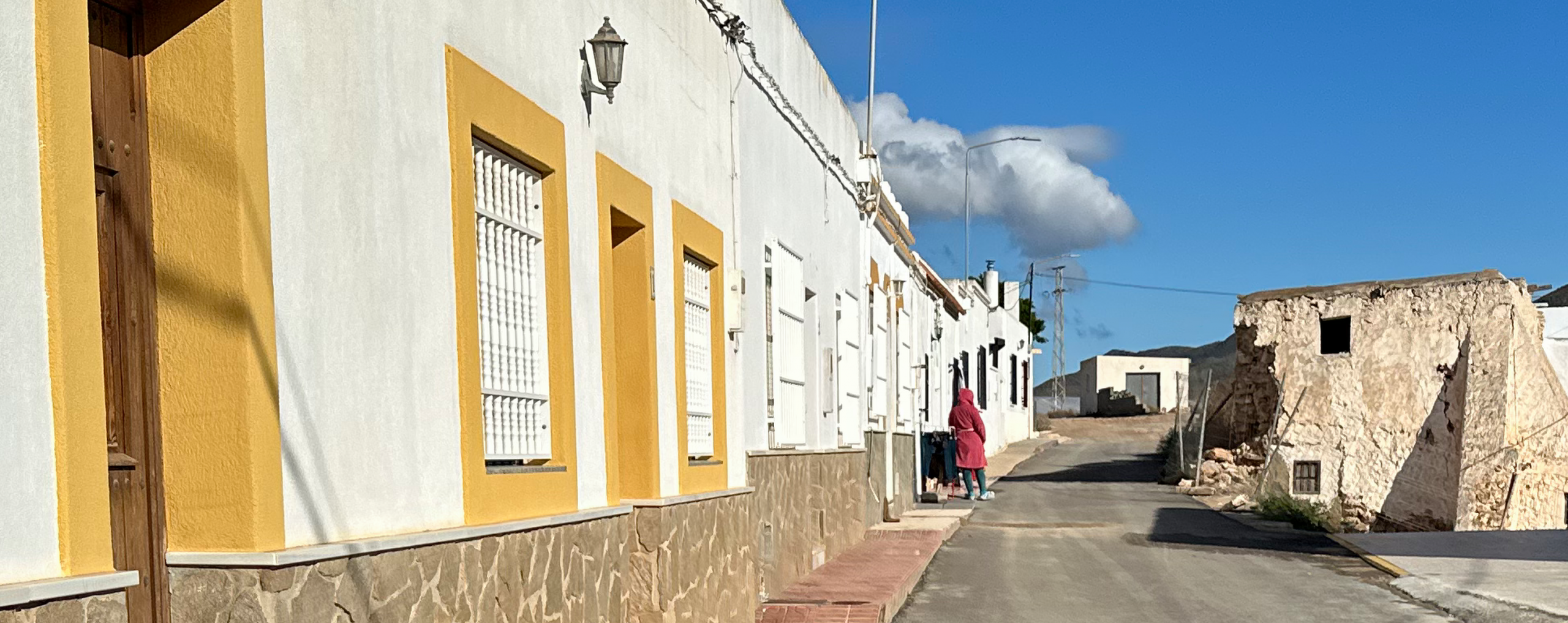
I took this snap on the “down low” because the Spanish lady who was drying her clothes SNARLED at me as I walked by.
Sadly, as far as I can tell, the residents of Los Albaricoques in Spain are NOT happy to have tourists in their town. It is a small town – and a poor one, by the looks of the infrastructure and tremendous trash all over the village. Oddly, there are new signs directing tourists to the key points where scenes in movies were shot. But I could see no benefits to the tourists, except for the many disruptions and “gawkers” this brought into their lives.
THEN (1925):
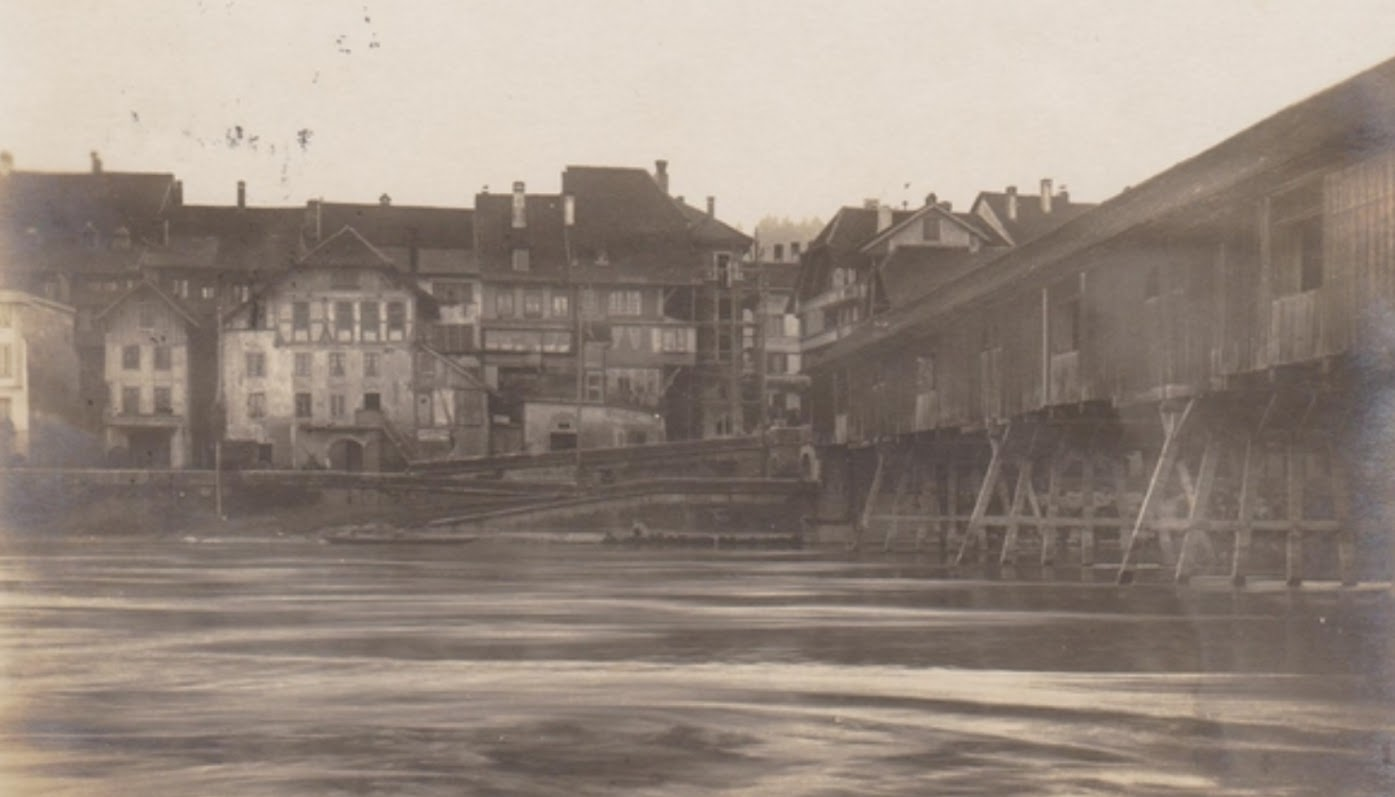
NOW:
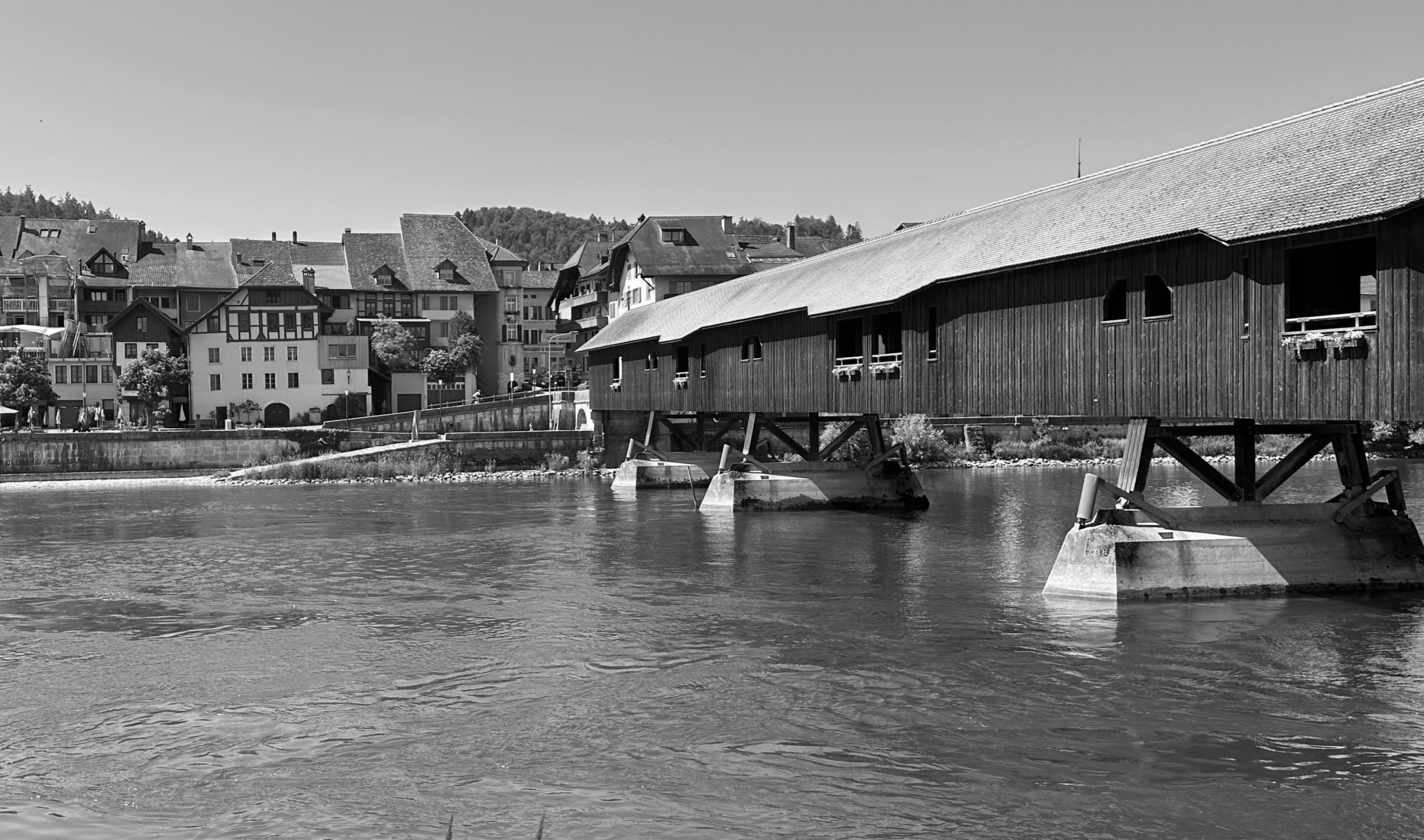
NOW (COLOR):
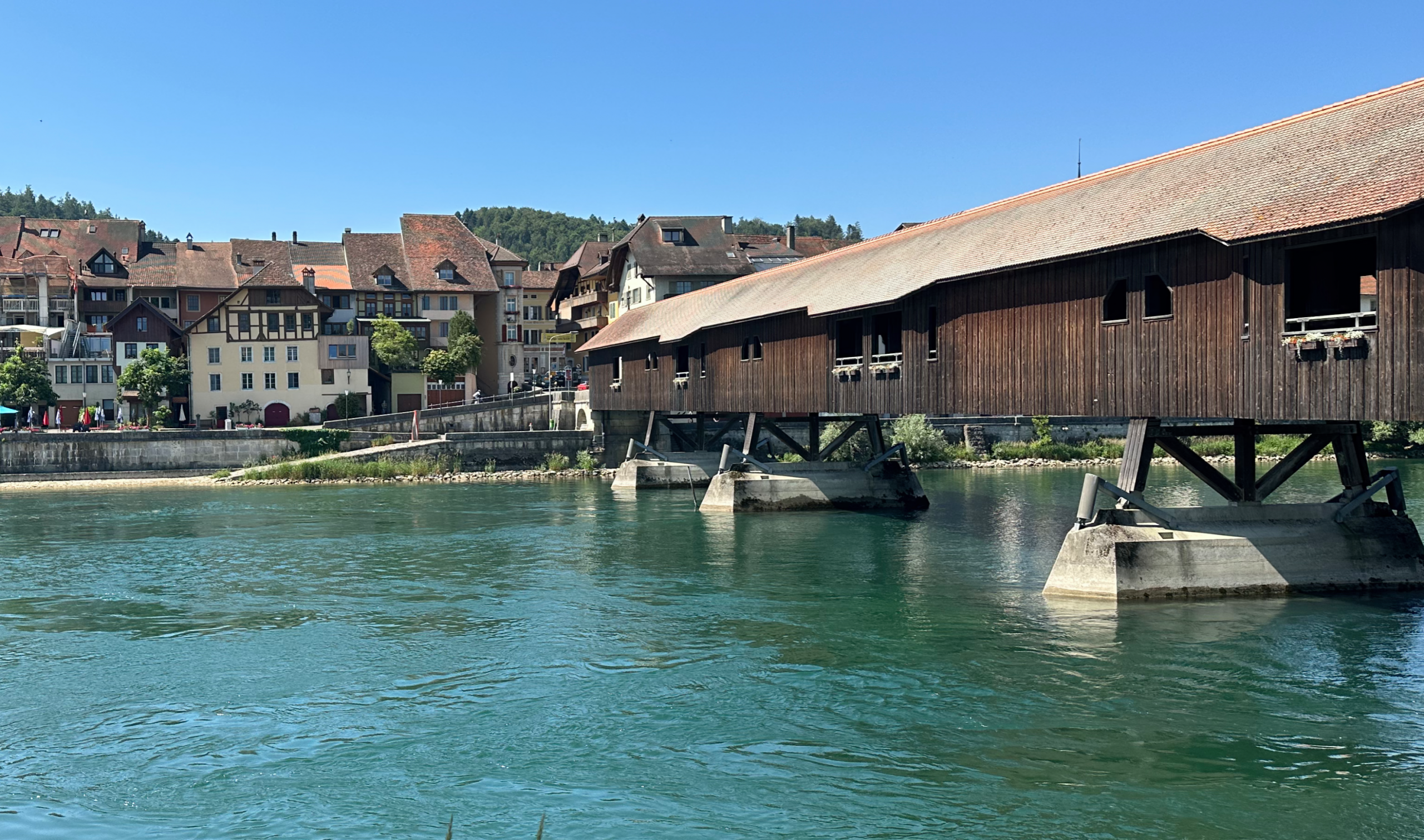
COMMENTS:
(1) There is documentation of a wooden bridge here since 1251!
(2) The current incarnation of the bridge was 1991. Apparently the previous bridge was destroyed by arson in 1989.
THEN (1814):
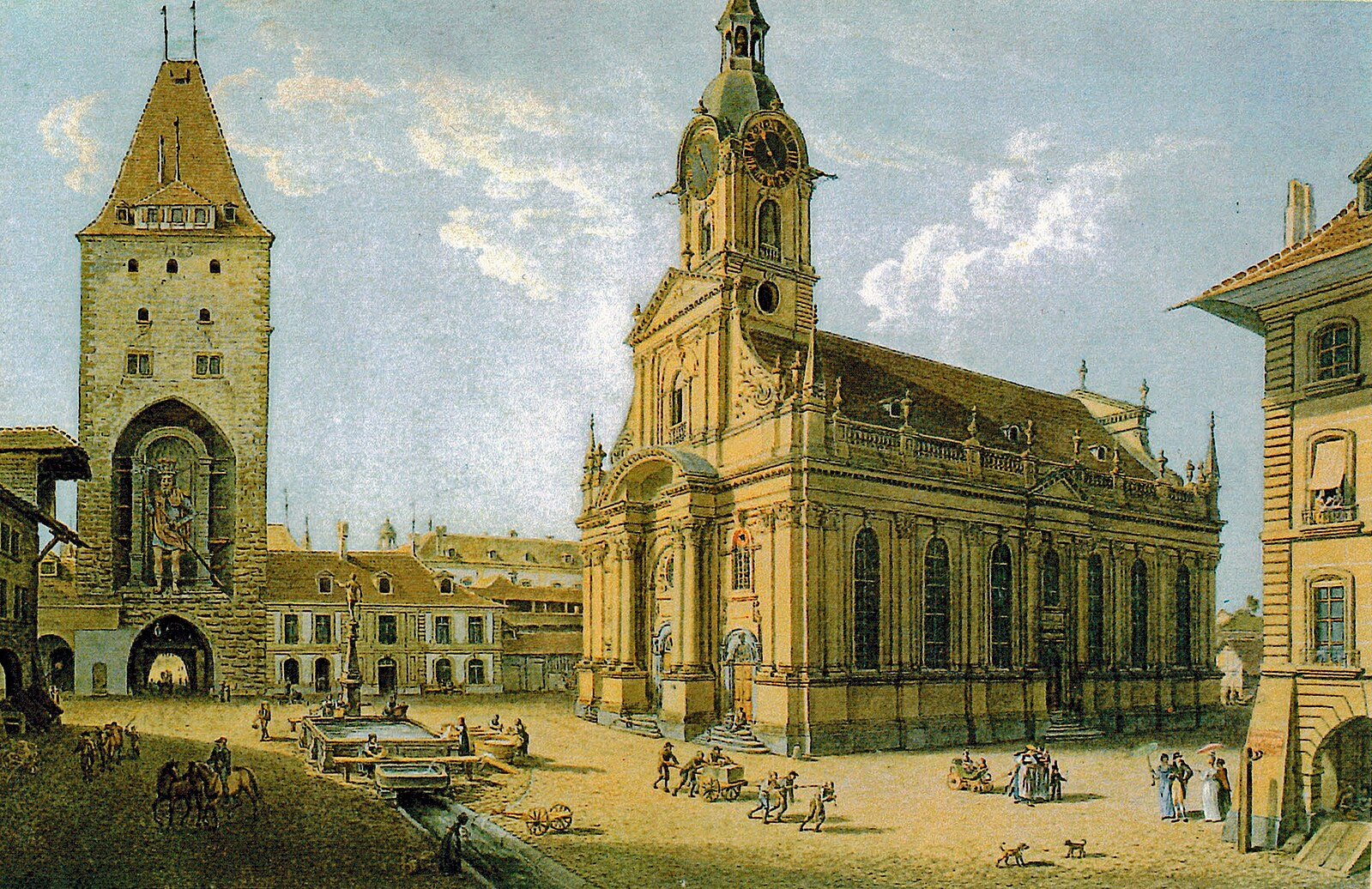
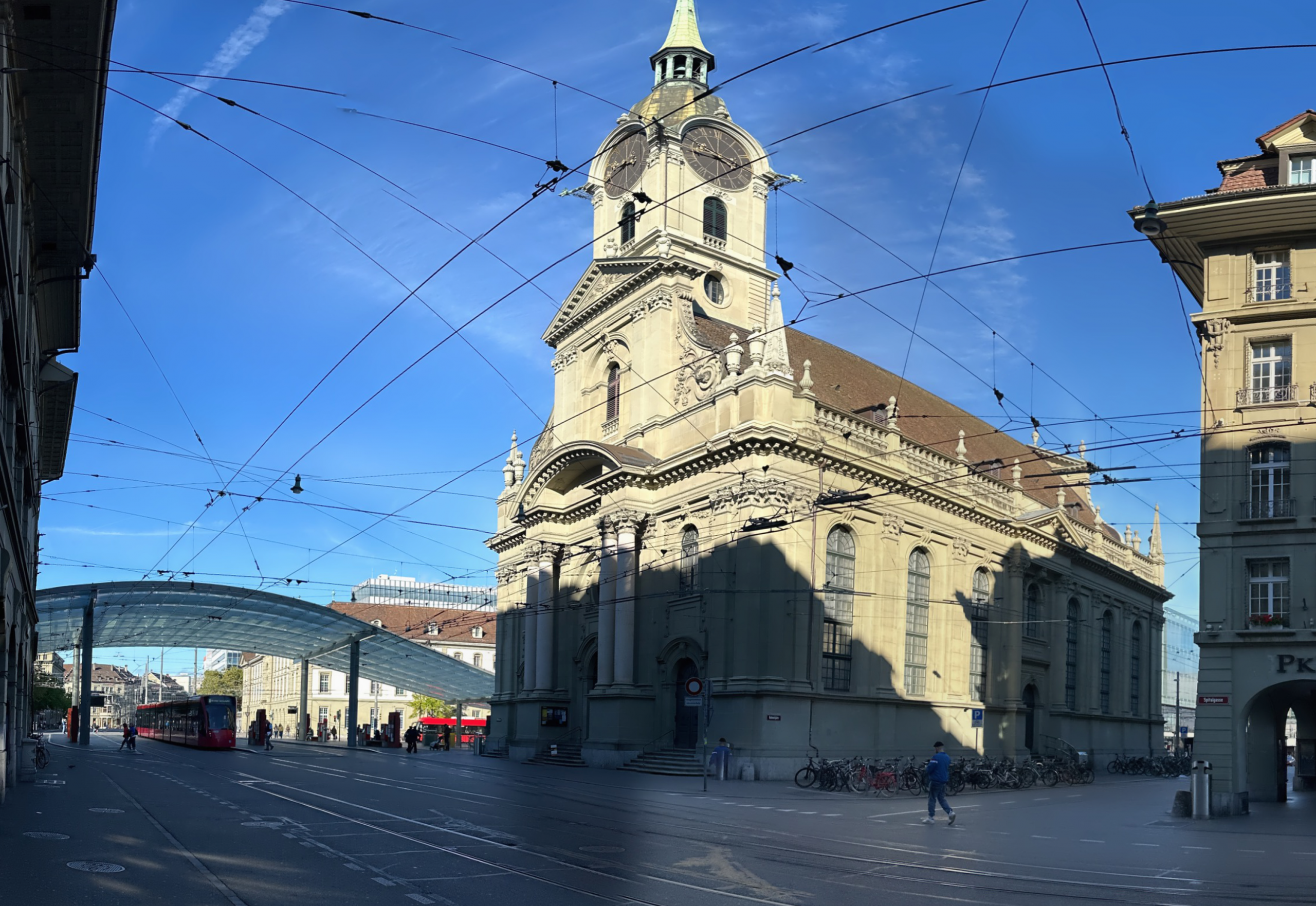
NOW:
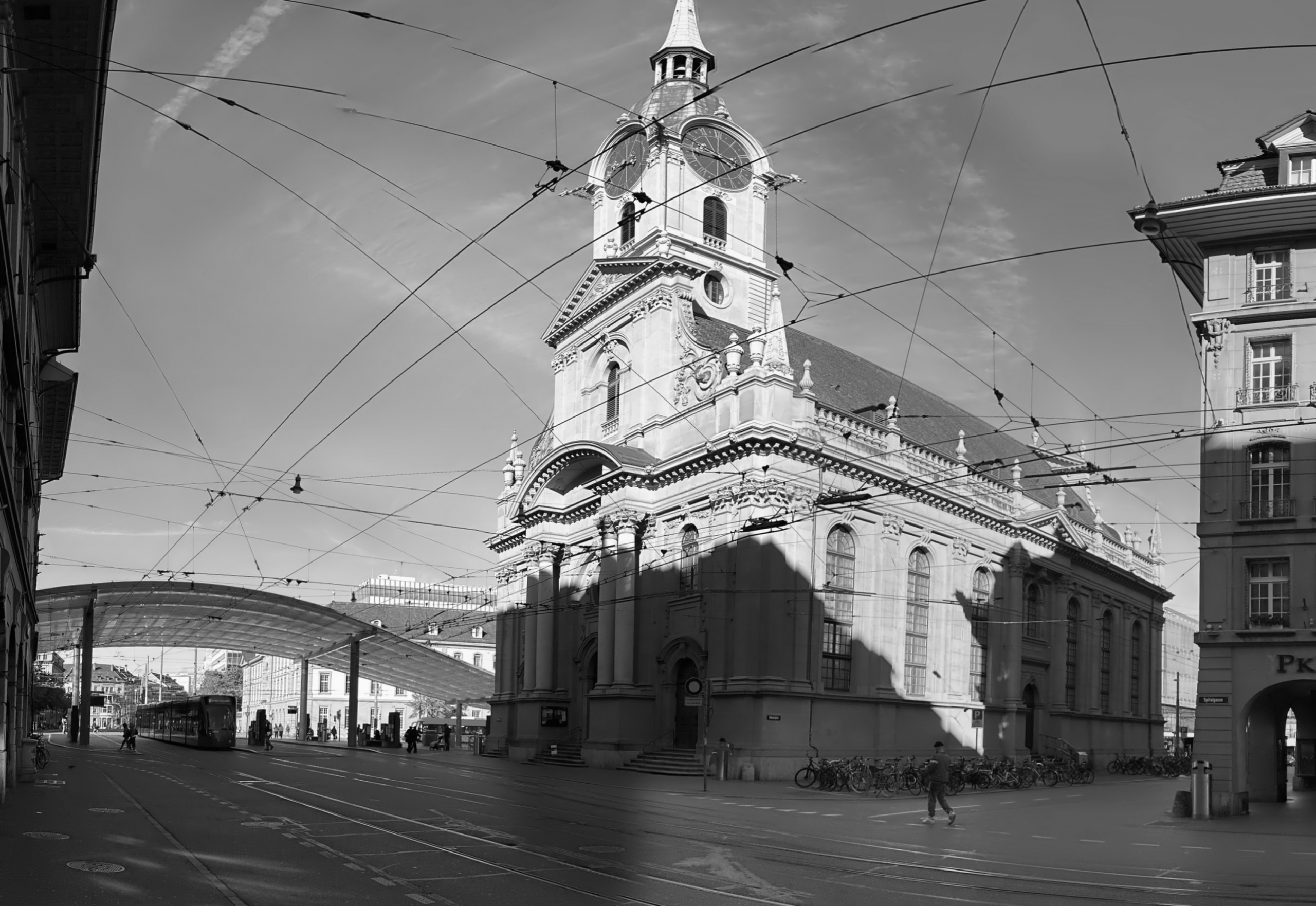
NOW (COLOR):
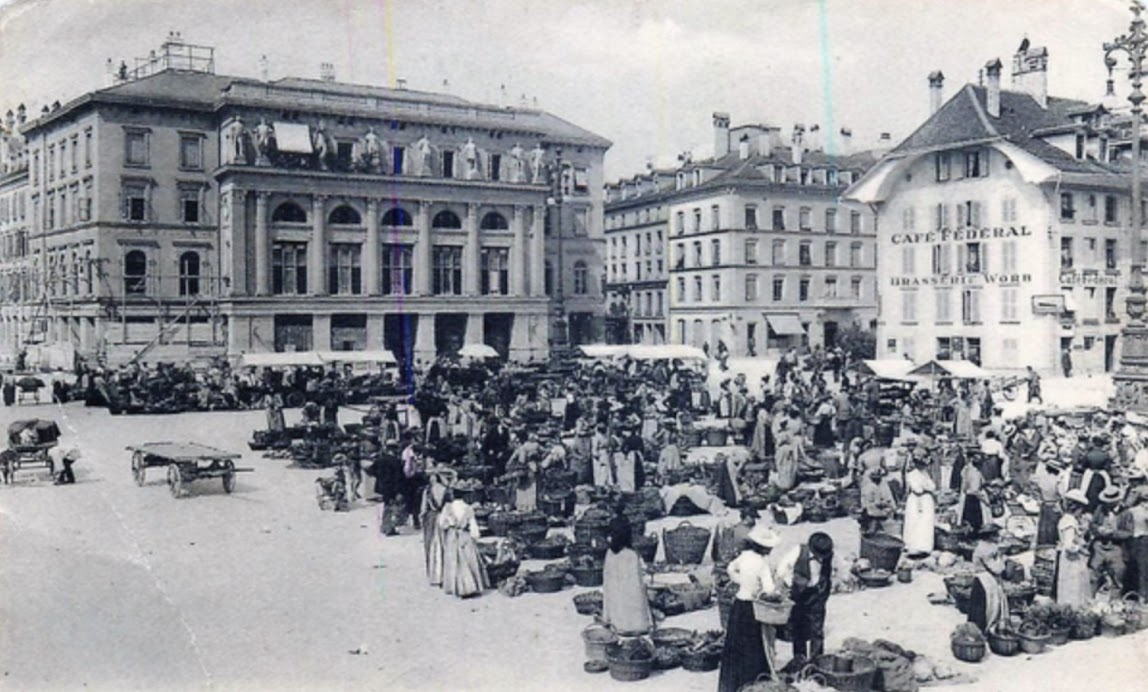
THEN:
NOW:
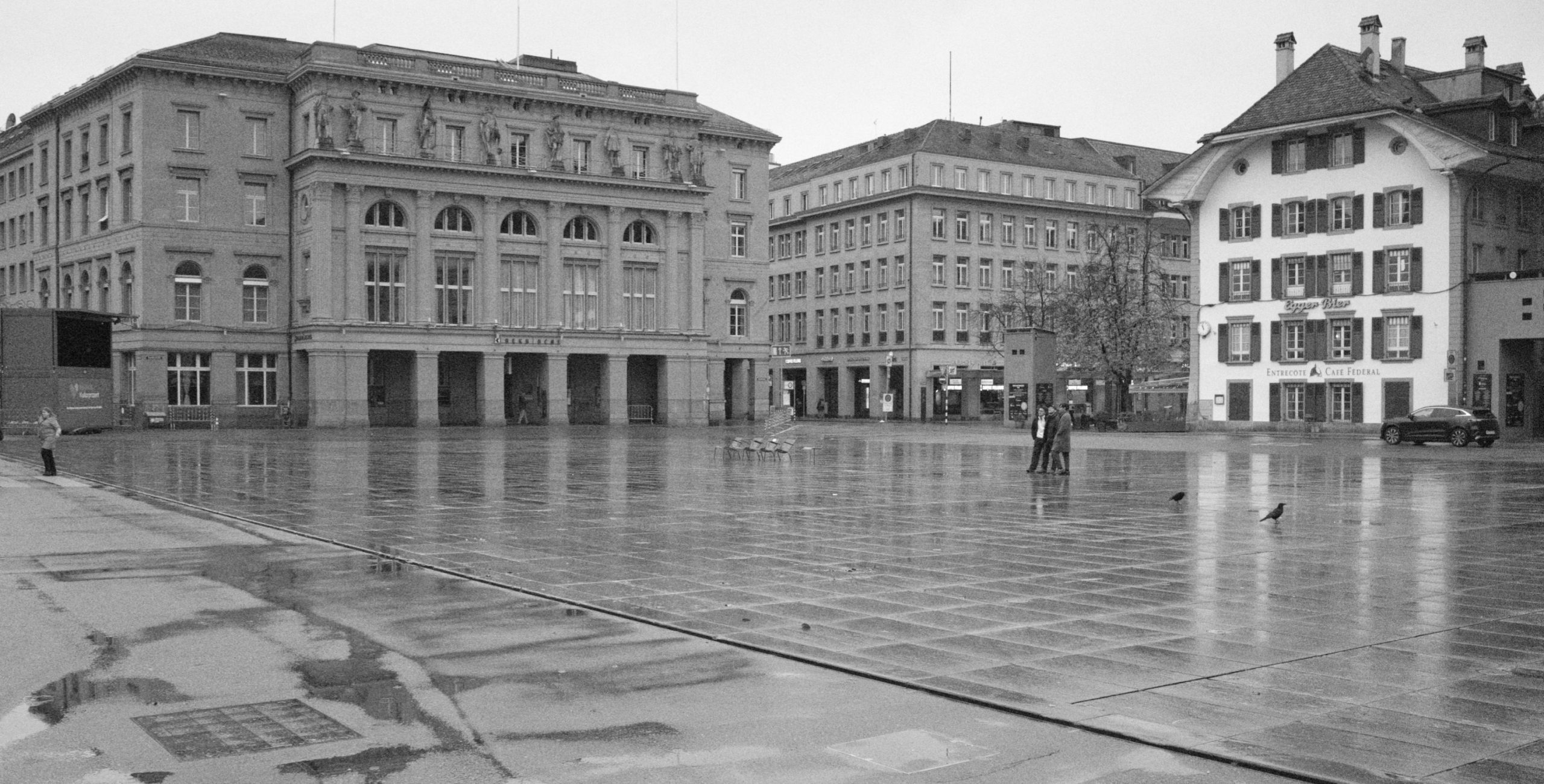
NOW (COLOR):
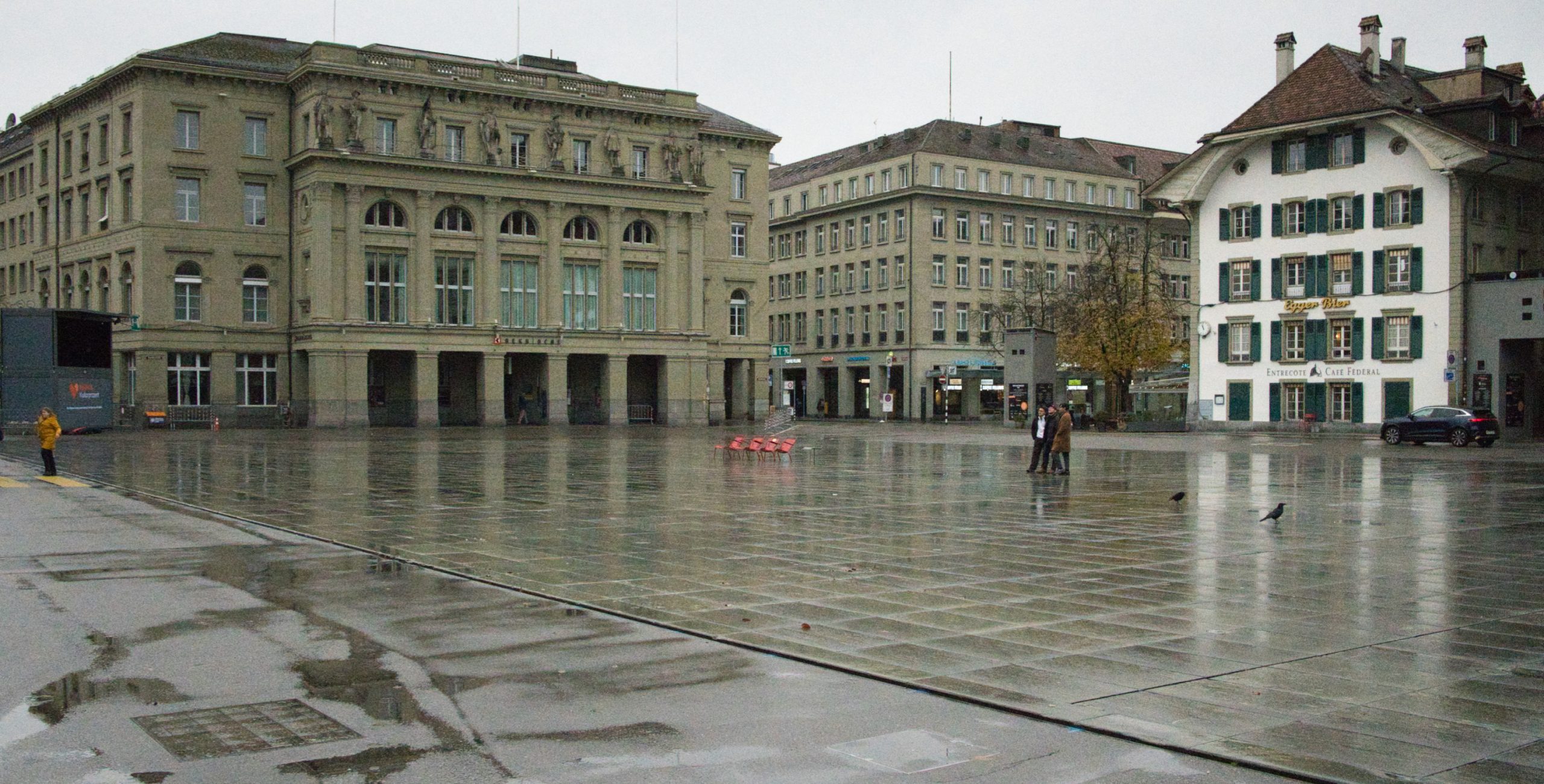
COMMENTS:
(1) Very few changes!
(2) I took this snap on a Sunday, but Tuesdays and Saturdays there are markets here!
(3) The signage is much smaller today, but the Café Federal is still present on the right!
(4) Those tricky Bernese! In the modern snap you see buildings that you THINK are old – such as the ones in the middle – but in fact, Bern had a huge renovation program all during the early 20th century, in which the truly historical facades were destroyed and replaced by modern facades that only look old.
THEN:
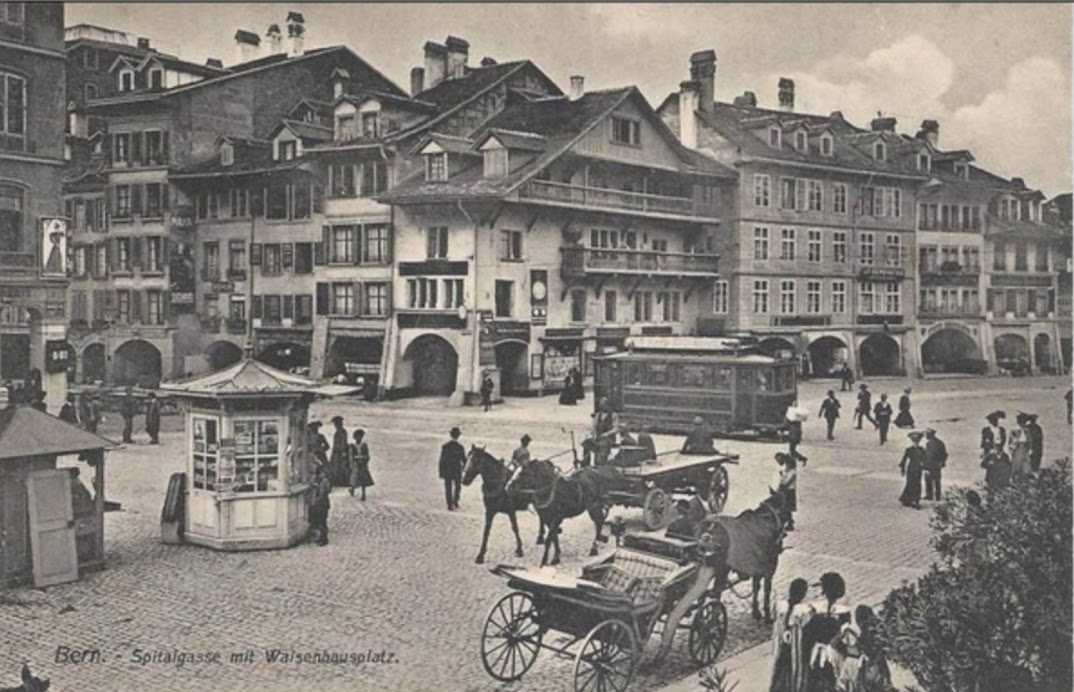
NOW:
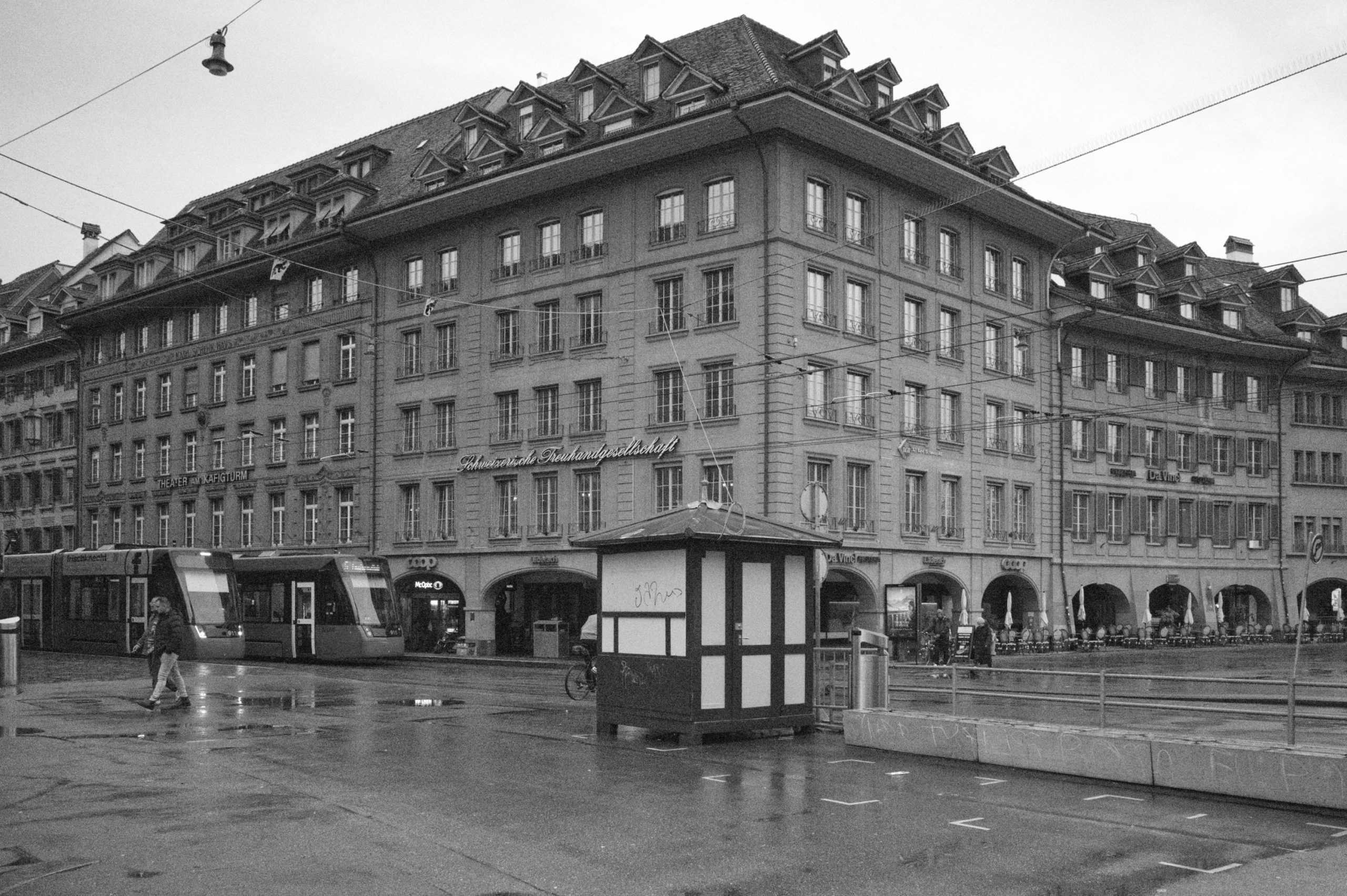
NOW (COLOR):
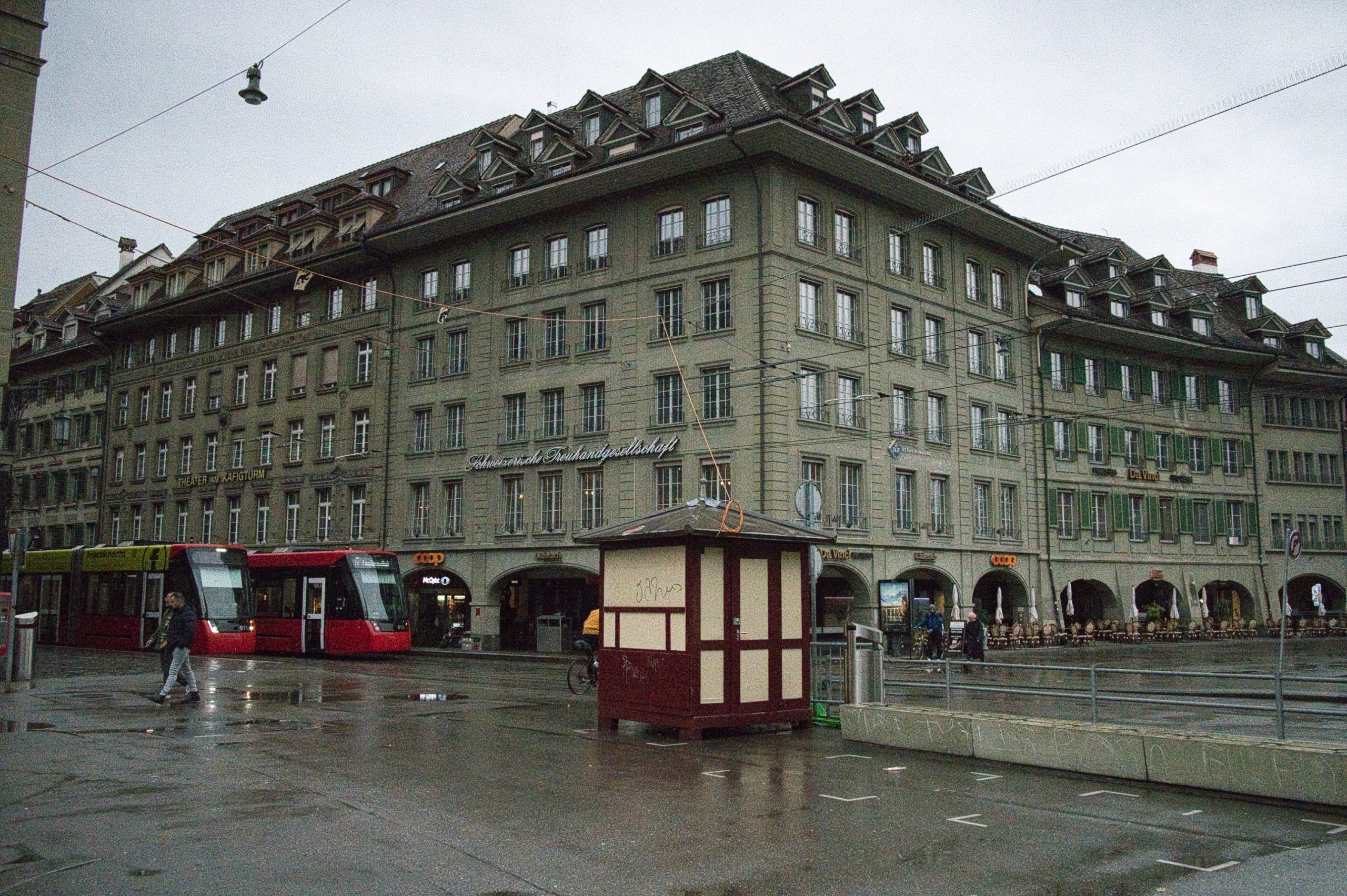
COMMENTS:
(1) This changed a LOT! People think Bern is old – but in fact there were huge projects in the early 1900s that harmonized the facades and rooflines.
(2) Interestingly, that little booth with the pointy top – people look at it today and hardly give it a thought, and yet in the original snap you can see an early version of it. So booth may it be – but a historical one!
THEN:
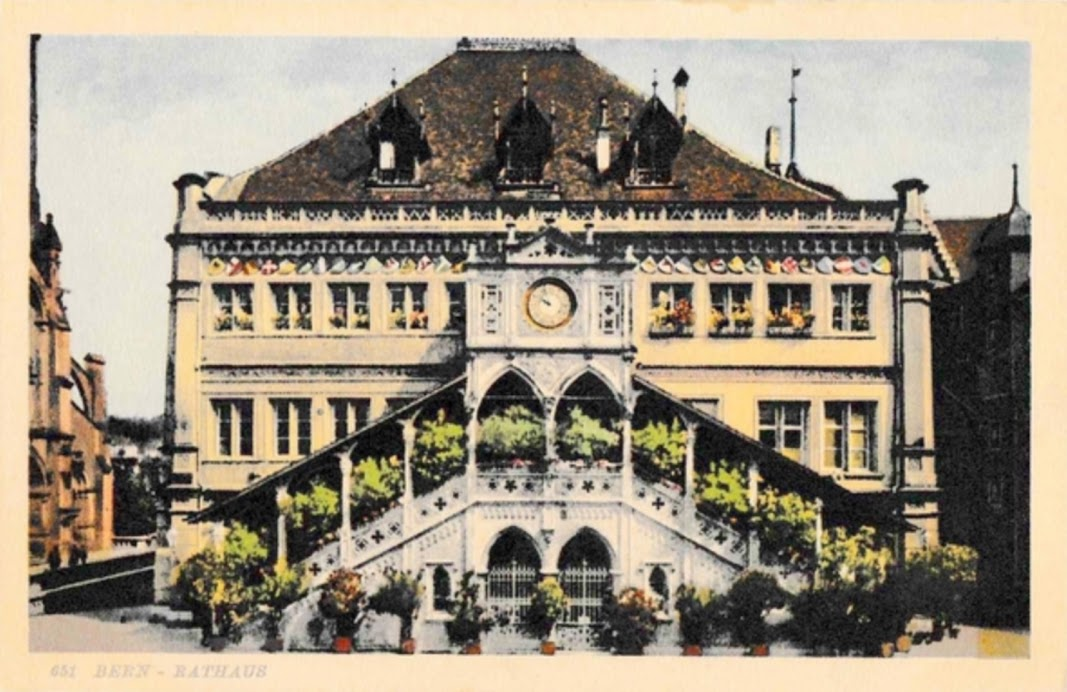
NOW:
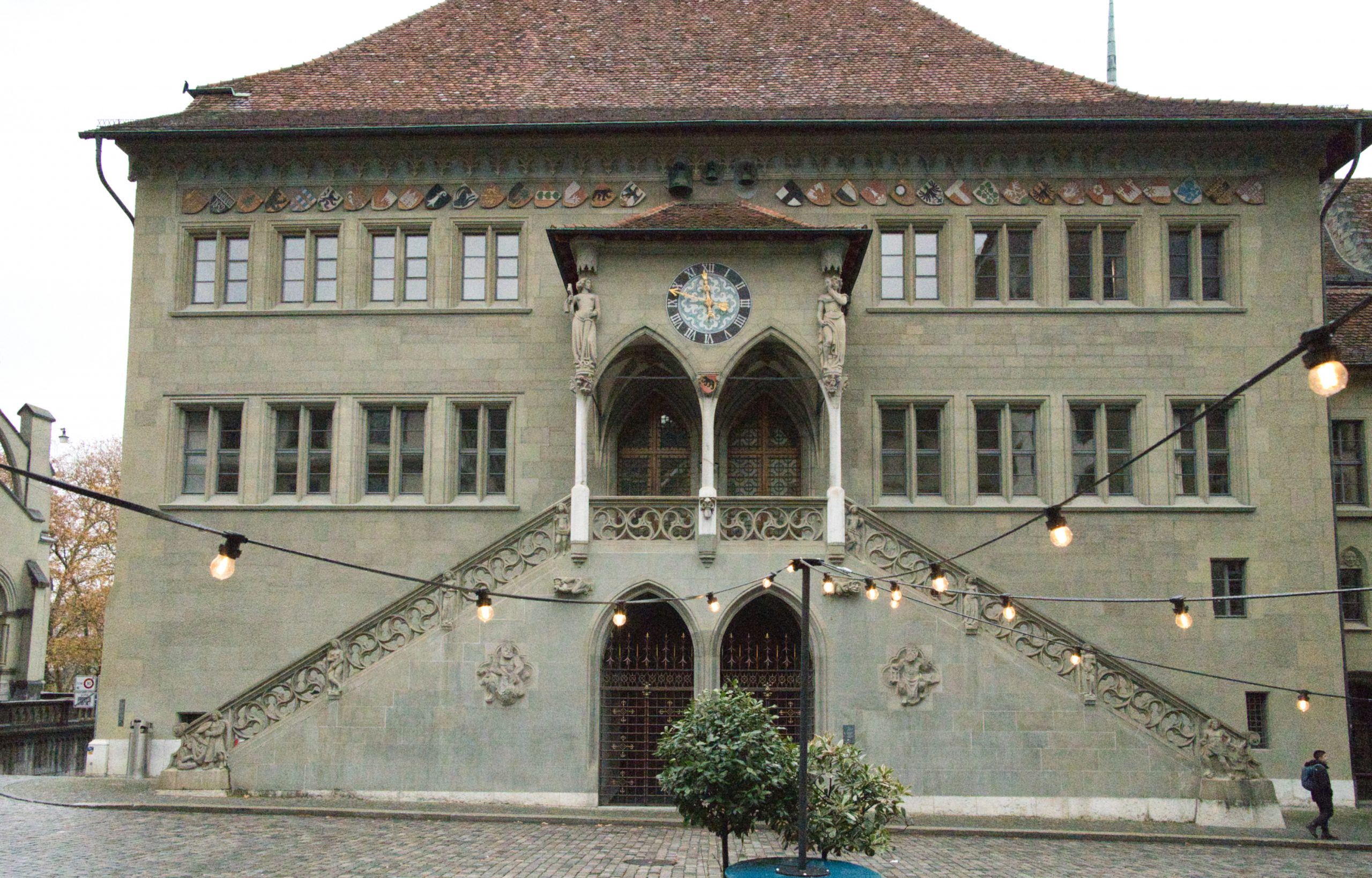
COMMENTS:
(1) This really got ugly! I have not yet done any research, but I have heard that after Bern was declared a UNESCO city, considerable money was invested to harmonize the architecture – apparently there were tremendous projects between 1900 and 1950, so much so that what you see today “looks medieval” but is not really medieval. Really a shame – because the building in the older photograph looks much nicer than the modern version!
THEN:
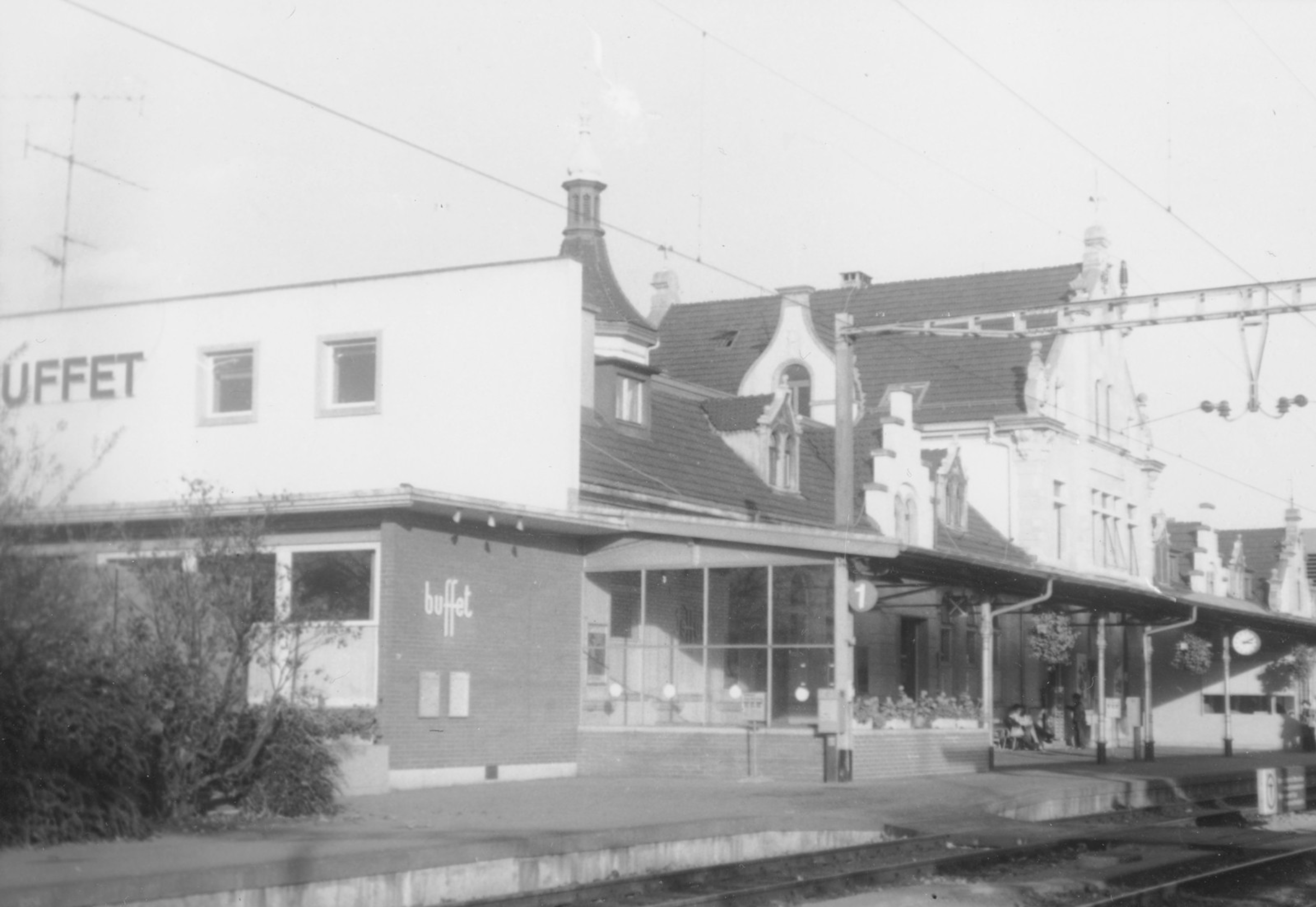
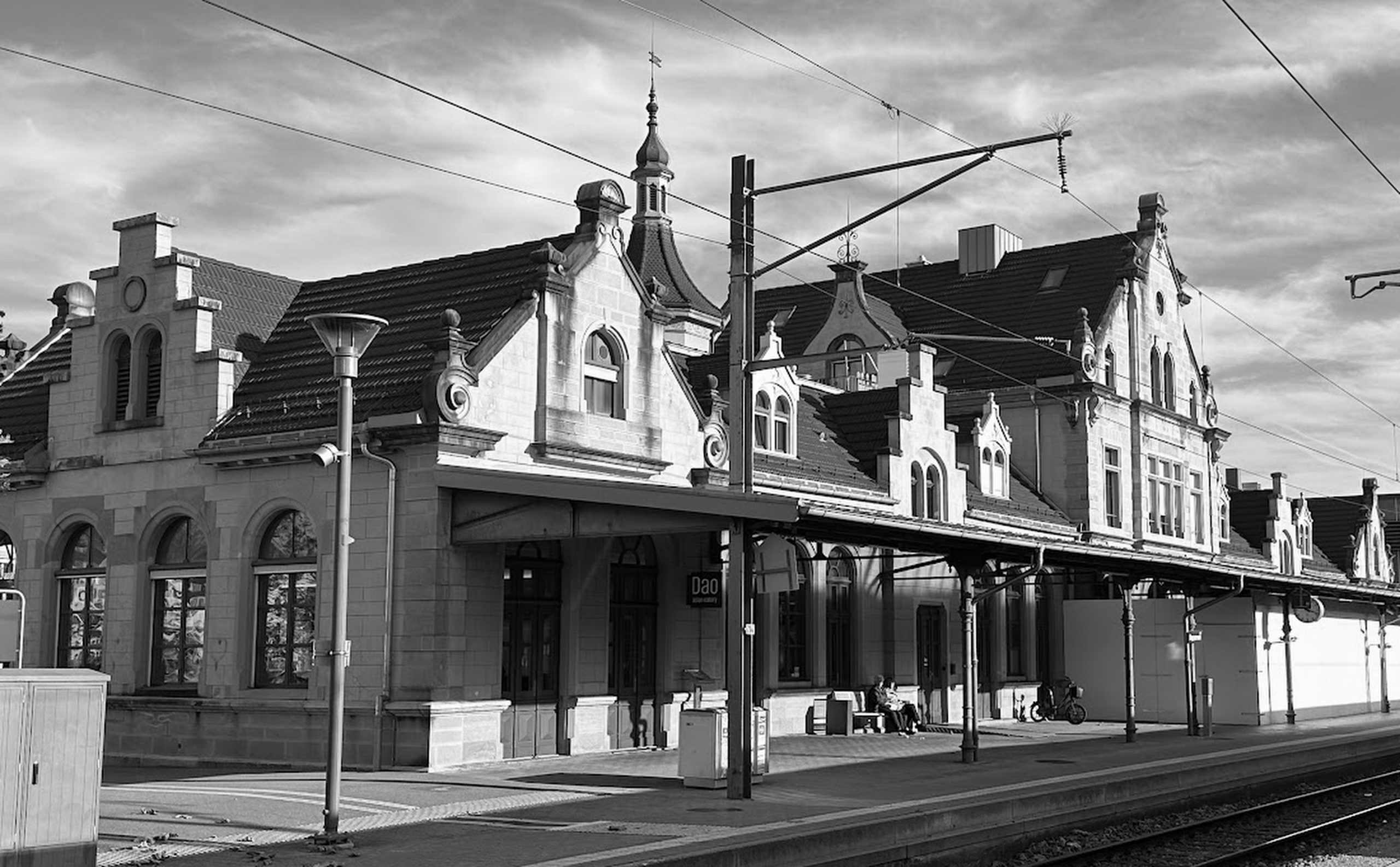
NOW:
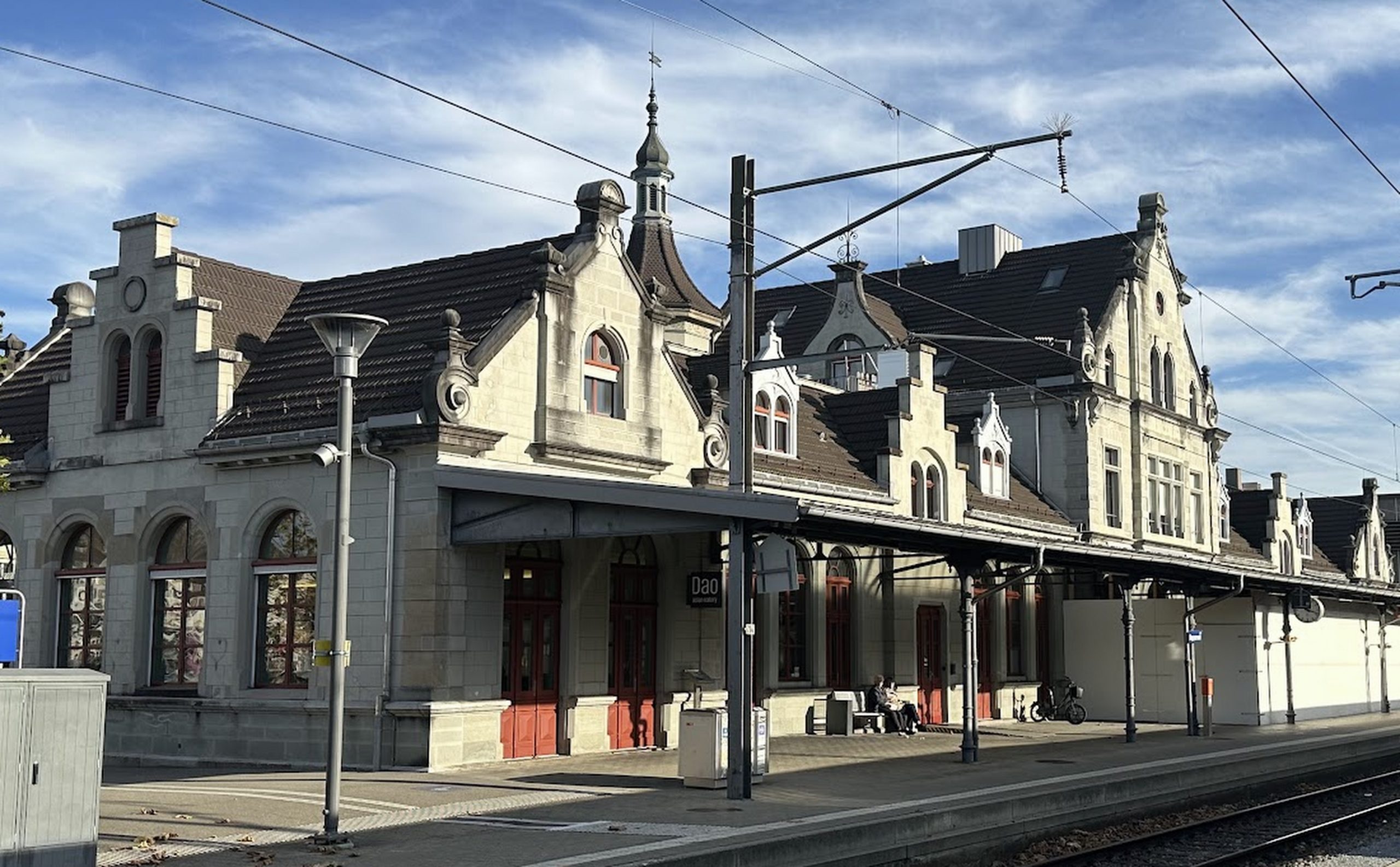
NOW (COLOR):
COMMENTS:
(1) Those Swiss are tricky people! If you look at the Bahnhof building today, it LOOKS old. But looks can be deceiving. If you have a look at the original picture you’ll see the the right side of the train station once looked quite awful – but TODAY it looks like a magnificent old building from the Middle Ages! So, when you see something in Switzerland that LOOKS old – such as the entire city of Bern itself – in fact what you are looking at is probably NOT old!
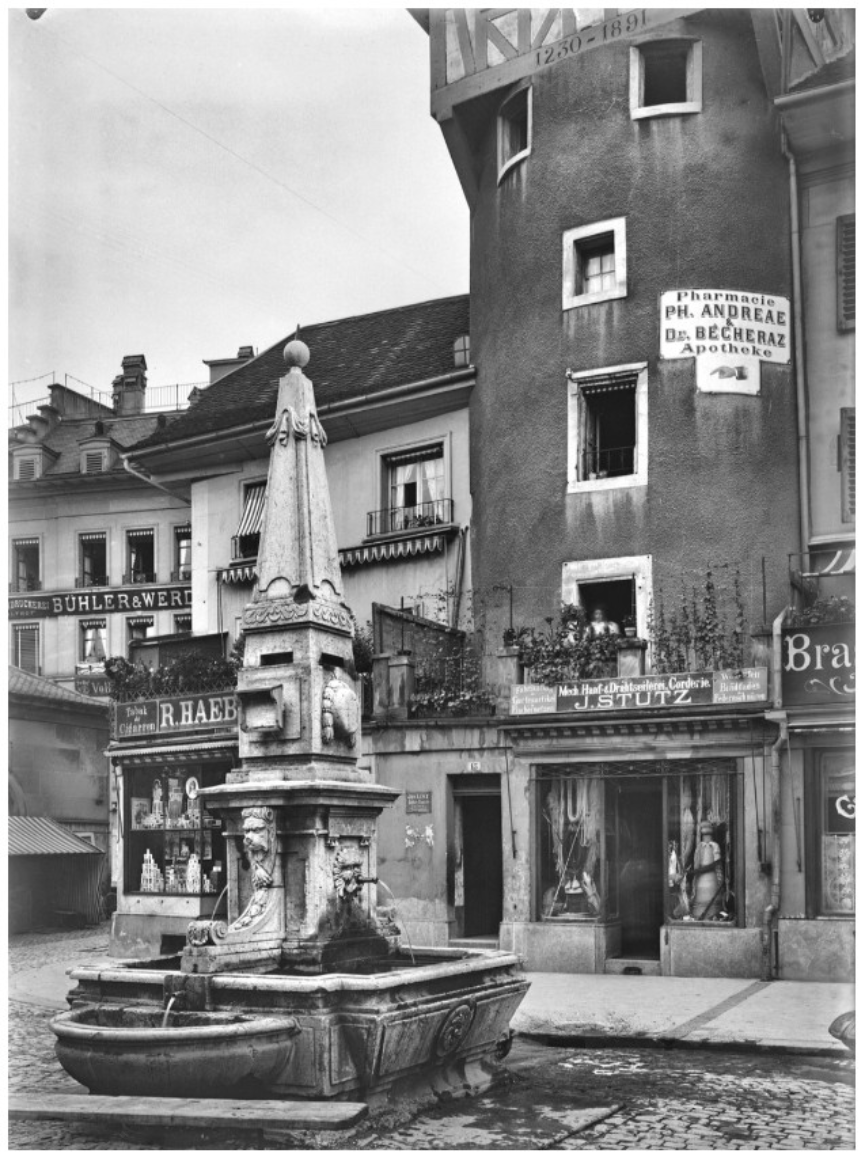
THEN:
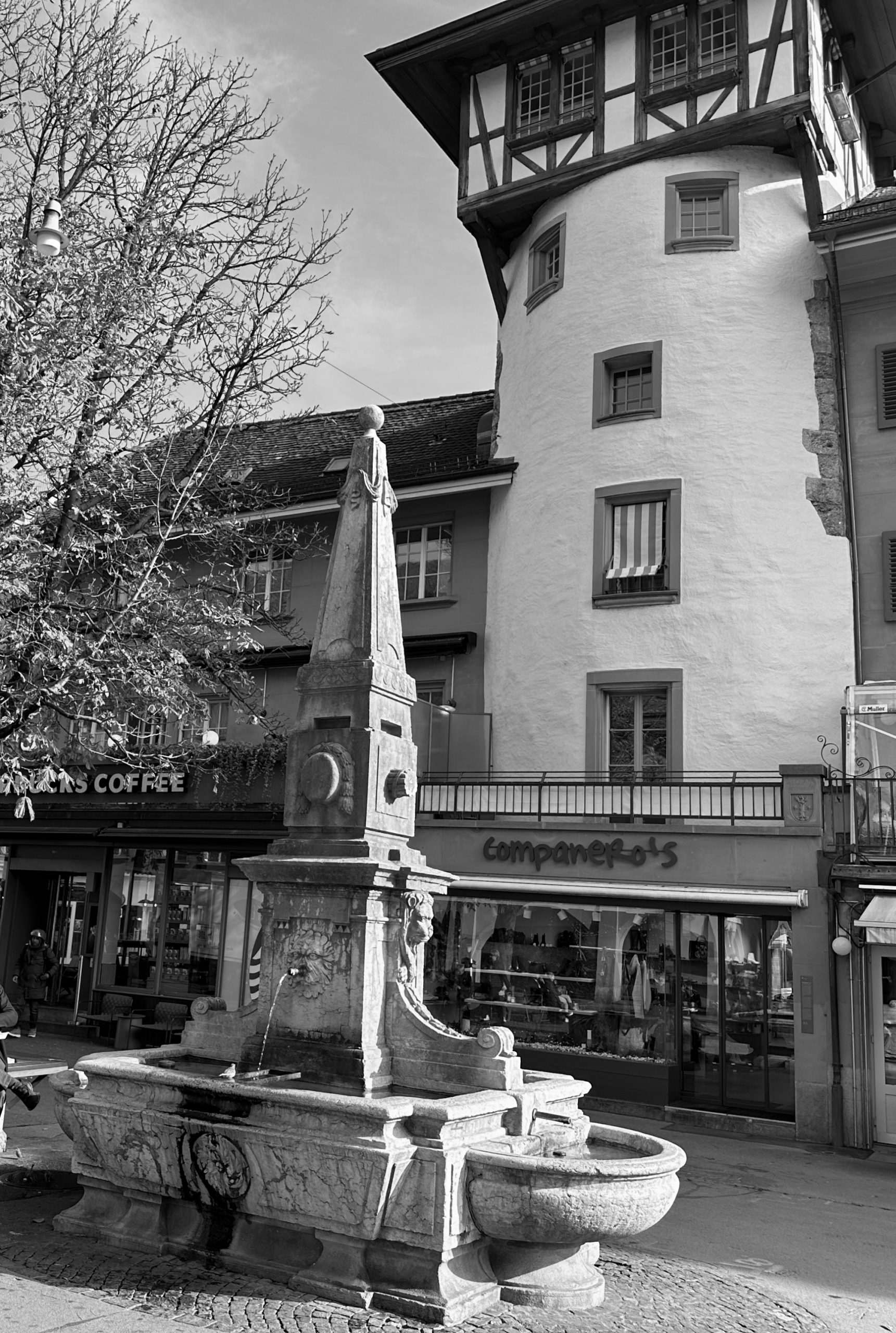
NOW:
NOW (COLOR):
COMMENTS:
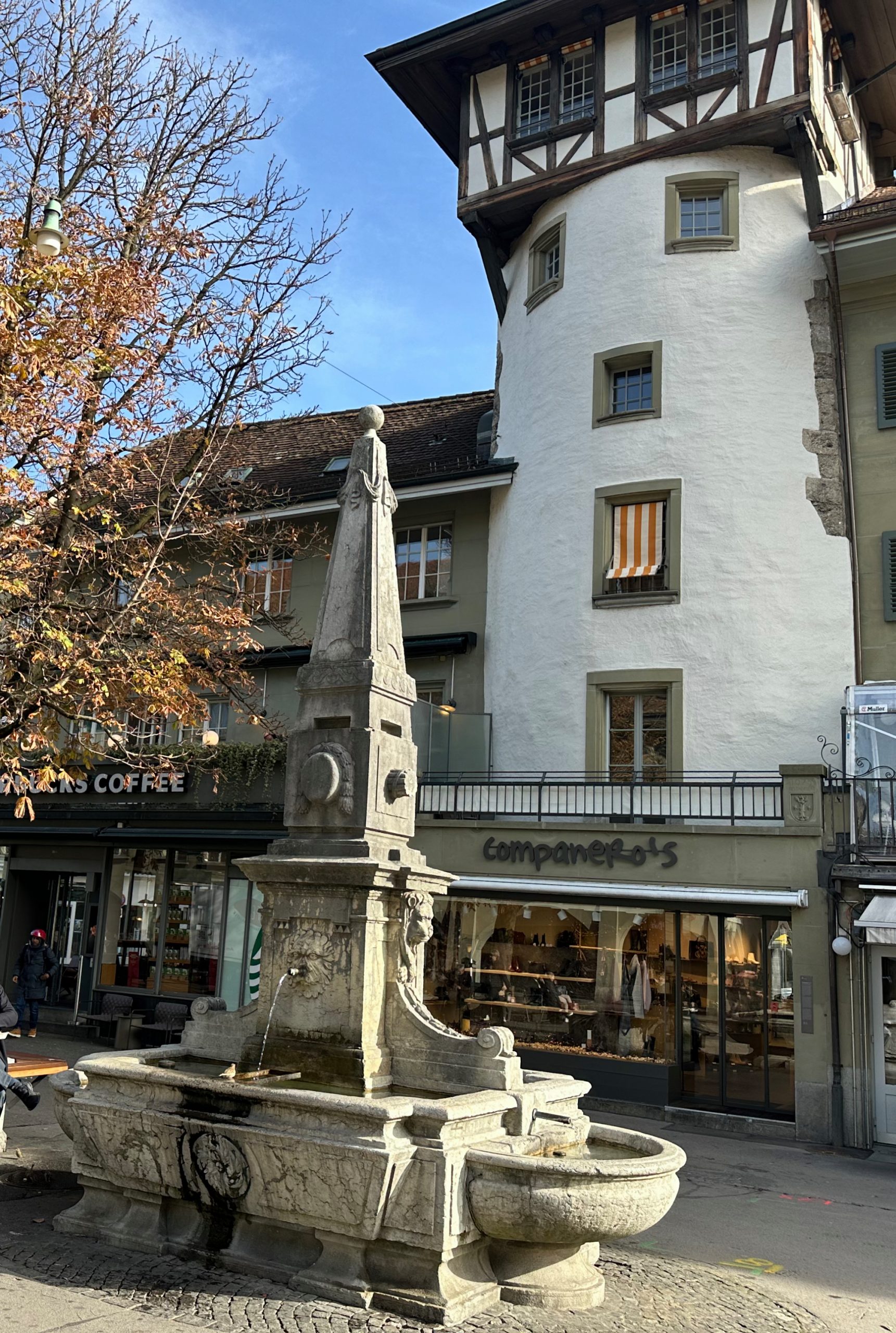
(1) It’s been turned! I don’t know when that picture was taken, but you can see the fountain is in exactly the same place, but turned 90%
(2) According to what I could find, the fountain was installed in 1841. That lower bit on the right is actually a horse trough so that the horses could drink. If you think about it, the original position makes more sense, since the horses are likely to have easier access to the trough then they do today. But of course, today there are hardly any horses!
(3) It really, really causes me intense mental anguish to think about the plumbing. I would really, really like to understand how the water feed from below the street is attached to the fountain.
THEN:
NOW:
NOW (COLOR):
THEN (assuming 1920)
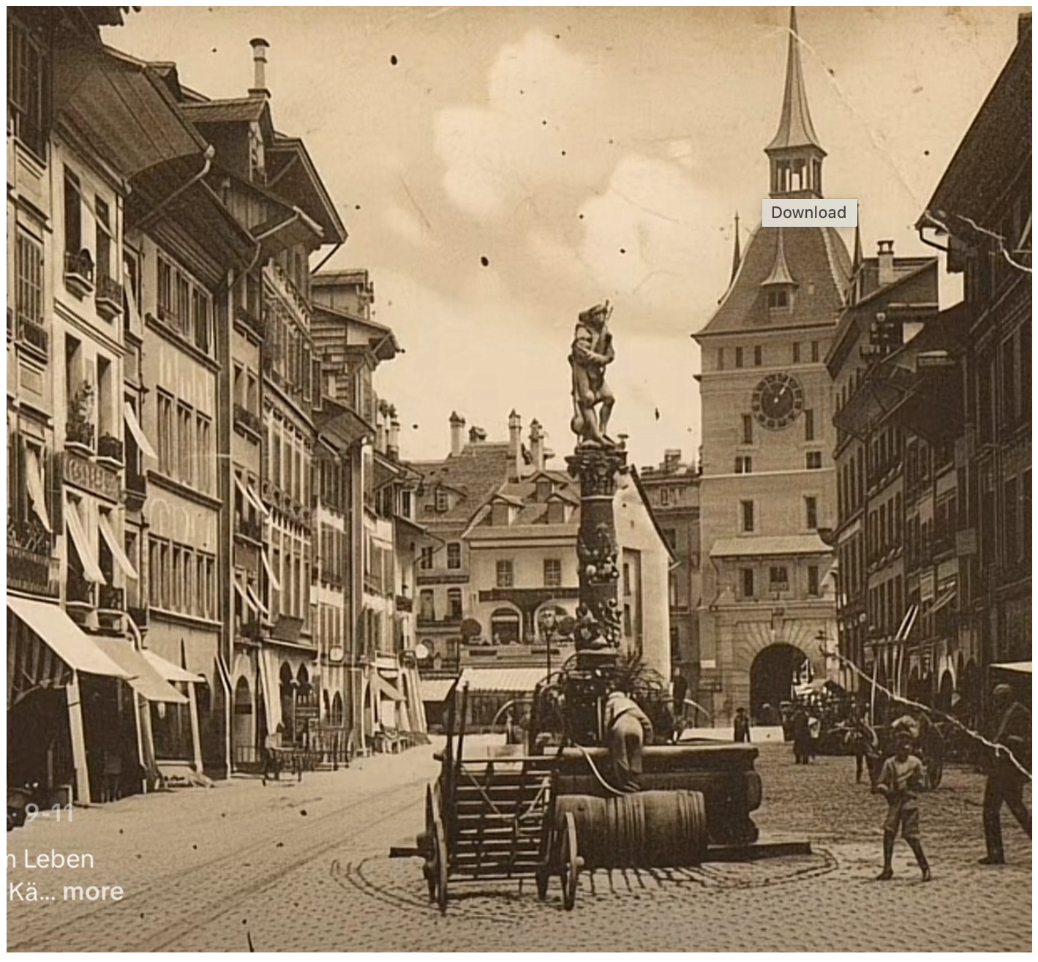
NOW
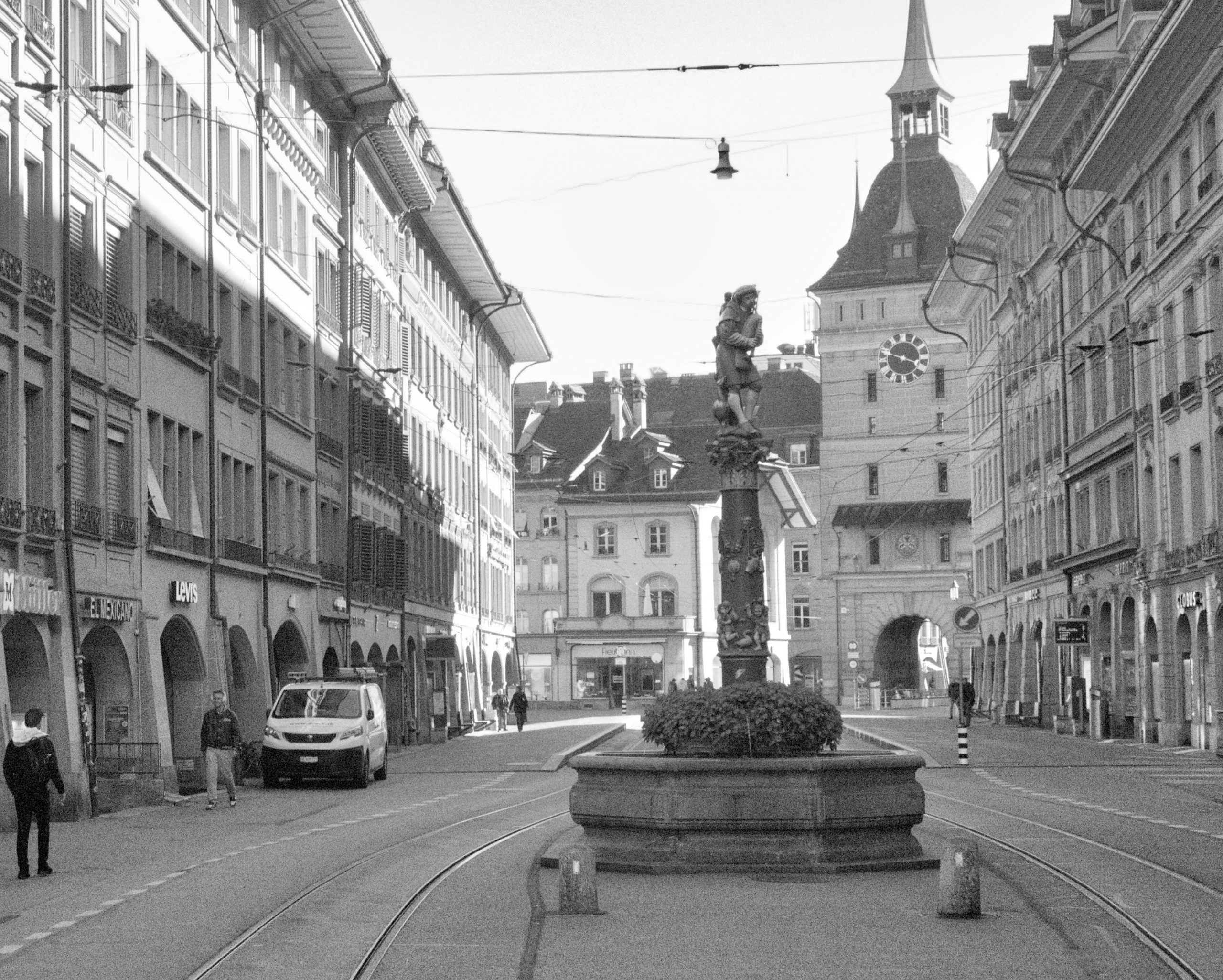
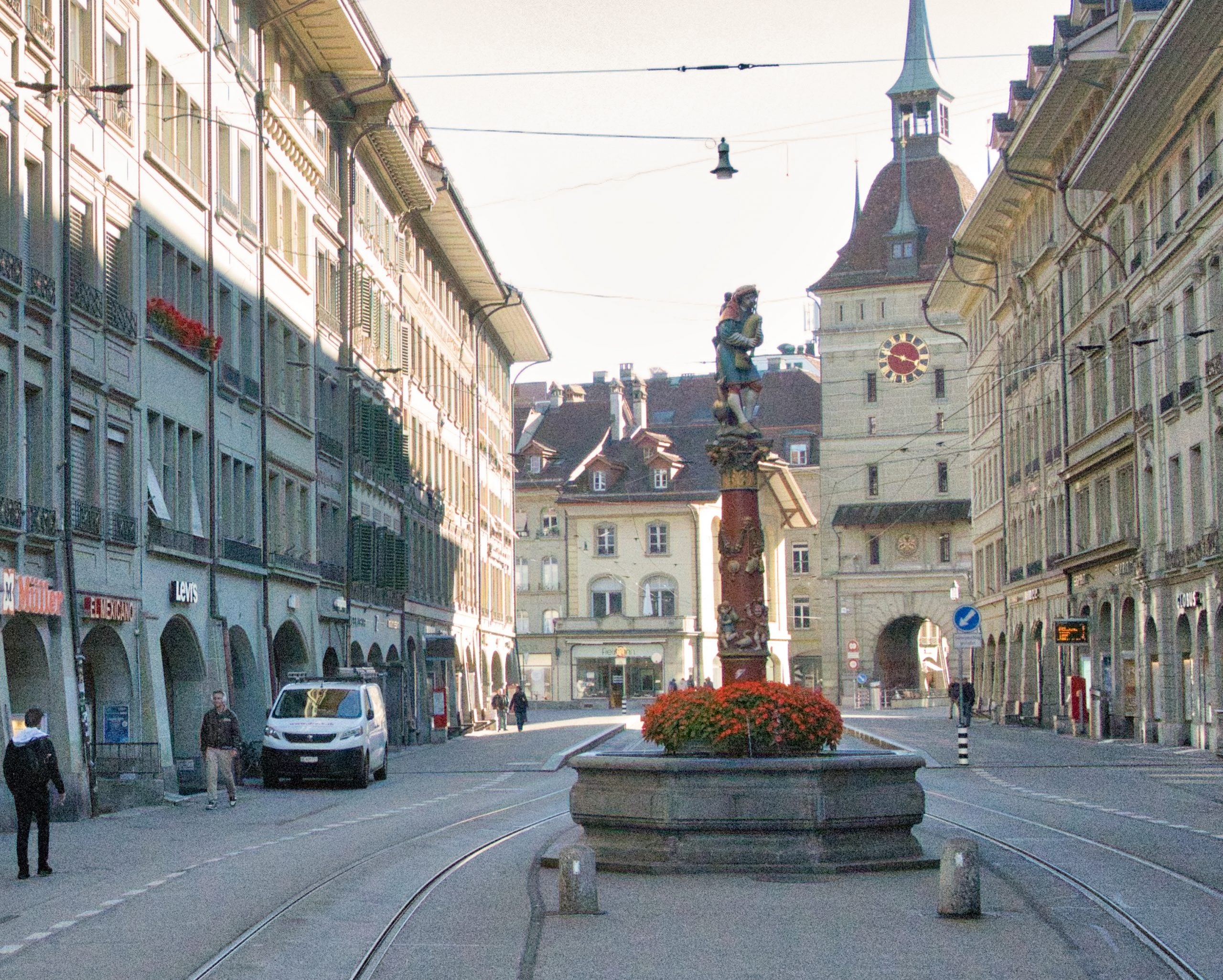
NOW, in color
COMMENTS
(1) I don’t know the date – but I assume 1920, since I read that this fountain (dating from the 1500s) was moved to this location in 1919.
(2) Wow – huge changes. As everyone knows the buildings of Bern are made of sandstone, but these snaps show some huge architectural remodelling!
THEN (probably earlier than 1800s)
NOW
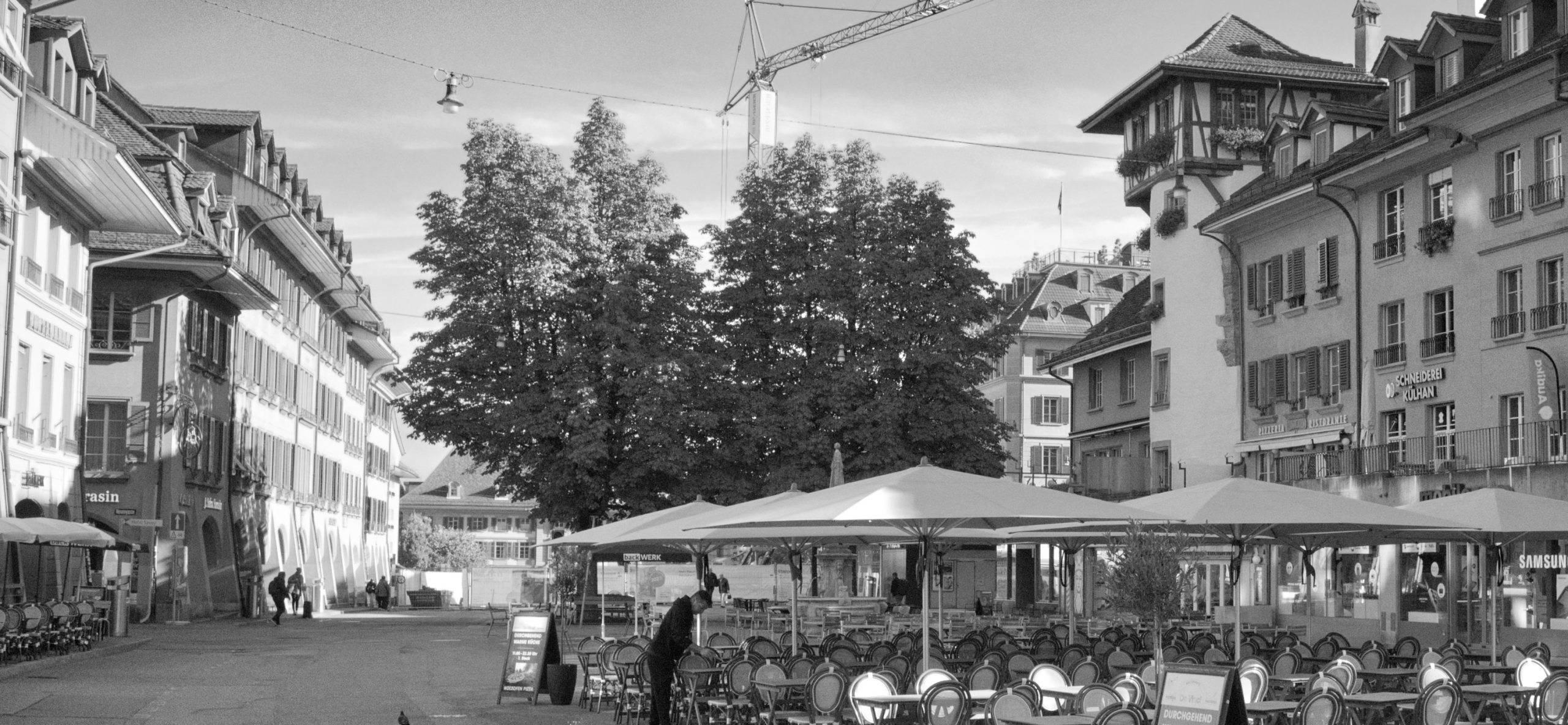
NOW, in color
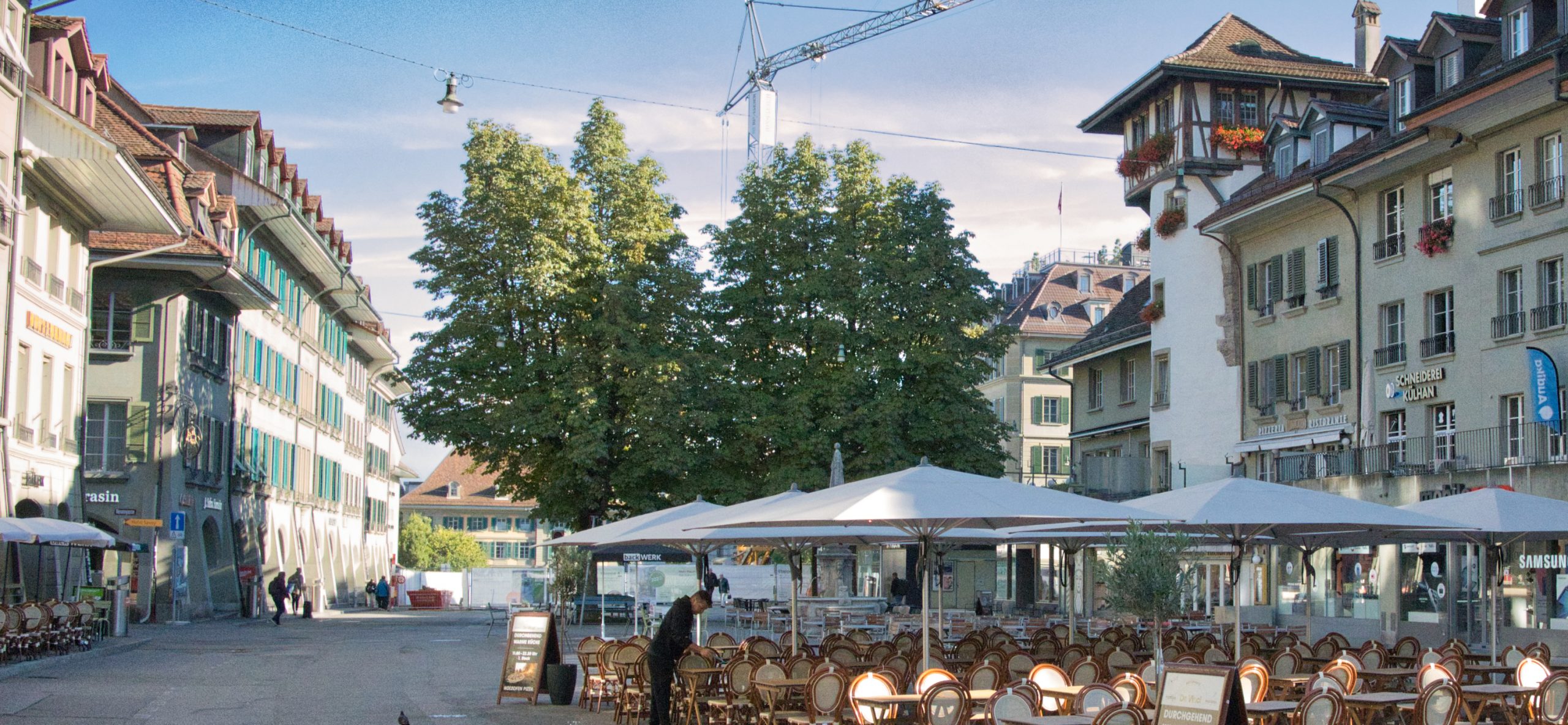
COMMENTS
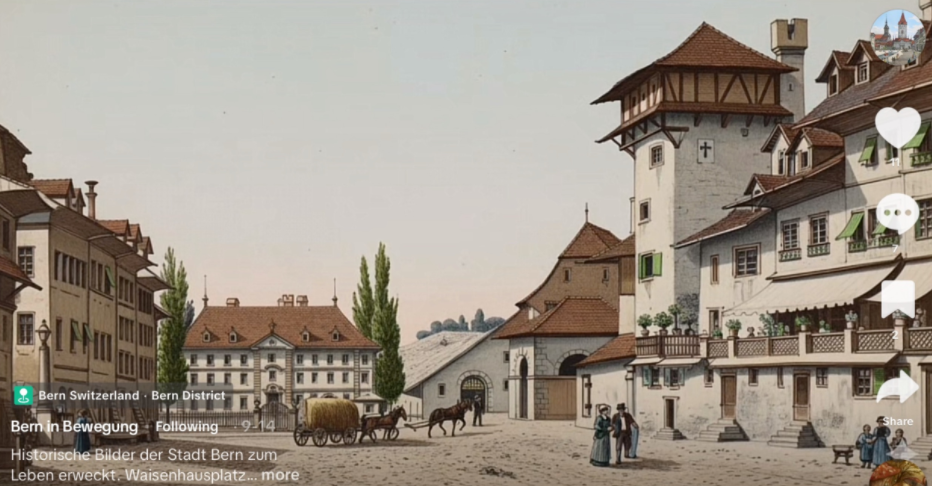
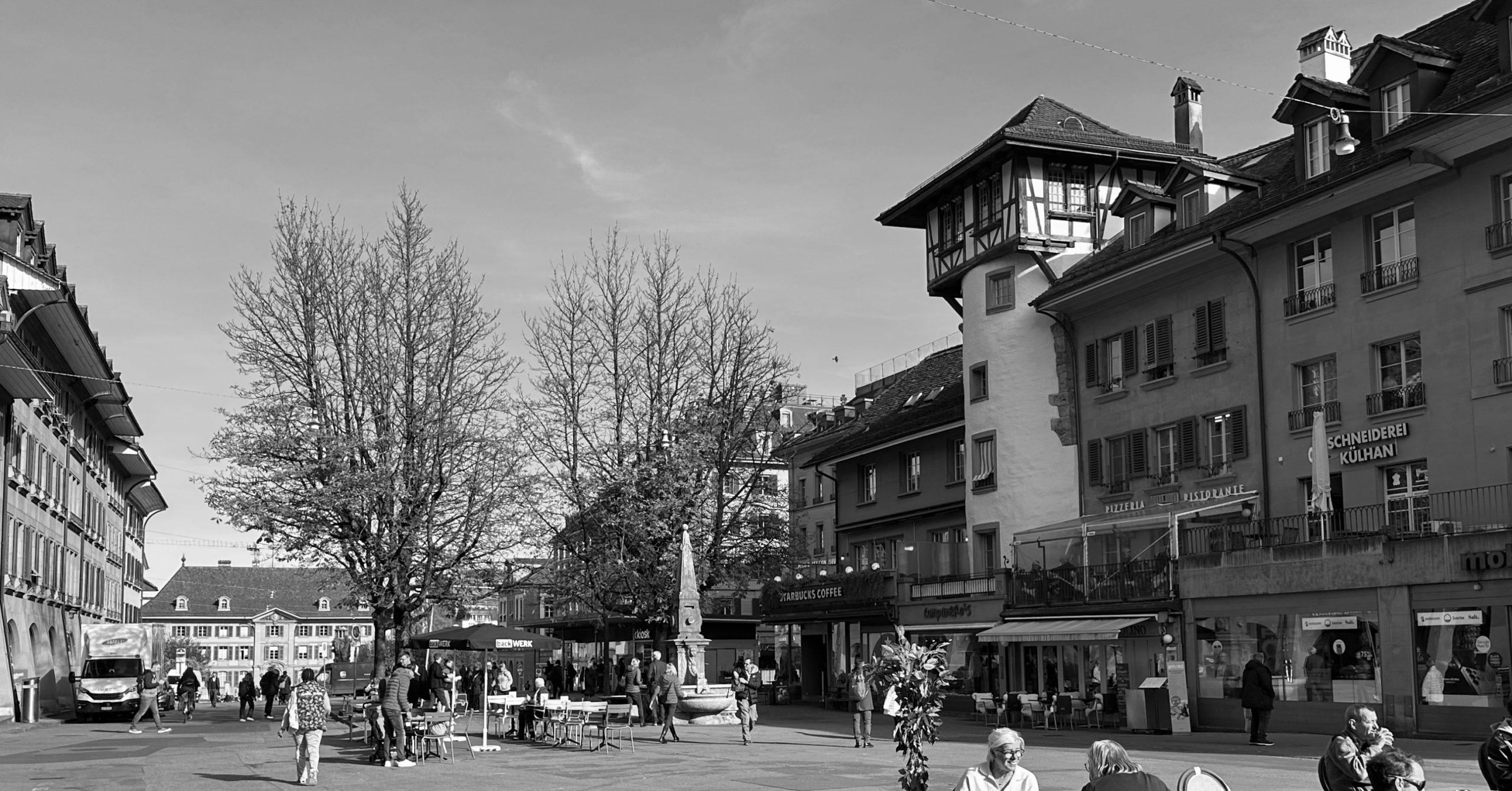
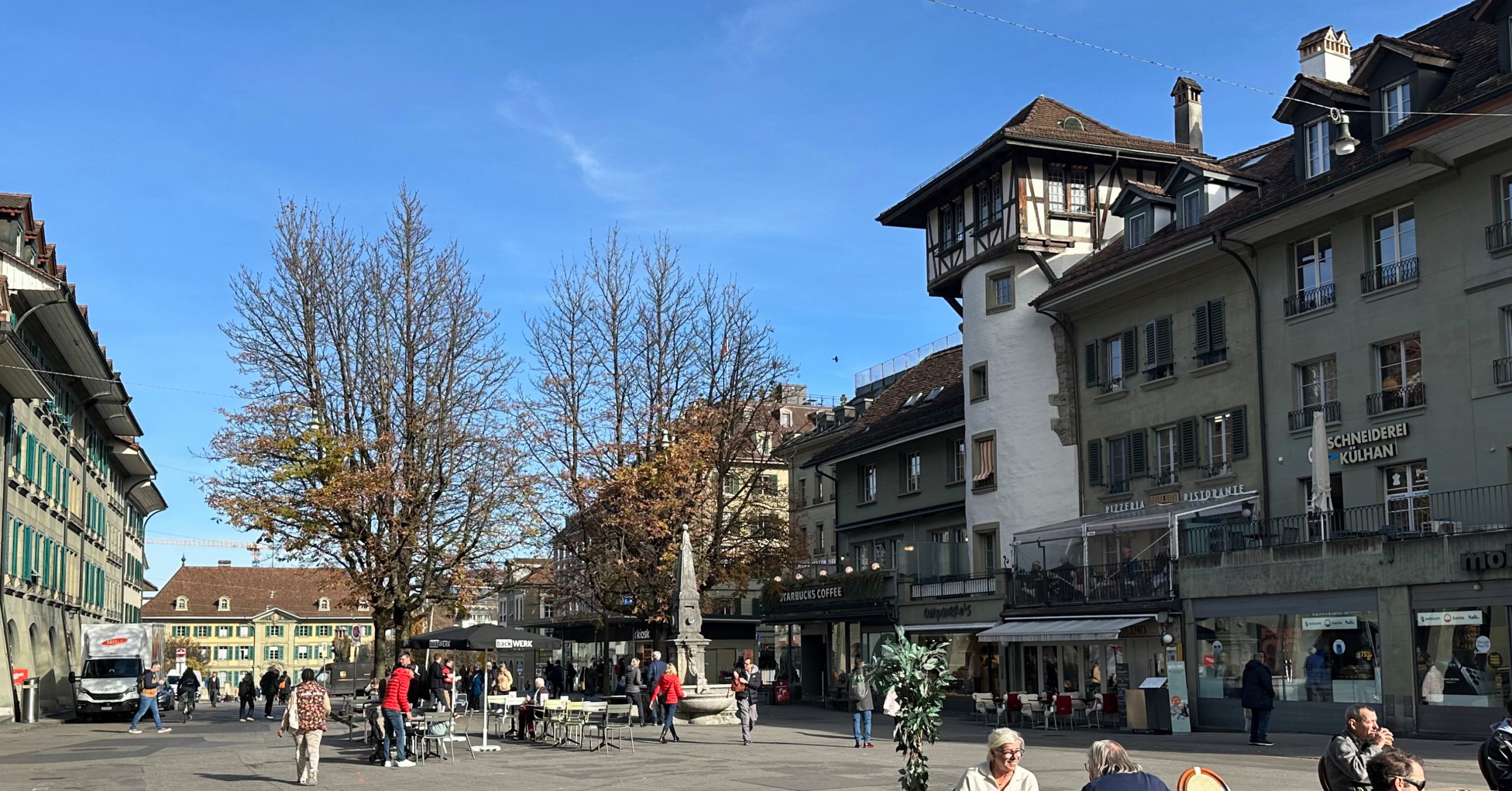
(1) The building to the left of center is still there today – and I don’t think many people stop to realize it is contemporary with the tall Fachwerkhaus on the right!
(2) And what’s really interesting is that the tower in the old painting had no windows – so it makes one wonder what exact purpose the tower served when it was built? Often towers served to house grain or wheat – but then in a case like that there would usually be a visible pulley. This is the Holländerturm and interestingly, nobody knows how old it is! It’s part of an original defensive wall – but that bit on the top is a recent addition, dating back to the 1600’s by a mercenary from Holland. I don’t know if it is true or not, but I was always told this is also called the “Raucherturm,” or smoking tower, since people would come here to smoke tobacco – and at the time, tobacco was illegal! Amazing!
(3) Probably what many people overlook are the steps to the buildings in the old painting. This is still common in many countries since it can be an advantage to have the floor raised enough to escape the pooling water when it rains.
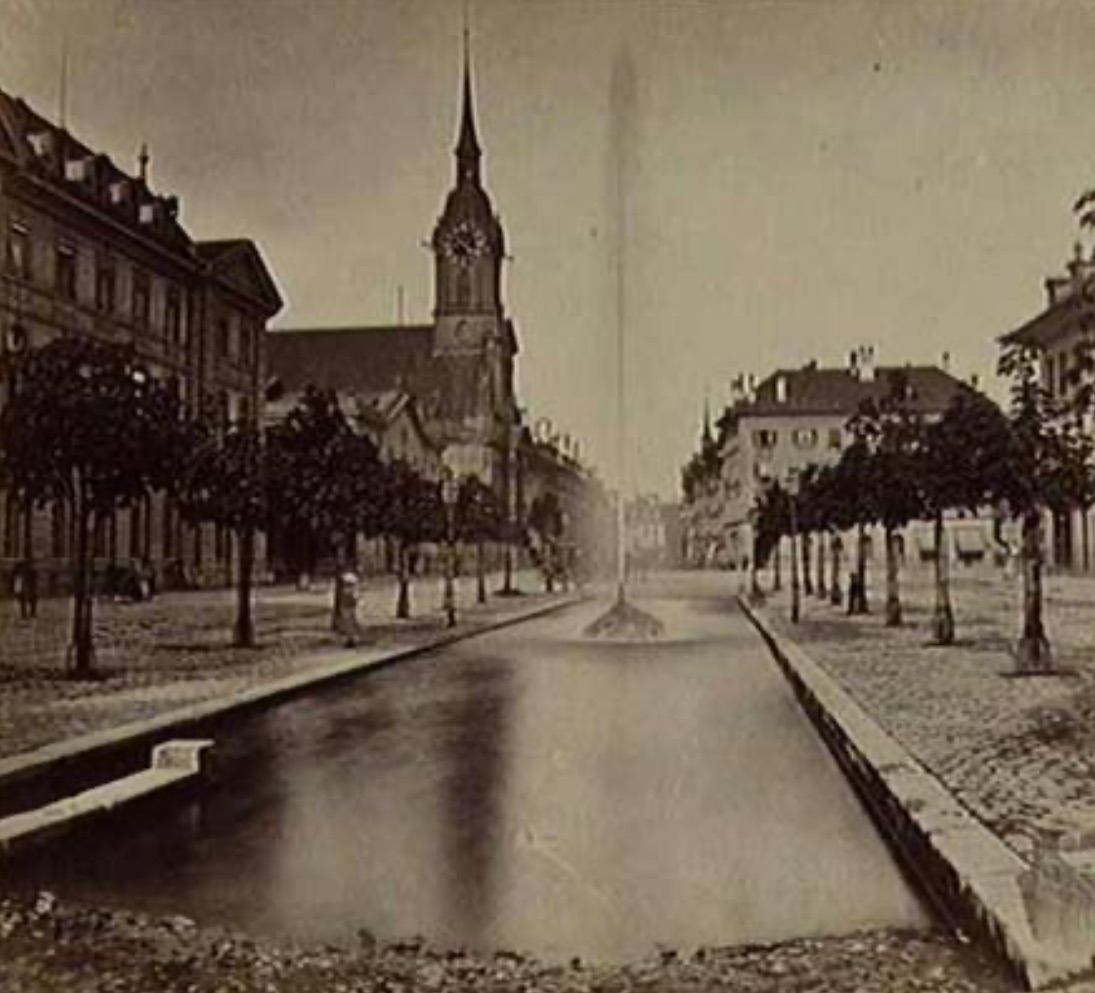
THEN (late 1800s)
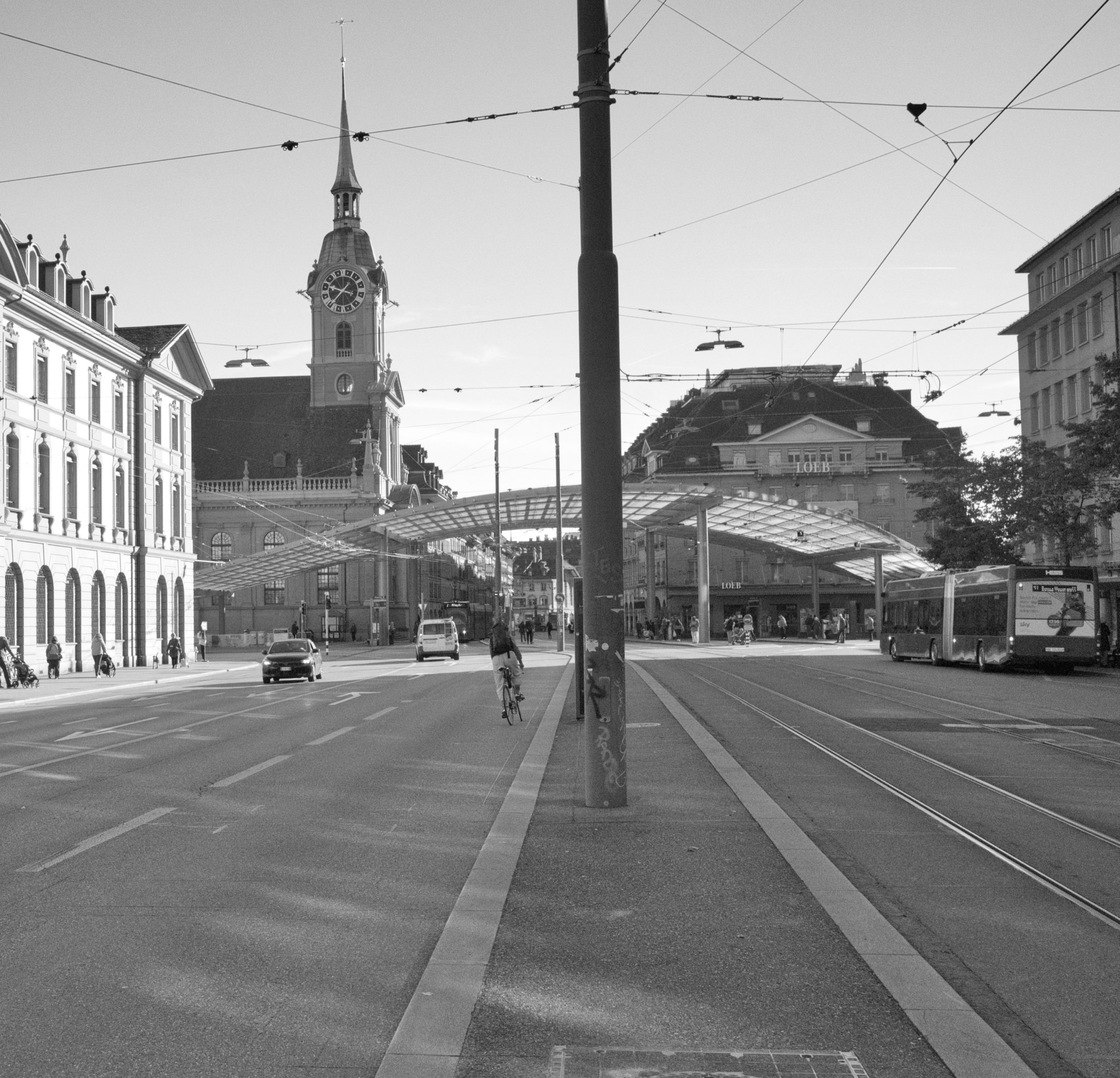
NOW
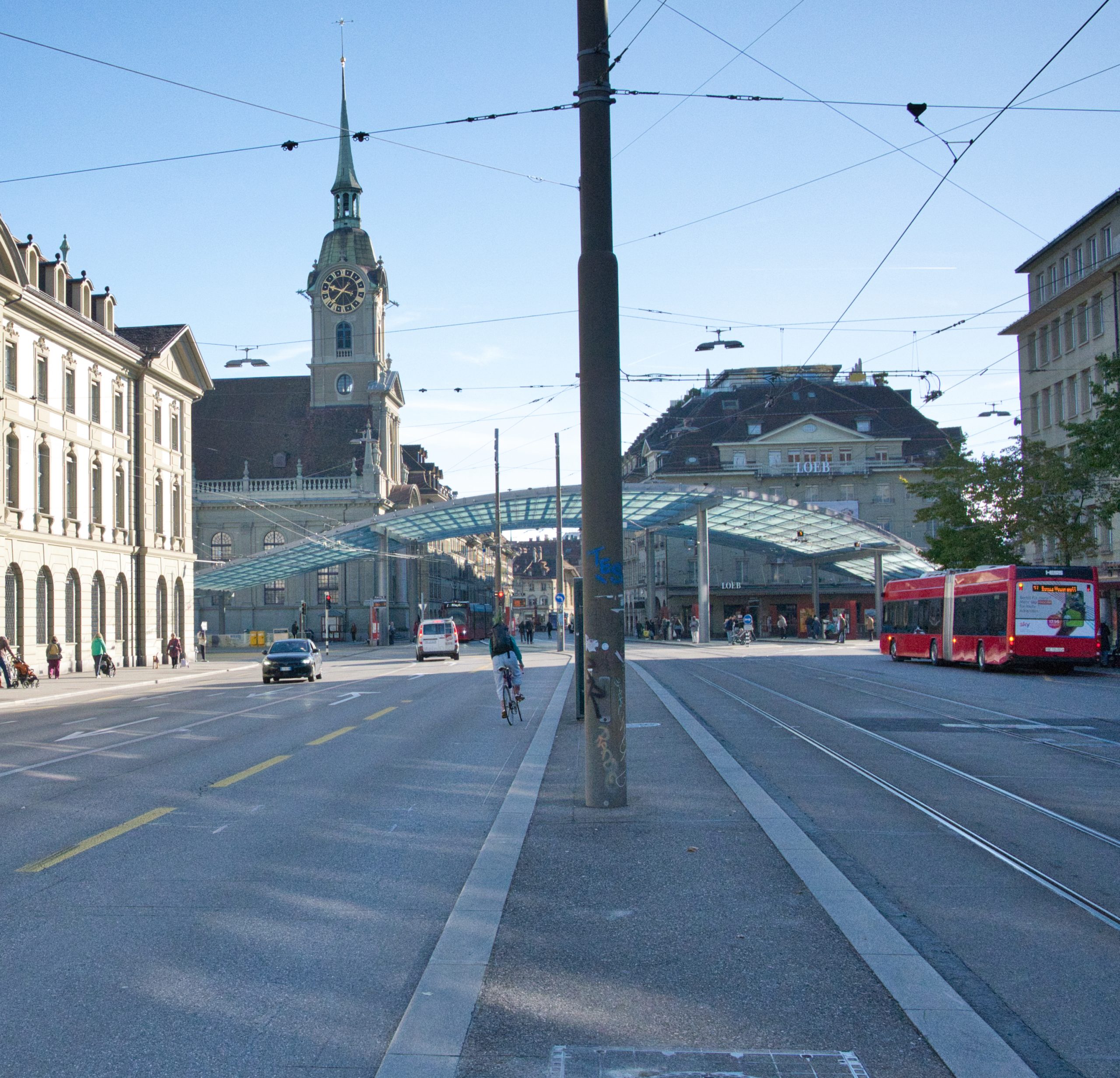
NOW, in color
COMMENTS:
(1) I could not find a date, but it was certainly after around 1860 because the original tower stood where the fountain is standing today.
(2) It makes me really wonder, how was the power generated for the water fountain? Was it purely decorative, or — like its cousin in Geneva — was it is a necessary way to relieve overpressure in the first public water infrastructure?
(3) I’ve seen some old photos and also drawings of this scene. As far as I can tell this is Bubenbergplatz – or at least it was. In the older drawings you could see horses working through the water – and that makes a certain amount of sense, since in the old photograph you can see left and right embankments but a subtle drop at the foreground of the fountain. According to ChatGPT, if horses would have ridden in on unpaved roads, it might have been useful to give them a quick cleaning before allowing them into the paved part of the city – although, I assume with horsecrap everywhere that would hardly make a difference.
To me this shows the impossibility of history: we can hardly understand a scene we see 100 years ago, in our own backyard and culture – how can we possibly understand the Middle Ages or history in other countries???
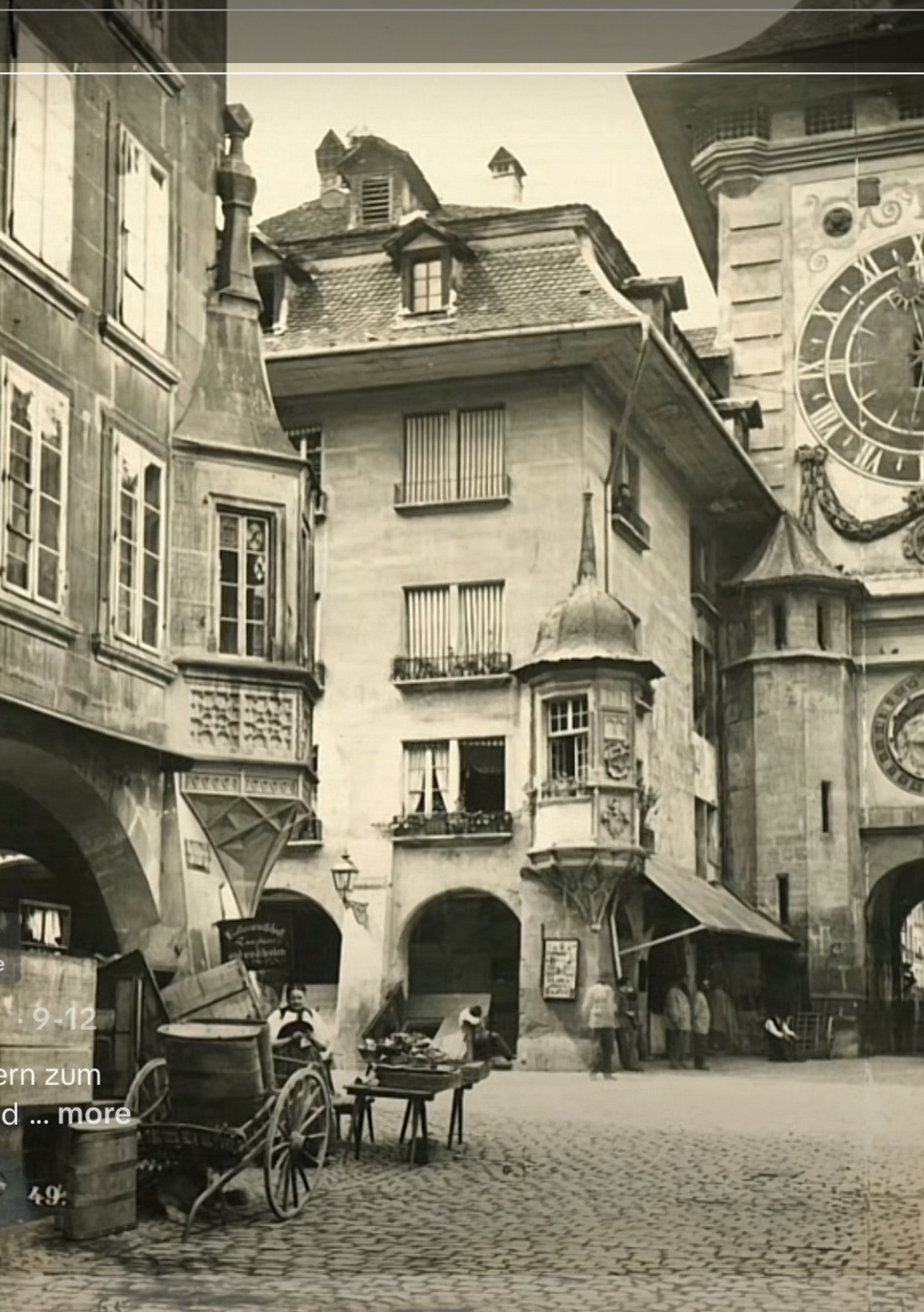
THEN
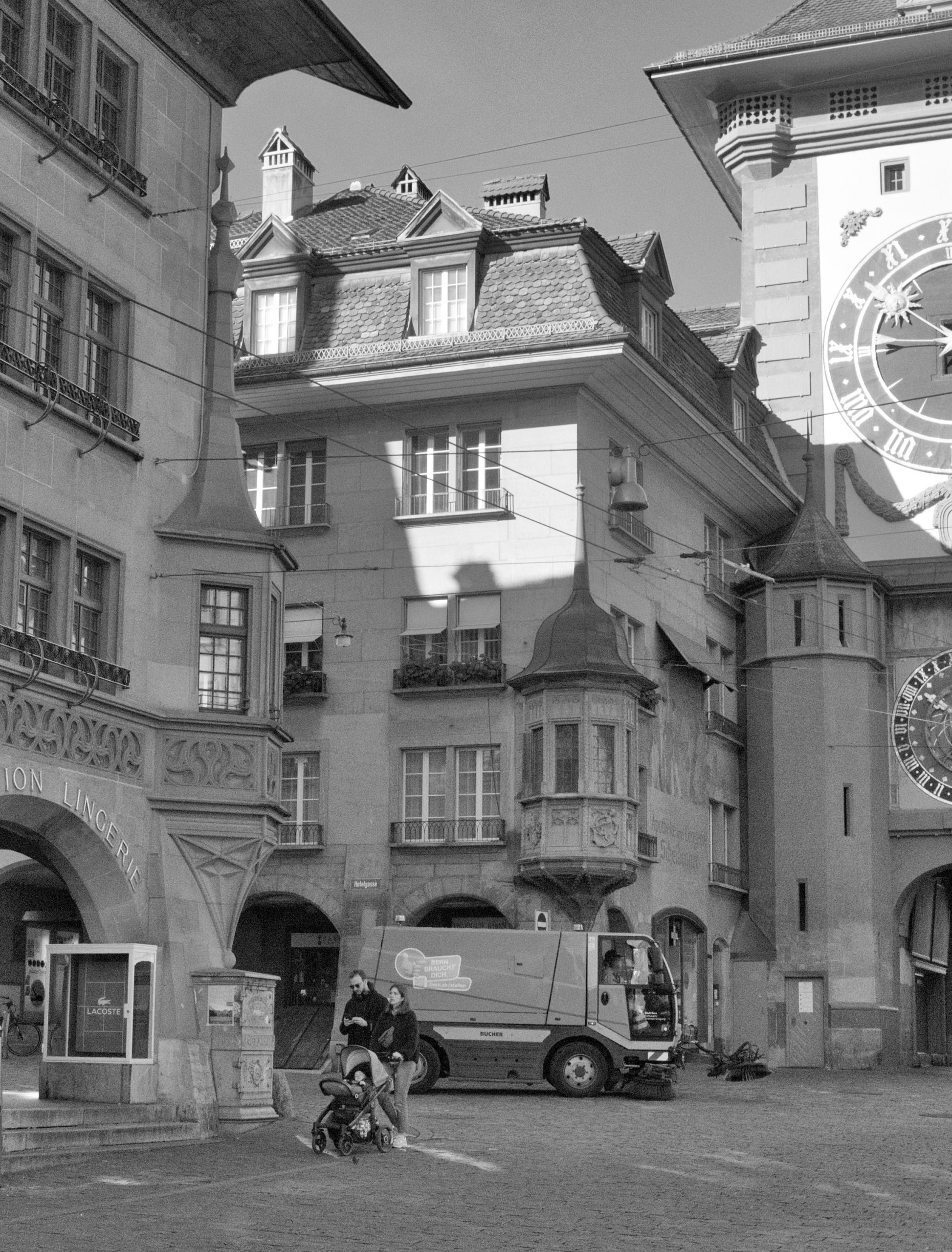
NOW:
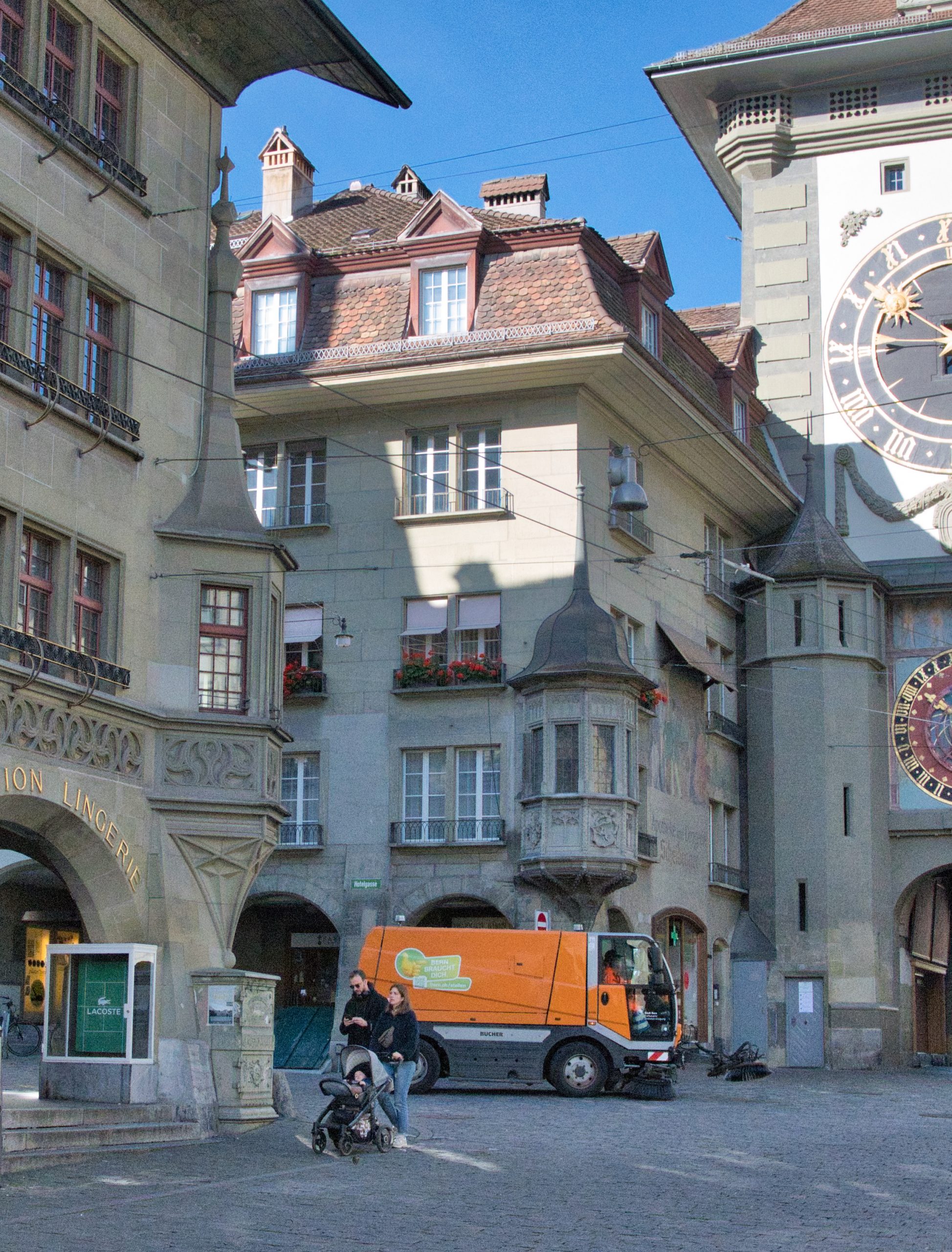
NOW in color:
COMMENTS:
It is very difficult to spot any significant changes at all! I don’t know when the original snap was taken but compared with similar snaps, probably around 1900 – 1920.
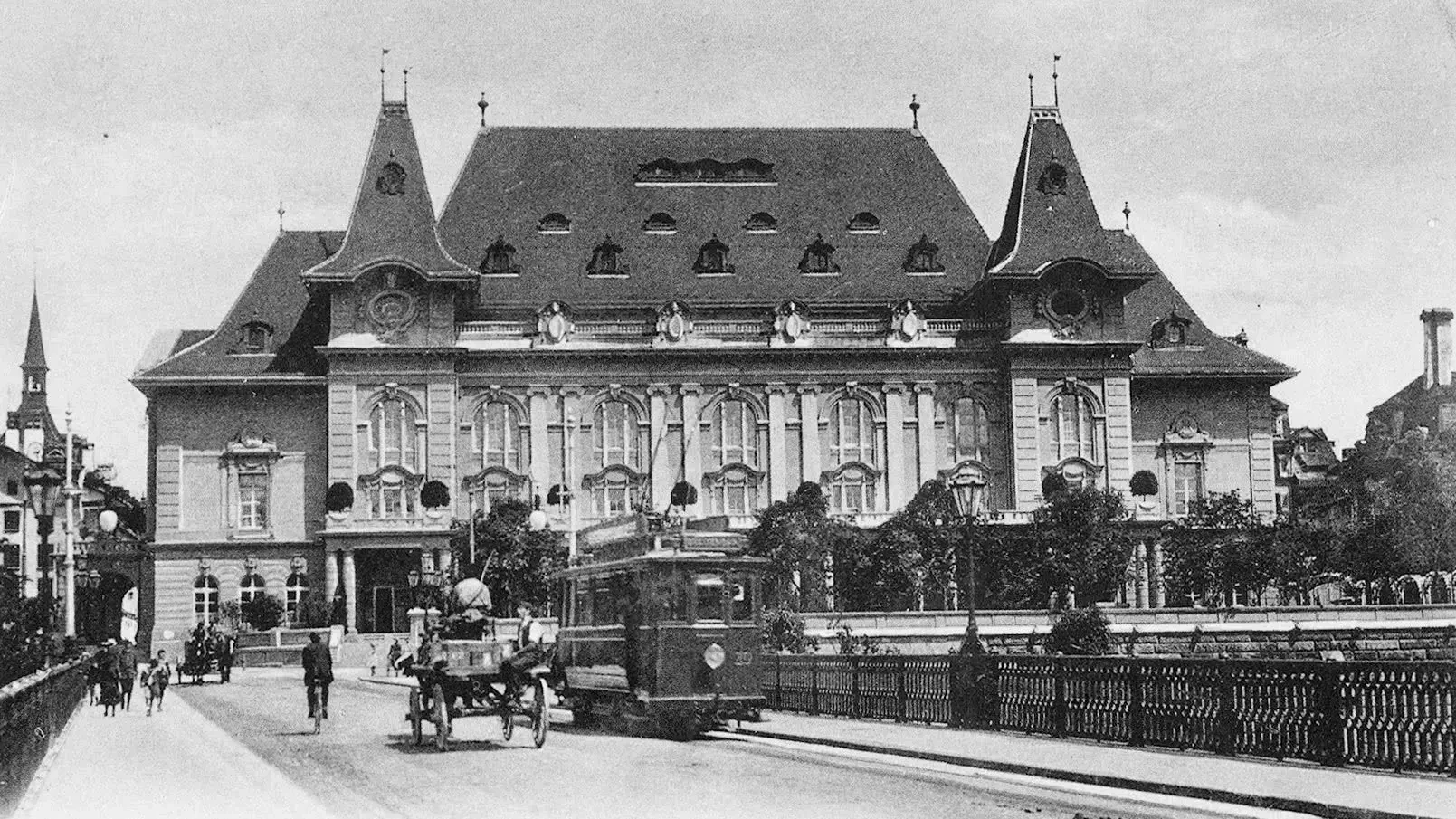
THEN, between 1914 – 1918

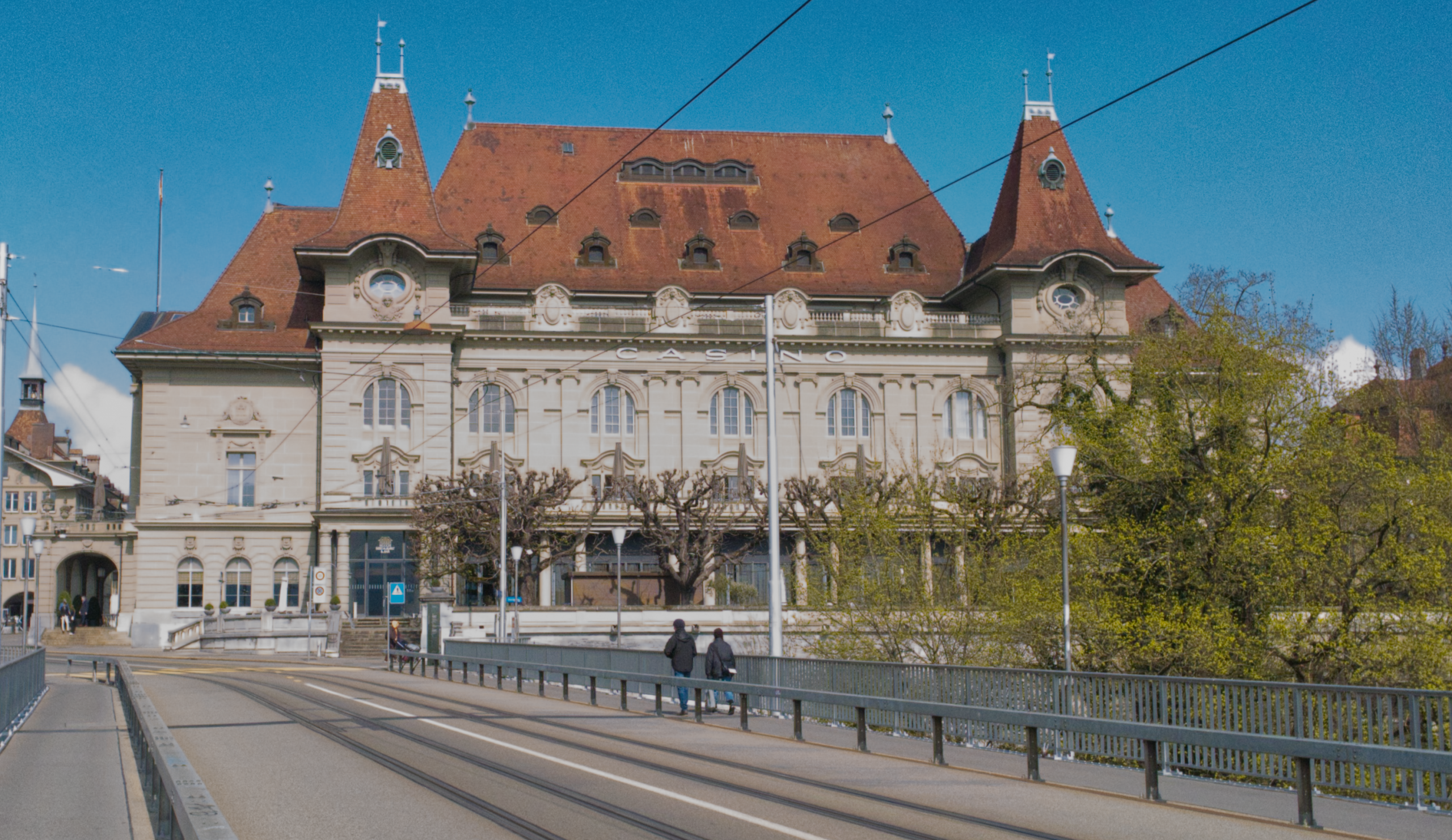
NOW

NOW, in color

COMMENTS:
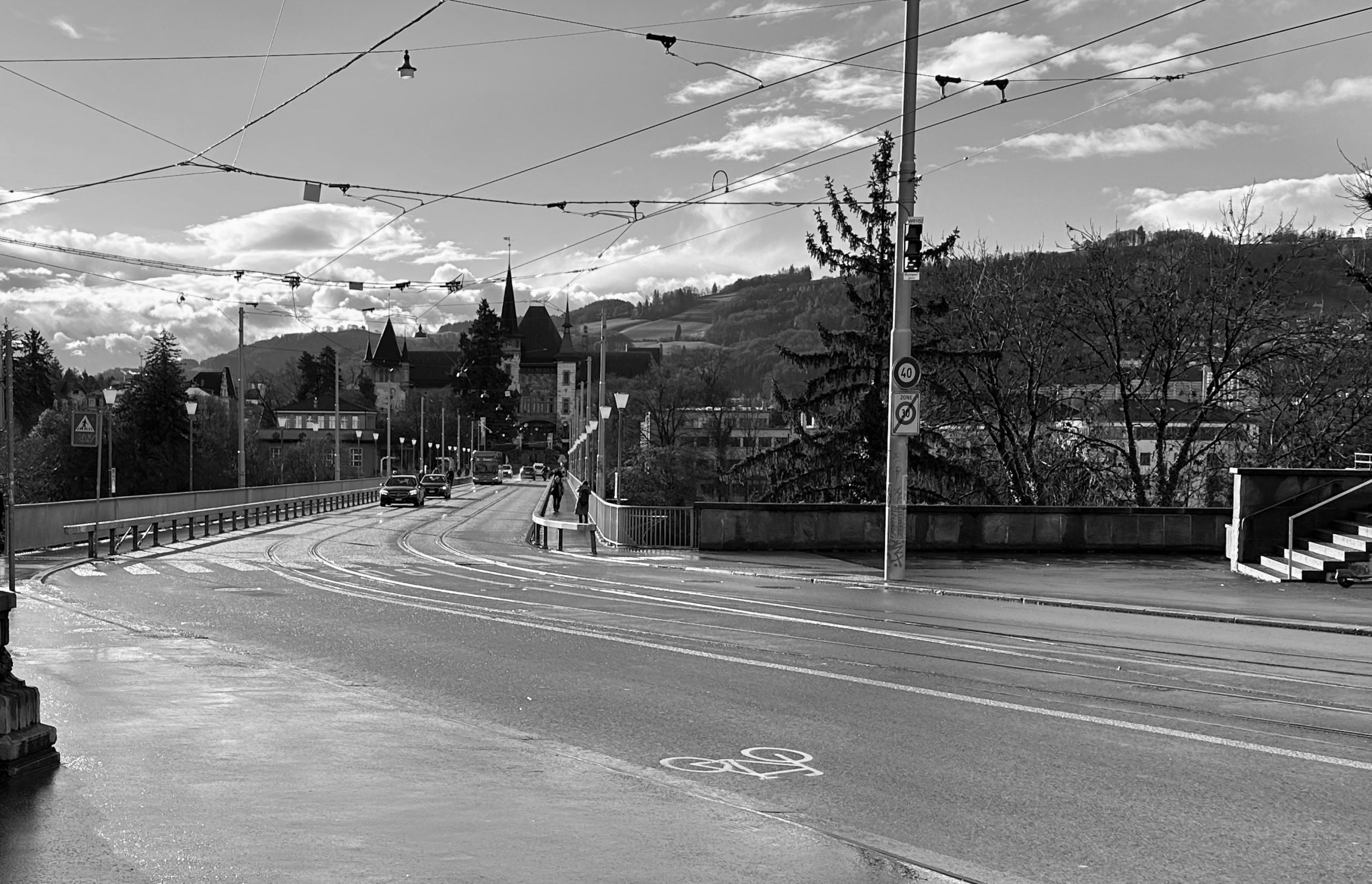
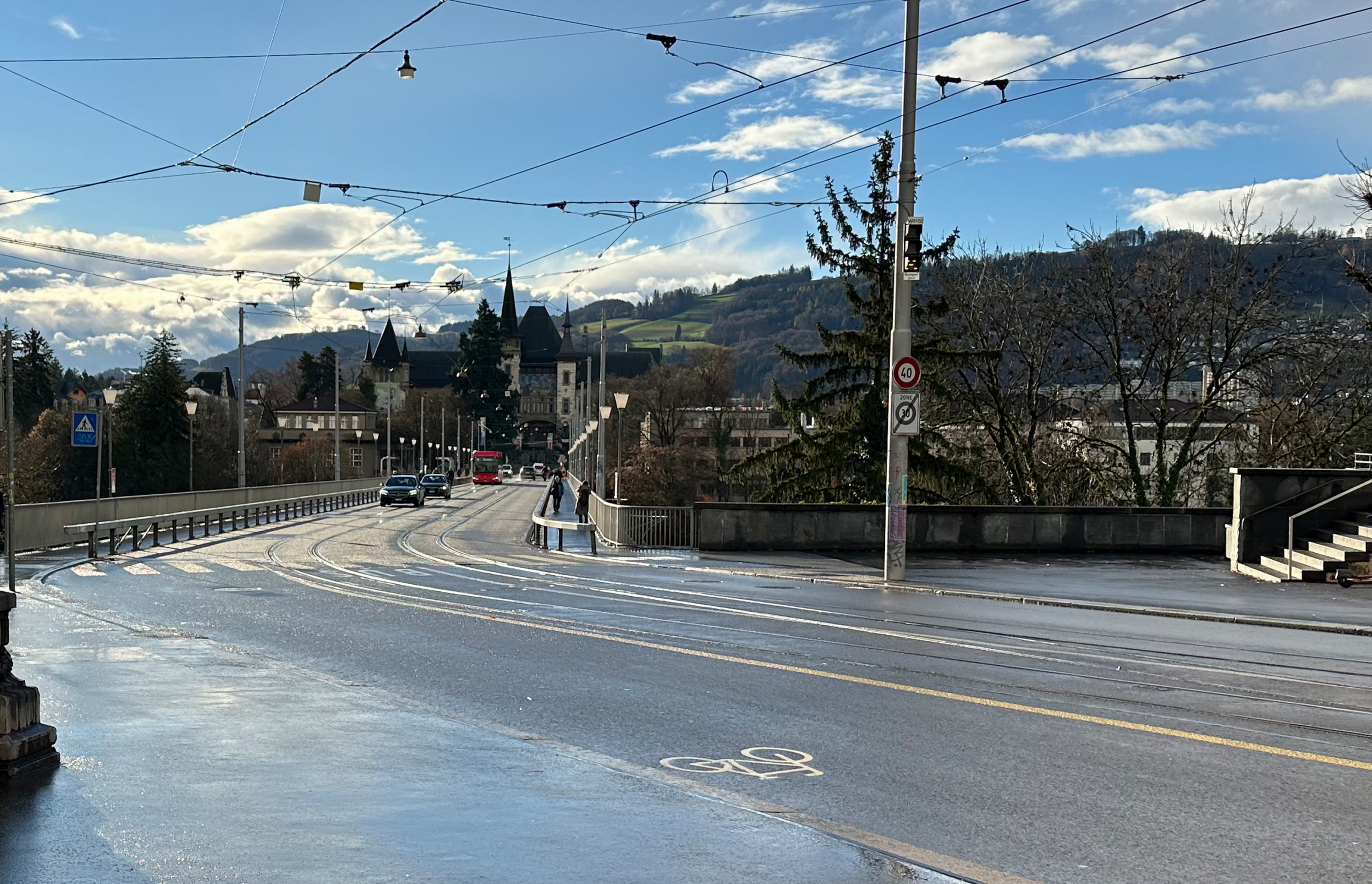
What strikes me as amazing: Still two tramlines after 110 years – and still the cables that run laterally across the bridge. And although it is not obvious, a possible analogy with Covid. If this snap was taken in 1918 the Spanish Flu would be raging and killing zillions, so it could be many of the people shown here had the same kinds of feelings we felt with Covid in the beginning.
THEN:

NOW:

NOW in color:

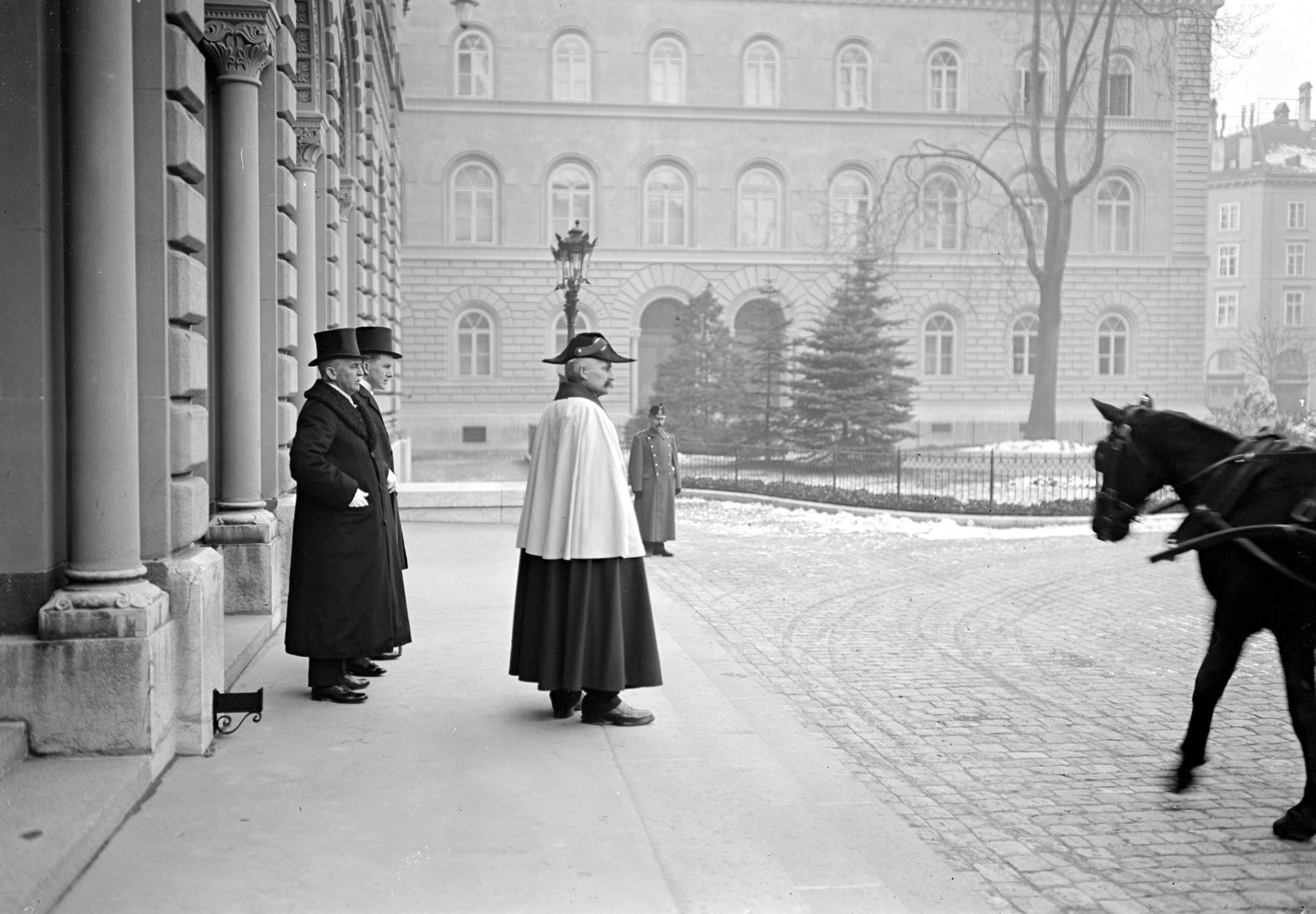
THEN: Vor dem Bundeshaus, 01.01.1915
NOW:
And in color
COMMENTS:
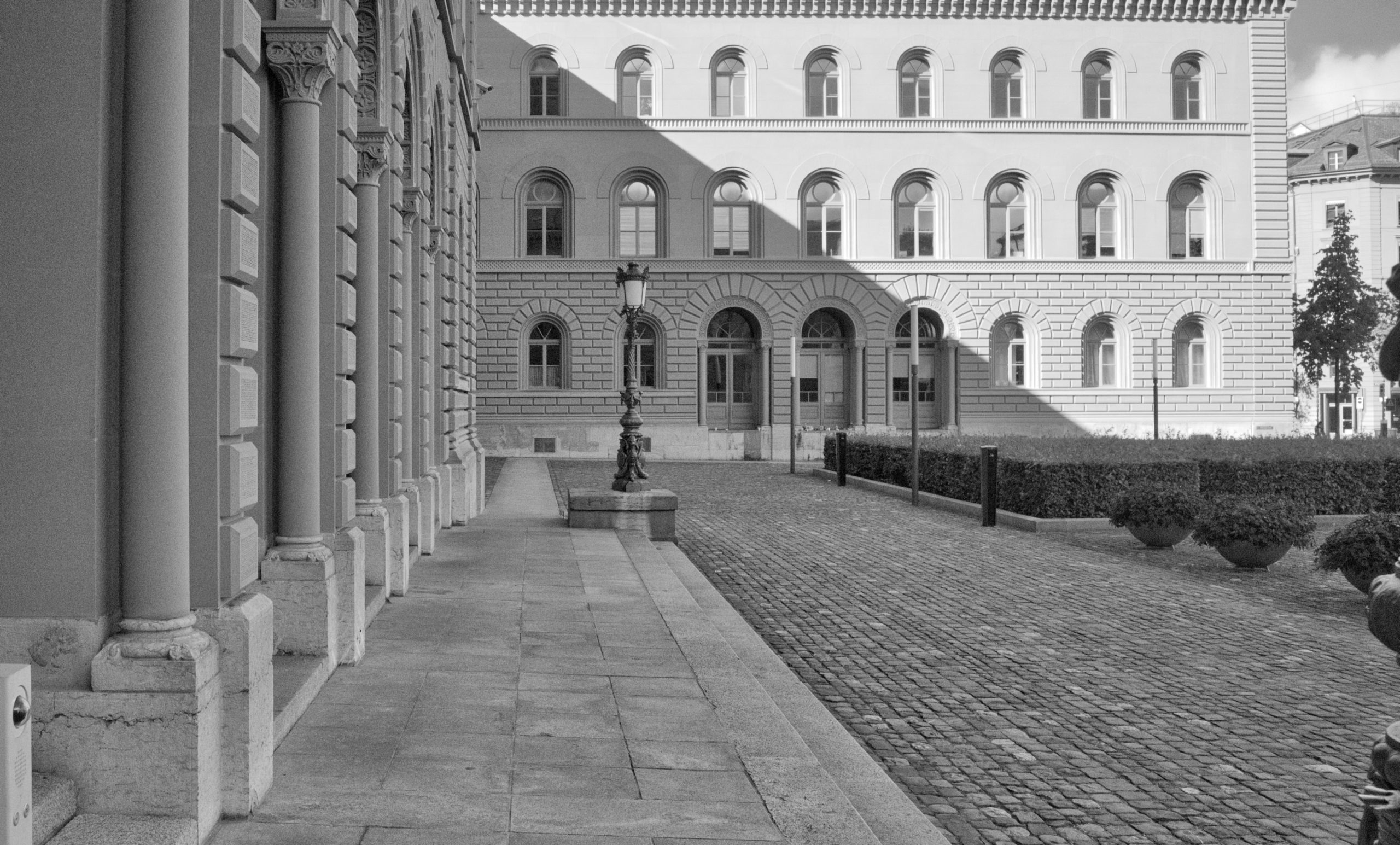
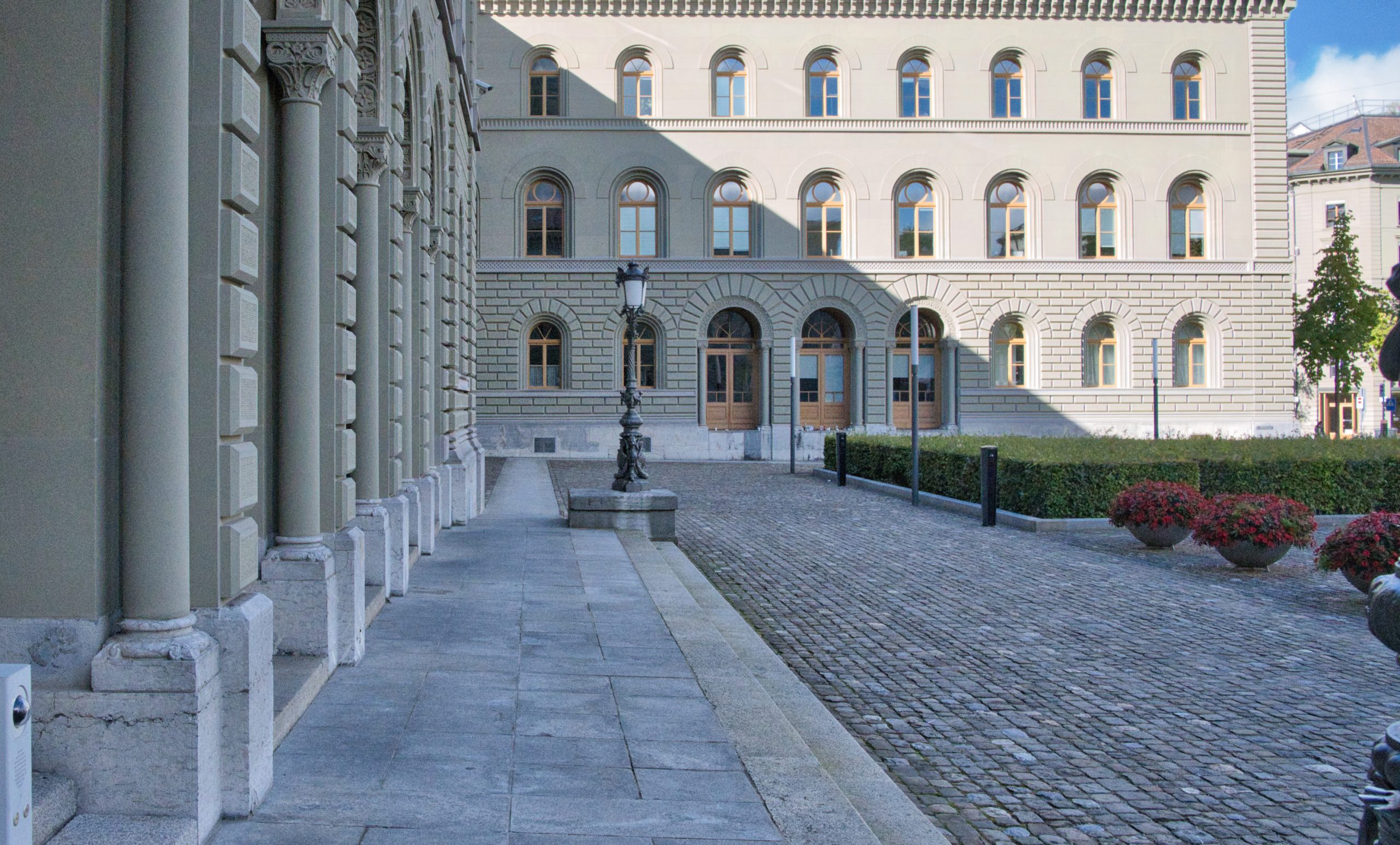
Very nearly the same after around 115 years! The older lamppost was taller – it probably needed to illuminate more. And in the old photo you see a black metal attachment to the bottom of the wall. Since the doors are reset quite a distance I am assuming this is not a door stopper but a shit scraper, but probably officially called a show scraper (or in German, Schuhkratzer).
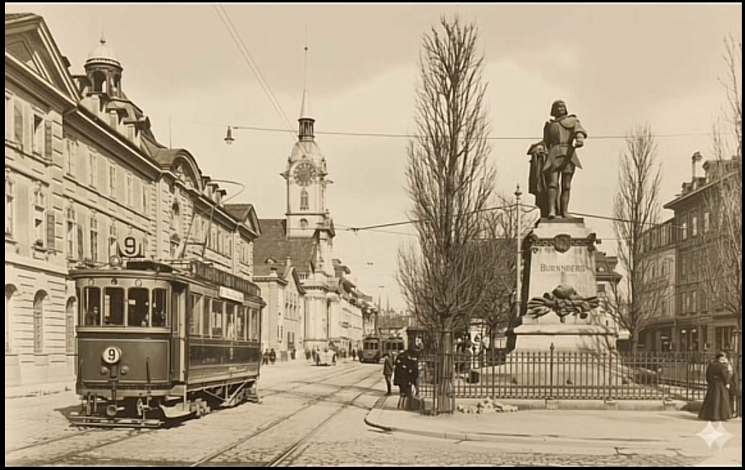
Then:
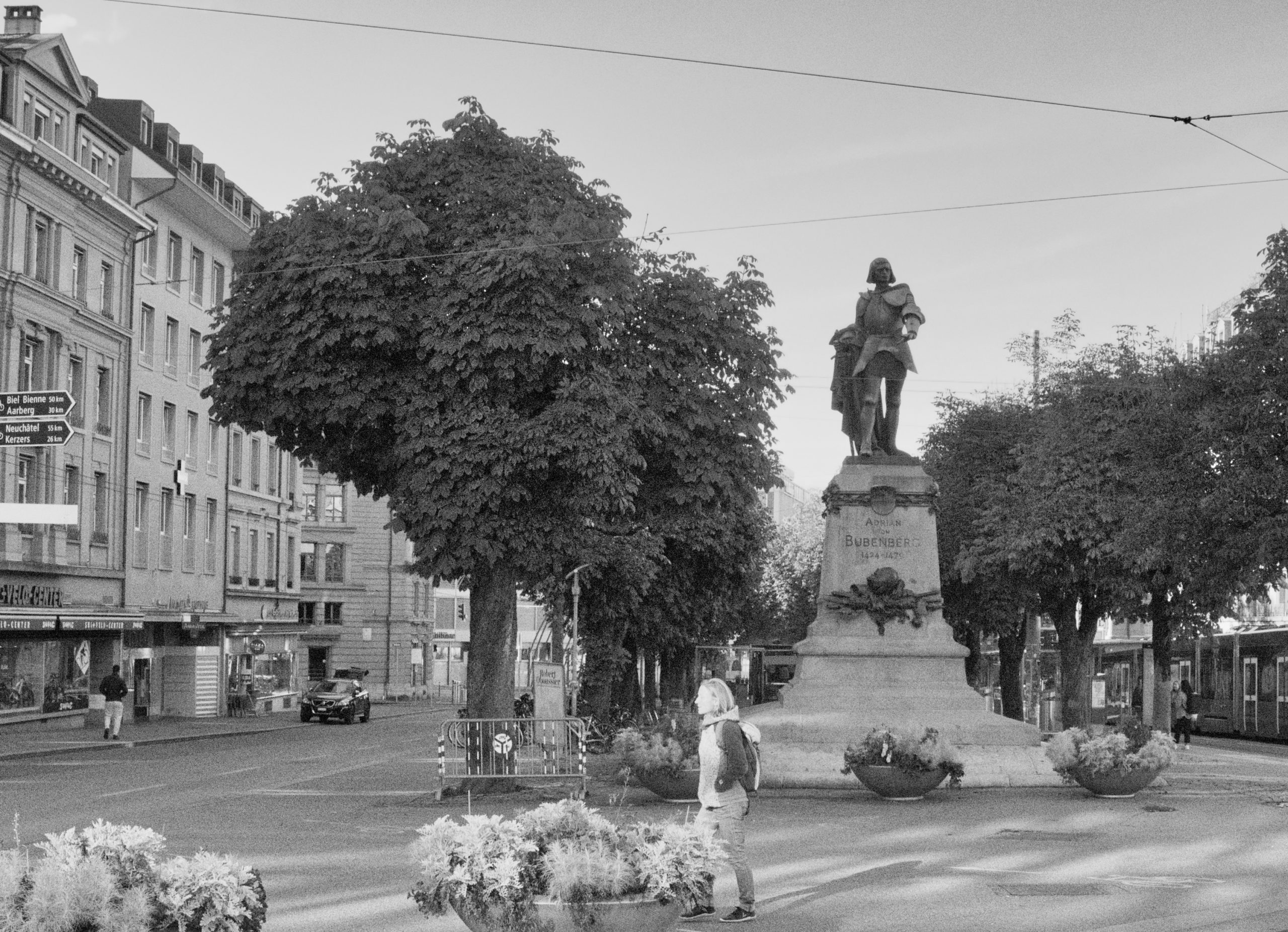
Now:
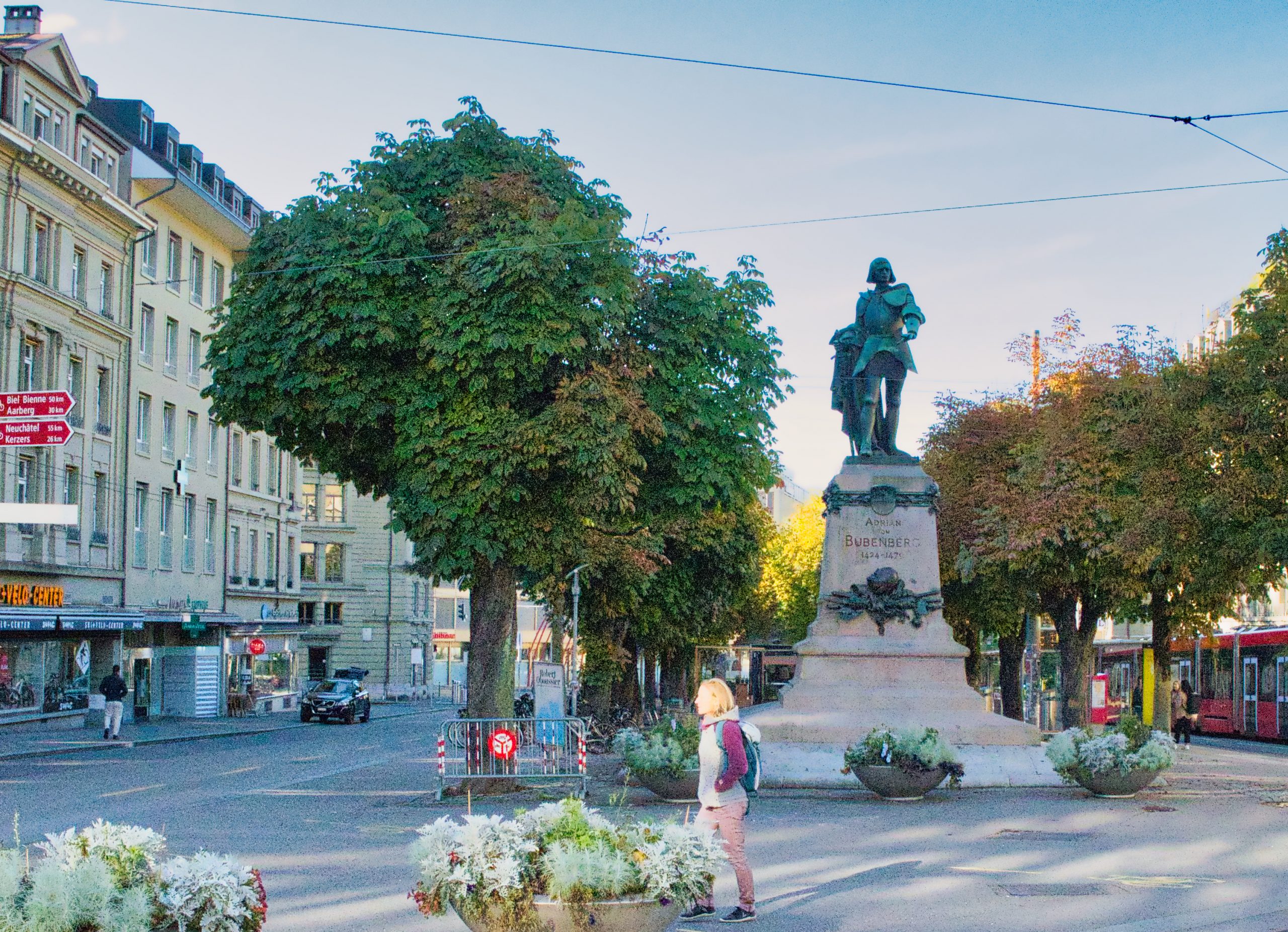
Now in color:
Comments:
I was first pretty pleased with myself that I took a modern snap and compared it with an historical one.
But I was fooled!
It is TRUE that the building to the left has a so-called “pediment” (triangle) – it is TRUE that both snaps look similar – and it is TRUE that Tram 9 as shown in the old snap still exists and runs next to the statute today. But in fact, the original snap shows the Bubenberg statue positioned on Bubenbergplatz, something that no longer really exists! Apparently it was moved in 1930 to the Hirschengraben, where it is located today.
So this is just a complete coincidence that the old snap looks like the new snap!
In an upcoming blog I will show what Bubenbergplatz looks like today – and your eyeballs will EXPLODE!