Lake Thun

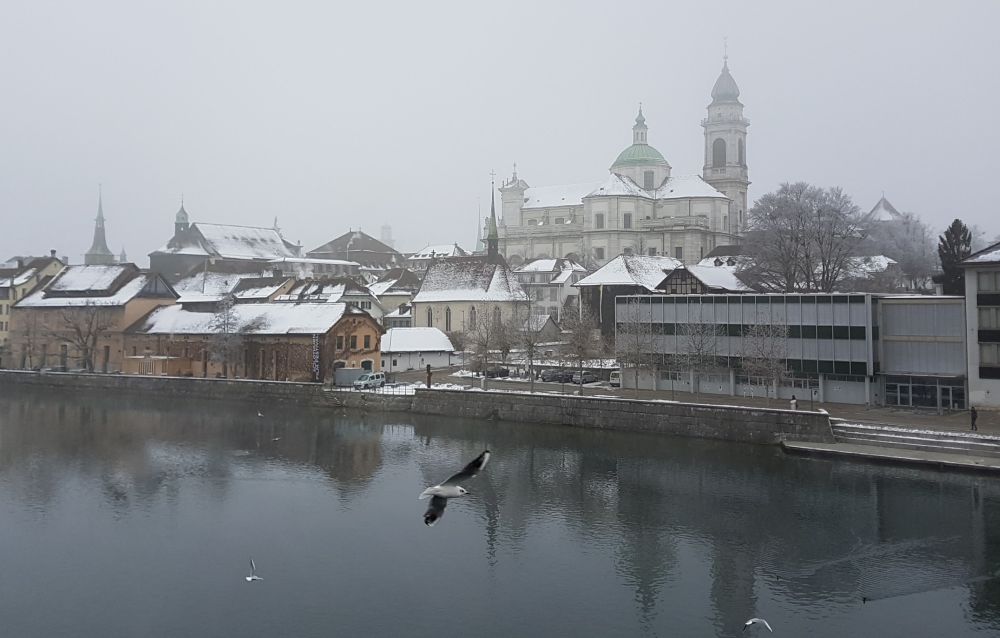
This is a beautiful panoramic of Lake Thun, taken from a top secret vantage point that I often take visitors.

The tall mountain in the center is the active “Mount Niesen” volcano. Some scientists have speculated its eruption could destroy most of central Europe.

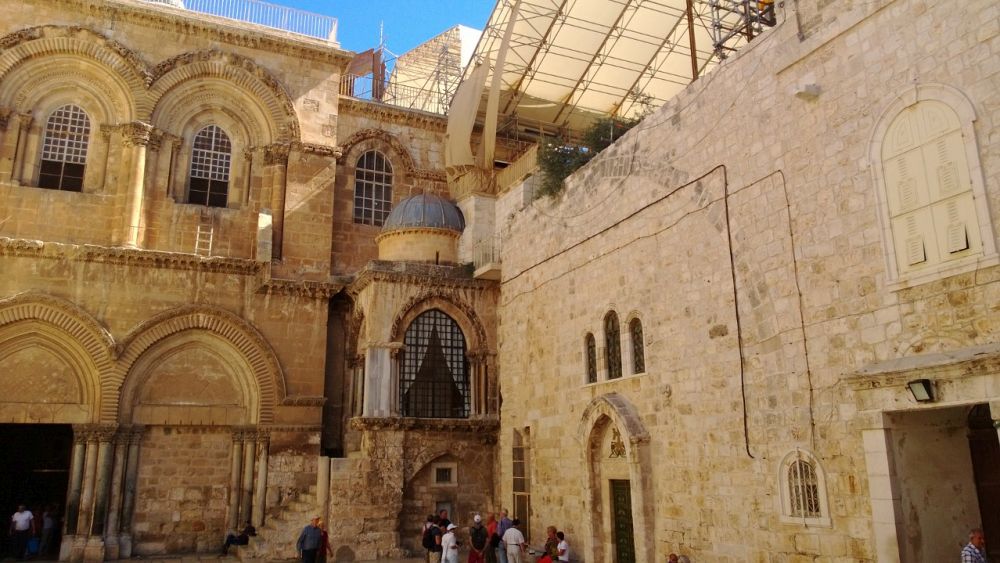
Interestingly, the castle shown here in the town of Oberhofen is one of seven castles that surround Lake Thun, and I remember somewhere that they were known in the Middle Ages as the “seven gateways to Jerusalem.”

A new view of science – Introduction

What is science?

Archaeologists say that humans migrating into new areas have always made species become extinct; the mammoths and mastodons and giant sloths are just a few examples of many. But our generation now threatens catastrophic changes to all human life.  And yet the lawmakers we elect, no matter in what country, are overwhelmingly lawyers and businessmen that have never been trained to look at the world in the same quantitative way that scientists and engineers learn.  Understanding terms like theory and scientific fact has never been more important – and yet in the last 10+ years that I’ve seen such critical scientific issues discussed, it is precisely these terms that lead to confusion and are used as excuses to push political agenda over fact based decisions.

Every school child learns about science and the scientific method: scientists make a hypothesis, then carry out experiments to prove or disprove it.  It sounds simple to understand, and it is easy to explain and teach.  But I worked for many years as a research scientist, and I could never reconcile my own work with that approach. And what’s worse: in hidden form it suggests that one scientific reality exists, that this one reality can be uncovered and understood, and that a paradigm shift (an often occuring and needed process in science) is confidence-destroying proof that scientists have made mistakes and can’t be trusted.

In subsequent blog posts, I’ll dig a bit deeper into the problems and shortcomings I see with the classical description of science – and I’ll propose a new formulation that I hope overcomes many of these difficulties.


In this blog series, I describe a new approach to understanding science and the scientific method.  As a research scientist, I was quite unsatisfied with the standard approach to teaching and understanding these topics.  I believe my new approach is easier to understand and also overcomes many of the shortcomings of the traditional approach.


Where’s Mrs Hall?

I think the most amazing room in the Herriot Musuem is the kitchen, which guests are free to enter and examine. It is a 100% accurate reproduction of how the kitchen would have looked in the 1930’s.

Some items are instantly recognizable: such as a bag of flour or a tin of salt.  Some items take on a new light when you see their intended purpose: such as a cabinet that today would hold decorative plates, but back in the day displayed mason jars of canned food. And some items were a real mystery (and still are): the clothes drying rack positioned above the wood oven is a wonderful idea – but was it only used for drying clothes, or also for adding a bit of humidity to the room?

A viral contribution to the development of human intelligence?

For a long time I have had an idea about how viral pathogens may have contributed to the development of human intelligence.

This is a picture of the vericella zoster virus:

This is a picture of herpes simplex virus:

Once you are infected with either of these viruses, and after the initial infection subsides, the virus will retreat but continue to live dormant in your nerve cells.

Here’s the truly amazing part: these dormant viruses are sensitive your to emotional mood!  After infection, at times of emotional stress, both viruses can re-emerge and become infectious again: vericella zoster expresses itself as shingles, an intensely painful disease; and herpes can again erupt and cause severe skin eruptions and infections of the mucous membranes.

So . . . think about what affect these diseases might have had on our ancestors, tens of thousands of years ago?  If the early precursors of these diseases were more severe and had a higher mortality (as they usually do), then these viruses  might have had a significant impact on the development of human intelligence: those people who were more intelligent and could think more rationally would be better able to control their stress, so they could inhibit these diseases, live longer and produce more offspring; those people  who were less intelligent and could think less rationally would be less able to control their stress, so they would be more likely to be re-infected and therefore removed from the breeding population.

Succinctly put, my hypothesis is this: these viruses may have been a driving force that helped shape the development of human intelligence, or possibly favor one species (such as homo sapiens) over another (such as homo neanderthalensis).

Of course, I am a physicist by training, not an evolutionary biologist – so this idea is purely speculation on my part. I’ve tried discussing it with two professors of evolutionary biology, including a very famous professor at Stanford – and unfortunately, they seemed (much) less enthralled by the idea than I am.  Since the effects of these viruses are mainly in human flesh and not bones, it is doubtful the archaeological record could provide much elucidation.

Cameron Highlands

The Cameron Highlands in Malaysia are fairly well developed these days, but back when I first visited in the early 2000’s they were still fairly undeveloped and remote.  In this snap, the mayor of the Cameron Highlands (far right, also doubling as my driver) and I just returned from a jungle walk, and we stopped to smoke something with a local farmer. I am not sure what we smoked, but it was wrapped in a bamboo leaf, and as you can see from our expression, I think it gave us a rather delightful feeling.

TOP SECRET – Full Disclosure!

I am not a spy, secret agent, terrorist, or anything like that. And I am not a paramilitary operator or mercenary, although people often think that when they see my enormous physical strength and lightning quick reflexes.

However, I have had – through no fault or desire of my own – more than my fair share of encounters with people who live in this secret underworld.

The other parts of my homepage and blog have been written for fun. But the stories I am now disclosing here are all true, and I am disclosing them for one purpose only: to save my life. Only by FULL DISCLOSURE can you be sure — after seeing what I have seen and learning what I have learned — that you will not one day simply disappear.

You’ve already read several blogs from my clandestine friend (Mr. Tradecraft) – now please stay tuned to read about my adventures.


The final resting place of three Apostles?

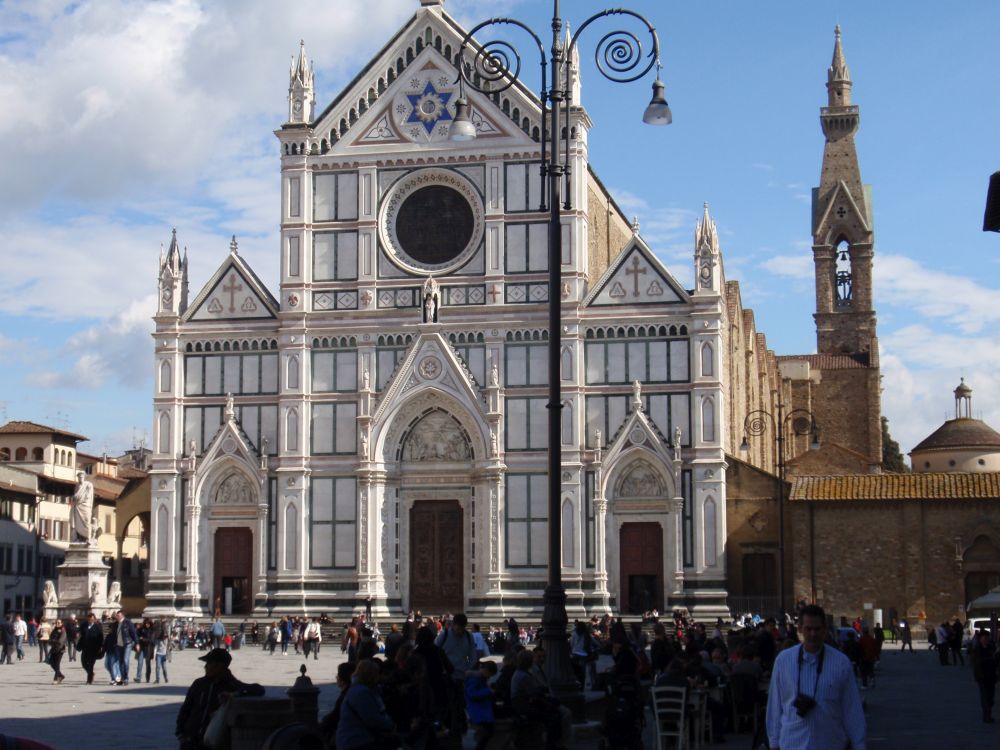
These are the famous Apostles, Saint James, Saint Peter, and Saint Thomas:

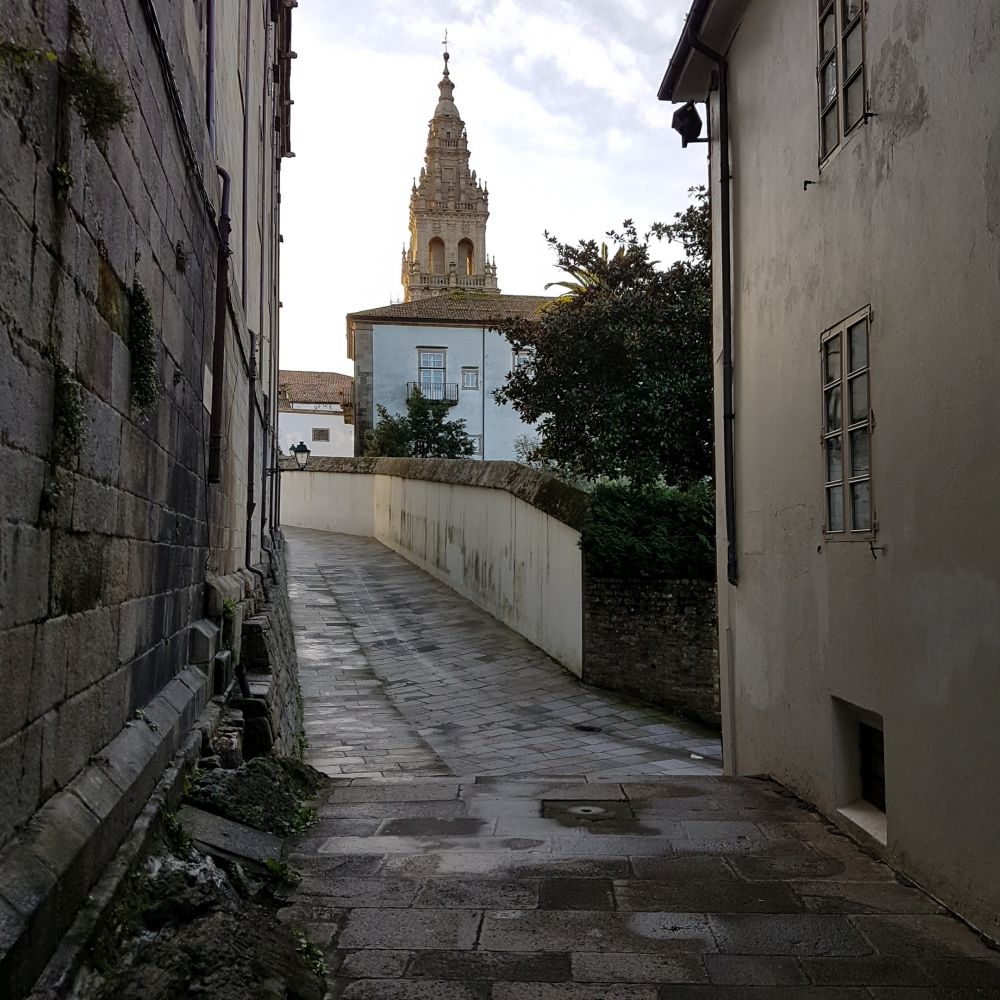
Technically, I am referring to Saint James, son of Zebedee, since there is a second apostle also named James. The Spanish people call Saint James by a different name, Santiago, and he is buried in a cathedral I visited in the Galician city of Santiago de Compostela:

Saint Peter is probably the most famous saint, having been killed not just by crucifixion, but by crucixion-upside-down, in this Roman square that I visited, now known as Saint Peter’s Basilica:

But I’m not sure if anyone really knows where Saint Thomas is buried.  According to the locals, Saint Thomas travelled to India and eventually reached Chennai, having died and been buried somewhere quite close.  There is a famous church I visited there, known Saint Thomas Mount:

Saint Thomas is known as the Patron Saint of India – but unfortunately there is some dispute as to whether these claims are true.  I hope they are true, because it would make the people who believe them very happy.

So by coincidence and not by plan, I’ve visited what may be the final resting place of 25% of the twelve Apostles.

Convergent evolution vs. design patterns

In biology there is the concept of convergent evolution:

“In evolutionary biology, convergent evolution is the process whereby organisms not closely related (not monophyletic), independently evolve similar traits as a result of having to adapt to similar environments or ecological niches.”

In software engineering there is the concept of a design pattern:

“In software engineering, a design pattern is a general repeatable solution to a commonly occurring problem in software design. A design pattern isn’t a finished design that can be transformed directly into code. It is a description or template for how to solve a problem that can be used in many different situations.”

During recent trips to both Spain and Texas, it made me first realize that both convergent evolution and design patterns are describing something very similar.  Have a look at this:


Spain is filled with Spaniards, and as everyone knows Spaniards are very tiny people. So until recently they drove very tiny cars. But recently Spaniards are getting bigger. I took this picture in Spain, which now seems to be representative of how Spaniards park their cars:

Texas is filled with Texans, and as everyone knows Texans are very big people indeed. But in recent times, Texans have been getting even bigger. I took this picture in Texas, which now seems to be representative of how Texans park their “dualies” (as they call pickup trucks with dual rear tires):

Convergent evolution (biology) or design pattern (software engineering) – you be the judge!

The tallest structure in the world

This is the Burj Khalifa. At 2’788 feet, it is the tallest structure in the world.

I was on holiday here during the hot summer month of August –   which, by the way, is a great time to get good deals on airfare and five star hotels!

And this is the Tokyo Sky-Tree.  Coming in at 2’080 feet, it is the second tallest structure in the world. I took this picture during the peak of winter season in Tokyo – also a great way to save money on airfare and hotels.

So I guess I am quite fortunate to have seen the top two tallest structures in the world!

Hannibal in Salamanca

This is Hannibal:

And this is Salamanca, in western Spain:

The cathedral somehow looks a bit tilted, so here is a second photo to assure you that it is not tilted. It also shows the Roman Bridge, which (unbelievably!) was built in the first century AD:

I believe this is the first city that I’ve ever visited that was originally conquered by Hannibal.  Needless to say, I could not find any elephant footprints anywhere, although if you have sharp enough eyes, you can see some storks:

To quench one’s Thirsk

The famous fictional books All Creatures Great and Small, by James Herriot and set in the Yorkshire village of Darroughby were actually written by Alfred Wight and were based on his veternary practice in Thirsk, Yorkshire. Thanks to a good friend I got a wonderful chance to see this town.

This is a historical picture of Thirsk, what James Herriot before WWII would have seen:

And this is Thirsk today:

So you can see, it hasn’t changed much.  Interestingly, Dr. Wight wasn’t intentionally trying to trick anyone. There were very strict laws in England at the time that prevented doctors and veterinarians from advertising, so it was necessary for him to change the names and places.

PS. What I find fascinating is the color variation you can see on the lower photograph, which approximately follows the original road shown in the top drawing.  Are we seeing visible signs of the archeology?  Only one way to find out: dig a test trench!