This is the spectacular Pont du Gard – which used to carry water – but it begs the question, where exactly did the water enter the aquaduct? This and many more mysteries will have to wait for me to clear up on my next visit!

A renaissance man for the twenty-first century!
This is the spectacular Pont du Gard – which used to carry water – but it begs the question, where exactly did the water enter the aquaduct? This and many more mysteries will have to wait for me to clear up on my next visit!

I took this snap in the parking lot in Nimes, France, using my Fuji XM-5 and my Tamron 18-300mm – just by holding it with my hand! Pretty unbelievable, because the XM-5 does not have sophisticated image stabilization!

This is TRANSMISSION – and I took this snap just north of Nimes in the dense Garrigue region
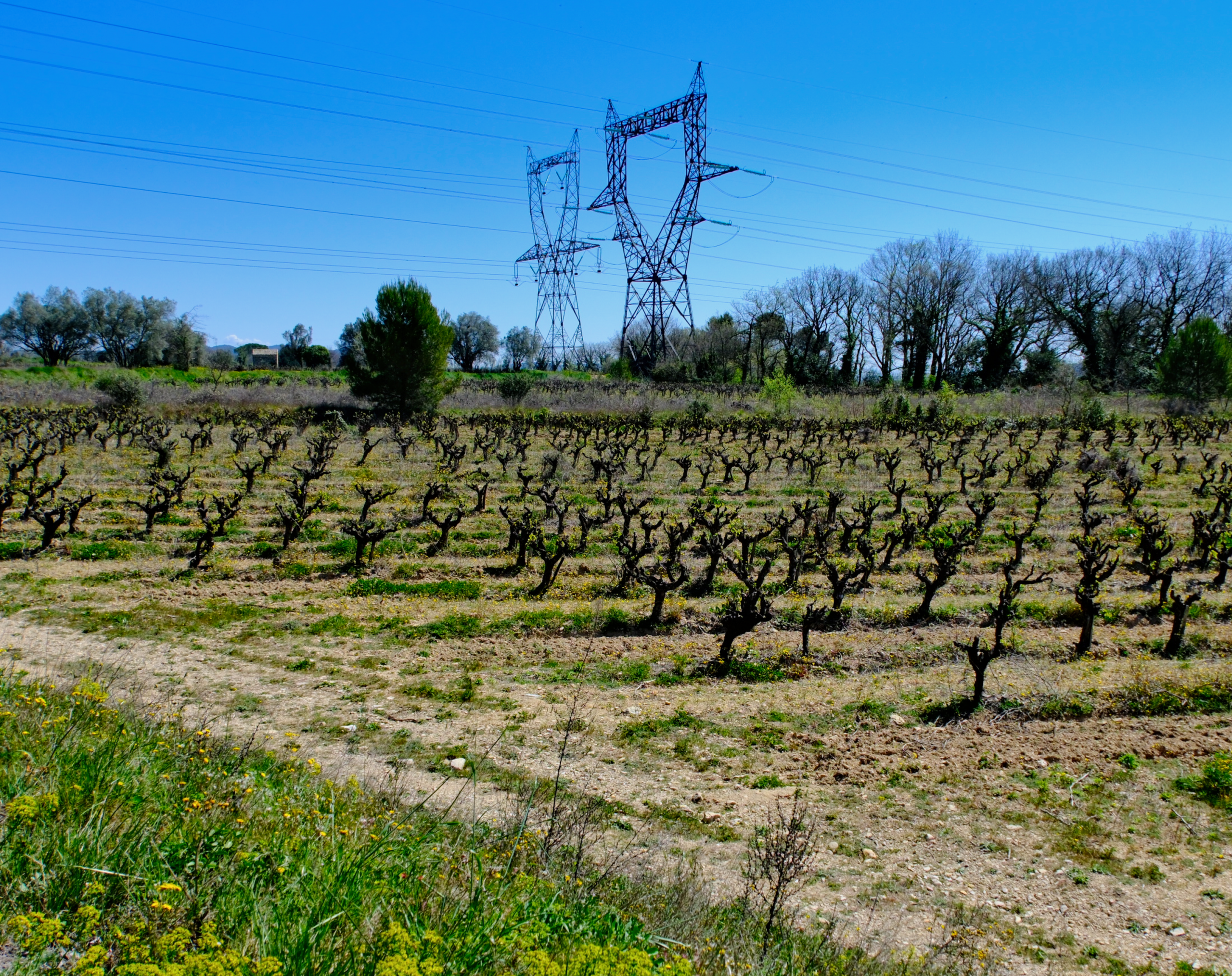
Continuing the series,
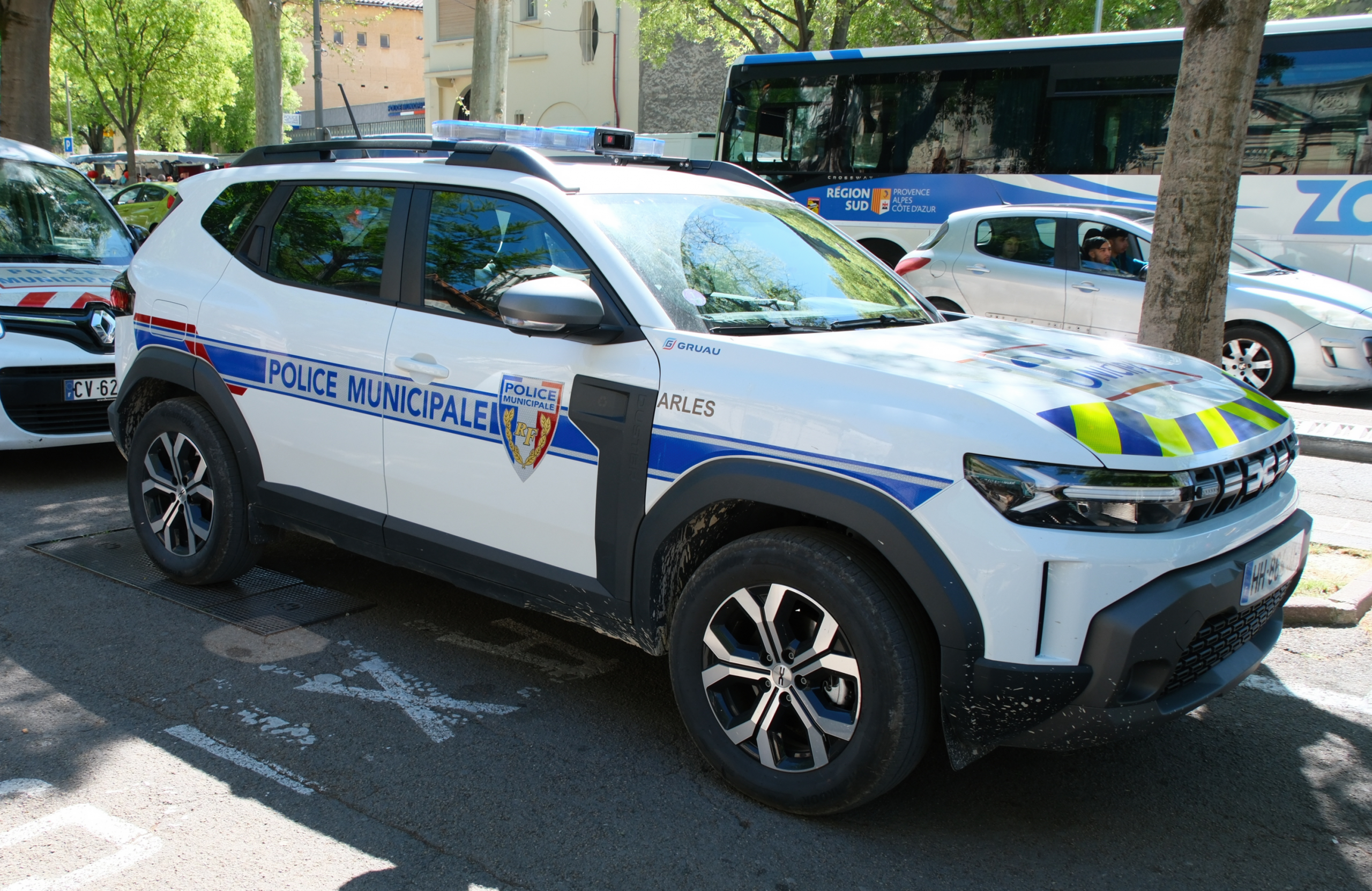
It always makes me wonder when I see a tall building like this – just north of Nimes – fall into disuse. The question is: if there are no other buildings anywhere in this region for miles and miles, then why did they build it?

The Judas trees bloom in April – they look like cherry trees, but according to legend Judas Iskariot hanged himself on one – which caused the red color!

Just outside of Uzés

The Calcia cement plant in Beaucaire is among the 50 most polluting industrial sites in France, responsible collectively for 10% of the country’s CO2 emissions. President Macron has pledged five billion euros to help these sites decarbonize, with Heidelberg Materials, Calcia’s parent company, committing an additional 45 million euros to carbon capture infrastructure at the Beaucaire site. Who would have thought that a cement factory was worth so much!

Biel in early spring,

Now
I have no idea what this is called – a spore canon or seed canon? I took this snap with my Tamrom 18-300mm, just as the weather was turning nice in Biel

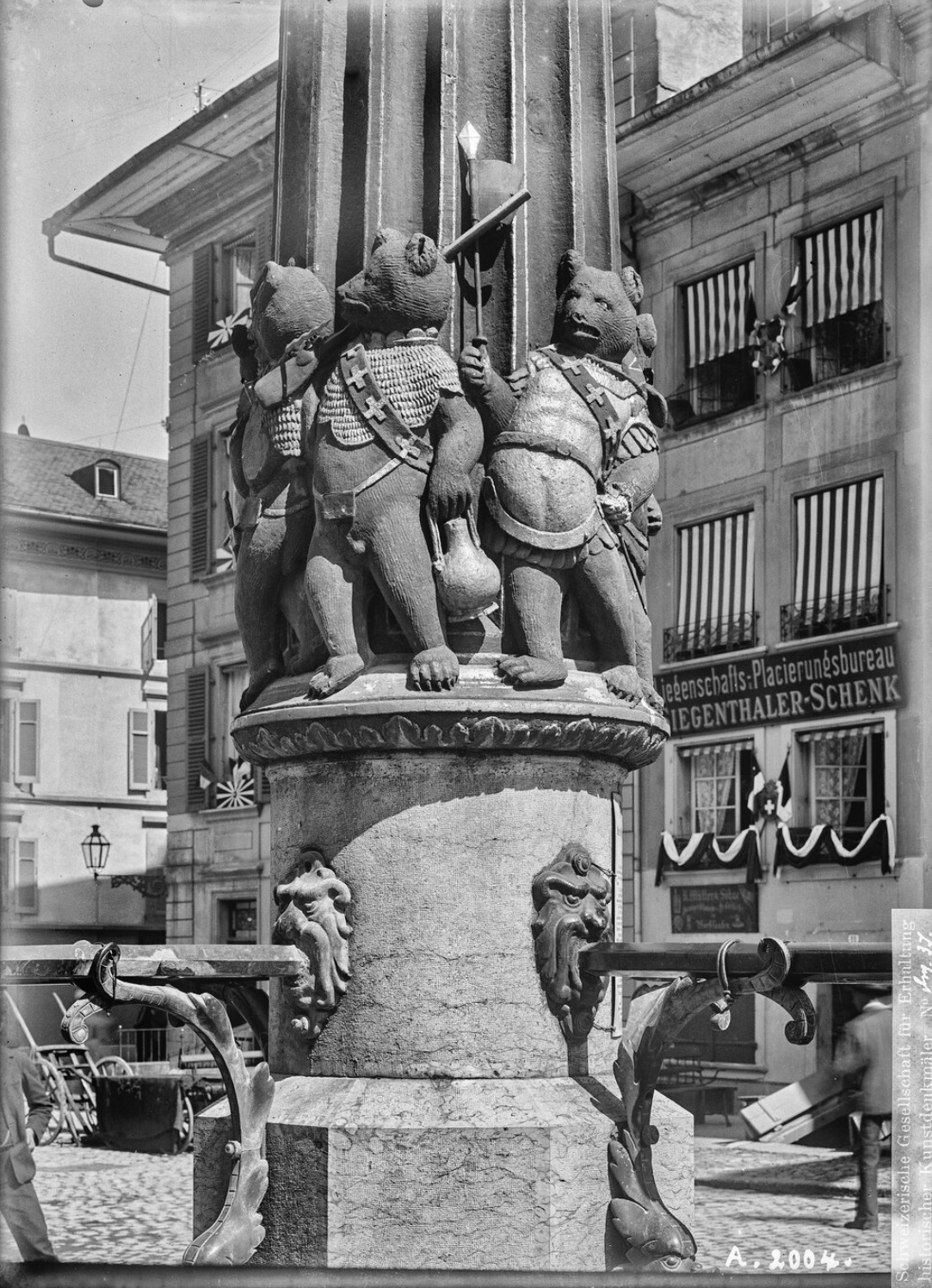
Now
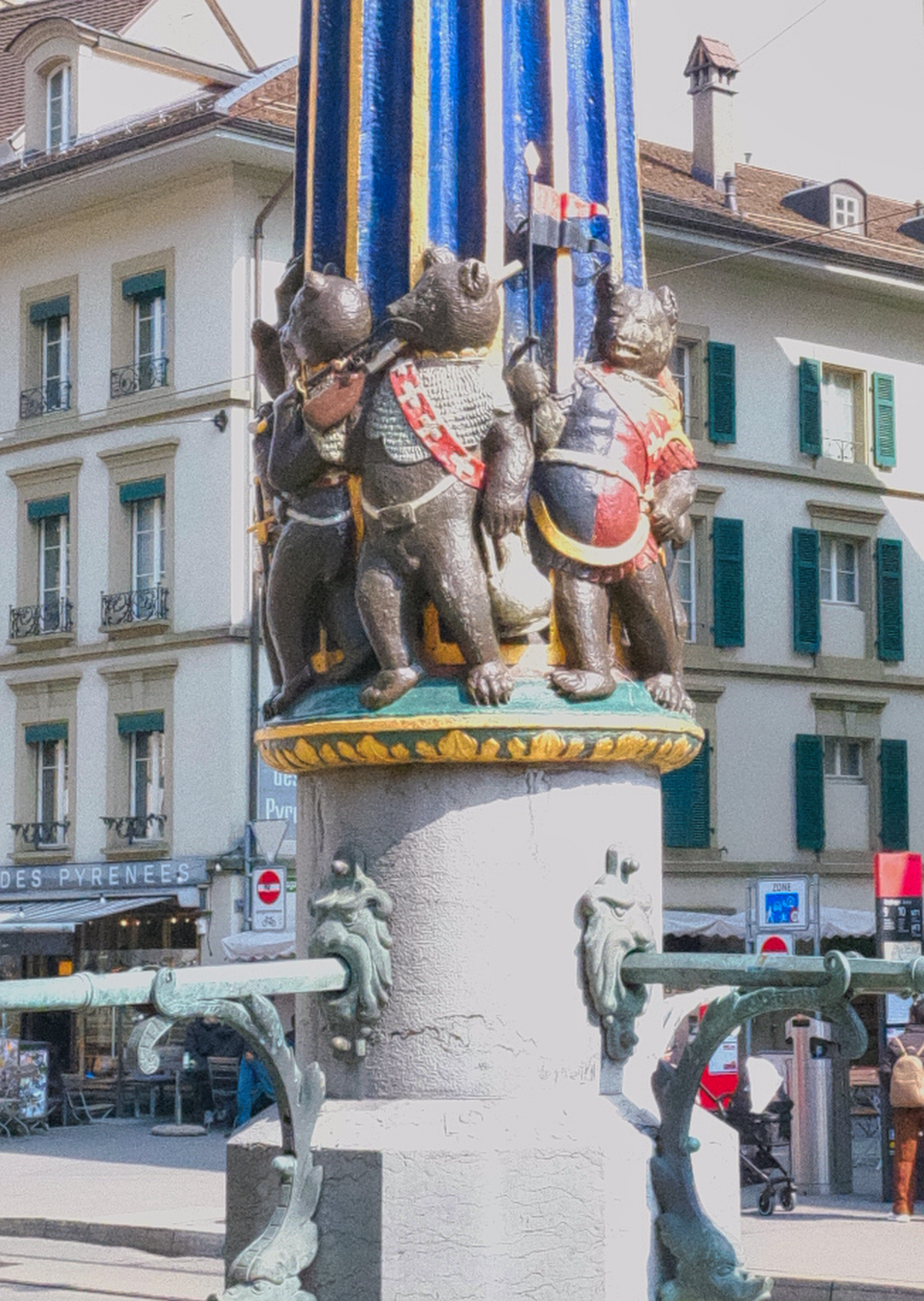
Now:
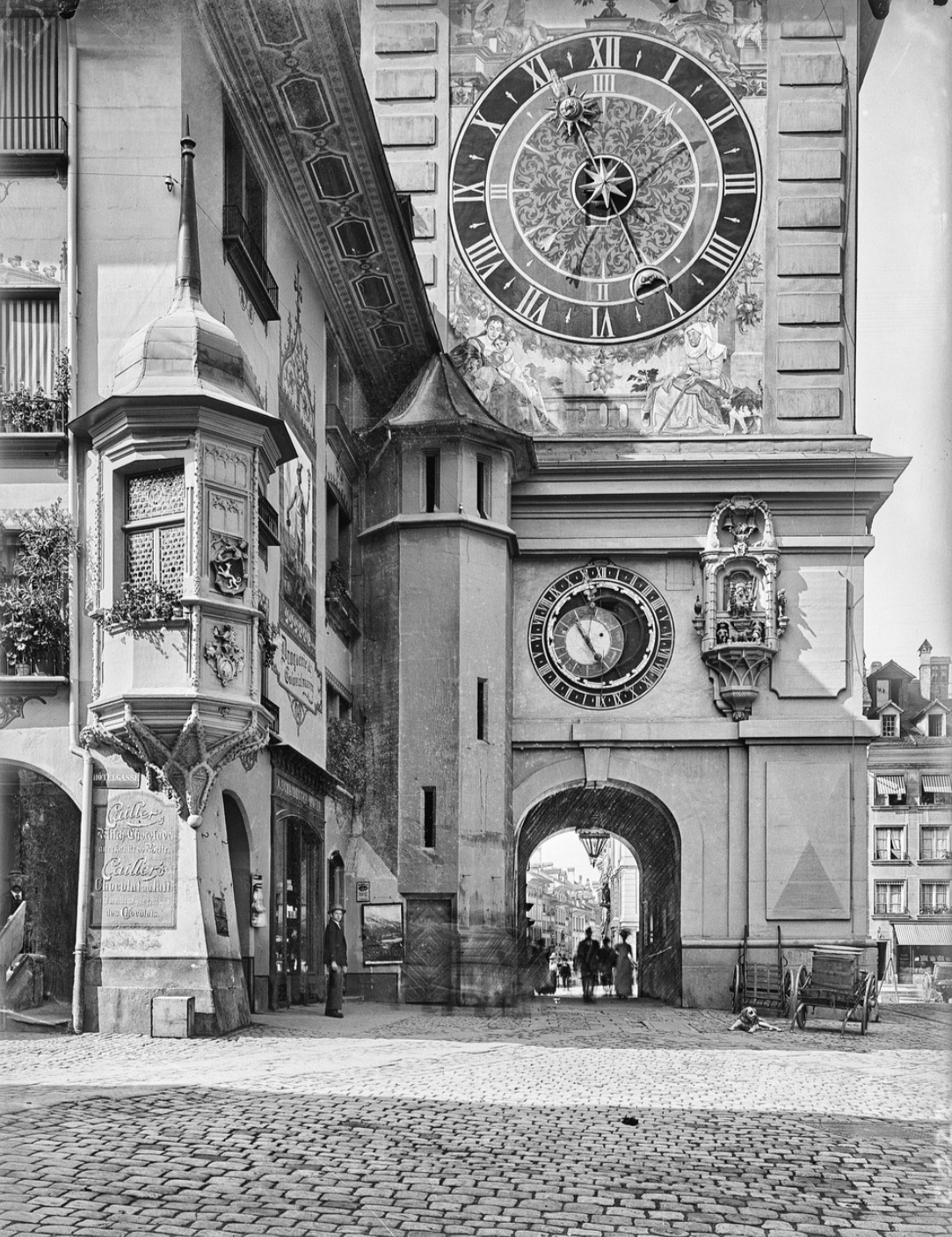 Now
Now

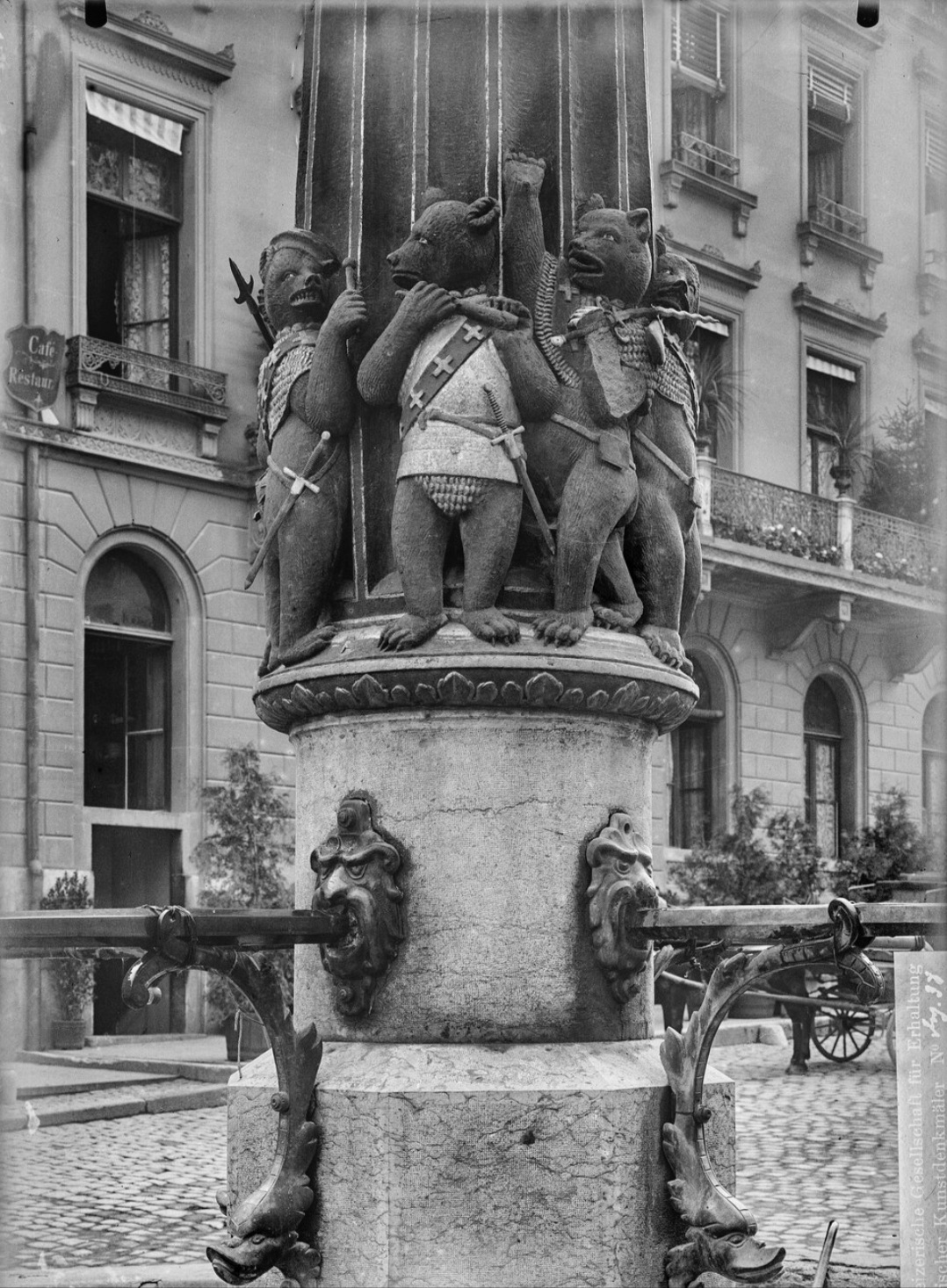
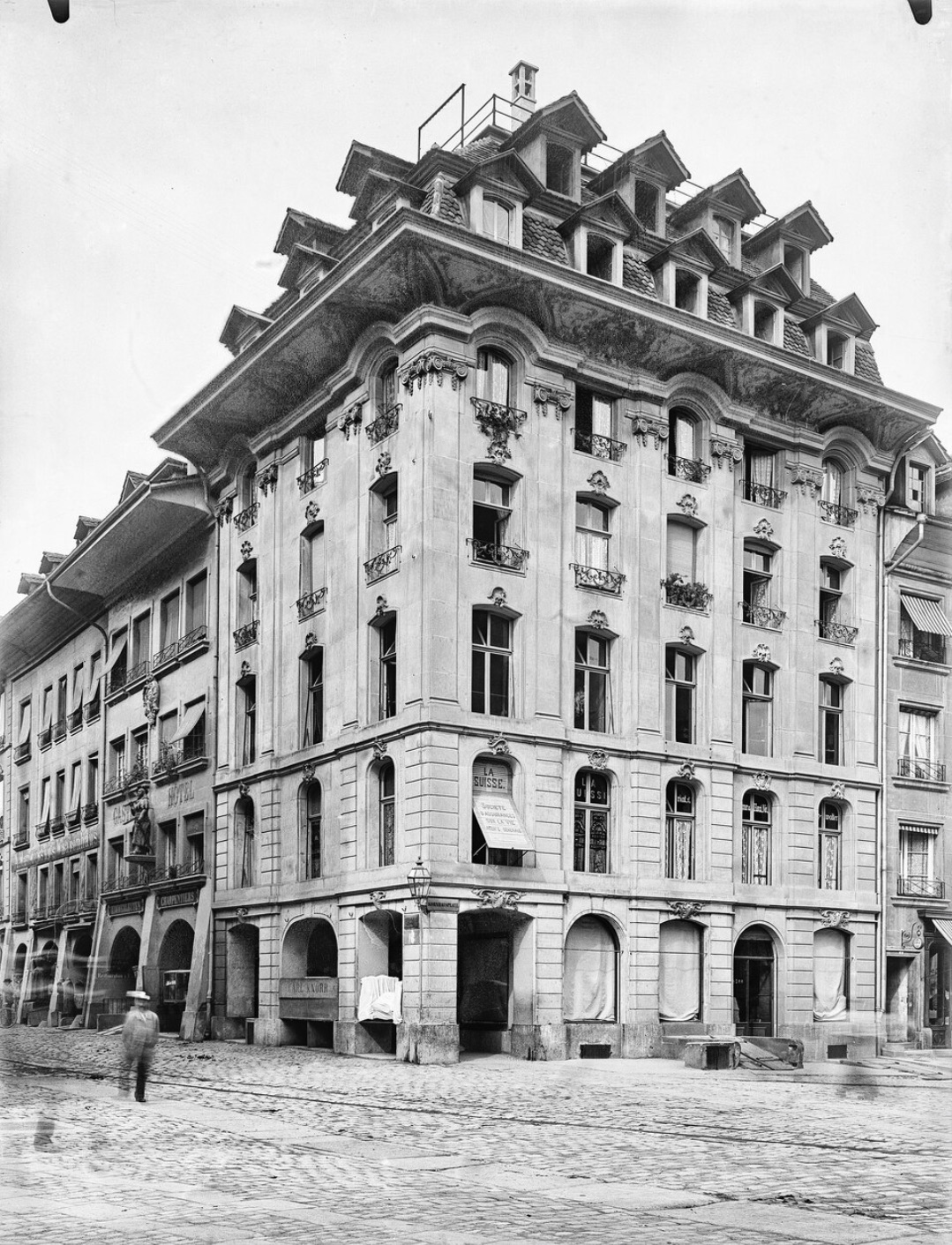
THEN (around 1909)
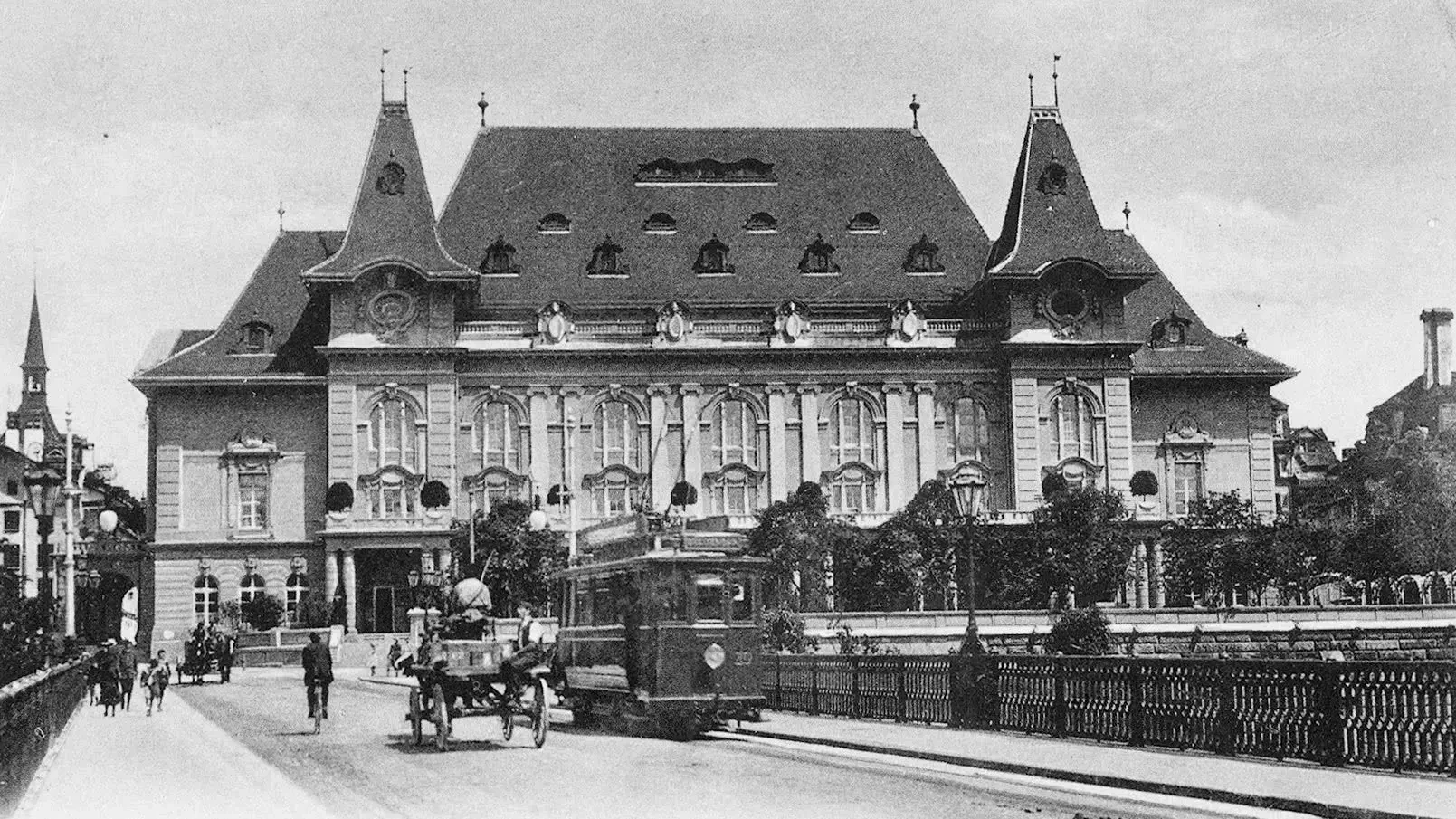
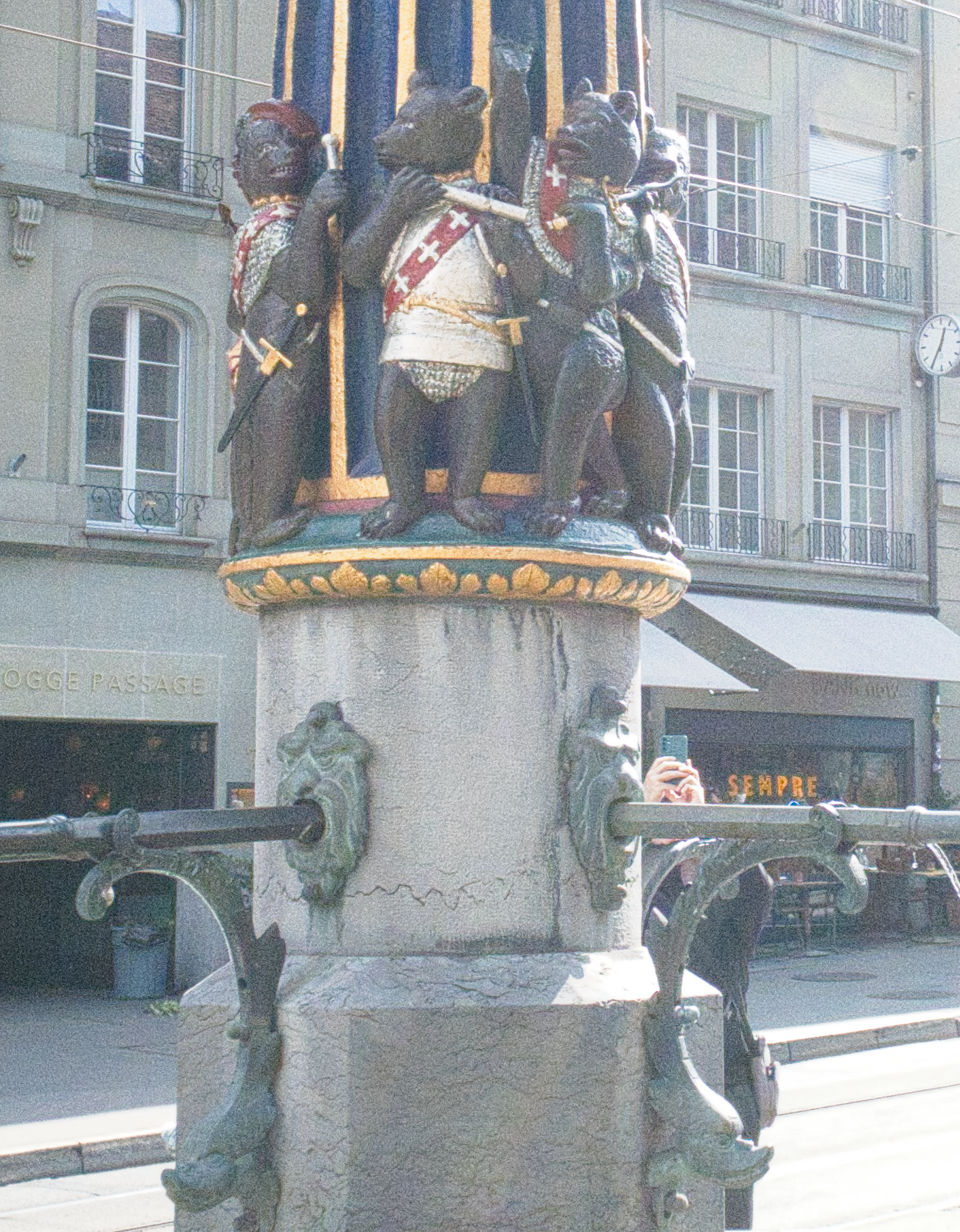
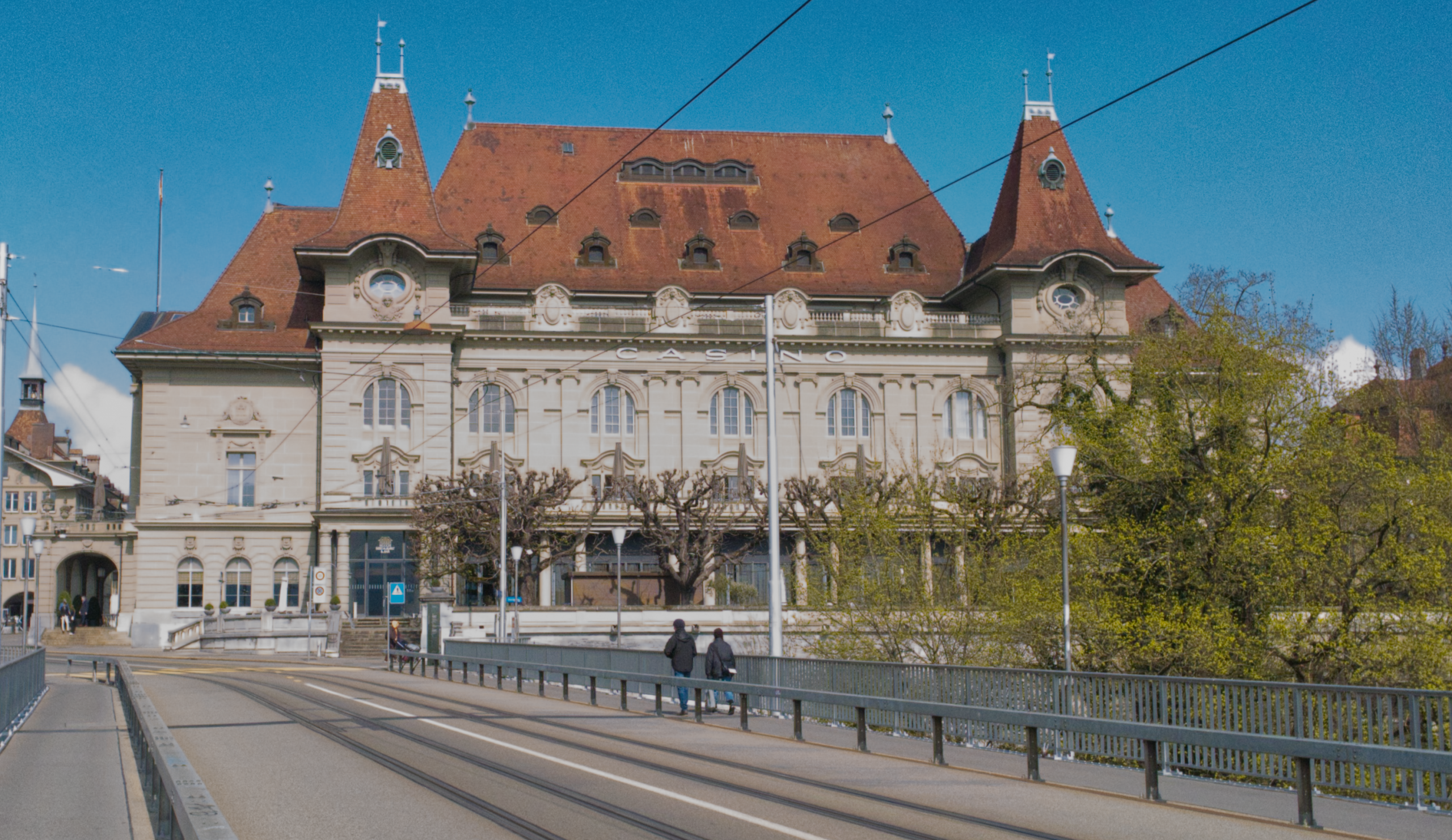
And now:
Then:
And now:

. . . and bring them with you to important meetings. It is not about looking old-fashioned, or rejecting laptops, or even about the notes themselves. It’s about the non-verbal signal you send: I’m professional, I’m serious, I’m going to capture the important information permanently.
This matters even more in meetings with senior stakeholders you do not see every day, often Gen-X or Baby Boomer decision makers who grew up in a time when a notebook in the room signaled commitment and follow-through. That impression still exists today.
In your first few months on the job these small signals add up. They help your more senior colleagues perceive your reliability, your maturity, and your professionalism.
If I ask someone for a list of stakeholders and they send me “list.xls” it may contain brilliant information, but the name sends a strong non-verbal message that they may be lazy or careless with their work. It only takes seconds to name it “2026-03-Stakeholder-List.xls” or something equally clear and structured.
A good file name shows that you care about clarity, versioning, and long-term readability. In professional environments that small non-verbal action signals discipline and attention to detail. It also makes you stand out, because fewer and fewer people take the time to do this, and those who do are noticed immediately.
. . . never make changes without first making a copy of the original slide.
I learned this trick many years ago from a brilliant consultant and have been using it ever since. It is especially powerful when you make small changes, because your colleagues can quickly toggle between the versions and immediately see exactly what you edited.
. . . are two business tools for two separate purposes. Many students have never written an email, only read them, and so they don’t yet realize that email is a complicated tool that requires practice and experience to master.
CHAT is the right tool for ephemeral information sharing:
EMAIL is the right tool for long-term storage and retrieval:
Using a chat when the situation requires an email creates chaos: nothing is recorded, nothing is clear. Using an email when the situation requires a chat creates delay: everything slows down. Choosing the right tool shows you are organized, respectful, and professionally predictable.
. . . with lifeforms that think differently than you. Look carefully at the various leaders in your new company. Every generation has its own habits, comfort zones, and invisible expectations, not just around technology but also communication and, much more importantly, decision-making.
Manager Tools always says “communication is what the listener does.” Your success in the first months comes down to noticing how each group prefers information, matching their style, and communicating in ways that feel natural to them, not you. These small adjustments help senior colleagues see you as someone who understands the environment and is easy to trust.
And trust is not only what opens the first doors. It is the absolute foundation of business life. Without trust nothing moves. With trust, everything does.
. . . not just for presenting live. To be provocative: students are taught rubbish. Big fonts, reduced text, clever transitions. And the biggest sin: videos embedded in presentations.
In the real world, chances are high that 95% of people will be reading your slides offline, not viewing them live. Any senior manager or executive will want a copy at least 24 hours before you present, sent as a PDF, which is exactly why videos are a no-go.
Hallmarks of a good presentation:
And something rarely taught: the role of backup slides. If a topic is important, it belongs in the backup after the main slides. A good backup answers questions before they are asked. I have seen top presentations with 8 main slides and 20 or more in the backup.
Remember, your real audience is not in the room. It is in the inbox.
. . . always use the name they used when they signed their email.
American professionals usually have two names in circulation: a formal version that appears on HR systems, diplomas, and legal documents, and the name they actually live by.
This short name is their public key: it tells you how they want you to address them, and it signals the level of warmth they’re offering. A “Hello Michael” response to “Best, Mike” rejects their invitation to engage on a less formal level. To an American that can feel jarring, taking a very abrupt step backward after they’ve taken a step forward.
If you know these unwritten rules you can navigate the cultural code effortlessly and build rapport faster with your US colleagues.
. . . is not about impressing them but giving them what they need. Executives operate with extreme time pressure, high responsibility, and constant context-switching. They value clarity, calmness, and people who make their lives easier.
When dealing with executives, be CLEAR:
Every interaction with an executive is a chance to build trust. With trust everything moves. Without it, nothing does.
. . . just type a “$” on the TO: line before you start editing.
Sometimes you make a mistake while typing and an email is sent before you are ready. This can be bothersome but it could also be embarrassing or even disastrous. By entering this character it guarantees, at least on many email clients such as MS Outlook, that the email won’t be sent until you remove it.
Most email clients will accept this, and you can save the email in the meantime. When you are finally ready to send, just remove this little send protection and go.


