Now:
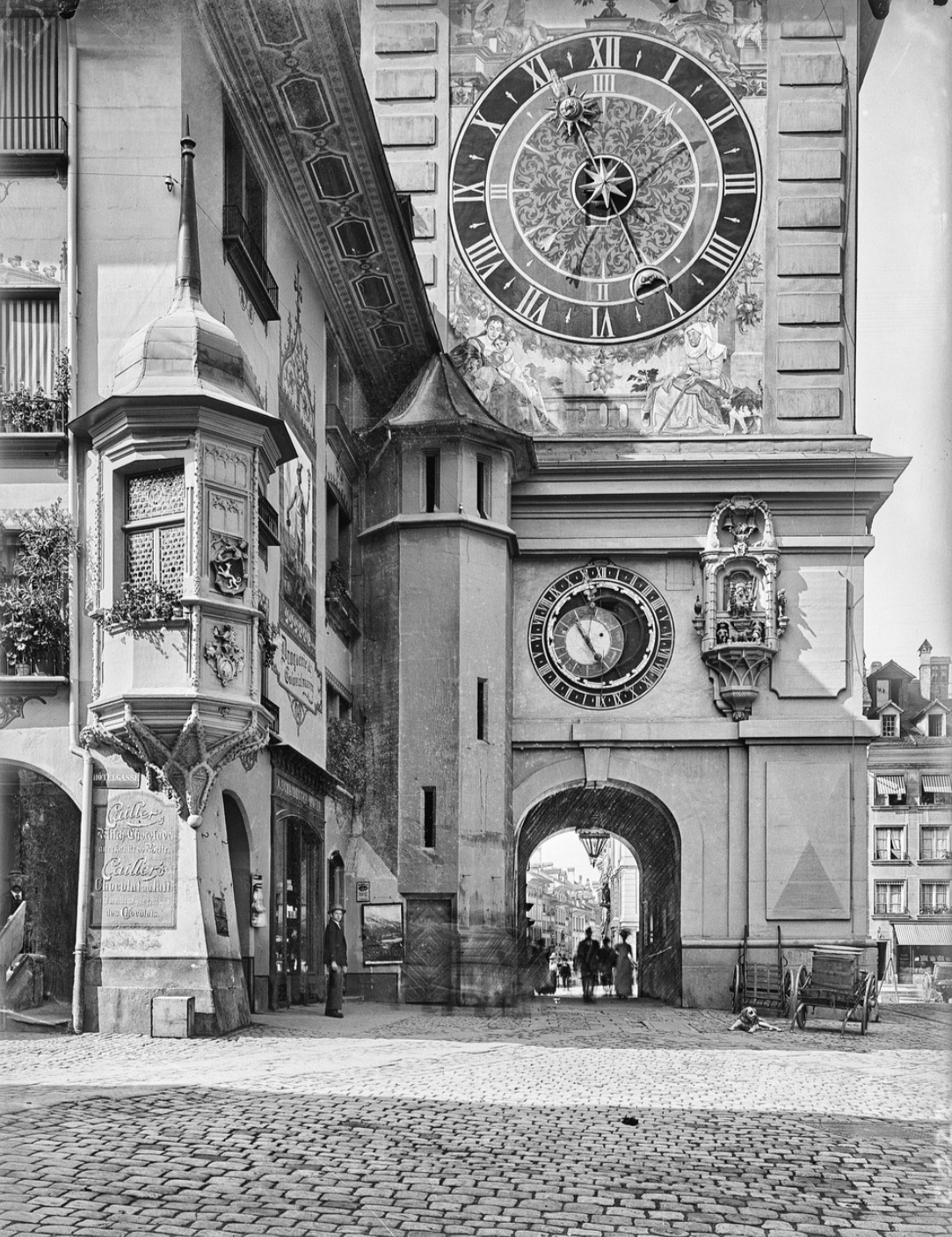 Now
Now
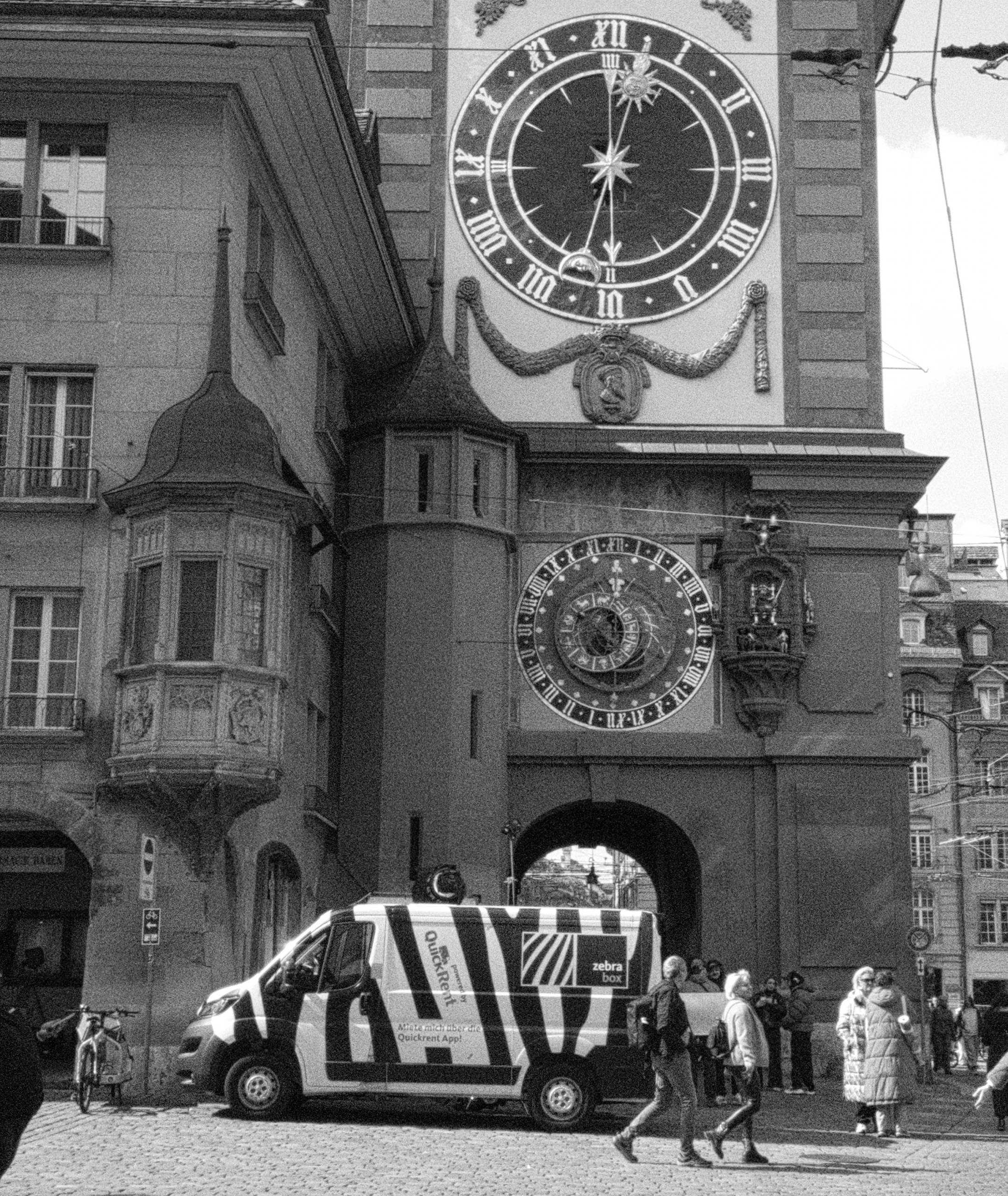
A renaissance man for the twenty-first century!
Now:
Now
THEN (around 1909)
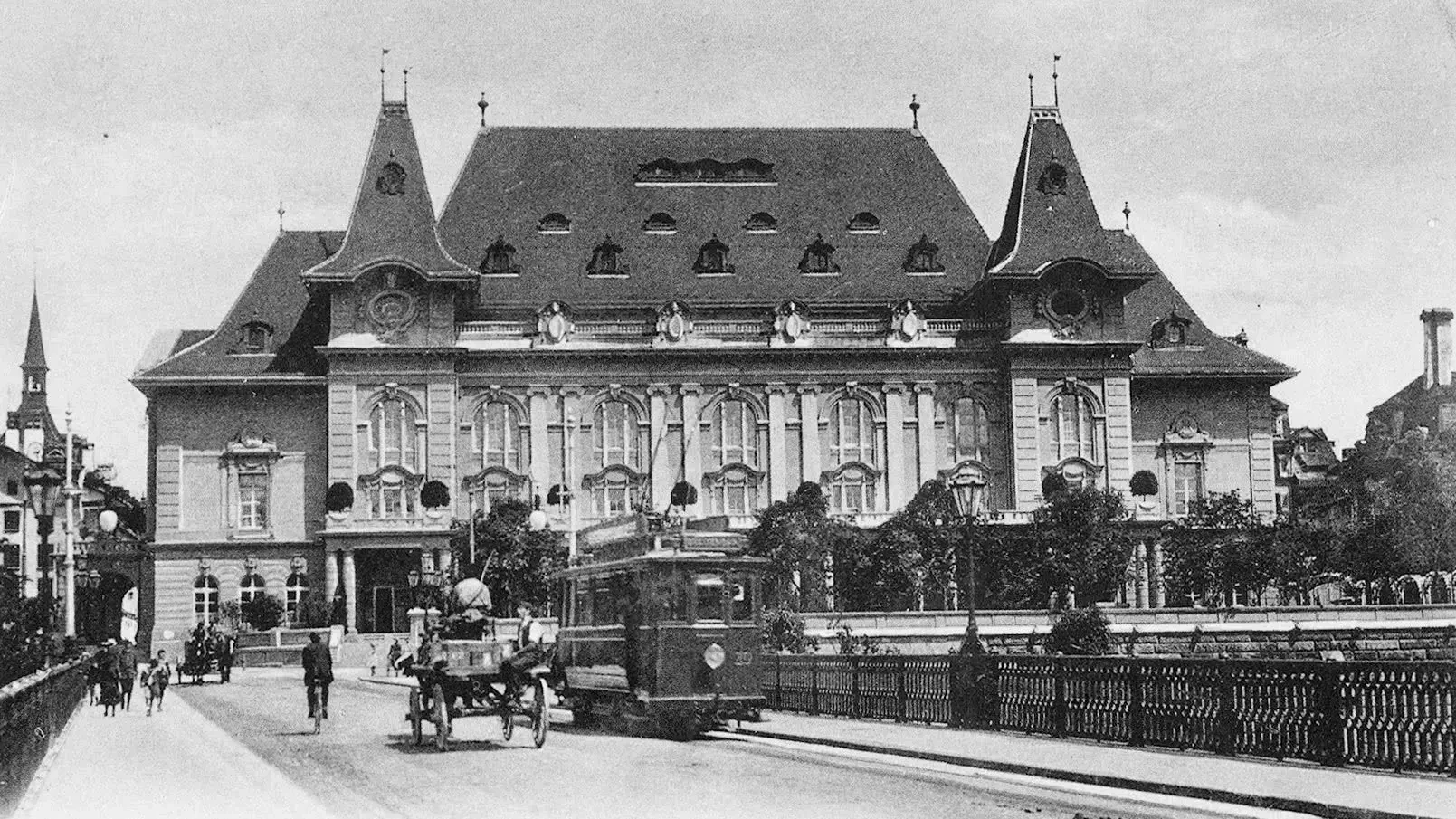
And now:
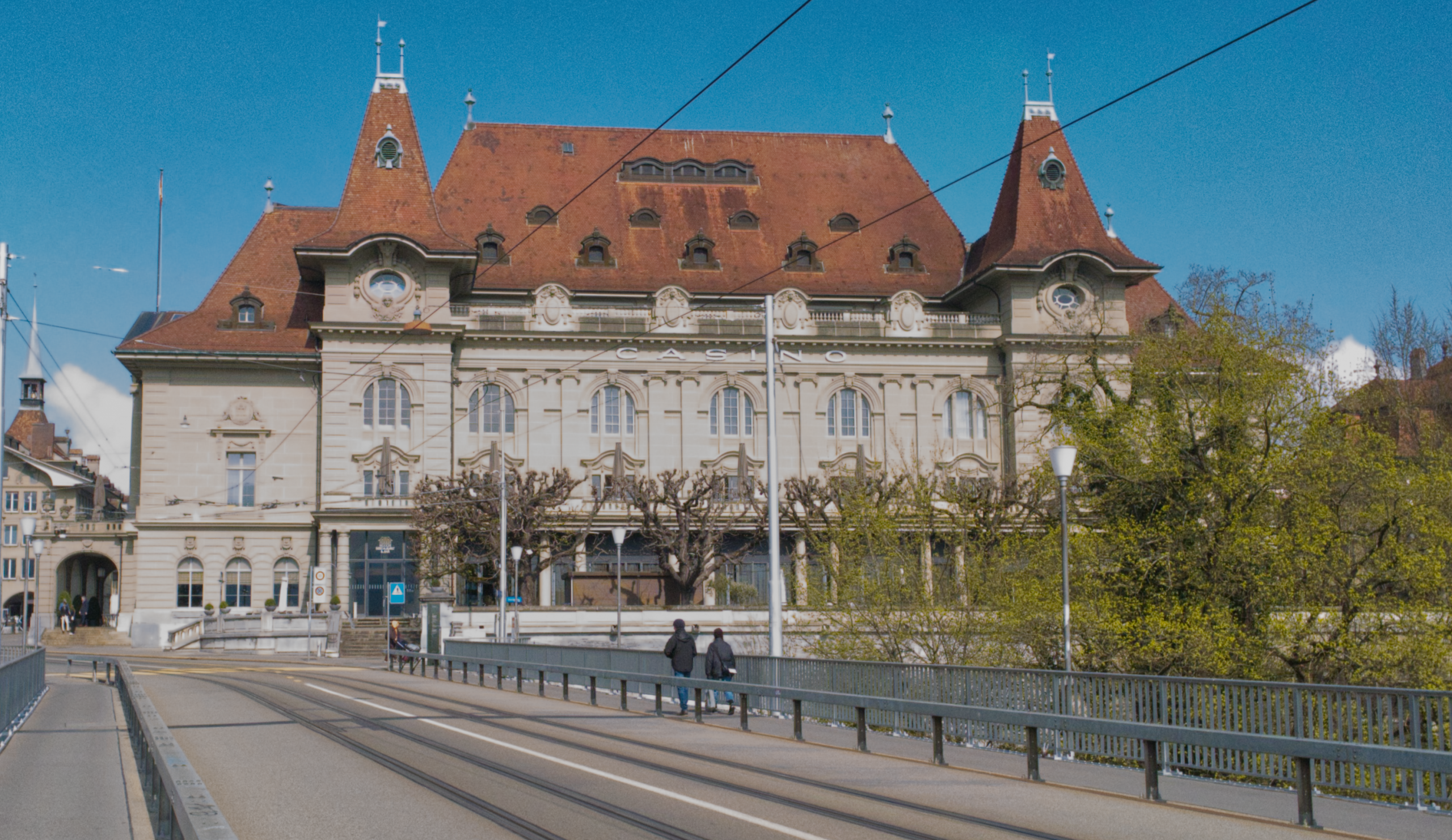
Then:
And now:
. . . and bring them with you to important meetings. It is not about looking old-fashioned, or rejecting laptops, or even about the notes themselves. It’s about the non-verbal signal you send: I’m professional, I’m serious, I’m going to capture the important information permanently.
This matters even more in meetings with senior stakeholders you do not see every day, often Gen-X or Baby Boomer decision makers who grew up in a time when a notebook in the room signaled commitment and follow-through. That impression still exists today.
In your first few months on the job these small signals add up. They help your more senior colleagues perceive your reliability, your maturity, and your professionalism.
If I ask someone for a list of stakeholders and they send me “list.xls” it may contain brilliant information, but the name sends a strong non-verbal message that they may be lazy or careless with their work. It only takes seconds to name it “2026-03-Stakeholder-List.xls” or something equally clear and structured.
A good file name shows that you care about clarity, versioning, and long-term readability. In professional environments that small non-verbal action signals discipline and attention to detail. It also makes you stand out, because fewer and fewer people take the time to do this, and those who do are noticed immediately.
. . . never make changes without first making a copy of the original slide.
I learned this trick many years ago from a brilliant consultant and have been using it ever since. It is especially powerful when you make small changes, because your colleagues can quickly toggle between the versions and immediately see exactly what you edited.
. . . are two business tools for two separate purposes. Many students have never written an email, only read them, and so they don’t yet realize that email is a complicated tool that requires practice and experience to master.
CHAT is the right tool for ephemeral information sharing:
EMAIL is the right tool for long-term storage and retrieval:
Using a chat when the situation requires an email creates chaos: nothing is recorded, nothing is clear. Using an email when the situation requires a chat creates delay: everything slows down. Choosing the right tool shows you are organized, respectful, and professionally predictable.
. . . with lifeforms that think differently than you. Look carefully at the various leaders in your new company. Every generation has its own habits, comfort zones, and invisible expectations, not just around technology but also communication and, much more importantly, decision-making.
Manager Tools always says “communication is what the listener does.” Your success in the first months comes down to noticing how each group prefers information, matching their style, and communicating in ways that feel natural to them, not you. These small adjustments help senior colleagues see you as someone who understands the environment and is easy to trust.
And trust is not only what opens the first doors. It is the absolute foundation of business life. Without trust nothing moves. With trust, everything does.
. . . not just for presenting live. To be provocative: students are taught rubbish. Big fonts, reduced text, clever transitions. And the biggest sin: videos embedded in presentations.
In the real world, chances are high that 95% of people will be reading your slides offline, not viewing them live. Any senior manager or executive will want a copy at least 24 hours before you present, sent as a PDF, which is exactly why videos are a no-go.
Hallmarks of a good presentation:
And something rarely taught: the role of backup slides. If a topic is important, it belongs in the backup after the main slides. A good backup answers questions before they are asked. I have seen top presentations with 8 main slides and 20 or more in the backup.
Remember, your real audience is not in the room. It is in the inbox.
. . . always use the name they used when they signed their email.
American professionals usually have two names in circulation: a formal version that appears on HR systems, diplomas, and legal documents, and the name they actually live by.
This short name is their public key: it tells you how they want you to address them, and it signals the level of warmth they’re offering. A “Hello Michael” response to “Best, Mike” rejects their invitation to engage on a less formal level. To an American that can feel jarring, taking a very abrupt step backward after they’ve taken a step forward.
If you know these unwritten rules you can navigate the cultural code effortlessly and build rapport faster with your US colleagues.
. . . is not about impressing them but giving them what they need. Executives operate with extreme time pressure, high responsibility, and constant context-switching. They value clarity, calmness, and people who make their lives easier.
When dealing with executives, be CLEAR:
Every interaction with an executive is a chance to build trust. With trust everything moves. Without it, nothing does.
. . . just type a “$” on the TO: line before you start editing.
Sometimes you make a mistake while typing and an email is sent before you are ready. This can be bothersome but it could also be embarrassing or even disastrous. By entering this character it guarantees, at least on many email clients such as MS Outlook, that the email won’t be sent until you remove it.
Most email clients will accept this, and you can save the email in the meantime. When you are finally ready to send, just remove this little send protection and go.
. . . that you knew they could not understand? Of course not. The idea of communication is to be effective, and you can’t be maximally effective if they cannot process the information you give them.
Manager Tools has taken this one step further, popularizing the so-called DISC model. According to this, people tend to have behaviors in a mix of four different categories: D = Dominant, I = Influence, S = Steadiness, C = Conscientious. If you know roughly what category a person is in you can communicate with them in a way that is maximally effective. I learned this approach many years ago, and once you learn it, you apply it without thinking.
Here is a good example. A senior executive replies to your first email: “Sally, great idea. Set up a meeting, BR Susan.” How do you think Susan will feel if she reads a reply such as “Dear Susan, I received your email and I want to thank you for the meeting… Best wishes, Sally.” Susan is a high D. She will feel an innate friction at unneeded politeness and verbiage.
It turns out this goes far further than just knowing the comfort zone where people communicate most easily. It’s about how you interact with them, how you motivate them, how you delegate to them, and how you give them feedback. And these are key factors in the business world if you want to get things done.
. . . make sure they have descriptive titles. Rule: the reader should immediately know what the topic will be. “Meeting” or “Sync-Up” just won’t cut it.
Your colleagues’ calendars, and soon yours too, will be filled with so many meetings that being able to do a quick visual scan and understand the context is important, especially when some prep work is needed before a meeting.
As a college instructor I never fault students for not knowing these things. How could they? University life doesn’t “contaminate” you with dozens of overlapping appointments, client calls, steering committees, and project reviews.
Students: enjoy your freedom. Graduates: get ready for more “rituals” than you could ever imagine.
. . . use small labels to indicate who does what, and the status. I learned this trick many years ago from a brilliant senior leader, Felix Wirth, and it completely revolutionized how I worked.
Use a small label with the person the slide is assigned to, and use a label to indicate status: TO-DO, IN PROGRESS, DONE.
In this way, not only will each person see what they have to do, but also what everyone else is working on. And the overall lead will quickly see the status at a glance.
You might also find labels easier for communicating with each other. The review options in PowerPoint are painfully limited, and this simple system fills the gap.
. . . “WHAT DOES SUCCESS LOOK LIKE?”
For project managers: PMI emphasizes defining success early, because projects often fail when success is not explicitly defined. The IPMA ICB defines success relative to stakeholder expectations, not just time, scope, and cost.
For managers: Peter Drucker taught that effectiveness starts with clarifying objectives and outcomes. Kaplan and Norton showed that success extends beyond financial metrics. Kotter stresses the need for a clear vision of the desired end state.
For consultants: Firms such as McKinsey, BCG, and Bain routinely use outcome-defining questions like this in project kickoffs to align stakeholders.
But why does it work? “What does success look like?” is powerful because it activates multiple psychological mechanisms at once: it counteracts cognitive biases; it disrupts automatic behavior; it shifts people from habitual action to reflective goal-oriented thinking; and it forces perspective-taking by requiring individuals to articulate what success actually means.
Even Texans will agree: that dog’ll hunt. 🤠
. . . if you want to sound professional. Just ‘Susan,’ may be more appropriate.
In the DACH region we are raised with formal etiquette. Removing “Dear” feels naked or even rude. Americans might find it strange but when Europeans walk into a room it’s expected to greet everyone: “Grüss Gott” in Stuttgart, “Grüezi” in Zürich, or “Grüessech” in Bern.
But Europeans beware! In the US and international tech hubs “Dear” is an artifact of the 1950s and it makes you sound like a great-grandparent! To a fast-paced American executive “Dear Susan” may feel stiff, overly formal, and too slow.
The Email Greeting Reality Check:
For US and European exchanges, mirroring what you see is generally a safe and recommended approach. But watch out for Asia, where relationships may be asymmetrical: they show you “benevolent closeness” but still expect “proper respect.”
The Golden Rule: When in doubt, be authentic to yourself.
And remember, your greeting isn’t just a formality. It’s the tone of your professional brand.
. . . is something that can take your professionality to the next level. I learned this trick from a brilliant CIO, Kimmo Koho, and it’s changed my life. No matter how small the meeting you’re in, follow it up with a reply that looks as shown.
Why does this work? Three reasons:
KEY POINT: Send it within 10 minutes after the meeting ends, or ideally before people sign off. That’s the moment it makes an impression. An hour later, nobody cares.
The real power isn’t in the notes themselves. It’s the non-verbal message you’re sending: it’s not a form, it’s me writing; I was prepared; I was paying attention; and I’m organized enough to follow up before you’ve even closed your laptop.
That says more about your professionality than any CV ever will.
. . . either ACCEPT or REJECT calendar invitations. I’ll go out on a limb and say not just the majority but the overwhelming majority of my students don’t do this – and they probably have never done it.
Let me be very clear: a calendar invitation is not an FYI. It is not a notification. It is not an email you read and move on from.
A calendar invitation is a request for a commitment!
That’s how every manager, client, and colleague you will ever work with reads it. Every single one.
And here’s even more damage you can avoid: your response is visible. When someone sends a meeting to six people, they can see who accepted, who declined, and who ignored it. Guess whose name stands out? Not in a good way.
Final point: declining is not rude, it’s professional. Add a one-line reason (“exam conflict, could we do Thursday?”) and you’ve just shown more professionalism than most people manage in their first year of work. Silence is what’s rude: it says, your planning doesn’t matter to me.
Build this habit now, before you enter a workplace where it actually costs you something.
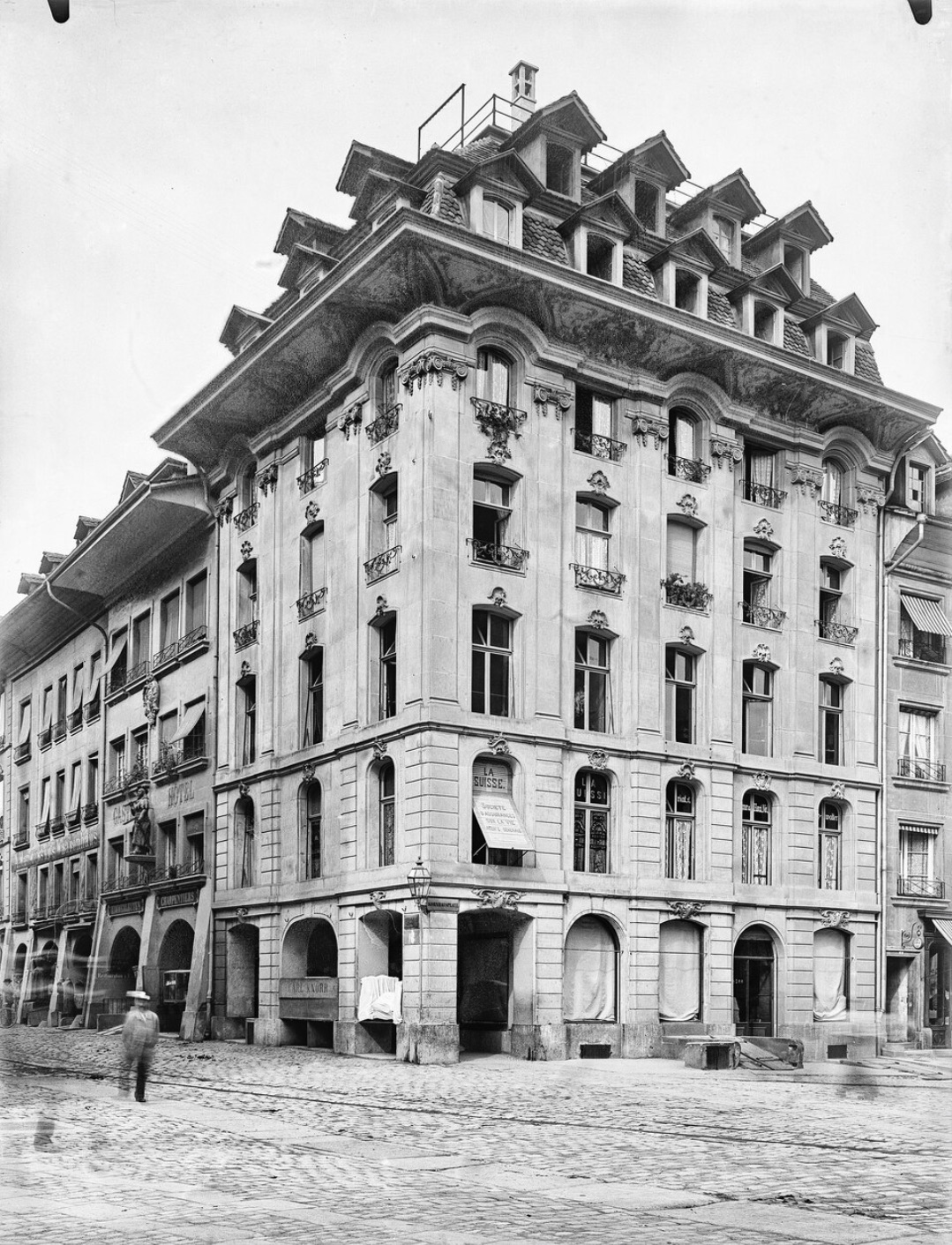
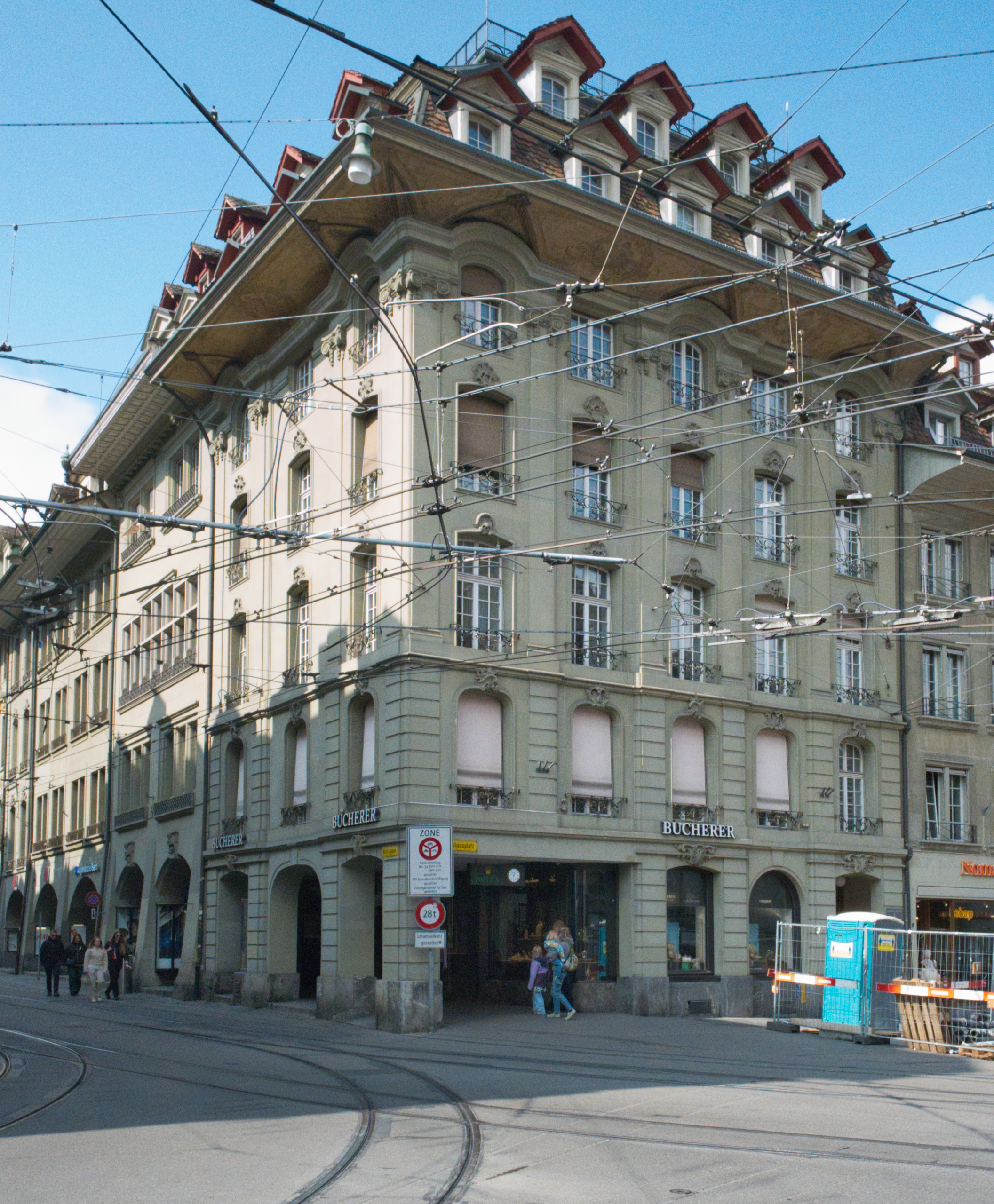
Then, but not sure exactly when:
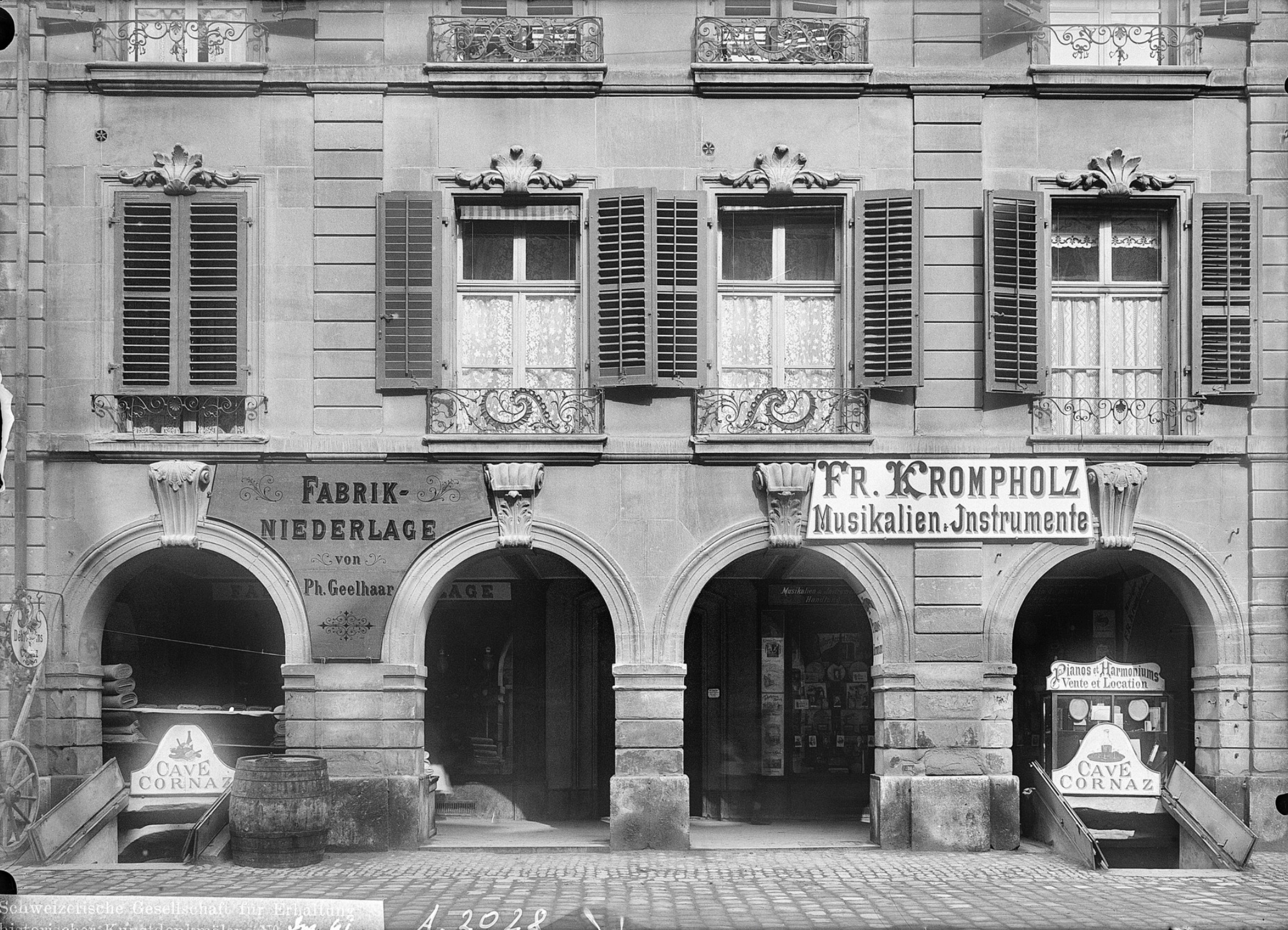
And now:
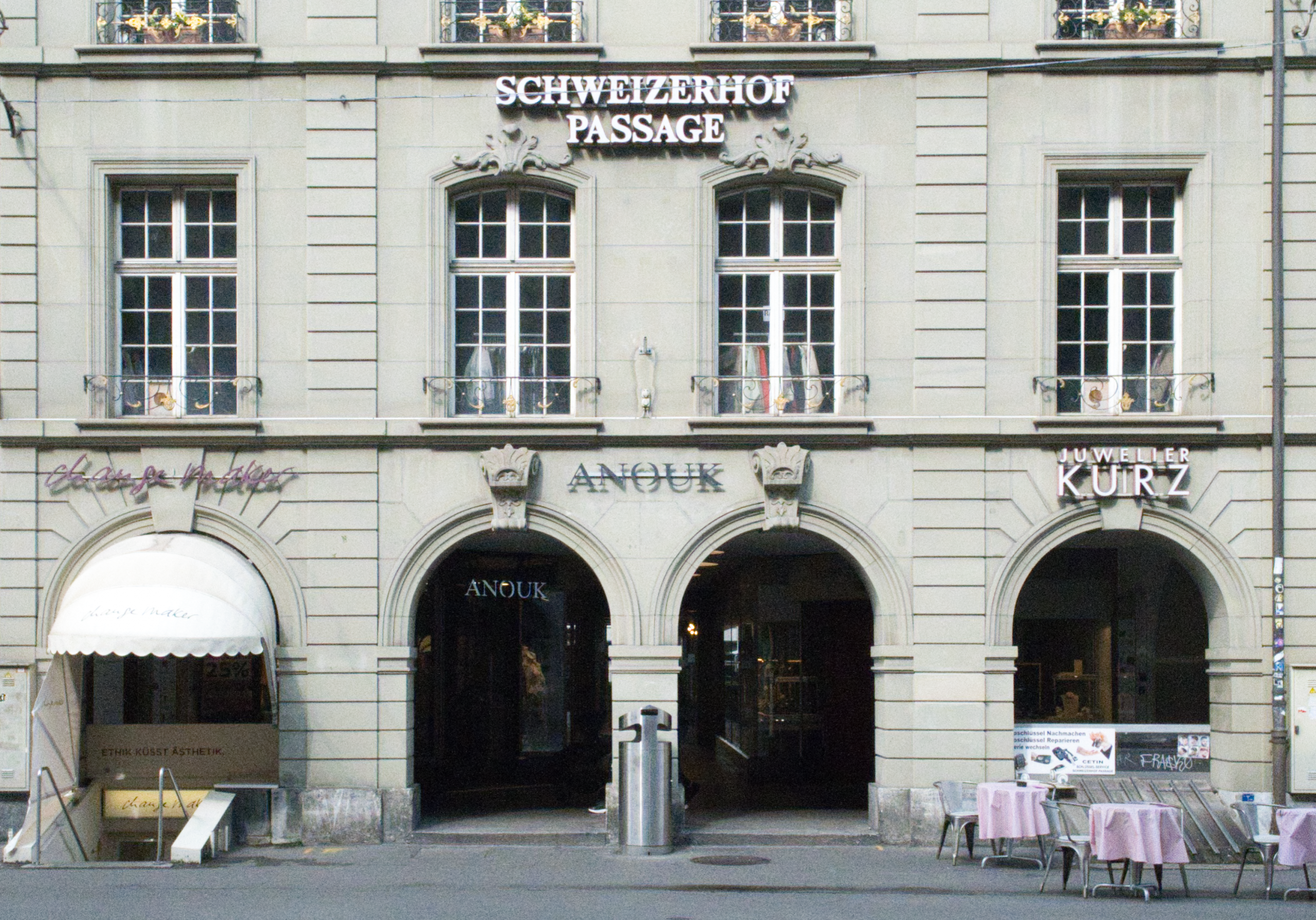
Continuing the series,
THEN (1983)

NOW
NOW (COLOR):
COMMENTS:
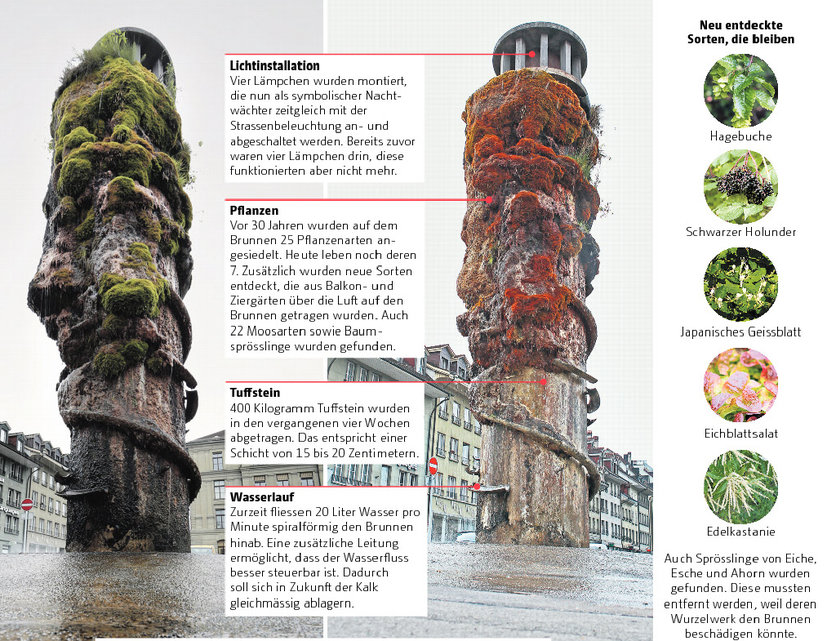
(1) This is actually not that old – it was inaugerated in 1983 by the artist Meret Oppenheim.
Below are some more interesting facts about this pillar of moss and slime:
Courtesy of my friend Claude, here is a query:
https://ritley.com/wp-content/uploads/2026/03/sql_1974_charts.html
And here is what it might look like:
https://ritley.com/wp-content/uploads/2026/03/query_results_1974.html
Kenneth A. Ritley — Independent Study High School Project, based on Daniel Defoe’s Robinson Crusoe
For reasons of posterity, I feel it justified to give freely my account of what happened to me, in the form of a journal which I kept all during that bewildering time.
I am now glad to have regained my liberty, this fifteenth day in the last month of the nineteen hundred, fourscore and third year of our Lord.
I awoke in my cell a full and rested man, for the food served to us was impeccable and very strange for a jail, where I thought there would be no nourishment of any sort. Upon returning back to my room from the mess-hall, I saw my good barrister present some type of bill or writ to my jailor, another African, but one whom I did not care much for; upon the receipt of which he motioned to his associate-jailors that I be removed.
I was taken to still another room, where I was presented with a brown bag, in which were contained my possessions. I was also given a five-pound note, much to my surprise, for evidently they reconciled that some harm in my detainment might have come and they were sincere and wished forgiveness. I graciously accepted the money and my valuables, though many of them were not, and bid them escort me to the door where I was thus set free.
Of course I, Kenneth Ritley, being a charitable person, tried in every manner possible to give my African, the six men and one stranger, my barrister, the hand-washer manservant, and even the moron, some small monetary token of my gratitude, but they would have none of it and instead bid me that I should keep the money, which I did, and used it to live off of for near half of an active life, for five pounds was so extraordinary large a sum.
End of Journal
Kenneth A. Ritley — Independent Study High School Project, based on Daniel Defoe’s Robinson Crusoe
For reasons of posterity, I feel it justified to give freely my account of what happened to me, in the form of a journal which I kept all during that bewildering time.
I awoke this morning with a renewed freshness, such as the likes I have not seen for a good many years. Yet now I feel it proper and fitting to tell something of where I am presently at, though I know not why. I will then proceed to elaborate upon those events which, after leaving that “lounge area” that I described yesterday, eventually led to my disposal in these present circumstances.
I now gathered that I was confined in some jail! How mysterious can it be that God might feel compelled to have one such as I, who I before considered to be a pious and God-fearing man, observant of all the holydays and fasts, and resting every Sabbath; how He could have thought fit to have me snatched up en route to post a letter, which, by the way, I never did; subjected to a very bizarre set of circumstances I still cannot understand, and then, for almost no reason that I could plainly see, confined to a jail! How mysterious indeed!
My high regard of the men who brought me here soon began to falter, for it was quite unusual that I be jailed without any of the due proceedings I would come to suspect: no barrister was brought before me, neither a proper trial to establish my innocence or guilt, as the case may be. But look now how I talk! I say I might not be innocent, but surely I am, for what manner of law must I have broken to be jailed without any of the preliminaries I might expect!
Upon leaving that lounge area I recently told about, I was brought into a sitting room, where I stood and held a small placard to my breast. Then, in a sudden instant, a bright flash went off, a flash so bright, I believe, that had I been looking squarely at it I feel I would have been blinded for sure; and indeed, as it were, I was not looking squarely at it, yet after its occurrence I retained for several minutes the image of the flash in my eyes. I feel that this was not unlike the story the cannibals tell, for who of all but they would know best? — they tell that the eye retains its last image after death. This thought could scarce have reassured me any more, for it suggested to me just how near death I was for this to happen!
No longer was I acting in a passive manner as I had done before. I stood up and demanded, “Where hast thou brought me, and wherefore? I bid thee answer, knaves, that ye all not see such a man as I in violent turmoil and unrest!” I have never been very good at making threatening comments, but I realized that indeed I must have been better than I thought, for upon hearing these words that African, now with me in this room, remarked — and this I feel very reassuring, about with my threat, for pagans and Negroes were hardest to threaten, and I gathered he was both; he remarked, as I say, “Jss cool, jss cool. Jus’ relax, kay? Daint nufin dat yoh can do, cuz we goss da goods on ya, and yous in pooty deep trouba, heah? Yous calms down, an’ we gwyne take yoh pitchure.”
Though he spoke with a good many pagan words which I could not understand, I did gather that I was going to have my portrait done, no doubt in restitution for all the trouble they had caused me; yet I could have gathered that anyway, for I saw the artist’s light equipment and shades, though I saw not his canvas and easel.
I felt very sorry for having threatened them all in so violent a manner, especially when a man returned bearing my portrait. I was indeed fascinated by the skill with which he had captured my essence, and on such a tiny canvas, too, for it was only about two or three inches on a side! When I inquired if I could keep that portrait, which was indeed very glossy, no doubt covered over with a sealer of sorts, and was so flexible — indeed, I have never seen canvas like it; when I asked, as I say, I was told not, that it must be entered into a book. And what a huge book it was! for I then saw it and the scores and hundreds of pictures, as the African called it, within the book, and all of them bearing placards at their breasts. I then deduced, for I was not in the least lacking wits, that the purpose of the placards was for cataloguing all of the portraits; moreover, I figured that, after being asked to do so many sittings in such an unusual manner, the artists of course became good, for the likeness of me was as a mirror; and fast, for he wasted no time in handing me over the finished result; indeed so fast was he that I did not even see him at work.
After this I was incarcerated for the first time, for I am now, at present, writing during my second incarceration. I asked that man who sat beside me in the lounge room for the charges that, all of a sudden, must have been brought against me. He told them to me, in Latin, and I recognized them as words spoken similarly by one of the first six men — the same one, in fact, who graciously told me of my rights and not my wrongs. But as I could speak not a word of Latin, I knew not what charges were against me. (Apparently, too, that man knew not their meanings in the King’s English, or any other English, for that matter, for when I bid him repeat the words in my language, he must needs repeat them in Latin. If the reader of this passage survives me, for I feel uncertain as to my secure future, let him endeavor to learn the meanings in English of felony manslaughter.)
Here I sat in my jail for the first time, and pondered, too, as to what a nice jail it was, for there was a sink and mirror, and all manner of toiletries, and a bed, and bars instead of walls that I might have company. Indeed what a jail! for there was not so much as a rat I could see, nor any racks or stocks, nor trebuchets, nor Iron Maidens of Nuremberg, nor any of the various items I would expect to be here.
I was not here an hour when I was taken before a judge. I was surprised to see that he wore not a wig, nor any of the barristers present, and I thought how they should be disappointed, that is, dis-appointed, by the King if ever word of their actions got out. I was called to the witness stand, strange as it was, for I was able to sit. Following my good man’s bidding, for I now ascertained him to be some barrister, who by his actions was better suited to a life of solicitation, I spoke not a word, except for that “Fifth Amendment” phrase which I spoke earlier about. The magistrate must have known the implications of that phrase, for at once as I said it, he motioned the Bailiff to assist me off the stand, which he did and I was gracious and beholding that a man of such obvious importance as he would consent to help me.
The trial progressed, though most of it in Latin and, hence, incomprehensible to me; after which I was taken and placed in this cell, devoid of all my personal possessions, where I have for two more days sat, and a third, counting this day.